Your new post is loading...

|
Scooped by
mhryu@live.com
Today, 2:35 PM
|
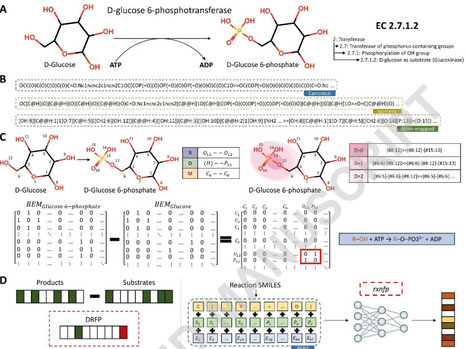
Enzymes catalyse most of the metabolic reactions in living organisms. The functional characterization of enzymes is critical to understand the metabolic processes involved in different fields such as biotechnology, nutrition, ecology, and drug development. The Enzyme Commission (EC) numbers provide a hierarchical framework for classifying enzymatic reactions, linking gene and protein sequences to biochemical transformations. However, the incomplete annotation of biochemical reaction databases limits the accurate representation of metabolism of living organisms. To address this gap, several computational methods have been developed to predict EC numbers from reaction chemical structures, broadly classified into reaction similarity-based and machine/deep learning approaches. We systematically review these tools, comparing their performance predicting EC numbers from different databases, and assessing their robustness across enzyme classes. We also apply these methods to predict EC numbers from drug metabolism reactions, highlighting their potential to improve functional annotation of uncharacterized metabolic pathways. benchmark
|
|
Scooped by
mhryu@live.com
Today, 2:25 PM
|
Microbial peptides represent a vast yet largely underexplored component of microbial dark matter, offering a valuable reservoir of bioactive molecules. Artificial Intelligence (AI) has revolutionized peptide mining, demonstrating high-throughput screening capabilities in tasks such as functional prediction and de novo design. To fully unlock the potential of microbial resource, we present miProbe (https://www.biosino.org/iMAC/miProbe), an integrative platform hosting 1.08 × 10⁹ microbial peptides from disparate habitats. Uniquely, miProbe bridges the gap between raw sequences and AI applications by providing 8 TB of precomputed protein language model embeddings (e.g., ESM2-650M and ProtT5-XL-U50). Our analysis reveals substantial variation in peptide diversity and functional properties across habitats and microbial taxonomic groups, and highlights the utility of large-scale embedding resources in functional peptide mining. Equipped with robust APIs for seamless model integration, miProbe establishes a diverse and scalable data resource to accelerate AI-driven exploration of microbial dark matter and the rational design of novel therapeutics. Authors present miProbe, a platform aimed to consolidate peptide data and functional characterisation, and presenting a resource to accelerate AI-driven exploration of microbial dark matter.
|
|
Scooped by
mhryu@live.com
Today, 1:51 PM
|
Accurate phage–host prediction underpins ecological interpretation and experimental validation of uncultivated phages, yet most current approaches rely heavily on metagenome-assembled genomes (MAGs). This reliance implicitly assumes that MAG-level quality metrics, such as completeness and contamination, ensure scaffold-level correctness. Here, we demonstrate that this assumption can be violated under particular challenging conditions. Tetranucleotide frequency (TNF) analyses reveal that CRISPR-associated regions often diverge compositionally from their host genomes, increasing the risk of misbinning, while experimentally validated phage–host genome pairs show consistent TNF separation between phages and their hosts, challenging compositional binning assumptions. Through controlled simulations, we further show that the incorporation of substantial amounts of TNF-matched, non-host phage sequences into high-quality MAGs does not substantially alter standard completeness and contamination estimates, rendering such errors largely undetectable. Together, these results expose a systematic and underappreciated source of bias in MAG-based phage–host inference and highlight the need for explicit scaffold-level validation beyond conventional genome-quality metrics. We further propose a practical scaffold-level validation framework that integrates structural linkage and taxonomic consistency to improve the reliability of phage–host inference from MAGs.
|
|
Scooped by
mhryu@live.com
Today, 1:43 PM
|
Phytochromes are photoreceptor proteins with an attached bilin chromophore that exhibit a characteristic photoreversible behavior. Originally discovered in plants, phytochromes are now known to occur in diverse eukaryotes and bacteria. Many plant responses of agricultural importance are under phytochrome control. This review traces phytochrome research from its discovery to the present, covering the evolution and diversity of phytochromes, their functions in plants and other organisms, and recent advances in the structural biology of bacterial and plant phytochromes. By integrating historical discoveries with recent molecular and structural findings, the review highlights the broad biological significance and translational potential of phytochrome research.
|
|
Scooped by
mhryu@live.com
Today, 1:32 PM
|
Enzymatic depolymerization provides a sustainable approach for polyethylene terephthalate (PET) recycling, yet efficient conversion of soluble intermediates remains important for improving overall degradation processes. During PET depolymerization, mono-2-hydroxyethyl terephthalate (MHET) is generated as an important soluble intermediate. Although MHETases hydrolyze MHET into terephthalic acid and ethylene glycol, their limited natural availability and poor heterologous expression restrict broader applications. Here, we identified a novel feruloyl esterase (CbFAE) from Clostridium butyricum as an alternative MHET-hydrolyzing enzyme with a structural scaffold distinct from known MHETases. CbFAE adopts a compact α/β-hydrolase fold with a shortened lid domain and was engineered through a combination of evolutionary and thermodynamic screening. The L186R/V220A variant exhibited a 4.3-fold increase in MHET hydrolysis activity, and molecular dynamics simulations revealed that L186 regulates MHET binding through lid-domain stabilization. These findings underscore the protein engineering potential of this architecture but also offer a high-potential enzymatic toolbox for the biodegradation of MHET.
|
|
Scooped by
mhryu@live.com
Today, 1:23 PM
|
Recombinant protein production has evolved from an empirical biochemical procedure into a predictive engineering discipline that brings together molecular genetics, host biology, biophysics, synthetic biology, and artificial intelligence. The production of proteins, particularly complex classes such as membrane receptors, multidomain assemblies, intrinsically disordered regulatory proteins, and glycoproteins, demands expression environments that synchronize transcriptional load, translational kinetics, folding trajectories, and post-translational modifications (PTMs). Advances in synthetic biology, coupled with omics-guided host engineering, enable fine-tuning of several of these interconnected processes. In parallel, cell-free protein synthesis platforms offer programmable, decoupled environments that enable the production of structurally intricate, aggregation-prone, or cytotoxic proteins. These developments reposition recombinant protein science as a cohesive, predictive, and highly tunable platform capable of producing proteins with high structural integrity and functional fidelity. Despite remarkable technological progress, a cohesive framework that integrates host selection, construct engineering, purification strategies, and computational design around the specific requirements of the target protein has remained elusive. Here, we present a protein-centric perspective on recombinant protein production, linking the molecular determinants of folding, translational kinetics, PTMs, and cellular stress responses to rational decisions throughout the production pipeline. By synthesizing advances in expression platform engineering, purification technologies, biophysical quality assessment, artificial intelligence, synthetic biology, and systems-level optimization, we highlight how recombinant protein production is evolving from a largely empirical practice into a predictive engineering discipline. We further discuss unresolved challenges associated with structurally complex proteins and outline emerging opportunities that are poised to redefine the future of protein biomanufacturing, structural biology, and therapeutic development.
|
|
Scooped by
mhryu@live.com
Today, 1:07 PM
|
Most characterized anti-CRISPR proteins act via well-defined core inhibitory mechanisms, yet how auxiliary structural elements modulate and potentiate these canonical processes remains poorly understood. Here, we show that AcrIIC1Boe represses Nme1Cas9 activity through an integrated, loop-coupled regulatory mode. Based on canonical occlusion of the HNH catalytic site, the extended loop of AcrIIC1Boe provides an additional coupled regulatory layer to remodel sgRNA spacer arrangement and R-loop progression, thereby enhancing Cas9 inhibition. Loop deletion largely abrogates robust inhibition, indicating that this loop module is indispensable for full AcrIIC1 inhibitory potency. Consistently, transplantation of this functional loop into the weakly active AcrIIC1Nme1 efficiently elevates its inhibitory performance. Our findings identify a loop-mediated regulatory strategy that potentiates the canonical HNH occlusion mechanism, clarify the structural basis for functional divergence across AcrIIC1 homologs, and offer a modular engineering principle for the rational design and optimization of anti-CRISPR proteins with enhanced potency. Anti-CRISPR proteins inhibit bacterial CRISPR immunity, but how auxiliary structural elements enhance inhibition is unclear. Here, authors show that an extended AcrIIC1 loop supports HNH-domain engagement and modulates sgRNA positioning and R-loop formation to strengthen Cas9 inhibition.
|
|
Scooped by
mhryu@live.com
Today, 12:23 PM
|
Two-peptide bacteriocins are generally viewed as self-contained systems whose peptides are encoded at the same biosynthetic locus and co-expressed to form an active antimicrobial pair. Here, we show that functional pairing extends beyond this organization. Comparative genomic analysis revealed frequent co-occurrence of putative two-peptide bacteriocins encoded at distinct chromosomal loci in streptococci. Testing pairwise combinations of 47 peptides produced by cell-free protein synthesis identified 54 combinations with enhanced antimicrobial activity, with inter-locus combinations more frequent than intra-locus combinations. In Streptococcus mitis strain C22, four dispersed bacteriocin loci are coordinately expressed during exponential growth despite regulation by partially independent signaling pathways, providing an opportunity for inter-locus pairing. Split-luciferase complementation assays showed that active peptide pairs associate and that these interactions depend predominantly on amino acid sequence. Using a bacteriocin-free S. mitis background, we further show that components produced by distinct bacterial cells can act together to increase producer competitiveness in co-culture with S. pneumoniae. These findings reveal a modular organization in which peptides encoded at different loci can form functional combinations, including when produced by separate cells. This flexibility expands the antimicrobial repertoire available to individual strains and provides a mechanism for bacteriocin diversification while retaining functional compatibility.
|
|
Scooped by
mhryu@live.com
Today, 12:12 PM
|
Protein post-translational modifications (PTM) regulate cellular signaling and protein function, making accurate site identification essential for understanding protein regulation. However, PTM site recognition and functional phosphosite prediction are largely modeled independently, limiting the transfer of large-scale recognition knowledge to functional prioritization. Here, we introduce HieraPTM-HieraFuncPhos, a cross-task hierarchical framework that separately models and conditionally integrates transferable PTM recognition representations and function-specific mechanical evidence. HieraPTM integrates local sequence patterns, protein language model representations, and three-dimensional structural information to recognize multiple PTM types. HieraFuncPhos transfers these representations through parameter-efficient adaptation and adaptively retrieves local and distal mechanical evidence conditioned on functional representations. At HSP90AA1 T36 and T115, the model reveals distinct mechanical response patterns consistent with published nuclear magnetic resonance (NMR) observations, suggesting that the framework not only prioritizes functional phosphosites but also provides biophysically grounded, testable hypotheses regarding site-specific regulation. HieraPTM achieved macro-averaged AUROC and AUPRC values of 0.9237 and 0.8425 across eight PTM tasks, while maintaining competitive performance on severely imbalanced external benchmarks. HieraFuncPhos achieved an AUROC of 0.8274 and an AUPRC of 0.8188, outperforming existing comparison methods. Together, this framework connects PTM site recognition, functional prioritization, and structure-informed hypotheses regarding potential regulatory processes.
|
|
Scooped by
mhryu@live.com
Today, 11:53 AM
|
TIGR-Tas system holds great promise for genome-engineering applications owing to its compact size and PAMless targeting capability. However, its low editing efficiency in mammalian cells severely limits its broader utility. Here, we engineered a highly active variant of ParTasR, termed eTasR, through structure-guided rational design of ParTasR combined with fusion to the exonuclease TREX2. eTasR increased mammalian editing efficiency from the original 4.29% to 48.94% with an average 26.52-fold increase, significantly surpassing the efficiency of SpRY, a reported version of PAM-free nuclease. More importantly, single-AAV delivery enabled efficient Hpd disruption in vivo, resulting in robust phenotypic rescue. Thus, eTasR provides a compact, PAMless and highly efficient platform for genome editing and therapeutic applications.
|
|
Scooped by
mhryu@live.com
November 13, 12:55 PM
|
Global warming leads to increased average atmospheric temperatures, which will inevitably have an impact on plant growth and crop yields. It is essential to understand how plant nutrition will be affected by elevated temperatures. Nitrogen is one of the major mineral nutrients, and its uptake is enhanced during the light period, peaking at the day/night transition, whereas its storage, especially in the form of nitrate (NO3−), is favored in the dark. Given the overlap between light and temperature responses, we review the interaction between nitrogen nutrition and light responses and place this in the context of new findings on temperature sensing. We also suggest new hypotheses on the potential links between temperature and NO3− homeostasis.
|
|
Scooped by
mhryu@live.com
November 13, 12:31 AM
|
The field of plant genetic engineering has advanced considerably since the development of the first transgenic crop plants, and even though transgenic varieties of various crops are now commercially available, consumer reluctance and environmental concerns over transgene escape pose limits on their expansion. Gene editing offers the opportunity to selectively and precisely alter DNA sequences without reliance on stably integrated transgenes, assuaging both concerns. Considerable progress has been made with the advent of programmable nucleases such as Cas9 and its derivatives. The transgenes encoding the gene editing components can be expressed transiently without integration in the plant's genome or removed from the genome via outcrossing or haploid induction to result in gene-edited plants that are no longer considered transgenic. Nonetheless, gene editing systems remain challenging to implement in some plant species, notably those that have long generation times or are vegetatively propagated, precluding the removal of editing tools through crosses. In these cases, a transgene-free method for introduction of all components needed to enable gene editing will bring the promise of modern breeding tools within reach. Transgene-free genome editing can be accomplished through the delivery of editing components as DNA, RNA, or ribonucleoproteins with delivery via Agrobacterium, microprojectiles, nanocarriers, DNA and RNA viruses, and grafting. Between technical constraints and scientific goals, it can be challenging to determine an appropriate transgene-free genome editing method. Following a review of the literature, a decision tree is provided to help select an appropriate method for a given plant species and to show how emerging tools, including smaller editors, can advance the field.
|
|
Scooped by
mhryu@live.com
November 13, 12:18 AM
|
p-Coumaric acid (p-CA) is a high-value phenolic acid with applications in food preservation, pharmaceuticals, cosmetics, and the production of plant-derived aromatic compounds. Microbial cell factories provide a sustainable alternative to plant extraction and chemical synthesis. In this review, recent advances in synthetic biology strategies for microbial p-CA biosynthesis are systematically summarized. The natural biosynthetic pathways and major heterologous routes are first introduced, followed by a review of key enzyme engineering strategies. Furthermore, metabolic engineering approaches for increasing precursor availability, enhancing metabolic flux, attenuating competing branches, blocking degradation pathways, and optimizing cofactor and transporter systems are discussed. Emerging model-guided and machine learning-assisted strategies for rational strain optimization are also highlighted. Finally, progress in chassis reinforcement, substrate expansion, and fermentation process optimization is summarized, and future opportunities for constructing robust, efficient, and industrially applicable p-CA-producing microbial cell factories are discussed.
|
|
|
Scooped by
mhryu@live.com
Today, 2:32 PM
|
Accurate prediction of translation efficiency from mRNA sequences is an important step toward mRNA sequence design. In recent years, the widespread adoption of high-resolution ribosome profiling techniques, such as Ribo-seq, has led to rapid accumulation of large-scale datasets that capture the relationship between mRNA sequences and translation efficiency. This progress has facilitated the development of machine-learning–based models for translation efficiency prediction. However, most existing approaches rely primarily on mRNA-derived features, such as codon usage frequency and 5’ untranslated regions (5’UTRs), and do not directly utilize the amino-acid-level information. In this study, we show that incorporating distributed representations (embeddings) of amino acid sequences translated from mRNA as model features can improve translation efficiency prediction. By combining fixed amino acid embeddings derived from a pretrained protein language model with mRNA-derived features, the proposed model integrates complementary protein-level and nucleotide-level information for more accurate prediction of translation efficiency.
|
|
Scooped by
mhryu@live.com
Today, 2:21 PM
|
Existing synthetic biology toolkits have expanded part libraries and assembly capabilities. However, new users may still encounter ambiguity in construct definitions, hierarchical transitions, genomic integration routes, and quantitative testing procedures. Here, we present Polaris, a Golden Gate toolkit for E. coli and Saccharomyces cerevisiae. Polaris uses a MoClo-derived three-level hierarchy. Level 1 stores reusable parts, Level 2 generates transcription units and other intermediate constructs, and Level 3 supports multigene assembly and switching between testing and integration backbones. The toolkit distinguishes part interfaces from transcription unit interfaces, uses BpiI and BsaI in successive assembly stages, and provides parallel ccdB and mScarletI3 screening options. Integration modules and quantitative characterization frameworks were implemented in both hosts and demonstrated using representative genetic parts and activation and repression systems. A companion digital platform further encodes the Level 1 to Level 3 rules for assembly planning. Polaris connects hierarchical construction, stable genetic implementation, and quantitative testing within a common execution framework, providing a practical basis for data accumulation, part standardization, and future automation. cloning
|
|
Scooped by
mhryu@live.com
Today, 1:48 PM
|
Two recent studies provide additional mechanistic insights into how this can work. Zeng et al. demonstrate that pathogen-triggered immune signaling in aerial tissues induces root exudation of heptadecanoic acid, which selectively enriches protective rhizosphere bacteria. Gilliard et al. reveal that plants perceive a Bacillus-derived lipopeptide through membrane biophysical remodeling rather than canonical receptor-mediated recognition. Although these mechanisms have been demonstrated in rice (Oryza sativa) and Arabidopsis thaliana respectively, together they provide complementary mechanistic examples that motivate a testable hypothesis about whether pathogen-triggered microbiota recruitment and microbial-signal perception can be functionally connected.
|
|
Scooped by
mhryu@live.com
Today, 1:37 PM
|
The high cost of exogenous glucoamylase and bacterial contamination risk are major bottlenecks in industrial starch-based ethanol fermentation. Multilocus genome engineering offers a solution but requires compact, efficient editing tools. Compared with SpCas9, the FIRE TnpB platform achieved locus-specific integration efficiencies of 13.5–84.4% across genomic loci in industrial Saccharomyces cerevisiae, comparable to SpCas9 (33.1–81.3%). Integrating 30 signal peptide fusions with FIRE TnpB identified α-factor as optimal for protein secretion. Among three fungal glucoamylases, Saccharomycopsis fibuligera-derived enzyme showed the highest fermentative activity. Co-integration of a phage endolysin conferred antibacterial activity against lactic acid bacteria. In 5-L corn mash fermentations at 30 °C, engineered strains produced 20.0–20.1% (v/v) ethanol without exogenous glucoamylase, and the dual-functional strain reduced the glucoamylase requirement from 5.5 to 1.375 U/mL (75% saving), with no significant difference between TnpB and SpCas9. Thus, compact TnpB matches SpCas9 editing efficiency in industrial yeast, providing a size-advantaged alternative for consolidated bioprocessing.
|
|
Scooped by
mhryu@live.com
Today, 1:29 PM
|
Cellular metabolism is governed by complex, multilayered regulatory networks coordinated by multiple global transcription factors (gTFs), thereby hindering rational metabolic rewiring. Single global transcription factor engineering (SgTFE), which involves introducing mutations into a single gTF or modulating its expression level, has been employed to reprogram the cellular metabolism. However, SgTFE perturbs one gTF at a time and therefore does not directly sample combinatorial interactions among multiple gTFs. We developed multiple global transcription factor engineering (MgTFE), a combinatorial approach that diversifies the ribosome-binding site (RBS) regions of seven gTF genes encoding Crp, Fis, Fnr, ArcA, H-NS, Lrp, and FadR to generate multi-locus regulatory variants. In E. coli, MgTFE yielded a free fatty acid (FFA)-producing strain carrying RBS mutations in crp and fis, with a 66.5% increase in the FFA titer and differential expression of 1420 genes spanning key metabolic pathways. MgTFE was further applied to polyhydroxybutyrate (PHB) production, generating a strain with RBS mutations in crp, hns, and lrp and a 28.5% increase in the PHB content. These results demonstrate that MgTFE is an effective combinatorial strategy for metabolic network rewiring in E. coli to generate the desired phenotypes.
|
|
Scooped by
mhryu@live.com
Today, 1:14 PM
|
Genome editing is an essential tool in microbiology, enabling researchers to assess gene function, link genotype to phenotype, and design microbes with specific features. Most tools have been developed in model bacteria, and adapting them to environmental species remains time- and resource-intensive. This review provides a framework for engineering environmental bacteria, including assessment of genetic tractability, considerations for overcoming challenges in recalcitrant systems, and an overview of techniques with guidance on tool selection. We discuss the emerging field of microbiome editing, where genome modifications can be delivered to bacteria within complex microbial communities and hosts, opening new possibilities for mechanistic studies across diverse environments. These advances promise to shift functional microbiology from reductionist, isolate-based approaches toward contextually informed, mechanistic investigations.
|
|
Scooped by
mhryu@live.com
Today, 12:44 PM
|
Cationic antimicrobial peptides (CAMPs) play a major role in mammalian innate immunity by preferentially targeting bacterial membranes through charge-dependent interactions. While CAMPs are extensively studied in eukaryotic systems, less is known about phage-encoded CAMPs and their role in bacterial lysis. Here, we characterize gp28, a 56-aa cationic peptide encoded by the T7-like coliphage phiKT to define its mechanism of membrane disruption and bacteriostatic activity. Biochemical fractionation reveals that gp28 is asymmetrically distributed across bacterial membranes. Supporting its direct role in causing cell death, gp28 induces permeability changes at the inner membrane. Using synthetic gp28 peptide, we also show that gp28 activity is blocked by lipopolysaccharide and divalent cation competition. This led us to discover that gp28 is also active against Gram-positive bacteria in a surface charge-dependent manner. Finally, we demonstrate gp28 has broad bacteriostatic activity against multiple Gram-negative species, including clinical Uropathogenic E. coli (UPEC) isolates. Together, our results support a model in which gp28 exploits charge-based interactions with bacterial surface molecules to gain access to membranes, then destabilizes the envelope to promote host cell death. These findings expand our understanding of phage lysis strategies and highlight phage-derived peptides as potential scaffolds for antimicrobial development.
|
|
Scooped by
mhryu@live.com
Today, 12:19 PM
|
Adaptive laboratory evolution (ALE) is widely used to improve microbial fitness under defined selective pressures. Mutations accumulated during ALE may interact epistatically, with the effect of one mutation depending on another. Understanding these interactions can help explain adaptive phenotypes and inform combinatorial strain engineering, but experimentally testing all mutation combinations is impractical. We developed a computational framework that uses gene-pair co-occurrence and mutual exclusivity patterns to identify candidates for experimental investigation of epistasis. We applied the framework to a curated compendium of 141 E. coli ALE experiments from ALEdb, using the Fisher exact test and DISCOVER as complementary statistical screens. Testing and multiple-testing correction were performed separately within each experiment, method, and direction (co-occurrence and mutual exclusivity). At a 5% false discovery rate threshold, the Fisher exact test identified 74 significant gene pairs, comprising 36 co-occurrences and 38 mutual exclusivities. DISCOVER identified 5 significant pairs, all for mutual exclusivity and also significant under the Fisher exact test. These shared pairs suggested alternative adaptive routes involving temperature tolerance, glycerol utilization, and associations between RNA polymerase subunit genes. The two methods produced similar expected overlaps for Fisher-significant pairs, but the broader null distributions of DISCOVER yielded larger raw p-values. Of the 69 pairs significant only under the Fisher exact test, 60 arose in experiments with multiple strain labels or involved a gene with only one distinct mutation recorded across all affected endpoints (final samples from lineages evolved in parallel), highlighting the need to examine genetic backgrounds and mutation origins when interpreting the results. Power analysis indicated that the Fisher exact test required 70 independent endpoints for co-occurrence and 215 for mutual exclusivity to achieve 80% power under pre-specified scenarios. We implemented the framework as a reusable Nextflow pipeline that automates statistical screening of ALEdb and user-supplied mutation datasets. By combining gene-pair screening with mutation-level interpretation, this reproducible framework narrows the search space for experimental investigation of epistasis and can contribute to combinatorial strain design. The power analysis provides sample-size benchmarks for planning future ALE experiments with adequate power to screen for candidate genetic interactions.
|
|
Scooped by
mhryu@live.com
Today, 12:08 PM
|
Bacteriophage proteins evolve through extensive modular exchange, yet the sequence units underlying this process remain poorly defined. Classical domains are plausible evolutionary modules, but they incompletely annotate phage proteins and may not always coincide with the regions conserved across protein families. Here, we constructed 13,035 Evolutionarily Conserved Fragments (ECFs), grouped into 3,167 families, through large-scale HMM-HMM comparisons of proteins from 5,396 RefSeq phage genomes, without imposing predefined domain boundaries. ECFs overlapped substantially with ECOD and Pfam annotations but formed a heterogeneous spectrum comprising subdomains, domain-equivalent units, composite regions and fragments with no counterpart in either resource. Their relationships were frequently nested, indicating that conserved modules occur at multiple organisational scales. ECFs annotated 50% of phage representative proteins (at least doubling the coverage of either database), with the largest gains in structural and infection-related functions, a pattern replicated in independent metagenomic data. ECF families also showed function-dependent patterns of diversity and spatial segregation and provided functional associations for 23,925 protein families lacking detectable Pfam or ECOD domains. In receptor-binding proteins, ECFs subdivided established domains, delineated previously unannotated structural elements and recovered homologous regions where structural similarity was ambiguous. These results show that the evolutionary building blocks of phage proteins do not always coincide with classical domains, highlighting that evolutionary processes act across multiple scales. ECFs provide a complementary, sequence-derived framework for investigating how complex viral proteins are assembled, diversified and functionally organised.
|
|
Scooped by
mhryu@live.com
Today, 11:51 AM
|
Pathogen genomic surveillance works from raw reads, assembled genomes and alignments, representations that are slow and costly to compare at scale. Compact embeddings from genomic language models offer an alternative, but surveillance requires resolving both evolutionary ancestry (phylogeny) and phenotypic capability (function) - which need not co-vary. Here we present MicroDUET, which adapts a 26.6-million-parameter ProkBERT backbone with two 3.5-million-parameter adapter heads: a phylogeny head trained contrastively on genome windows from the same microbes, and a function head trained to identify genes across taxa. On held-out retrieval benchmarks, the phylogeny head returned the correct species for 80.3% and 66.6% of cellular and viral queries, and the function head the correct gene family for 97.3% and 97.2%, reaching 74.4% accuracy on an independent antimicrobial resistance-class benchmark. Across all three benchmarks MicroDUET outranked 17 other genomic encoders. Without training on lineage, clade or drug-susceptibility tasks, MicroDUET identified Mycobacterium tuberculosis and mpox virus lineages and clades (0.965, 0.975 accuracy), discriminated rifampicin resistance without lineage adjustment (AUROC 0.985), and retrospectively identified an emerging mpox lineage as anomalous (AUROC 0.974). MicroDUET operates 10^3 - 10^4 times faster than single-threaded sequence-based alignments. MicroDUET therefore provides a compact, reusable representation for scalable pathogen surveillance and sequence triage.
|
|
Scooped by
mhryu@live.com
November 13, 12:35 AM
|
What drove nucleic acids (NA) into functional associations with proteins (PR) at the origins of life? We reason from polymer physics and the Central Dogma that the fitness value of cooperating through a division of labor—NA for replication fidelity and PR for functional fitness—is much higher than for either polymer alone. Our model shows a Pareto Front, where NA and PR can bootstrap each other to achieve autocatalytic cooperativity toward biology.
|
|
Scooped by
mhryu@live.com
November 13, 12:26 AM
|
The exponential expansion of multi-omic data presents a major bottleneck for researchers seeking to derive biological insights from heterogeneous genomic resources. Although large language models (LLMs) enable natural language interaction with scientific knowledge, general-purpose LLMs are not designed to reason over plant-specific biological issues and frequently produce hallucinated or oversimplified outputs. We developed PGCopilot, an AI-assisted research agent tailored for plant functional genomics. It integrated task planning, identifier disambiguation, and tool orchestration to actively retrieve and synthesize evidence across heterogeneous biological databases using the Model Context Protocol. Built on a knowledge base of 1.83 million records, together with online access to PubMed titles and available abstracts covering over 33 million indexed articles and STRING protein–protein interaction data, it could plan retrieval strategies and integrate evidence into grounded responses, reducing unsupported outputs and addressing data fragmentation and identifier discrepancies. In expert-guided benchmarking, PGCopilot achieved higher performance than the evaluated baseline LLMs, demonstrating advantages in task relevance, evidence integration, hallucination control, and research utility, and providing more verifiable citations and explicit reporting of cross-database inconsistencies. As an autonomous agent supporting multiturn tool interaction, it streamlined cross-database evidence integration from labor-intensive search-and-retrieval to automated analysis-and-synthesis. This approach streamlines cross-database navigation and evidence integration, allowing researchers to focus more on hypothesis formulation, experimental design, and critical interpretation of comprehensive evidence.
|