Your new post is loading...

|
Scooped by
mhryu@live.com
August 27, 11:54 PM
|
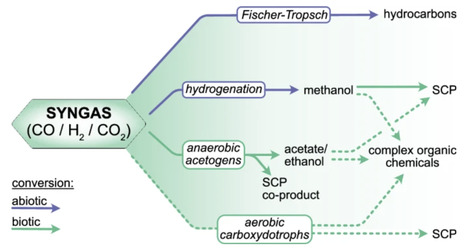
Carbon is the foundation of life and industrial production, but the current use of fossil-based carbon in a linear economy leads to climate breakdown with global ecological consequences. To mitigate the effects of the climate catastrophe, transitioning from a fossil-based linear economy to a circular carbon economy requires scalable strategies that do not compete with arable land resources. Accordingly, processes for the utilization of waste streams from various sources including CO2 must be established to enable circularity. Here, we propose synthesis gas (syngas; CO, H2 and CO2) as a universal, homogenized hub feedstock that decouples upstream waste heterogeneity from downstream chemical and biotechnological manufacturing. We review established and emerging routes for syngas production from biogenic and fossil-derived wastes and discuss their integration with thermocatalytic upgrading and biological gas fermentation. Advances in aerobic and anaerobic microbial assimilation and hybrid abiotic-biotic systems enable the selective conversion of syngas and syngas-derived intermediates such as methanol, acetate and ethanol into a broad spectrum of fuels, chemicals and materials. We argue that syngas-based value chains provide a flexible, carbon-agnostic platform for closing carbon loops across sectors and geographies. Realizing this vision will require (i) further quantitative exploration to identify optimal waste-to-product strategies; (ii) continued innovation in catalyst and bioprocess engineering, continuous operation concepts; and (iii) supportive policy frameworks that incentivize chemical recycling and gas-based carbon utilization as core pillars of the circular economy. Bioprocesses utilising waste streams must be established to enable sustainability. Here the authors propose synthesis gas (syngas; CO, H2 and CO2) as a universal feedstock to decouple upstream waste heterogeneity from downstream chemical and biotechnological manufacturing.
|
|
Scooped by
mhryu@live.com
August 27, 11:21 PM
|
We devised and optimized CRISPR-Cas9 screening system based on Cas9 gene detection, targeting a conserved part of recognition domain (REC) consisting of arginine rich bridge helix (BH). We used hemi-nested PCR approach for screening sensitivity and reproducibility. The recombinant E. coli DH5 alpha containing the pRGEB32 vector (DH5 alpha/pRGEB32) with the Cas9 gene was used for system optimization. Subsequently, the screening system was applied and validated on different environmental bacterial strains including Alcaligenes faecalis and Pseudomonas stutzeri, isolated from sewerage samples. The optimized hemi-nested PCR resulted in amplification of targeted region in environmental bacterial strains and results were reproduced successfully. Furthermore, nucleotides and amino acid sequence, motif and domain analysis of PCR products, confirmed the targeted Cas9 REC-BH domain. Presently, no rapid and cost effective CRISPR-Cas screening system is available except expensive whole genome sequencing approach. Our investigation aimed to device rapid and cost effective screening system for identification of new variants of Cas9 proteins in environmental bacterial species. In this context, the developed Cas9 gene-based CRISPR-Cas screening system (C9CSS) may be a potential rapid screening tool to identify new Cas9 orthologs in different bacterial genomes with improved functions.
|
|
Scooped by
mhryu@live.com
August 27, 10:53 PM
|
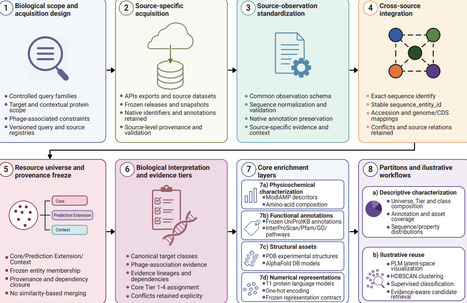
Bacteriophage lytic enzymes and depolymerases are relevant to phage biology, antimicrobial development, and protein engineering, but their sequence and annotation data remain dispersed across general databases, specialized resources, genome-centred collections, and prediction-oriented datasets. We present PhageLysData, an evidence-aware and AI-ready resource constructed through reproducible multisource integration, provenance tracking, and exact-sequence consolidation. The release integrates 807,366 source observations from seven primary resources into 759,105 unique exact-sequence entities, comprising an evidence-supported Core of 11,867 entities, a Prediction Extension of 745,092 prediction-only candidates, and 2,146 Context entities retained for provenance and reference. This architecture preserves broad sequence-space coverage while maintaining a clear distinction between non-predictive and prediction-derived support. Core entities are enriched with harmonized biological annotations, physicochemical properties, independent InterProScan-derived functional annotations, mapped PDB and AlphaFold DB structural assets, and reusable numerical representations. For 11,259 eligible Core sequences, PhageLysData provides embeddings from 11 protein language models together with one-hot encoding under a common representation contract. Release-facing examples demonstrate latent-space exploration, unsupervised clustering, supervised classification, and evidence-aware candidate retrieval without defining a universal predictive benchmark. PhageLysData provides a traceable, versioned, and computationally accessible foundation for protein retrieval, comparative analysis, task-specific dataset construction, and machine-learning applications involving phage lytic enzymes and depolymerases.
|
|
Scooped by
mhryu@live.com
August 27, 2:57 PM
|
Defined microbial communities (DMCs; also known as SynComs) offer a promising strategy to enhance plant growth and stress tolerance by harnessing beneficial plant-associated microbes. However, the rational design and efficient exploration of complex DMC configurations remain challenging. Here, we present an interpretable model-guided framework that integrates plant phenotyping, microbial genomics, and machine learning to optimize DMC outcomes and identify microbial interactions relevant to plant performance. Using tomato as a model, we evaluated diverse DMC, temperature, and metabolite combinations in growth experiment and used a quality-controlled dataset comprising 301 plants representing 102 DMC compositions for predictive modeling. An Elastic Net regression model trained on plant biomass data and DMC composition features enabled prediction of unseen DMC outcomes, and incorporating genomic features substantially improved predictive performance, supporting the importance of functional potential in modeling community effects. We applied the model to prioritize and design improved DMCs, which were validated in laboratory assays and field trials. One model-guided DMC significantly enhanced plant growth in the field and improved heat stress tolerance under controlled conditions. Model interpretation and multi-omics analyses highlighted specific microbial interactions, including metabolite-associated relationships involving Sphingobium sp. and tomatine, that were linked to host stress-responsive gene expression. Together, our results demonstrate a scalable framework for predicting and prioritizing DMCs and identify candidate metabolite-associated microbial interactions that may contribute to plant growth promotion and abiotic stress tolerance.
|
|
Scooped by
mhryu@live.com
August 27, 1:14 PM
|
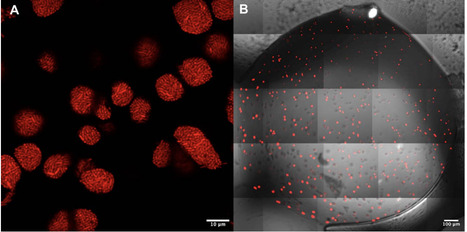
Polycyclic aromatic hydrocarbons (PAHs) are hazardous organic contaminants for which microbial bioaugmentation is a promising remediation strategy, but poor persistence of introduced microorganisms can limit efficacy. Encapsulation may improve persistence, yet the influence of capsule design, microbial species, and environmental conditions on performance remains poorly understood. We evaluated alginate encapsulation of the PAH-degrading bacteria Pseudomonas putida and Novosphingobium aromaticivorans across nutrient conditions and capsule formulations. Encapsulation effects varied by species and medium, influencing growth rate, maximum cell density, overall growth, and lag time; notably, encapsulation shortened lag time of N. aromaticivorans in sRB15 medium (36.9 h to 3.9-5.3 h). Enumeration methods also affected apparent cell recovery. After 8 weeks, encapsulation had no significant effect on P. putida but resulted in increased concentrations of N. aromaticivorans relative to planktonic cultures (1.22 x 10⁸; vs. 2.05 x 10⁶; CFU/mL). Capsule composition further influenced cell retention: increasing alginate approximately doubled capsule-associated cell concentrations, while chitosan coatings reduced cell concentrations within capsules without affecting external concentrations. These findings demonstrate that the benefits of encapsulation are species- and environment-dependent and that capsule formulation can be tuned to influence bacterial persistence and release, informing the design of encapsulated inoculants for bioaugmentation applications.
|
|
Scooped by
mhryu@live.com
August 27, 11:35 AM
|
Soil microbiomes are essential for nutrient cycling, plant health, stress resilience, and sustainable agriculture. Recent advances in high-throughput sequencing, multi-omics technologies, systems biology, and artificial intelligence (AI) have transformed our understanding of plant–microbiome interactions and enabled the development of innovative microbiome engineering strategies. This review provides a comprehensive overview of the mechanisms governing plant-associated soil microbiome assembly, microbial community functions, plant–microbe communication, and microbiome-mediated stress resistance in agricultural ecosystems. Current approaches to plant-associated soil microbiome manipulation and engineering, including microbial inoculants, synthetic microbial communities (SynComs), microbiome transplantation, rhizosphere steering, and synthetic biology-based interventions, are critically examined. The review further discusses the growing role of metagenomics, metabolomics, metatranscriptomics, machine learning (ML), and precision agriculture technologies in improving microbiome characterization, prediction, and management. Particular attention is given to the application of microbiome-based solutions for sustainable crop production, nutrient management, biological control, climate-smart agriculture, and ecosystem restoration. Despite significant progress, challenges related to field-scale variability, colonization stability, biosafety, regulatory frameworks, and data integration continue to limit large-scale implementation. Future advances in precision microbiome engineering are expected to combine ecological principles, multi-omics technologies, AI, and synthetic biology to develop predictive and resilient microbiome-based solutions for sustainable and climate-resilient agriculture.
|
|
Scooped by
mhryu@live.com
August 27, 11:29 AM
|
Malnutrition poses a substantial global health burden with long-lasting physical, social and economic effects. Now recognized as an spectrum of interrelated conditions, malnutrition manifests differently based on an individual’s geography, health-care access and lifestyle. There is growing evidence that malnutrition is also driven by defects in the composition and function of the gut microbiota, a metabolically active ‘virtual organ’ known to play a central role in intestinal barrier function, energy harvest, immune regulation and metabolic signalling. Across the malnutrition spectrum, perturbed microbial composition and function have been consistently observed in both children and adults. This ‘malnourished microbiota’ is associated with impaired nutrient utilization, chronic inflammation and altered energy balance and is known to persist despite nutritional interventions. This Review synthesizes evidence from human cohorts and animal models showing that the gut microbiota functions as a central player in malnutrition. We discuss implications for diagnostic and therapeutic strategies, arguing that microbiome restoration could provide a partial solution for malnutrition. This reframing is particularly relevant given current challenges such as armed conflict, climate change and declining international support, all of which are associated with an increased global burden of malnutrition. Thus, integrating microbiota-based strategies could protect vulnerable populations and accelerate progress towards overcoming malnutrition. In this Review, Littlejohn et al. discuss the gut microbiota as a central contributor to malnutrition, including undernutrition, overnutrition, the double burden, and disease-related malnutrition. They synthesize evidence linking alterations in the gut microbiota to impaired nutrient utilization, inflammation and altered energy balance and discuss microbiota-based diagnostic and therapeutic strategies for improving outcomes across diverse populations and settings.
|
|
Scooped by
mhryu@live.com
August 27, 11:04 AM
|
Fluorescent proteins (FPs) that are pH-sensitive play a crucial role in investigating pH-related cellular processes, such as endocytosis and exocytosis. Existing pH-sensitive FPs generated from Aequorea victoria green fluorescent protein (GFP), such as superecliptic pHluorin (SEP) and Lime, have been widely employed to study these processes, but suffer from low photostability. Here, we report the development and characteristics of serapH, a genetically encodable pH sensor with improved photostability compared to GFP analogues, which we generated using mStayGold as a scaffold. To aid in the development of serapH, we developed a method for screening pH-sensitive FP variants by directly evaluating both brightness and pH sensitivity in bacterial colonies on agar. This significantly increased the number of colonies that could be screened per round and reduced the time needed per round. The photostability of serapH should improve spatiotemporal resolution by increasing tolerance to higher excitation intensities and longer imaging durations, thereby expanding the range of applications of pH-sensitive FPs.
|
|
Scooped by
mhryu@live.com
August 27, 9:57 AM
|
Plants have evolved sophisticated immune systems to defend against a wide array of pathogens. These defence mechanisms are primarily mediated by cell surface pattern recognition receptors (PRRs) and intracellular nucleotide-binding leucine-rich repeat receptors (NLRs). Recent studies indicate that immune signalling involving PRRs and NLRs converges on cytosolic calcium (Ca2+) and other signals, which act synergistically to mount robust plant defences. However, uncontrolled activation of these defence mechanisms often negatively affects plant growth. In this Review, we discuss recent findings on the signalling mechanisms of PRRs and NLRs, including microbial recognition, receptor activation and signal transduction, as well as mechanisms that mitigate the negative impact on plant fitness associated with growth–defence trade-offs. We also discuss the interplay between the immune system and environmental stresses and explore strategies for engineering disease-resistant plants with optimized fitness. This Review discusses recent insights into the mechanisms of immune signalling in plants and their regulation to achieve effective defence against pathogens while preserving plant fitness. It also explores the interplay between the immune system and environmental stresses, and strategies for engineering optimal disease-resistant plants.
|
|
Scooped by
mhryu@live.com
August 27, 1:58 AM
|
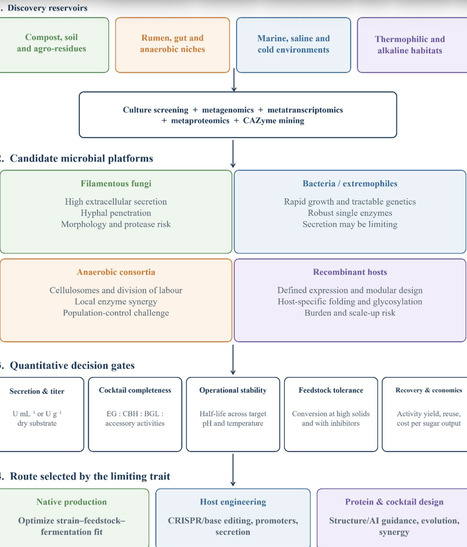
The conversion of lignocellulosic biomass, which is an abundant renewable carbon source, is limited by the cost, stability, loading requirement and scale-up constraints of cellulase systems for sustainable biomanufacturing. Cellulose deconstruction is catalyzed by microbial cellulases such as endoglucanases, cellobiohydrolases, beta-glucosidases and accessory enzymes, which are used in biorefineries, food and feed processing, textiles, detergents, pulp and paper and waste valorization. This review focuses on cellulase production as a platform for biotechnology rather than as a standalone fermentation process. It connects native cellulase-producing microorganisms, omics-guided enzyme discovery, lignocellulosic substrate selection, pretreatment and inhibitor tolerance, solid-state and submerged fermentation, recombinant expression systems, enzyme engineering, downstream recovery, immobilization, reusability and industrial translation. Focus is given to the transition from conventional microbial producers to engineered platforms that combine CRISPR/Cas systems, transcriptional regulation, base and prime editing, strain improvement, promoter and secretion engineering, synthetic biology, enzyme-cocktail optimization and structure-guided or AI-assisted cellulase design. Despite the advances in cellulase yield, catalytic efficiency, thermostability and substrate specificity, the use of cellulases on a large scale is still hindered by the heterogenicity of the feedstock, catabolite repression, enzyme inhibition, downstream recovery cost and scale-up limitations. The next step will be the integration of microbial diversity, multi-omics, advanced host engineering, process intensification, low-cost recovery strategies and application-specific enzyme cocktails to create robust, economically viable cellulase platforms for sustainable biorefineries and circular bioeconomy applications.
|
|
Scooped by
mhryu@live.com
August 27, 1:44 AM
|
Lignin remains a major bottleneck in biomass valorization due to its heterogeneous and recalcitrant structure. Traditionally, lignin degradation has been developed using a single-microorganism or single-enzyme approach, with efforts focused on identifying ligninolytic activities of individual bacteria or fungi. Here, we establish a framework for designing lignin-degrading synthetic microbial communities (SynComs) by integrating top-down ecological filtering with bottom-up trait-based selection. This approach enables the selection of bacteria with ligninolytic capacity while retaining community members that form strong biofilms and contribute indirectly to overall community function. Proteomic profiling uncovered lignin-driven functional reprogramming of the SynCom, highlighting strain-specific enzymatic specializations that collectively enable lignin depolymerization. Our work highlights the potential of SynComs for lignin degradation and shows how rationally designed, functionally partitioned communities can enhance lignin conversion.
|
|
Scooped by
mhryu@live.com
August 27, 1:30 AM
|
Intracellular plant–microbe interactions rely on host-derived interface membranes: as sites for reciprocal nutrient and signal exchange during symbiosis, or as conduits for asymmetrical nutrient acquisition and effector delivery by pathogens. Sustaining these dynamic structures places substantial metabolic and vesicular trafficking demands on host cells. This review examines how cell cycle reprogramming may help plants meet these demands. During plant–pathogen interactions, biotrophic pathogens can reprogram host cell cycle pathways to establish metabolically favorable niches, whereas plant immunity can engage cell cycle checkpoints to restrict resource allocation and reinforce physical barriers. In arbuscular mycorrhizal symbiosis, localized endoreduplication in host cells could function as a “metabolic amplification program” to boost biosynthetic output, whereas host cells may adopt a “division-restricted state” that enables extensive intracellular remodeling while preserving the transcellular infection pathway. Root nodule symbiosis and mycorrhizal symbiosis share several cellular programs for microbial accommodation and the cell cycle could be further activated during symbiotic nodule development. Thus, we speculate that interface formation—during either symbiotic or pathogenic infection—may rely on a shared cellular toolkit that is potentially governed by distinct regulatory thresholds, tentatively suggesting the possibility of engineering cell cycle programs to improve symbiotic efficiency or enhance resistance against pathogens.
|
|
Scooped by
mhryu@live.com
August 27, 1:11 AM
|
Komagataella phaffii has emerged as an important eukaryotic microbial cell factory for the production of industrial enzymes, biopharmaceuticals, and food-related proteins owing to its rapid growth, capacity for eukaryotic post-translational modifications, and suitability for high-cell-density fermentation. However, efficient heterologous protein production remains constrained by limitations in transcriptional regulation, protein secretion, and endoplasmic reticulum (ER) protein-folding capacity. This review summarizes recent advances in engineering key expression elements underlying heterologous protein production in K. phaffii, with particular emphasis on promoter architecture redesign (e.g., upstream activating sequence (UAS) duplication and core promoter mutagenesis), signal peptide replacement and sequence engineering, molecular chaperone co-expression, and quantitative regulation of the unfolded protein response (UPR). Rather than focusing on individual expression modules, this review highlights a systems-level engineering perspective that integrates regulatory elements, intracellular processing, and secretory pathway optimization, illustrating the ongoing transition from empirical modification of individual expression elements to systems-level engineering of the secretory pathway. Recent advances in synthetic biology and artificial intelligence (AI)-assisted approaches are further accelerating the development of predictive and precision engineering approaches for K. phaffii. Together, these advances provide a foundation for the rational design of next-generation K. phaffii cell factories for the sustainable production of structurally complex and high-value recombinant proteins.
|
|
|
Scooped by
mhryu@live.com
August 27, 11:36 PM
|
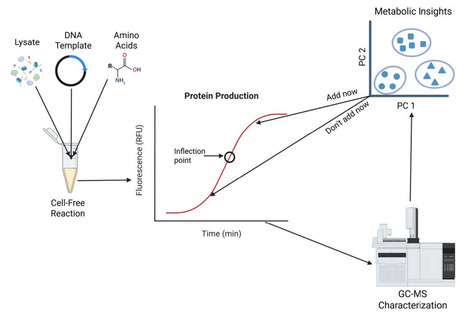
While in vivo synthesis of biologic therapeutics has been broadly successful, it is limited by biological constraints of the cells and by the complexity, time, and cost of implementing the pipeline from discovery through manufacturing. Cell-free expression systems (CFES), which use cellular transcription and translation machinery to express proteins in vitro, offer a promising alternative approach that could improve robustness and modularity in that pipeline. However, current benchmark CFES productivity is well below the theoretical capacity of the input nucleotides and amino acids. Efforts to address this issue are hindered by limited understanding of the extent of enzymatic activity in CFES beyond gene expression, as previous work has shown that metabolic enzymes in cell-free lysates cause substantial background metabolic activity that influences protein expression. Here, we hypothesized that the inflection point of protein expression is a critical timescale for CFES metabolism. We performed metabolomics characterization of CFES reactions, finding significant metabolic changes at the inflection point. Driven by these findings, we sought to identify supplements that could be added to the cell-free reaction to avoid metabolic limitations. We found that amino acid supplementation increased expression productivity and lifetime only when added after the inflection point, and actually hurt expression when added before the inflection point. We found similar supplementation timing impacts for some other metabolites as well. These findings show that endogenous metabolism and supplementation timing are deeply interconnected and are critical considerations in CFES optimization, and that metabolomics-informed fed-batch supplementation is a potentially valuable strategy to improve reaction productivity.
|
|
Scooped by
mhryu@live.com
August 27, 11:11 PM
|
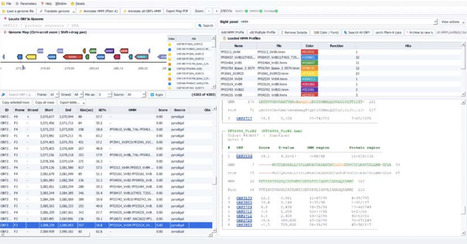
AlphaFold-based structure prediction has transformed structural biology by enabling accurate protein modelling and providing a powerful framework for inferring protein-protein interactions (PPI). However, discovering candidate PPIs directly from genome sequences remains a fragmented and largely trial-and-error process, typically requiring separate tools for open reading frame (ORF) prediction, functional annotation, candidate selection, iterative testing of potential partners, manual preparation of individual structural-prediction jobs, and downstream interpretation of confidence metrics. We present Protein-Protein Interaction Genomic Finder (ppigFinder), a standalone, cross-platform desktop application that integrates these steps into a project-oriented graphical workflow for genome-based PPI discovery from nucleotide sequence data. ppigFinder combines ORF prediction, functional annotation, genomic-neighborhood inspection, AlphaFold 3 job generation, remote job submission, and structural-confidence analysis within a single environment. As a proof of concept, we performed a VirD4-centered AlphaFold 3 interactome screen in Xanthomonas citri pv. citri strain 306, modelling VirD4 (ORF2601) against all 4,303 predicted chromosomal ORFs. Ranking by the minimum interchain predicted aligned error (PAE_min) placed all 14 XVIPCD-containing effector candidates within the top 1% of predictions, with the six top-ranked models corresponding to XVIP candidates. The screen also recovered an XVIPCD-containing protein absent from the reference genome annotation and identified high-confidence candidates predicted to bind VirD4 at a surface opposite to the XVIPCD-binding site.
|
|
Scooped by
mhryu@live.com
August 27, 3:01 PM
|
Spatial organization is a defining feature of multispecies biofilms and critically influences microbial interactions and emergent community properties. However, understanding and manipulating how microbes assemble into spatially structured biofilms remains challenging because most experimental frameworks emphasize species composition and pairwise interactions, while often overlooking the spatial constraints on biofilms imposed by the environment. In this study, we focus on how carbon substrate type, distinguishing between diffusible sugars and polymeric substrates, affects biofilm self-organization in a four-member synthetic bacterial community (SynCom). Across all tested conditions, the SynCom consistently formed more biofilm biomass than any of its subsets, indicating a robust synergistic phenotype. Using chemically defined, 3D-printed hydrogel substrates with consistent physical properties, we varied carbon source composition to identify its impact on biofilm assembly. Microscopic imaging showed that carbon substrate type strongly influenced biofilm self-organization with diffusible simple carbon substrates yielding relatively intermixed communities, whereas polymer-rich carbon substrates promoted a highly structured biofilm organization characterized by the dominance and peripheral localization of polymer-degrading species. Bioinformatic analyses of carbohydrate-active enzyme (CAZyme) repertoires and genome-scale metabolic modeling suggested bidirectional metabolite exchange among the SynCom members, which was also supported by analysis of biofilm formation in conditioned community supernatants. Together, our findings suggest carbon substrate type as an important ecological determinant of biofilm self-organization, highlighting the need to integrate environmental factors alongside species composition and metabolic potential to fully understand and manipulate natural and engineered multispecies biofilms.
|
|
Scooped by
mhryu@live.com
August 27, 1:36 PM
|
Novel protein-coding genes can emerge de novo from ancestrally noncoding sequences and promote adaptation to environmental stresses. Previous work proposes that pervasive translation of lowly expressed open reading frames (ORFs) in noncoding regions creates a rich reservoir of 'proto-genes,' of which subsequent acquisition of gene-like properties, such as increased expression, may be favored or purged by natural selection depending on their phenotypic impact. However, whether and how environmental conditions affect the phenotypic impact of proto-genes remains unclear. Here, we experimentally simulated proto-gene evolution in Saccharomyces cerevisiae by individually increasing the expression of nearly a thousand de novo ORFs with prior evidence of native translation under osmotic and endoplasmic-reticulum stress and in control environments. High-throughput phenotyping revealed that growth effects of increased expression varied strongly across environments for de novo ORFs. A follow-up screen across 22 diverse environments revealed a robust positive correlation between environmental stress severity and the mean growth effects of increased de novo ORF expression. At the individual level, 5.4% of tested de novo ORFs conferred beneficial phenotypes in at least one environment, and 83.3% of these also caused deleterious effects elsewhere, revealing widespread phenotypic tradeoffs. We demonstrate that increased expression of the de novo translated ORF YLR112W results in increased growth in the presence of rapamycin through general dampening of the growth-repressing transcriptomic response induced by this drug. Together, these findings demonstrate that stress severity shapes the phenotypic consequences of increased proto-gene expression and shed light on tradeoffs and transcriptome remodeling as mechanisms underlying such environmental dependency.
|
|
Scooped by
mhryu@live.com
August 27, 11:39 AM
|
Global agriculture is increasingly challenged by climate instability, genetic erosion, emerging pathogens and rising food demands, exposing the limitations of conventional breeding and traditional domestication strategies. Recent advances in CRISPR-based genome editing, pangenomic, synthetic biology, artificial intelligence (AI)-assisted breeding and predictive phenomics are transforming de novo domestication from a slow evolutionary process into a programmable framework for rational crop redesign. This review synthesises recent advances in programmable de novo domestication and highlights how crop wild relatives and underutilised germplasm can be harnessed to develop resilient, climate-adaptive and sustainable crop systems. The integration of multiplex genome editing, pan-genomic variation discovery, AI-driven genomic prediction and predictive breeding enables precise engineering of key domestication traits governing plant architecture, yield potential, stress resilience and nutritional quality. Furthermore, we propose a trajectory-based framework for programmable domestication comprising Adaptive Rescue, Agronomic Refinement and Novel Chassis Engineering, which illustrates distinct evolutionary pathways, engineering complexity and crop redesign objectives. We also examine the major system level challenges that constrain programmable domestication, including cryptic genetic variation, epistasis, gene regulatory network complexity, genotype phenotype predictability, biodiversity conservation and regulatory considerations. Collectively, programmable domestication represents a transformative shift from conventional crop improvement towards system-level engineering of next-generation crops, providing a strategic foundation for enhancing global food security, agricultural sustainability and environmental resilience in the face of accelerating climate change.
|
|
Scooped by
mhryu@live.com
August 27, 11:34 AM
|
The continuous slowdown in the research and development of new antibiotics and antibiotic overuse have turned the problem of antibacterial resistance into a global public health crisis. As a very promising alternative to multi-drug-resistant bacterial infection, phage therapy is receiving renewed attention. However, the inherent biological limitations of natural phages restrict their extensive clinical application. This review examines how synthetic biology can be harnessed to transform phages and to build the next generation of antibacterial therapies. We outline the main advantages of natural phages, including high host specificity, self-amplification, bactericidal activity and the ability to degrade biofilms. We also point out the bottlenecks of clinical applications of bacteriophages, such as narrow host range, rapid removal in the body and potential genetic safety risks. Moreover, we elaborate on the core synthetic biological tools used to overcome the above limitations, including CRISPR-Cas gene editing, receptor-binding protein reprogramming, functional load delivery and immunogenic regulation, and summarize the recent clinical progress and personalized treatment process. The increasing clinical evidence shows that synthetic biology can effectively overcome the inherent defects of natural bacteriophages, confirming the safety and initial efficacy of bacteriophage therapy. Engineered phages provide a practical strategy to meet the antimicrobial resistance challenge. Clinical applications of such phages will mainly depend on progress in production standardization, regulatory framework construction and scientific and reasonable joint treatment program development.
|
|
Scooped by
mhryu@live.com
August 27, 11:24 AM
|
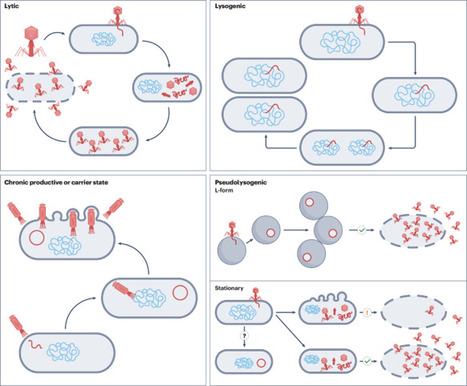
Bacteriophages have been applied therapeutically for more than a century for the management of bacterial infections in humans. Although their potential as a safe alternative or adjunct to antibiotics is well established, clinical success is difficult to predict from in vitro testing. There is currently no consensus on the optimal way to use them, nor are there any simple extrapolations from the use paradigms of conventional antibiotics. A rational approach to phage therapy requires informed phage selection and a comprehensive understanding of bacterial–phage–human host relationships and the management of bacterial and phage adaptations that occur in vivo. Phages may be used in ways that antibiotics are not and are a powerful approach for addressing the problem of antimicrobial resistance, not least because their optimal use requires a more thoughtful approach. In this Review, we explore key aspects of phage biology that underpin the effective use of phages for therapy. We outline clinical strategies for applying phages against a range of infections, highlighting their advantages and limitations. We then address challenges in production, scalability and regulation of phage preparations, identifying areas requiring further development. Finally, we discuss interactions between phages and the human immune system, and their importance for therapeutic success. In this Review, Iredell and colleagues examine key aspects of phage biology and their relevance to phage therapy, and outline current approaches for clinical application of phages, along with their associated challenges.
|
|
Scooped by
mhryu@live.com
August 27, 10:01 AM
|
DNA storage is a promising solution to data explosion due to its high density and longevity. However, existing coding methods struggle to efficiently avoid error-prone sequences while retaining usable ones, leading to low density and high copy numbers. Here we show Siyuan Code, a DNA storage codec that achieves theoretically optimal density. Our method maps binary data to nearly all suitable low-error sequences in a one-to-one manner, using our data structure to catalog and avoid error-prone patterns. This allows operation under very strict biochemical constraints with minimal redundancy. Experiments demonstrate a storage density of 1.66 bits per nucleotide and a capacity of 41 exabytes per gram of DNA, with perfect data retrieval using only six copies per strand. Encoding and decoding speeds reach approximately 1 megabyte per second on commodity hardware, comparable to early USB flash drives. These results bring DNA storage closer to practical deployment. Existing DNA storage methods struggle to avoid error-prone sequences while retaining usable ones. Here the authors develop Siyuan Code, a bijective codec that avoids high-error patterns, utilises all suitable strands, and reaches 1.66 bits/nucleotide, 41 EB/gram, and only uses 6 copies/strand.
|
|
Scooped by
mhryu@live.com
August 27, 9:53 AM
|
Bacterial small RNAs (sRNAs) regulate gene expression by base pairing with target mRNAs, yet transcriptome-wide interactome mapping has shown that many sRNA-mRNA interactions detected in vivo have modest or no regulatory effect using orthogonal reporter assays. The features that determine functional outcome remain poorly defined. Here, we integrated Hfq-CLASH interactome mapping with matched transcriptomic and proteomic profiling in E. coli and developed an interpretable machine-learning framework to identify the determinants that distinguish functional from non-functional interactions. Using sequence, structural, thermodynamic, duplex and protein-occupancy features, transcriptomic and proteomic responses were predicted with above-chance performance, achieving AUCs of 0.78 and 0.74, respectively. Feature attribution revealed that physical pairing alone is insufficient for regulation; instead, regulatory outcome is shaped by a coordinated interplay between RNA secondary structure, thermodynamic accessibility and local protein-binding context. Target-side Hfq occupancy emerged as a positive predictor of functional regulation, whereas AR2-domain occupancy on the sRNA was associated with non-responsive interactions, suggesting that distinct ribonucleoprotein states may separate productive regulation from non-productive binding. These findings indicate that the regulatory fate of an sRNA-mRNA interaction is an emergent property of its biophysical context and protein-binding environment, rather than a direct consequence of physical pairing alone.
|
|
Scooped by
mhryu@live.com
August 27, 1:56 AM
|
The rhizosphere is a key ecological niche where plants interact with microorganisms, and its health directly affects plant growth, development, and disease resistance. Existing theories have laid an important foundation for understanding plant–microbe interactions. Among them, the biological market theory interprets the mutualistic symbiosis between plants and microorganisms from the perspective of nutrient exchange, offering valuable insights into resource flow and interaction mechanisms within the rhizosphere. On this basis, this study further proposes the conceptual model of ‘biological corporation’ to integrate interaction mechanisms covering three dimensions: plant-dominated regulation, microbial functional differentiation, and signal network coordination. Within this theoretical framework, plants modulate the screening and colonization of microbial communities via a dual-genome regulatory system. Microbial populations reshape community structure and drive functional differentiation through resource competition, cross-feeding symbiosis, and defensive strategies. Interkingdom and intrakingdom signal cascades further link the physiological and metabolic processes of plants and microorganisms, thereby facilitating the steady-state maintenance of the rhizosphere microecosystem. Based on this hierarchical symbiotic mechanism, we propose a three-step regulatory scheme for rhizosphere health restoration, and provide practical strategies including crop germplasm improvement, synthetic microbial consortium construction, and cross-kingdom signal engineering to mitigate combined biotic and abiotic stresses in farmland.
|
|
Scooped by
mhryu@live.com
August 27, 1:32 AM
|
Streptomycetes are prevalent members of soil and plant microbiomes, yet how they cope with toxins produced by root-infecting fungal pathogens remains poorly understood. Plant pathogenic Fusarium species produce the mycotoxin fusaric acid (FA) that contributes to virulence and perturbs rhizosphere microbiome dynamics. Here, we show that root-colonizing Streptomyces sp. ATMOS43 neutralizes FA through amino acid conjugation. Metabolomics revealed the formation of single amino acid and dipeptidyl conjugates of FA, with FA-Ser as a major conjugate that lacked detectable toxicity in in vitro and in planta assays. Proteomics and physiological analyses revealed that FA toxicity involves, in part, zinc chelation, which is abolished upon conjugation of FA to Ser. Co-cultivation experiments further showed that Streptomyces sp. ATMOS43 restores growth of FA-sensitive streptomycetes, indicating that conjugation can mitigate the impact of FA on plant microbiome assembly. Together, our findings show that plant-associated streptomycetes can protect plants by directly inhibiting Fusarium growth and by neutralizing its toxic virulence factor FA.
|
|
Scooped by
mhryu@live.com
August 27, 1:12 AM
|
Transcriptional repression is a fundamental regulatory mechanism that enables precise control of gene expression in response to developmental signals and environmental stimuli. Synthetic biology can leverage this process within plants to engineer programmable transgene repression systems. This review examines strategies for harnessing prokaryotic repressors in eukaryotic systems to develop synthetic repression systems in plants. These systems utilize modular promoter and repressor architectures that can be tuned through operator placement and repression-domain fusion, respectively, to adjust transcriptional regulation. Chemically dependent inducibility can also be introduced either through use of native derepression mechanisms of the prokaryotic repressors or the incorporation of ligand-binding domains. Finally, this review explores key challenges in designing synthetic repression systems, including kinetics constraints, balancing ON and OFF states, and differences between transient and transgenic expression contexts. Overall, this review highlights modular design frameworks for tunable transgene expression in plants. synbio
|