 Your new post is loading...

|
Scooped by
mhryu@live.com
Today, 1:04 AM
|
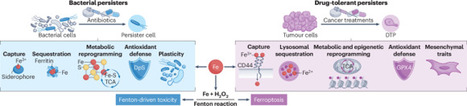
Mirroring bacterial persisters, cancer cells reprogram their iron homeostasis to acquire a drug-tolerant cell state that paradoxically confers vulnerability to ferroptosis. We propose a conserved principle, positioning iron as a driver of cell adaptations across mammalian malignant and microbial persistence. Bacterial persisters and drug-tolerant persister cells in cancer both show reprogrammed iron homeostasis and a vulnerability to ferroptosis. Agostinis and Rodriguez propose that this iron logic is a conserved principle with implications for therapeutics development.
|
|
Scooped by
mhryu@live.com
Today, 12:41 AM
|
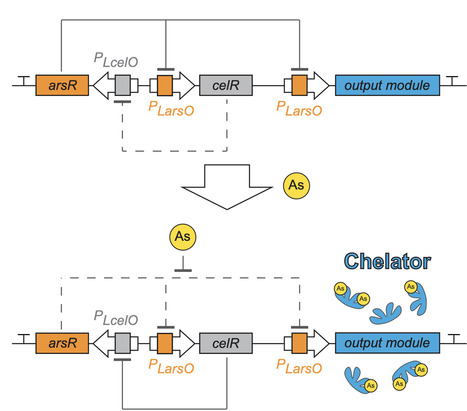
Chronic exposure to arsenite in food and water is a major global health concern, yet no practical strategies exist to prevent ingested arsenite from entering the body through the gastrointestinal tract. Here, we engineered E. coli Nissle 1917 (EcN) to sense and sequester arsenite in situ, creating a probiotic-based approach to reduce host absorption of arsenite. The system involved an arsenite-responsive genetic toggle switch that activated chelator expression upon exposure; after arsenite was removed, it sustained output under biostatic conditions but shut off during active cell division. We also engineered a nontoxic, high-affinity arsenite-binding protein as the chelator. The resulting strain efficiently removed arsenite in vitro while maintaining robust growth. A mass-transfer model guided in vivo dosing, and mouse studies showed that engineered EcN reduced arsenite entry into the bloodstream and promoted its fecal elimination. These findings support the conclusion that this engineered probiotic approach is promising for addressing toxic pollutants in the diet.
|
|
Scooped by
mhryu@live.com
Today, 12:29 AM
|
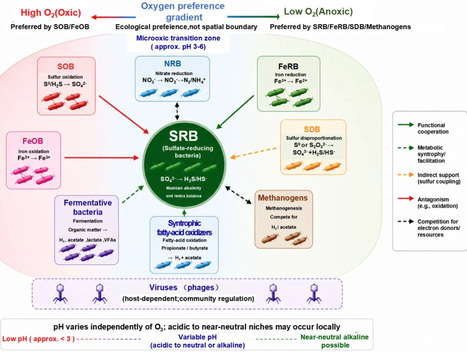
Sulfate-reducing bacteria (SRB) are key functional microorganisms in the bioremediation of acid mine drainage (AMD), simultaneously removing sulfate, generating alkalinity, and precipitating metal sulfides via dissimilatory sulfate reduction. AMD is typically characterized by low pH, high sulfate and metal concentrations, and limited organic carbon, imposing persistent stress on SRB growth, metabolism, and function. Environmental stressors include acidic conditions, heavy metal toxicity, low-temperature stress, and electron-donor limitation. These stressors impair membrane stability, enzymatic activity, and cellular energy conservation. Their combined effects increase maintenance requirements while limiting energy acquisition, ultimately reducing the range of environmental conditions under which SRB can sustain sulfate reduction. At the community level, SRB function is further modulated by complex microbial networks. Various functional groups, including fermenters, methanogens, and sulfur- and iron-cycling microorganisms, interact with SRB through cooperative, competitive, and regulatory processes that influence electron transfer, carbon turnover, and iron–sulfur transformations. Sulfate reduction in AMD depends on these community-level interactions, which can be disrupted under environmental stress and may reduce the stability of sulfate-reducing communities. Engineering strategies such as slow-release carbon supplementation, pH microenvironment optimization, conductive material amendment, mineral–microbe interface regulation, and immobilized reactor design can enhance SRB persistence by stabilizing the extracellular microenvironment, regulating electron flow, and spatially decoupling metabolic and mineralization interfaces. This review highlights how environmental stressors and microbial networks jointly regulate SRB function, emphasizes the roles of metabolic niche constraints and community resilience, and provides mechanistic insights for improving the stability and practical performance of SRB-based AMD treatment systems.
|
|
Scooped by
mhryu@live.com
Today, 12:18 AM
|
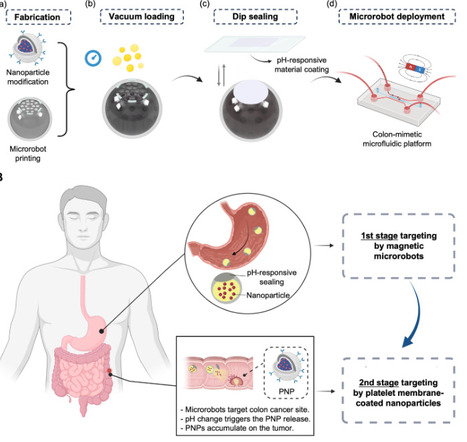
Targeted drug delivery in the gastrointestinal tract remains challenging because therapeutics must overcome multiple hierarchical barriers before reaching diseased tissue. Here, we present a multistage delivery platform that integrates magnetic microrobots, a pH-responsive protective coating, and platelet membrane–coated nanoparticles (PNPs) in one platform. A fillable design enables the formation of an internal magnetic layer for microrobot actuation, while the pH-responsive coating protects the cargo during transit and selectively degrades upon pH change, releasing cancer cell–targeting PNPs. In an in vitro colon cancer model that reproduces key gastrointestinal features, including flow, pH variation, and villi-like structures, this strategy increased nanoparticle retention and enhanced cancer cell cytotoxicity compared to nanoparticles administered alone. Ex vivo studies in porcine stomach and intestine further demonstrated robust locomotion on compliant and folded tissue surfaces. These results establish an environment-responsive hierarchical delivery strategy for more precise oral delivery in complex gastrointestinal settings.
|
|
Scooped by
mhryu@live.com
August 11, 11:57 PM
|
Plant roots are extremely heterogeneous and non-photosynthetic tissue that is drastically different from leaves. Pioneering studies have revealed the existence of pattern-triggered immune responses in roots; however, whether roots mount tissue-specific effector-triggered immunity (ETI) is a fundamental question in plant immunity. By utilizing inducible effector-expressing lines, we systematically characterize non-conventional physiological and molecular responses during ETI activation in roots. Root ETI seems to be weaker than leaf ETI, evidenced by restricted cell death in the transition zone and fewer number of differentially expressed genes (DEGs). Root ETI also shows much higher DEG overlap with Pep1-triggered immunity than with Flg22-triggered responses, which is the opposite trend in leaves. We find that both PEPR1/2 receptors and BIK1, WRKY42 are required for induced root ETI responses. By comparing root responses to wild type and the T3SS mutant of Ralstonia solanacearum in the Nd-1 ecotype, we confirm that natural root ETI responses show similarities to induced ETI. Our work reveals tissue-specific features of root ETI and provides new insights into engineering root disease resistance in agriculture. Roots, unlike leaves, are continuously exposed to a complex soil microbiome. Here the authors reveal root-specific effector-triggered immune responses distinct from those in leaves.
|
|
Scooped by
mhryu@live.com
August 11, 11:37 PM
|
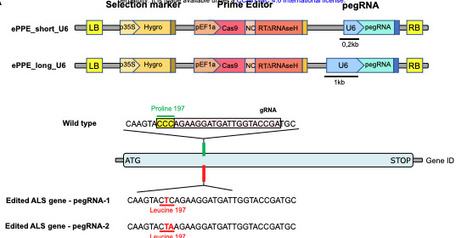
Since the development of CRISPR-based genome editing tools, a number of novel technologies have emerged. This includes Prime-Editing that acts as a search and replace genome editing tool. Prime-Editing has been deployed across multiple clades, including in a few flowering plants. Here, we report on the development of an efficient Prime Editor (PE) for the model bryophyte Marchantia. Initial tests were conducted on Acetolactate Synthase as a target and revealed an average efficiency above 40%. The system has been developed in the GoldenGate cloning system, facilitating construct design. The development of PE in Marchantia expands the Genome-Editing tools available for this emerging model in plant biology.
|
|
Scooped by
mhryu@live.com
August 11, 11:13 PM
|
3′,3'-cyclic diguanylate (cyclic di-GMP) and alternative cyclic di- and oligonucleotides are ancient highly conserved signaling molecules of bacteria and archaea, which can be present in metazoans up to humans. Their impact in fundamental behavioral modes and physiological and metabolic processes, the modular organization of their signaling cascades and the versatility and flexibility of their components in microbes in combination with their far-reaching effects including stimulation of the innate and adaptive immune response in humans makes these molecules and the respective signaling cascades promising targets in antibiofilm therapy, modulation of multicellularity and tools for treatment strategies and biotechnological applications. This review will thus describe the current state-of-the-art of applications and use as therapeutic targets of cyclic di- and oligonucleotides and the limitations and challenges in the application of those molecules and their use as targets. Future possibilities to successfully exploit those molecules and their signaling cascades equally as potential shortcomings are discussed.
|
|
Scooped by
mhryu@live.com
August 11, 10:30 PM
|
Model-based design in synthetic biology is limited because bioparts are typically characterised by relative metrics that vary across genetic and physiological contexts. To address this, we introduce a host-aware framework for quantitatively characterizing parts in combinatorial libraries of plasmid-based constitutive expression constructs. The approach integrates a digital twin of E. coli, conditioned on measured growth rate, with model-in-the-loop parameter identification to separate part-associated properties from host-dependent effects. Using structured combinatorial libraries, we identify mechanistically interpretable, transferable parameters for plasmid origins, promoters and ribosome binding sites. In particular, we define an intrinsic translation initiation capacity that captures the dominant RBS-associated contribution to translation while context-dependent expression emerges from host physiology and local sequence context. The resulting parameterisation accurately predicts protein synthesis across physiological conditions, supports incremental library expansion, and reveals localised failures of modularity, providing a scalable foundation for predictive host-aware design in synthetic biology. Model-based design in synthetic biology is limited because bioparts are typically characterised by relative metrics that vary across genetic and physiological contexts. Here, using combinatorial libraries of plasmid-based expression constructs and a host-aware E. coli digital twin, the authors identify intrinsic biopart parameters that provide a basis for more predictive model-based design of synthetic gene circuits.
|
|
Scooped by
mhryu@live.com
August 11, 4:26 PM
|
The gastrointestinal tract is rich in metabolic, immune, and microbiome-derived signals that can inform the design of live biotherapeutics and diagnosis of intestinal disorders. Engineered cell-based biosensors can tap into this molecular information and report on their environment, yet their development in gut-resident symbionts has been limited by a lack of validated sensor systems. Here, we present a generalizable pipeline that leverages bacterial transcriptional profiling to identify environment-responsive systems for biosensor engineering. Candidate Sensors Systems (CSSs) mined from healthy, disease, and in vitro transcriptomes were assembled into a barcoded library in Bacteroidaceae chassis and screened in high-throughput in vivo to identify responsive promoters. A unique Bacteroidales ECF-type sigma factor operon with ties to sphingolipid metabolism and flux was highly responsive in chemically-induced colitis models. The biosensor responded robustly to disease and returned to baseline upon recovery, establishing an in vivo-driven strategy for discovering functional biosensors in non-model gut-resident bacteria.
|
|
Scooped by
mhryu@live.com
August 11, 2:15 PM
|
Chromatin organization plays a critical role in regulating gene expression. Chromatin compaction represses gene expression by physically restricting the access of the transcriptional machinery to DNA, while spatial proximity between enhancers and promoters, often mediated by chromatin loops, is essential for gene activation. To investigate the regulatory mechanisms underlying loop formation and chromatin compaction, as well as their effects on gene expression, we developed CRISPR-FOIL (utilizing CRISPR to FOld and ILluminate chromosomal DNA), a novel programmable platform for engineering chromatin loops and inducing chromatin compaction in live cells. CRISPR-FOIL anchors pairs of genomic loci in proximity by engineered single-guide RNAs (sgRNAs), resulting in an artificial chromatin loop. The fused two CRISPR-Sirius gRNAs enable genomic loci to be visualized through fluorescent RNA coat proteins in various colors. In addition, multiple CRISPR-FOIL complexes can act cooperatively to drive chromatin compaction. These results establish CRISPR-FOIL as a powerful tool for engineering chromatin organization in live cells and highlight its potential as a therapeutic platform for gene regulation and disease control.
|
|
Scooped by
mhryu@live.com
August 11, 1:52 PM
|
How does evolution create new things? A key strategy is 'tinkering': changing and re-using existing biological components in new ways. Tinkering is generally thought to be genomically unpatterned, occurring without spatial or other kinds of structure. Here, I find that 'tinkering loci,' kilobase-scale regions with significantly higher rates of gene birth by tinkering, are common in Drosophila genomes. These regions work by accumulating unusually high concentrations of duplicated gene fragments from around the genome, increasing the rate at which they can be co-opted to create new genes, especially ones containing new combinations of previously unrelated pieces. Their activity varies on timescales of a few million years; they use a universal mechanism enabled by all major kinds of transposable elements; and they form networks to collectively innovate and enable their useful products to duplicate into gene families. Tinkering loci demonstrate that evolutionary innovation can be a property of genome architecture and suggest a tunable mechanism shaping the tempo and mode of animal evolution.
|
|
Scooped by
mhryu@live.com
August 11, 11:57 AM
|
Terrestrial Antarctica harbors compositionally diverse and functionally distinct microbial life. Yet the eco-evolutionary processes underlying adaptation to Antarctica’s polyextreme conditions remain largely unknown. Here, we address how horizontal gene transfer (HGT) and de novo mutations influence microbial adaptation in 16 Antarctic soils using combined short- and long-read datasets. Phylogenetic reconciliation and mobile genetic element analysis of 676 metagenome-assembled genomes show frequent HGT across communities. While transferred genes span diverse functional categories, those involved in energy metabolism are exchanged at higher frequency. Genes for aerotrophy, i.e. the consumption of atmospheric trace gases to provide energy, carbon, and hydration, are among the most frequently disseminated. Approximately a quarter of carbon monoxide dehydrogenases and [NiFe]-hydrogenases are predicted to be horizontally acquired and are often associated with mobile genetic elements. Analysis of polymorphisms suggests widespread purifying selection, particularly for aerotrophy genes, providing further evidence that aerotrophy is critical for microbial survival in Antarctica. Genetic variation in hydrogenases is tightly associated with predicted protein structures, with intense selection acting on critical sites preserving stability and function. Together, these findings show that previously unrecognized eco-evolutionary dynamics shape the composition and function of Antarctic microbial communities, and confirm aerotrophy is a strongly selected and horizontally disseminated trait. Antarctica was long thought to be biologically static, but its microbial life is now known to be diverse and active. This study shows that widespread horizontal gene transfer and purifying selection drive microbial adaptation in Antarctic soils.
|
|
Scooped by
mhryu@live.com
August 11, 11:35 AM
|
Microplastic and nano-plastic (MPs/NPs) pollution is a major environmental threat affecting ecosystems and human health. Soils contain higher levels of MPs/NPs than oceans, underscoring the urgent need for improved plastic waste management in agriculture. Studies show that MPs/NPs disrupt the rhizosphere by altering soil properties and microbial dynamics, impairing plant growth. This review outlines their fate in terrestrial ecosystems, their rhizosphere impacts, and emphasizing the need to understanding phytotoxicity mechanisms for safe crop production.
|
|
|
Scooped by
mhryu@live.com
Today, 12:56 AM
|
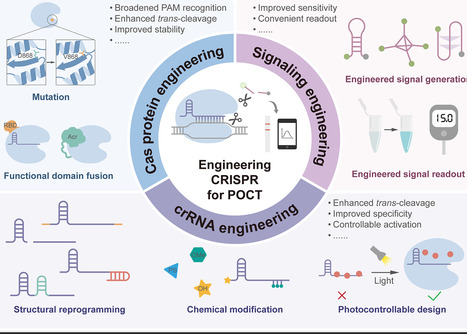
CRISPR-based molecular diagnostics have emerged as powerful and programmable platforms that enable sensitive and specific detection for disease management and epidemiological surveillance. Advances in CRISPR engineering and assay design are driving the emergence of next-generation detection platforms that are highly sensitive, rapid, and amenable to field deployment. These engineering breakthroughs have the potential to reshape point-of-care tests (POCT) and transform how emerging and persistent health threats are monitored in decentralized and resource-limited settings. Herein, we systematically review the recent advancements in CRISPR engineering strategies aimed at improving detection sensitivity and specificity, eliminating the dependence on preamplification, and enabling robust POC deployment. The discussed strategies encompass both the rational engineering of CRISPR ribonucleoproteins (RNPs) and the optimization of downstream signaling modules for molecular diagnostic applications. We further highlight key challenges and future perspectives that may inspire impactful research directions and accelerate the advancement of CRISPR engineering strategies toward robust, field-deployable POCT platforms.
|
|
Scooped by
mhryu@live.com
Today, 12:39 AM
|
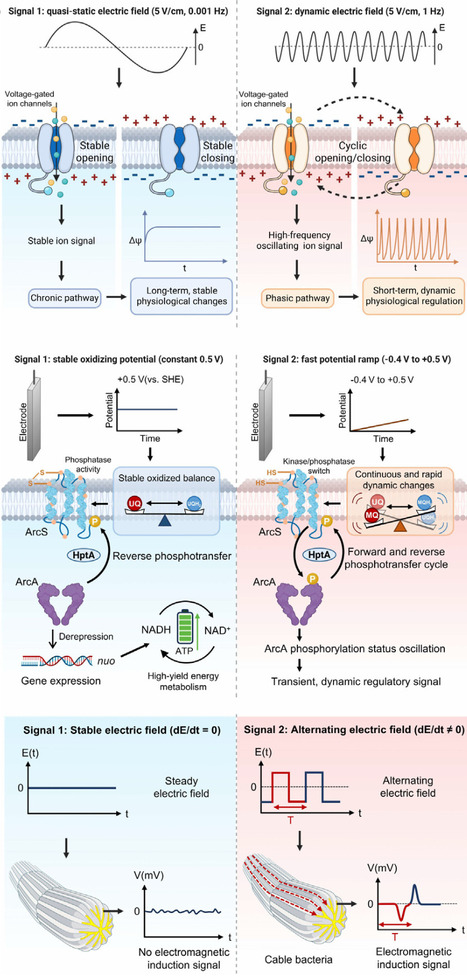
Electric cues (ECs) permeate microbial habitats, yet electrosensing, the ability of microorganisms to detect and respond to these cues, remains largely overlooked. We distinguish four principal EC types [electric fields (EFs), electrode potentials, redox signals, and electromagnetic induction] and map each to its biological sensing mechanism. Recent findings reveal that cable bacteria respond to dynamic EFs through electromagnetic induction, a candidate sensing mechanism that is absent from existing models. We synthesize conserved sensing strategies primarily in bacteria, with emerging evidence in eukaryotes, and assess applications in bioenergy, bioremediation, and electroceutical therapy. Realizing this potential requires moving beyond static-field models toward experimental frameworks that capture the full temporal complexity of natural electric landscapes.
|
|
Scooped by
mhryu@live.com
Today, 12:18 AM
|
Magicpen’s genetically engineered plants have a heightened bioluminescence. While most traditional plant engineering uses the phenylalanine metabolism pathway, which requires five or six genes working in a coordinated way, the startup developed an efficient dual-gene system. industry Magicpen Bio
|
|
Scooped by
mhryu@live.com
Today, 12:05 AM
|
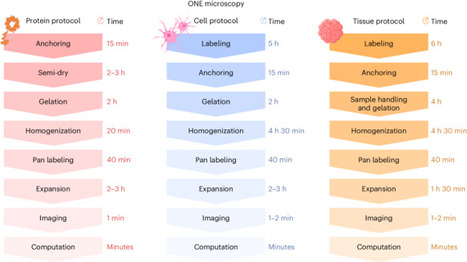
The introduction of expansion microscopy (ExM), a decade ago, marked a shift in super-resolution imaging, by physically separating fluorophores to bypass the diffraction limit. Numerous ExM developments have extended the method’s reach since, yet molecular-scale resolution remained inaccessible. We recently developed one-step nanoscale ExM, which combines ExM with fluctuation-based super-resolution analysis to enable the direct visualization of individual protein shapes, using conventional fluorescence microscopes, a capability that was previously limited to cryo-electron microscopy and averaging-based techniques. Here we provide detailed procedures for gel embedding, labeling, expansion, image acquisition and data analysis. We also introduce a stable, user-friendly software package for efficient fluctuation analysis. Although one-step nanoscale ExM is broadly applicable to a range of samples, including purified proteins, cells and tissues, its most distinctive contribution lies in making single-protein shape analysis accessible and reproducible. Overall, we provide a practical framework for protein imaging on conventional equipment. An approach for combining expansion microscopy with fluctuation-based super-resolution analysis enables the visualization of individual proteins via conventional fluorescence microscopy.
|
|
Scooped by
mhryu@live.com
August 11, 11:42 PM
|
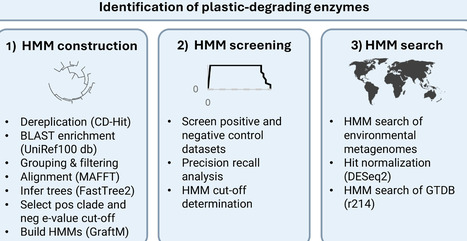
Plastic waste pollution is a global issue that threatens biodiversity and human health. Current plastic waste management practices are not sufficient to keep up with increasing plastic production rates. Microorganisms have the capacity to degrade different types of bio-based and synthetic plastics through enzymatic reactions, offering an alternative solution to traditional plastic recycling techniques. A limited number of plastic-degrading enzymes have been identified, sequenced and characterized; however, studies exploring the distribution of homologues of these enzymes across habitats and microbial taxa have remained scarce. Here, we applied analytical techniques to search for genes encoding potential plastic-degrading enzymes in environmental metagenome datasets and genomes of the Genome Taxonomy Database (GTDB) to explore the geographic and taxonomic distribution patterns of plastic-degrading microorganisms. Hidden Markov Models (HMMs) were constructed from amino acid sequences of known, experimentally verified and putative plastic-degrading enzymes. The HMMs were applied to landfill, soil, river, lake and ocean metagenomes and all archaeal and bacterial genomes in the GTDB. An abundance of hits was discovered across aquatic and terrestrial metagenomes with the majority occurring in polluted rivers, polar oceans and deep ocean samples. GTDB hits were mainly consistent with known plastic-degrading microbial lineages, while also revealing potential plastic-degrading archaeal taxa. The results of this study may be able to assist in the discovery of novel plastic-degrading enzymes for application in plastic waste biodegradation solutions.
|
|
Scooped by
mhryu@live.com
August 11, 11:30 PM
|
The therapeutic potential of CRISPR-Cas9 genome editing is fundamentally constrained by the requirement for specific short DNA sequences (PAMs) flanking the target site, limiting access to many clinically relevant genomic loci. This stringent PAM requirement is particularly problematic in applications which require precise positioning, such as base editing and allele-specific editing. Although PAM-relaxed variants have expanded the targetable genome, they incur trade-offs in on-target activity, off-target editing, and cleavage kinetics. This highlights an unmet need for variants that are re-targeted to alternative PAMs in order to maintain the specificity and enzymatic performance inherent to stringent dinucleotide PAM recognition. To overcome these limitations, we developed a yeast selection platform capable of engineering SpCas9 variants with re-specified PAM recognition. Using a clinically relevant Huntington's disease gene (HTT) SNP as a proof-of-concept target, we engineered variants with reciprocal NGC and NGT PAM selectivity, as a step toward allele-specific editing in a large percentage of Huntington's disease patients. These yeast-selected SpCas9 variants retained their modified activity across multiple endogenous HEK293T loci, demonstrating that this specificity is robust across diverse genomic contexts. The variants surpassed PAM-broadened variants on their respective on-target PAM while displaying broad loss of activity across alternative PAMs, effectively re-specifying PAM recognition toward a single dinucleotide sequence. Retargeted variants recovered on-target cleavage kinetics approaching wild-type SpCas9, even under competing substrate conditions, demonstrating that PAM re-specification can simultaneously restore catalytic efficiency and improve specificity. Beyond NGC and NGT, we leveraged our high-throughput platform to engineer Cas9 with re-specified activity across multiple additional non-canonical PAMs in yeast, further demonstrating its utility as a general and programmable framework for expanding the therapeutic reach of precision genome editing.
|
|
Scooped by
mhryu@live.com
August 11, 11:09 PM
|
The 21st annual International Genetically Engineered Machine (iGEM) Grand Jamboree took place on the 23rd to 26th of October 2024 at the Paris Expo in Paris, France. It was the final event of the year-long iGEM Competition in microbial synthetic biology, at which more than four hundred high school and university student teams from around the world presented their projects and competed for prizes. At the core, each project applied molecular cloning and microbial engineering to tackle pressing healthcare, human advancement, and environmental challenges. Herein we highlight the efforts of four projects from the latter category: Stockholm, Thessaly, KU Leuven, and Copenhagen, whose work exemplifies the type of research projects presented by iGEM teams each year in advancing sustainability. Through the application of basic principles of synthetic biology to a diverse range of problems, the projects demonstrated the promise of synthetic biology in addressing and indeed resolving a broad spectrum of sustainability challenges.
|
|
Scooped by
mhryu@live.com
August 11, 5:18 PM
|
Accurate detection of off-target activity in primary human cells is crucial for ensuring the safety of gene therapies, yet existing methods often lack sufficient sensitivity. To address this limitation, we develop Tracking-seq2, an advanced technology that integrates exogenous 5′ → 3′ exonuclease treatment and non-homologous end joining (NHEJ) pathway inhibitors with the original Tracking-seq. Tracking-seq2 exhibits enhanced sensitivity in profiling off-target sites of diverse genome editors—including Cas9, Cas12a, cytosine base editors (CBEs), adenine base editors (ABEs), and prime editors (PEs). Critically, Tracking-seq2 is directly applicable to clinically relevant primary human cell types, such as T cells and CD34+ hematopoietic stem and progenitor cells (HSPCs). Furthermore, our findings reveal that genomic variations drive distinct off-target heterogeneity across different individuals, highlighting the necessity for personalized safety assessment in clinical genome editing applications. Tracking-seq2 provides a robust platform for sensitive off-target detection in primary cells, with sensitivity comparable to or exceeding current state-of-the-art methods. Ensuring safe gene editing requires precise detection of unintended DNA edits. Here, authors develop Tracking-seq2, a highly sensitive method to profile off-targets for diverse genome editors, and reveal distinct off-target effects across individuals in primary human cells.
|
|
Scooped by
mhryu@live.com
August 11, 4:10 PM
|
Selenocysteine (Sec), the 21st amino acid, is a rare non-canonical amino acid that represents an attractive target for protein engineering due to its desirable chemical properties such as high affinity for metals, strong nucleophilicity, and reversible covalent bond formation. To bypass the natural constraints on Sec placement within proteins, several strategies have been developed to rewire the native translational machinery to enable site-specific incorporation. However, these usually abolish the quality control mechanism that excludes the serine-charged selenocysteinyl-tRNA (Ser-tRNASec), the immediate biosynthetic precursor, from translation resulting in heterogenous protein species. This challenge is confounded by a lack of genetic tools to accurately report the selenylation state of the tRNA pool as most are blind to competing process of Ser incorporation, which can only be observed using analytical methods. To resolve this issue, we have developed a new fluorescent reporter, Selenocysteine Adjusted Ratiometric Chromophore (SeARCh), which exhibits two distinct spectral outputs dependent on the incorporation of either Ser (red) or Sec (green). Using SeARCh, we define several factors which influence the observed Sec:Ser ratio and construct a new hybrid biosynthetic pathway with improved performance, achieving 90% Sec incorporation. Furthermore, SeARCh displays unusually complex mass spectra due to the isotope distribution of selenium and heterogenous nature of the protein in solution and we report specific methods to account for this behavior and precisely quantify the rare Ser-containing species found at high Sec incorporation efficiencies. Our findings suggest that the equilibrium between selenoprotein and tRNASec expression levels is a key driver of incorporation efficiency and implies a process that is broadly biosynthetically constrained. Collectively these tools represent a significant advance in the metrology of selenocysteine biosynthesis and incorporation and can be used to inform and standardize future engineering efforts.
|
|
Scooped by
mhryu@live.com
August 11, 2:02 PM
|
Accurately identifying orthogroups is crucial for precise phylogenetic reconstruction, but clustering-based methods often generate complex, many-to-many orthogroups that include confounding paralogs. Incorporating synteny offers a robust strategy to refine these clusters into high-granularity, single-copy orthologs. We introduce orthoSynAssign, a user-friendly, high-performance rewrite of the orthogroup refinement tool OrthoRefine, combining an intuitive Python interface with a core computing engine written in Rust. This hybrid architecture ensures straightforward installation, seamless data parsing, and exceptional computational efficiency. Evaluated against the Yeast Gene Order Browser (YGOB) dataset, orthoSynAssign demonstrated outstanding performance, substantially elevating the Area Under the Precision-Recall Curve. Furthermore, multi-threading benchmarks across 193 Eurotiomycetes genomes confirmed strong scalability, drastically reducing execution runtime while maintaining a strictly bounded, thread-independent memory footprint. Ultimately, orthoSynAssign provides a reliable and scalable framework for high-throughput phylogenomic workflows.
|
|
Scooped by
mhryu@live.com
August 11, 12:06 PM
|
Many peptides often do not have a single dominant structure. Instead, many remain disordered in water and fold when they encounter membranes or other chemical environments, a property that underlies diverse biological functions but is difficult to predict. Here we introduce ApexFold, a machine-learning framework that predicts how peptide secondary structure change across environments. ApexFold uses peptide sequence and features together with physicochemical descriptors of the surrounding medium to estimate the fractions of helical, β-like and disordered structure expected in each condition. Trained on circular dichroism measurements from 1,187 peptides assayed in water, co-solvents and membrane-mimicking micelles, ApexFold predicted solvent-induced structural shifts in independent peptide panels and outperformed static structure predictors that return a single conformation. These results show that peptide structural plasticity can be learned from sequence and environment, providing a way to prioritize peptides and experimental conditions before synthesis and structural characterization.
|
|
Scooped by
mhryu@live.com
August 11, 11:44 AM
|
Cooperative behaviors among microorganisms, such as biofilm formation, are widespread and play a key role in the emergence and evolution of antibiotic resistance by promoting genetic exchange and environmental adaptability. Bacterial cooperation can involve the secretion of metabolically costly “public goods” that benefit neighboring cells. These include β-lactamases, chloramphenicol acetyltransferase, outer membrane vesicles, metabolites, and signaling molecules, which can protect susceptible bacteria by reducing local antibiotic concentrations and thereby attenuating selection pressure. Importantly, genes encoding these extracellular products are often subject to horizontal gene transfer, facilitating cooperative interactions across species within microbial communities. In this review, we summarize current knowledge of these extracellular products, highlight their roles in the development and evolution of cooperative antibiotic resistance, examine their potential implications for antibiotic therapy, and identify key gaps in current research. We also examine future research directions and consider how integrating microbial social interactions and community dynamics in antimicrobial strategies could offer new ways to reduce the emergence and spread of antibiotic resistance.
|


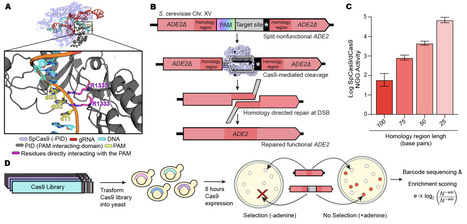













savage df, 1str, hts, ADE2 gene (essential for making adenine) split in half by inserting a cassette containing: a target spacer sequence, a PAM of interest, a stop codon, and short flanking homology arms. If Cas9 cuts at that inserted PAM/spacer site, the cell's own homology-directed repair machinery uses the flanking homology arms to stitch ADE2 back together, restoring function.