 Your new post is loading...

|
Scooped by
mhryu@live.com
Today, 7:44 PM
|
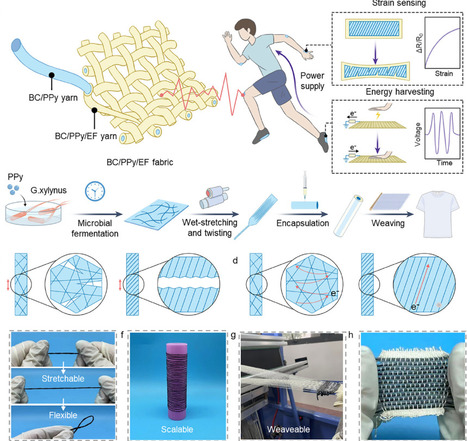
Invoking high-performance bio-based fibres (e.g., Bacterial cellulose) contributes to the sustainability and functionality of wearable electronic devices at the material level. However, the fabrication of self-powered and high-mechanosensitive stretchable BC-based sensors is challenging due to the difficulty in adaptable soft-rigid triboelectrical interfaces and obtaining ordered conductive bacterial cellulose fibres. Here, inspired by the spiral construction from biological systems, we develop an innovative bio-fabrication strategy to develop a core-sheath yarn that features the ordered network and mechanosensitive twisting structures. The yarn sensor integrates the complementary advantages of triboelectric and resistive responses for the integration of strain sensing and energy self-sufficiency. Converging factors of core-sheath structure, modulus-mismatch-governed elongation, and network cracks give the yarn sensor a sensitive mechanosensitive response (8.246), a wide strain range (up to 100%), and high voltage signals (over 50 V). The scalable self-powered fabrics based on yarns are also used as wearable power generation and energy storage for charging the yarn sensing system, achieving continuous health monitoring. The design of the unique structure assists the BC-based sensors to effectively energy charging and driving healthy monitoring system. These empirical insights from bio-manufacturing techniques to structural design of ordered yarns pave the way to obtaining multi-functional high-performance bio-based sensors.
|
|
Scooped by
mhryu@live.com
Today, 7:10 PM
|
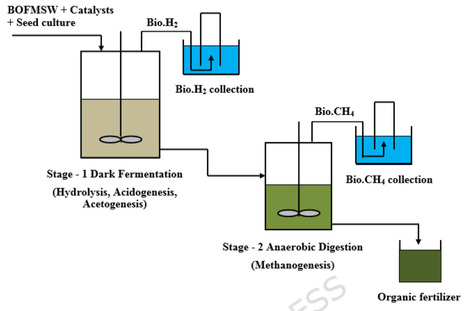
This study presents an integrated waste-to-energy strategy for the sustainable conversion of the biodegradable organic fraction of municipal solid waste (BOFMSW) into biohydrogen (Bio.H2) and biomethane (Bio.CH4) through a two-stage continuous stirred dark fermentation (DF) process. The first-stage bioreactor was inoculated with Clostridium Thermocellum selectively enriched in a 2-bromoethanesulfonic acid (BESA) medium, and the influence of bimetallic ion catalysts NiCl2 + FeCl2 and NiCl2 + FeSO4 was evaluated at various concentrations (25, 50, 75, and 100 mg/L). The catalyst combination NiCl2 + FeCl2 at 75 mg/L produced the maximum Bio.H2 yield of 3162 L, representing a 69% enhancement compared with the catalyst-free substrate. At this optimal catalytic concentration, the percentage of H2 in the gas composition was 69.26%. The second-stage bioreactor utilized the effluent from the first stage for Bio.CH4 generation, achieving the highest cumulative yield of 729 L at 50 mg/L NiCl2 + FeCl2, which was 59% higher than that of the catalyst-free substrate. The two-stage process achieved an overall COD removal efficiency of 93.18%, demonstrating the system’s effective capacity for energy recovery. Fourier Transform Infrared (FTIR) and Field Emission Scanning Electron Microscopy (FESEM) analyses confirmed the biochemical and morphological degradation of complex organics into volatile fatty acids, illustrating efficient substrate conversion and microbial proliferation. The final digested slurry, rich in nitrogen, phosphorus, and potassium, was found suitable for use as a bio-fertilizer, supporting nutrient recycling and soil enrichment. This integrated process not only improved energy recovery efficiency but also achieved near-zero waste discharge, combining waste-to-energy and waste-to-resource approaches. The developed system demonstrates strong potential for pilot-scale implementation of Bio.H2, and Bio.CH4 for co-production from municipal solid waste (MSW), offering a circular bioeconomy pathway toward low-carbon, sustainable urban waste management.
|
|
Scooped by
mhryu@live.com
Today, 6:31 PM
|
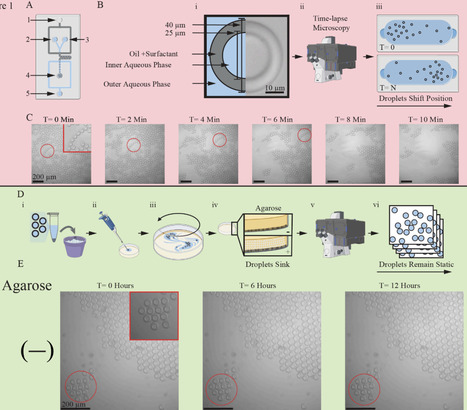
Droplet-based microfluidics enable researchers to observe phenotypic heterogeneity within complex biological mixtures through parallel encapsulation of individual samples followed by imaging. Observing or quantifying dynamic heterogeneity remains challenging due to complexities associated with trapping and tracking many individual droplets. Current approaches for time-lapse imaging require specialized devices with droplet traps that limit accessibility and throughput. Here, using readily available materials and software, we demonstrate a simple method for stabilizing and monitoring many, individual droplets for up to 12 hours. We leveraged our method to track bacterial growth within droplets in a high-throughput manner. Our method allows tracking the changes and variation in growth rate within and across droplets, revealing heterogeneity in growth patterns hidden in batch assays. Improving the affordability and throughput of time-dependent phenotyping assays helps to advance biological discovery and biotechnology innovation.
|
|
Scooped by
mhryu@live.com
Today, 1:03 AM
|
Extracellular vesicles (EVs) are cell-released lipid-wrapped nano- to micro-sized particles without self-replication ability. Plant cells secrete EVs (plant EVs, PEVs) during normal development of plants and in plant response to external stimuli. Distinct from plant-derived nanoparticles, here we narrow the definition of PEVs, which are naturally secreted by cells, excluding those from disrupted cells or artificial vesicles with properties similar to those of EVs. We focus on PEV classification, isolation methods, and their biogenesis, cargos, biological functions, and applications. In addition, we discuss the challenges and opportunities in this field.
|
|
Scooped by
mhryu@live.com
Today, 12:53 AM
|
SiteContext is a web server for comparing protein binding sites. Accurate binding site comparison is important both in structural biology and drug discovery. Extant methods typically require installation or provide coarse alignments, such as between the alpha-carbons only. Given two binding sites, SiteContext provides detailed atom-level correspondences between all the solvent-accessible surface atoms. In it, each binding site atom is encoded as a set of spherical histograms, capturing spatial distributions of other atoms in its neighborhood. A computationally efficient approximation of the Earth Mover’s Distance is used to compute a transportation-based similarity score between these distributions to determine binding site similarity. Benchmarking studies shows that SiteContext is comparable to state-of-the-art methods. Its outputs include site similarity scores, atom-to-atom correspondences, and root-mean-square deviations between atoms. Correspondences are visualized and are available as downloadable files, with each atom labeled by element and parent residue. SiteContext is available at: https://tintin.cs.uiowa.edu/SiteContext/.
|
|
Scooped by
mhryu@live.com
Today, 12:40 AM
|
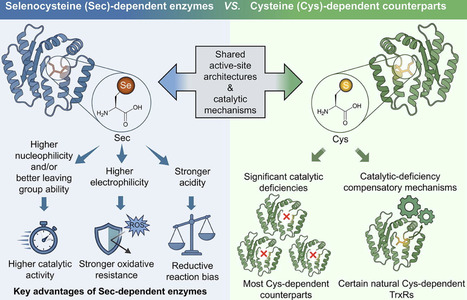
Selenocysteine (Sec), the 21st proteinogenic amino acid, is a structural analog of cysteine (Cys) where its sidechain sulfur atom is substituted by selenium. Sec typically serves as the catalytic site in Sec-dependent enzymes and therefore the distinct chemical properties of selenium compared to sulfur endow these enzymes with unique characteristics that differentiate them from their Cys-dependent counterparts. In this review, we provide a systematic and comparative analysis of well-characterized Sec-dependent enzymes alongside their naturally occurring and artificially engineered Cys-dependent analogs in the context of biological function, active-site structure, catalytic property and mechanistic insight. Our analysis reveals that Sec-dependent enzymes consistently exhibit higher catalytic activities than their Cys analogs, despite sharing common catalytic architectures and catalytic mechanisms. The kinetic advantage is primarily attributable to the stronger nucleophilicity and/or the enhanced leaving-group ability of the selenolate sidechain of Sec compared to that of Cys. Furthermore, the stronger electrophilicity of selenolate confers all reviewed redox enzymes with superior oxidative resistance, while the increased acidity of selenolate enables metal-dependent formate dehydrogenases and hydrogenases to favor their reductive reactions (i.e., CO2 reduction and H2 production, respectively). Interestingly, certain natural Cys-dependent thioredoxin reductases appear to have evolved compensatory mechanisms through active-site-residue modifications to mitigate catalytic inefficiencies arising from the absence of Sec. The summarized correspondence between the chemical properties of Sec and the catalytic advantages of Sec-dependent enzymes provides a mechanistic basis for optimizing their catalytic performance via engineering of the micro-environment of Sec.
|
|
Scooped by
mhryu@live.com
Today, 12:20 AM
|
RNA design aims to find a sequence that can fold into a given (secondary) structure, which has wide applications in science and medicine. However, it has long been known that there are “undesignable structures” for which no sequence can fold into them according to the minimum free energy (MFE) criterion under the standard RNA folding energy model. Our previous work showed that undesignable structures can be effectively and efficiently identified by searching for rival structures. We further showed that there exist “minimal undesignable motifs” within those undesignable structures, where a (structural) motif is a set of consecutive loops and helices within a secondary structure. To better illustrate our theoretical findings, we built a motif server as a user-friendly visualization tool for undesignable RNA structures and motifs, as well as an interactive demo tool where the user can input a new structure and the server will compute and visualize any undesignable motifs within it on the fly. This server maintains a database of undesignable RNA structures and unique minimal undesignable RNA motifs, allowing the users to explore, visualize, analyze, and identify undesignable motifs in existing and new RNA structures. The importance of this server is that it provides a database of motifs for nanostructure design that should not be incorporated because these motifs are unlikely to be achievable.
|
|
Scooped by
mhryu@live.com
May 3, 10:22 PM
|
Microbial competition for scarce resources shapes biodiversity patterns and ecosystem function across global biomes, yet quantifying this process from genomic data has remained elusive. Here, we introduce CaCo, a scalable metric that transforms metagenomic carbohydrate-active enzyme profiles into precise measures of niche overlap and competition potential (Resource Partitioning Score, RPS). Analyzing 14,691 high-quality metagenome-assembled genomes spanning Ocean, freshwater, soil, and human gut microbiomes, we reveal a striking macroecological pattern: Niche overlap increases from partitioned specialists in oligotrophic oceans to overlapping generalists in carbon-rich environments, including the human gut. This gradient aligns with classic niche theory, as phylogenetic signals indicate that closely related taxa may compete most intensely. Multitiered validation, spanning BIOLOG phenotypes, synthetic cocultures, and interaction gradients, confirms CaCo’s predictive power and captures competitive exclusion. CaCo bridges genomic potential and ecological reality, providing niche-breadth metrics and enabling testable predictions of how resource availability shapes microbial competition and community structure.
|
|
Scooped by
mhryu@live.com
May 3, 9:23 AM
|
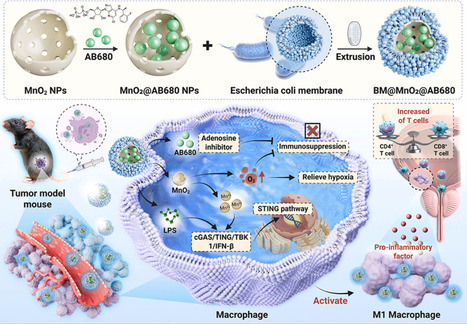
Bladder cancer is a highly malignant tumor with limited treatment options. Although adoptive cell therapy has shown promise in oncology, its efficacy is often constrained by poor intrinsic antitumor activity and a highly immunosuppressive tumor microenvironment. To address these challenges, this study develops a novel living adoptive macrophage therapy armed with nano-bionic bacteria for bladder cancer treatment. Specifically, hollow manganese dioxide (MnO2) nanoparticles were synthesized, loaded with an adenosine inhibitor, and coated with E. coli membranes. Under mild conditions, these nano-bacterial particles were internalized by macrophages, transforming them into living cell drug factories. Upon accumulation into the bladder, these engineered macrophages actively infiltrated tumor tissues. Lipopolysaccharide (LPS) from the bacterial membrane, along with Mn2+ ions, activated the STING pathway in macrophages, promoting and sustaining an M1-like antitumor phenotype. The activated macrophages released pro-inflammatory cytokines, thereby stimulating resident immune cells within the tumor and initiating robust antitumor immunity. Additionally, the macrophages released the adenosine inhibitor while MnO2 generated oxygen, synergistically counteracting adenosine-mediated immunosuppression. In a subcutaneous tumor model, this nano-bionic bacteria-armed macrophage therapy significantly enhanced the therapeutic outcome against bladder cancer. Mac@ABMn triggered reprogramming of the tumor microenvironment, resulting in enhanced anti-tumor immunity, characterized by increased infiltration of activated CD4+ and CD8+ T cells without expanding regulatory T cells (Tregs), thereby shifting the milieu toward a potent immunostimulatory state. The immunostimulatory effect is molecularly defined by the cGAS/STING/TBK1/IFN-β signaling axis, and Mac@ABMn demonstrates significant synergistic efficacy when combined with standard immunotherapies like BCG or anti-PD-L1 checkpoint blockade, leading to superior tumor control. Collectively, this study developed a novel therapy regiment, featuring macrophages engineered with bacterial membrane-coated nanoparticles are activated via the STING pathway to sustain an anti-tumor M1 phenotype while simultaneously alleviating hypoxia and scavenging immunosuppressive adenosine.
|
|
Scooped by
mhryu@live.com
May 3, 1:06 AM
|
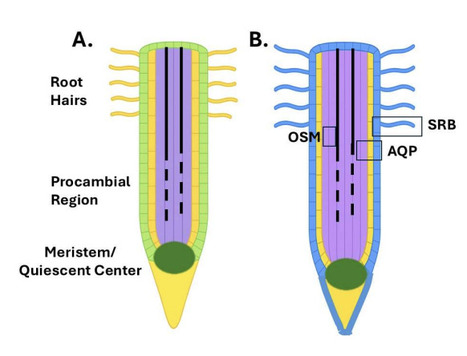
Salinity exerts a major constraint on global crop production while seawater intrusion impacts coastal aquifers and surface waters. Using a blueprint from nature, we produced highly salt tolerant Arabidopsis and rice. Endodermal-like barriers, duplicated to the root epidermis and distally expanded to protect sensitive regions, provide salt tolerance to 600 mM NaCl, levels comparable to seawater. Two additional genetic modules are added to reduce adverse effects on ion uptake and provide osmotic protection. Arabidopsis and rice containing all three genetic modules can survive 600 mM NaCl and set seed. RNA-seq analysis suggests that our rational engineering primes plants for salt tolerance, even without salt exposure, while our ionic analysis provides means for improvement. Our results, duplicating suberin and the Casparian Strip to the epidermis, adding symplastic transport and providing a means to address osmotic stress, provides a new approach to salt tolerance and insight to genes involved in salt responses.
|
|
Scooped by
mhryu@live.com
May 3, 12:33 AM
|
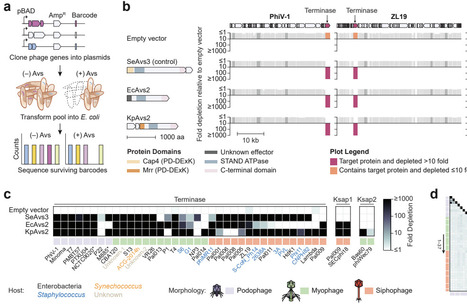
Prokaryotes employ diverse defense strategies to detect and halt the progression of phage infection. Multiple defense systems sense phage proteins through direct binding, including antiviral STAND NTPases (Avs), which oligomerize upon target recognition to induce programmed cell death. The widespread Avs2 family was previously shown to detect the large terminase subunit of tailed phages, but the mechanism of terminase sensing was unknown. Here, we determine the structural basis of terminase recognition by Avs2 from E. coli (EcAvs2). A cryo-EM structure at 2.3 Å resolution reveals that EcAvs2 forms a flat, C4-symmetric tetramer in which each protomer is bound to a single terminase monomer. Terminase recognition is mediated by a large, shape complementary binding pocket in the EcAvs2 sensor domain, including specific contacts with an unexpected ATP molecule at the interface of EcAvs2 and terminase. Furthermore, we demonstrate that the defense protein Upx also recognizes diverse phage terminases, despite lacking sequence and structural homology to Avs. AlphaFold 3 models indicate that Upx binds an unfolded state of the core terminase ATPase domain, mediated by β-augmentation. These findings highlight the distinct modes of terminase recognition across structurally diverse defense proteins.
|
|
Scooped by
mhryu@live.com
May 2, 11:59 PM
|
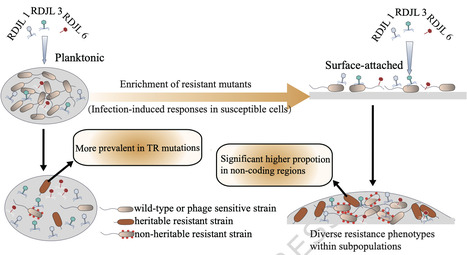
Marine bacteria alternate between planktonic and surface-attached lifestyles, facing continuous phage predation. However, how these lifestyles shape resistance evolution remains poorly understood. Using a Roseobacter model strain, we demonstrate that surface-attached populations exhibit 26-fold higher survivability than planktonic counterparts during lytic phage infection. This advantage emerges through the evolution of heterogeneous subpopulations exhibiting diverse resistance phenotypes, a pattern absent in planktonic populations. Whole-genome sequencing of 139 heritable phage-resistant mutants revealed fundamentally divergent mutational patterns, with planktonic populations predominantly harboring tandem repeat mutations, whereas surface-attached populations favor non-coding mutations. Despite this, both lifestyles independently converged on mutations in the CtrA phosphorelay system, identifying CtrA as a previously unrecognized evolutionary target of phage-driven selection and triggering planktonic-to-surface-attached switch. Further analyses revealed systematic downregulation of motility genes and enhancement of biofilm formation, mechanistically linking phage resistance to lifestyle transitions. The identified CtrA mutations occur in regions highly conserved across ecologically important marine Alphaproteobacteria (Rhodobacterales) that are known to switch between planktonic and surface-attached states, suggesting lifestyle-dependent evolutionary trajectories may broadly shape phage resistance in marine ecosystems. Marine bacteria are often under constant phage predation. Li et al. present that surface-attached populations exhibit 26-fold higher survivability than planktonic counterparts during lytic phage infection. They identify CtrA as an evolutionary target for phage-driven selection towards an attached lifestyle.
|
|
Scooped by
mhryu@live.com
May 2, 10:56 PM
|
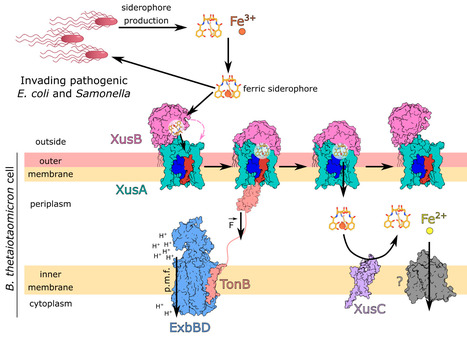
Iron is an essential element that can be growth-limiting in microbial communities, particularly those present within host organisms. To acquire iron, many bacteria secrete siderophores, secondary metabolites that chelate ferric iron. These iron chelates can be transported back into the cell via TonB-dependent transporters in the outer membrane, followed by intracellular liberation of the iron. Pathogenic E. coli and Salmonella produce siderophores during gut infection. In response to iron starvation, the human gut symbiont Bacteroides thetaiotaomicron upregulates an iron piracy system, XusABC, which steals iron-bound siderophores from the invading pathogens. Here, we investigated the molecular details of xenosiderophore uptake across the outer membrane by the XusAB complex. Our crystal and cryogenic electron microscopy structures explain how the XusB lipoprotein recognizes iron-bound xenosiderophores and passes them on to the XusA TonB-dependent transporter. Moreover, we show that Xus homologues can transport a variety of siderophores with different iron-chelating functional groups.
|
|
|
Scooped by
mhryu@live.com
Today, 7:28 PM
|
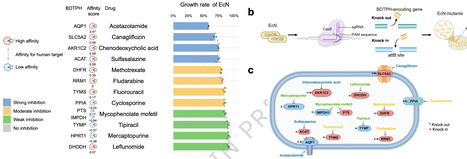
While the impact of non-antibiotic drugs on gut bacteria is well-known, their mechanisms of action remain poorly characterized, and effective mitigation strategies for drug-induced dysbiosis are still limited. Here, we screened bacteria-derived drug-target protein homologs (BDTPHs) mapped to 63 target proteins and 107 associated drugs to quantify “drug–BDTPH–bacterium” interactions. These interactions were validated by co-culture experiments using 10 drugs and 25 strains, enzyme assays, and genetic perturbations in Escherichia coli. Ex vivo and in vivo testing with six drugs showed that over 50% of affected genera exhibited high affinity, indicating microbiota alterations through the “drug–BDTPH–bacterium” axis. Leveraging this quantitative interaction framework, we identified a strain of Bifidobacterium animalis that can competitively bind methotrexate through high-affinity BDTPH, thereby effectively alleviating gut microbiota dysbiosis in vivo. Our findings elucidate a mechanism by which non-antibiotic drug effects on bacterial growth, and suggest a universal homology-based competition strategy to restore drug-disrupted microbiota. Here, the authors uncover a mechanism by which drug-target homologs mediate non-antibiotic drug effects on bacterial growth, and suggest a universal homology-based competition strategy to reverse MTX-induced microbiota dysbiosis.
|
|
Scooped by
mhryu@live.com
Today, 6:42 PM
|
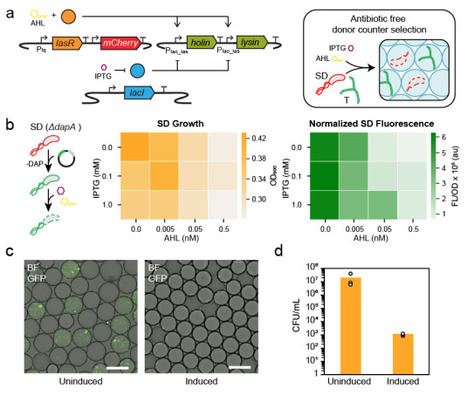
Expanding genetic engineering beyond model microorganisms is critical to unlocking novel applications in biotechnology, yet the low efficiency of DNA delivery methods like conjugation, remains a major bottleneck in non-model and environmental microbes. Here, we present an automated, high-throughput droplet microfluidic platform that enhances conjugation by encapsulating donor and recipient microbes in picoliter-scale water-in-oil microdroplets, stabilizing cell-cell contact and DNA transfer. Optimization of incubation time, donor to recipient ratio, and plasmid type yielded over a 100-fold increase in conjugation efficiency compared to conventional methods and enabled delivery of complex DNA libraries in low reaction volumes, demonstrating scalability for pooled plasmid library delivery. We further utilized a synthetic biology circuit for donor removal within microdroplets without antibiotic selection, eliminating the need for host-specific selection markers or engineered auxotrophs. When applied to a soil microbial community, this platform improved community-level conjugation, preserving microbial diversity and enabling the identification of genetically accessible chassis. Collectively, this platform establishes a scalable, generalizable solution for high throughput DNA delivery in previously inaccessible microbial hosts.
|
|
Scooped by
mhryu@live.com
Today, 10:47 AM
|
Mycelium-based composites (MBCs) are sustainable biomaterials gaining increasing attention, particularly in construction, due to their recyclability, biodegradability, and thermal and acoustic insulation properties. This study investigated the influence of different lignocellulosic biomasses on the mycelial growth of filamentous fungi and their laccase (Lac) production, aiming to identify optimal conditions for MBC development. Seven fungal species—five ascomycetes (Trichoderma longibrachiatum, Talaromyces amestolkiae, Aspergillus flavus, Fusarium oxysporum, Aspergillus niger), one mucoromycete (Rhizopus oryzae), and one basidiomycete (Pycnoporus sanguineus)—were tested for Lac activity, a key enzyme for lignin degradation and biomass colonization. Bamboo, rice husk, and wood sawdust were selected as substrates, previously characterized for bulk density, water absorption, and particle size. Mycelial growth was assessed under two conditions: substrates moistened with distilled water or supplemented with potato dextrose broth (PDB). Fungi with higher Lac activity exhibited greater colonization capacity. PDB supplementation improved growth in species with limited development in water-only conditions. Bamboo showed the highest compatibility among the substrates, likely due to its finer particle size, which may enhance mass transfer and nutrient diffusion. The only strain to produce a cohesive, macroscopically visible composite was P. sanguineus when cultivated on bamboo. These findings highlight the relevance of selecting compatible fungal-biomass pairs and optimizing environmental conditions to advance the development of MBCs as eco-friendly construction materials.
|
|
Scooped by
mhryu@live.com
Today, 1:01 AM
|
Microbial production of value-added chemicals is a sustainable and environmentally friendly alternative to conventional chemical synthesis. However, in dynamic fermentation environments, static control strategies like promoter engineering and constitutive gene expression often fail to balance growth and production. The productivity and stability of engineered microbes are limited by an intrinsic conflict between maximising metabolic flux for product formation and maintaining cellular fitness. Static metabolic engineering strategies, which often create growth–production trade-offs, cannot adapt to dynamic physiological changes from nutrient, byproduct, and stress response fluctuations. Although external environmental controls can partially alleviate this imbalance, they are labor-intensive and difficult to scale. Advances in autonomous genetic regulation have developed self-adaptive systems through which microbes can sense and respond to intracellular and environmental cues in real time. These dynamic circuits maintain homeostasis while optimising metabolic flux by integrating sensing, feedback, and control modules. This review summarises recent progress in autonomous single-cell and population-level regulation strategies for microbial cell factories. Single-cell strategies encompass metabolite- and cell burden-responsive systems that dynamically rebalance flux and mitigate stress in individual cells. Population-level strategies include quorum-sensing-responsive and pH-responsive systems that coordinate collective behaviour and environmental adaptation. Feedback and feedforward control architectures are highlighted in each category to illustrate distinct mechanisms of achieving stability, responsiveness, and predictive adaptation. Underlying design principles, representative applications, and future perspectives for the construction of robust and intelligent microbial production systems are also discussed. The development of next-generation cell factories capable of autonomously optimising performance in fluctuating bioprocessing conditions can be accelerated by integrating systems biology, synthetic biology, and control theory.
|
|
Scooped by
mhryu@live.com
Today, 12:45 AM
|
RNA regulation offers fast, energy-efficient, and highly programmable control over prokaryotic gene expression and is emerging as a necessary complement to DNA-level engineering for building complex and responsive bacterial systems. We review cis- and trans-acting RNA regulators through an engineer-facing framework organized around three actionable control knobs: transcription termination, translation initiation, and mRNA stability. Cis-Encoded strategies including 5’ UTR and RBS engineering, riboswitches, and ribozymes often act early on nascent transcripts and can achieve low leak and high dynamic range. Trans-Acting systems such as synthetic small RNAs and CRISPR-based RNA-targeting tools provide an orthogonal capability that is especially valuable in bacteria: operon-resolved, gene-specific regulation within polycistronic transcripts with minimal polar effects. Across both classes, we highlight practical design determinants and failure modes shaped by target accessibility, co-transcriptional folding, RNase and RNA-chaperone context, and expression burden, and discuss how these constraints govern composability in multigene networks. We further outline emerging design workflows that integrate computation and AI-assisted modeling with screening and benchmarking to improve predictability and portability beyond E. coli-centric implementations. Together, this review aims to make RNA regulation a routine, engineerable layer for next-generation prokaryotic synthetic biology.
|
|
Scooped by
mhryu@live.com
Today, 12:26 AM
|
Limitations in rapid organism identification and access to appropriate cultivation media remain significant bottlenecks in microbiological research, particularly in laboratories without advanced diagnostic infrastructure. Many existing tools address either organism identification or cultivation guidance independently, with limited integration between the two. This study presents BacDoc, a free, web-based platform that integrates bacterial identification with automated cultivation media recommendations using a transparent, rule-based algorithm. BacDoc was developed in two stages, comprising an initial terminal-based prototype with fuzzy string matching and automated media scaling, followed by a full web application implemented using the Flask framework with a responsive HTML5/CSS3/JavaScript interface. For known organisms, the platform returns optimized growth parameters, standardized media formulations scaled to user-defined volumes and associated biochemical and differential characteristics. For unknown isolates, a multifactorial distance-scoring algorithm based on six phenotypic parameters generates hybrid media formulations derived from the five most similar database entries. The curated database currently includes approximately 800 bacterial species with standardized physiological profiles and growth media. Validation demonstrated accurate organism identification, reliable media scaling across 100–2000 mL volumes, and stable system performance with robust error handling. BacDoc provides a practical computational framework for experimental planning, teaching laboratories, and preliminary cultivation support without the need for specialized hardware. Future development will focus on experimental validation of hybrid media, database expansion, and offline mobile implementation.
|
|
Scooped by
mhryu@live.com
May 3, 10:28 PM
|
Flavonoids bridge plant defence and acclimation, helping land plants translate UV-B/high light, drought, heat, salinity, and cold into metabolic and physiological change. Recent studies map lineage biases in flavonoid scaffolds and show that core enzymes assemble into endoplasmic reticulum (ER)–associated metabolons, with auxiliary reactions detected at the tonoplast and in the nucleus. After synthesis, cellular pools are set by ABC and MATE transporters, GST ligandins, and vesicle-mediated trafficking. Regulatory layers include MBW-centred transcription-factor networks wired into Ca2+, ROS, and JA/SA/ABA signalling, while late tailoring (hydroxylation, glycosylation, O-methylation, and acylation) modulates solubility, stability, localization, and bioactivity. Under UV, drought, high temperature, salt stress, freezing, nutrient imbalance, and metal toxicity, distinct chemotypes contribute to photoprotection and to biotic defence as phytoalexins and anti-herbivore deterrents. We propose that flavonoids act not only as redox-active, membrane-protective metabolites but also as signals that reset transcriptional and hormonal programmes; pathogens and insects can blunt this interface via detoxification, efflux, and enzymatic breakdown. Key quantitative gaps include in vivo antioxidant weight relative to enzyme cycles, branch-specific flux partitioning, and links between tissue patterning and protection. Priorities are outlined for deploying stress-responsive flavonoid repertoires to boost crop resilience under combined stresses without yield penalties.
|
|
Scooped by
mhryu@live.com
May 3, 9:26 AM
|
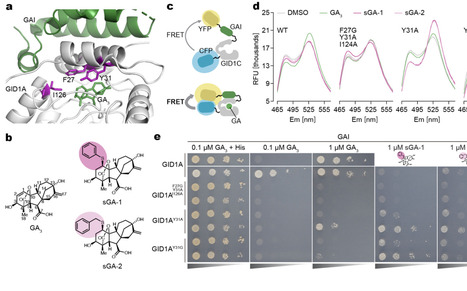
Gibberellins (GAs) influence cell division and elongation, profoundly shaping plant architecture and yield. GA perception occurs when bioactive GAs bind the receptor GID1, promoting DELLA degradation and activating transcriptional programs. While GA signaling in the root endodermis is essential for promoting root elongation, functions of other layers in spatial control of GA responses have not been explored. Here, we developed a synthetic GA (sGA) that does not bind endogenous GID1, together with a modified GID1 (mGID1) engineered to selectively recognize sGA, enabling cell-specific activation of GA signaling in vivo. Using this system in Arabidopsis, we demonstrate that coordinated action of GA signaling in the endodermis, epidermis, and other layers is required for full root elongation. Moreover, cell type-specific expression of GA biosynthetic enzymes indicates the existence of intercellular GA transport. The sGA-mGID1 system provides a versatile platform for spatially precise reprogramming of hormone signaling, enabling synthetic control of developmental processes such as root-shoot growth balance, thereby advancing applications in plant synthetic biology and sustainable crop improvement.
|
|
Scooped by
mhryu@live.com
May 3, 9:18 AM
|
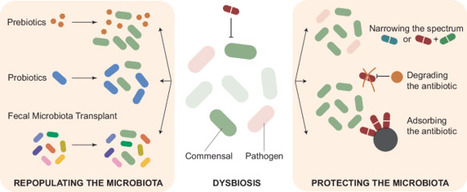
The discovery of antibiotics and their subsequent therapeutic use revolutionized our ability to treat once deadly infectious diseases, and antibiotics have become one of the most commonly prescribed drug classes. Unfortunately, these compounds not only target pathogenic strains, but also non-pathogenic bacteria that fulfill important functions for the human host. As such, antibiotic treatment can cause severe collateral damage, resulting in dysbiosis, for example, in the human gut microbiome. Given the immense importance of the gut microbiome for human health, antibiotic-induced dysbiosis can cause a variety of detrimental health outcomes. In addition, antibiotic (over-)use causes selection of antibiotic-resistant strains, and the human gut microbiome has become a major reservoir for resistance determinants that can transfer to pathogenic isolates and cause hard-to-treat infections. In this review, we describe various adverse effects that antibiotic use has on the human gut microbiome, how we can approach this problem experimentally, and discuss pathways to mitigate antibiotic-induced collateral damage.
|
|
Scooped by
mhryu@live.com
May 3, 12:36 AM
|
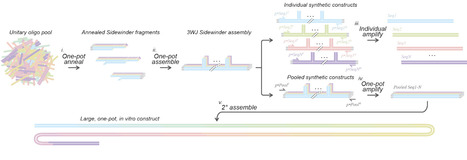
Reliable and cost effective de novo DNA production has become central to studying and engineering biology. Short synthetic single-stranded DNA oligo pools offer substantially reduced costs at the sacrifice of yield and individual oligo isolation. Efficiently constructing longer synthetic double-stranded DNA molecules from oligo pools as the input has remained an engineering challenge with the potential to drastically reduce costs, labor, and experimental turn-around time. Here we show one-pot, parallel assembly of hundreds of DNA fragments simultaneously into dozens of defined constructs with high fidelity using Sidewinder. We designed a novel string-based bespoke barcode design algorithm which rapidly generates Sidewinder barcodes at unprecedented scale. We apply the new algorithm to Sidewinder using oligo pools, demonstrating construct-specific amplification from pooled assemblies with misconnection rates as low as 1 in 10,000,000. Further, we demonstrate universal amplification of pooled assemblies to generate a library of specific target sequences that we combine with in vitro hierarchical assembly to 12.5 kilobases.
|
|
Scooped by
mhryu@live.com
May 3, 12:19 AM
|
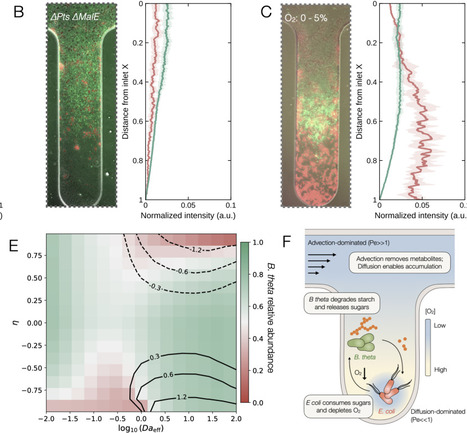
Microbial interactions unfold within environments structured by physical transport and chemical gradients. Yet most mechanistic studies rely on well-mixed systems that mask the reciprocal influences of environmental heterogeneity on metabolism and ecology. Here, we investigate how the physical environment modulates the interaction between the gut commensal Bacteroides thetaiotaomicron and E. coli. In anoxic liquid culture, cell-resolved isotope imaging and genetic perturbations reveal exploitative cross-feeding, where E. coli consumes diffusible sugars released by B. thetaiotaomicron during starch degradation. When exposed to intestinal-like oxygen gradients in microfluidics, the interaction is restructured by spatial organization. The species self-organize into complementary niches: E. coli locally depletes sugars and oxygen, thereby expanding the anoxic niche required by B. thetaiotaomicron. A reactive transport model confirms that this organization arises from coupled feedback between physical transport and metabolic reaction rates. Together, our results reveal how physical structure and chemical gradients convert an exploitative cross-feeding interaction into a dynamic niche-construction process that generates emergent spatial organization and stabilizes coexistence.
|
|
Scooped by
mhryu@live.com
May 2, 11:51 PM
|
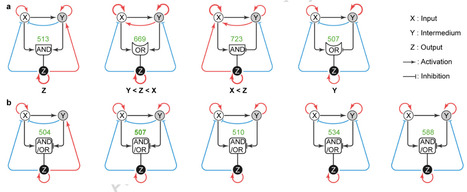
Feedforward loops (FFLs) and feedback loops (FBLs) are ubiquitous network motifs that mediate signal filtering, pulse generation, and state switching; yet, how coupling FBLs to FFLs produces robust multistability—a key mechanism for cellular decision-making—remains unclear. Here, we systematically investigate coupled FFL–FBL architectures by focusing on two prevalent FFL types, each with AND or OR logic, yielding four distinct frameworks. For each framework, we enumerate all 36 = 729 possible circuits, corresponding to three possible states (activation, inhibition, or absence) for each of six feedback edges, formulate each circuit as a system of ordinary differential equations, and quantify robustness as the proportion of 100,000 randomly sampled parameter sets exhibiting multistability. Our results reveal two key principles. First, positive self-activation is a primary driver of multistability, but the identity of the critical node(s) depends on the FFL type and logic. Second, coherent FFLs support multistability more readily than incoherent ones, whereas the choice between AND and OR logic has a comparatively weaker effect. Notably, we identify representative high-performing circuits within each framework and find that a small set of circuit designs remain robustly multistable across all four frameworks. These findings advance the theoretical understanding of motif design and provide practical guidelines for engineering synthetic multistable circuits.
|













solid culture optimization, laccase