Your new post is loading...

|
Scooped by
?
Today, 5:10 PM
|
Only a limited number of efficient marker genes are available (Liu et al. 2013; Tabatabaei et al. 2019), and for the transformation of many plant species, a single marker gene is strongly preferred because of its superior efficiency. This limitation in multigene engineering can be alleviated by employing split selectable markers that enable the simultaneous introduction of two transformation vectors using only a single selection agent (Palanisamy et al. 2019). In addition, split markers are useful tools to overcome vector size limits, enable modular combinatorial testing of constructs, and facilitate trait stacking via sexual crosses. A useful strategy for marker splitting relies on protein trans-splicing, in which the marker gene fragments (placed on two separate vectors) are fused to fragments encoding the N-terminal or C-terminal half of an intein. When both vectors are introduced into a target cell, expression of the two marker protein-intein fragments leads to the removal of the intein by trans-splicing and reconstitution of the full-length marker protein, thus conferring the desired resistance. This approach has been successfully used in bacteria and mammalian cell cultures (Palanisamy et al. 2019; Jillette et al. 2019), but has not been widely employed in plant transformation. A recent report described a split kanamycin resistance gene and a split hygromycin resistance gene, but the efficiency of the split genes compared to the unsplit marker has not been assessed (Yuan et al. 2023). Here, we have taken a systematic approach and constructed several intein-split selectable markers and evaluated their efficiencies in plant transformation. We split three commonly used markers: the antibiotic resistance genes hpt (conferring hygromycin resistance) and nptII (conferring kanamycin resistance), and the herbicide resistance gene sul (conferring sulfadiazine resistance)
|
|
Scooped by
?
Today, 5:03 PM
|
Rhizomania in sugar beet causes significant yield and sucrose loss worldwide. The disease is caused by Beet necrotic yellow vein virus (BNYVV) and vectored by the plasmodiophorid, Polymyxa betae. Resistance to rhizomania in commercial cultivars is currently dependent upon the use of Rz1 and Rz2 resistant genes in sugar beet. We have developed an ethyl methanesulphonate mutant breeding line (KEMS12; PI672570) that is highly resistant to rhizomania. Using rhizomania-resistant (R) and susceptible (S) sugar beet breeding lines, natural infection and comprehensive RNA sequencing, we have identified the accumulation of a unique set of small non-coding RNAs (sncRNAs) derived from both the sugar beet plant and the BNYVV virus during active infection that may have possible regulatory roles in the resistance and/or susceptibility to rhizomania. Examples of target genes that are differentially expressed in the roots and leaves at early and late infection stages in sugar beet by plant-derived microRNAs (miRNAs) include Bevul.9G209500 (cytoplasm-related catalytic activity), Bevul.2G095700 (potassium transporter) and Bevul.9G160600 (zinc finger), which were up-regulated in the R line (vs. S). Viral-derived sncRNAs predominantly originated from RNA1 and RNA2 and targeted a subset of 69 sugar beet genes with overall expression that showed a strong negative correlation with higher sncRNA abundance. The results presented here for the first time demonstrate putative roles of sugar beet miRNAs in rhizomania resistance and BNYVV-derived sncRNAs and small peptides as potential pathogenicity factors.
|
|
Scooped by
?
Today, 4:44 PM
|
One exciting class of future genetic devices could be those deployed in microbes that join complex microbial environments in the wild. We sought to determine whether genetic parts designed for monoculture are predictable when used in co-culture by testing constitutive Anderson promoters driving the expression of chromoproteins from a plasmid. In E. coli monoculture, a high copy number origin of replication causes stochastic expression regardless of promoter strength, and high constitutive Anderson promoter strength leads to selection for inactivating mutations, resulting in inconsistent chromoprotein expression. Medium- and low-strength constitutive Anderson promoters function more predictably in E. coli monoculture but experience an increase in inactivating mutations when grown in co-culture over many generations with Pseudomonas aeruginosa. Expression from regulated promoters instead of constitutive Anderson promoters can lead to stable expression in a complex wastewater culture. Overall, we show intraspecies selection for inactivating mutations due to a competitive growth advantage for E. coli that do not express the genetic device compared to their peers that retain the functional device. We show additional interspecies selection against the functional device when E. coli is co-cultured with another organism. Together, these two selection pressures create a significant barrier to genetic device function in microbial communities that we overcome by utilizing a regulated E. coli promoter. Future strategies for genetic device design in microorganisms that need to function in a complex microbial environment should focus on regulated promoters and/or strategies that give the microorganism carrying the device a selective or growth advantage.
|
|
Scooped by
?
Today, 4:19 PM
|
RNA is one of the key molecules responsible for controlling gene expression regulation, and visualizing individual RNA molecules in living cells offers unique insights into the dynamics of this process. Recently, the RNA-regulated destabilization domain was developed for live-cell imaging of single RNA. However, this method is limited to single-color RNA imaging and its long RNA tag induces destabilization of the tagged RNA. Here we describe two orthogonal RNA-regulated destabilization domains (mDeg and pDeg) that enable three-color messenger RNA (mRNA) imaging in living cells. We show that these destabilization domains can image mRNA tethered to the endoplasmic reticulum membrane, the inner surface of the plasma membrane and in the cytosol. In addition, we show that mDeg can detect mRNA more effectively than the previously reported tDeg system. Moreover, mDeg can be combined with a short RNA tag (9XMS2) for single-molecule RNA imaging without perturbation of RNA stability. This work presents two distinct RNA-regulated destabilization domains that support three-color live-cell imaging of single mRNA molecules, one of which shows minimal impact on RNA stability.
|
|
Scooped by
?
Today, 12:11 AM
|
Competition-based immunoassays are a common strategy for detecting small-molecule biomarkers. However, these assays rely on the availability of a custom competitor molecule that can effectively be displaced upon analyte binding, often requiring time-consuming synthesis and conjugation steps. De novo designed protein binders present a compelling alternative, as their binding properties can be tuned and they allow for straightforward genetic-incorporation into existing immunoassays. Here, we leverage the BindCraft pipeline to design competitive binders by targeting antigen-binding sites, followed by in silico filtering to select for steric clashes with the small-molecule analyte. As a proof of concept, we designed digoxin competitors and experimentally screened the binders using a simple bioluminescent assay, identifying 7/10 successful binders directly in bacterial lysate. These binders exhibited low to moderate binding affinities (Kd = 42 nM - 1.1 uM) and were displaced by digoxin. Two de novo binders were encoded into a previously established competition-based immunosensor, enabling sensitive digoxin detection (Kd = 109 nM). These results demonstrate that deep learning-based models can rapidly yield effective competitor binders, enabling straightforward adaptation and optimization of sensing platforms for small-molecule targets.
|
|
Scooped by
?
December 16, 11:45 PM
|
Characterizing and manipulating cellular behavior requires a mechanistic understanding of the causal interactions between cellular components. We present an approach to detect causal interactions between genes without the need to perturb the physiological state of cells. This approach exploits naturally occurring cell-to-cell variability which is experimentally accessible from static population snapshots of genetically identical cells without the need to follow cells over time. Our main contribution is a simple mathematical relation that constrains the propagation of gene expression noise through biochemical reaction networks. This relation allows us to rigorously interpret fluctuation data even when only a small part of a complex gene regulatory process can be observed. We show how this relation can, in theory, be exploited to detect causal interactions by synthetically engineering a passive reporter of gene expression, akin to the established ‘dual reporter assay’. While the focus of our contribution is theoretical, we also present an experimental proof-of-principle to demonstrate the real-world applicability of our approach in certain circumstances. Our experimental data suggest that the method can detect causal interactions in specific synthetic gene regulatory circuits in Escherichia coli, confirming our theoretical result in a narrow set of controlled experimental settings. Further work is needed to show that the approach is practical on a large scale, with naturally occurring gene regulatory networks, or in organisms other than E. coli.
|
|
Scooped by
?
December 16, 11:31 PM
|
Bacteria surveil their cell envelope through a network of envelope stress response systems (ESRs). Beyond regulation of envelope maintenance, ESRs influence expression of a range of virulence traits among pathogenic bacteria. The Cpx two-component system, a conserved ESR, responds to envelope stress generated by bacterial contact with a solid surface. This feature is particularly interesting in the context of bacterial biofilm formation, a key virulence trait of the opportunistic pathogen Pseudomonas aeruginosa, which initiates biofilm formation upon detecting envelope stress-related cues of surface adhesion. While a putative Cpx system is present in P. aeruginosa, it exhibits dissimilarities from orthologous systems and has not been evaluated for its roles in stress signaling and/or biofilm formation. Here, we found that the P. aeruginosa Cpx system includes two previously uncharacterized adaptor protein genes, cpxM (PA3203) and cpxH (PA3207), unique to the genus Pseudomonas. P. aeruginosa Cpx functions as an ESR and is responsive to stimuli related to outer membrane protein dysbiosis. Cpx is also activated upon surface attachment by a mechanism independent of the nucleotide second messenger cyclic-di-GMP (c-di-GMP), a global regulator of P. aeruginosa biofilm formation. We further show that the Cpx system influences gene expression related to antibiotic resistance, biofilm matrix production, iron acquisition, and redox homeostasis. These findings present an expanded view of envelope stress signaling in P. aeruginosa surface sensing, demonstrating that this biofilm-inducing stimulus is transmitted through both c-di-GMP-dependent and -independent signaling arms.
|
|
Scooped by
?
December 16, 10:54 PM
|
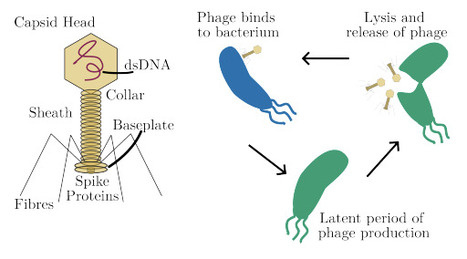
Metallo-β-lactamases (MBLs), such as those encoded by blaIMP-1, confer resistance to carbapenem antibiotics and represent a critical challenge in treating infections caused by multidrug-resistant Pseudomonas aeruginosa. Here, we report a programmable antimicrobial strategy that restores bacterial antibiotic susceptibility through phage capsid-mediated delivery of CRISPR-Cas13a. We engineered a non-replicative phage capsid, which we called antibacterial capsid (AB-Capsid), packaged with a phagemid encoding a codon-optimized Cas13a from Leptotrichia shahii (cas13aPA) and a guide RNA targeting blaIMP-1. The resulting construct, AB-Capsid_cas13aPA_blaIMP-1, specifically inhibited the growth of blaIMP-1-expressing P. aeruginosa and significantly reduced the minimum inhibitory concentration (MIC) of imipenem. No bactericidal effect was observed in the absence of the target gene or with a non-targeting AB-Capsid. Furthermore, spacer-dependent and expression-level-dependent killing activity was confirmed using inducible blaIMP-1 systems. These findings demonstrate that programmable AB-Capsids delivering Cas13a provide a gene-specific, non-replicative antimicrobial platform capable of reversing drug resistance and represent a versatile class of CRISPR-based antibiotic adjuvants.
|
|
Scooped by
?
December 16, 10:43 PM
|
Antimicrobial resistance (AMR) poses a growing threat to human health. Increasingly, genome sequencing is being applied for the surveillance of bacterial pathogens, producing a wealth of data to train machine learning (ML) applications to predict AMR and identify resistance determinants. However, bacterial populations are highly structured, and sampling is biased towards human disease isolates, violating ML assumptions of independence between samples. This is rarely considered in applications of ML to AMR. Here, we demonstrate the confounding effects of sample structure by analyzing over 24,000 whole genome sequences and AMR phenotypes from five diverse pathogens, using pathological training data where resistance is confounded with phylogeny. We show the resulting ML models perform poorly and that increasing the training sample size fails to rescue performance. A comprehensive analysis of 6,740 models identifies species- and drug-specific effects on model accuracy. These findings highlight the limitations of current ML approaches in the face of realistic sampling biases and underscore the need for population structure-aware methods and more diverse datasets to improve AMR prediction and surveillance.
|
|
Scooped by
?
December 16, 10:37 PM
|
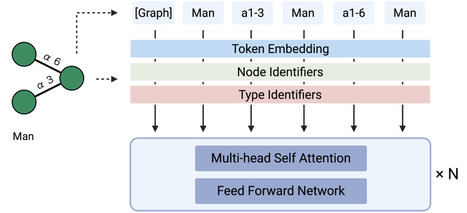
Glycans are highly diverse biological sequences, but their functional understanding has lagged behind that of proteins and nucleic acids. Many glycans remain incompletely characterized or ambiguously annotated, limiting computational analyses. Existing computational approaches are primarily graph-based, capturing local structural features but struggling to model global patterns and incomplete sequences. We present GlycanGT, a foundation model for glycans built on a graph transformer architecture. Glycans were represented as graphs with monosaccharides as nodes and glycosidic bonds as edges, and the model was pretrained using a masked language modeling objective. GlycanGT demonstrated higher performance than existing methods across 8 benchmark classification tasks (e.g., 0.734 Macro-F1 in domain prediction and 0.844 AUPRC for immunogenicity classification), and its embeddings formed biologically meaningful clusters that recovered known N- and O-glycan categories. Moreover, GlycanGT accurately proposed candidates for ambiguous sequences, maintaining >80% top-5 accuracy for both monosaccharide and glycosidic bond predictions under high masking levels. The pretrained GlycanGT model weights and usage scripts are available on Hugging Face: https://huggingface.co/Akikitani295/GlycanGT https://github.com/matsui-lab/GlycanGT
|
|
Scooped by
?
December 16, 1:43 PM
|
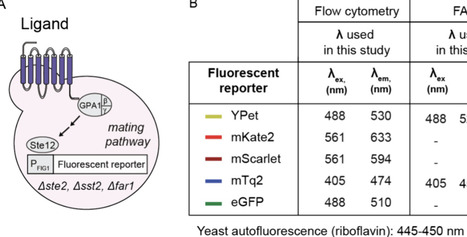
G protein-coupled receptors (GPCRs) recognize ligands on the cell surface, initiating intracellular signaling pathways that control a variety of biological processes, from neurotransmission and hormone regulation to light detection and smell. As entryways into these pathways, GPCRs are key pharmacological targets, with 30% of FDA-approved drugs targeting them. High-throughput GPCR-based sensors in yeast are proven platforms for the identification of novel GPCR ligands. Most human GPCRs (hGPCRs), however, led to small increases in the signal after activation, hindering the development of high-throughput (HT) assays. To streamline the generation of HT assays for biomedically important hGPCRs, here we analyze five fluorescent reporters in the context of hGPCR-based sensors. Using the serotonin receptor 4 (HTR4)-based sensor as a testbed, we identify YPet, a yellow fluorescent protein previously evolved for improved intracellular fluorescence, as the optimal fluorescent reporter when using flow cytometry, fluorescence-activated cell sorting, or a fluorescent plate reader. YPet increases the dynamic range of hGPCR-based sensors in general, enabling the engineering of HTR4-, MC4R- S1PR2-, HTR1A-, and Mel1A-based sensors with vastly higher increases in signal than previously engineered sensors. YPet even allowed the construction of a functional HTR1D-based sensor, a sensor that had been difficult for the field to construct. Finally, the fast maturation of YPet reduces the time to readout from 4 h to 30 min, unlocking point-of-care diagnostic applications previously inaccessible to hGPCR-based sensors in yeast. Looking ahead, the identification of YPet as the optimal fluorescent reporter for yeast hGPCR-based sensors opens the door to the standardized generation of hGPCR high-throughput assays in this host, and sets the stage for ultrahigh-throughput single-cell experiments toward the identification of new ligands for known GPCRs, GPCR deorphanization, and GPCR engineering to bind designer ligands.
|
|
Scooped by
?
December 16, 11:33 AM
|
Vaccines are critical tools in controlling infectious diseases, but traditional production methods often face significant challenges, including high costs, complex infrastructure requirements, and cold chain dependency. These limitations restrict vaccine access, especially in low-resource regions, and were starkly evident during the COVID-19 pandemic, which underscored the need for innovative vaccine platforms. Plant-derived vaccines, in which antigenic proteins are produced in plants using recombinant DNA technology, represent a promising alternative. Nicotiana benthamiana, a close relative of common tobacco, is one of the most widely used plant hosts due to its fast growth, ease of genetic manipulation, and suitability for transient expression systems, while edible crops such as tomato and lettuce enable 22 the potential for oral vaccines. Cereal crops like rice and maize are being explored for thermostable formulations, bypassing refrigeration needs.
|
|
Scooped by
?
December 16, 10:55 AM
|
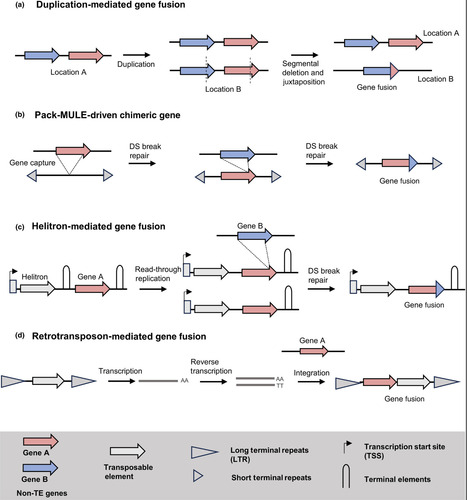
Understanding the mechanisms by which plants adapt, evolve, and acquire new traits is crucial for enhancing agricultural resilience and productivity in the face of global challenges. Among the various mechanisms that drive new gene evolution, gene fusion has emerged as a significant yet relatively understudied contributor. It can arise through chromosomal rearrangements or RNA processing mechanisms, merging segments from different genes to produce novel fusion transcripts. In plants, these fusion events have been associated with key biological functions, including the regulation of specialized metabolism, stress responses, and developmental changes. While fusion genes have been extensively studied in humans, mainly due to their oncogenic potential, their prevalence and functional relevance in plants remain relatively underexplored. This review offers a detailed overview of the molecular mechanisms underlying gene fusion formation, highlighting their participation in gene evolution, functional diversification, and plant adaptation. In addition, we discuss current methodologies for detecting and validating fusion events, including high-throughput sequencing technologies and emerging single-cell sequencing platforms, and outline promising directions for future research aimed at elucidating their biological significance. Collectively, these insights emphasize the expanding importance of gene fusions in plant biology and underscore the need for further investigation into their regulatory and evolutionary roles.
|
|
|
Scooped by
?
Today, 5:07 PM
|
Plants are promising next-generation hosts for recombinant protein production; however, major challenges remain with regard to enhancing the efficiency of downstream processing, particularly in the removal of cellular residues and purification of the expressed proteins. Strategies to overcome these limitations include targeting expressed recombinant proteins within a specific organelle or directing their secretion into the extracellular space, thereby facilitating purification by collecting the target matrix. In this study, we focused on protein secretion mechanisms and identified two pathogenesis-related proteins, glucan endo-1,3-β-glucosidase (GN) and chitinase 8 (Chi8), which accumulated in the apoplast washing fluid following Agrobacterium infiltration of Nicotiana benthamiana leaves. Both proteins contained signal peptides (SPs), SPGN and SPChi8, respectively. Although the intracellular accumulation of GFP was comparable regardless of the expression level, fusion with either SPGN or SPChi8 resulted in GFP accumulation within the apoplast. In contrast, in N. benthamiana, a mammalian-derived SP was less effective in facilitating GFP secretion than the plant-derived SPs. Additionally, replacing the SP of the mammalian-derived protein β-glucocerebrosidase (GCase) with SPGN or SPChi8 enhanced the secretion of GCase into the apoplast, indicating their applicability in protein production. Moreover, SPGN and SPChi8 directed the expressed proteins into the culture medium of N. benthamiana suspension cells. These results indicate that SPGN and SPChi8 function as effective secretion signals and highlight the potential application of endogenous SPs for enhancing recombinant protein production in plants.
|
|
Scooped by
?
Today, 5:00 PM
|
The type III secretion system (T3SS) is a syringe-like machine that pathogenic bacteria use to inject effector proteins into host cells. Its ability to mediate targeted protein delivery has prompted efforts to adapt it for diverse biotechnological applications. However, the influence of bacterial host culture conditions on the performance of the T3SS-based circuits, which has never been systematically studied, is addressed in this study. Here, we developed and characterized an IPTG-inducible, refactored T3SS circuit (iT3SS) in Salmonella enterica, in which the prgH gene, encoding a protein of the basal body complex, was fused to GFP in order to monitor the expression of the secretion system. The engineered system was shown to secrete efficiently the effector protein SptP. The dynamics of expression of the PrgH-GFP fusion was assessed in rich LB medium and in glucose minimal medium under various IPTG concentrations. Interestingly, secretion efficiency was maintained across IPTG concentrations in cells grown in glucose minimal medium, but not in cells grown in rich LB medium. In cells grown in LB medium, secretion and invasion efficiencies did not increase proportionally with increasing IPTG concentrations. Both PrgH abundance and SptP secretion efficiency were lower at high IPTG concentration than at low and medium IPTG concentrations. Since RNA-seq analysis of cells grown in LB medium revealed that the transcription of iT3SS genes increased proportionally to inducer level, this indicated that transcription was not the limiting factor for iT3SS expression. This suggested that the limiting factor might be due to a translational and/or post-translational burden of iT3SS component mRNAs. Indeed, uneven (not stoichiometric) translation of the iT3SS components and/or their imperfect folding might impair their assembly and insertion in the membrane. Consequently, one cannot exclude that the iT3SS components not properly assembled or integrated are being degraded, giving the wrong impression of a low translation level. Interestingly, RNA-seq revealed that in LB cultures at high IPTG concentration, stress-response genes were up-regulated whereas ribosomal protein-coding genes were down-regulated. This feature might contribute to limiting iT3SS translation. Several hypotheses are proposed in the discussion to explain how culture conditions could influence the functionality of iT3SS. Our findings demonstrate that the nature of the growth medium has an impact on the performance of programmable secretion systems that might be due to host’s resource-allocation strategy that would have a negative impact on the translational efficiency of the iT3SS components, compromising their correct assembly and thus their membrane insertion. This insight provides a medium-aware framework for optimizing engineered secretion platforms for synthetic biology applications.
|
|
Scooped by
?
Today, 4:37 PM
|
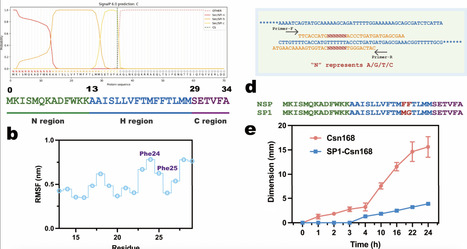
Directed evolution is a powerful approach for enhancing chitosanase performance, but can be constrained by inefficient screening systems. Here, we strategically engineered the native signal peptide of Csn, a chitosanase from Bacillus subtilis strain 168 (ATCC 23857, hereafter referred to as Csn168), using site-saturation mutagenesis to attenuate protein secretion. This modification enabled high-resolution screening of superior variants based on hydrolytic zone formation. Following iterative directed evolution, we identified the M8 variant, which produced a 28 mm hydrolytic zone within 33 h and exhibited a 10-fold improvement in catalytic activity compared with Csn168. M8 also showed markedly enhanced substrate affinity, as evidenced by a reduction in Km from 25.56 to 11.75 g/L. Molecular dynamics simulations indicated that M8 facilitates more rapid product dissociation after substrate binding, resulting in accelerated catalytic turnover. Collectively, these findings establish that coupling signal peptide turning with directed evolution constitutes an effective strategy for rapid discovery of high-performance chitosanase variants.
|
|
Scooped by
?
Today, 11:07 AM
|
The utilization of biocatalysts in biotechnological applications often necessitates their heterologous expression in suitable host organisms. However, the range of standardized microbial hosts for recombinant protein production remains limited, with most being mesophilic and suboptimal for certain protein types. Although the thermophilic bacterium Thermus thermophilus has long been established as a valuable extremophile host, thanks to its high-temperature tolerance, robust growth, and extensively characterized proteome, its genetic toolkit has predominantly depended on a limited set of native promoters. To overcome this bottleneck, we have expanded the available regulatory repertoire in T. thermophilus by developing novel artificial 5 regulatory sequences (ARESs). In this study, we applied our Gene Expression Engineering platform to engineer 53 artificial ARES in T. thermophilus. These ARES, which comprise both promoter and 5 untranslated regions, were functionally characterized in both T. thermophilus and Escherichia coli, revealing distinct host-specific expression patterns. Furthermore, we demonstrated the utility of these ARES by achieving high-level expression of thermostable proteins, including -galactosidase, a superfolder citrine fluorescent protein, and phytoene synthase. A bioinformatic analysis of the novel sequences has also been carried out indicating that the ARES possess markedly lower Guanine (G) and Cytosine (GC) content compared to native promoters. This study contributes to expanding the genetic toolkit for recombinant protein production by providing a set of functionally validated ARES, enhancing the versatility of T. thermophilus as a synthetic biology chassis for thermostable protein expression.
|
|
Scooped by
?
Today, 12:10 AM
|
Plant intracellular immune receptors are widely deployed in breeding to protect crops from disease. In addition to nucleotide-binding leucine-rich repeat receptors (NLRs), tandem kinase proteins (TKPs) have recently emerged as an important family of immune receptors within staple cereal food crops, but how TKPs recognize effectors and whether they are amenable to engineering is essentially unknown. Here, we show that the barley and wheat TKPs Rmo2 and Rwt7 recognize different blast fungus effectors via their integrated HMA domains using different protein interfaces with nanomolar binding affinity. Structural analysis pinpointed interface residues that dictate effector recognition and enabled engineering of dual-specificity TKPs. These results establish integrated HMA domains as programmable modules within TKPs for designing new specificities in plant immunity for diseases relevant to global agriculture
|
|
Scooped by
?
December 16, 11:36 PM
|
Yeast plays a pivotal role in beer brewing, as its metabolic activity directly determines the flavor profile, product quality, and production efficiency of beer. With the rapid advancement of biotechnology, innovative techniques such as omics, adaptive evolution, and CRISPR-based genome editing have significantly accelerated the process of yeast strain breeding. These technologies not only enhance fermentation performance but also enable the targeted development of novel strains with specific phenotypic traits, thereby addressing diverse market demands for customized beer characteristics. This review systematically discusses current strategies for beer yeast breeding, with particular emphasis on recent technological breakthroughs in strain development. Furthermore, we provide insights into future trends in strain enhancement technologies, highlighting the importance of multidimensional strategies, high-throughput selection platforms, the synergistic integration of synthetic biology and computational modeling to achieve precise strain optimization. This review highlights that continuous technological innovation is crucial for enhancing yeast breeding efficiency and meeting the evolving demands of the industry.
|
|
Scooped by
?
December 16, 11:00 PM
|
DNA plasmids are widely used for delivering proteins and RNA in genome editing. However, their bacterial components can lead to inactivation, cell toxicity, and reduced efficiency compared to minicircle DNA (mcDNA), which lacks such bacterial sequences. Existing commercial kits that recombine plasmids into mcDNA within proprietary bacterial strains are labor-intensive, yield inconsistent results, and often produce endotoxin-contaminated low-quality mcDNA. To address this challenge, we developed Plasmid2MC, a novel cell-free method utilizing ΦC31 integrase-mediated recombination to efficiently excise the bacterial backbone from conventionally prepared plasmids, followed by digestion of the bacterial backbone and all other DNA contaminants, resulting in highly pure and virtually endotoxin-free mcDNA. We demonstrated the application of mcDNA to express CRISPR-dCas9 for base editing in HEK293T cells and mouse embryonic stem cells, as well as for homology-independent targeted insertion (HITI) genome editing. The method’s ease of preparation, high efficiency, and the high purity of the resulting mcDNA make Plasmid2MC a valuable tool for applications requiring bacterial backbone-free circular DNA. Plasmid2MC is a highly efficient cell-free method for preparing DNA minicircles, utilizing ΦC31 integrase to excise bacterial backbones from conventionally cloned plasmids and yielding pure, endotoxin-free mcDNA.
|
|
Scooped by
?
December 16, 10:48 PM
|
Bacterial conjugation enables the horizontal transfer of plasmids that often carry genes influencing host physiology and behavior. In spatially structured biofilms, where many bacteria live in close proximity, conjugation can significantly alter both genetic and physical community composition. Here, we use a microfluidic system and fluorescence microscopy to track the transmission of the F-like plasmid pED208 within Escherichia coli biofilms, differentiating invading plasmid donors, transconjugants, and plasmid-free cells at high resolution. We find that conjugation within established resident biofilms is efficient until cell density reaches a threshold associated with high extracellular matrix secretion. Strikingly, plasmid-encoded conjugative pili also enable matrix-deficient cells to aggregate into dense biofilms, promoting the formation of multi-strain and multispecies cell clusters. This restoration of biofilm architecture increases antibiotic and phage tolerance but comes at the cost of altering dispersal dynamics: plasmid-bearing cells disperse less readily than plasmid-free cells, creating a trade-off between local advantage and distal spread. Our findings indicate that conjugative pilus-mediated adhesion incurs a fitness trade-off, compacting biofilm structure and thereby conferring enhanced antibiotic and phage tolerance while reducing the spread of plasmid carriers over larger spatial scales.
|
|
Scooped by
?
December 16, 10:39 PM
|
High-throughput generation of arrayed plasmid DNA library using commercially available miniprep kits remains labor-intensive and costly. The yield and quality of plasmid preparations directly affect downstream applications, including arrayed viral library production and CRISPR library screening. Insufficient plasmid yield or DNA concentration often requires repeated preparations or additional DNA concentration steps to obtain adequate quantities. Similarly, higher variations in yield or quality across wells or plates can render an entire library unsuitable for subsequent experiments. To increase productivity and mitigate human intervention and errors, the present study established an automated workflow for high-throughput plasmid DNA preparation and quantification. The workflow was carried out by the Biomek i7 Hybrid automated workstation, synergizing a robotic liquid handler and multiple peripheral instruments to produce and measure plasmid DNA in a 96-well plate format. Bacterial competent cells were alkaline lysed and plasmid DNA was purified using magnetic beads, followed by quantification with the PicoGreen assay. The PicoGreen assay reported median and average yields of approximately 9.5 and 10 micrograms per sample, respectively, which are equivalent to 7.6 and 8 micrograms per mL of bacterial culture. Plasmid DNA concentrations measured by the PicoFluor fluorometer were consistently lower than those obtained using the NanoDrop UV spectrophotometer. The comparison demonstrated robust positive correlation between PicoGreen assay and NanoDrop measurements (R-squared > 0.8). Among 480 plasmid DNA samples, average and median yields measured by the NanoDrop reached approximately 24 and 25 micrograms per sample per well, corresponding to 19 and 20 micrograms per mL of bacterial culture. Over 98% of samples exceeded the high-yield threshold of 10 micrograms per mL of culture, with high plasmid quality validated through DNA gel electrophoresis. Collectively, this study demonstrated a robust, scalable, and cost-effective automation platform for high throughput arrayed plasmid library generation and quantification.
|
|
Scooped by
?
December 16, 10:33 PM
|
Bacteria and their viruses, bacteriophage (phage), have co-evolved for millennia. In contrast, laboratory-based coevolution experiments usually last less than a month, often terminating when one species fails to adapt to the other, becoming dormant or extinct. Consequently, there is a poor understanding of the long-term efficacy of bacteriophage therapies (an emerging approach to tackling the Antimicrobial Resistance crisis), and how phage evolve more broadly. We propose a novel approach to coevolution experiments that would address this challenge: instead of open-loop resource-constrained cultures, we develop a closed-loop control approach to stabilise the typically unstable or oscillatory phage-bacteria population dynamics. Achieving this requires the control system to compensate for delays in phage incubation and respond to an evolving system, while only measuring bacterial density. To address it, we develop a model of phage-bacteria dynamics, prototype delay-compensating predictive control strategies, and demonstrate a measurement-aware state observer. Overall, this approach shows the ability to stabilize co-evolution, avoiding the common outcome of unstable or winner-takes-all outcomes. This promises to enable long-term lab coevolution of phage and bacteria, which would would give valuable insights into the mechanisms and timescales of bacteria overcoming phage therapies, and open the possibility of using evolutionary engineering to develop phage for novel biotechnological applications such as the fight against Antimicrobial Resistance.
|
|
Scooped by
?
December 16, 11:56 AM
|
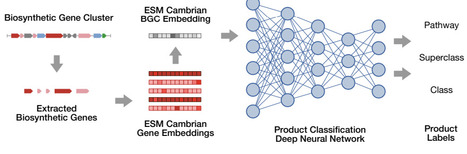
Biosynthetic gene clusters (BGCs) are responsible the biosynthesis of many natural products, including a multitude of effective therapeutics and their precursors. Advances in genomic data collection as well as computational techniques have made it possible to identify BGCs at scale. However, accurately determining the types of BGC-encoded products from genomic content remains elusive. Here, we introduce BGCat (BGC annotation tool), a machine learning method for fine-grained structural classification of BGC-encoded products, leveraging the NPClassifier natural product nomenclature. Our method leverages a pre-trained protein language model for creating meaningful gene representations and a deep neural network for class label prediction. We show the method outperforms state-of-the-art approaches in coarse-grained product classification and is effective for detailed classification. We implement a clustering-based augmentation strategy for BGC-product relationships, addressing a crucial gap in the available datasets. We then introduce the concept of product class profiles (PCPs) of gene cluster families (GCFs), associating each GCF with a probabilisitc distribution of product types and offering a new perspective on GCF functions. Lastly, we use BGCat to provide new product class labels for over 100k BGCs in antiSMASH DB that presently have minimal information about their products.
|
|
Scooped by
?
December 16, 11:05 AM
|
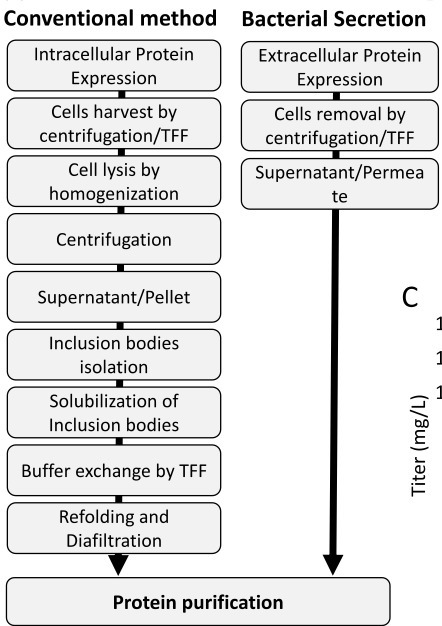
Recombinant endonucleases are essential for biopharmaceutical manufacturing and molecular biology workflows, yet their intracellular expression in E. coli often leads to host cell toxicity due to non-specific DNA and RNA degradation. To address this, we employed the BacSec® system to secrete Serratia marcescens non-specific endonuclease, nucA (DRNase®) and bovine DNase I in E. coli, aiming to mitigate cytotoxicity and streamlined downstream processing. DRNase® was efficiently secreted, enabling simplified purification at the shake flask level and achieving 1 g/L in high-density fermentation, with over 2 g/L in perfusion-based fermentation. The secreted DRNase® was predominantly monomeric, demonstrated higher specific activity than commercial counterparts, and remained stable at room temperature for over a year. Likewise, secreted bovine DNase I retained strong enzymatic activity without degrading mRNA, making it particularly suitable for mRNA vaccine production. These secreted endonucleases support a wide range of industrial applications, including biologics production, gene therapy, mRNA and viral vector-based vaccines, and therapeutic use. Overall, the BacSec® platform, integrated with perfusion fermentation, provides a scalable, tag-free, and cost-effective solution for high-titer production of active endonucleases.
|