
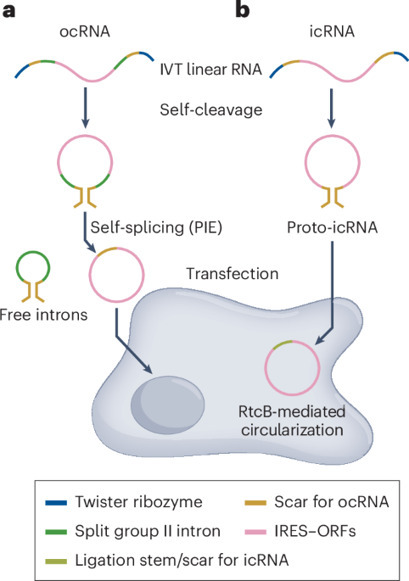
Optimized methods for the synthesis of circular RNA in vitro and in cells, and a complementary Cas9 de-immunization method, enhance RNA persistence and reduce immunogenicity for applications in genome engineering and cell engineering.
Get Started for FREE
Sign up with Facebook Sign up with X
I don't have a Facebook or a X account


 Scoop.it!
Optimized methods for the synthesis of circular RNA in vitro and in cells, and a complementary Cas9 de-immunization method, enhance RNA persistence and reduce immunogenicity for applications in genome engineering and cell engineering.

 Your new post is loading... Your new post is loading...
Scoop.it!

Steroids are among the most valuable and widely used pharmaceuticals. The cholesterol side-chain cleavage enzyme (P450scc) is critical for steroid metabolism and hormone biosynthesis. While mammalian eukaryotic P450scc enzymes are well-characterized, bacterial counterparts remain underexplored despite their industrial promise and potential contributions to bacterial steroid catabolism. Here, we identify a series of CYP204 family P450 enzymes, widely distributed across diverse steroid-degrading bacterial species, that catalyze the side-chain cleavage of cholesterol, phytosterol, and cholestenone to produce pregnenolone and progesterone. Unlike mammalian enzymes, which exhibit strict cholesterol specificity, bacterial P450scc enzymes display relaxed substrate specificity, preferentially converting cholestenone to progesterone—a key precursor in steroid drug semi-synthesis. Structural and mechanistic analyses demonstrate that CYP204 enzymes employ a flexible, dual-regioselective C–H activation mechanism distinct from the sequential hydroxylation of mammalian P450scc enzymes. Iterative saturation mutagenesis identified critical residues for side-chain cleavage, improving catalytic efficiency up to 6.5-fold, and computational analyses clarified sequence–function relationships. This finding of bacterial P450scc enzymes not only underscores their potential function in bacterial steroid catabolism but also lays a foundation for promising biocatalytic strategies for pregnenolone and progesterone synthesis. Genome mining identified bacterial P450 that cleave cholesterol side-chains via dual C-H activation, differing from mammalian P450scc. Engineered CYP204A5 efficiently converts cholestenone to progesterone for biocatalysis.
Scoop.it!

Self-assembly is a fundamental property of living matter that drives the three-dimensional organization of cell collectives such as tissues and organs. Here, the co-assembly of synthetic and natural cells is leveraged to create hybrid living 3D cancer cultures. We screen a range of synthetic cell models for their ability to form augmented tumoroids with artificial but controllable micro-environments, and show that the balance of inter- and extracellular adhesion and synthetic cell surface tension are key material properties driving integrated co-assembly. We demonstrate that synthetic cells based on droplet-supported lipid bilayers can establish artificial tumor immune microenvironments (ART-TIMEs), mimicking immunogenic signals within tumoroids and eliminating the need to integrate complex living immune cells. Using the ART-TIME approach, we identify a AhR-ARNT-mediated co-signaling mechanism between PD-1 and CD2 as a driver in immune evasion of pancreatic ductal adenocarcinoma. Our study advances the field of hybrid organoid engineering, offers opportunities for the construction and modelling of artificial tumour environments, and marks a step towards the design of functional living/non-living cytomimetic materials. Synthetic cells have huge potential in model systems. Here, the authors engineer synthetic–living hybrid tumoroids that replicate tumour-immune interactions in 3D, study synthetic cells integration, and demonstrate systematic studies of immune evasion and T cell engager therapies.
?'s insight:
Cancer cells (brown) and synthetic cells (magenta) are plated on low adhesion surfaces to induce aggregation and subsequent constriction of cell cluster to 3D cultures integrating synthetic cell models.
Scoop.it!

Transcription factors regulate gene expression by binding specific DNA motifs, yet only a fraction of putative sites is occupied in vivo. Intrinsically disordered regions have emerged as key contributors to promoter selectivity, but the underlying mechanisms remain incompletely understood. Here, we use single-molecule optical tweezers to dissect how disordered regions influence DNA binding by Msn2, a yeast stress-response regulator. We show that these regions power a search mechanism, facilitating initial non-specific association with DNA and promoting one-dimensional scanning toward target motifs, supported by charge-mediated interactions. Remarkably, this mechanism displays sequence sensitivity, with promoter-derived sequences enhancing both initial binding and scanning rates, demonstrating that Msn2–DNA interactions alone are sufficient to confer promoter selectivity in the absence of chromatin or cofactors. Our findings provide direct mechanistic evidence for how intrinsically disordered regions tune transcription factor search dynamics for Msn2 and expand sequence recognition beyond canonical motifs, supporting promoter selectivity in complex genomic contexts. The study reveals how intrinsically disordered regions enable a yeast transcription factor to locate and selectively bind its target promoters by promoting DNA association outside its motif and sequence-dependent search dynamics.
Scoop.it!
From
www

The metal-binding periplasmic protein CusF has been proposed as a bifunctional tag enhancing solubility of recombinant proteins and enabling purification using Cu affinity chromatography. However, evidence for its performance remains limited to a few model proteins. Here, we evaluated CusF as a solubility tag for two heterologous proteins: a putative poly(A)-polymerase from Enterococcus faecalis (Efa PAP) and the red fluorescent protein mCherry. The proteins were fused to CusF, expressed in E. coli BL21 (DE3) pLysS and Rosetta 2 (DE3) strains, and assessed for solubility and IMAC binding. Native Efa PAP was completely insoluble under all tested conditions, and fusion to CusF did not improve its solubility. Similarly, CusF-mCherry accumulated predominantly in the insoluble fraction, with only traces detectable in soluble lysates. Soluble CusF-mCherry did not bind Cu2+-charged IMAC resin, while moderate binding to Ni2+-charged resin was attributable to the vector-encoded His-tag rather than CusF. These results indicate that CusF does not universally enhance protein solubility and may not always bind Cu-based IMAC resin. Our findings expand empirical knowledge on solubility tag performance and emphasize the necessity of testing multiple tags to identify optimal strategies for recombinant protein production.
Scoop.it!

Mannose has wide-ranging applications but microbial fermentation remains underdeveloped compared to biotransformation for its production. The yeast Komagataella phaffii stands out as a premier synthetic biology platform, renowned for its safety profile and exceptional suitability for high-density fermentation. This established chassis organism is ideally positioned for large-scale mannose production through targeted rewiring of its mannose biosynthetic pathway via metabolic engineering. K. phaffii was metabolically engineered for efficient mannose production using a dual carbon source system: glycerol for biomass generation and glucose for mannose synthesis. To redirect carbon flux toward fructose-6-phosphate (F6P) accumulation at the glycolytic node, glycolytic flux was attenuated by knocking out the phosphofructokinase II (pfk2) gene and downregulating phosphofructokinase I (pfk1). Simultaneously, pentose phosphate pathway flux was reduced by downregulating glucose-6-phosphate dehydrogenase (zwf1). To enhance mannose biosynthesis, conversion of F6P into mannose was promoted by suppressing phosphomannose isomerase (PAS_chr3_1115) and overexpressing the Escherichia coli-derived phosphatase gene yniC. Additionally, three genes involved in arabinitol and ribitol production (PAS_chr2–2_0019, PAS_chr4_0754, and PAS_chr4_0988) were deleted to suppress byproduct accumulation. The engineered strain achieved ~ 121.1 g/L mannose in high-cell-density, fed-batch fermentation, representing the highest reported titer via microbial fermentation to date. This study achieved efficient mannose production in K. phaffii by remodeling central metabolism. It not only offers a new route for mannose biosynthesis but also establishes a model framework for engineering K. phaffii to produce other high-value bioactive compounds.
Scoop.it!

From
pubs
Pseudomonas putida is a metabolically versatile bacterium widely used in industrial biotechnology and synthetic biology. However, the lack of rapid, sensitive, and noninvasive tools for monitoring gene expression in P. putida limits the opportunities to study its gene regulation. We developed a plasmid-based dual-reporter system optimized for P. putida, which enables simultaneous monitoring of gene expression from promoter areas that contain divergently orientated promoters. Two fluorescent proteins (SYFP2 and Scarlet-I3) were selected for a reporter based on their compatibility with the intrinsic autofluorescence of P. putida and their detectability in LB medium. We engineered plasmid backbones containing the BBR1 and RK2 origins of replication and incorporated the toxin-antitoxin module hok-sok to ensure plasmid maintenance without antibiotic selection, making it possible to use this system to quantify gene expression in both planktonic and sessile (biofilm) states. Additionally, we created reporter systems with fused reporter genes with protein half-life decreasing tags, allowing dynamic assessment of transcriptional activity. Using confocal microscopy, we demonstrated spatially distinct expression patterns of biofilm-related genes (e.g., lapF) within mature biofilms. We also tested excludon-based transcriptional repression of a reporter gene in P. putida using this system, but observed limited efficiency under the tested conditions.
Scoop.it!

From
pubs
Exploring the microbial catabolism of complex polysaccharides like xanthan (XG) is crucial for improving oligosaccharide production and their use in food and agriculture. Through mutagenesis, we obtained a mutant bacterium, Microbacterium sp. YXT11, which rapidly utilizes XG and efficiently accumulates oligoxanthan (XOG). Further process optimization led to an 8.67-fold increase in XOG productivity. Additionally, XOG exhibited a narrow polydispersity, along with enhanced antioxidant (IC50 = 1.25 mg/mL for hydroxyl radical scavenging) and immunomodulatory properties (effective at 25 μg/mL). Furthermore, the mechanism underlying the efficient XG catabolism in YXT11 was elucidated, involving the downregulation of the flagellar assembly pathway for metabolic adjustment and the switching of the xanthan catabolic pathway from the repressed XG-specific PUL to a pathway containing CAZymes with similar functions as well as the upregulation of the mannitol-specific phosphotransferase system. These findings deepen our understanding of xanthan catabolism and provide a molecular basis for its efficient degradation, aiding its practical valorization.
Scoop.it!

Extraction of plant genomic DNA is a critical step for PCR-based genotyping, mapping, and breeding applications. Conventional CTAB protocols and commercial kits provide reliable DNA but are labour-intensive, costly, and generate substantial plastic waste. Simplified crude-extract methods are available, yet their performance is often compromised by PCR inhibition from salts and cellular debris. A rapid, low-cost, and high-throughput method is therefore needed for routine molecular applications. We developed a single-tube DNA extraction protocol that eliminates supernatant transfers, thereby reducing handling errors, plastic consumption, and processing time. The method consistently produces DNA of sufficient yield and purity for PCR-based assays. Validation in wheat and wheat–wild relative introgression lines demonstrated robust amplification in KASP assays. Cross-species testing in maize, Arabidopsis, and tomato using two Tris-salt extraction buffers confirmed broad applicability, supported by NanoDrop and Qubit measurements. Freeze-dried and frozen tissue produced higher yields than fresh samples, confirming their suitability for high-throughput and large-scale studies. This streamlined protocol provides a cost-effective, reliable, and scalable approach for extracting plant genomic DNA suitable for PCR-based genotyping, marker development, and diversity analysis. Its simplicity and throughput make it particularly valuable for breeding programmes, although it is not intended for applications requiring highly pure DNA, such as whole-genome resequencing.
Scoop.it!

The convergence of high-resolution multi-omics technologies with computational systems biology is transforming plant physiology by enabling predictive, mechanistic, and field-relevant insights into crop performance, adaptation, and resilience. This review presents an integrative and forward-looking synthesis spanning genomics, transcriptomics, proteomics, metabolomics, epigenomics, phenomics, and the rapidly emerging single-cell and spatial omics, emphasizing how these complementary layers can be computationally unified to achieve cell-type-resolved and tissue-specific understanding of plant function. We outline how integrative analytical frameworks combining gene regulatory network inference, machine learning, and explainable artificial intelligence (XAI) are accelerating the discovery of key regulators, improving genotype-environment interaction modeling, and advancing multiscale phenotypic prediction. Representative case studies illustrate how multi-omics integration from single-cell transcriptomic atlases in Arabidopsis to nitrogen use efficiency modeling and omics-guided genome editing in cereals is bridging laboratory-scale discovery with field-level validation. We further propose a translational roadmap that connects persistent bottlenecks such as data heterogeneity, limited spatiotemporal resolution, and the underrepresentation of non- s with actionable solutions including FAIR-compliant data infrastructures, high-resolution and spatiotemporal omics, hybrid mechanistic AI modeling, and digital twin frameworks. By bridging molecular mechanisms with ecosystem level performance, this review articulates a coherent vision for predictive, design-driven, and climate-resilient agriculture grounded in systems-level plant biology.
Scoop.it!
Streptomyces species are prolific producers of bioactive natural products, yet their genetic manipulation remains constrained by inefficient DNA delivery methods in many strains. Conjugation from methylation-deficient Escherichia coli has become the preferred approach for introducing plasmids into Streptomyces, relying on the presence of the oriT sequence within the mobilizable plasmid and the conjugation machinery (tra genes) encoded on the non-mobilizable helper plasmid pUZ8002. Among these, traJ encodes an essential component of the relaxosome. An additional copy of traJ is present downstream of oriT in some mobilizable plasmids, whereas many other commonly used plasmids lack traJ. Here, we investigated the impact of including traJ in mobilizable plasmids on conjugation efficiency by engineering two oriT-containing plasmids that initially lacked traJ: the ΦC31 integrative vector pRASK-SP44 and the non-replicative transposon delivery vector pHL734. We also examined the effect of introducing a second copy of traJ into the recombination-based chromosomal end-removal vector pCER. Incorporation of traJ into pRASK-SP44 and pHL734 resulted in tenfold and 100-fold increases in transconjugant numbers, respectively. Furthermore, introducing a second copy of traJ into pCER led to a fivefold improvement in plasmid transfer. Our data suggest that the inclusion of traJ improves transfer efficiency and may help overcome limiting steps in conjugation from E. coli to Streptomyces. Modulating the presence and copy number of traJ could represent a simple yet effective strategy to enhance genetic accessibility in Streptomyces. These findings have broad implications for the optimisation of genetic tools used in Streptomyces genome engineering and natural product discovery.
Scoop.it!

Microbial translation arrest peptides monitor intracellular environments and feedback-regulate downstream gene expression. Previous studies have identified a class of bacterial arrest peptides with C-terminal RAPP-like sequences, encoded upstream of genes involved in protein localization. In this study, we found that among RAPP-like sequences, RAPP (Arg-Ala-Pro-Pro) and RGPP (Arg-Gly-Pro-Pro) could more readily evolve into translation-impeding sequences with a particularly robust arrest that is refractory to EF-P. RAPP-like motifs were found to be strongly excluded from bacterial proteomes, likely reflecting the risk of disrupting the cellular translation system. Meanwhile, these motifs tended to occur near the C-terminus of relatively small secretory and membrane proteins. Notably, they were encoded upstream of genes with diverse functions beyond protein localization. Indeed, we identified seven RAPP/RGPP-containing arrest peptides from Streptomyces lividans encoded upstream of genes with diverse functions. These findings illustrate the bidirectional evolution of RAPP-containing proteins: their elimination from bacterial proteomes and their adaptation into arrest peptides with various regulatory roles.
Scoop.it!
CRISPR-Cas systems offer a viable alternative to traditional detection and diagnosis methods. However, their effectiveness relies heavily on the selection of appropriate guide RNA sequences. Existing gRNA design tools were primarily developed for gene editing and are not always directly applicable to CRISPR-based detection assays. In particular, alignment-based methods are still used to estimate gRNA specificity, even though they can miss a substantial portion of off-target sites. In this work, we introduce CRISPR-DA, a CRISPR gRNA design tool for detection assays. We show that it provides a better assessment of gRNA specificity than BLAST, which detected only 33.27 \% and 0.43 \% of cross-species off-targets in two datasets. Additionally, CRISPR-DA ran two and six times faster than BLAST on these datasets, respectively. Our method incorporates advances from gene-editing guide RNA design tools, including uncertainty-informed guide RNA design, to improve the selection of guides with high on-target activity. CRISPR-DA is available at https://github.com/bmds-lab/CRISPR-DA
Scoop.it!

Protein-protein interactions (PPIs) are fundamental to biological processes and central to understanding disease mechanisms, making them essential for drug discovery, peptide-based therapeutics, and vaccine development. Identifying conserved structural arrangements within PPI interfaces can provide valuable insights into molecular recognition and interaction mechanisms. Here, we introduce PRIorI (PRotein-PRotein InteractiOn gRaph Isomorphism), a web-based platform to explore precomputed protein-protein interaction networks and identify conserved atomic-level interaction motifs within structural complexes. Unlike traditional methods, PRIorI models PPI interfaces as bipartite graphs, applying graph isomorphism techniques to efficiently retrieve interaction patterns independent of sequence alignment or structural superimposition. Users can query precomputed PDB interaction graphs, upload custom protein structures, or design structural motifs for targeted searches. To illustrate its applicability, we used PRIorI to analyze the SARS-CoV-2 Spike-ACE2 interface, identifying key interaction motifs previously reported in the literature. The platform successfully identified salt bridges, hydrogen bonds, and hydrophobic interactions that stabilize the viral-host complex, demonstrating PRIorI's utility in protein interaction analysis. https://priori.ufv.br/
|
Scoop.it!

Drug-resistant bacterial infections, exacerbated by antibiotic resistance and biofilm resilience, disrupt tissue repair through dysregulated inflammation and impaired regeneration. Neutrophil extracellular traps (NETs) play a crucial role in endogenous immunity by entrapping and eliminating pathogens, inspiring the development of synthetic biomaterials that replicate this function. However, current synthetic NETs face challenges in complexity, biocompatibility, structural integrity and effectiveness. Here, we present a NETs-mimicking hydrogel composed of reversible lysozyme amyloid flexible nanofibrils (FFs) enabling pathogen elimination and tissue regeneration. The FFs therein self-assemble from natural egg-white lysozyme endowing these nanoNETs with bioactivity against pathogens, and when duly labeled to respond to near-infrared irradiation, they disassemble into unfolded lysozyme monomers with antimicrobial activity. Notably, the hydrogel disassembly is followed by the controlled release of pre-dissolved Mg²⁺ ions, reprogramming macrophages toward a pro-regenerative phenotype and mitigating inflammation. In both murine and porcine models, these biocompatible nanoNETs demonstrate excellent antibacterial performance, accelerating healing of wounds infected by methicillin-resistant Staphylococcus aureus (MRSA). Moreover, these nanoNETs boost in-vivo healing of MRSA-infected periprosthetic joints, preserving osteogenic and regenerative microenvironments. These results build on the reversible nature of flexible amyloids to introduce stimuli-responsive biocompatible nanoNETs with significant potential for antimicrobial and regenerative therapies in bacterial-resistant infections. Drug-resistant bacterial infections hinder tissue repair and regeneration. Here, authors present a lysozyme nanofibril-based hydrogel that mimics neutrophil extracellular traps, enabling pathogen elimination and promoting tissue regeneration.
?'s insight:
elm, hen-egg white lysozyme, leveraging on its distinctive capacity of forming reversible, flexible amyloid fibrils (FFs)31,32. Distinct from conventional RFs, these FFs are formed through a rapid heat shock at neutral pH, inducing partial unfolding without hydrolysis and thus preserving the entirety of lysozyme functional domains. these FFs demonstrate thermal reversibility, disassembling into unfolded, yet active lysozyme monomers at 50 °C, and re-assembling upon reheating. nanoNET is fabricated through co-assembly of lysozyme FFs and magnesium chloride, forming a hydrogel incorporating indocyanine green (ICG). Upon near-infrared (NIR) irradiation, the photothermal effect of ICG triggers the disassembly of FFs into monomeric lysozymes, reactivating their bacteriolytic function and simultaneous release of Mg2+ ions
Scoop.it!

DNA methylation is a crucial epigenetic mechanism that regulates gene expression. Precise editing of DNA methylation has emerged as a promising tool for dissecting its biological function. However, challenges in delivery have limited most applications of DNA methylation editing to in vitro systems. Here, we develop two transgenic mouse lines harboring an inducible dCas9-DNMT3A or dCas9-TET1 editor to enable tissue-specific DNA methylation editing in vivo. We demonstrate that targeted methylation of the Psck9 promoter in the liver of dCas9-DNMT3A mice results in decreased Pcsk9 expression and a subsequent reduction in serum low-density lipoprotein cholesterol level. Targeted demethylation of the Mecp2 promoter in dCas9-TET1 mice reactivates Mecp2 expression from the inactive X chromosome and rescues neuronal nuclear size in Mecp2+/- mice. Genome-wide sequencing analyses reveal minimal transcriptional off-targets, demonstrating the specificity of the system. These results demonstrate the feasibility and versatility of methylation editing, to functionally interrogate DNA methylation in vivo. Precise editing of DNA methylation has emerged as a promising tool in disease biology but most applications are limited to in vitro systems. Here, we develop two transgenic mouse lines harboring an inducible dCas9-DNMT3A or dCas9-TET1 editor to enable tissue-specific DNA methylation editing in vivo.
Scoop.it!

The incidence of cardiometabolic diseases is increasing globally, and both poor diet and the human gut microbiome have been implicated. However, the field lacks large-scale, comprehensive studies exploring these links in diverse populations. Here, in over 34,000 US and UK participants with metagenomic, diet, anthropometric and host health data, we identified known and yet-to-be-cultured gut microbiome species associated significantly with different diets and risk factors. We developed a ranking of species most favorably and unfavorably associated with human health markers, called the ‘ZOE Microbiome Health Ranking 2025’. This system showed strong and reproducible associations between the ranking of microbial species and both body mass index and host disease conditions on more than 7,800 additional public samples. In an additional 746 people from two dietary interventional clinical trials, favorably ranked species increased in abundance and prevalence, and unfavorably ranked species reduced over time. In conclusion, these analyses provide strong support for the association of both diet and microbiome with health markers, and the summary system can be used to inform the basis for future causal and mechanistic studies. It should be emphasized, however, that causal inference is not possible without prospective cohort studies and interventional clinical trials. Comprehensive large-scale studies of multi-national populations identified microbiome species consistently associated with favorable and unfavorable health markers, informing future studies of the human gut microbiome and its association with diet and cardiometabolic conditions.
Scoop.it!
From
www
Nanopore sequencing has emerged as a powerful technology for DNA methylation detection, particularly in repetitive genomic regions and at the haplotype scale. However, existing computational methods show inconsistent accuracy across sequence contexts, species, and sequencing chemistries. Here, we present Unimeth, a unified transformer-based framework that simultaneously predicts multi-site methylation from nanopore reads. Unimeth employs a patch-based architecture and a three-phase training strategy, including pre-training, read-level fine-tuning, and site-level calibration, to fully leverage genome-wide methylation information. In comprehensive benchmarks involving 20 samples spanning 13 species, Unimeth consistently outperforms state-of-the-art methods. This unified approach demonstrates superior accuracy and significantly reduced false positives across a wide range of scenarios, including the detection of both 5mC and 6mA, application in organisms from mammals and plants to bacteria, analysis of both wild-type and mutant samples, and use of both R10.4 and R9.4 pore chemistries. Furthermore, Unimeth is demonstrated to be a highly accurate tool for methylation analysis in transposons and centromeric regions.
Scoop.it!

Fluorescent pseudomonads catabolize purines via uric acid and allantoin, a pathway whose end-product is glyoxylate. In this work, we show that in Pseudomonas aeruginosa strain PAO1, the ORFs PA1498–PA1502 encode a pathway that converts the resulting glyoxylate into pyruvate. The expression of this cluster of ORFs was stimulated in the presence of allantoin, and mutants containing transposon insertions in the cluster were unable to grow on allantoin as a sole carbon source. The likely operonic structure of the cluster is elucidated. We also show that the purified proteins encoded by PA1502 and PA1500 have glyoxylate carboligase (Gcl) and tartronate semialdehyde (TSA) reductase (GlxR) activity, respectively, in vitro. Gcl condenses two molecules of glyoxylate to yield TSA, which is then reduced by GlxR to yield d-glycerate. GlxR displayed much greater specificity (kcat/KM) for Gcl-derived TSA than it did for the TSA tautomer, hydroxypyruvate. This is relevant because TSA can potentially spontaneously tautomerize to yield hydroxypyruvate at neutral pH. However, kinetic and [1H]-NMR evidence indicate that PA1501 (which encodes a putative hydroxypyruvate isomerase, Hyi) increases the rate of the Gcl-catalysed reaction, possibly by minimizing the impact of this unwanted tautomerization. Finally, we use X-ray crystallography to show that apo-GlxR is a configurationally flexible enzyme that can adopt two distinct tetrameric assemblies in vitro.
?'s insight:
allantoin sensor, Allantoin induces expression from the gcl promoter
Scoop.it!

From
pubs
The health risks associated with exposure to arsenic (As)-contaminated water have spurred initiatives focused on As remediation through membrane filtration or chemical precipitation. Microbial approaches to sequestering As with biofilms present a promising alternative to these costly and chemical-intensive processes. In this study, we engineered the biofilm of Shewanella oneidensis to incorporate As-binding sites (ArsR) into the biofilm matrix through a matrix-associated protein, BpfA, for effective removal of As from water. Specifically, we constructed a chromosome-modified strain with constitutive expression of a genetically fused protein, BpfA-ArsR, along with two mutant strains harboring inducible plasmid constructs that link ArsR to truncated versions of BpfA for tunable expression. All three engineered strains produced biofilms comparable to that of the wild-type (WT). In comparison to the WT, the engineered strains demonstrated a significantly improved As sorption capability, achieving approximately 2.4–3.8 times the performance of the WT. Remarkably, the modified biofilm matrix continued to exhibit a strong preference for As sorption even in the presence of its chemical analog, phosphate. While bioremediation serves as an application example, the broader significance lies in establishing the biofilm matrix as a programmable and modular engineering space. The engineered biofilms developed here represent a generalizable platform for constructing matrix-integrated functional materials, enabling future applications in biosensing, resource recovery, extracellular catalysis, and adaptive living materials.
?'s insight:
2st, surface display, biofilm-promoting factor A (BpfA) has been identified as one of the most abundant proteins in biofilms of Shewanella, an environmental bacterium with no known pathogenicity. BpfA has been demonstrated as a supportive carrier for a functional protein to serve as a biosensor. These results suggest that BpfA could be an effective anchor for displaying As-binding proteins within the biofilm matrix to convert Shewanella biofilms into an adsorptive material for highly specific As removal.
Scoop.it!

From
pubs
The commonly used PamyE promoter in Bacillus amyloliquefaciens industrial enzyme production is highly susceptible to carbon catabolite repression (CCR). To address this limitation, a modified promoter, PΔCRE2, was engineered by deleting the carbon-responsive element (CRE), which mitigated CCR. However, its activity still varied across different carbon sources, indicating the presence of regulatory mechanisms beyond the canonical CcpA–CRE pathway, referred to as additional carbon catabolite repression (ACCR). Transcriptomic analysis identified CcpA, Spo0A, and DegU as key regulatory factors, and functional validation demonstrated that deletion of ccpA combined with overexpression of spo0A and degUS enhanced PΔCRE2 activity. The resulting engineered strain BA4 exhibited a 120% increase in aminopeptidase activity, highlighting the potential of promoter optimization combined with metabolic rewiring to improve carbon-source utilization.
Scoop.it!

Protoplasts, which are plant cells devoid of cell walls, are valuable tools in plant biotechnology. However, they are highly sensitive to mechanical and osmotic stress during isolation and early culture, often leading to significant loss of viability. Reliable and efficient methods for monitoring protoplast quality are essential for downstream applications. We applied impedance flow cytometry to assess the viability, cell size, and early division of freshly isolated protoplasts from Arabidopsis thaliana, Brassica napus, and Beta vulgaris. This label-free technique enables fast, objective, and high-throughput assessment of individual protoplasts, allowing reliable monitoring of viability and early division in large populations. Importantly, IFC-derived viability metrics strongly correlated with microcallus formation, demonstrating their predictive value for culture competence. Impedance flow cytometry provides a robust, efficient and reproducible method for characterizing protoplast cultures. It enables rapid assessment of viability and growth potential, supporting quality control and optimization in plant cell culture workflows.
?'s insight:
methods, The impedance measurements were performed using an Ampha Z40 impedance flow cytometer (Amphasys AG) equipped with a chip featuring a 120 µm × 120 µm sensing channel.
Scoop.it!
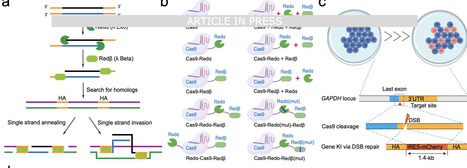
CRISPR-Cas9 tools have revolutionized genetic engineering, yet the efficient precise integration of DNA cargos, particularly for large DNA payloads (>1 kilobase, kb), remains a technical bottleneck. Herein, we develop a Recombinases (Redα/β)-enhanced DNA integration-CRISPR-Cas9 approach, referred to as RED-CRISPR, which offers a versatile yet robust homology-directed repair (HDR) strategy enabling efficient and precise kb-scale DNA insertion across various cell types, including immortalized and primary cells of variable origins. RED-CRISPR significantly enhances HDR efficiencies by 2- to 5-fold change across diverse loci and further elevates HDR rates by 1.5- to 2.5-fold when synergizing with other HDR-enhancing strategies. We achieved up to 45% knock-in efficiency for CAR-T cell manufacturing, and attained 43% knock-in rate for generation of genetically modified mice using an 8-kb DNA cargo. Through a head-to-head comparison, RED-CRISPR profoundly mitigates off-target mutational burden and chromosomal translocations. We envision RED-CRISPR as a powerful genome-editing tool with broad biomedical and therapeutic applications. Insertion of a long DNA sequence into the host genome is challenging in mammalian cells. Here, the authors develop a recombinase (Redα/β)-enhanced DNA integration approach, which enables efficient and precise kilobase-scale DNA insertion in both primary cells and mouse embryos.
?'s insight:
insertion, λ phage-encoded Redα/β recombination system, evolutionarily independent of RecA recombinase, has superior performance in promoting site-specific HDR-mediated kilobase-scale transgene integration when conjugated to the CRISPR-Cas9 system.
Scoop.it!

Human immune protection against bacteria critically depends on activation of the complement system. The direct bacteriolytic activity of complement molecules against Gram-negative bacteria acts via the formation of Membrane Attack Complex (MAC) pores. Bactericidal MAC pores damage the bacterial outer membrane, leading to destabilization of the inner membrane. Although it is well-established that inner membrane damage is crucial for bacterial cell death, the critical event causing MAC-mediated inner membrane damage remains elusive. Here we question whether the bacterial cell envelope possesses vulnerable spots for MAC pores to insert. By following the localization of MAC pores on E. coli over time using fluorescence microscopy, we elucidate that MAC deposition initiates at the new bacterial pole, which induces inner membrane damage and halts bacterial division. MAC components C8 and C9 preferentially localize at new bacterial poles, while C3b localizes randomly on the bacterial surface. This suggests that preferential MAC localization is determined by one of the initial steps of MAC formation. These findings provide valuable information about the interplay between immune components and the Gram-negative cell envelope.
?'s insight:
MAC pores are formed when C5 convertase enzymes on the bacterial surface generate C5b, which can assemble with C6, C7, C8 and up to 18 copies of C9 to form a complete MAC pore
Scoop.it!

Substitution matrices like BLOSUM62 model the likelihood of replacement of amino acids in evolution. Substitution matrices are used in protein sequence alignment tasks. Since the introduction of BLOSUM62 over three decades ago, many matrices have been released. Yet, to date, no effort uses large amounts of 3D structures predicted by AlphaFold. Here, we define AFSM, the AlphaFold Substitution Matrix derived from over 20,000 predicted 3D structures following the BLOSUM methodology. We benchmark AFSM against BLOSUM62 and 16 other matrices on five tasks in multiple sequence alignment (MSA) and protein homology search. Our analysis surprisingly reveals that all matrices perform similarly. Only when there are few sequences in an MSA, then BLOSUM62 and AFSM perform better than using no matrix. This suggests that substitution matrices were most beneficial when there was little sequence data. We corroborate this argument by showing that embeddings, which are computed from billions of sequences, perform better than substitution matrices, when sequence data is sparse. Taken together this suggests that structural data does not improve BLOSUM62. But increased sequence data makes extrapolation with substitution matrices obsolete. Nonetheless, BLOSUM62 continues to capture chemists intuition on amino acids by providing numerical values implicitly reflecting physicochemical properties, and it remains indispensable for direct comparison of two sequences.
Scoop.it!

High-yield biomanufacturing requires large cell populations and a mechanism for directing metabolic resources towards product synthesis. However, the resources that support population growth are the same as those that drive productivity, creating a conflict that limits production yields. To overcome this fundamental limitation, we apply the principle of division of labor to separate reproductive and metabolic tasks into distinct cell types within an isogenic Saccharomyces cerevisiae culture. We introduce MiSTY (Microbial Stem Cell Technology in budding Yeast), a genetic platform that exploits natural asymmetric cues to control cell differentiation. Leveraging bud cell-specific transcription, a sequential series of recombinase-based genetic circuits generates Activated Stem Cells (ASCs) that divide asymmetrically into two cell types: bud cells that terminally differentiate into Factory Cells (FCs) and mother cells that remain self-renewing ASCs. Time-lapse microscopy demonstrated 100% differentiation fidelity across 97 cell divisions. Phenotypic and genotypic analyses showed that stem cell populations could be converted to over 95% FCs within 24 generations. By converting FCs into leucine auxotrophs, we inhibited FC proliferation while allowing continued ASC division, demonstrating complete uncoupling of cell growth from product synthesis. Because they continuously generate healthy new FCs, MiSTY cultures maintain high levels of productivity even under conditions that severely impair the growth and biosynthetic capacity of metabolically exhausted factory cells.
?'s insight:
bowman, 3st, A core functional component of this engineered system is the Ace2 transcription factor, which achieves asymmetry through bud cell-specific nuclear localization. connected the activity of Ace2 to a cell fate decision by engineering the output of the CTS1 promoter (pCTS1), which contains multiple Ace2 binding sites and is therefore active exclusively in bud cells during late mitosis and early G1 phase. By placing a site-specific recombinase gene Cre under pCTS1 control, we could achieve bud cell-specific genomic rearrangements to drive irreversible commitment to Factory Cell fate. The combination of a Nuclear Import and Nuclear Export Signal (NLS and NES) drives shuttling between cytoplasm and nucleus (Wen et al, 1995), and a Sic1 degradation tag promotes rapid degradation. Sic1deg-NES-GFP-Cre-NLS. GFP-Cre signal appeared exclusively in bud cells, during late stages of bud development or soon after septation. This signal peaked approximately 15-30 minutes after cytokinesis, then diminished over the following 30-90 minutes, consistent with active degradation during G1/S. The pulse of GFP-Cre fusion protein occurred only once in each cell's lifetime and never recurred, even as those cells matured and produced their own daughters. This pattern demonstrates that the pCTS1-Cre gene product exhibits bud cell specificity and transient one-time accumulation. To create a version of Cre that could be activated by Bxb1 activity, we inverted a central segment of pCTS1-Cre and flanked it with attB and attP sites, creating a construct named Switch #1. To create a mechanism for activating Switch #1, we placed the Bxb1 coding sequence under control of the galactose-inducible pGAL1 promote. Upon switching to galactose-containing media, pGAL1 is expected to drive Bxb1 expression, catalyzing the inversion of Switch #1 and restoring a functional pCTS1-Cre expression unit. We call these types of cells Active Stem Cells (ASCs) to reflect their ability to divide asymmetrically and produce progeny with different cell fates. The bud cell progeny of ASCs activate Switch #2, converting them into a terminally differentiated cell type that we call Factory Cells (FCs). Upon switching to galactose-containing media, pGAL1 is expected to drive Bxb1 expression, catalyzing the inversion of Switch #1 and restoring a functional pCTS1-Cre expression unit. We call these types of cells Active Stem Cells (ASCs) to reflect their ability to divide asymmetrically and produce progeny with different cell fates. The bud cell progeny of ASCs activate Switch #2, converting them into a terminally differentiated cell type that we call Factory Cells (FCs).
|






Two RNA circularization strategies for facilitating genome editing and cell engineering. a, Production of ocRNAs. In vitro transcribed (IVT) linear RNA undergoes self-cleavage by twister ribozymes and self-splicing by a permuted group II intron, producing the ocRNA with a 26-nucleotide splicing scar. b, Production of icRNAs. These IVT linear RNAs undergo self-cleavage by twister ribozymes, producing proto-icRNAs. Upon delivery into cells, proto-icRNAs are circularized by the RtcB ligase with a 47-nucleotide ligation scar. ORFs, open reading frames.