Your new post is loading...

|
Scooped by
Gilbert C FAURE
January 28, 2023 2:15 AM
|
|
|
Scooped by
Gilbert C FAURE
January 11, 2023 4:17 AM
|
WHAT IS ALREADY KNOWN ON THIS TOPICSerious infection is a concern when prescribing immune-modulatory drugs for immune-mediated inflammatory diseases.The European Medicines Agency ‘summary of product characteristics’ (SmPCs) data provide information on adverse events including infections; however,...
|
|
Scooped by
Gilbert C FAURE
December 19, 2022 6:27 AM
|
|
|
Scooped by
Gilbert C FAURE
December 2, 2022 11:19 AM
|
Glycosylation has a profound influence on protein activity and cell biology through a variety of mechanisms, such as protein stability, receptor interactions and signal transduction. In many rheumatic diseases, a shift in protein glycosylation occurs, and is associated with inflammatory processes and disease progression. For example, the Fc-glycan composition on (auto)antibodies is associated with disease activity, and the presence of additional glycans in the antigen-binding domains of some autoreactive B cell receptors can affect B cell activation. In addition, changes in synovial fibroblast cell-surface glycosylation can alter the synovial microenvironment and are associated with an altered inflammatory state and disease activity in rheumatoid arthritis. The development of our understanding of the role of glycosylation of plasma proteins (particularly (auto)antibodies), cells and tissues in rheumatic pathological conditions suggests that glycosylation-based interventions could be used in the treatment of these diseases. Glycosylation is a common modification that can affect protein stability and interactions. In this Review, the authors discuss the role of glycosylation in rheumatic diseases, as well as the therapeutic potential of glycosylation-based interventions.
|
|
Scooped by
Gilbert C FAURE
November 11, 2022 11:28 AM
|
|
|
Scooped by
Gilbert C FAURE
August 14, 2022 6:13 AM
|
WHAT IS ALREADY KNOWN ON THIS TOPICGiant cell arteritis (GCA) manifesting in large arteries, that is, the aorta and proximal branches, is increasingly recognised as an important GCA subtype and can be associated with serious complications.Systemic symptoms and an acute inflammatory blood profile...
|
|
Scooped by
Gilbert C FAURE
August 5, 2022 4:11 AM
|
|
|
Scooped by
Gilbert C FAURE
July 22, 2022 4:05 AM
|
QQ informations sur l'arthrose
This contribution emphasizes the chemical complexity of abnormal cartilaginous deposits. First, we briefly describ
|
|
Scooped by
Gilbert C FAURE
June 15, 2022 8:51 AM
|
AbstractObjectives Immune and stromal cell communication is central in the pathogenesis of rheumatoid arthritis (RA) and psoriatic arthritis (PsA), however, the nature of these interactions in the synovial pathology of the two pathotypes can differ.
|
|
Scooped by
Gilbert C FAURE
May 20, 2022 2:19 AM
|
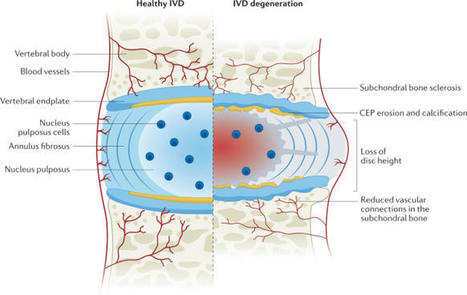
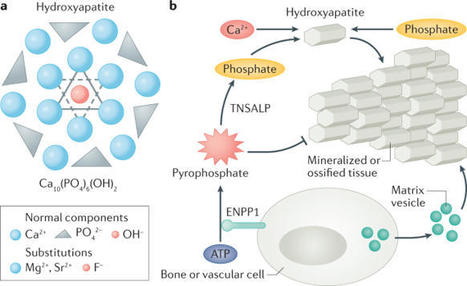
Low back pain is a leading cause of disability worldwide. Intervertebral disc (IVD) degeneration is often associated with low back pain but is sometimes asymptomatic. IVD calcification is an often overlooked disc phenotype that might have considerable clinical impact. IVD calcification is not a rare finding in ageing or in degenerative and scoliotic spinal conditions, but is often ignored and under-reported. IVD calcification may lead to stiffer IVDs and altered segmental biomechanics, more severe IVD degeneration, inflammation and low back pain. Calcification is not restricted to the IVD but is also observed in the degeneration of other cartilaginous tissues, such as joint cartilage, and is involved in the tissue inflammatory process. Furthermore, IVD calcification may also affect the vertebral endplate, leading to Modic changes (non-neoplastic subchondral vertebral bone marrow lesions) and the generation of pain. Such effects in the spine might develop in similar ways to the development of subchondral marrow lesions of the knee, which are associated with osteoarthritis-related pain. We propose that IVD calcification is a phenotypic biomarker of clinically relevant disc degeneration and endplate changes. As IVD calcification has implications for the management and prognosis of degenerative spinal changes and could affect targeted therapeutics and regenerative approaches for the spine, awareness of IVD calcification should be raised in the spine community. Intervertebral disc calcification is an often overlooked phenotype that can have considerable clinical consequences. In this article, the authors aim to raise awareness of intervertebral disc calcification and discuss its implications for the management and prognosis of degenerative spinal changes.
|
|
Scooped by
Gilbert C FAURE
March 28, 2022 11:19 AM
|
|
|
Scooped by
Gilbert C FAURE
February 22, 2022 6:48 AM
|
|
|
Scooped by
Gilbert C FAURE
February 18, 2022 4:58 AM
|
Osteoarthritis (OA) most commonly affects knee joints, and the next most commonly affected sites are the hands and hips. Three distinct hand OA phenotypes have been described: erosive hand OA (EHOA), nodal hand OA — also known as non-erosive hand OA (non-EHOA) — and first carpometacarpal joint OA. EHOA predominantly affects women and is the most aggressive form of hand OA, characterized by a severe clinical onset and progression, leading to joint damage, disability and reduction of quality of life. Clinical signs of inflammation associated with EHOA include the acute onset of pain, swelling and redness. Moreover, EHOA is characterized by radiographic features such as central erosion, saw-tooth and gull-wing lesions and, rarely, ankylosis. The aim of this Review is to report the latest findings on epidemiology, clinical features, pathology and aetiopathogenesis, biomarkers, imaging modalities and treatments for EHOA. The ongoing development of new hand OA classification criteria should facilitate standardization between studies. Erosive hand osteoarthritis is an aggressive condition with poor outcomes. In this Review, the authors describe the clinical features and risk factors associated with erosive hand osteoarthritis, and summarize progress in the areas of biomarkers, imaging, classification criteria and treatment.
|
|
|
Rescooped by
Gilbert C FAURE
from CME-CPD
January 12, 2023 9:23 AM
|
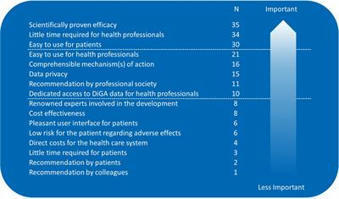
BackgroundBased on given legislation the German approach to digital health applications (DiGA) allows reimbursed prescription of approved therapeutic software products since October 2020. For the first time, we evaluated DiGA-related acceptance, usage, and level of knowledge among members of the...
|
|
Scooped by
Gilbert C FAURE
January 2, 2023 9:10 AM
|
First Happy new year
After post of publications regarding #dermatology, #kidney, #thyroide, let 's start this new year on pathological calcifications present…
|
|
Scooped by
Gilbert C FAURE
December 19, 2022 4:21 AM
|
Anticorps anti-nucléaires : qu’est-ce que c’est et comment les rechercher ?

|
Suggested by
LIGHTING
November 12, 2022 5:28 AM
|
|
|
Scooped by
Gilbert C FAURE
August 28, 2022 6:55 AM
|
This week's NEJM has published the efficacy results of a large phase 3 trial of olokizumab, a humanized monoclonal antibody that directly targets IL-6 in patients with rheumatoid arthritis.
This is in contrast to two other marketed IL-6 inhibitors (sarilumab, tocilizumab) that bind to the IL-6 receptor.
|
|
Scooped by
Gilbert C FAURE
August 8, 2022 4:21 AM
|
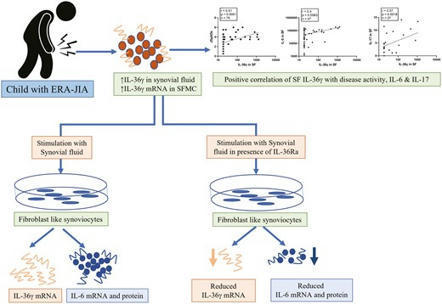
Abstract. IL-36 has been implicated in the pathogenesis of spondyloarthropathies (SpA) like psoriasis and inflammatory bowel disease. Enthesitis-related arthrit
|
|
Scooped by
Gilbert C FAURE
August 1, 2022 4:14 AM
|
|
|
Scooped by
Gilbert C FAURE
June 23, 2022 2:36 AM
|
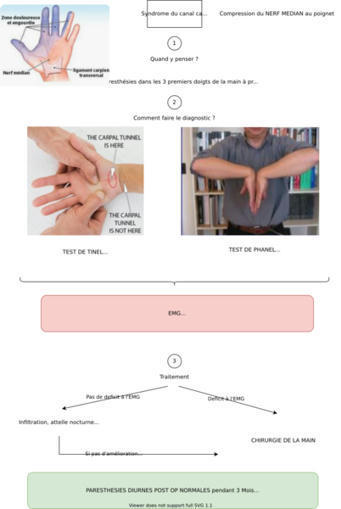
DPC mêlant vidéos et textes. Schémas et arbres décisionnels EBM pour organiser votre pensée devant une situation clinique de votre activité quotidienne.
|
|
Scooped by
Gilbert C FAURE
May 28, 2022 4:50 AM
|
The physiological process of biomineralization is complex and deviation from it leads to a variety of diseases. Progress in the past 10 years has enhanced understanding of the genetic, molecular and cellular pathophysiology underlying these disorders; sometimes, this knowledge has both facilitated restoration of health and clarified the very nature of biomineralization as it occurs in humans. In this Review, we consider the principal regulators of mineralization and crystallization, and how dysregulation of these processes can lead to human disease. The knowledge acquired to date and gaps still to be filled are highlighted. The disorders of mineralization discussed comprise a broad spectrum of conditions that encompass bone disorders associated with alterations of mineral quantity and quality, as well as disorders of extraskeletal mineralization (hyperphosphataemic familial tumoural calcinosis). Included are disorders of alkaline phosphatase (hypophosphatasia) and phosphate homeostasis (X-linked hypophosphataemic rickets, fluorosis, rickets and osteomalacia). Furthermore, crystallopathies are covered as well as arterial and renal calcification. This Review discusses the current knowledge of biomineralization derived from basic and clinical research and points to future studies that will lead to new therapeutic approaches for biomineralization disorders. This Review considers the principal regulators of the processes of biomineralization and crystallization in human physiology. In addition, disorders of biomineralization are discussed, including bone disorders and disorders of extraskeletal mineralization.
|
|
Scooped by
Gilbert C FAURE
April 3, 2022 4:55 AM
|
Published in Sage Journals - Link to article Tendons and ligaments are essential connective tissues that connect the muscle and bone. Their recovery from injuries is known to be poor, highlighting the crucial need for an effective therapy.
|
|
Scooped by
Gilbert C FAURE
March 4, 2022 2:41 AM
|
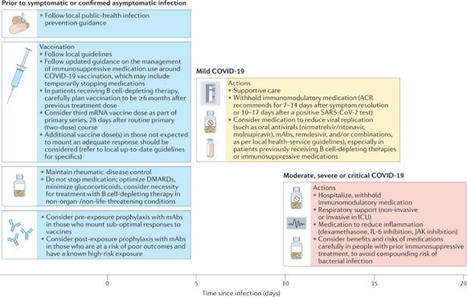
The COVID-19 pandemic has brought challenges for people with rheumatic disease in addition to those faced by the general population, including concerns about higher risks of infection with severe acute respiratory syndrome coronavirus 2 (SARS-CoV-2) and poor outcomes of COVID-19. The data that are now available suggest that rheumatic disease is associated with a small additional risk of SARS-CoV-2 infection, and that outcomes of COVID-19 are primarily influenced by comorbidities and particular disease states or treatments. Despite considerable advances in our knowledge of which therapeutic agents provide benefits in COVID-19, and of what constitutes effective vaccination strategies, the specific considerations that apply to people with rheumatic disease are yet to be definitively addressed. An overview of the most important COVID-19 studies to date that relate to people with rheumatic disease can contribute to our understanding of the clinical-care requirements of this population. In this Review, the authors summarize the current knowledge relating to SARS-CoV-2 infection and the prevention and treatment of COVID-19 in people with rheumatic disease.
|
|
Scooped by
Gilbert C FAURE
February 21, 2022 4:53 AM
|
Rheumatoid arthritis (RA) is a multifactorial autoimmune disease characterized by chronic inflammation and destruction of multiple small joints which may lead to systemic complications. Altered immunity via pathogenic autoantibodies pre-date clinical symptom development by several years. Incompletely understood range of mechanisms trigger joint-homing, leading to clinically evident articular disease. Advances in therapeutic approaches and understanding pathogenesis have improved prognosis and likely remission. However, partial/non-response to conventional and biologic therapies witnessed in a subset of patients highlights the need for new therapeutics. It is now evident that joint disease chronicity stems from recalcitrant inflammatory synovial environment, majorly maintained by epigenetically and metabolically reprogrammed synoviocytes. Therefore, interference with effector functions of activated cell types seems a rational strategy to reinstate synovial homeostasis and complement existing anti-inflammatory interventions to mitigate chronic RA. Presenting this newer aspect of fibroblast-like synoviocytes and myeloid cells underlying the altered synovial biology in RA and its potential for identification of new druggable targets is attempted in this review. Major leads from i) molecular insights of pathogenic cell types from hypothesis free OMICS approaches; ii) hierarchy of their dysregulated signaling pathways; and iii) knowledge of druggability of molecular nodes i
|


 Scoop.it!