


Salt stress is an important constraint to world agriculture. Here, we report on the potential of Trichoderma virens and T. atroviride to induce tolerance to salt in Arabidopsis seedlings. We first characterized the effect of several salt concentrations on shoot biomass production and root architecture of Arabidopsis seedlings. We found that salt repressed plant growth and root development in a dose-dependent manner by blocking auxin signaling. Analysis of the wild type and eir1, aux1-7, arf7arf19, and tir1abf2abf19 auxin-related mutants revealed a key role for indole-3-acetic acid (IAA) signaling in mediating salt tolerance. We also found that T. virens (Tv29.8) and T. atroviride (IMI 206040) promoted plant growth in both normal and saline conditions, which was related to the induction of lateral roots and root hairs through auxin signaling. Arabidopsis seedlings grown under saline conditions inoculated with Trichoderma spp. showed increased levels of abscissic acid, L-proline, and ascorbic acid, and enhanced elimination of Na+ through root exudates. Our data show the critical role of auxin signaling and root architecture to salt tolerance in Arabidopsis and suggest that these fungi may enhance the plant IAA level as well as the antioxidant and osmoprotective status of plants under salt stress.

Plant-Microbe Symbiosis
524.4K views |
+57 today
Beneficial associations between plants and microbes
Curated by
Jean-Michel Ané
 Your new post is loading...
 Scoop.it! 
Water is the key resource limiting world agricultural production. Although an impressive number of research reports have been published on plant drought tolerance enhancement via genetic modifications during the last few years, progress has been slower than expected. We suggest a feasible alternative strategy by application of rhizospheric bacteria coevolved with plant roots in harsh environments over millions of years, and harboring adaptive traits improving plant fitness under biotic and abiotic stresses. We show the effect of bacterial priming on wheat drought stress tolerance enhancement, resulting in up to 78% greater plant biomass and five-fold higher survivorship under severe drought. We monitored emissions of seven stress-related volatiles from bacterially-primed drought-stressed wheat seedlings, and demonstrated that three of these volatiles are likely promising candidates for a rapid non-invasive technique to assess crop drought stress and its mitigation in early phases of stress development. We conclude that gauging stress by elicited volatiles provides an effectual platform for rapid screening of potent bacterial strains and that priming with isolates of rhizospheric bacteria from harsh environments is a promising, novel way to improve plant water use efficiency. These new advancements importantly contribute towards solving food security issues in changing climates. 
Scoop.it!
BackgroundPlant biostimulants are diverse substances and microorganisms used to enhance plant growth. The global market for biostimulants is projected to increase 12 % per year and reach over $2,200 million by 2018. Despite the growing use of biostimulants in agriculture, many in the scientific community consider biostimulants to be lacking peer-reviewed scientific evaluation.ScopeThis article describes the emerging definitions of biostimulants and reviews the literature on five categories of biostimulants: i. microbial inoculants, ii. humic acids, iii. fulvic acids, iv. protein hydrolysates and amino acids, and v. seaweed extracts.ConclusionsThe large number of publications cited for each category of biostimulants demonstrates that there is growing scientific evidence supporting the use of biostimulants as agricultural inputs on diverse plant species. The cited literature also reveals some commonalities in plant responses to different biostimulants, such as increased root growth, enhanced nutrient uptake, and stress tolerance.
Scoop.it!

Cultivation of genetically modified maize (Zea mays L.) expressing the Cry1Ab protein from Bacillus thuringiensis (Bt) has increased worldwide since Bt maize was first commercialised. However, the cultivation and return of Bt maize has been shown to affect nontarget symbiotic soil-borne microbes such as arbuscular mycorrhizal fungi (AMF). In this study, we compared the diversity and composition of the AMF communities between two Bt maize plants (5422Bt1 [event Bt 11] and 5422CBCL [event MON 810]) and their conventional (non-Bt) isoline (5422) after cultivation for five seasons and return of straws by using molecular approaches, including terminal restriction fragment length polymorphism and DNA sequencing. Our data revealed that the diversities of AMF communities did not consistently differ significantly in soils and roots of subsequently planted conventional maize (SCM 5422) grown with Bt maize straw at three sampling stages (seedling, large bell, and maturity stages). DNA sequencing showed that typical AMF communities included Glomus,Paraglomus, Diversispora, Acaulospora, and Rhizophagus, of which Glomus was the most abundant.Funneliformis was detected only in bulk and rhizospheric soils and in roots of maize at the seedling stage.Rhizophagus was detected only in rhizospheric soils and only at the maturity stage. No significant effects related to the presence of Bt maize straw (5422Bt1 or 5422CBCL) were found by general linear analysis. However, plant growth stage had a greater influence on AMF diversity than Bt traits. In conclusion, cultivation of non-Bt maize on soils previously cultivated with Bt maize for five seasons had minor effects on AMF communities.
Scoop.it!

From
peerj

Ankyrin (ANK) repeats are one of the most common amino acid sequence motifs that mediate interactions between proteins of myriad sizes, shapes and functions. We assess their widespread abundance in Bacteria and Archaea for the first time and demonstrate in Bacteria that lifestyle, rather than phylogenetic history, is a predictor of ANK repeat abundance. Unrelated organisms that forge facultative and obligate symbioses with eukaryotes show enrichment for ANK repeats in comparison to free-living bacteria. The reduced genomes of obligate intracellular bacteria remarkably contain a higher fraction of ANK repeat proteins than other lifestyles, and the number of ANK repeats in each protein is augmented in comparison to other bacteria. Taken together, these results reevaluate the concept that ANK repeats are signature features of eukaryotic proteins and support the hypothesis that intracellular bacteria broadly employ ANK repeats for structure-function relationships with the eukaryotic host cell.
Jean-Michel Ané's insight:
Very interesting.
Scoop.it!

Nitrogen (N) transfer between plants has been found where at least one plant can fix N2. In nutrient-poor soils, where plants with contrasting nutrient-acquisition strategies (without N2 fixation) co-occur, it is unclear if N transfer exists and what promotes it. A novel multi-species microcosm pot experiment was conducted to quantify N transfer between arbuscular mycorrhizal (AM), ectomycorrhizal (EM), dual AM/EM, and non-mycorrhizal cluster-rooted plants in nutrient-poor soils with mycorrhizal mesh barriers. We foliar-fed plants with a K15NO3 solution to quantify one-way N transfer from ‘donor’ to ‘receiver’ plants. We also quantified mycorrhizal colonisation and root intermingling. Transfer of N between plants with contrasting nutrient-acquisition strategies occurred at both low and high soil nutrient levels with or without root intermingling. The magnitude of N transfer was relatively high (representing 4 % of donor plant N) given the lack of N2-fixation. Receiver plants forming ectomycorrhizas or cluster roots were more enriched, compared to AM-only plants. We demonstrate N transfer between plants of contrasting nutrient-acquisition strategies, and a preferential enrichment of cluster-rooted and EM plants compared to AM plants. Nutrient exchanges between plants are potentially important in promoting plant coexistence in nutrient-poor soils.
Jean-Michel Ané's insight:
Very interesting.
Scoop.it!
Jean-Michel Ané's insight:
Spread the word!
Scoop.it!

m really interested in scale. The world we live in is full of things that are doing things, sometimes to other things, and how we see those things (doing things to things) depends fundamentally on how close we are to them. Take soil as an example: from about 170 cm up, it looks brown, reasonably inert, and good for growing plants in. However, assume that you’re about a thousand times smaller, and the soil becomes a much more interesting, and probably quite frightening, place. Everywhere you look, there are mites, larvae, worms, beetles, and sticky white chords, clinging to vast, pipe-like plant roots. And it’s those strange, white chords that are the topic of today’s #psejclub paper.
Scoop.it!

A symbiotic mutant of Lotus japonicus, called sunergos1-1 (suner1-1), originated from a har1-1 suppressor screen. suner1-1 supports epidermal infection by Mesorhizobium loti and initiates cell divisions for organogenesis of nodule primordia. However, these processes appear to be temporarily stalled early during symbiotic interaction, leading to a low nodule number phenotype. This defect is ephemeral and near wild-type nodule numbers are reached by suner1-1 at a later point after infection. Using an approach that combined map-based cloning and next-generation sequencing we have identified the causative mutation and show that the suner1-1phenotype is determined by a weak recessive allele, with the corresponding wild-type SUNER1 locus encoding a predicted subunit A of a DNA topoisomerase VI. Our data suggest that at least one function of SUNER1 during symbiosis is to participate in endoreduplication, which is an essential step during normal differentiation of functional, nitrogen-fixing nodules.
Scoop.it!

From
www
Rhizobacteria are known to induce defence responses in plants without causing disease symptoms, resulting in increased resistance to plant pathogens. Here, it was investigated how Streptomyces sp.
Scoop.it!
Jennifer Forsythe is pursuing a M.Sc. in Biology Title: Arbuscular Mycorrhizal Fungi: Nature's Biofertilizer
Scoop.it!
Common mycorrhizal networks (CMNs) of arbuscular mycorrhizal (AM) fungi in the soil simultaneously provide multiple host plants with nutrients, but the mechanisms by which the nutrient transport to individual host plants within one CMN is controlled are unknown.Using radioactive and stable isotopes, we followed the transport of phosphorus (P) and nitrogen (N) in the CMNs of two fungal species to plants that differed in their carbon (C) source strength, and correlated the transport to the expression of mycorrhiza-inducible plant P (MtPt4) and ammonium (1723.m00046) transporters in mycorrhizal roots.AM fungi discriminated between host plants that shared a CMN and preferentially allocated nutrients to high-quality (nonshaded) hosts. However, the fungus also supplied low-quality (shaded) hosts with nutrients and maintained a high colonization rate in these plants. Fungal P transport was correlated to the expression of MtPt4. The expression of the putative ammonium transporter 1723.m00046 was dependent on the fungal nutrient supply and was induced when the CMN had access to N.Biological market theory has emerged as a tool with which the strategic investment of competing partners in trading networks can be studied. Our work demonstrates how fungal partners are able to retain bargaining power, despite being obligately dependent on their hosts.
Scoop.it!

How well your plants will grow depends a great deal on the soil that they are grown in. Most soils are complex ecosystems with worms, insects and similar creatures, as well as microscopic organisms including fungi and bacteria, which all work together in helping plants grow. Although some microbes are harmful, feeding on plant tissues, the vast majority are neutral or beneficial. In fact, without bacteria and fungi, nutrients from manure or compost or dead plants would not be broken down and converted to forms that plants can absorb. Generally, a “healthy” soil is one that has a wide array of different organisms, each performing a specific job or role.
|
Scoop.it!
Inorganic phosphate (Pi) plays a key role in the development of arbuscular mycorrhizal (AM) symbiosis, which is favored when Pi is limiting in the environment. We have characterized the Medicago truncatula hypermycorrhizal B9 mutant for its response to limiting (P/10) and replete (P2) Pi. On P2, mycorrhization was significantly higher in B9 plants than in wildtype (WT). The B9 mutant displayed hallmarks of Pi-limited plants, including higher levels of anthocyanins and lower concentrations of Pi in shoots than WT plants. Transcriptome analyses of roots of WT and B9 plants cultivated on P2 or on P/10 confirmed the Pi-limited profile of the mutant on P2 and highlighted its altered response to Pi on P/10. Furthermore the B9 mutant displayed a higher expression of defense/stress-related genes and was more susceptible to infection by the root oomycete pathogen Aphanomyces euteiches than WT plants. We propose that the hypermycorrhizal phenotype of the B9 mutant is linked to its Pi-limited status favoring AM symbiosis in contrast to WT plants in Pi-replete conditions, and discuss the possible links between the altered response of the B9 mutant to Pi, mycorrhization and infection by A. euteiches.
Scoop.it!
Endophytic fungi colonize plants without causing symptoms of disease and can enhance the resistance of their host to pathogens. We cultivated 53 fungal strains from wild lima bean (Phaseolus lunatus) and investigated their effects on pathogens using in vitro assays and experiments in planta. Most strains were annotated as Rhizopus, Fusarium, Penicillium, Cochliobolus and Artomyces spp. by the sequence of their 18S rRNA gene. In vitro confrontation assays between endophytes and three pathogens (the bacteria Pseudomonas syringae pv.syringae and Enterobacter sp. strain FCB1, and the fungus Colletotrichum lindemuthianum) revealed strong and mainly symmetric reciprocal effects: endophyte and pathogen either mutually inhibited (mainly Enterobacter FCB1 and Colletotrichum) or facilitated (P. syringae) the growth of each other. In planta, the endophytes had a strong inhibitory effect on P. syringae when they colonized the plant before the bacterium, whereas infection was facilitated when P. syringae colonized the plant before the endophyte. Infection with Enterobacter FCB1 was facilitated when the bacterium colonized the plant before or on the same day with the endophyte, but not when the endophyte was present before the bacterium. The order of arrival determines whether fungal endophytes enhance plant resistance to bacterial pathogens or facilitate disease.
Scoop.it!
Pectate lyases are enzymes involved in plant cell wall degradation. They cleave pectin using a β-elimination mechanism, specific for acidic polysaccharides. They are mainly produced by plant pathogens and plant-associated organisms, and only rarely by animals. Pectate lyases are also commonly produced in the bacterial world, either by bacteria living in close proximity with plants or by gut bacteria that find plant material in the digestive tract of their hosts. The role of pectate lyases is essential for plant pathogens, such as Dickeya dadantii, that use a set of pectate lyases as their main virulence factor. Symbiotic bacteria produce their own pectate lyases, but they also induce plant pectate lyases to initiate the symbiosis. Pectin degradation products may act as signals affecting the plant–bacteria interactions. Bacterial pectate lyases are also essential for using the pectin of dead or living plants as a carbon source for growth. In the animal gut, Bacteroides pectate lyases degrade the pectin of ingested food, and this is particularly important for herbivores that depend on their microflora for the digestion of pectin. Some human pathogens, such as Yersinia enterocolitica, produce a few intracellular pectate lyases that can facilitate their growth in the presence of highly pectinolytic bacteria, at the plant surface, in the soil or in the animal gut.
Scoop.it!
From
www
Growth and symbiotic activity of legumes are mediated by Nod factors (LCO, lipo-chitooligosaccharides). To assess the effects of application of Nod factors on symbiotic activity and yield of pea, a two-year field experiment was conducted on a Haplic Luvisol developed from loess. Nod factors were isolated from Rhizobium leguminosarum bv. viciae strain GR09. Pea seeds were treated with the Nod factors (10−11 M) or water (control) before planting. Symbiotic activity was evaluated by measurements of nitrogenase activity (acetylene reduction assay), nodule number and mass, and top growth by shoot mass, leaf area, and seed and protein yield. Nod factors generally improved pea yield and nitrogenase activity in the relatively dry growing season 2012, but not in the wet growing season in 2013 due to different weather conditions.
Jean-Michel Ané's insight:
I wonder why they chose 10-11M.
Scoop.it!
Background and Aims Rootless carnivorous plants of the genusUtricularia are important components of many standing waters worldwide, as well as suitable model organisms for studying plant–microbe interactions. In this study, an investigation was made of the importance of microbial dinitrogen (N2) fixation in the N acquisition of four aquaticUtricularia species and another aquatic carnivorous plant, Aldrovanda vesiculosa. Methods 16S rRNA amplicon sequencing was used to assess the presence of micro-organisms with known ability to fix N2. Next-generation sequencing provided information on the expression of N2 fixation-associated genes. N2 fixation rates were measured following 15N2-labelling and were used to calculate the plant assimilation rate of microbially fixed N2. Key Results Utricularia traps were confirmed as primary sites of N2fixation, with up to 16 % of the plant-associated microbial community consisting of bacteria capable of fixing N2. Of these, rhizobia were the most abundant group. Nitrogen fixation rates increased with increasing shoot age, but never exceeded 1·3 μmol N g–1 d. mass d–1. Plant assimilation rates of fixed N2 were detectable and significant, but this fraction formed less than 1 % of daily plant N gain. Although trap fluid provides conditions favourable for microbial N2 fixation, levels of nif gene transcription comprised <0·01 % of the total prokaryotic transcripts. Conclusions It is hypothesized that the reason for limited N2 fixation in aquatic Utricularia, despite the large potential capacity, is the high concentration of NH4-N (2·0–4·3 mg L–1) in the trap fluid. Resulting from fast turnover of organic detritus, it probably inhibits N2 fixation in most of the microorganisms present. Nitrogen fixation is not expected to contribute significantly to N nutrition of aquatic carnivorous plants under their typical growth conditions; however, on an annual basis the plant–microbe system can supply nitrogen in the order of hundreds of mg m–2into the nutrient-limited littoral zone, where it may thus represent an important N source.
Jean-Michel Ané's insight:
Rhizobia... I am not sure that it is relevant here. Most rhizobia do not fix nitrogen outside of legume nodules. Anyway, this is a nice story.
Scoop.it!
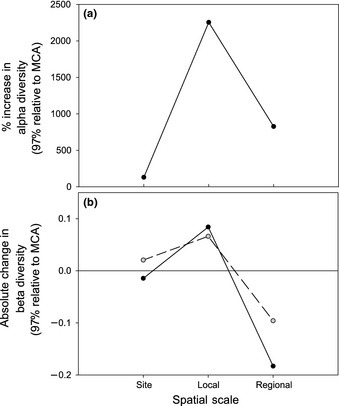
Arbuscular mycorrhizal (AM) fungi are among the most widespread and studied terrestrial mutualisms (Smith & Read, 2008). As molecular tools have become widely available, the application of these tools to characterize communities of AM fungi has met with significant obstacles and complications. The low number of ‘known’ AM fungal species is largely derived from morphology based on spore traits from culturable isolates, but molecular techniques are starting to reveal cryptic and unculturable diversity necessitating the creation of ‘virtual taxa’, currently without morphological analogues (Öpik et al., 2006). In the absence of an operational species concept, delineating ‘species’ appropriately is essential for mycorrhizal ecologists seeking to compare the diversity of AM fungi both in nature and experiments, particularly for studies using high-throughput DNA sequencing. However, not all approaches for delineating environmental DNA sequences into operational taxonomic units (OTUs) are equivalent and each can result in substantially different descriptions of the fungal communities under study. In this issue of New Phytologist, Lekberg et al. (2014, pp. 1101–1104) compare two methods with high-throughput AM fungal DNA sequences and ask whether the methodology used impacts our inferences about the processes driving AM fungal community structure.
Scoop.it!

Congratulations to the 45 individuals from 16 countries who recently received a 2014 XVI International Congress Travel Award in honor of Dr. Ko Shimamoto. The awards are provided in recognition of Dr. Shimamoto's service as the chair and main organizer of the XV International Congress on MPMI that was held in Kyoto in 2012. Remember to watch for travel awardee research presentations at the XVI International Congress in Rhodes, Greece.
Jean-Michel Ané's insight:
Congratulations Pierre-Marc!
Scoop.it!

Mycorrhizal plants benefit from the fungal partners by getting better access to soil nutrients. In exchange, the plant supplies carbohydrates to the fungus. The additional carbohydrate demand in mycorrhizal plants was shown to be balanced partially by higher CO2 assimilation and increased C metabolism in shoots and roots. In order to test the role of sucrose transport for fungal development in arbuscular mycorrhizal (AM) tomato, transgenic plants with down-regulated expression of three sucrose transporter genes were analysed. Plants that carried an antisense construct of SlSUT2 (SlSUT2as) repeatedly exhibited increased mycorrhizal colonization and the positive effect of plants to mycorrhiza was abolished. Grafting experiments between transgenic and wild-type rootstocks and scions indicated that mainly the root-specific function of SlSUT2 has an impact on colonization of tomato roots with the AM fungus. Localization of SISUT2 to the periarbuscular membrane indicates a role in back transport of sucrose from the periarbuscular matrix into the plant cell thereby affecting hyphal development. Screening of an expression library for SlSUT2-interacting proteins revealed interactions with candidates involved in brassinosteroid (BR) signaling or biosynthesis. Interaction of these candidates with SlSUT2 was confirmed by bimolecular fluorescence complementation. Tomato mutants defective in BR biosynthesis were analysed with respect to mycorrhizal symbiosis and showed indeed decreased mycorrhization. This finding suggests that BRs affect mycorrhizal infection and colonization. If the inhibitory effect of SlSUT2 on mycorrhizal growth involves components of BR synthesis and of the BR signaling pathway is discussed.
Scoop.it!

Our previous work has demonstrated that Arabidopsis thaliana can actively recruit beneficial rhizobacteria Bacillus subtilis strain FB17 (hereafter FB17) through an unknown shoot-to-root long-distance signaling pathway post a foliar bacterial pathogen attack. However, it is still not well understood which genetic targets FB17 affects in plants. Microarray analysis of A. thaliana roots treated with FB17 post 24 h of treatment showed 168 and 129 genes that were up- and down-regulated, respectively, compared with the untreated control roots. Those up-regulated include auxin-regulated genes as well as genes involved in metabolism, stress response, and plant defense. In addition, other defense-related genes, as well as cell-wall modification genes were also down-regulated with FB17 colonization. Expression patterns of 20 selected genes were analyzed by semi-quantitative RT-PCR, validating the microarray results. A. thaliana insertion mutants were used against FB17 to further study the functional response of the differentially expressed genes. Five mutants for the up-regulated genes were tested for FB17 colonization, three (at3g28360, at3g20190 and at1g21240) mutants showed decreased FB17 colonization on the roots while increased FB17 titers was seen with three mutants of the down-regulated genes (at3g27980, at4g19690 and at5g56320). Further, these mutants for up-regulated genes and down-regulated genes were foliar infected with Pseudomonas syringae pv. tomato (hereafter PstDC3000) and analyzed for Aluminum activated malate transporter (ALMT1) expression which showed that ALMT1 may be the key regulator for root FB17 colonization. Our microarray showed that under natural condition, FB17 triggers plant responses in a manner similar to known plant growth-promoting rhizobacteria and to some extent also suppresses defense-related genes expression in roots, enabling stable colonization. The possible implication of this study opens up a new dialogin terms of how beneficial microbes regulate plant genetic response for mutualistic associations.
Scoop.it!
Osmotic stress caused by NaCl supply reduced stem diameter, number of shoots, shoot length and nutrients in olive plants, but fungus colonization alleviated all of these negative effects on growth
Scoop.it!
Holganix is a natural way to create green, healthy lawns and trees using up to 90% less chemical fertilizer. It’s a safe, eco-friendly, cost-efficient treatment that turns a small amount of fertilizer into the most effective lawn and tree treatment available.
Jean-Michel Ané's insight:
Foo Foo Dust...
Scoop.it!

Scooped from: Frontiers in Microbiology, 2014 Topic Editors:
About: The study of plant-microbe associations by new techniques has significantly improved our understanding of the structure and specificity of the plant microbiome. Yet, microbiome function and the importance of the plant’s microbiome in the context of human and plant health are largely unexplored. Comparable with our human microbiome, millions of microbes inhabit plants, forming complex ecological communities that influence plant growth and health through its collective metabolic activities and host interactions. Viewing the microbiota from an ecological perspective can provide insight into how to promote plant health and stress tolerance of their hosts or how to adapt to a changing climate by targeting this microbial community. Moreover, the plant microbiome has a substantial impact on human health by influencing our gut microbiome by eating raw plants such as lettuce and herbs and but also by influencing the microbiome of our environment through airflow. This research topic will highlight the current knowledge regarding plant microbiomes, their specificity, diversity and function. Especially welcome are articles focused on the microbiomes of fresh edible plants and their impact on human health. Furthermore all applied aspects studying the management of plant microbiomes to enhance plant growth, health quality and stress tolerance are encouraged.
Jean-Michel Ané's insight:
Interesting topic.
|




