Your new post is loading...

|
Scooped by
Jean-Michel Ané
August 2, 2014 8:44 AM
|
Phosphorous (P) is a component of DNA and plays an important role in energy metabolism; therefore it is essential for all organisms. Plants are able to take it up from the soil in the form of salts, namely phosphates. But in many soils phosphate is already depleted and the world’s phosphate resources, which can be used to produce fertilizer, are declining. Nevertheless, crop plants need an optimal P-supply to gain high yields. To overcome this problem, a special community of plants and fungi could become more important in the future. About 80% of all land plants live in a kind of marriage with arbuscular mycorrhizal fungi. This relationship secures the plants’ phosphate nutrition while the fungi are rewarded with sugars. Scientists around Franziska Krajinski from the Max Planck Institute of Molecular Plant Physiology recently discovered that a special proton pump facilitates the transport of fungal phosphate into the plant. (Plant Cell, DOI: 10.1105/tpc.113.120436).
|
|
Scooped by
Jean-Michel Ané
July 31, 2014 12:10 PM
|
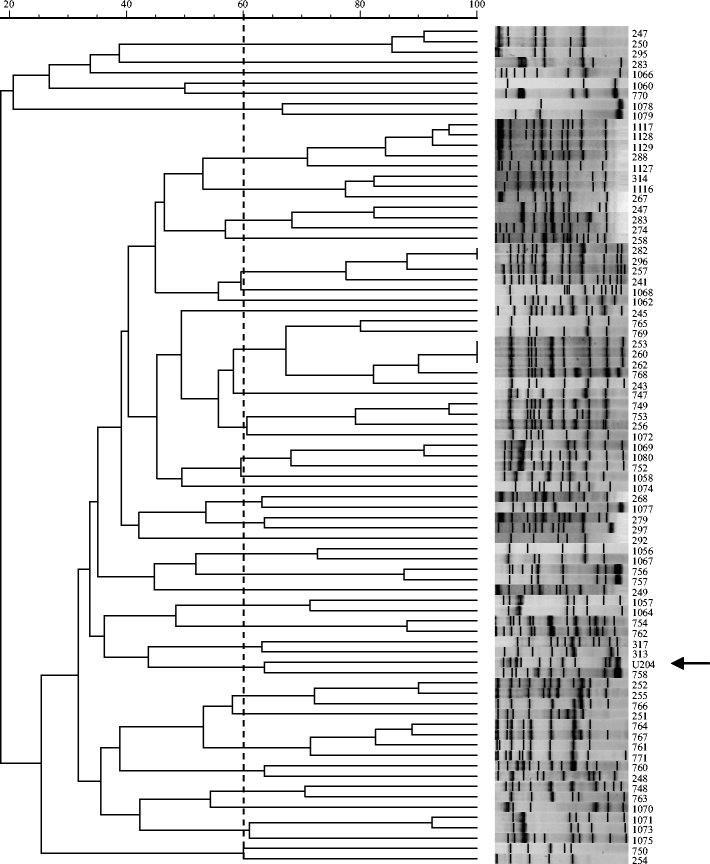
Red clover (Trifolium pratense L.) is used in the improvement of grasslands in Uruguay and has been inoculated with commercial strain U204 of Rhizobium leguminosarum bv trifolii since 1970s. Native-naturalized rhizobia strains present in soil are the basis for selecting and developing new inoculants. With this aim, we evaluated the diversity of red clover rhizobia in Uruguayan red clover pastures both historically inoculated with U204 and non-inoculated ones. Thirty-eight different enterobacterial repetitive intergenic consensus (ERIC) PCR genomic fingerprints were identified, albeit surprisingly only one of 80 isolates showed an ERIC profile similar to U204. Under controlled conditions, red clover plants inoculated with one of the native isolates, strain 317, produced more biomass than those inoculated with the commercial U204. ERIC-PCR was also used to show that strain 317 competed for nodulation better than U204 in a field with previous history of inoculation. Moreover, both U204 and 317 were tagged with a gusA reporter gene and their competitiveness for nodulation assessed in various soil types. Again, strain 317 appeared more competitive than U204, particularly in soils with previous history of inoculation. Our results reinforce the long-known idea of assessing the actual needs of inoculation of legumes in different soils and suggest that the indigenous isolate 317 is an effective and competitive strain that can be used for development of a new red clover inoculant.
|
|
Scooped by
Jean-Michel Ané
July 31, 2014 12:08 PM
|
Aims Plants, fungal endophytes (FEs) and the changing environment interact with each other forming an interlaced network. This study evaluates nonadditive and interactive effects of the FE Acremonium strictum and drought treatment on Atractylodes lancea plantlets. Methods and Results By applying FEs (Meristem cultures of At. lancea, fungal inoculation of Ac. strictum and plantlet acclimatization) and drought treatment (regular watering; mild drought; severe drought), a research system of At. lancea ramets under different treatments was established. During 12 days of drought treatment, the plantlets’ physiological responses and basic growth traits were measured and analyzed. Although drought and FE presence affected plantlet traits to differing degrees, the interactive effects of the two were more pronounced. Especially under mild drought treatment, the FE conferred drought tolerance to plantlets by enhancing leaf soluble sugars, proteins, proline and antioxidant enzyme activity; decreasing the degree of plasmalemma oxidation; and increasing the host's abscisic acid level and root:shoot ratio. When exposed to regular watering or severe drought, these effects were not significant. Conclusions Plant traits plasticity was conferred by dual effects of drought stress and FEs, and these factors are interactive. Although FEs can help plants cope with drought stress, the beneficial effects are strictly constrained by drought degree. Significance and Impact of the Study During finite environmental stress FEs can benefit plants, and for this reason, they may alleviate the effects of climate change on plants. However, because the benefits of FEs are highly context-dependent, the role of FEs in a changing background should be re-assessed.
|
|
Scooped by
Jean-Michel Ané
July 31, 2014 12:27 AM
|
Reference articles for soil biologists and students.
|
|
Scooped by
Jean-Michel Ané
July 31, 2014 12:24 AM
|
Nitrogen-fixation research and its application to agriculture have been ongoing for many centuries – from even before it was recognized as nitrogen fixation
|
|
Scooped by
Jean-Michel Ané
July 31, 2014 12:22 AM
|
Some scientist believe cellular symbiotic organisms evolved into cell organelles? For the specialist and student.
|
|
Scooped by
Jean-Michel Ané
July 31, 2014 12:17 AM
|
METHODS IN MOLECULAR BIOLOGY TM Series Editor John M. Walker School of Life Sciences University of Hertfordshire Hatfield, Hertfordshire, AL10 9AB, UK For furth…
|
|
Scooped by
Jean-Michel Ané
July 31, 2014 12:14 AM
|
|
|
Scooped by
Jean-Michel Ané
July 31, 2014 12:08 AM
|
Transcription factors are DNA binding proteins that regulate gene expression. The nitrogen fixing symbiosis established between legume plants and soil bacteria is a complex interaction, in which plants need to integrate signals derived from the symbiont and the surrounding environment to initiate the developmental program of nodule organogenesis and the infection process. Several transcription factors that play critical roles in these processes have been reported in the past decade, including proteins of the GRAS and NF-Y families. Recently, we reported the characterization of a new GRAS domain containing-protein that interacts with a member of the C subunit of the NF-Y family, which plays an important role in nodule development and the progression of bacterial infection during the symbiotic interaction. The connection between transcription factors of these families highlights the significance of multimeric complexes in the fabulous capacity of plants to integrate and respond to multiple environmental stimuli.
|
|
Scooped by
Jean-Michel Ané
July 30, 2014 11:57 PM
|
Their efforts, massaged gently by the editorial team, have produced an indispensable reference work. The content is my responsibility and I apologize upfront f…
|
|
Scooped by
Jean-Michel Ané
July 30, 2014 11:53 PM
|
Nitrogen-fixing Actinorhizal Symbioses
|
|
Scooped by
Jean-Michel Ané
July 29, 2014 12:03 PM
|
Symbioses represent a frequent and successful lifestyle on earth and lichens are one of their classic examples. Recently, bacterial communities were identified as stable, specific and structurally integrated partners of the lichen symbiosis, but their role has remained largely elusive in comparison to the well-known functions of the fungal and algal partners. We have explored the metabolic potentials of the microbiome using the lung lichen Lobaria pulmonaria as the model. Metagenomic and proteomic data were comparatively assessed and visualized by Voronoi treemaps. The study was complemented with molecular, microscopic and physiological assays. We have found that more than 800 bacterial species have the ability to contribute multiple aspects to the symbiotic system, including essential functions such as (i) nutrient supply, especially nitrogen, phosphorous and sulfur, (ii) resistance against biotic stress factors (that is, pathogen defense), (iii) resistance against abiotic factors, (iv) support of photosynthesis by provision of vitamin B12, (v) fungal and algal growth support by provision of hormones, (vi) detoxification of metabolites, and (vii) degradation of older parts of the lichen thallus. Our findings showed the potential of lichen-associated bacteria to interact with the fungal as well as algal partner to support health, growth and fitness of their hosts. We developed a model of the symbiosis depicting the functional multi-player network of the participants, and argue that the strategy of functional diversification in lichens supports the longevity and persistence of lichens under extreme and changing ecological conditions.
|
|
Scooped by
Jean-Michel Ané
July 29, 2014 9:55 AM
|
The mechanisms by which the expression of animal cell death suppressors in economically important plants conferred enhanced stress tolerance are not fully understood. In the present work, the effect of expression of animal antiapoptotic gene Ced-9 in soybean hairy roots was evaluated under root hairs and hairy roots death-inducing stress conditions given by i) Bradyrhizobium japonicum inoculation in presence of 50 mM NaCl, and ii) severe salt stress (150 mM NaCl), for 30 min and 3 h, respectively. We have determined that root hairs death induced by inoculation in presence of 50 mM NaCl showed characteristics of ordered process, with increased ROS generation, MDA and ATP levels, whereas the cell death induced by 150 mM NaCl treatment showed non-ordered or necrotic-like characteristics. The expression of Ced-9 inhibited or at least delayed root hairs death under these treatments. Hairy roots expressing Ced-9 had better homeostasis maintenance, preventing potassium release; increasing the ATP levels and controlling the oxidative damage avoiding the increase of reactive oxygen species production. Even when our results demonstrate a positive effect of animal cell death suppressors in plant cell ionic and redox homeostasis under cell death-inducing conditions, its expression, contrary to expectations, drastically inhibited nodule formation even under control conditions.
|
|
|
Scooped by
Jean-Michel Ané
August 2, 2014 8:43 AM
|
Rhizopogon vinicolor Smith is an ectomycorrhizal (EM) fungus in family Rhizopogonaceae of order Boletales. Genus Rhizopogon produce sexual basidiospores within hypogeous sporocarps (false truffles) and rely upon excavation and consumption of these sporocarps by mammals for spore dispersal. While genus Rhizopogon associates with many EM host trees in family Pinaceae, R. vinicolor is an obligate EM symbiont of Pseudotsuga menziesii(Douglas fir) (Massicotte et al. 1994). Along with its sister species, Rhizopogon vesiculosus, R. vinicolormakes up a major component of the EM fungal community colonizing the roots of P. menziesii across all forest age classes (Twieg et al 2007) and is especially abundant in young stands following disturbance (Luoma et al 2006). P. menziesii is a tree of major ecological and economic importance. It is a dominant overstory tree in coniferous forests of the North American Pacific Northwest and it has been planted on a global scale as a source of high quality timber. R. vinicolor occurs throughout the natural and introduced range of P. menziesii and is an important factor in the establishment and maintenance of P. menziesii forests.
R. vinicolor and R. vesiculosus produce sporocarps that are difficult to distinguish morphologically yet they differ greatly in life history. They can occur in relatively equal abundance when found at the same site but R. vinicolor typically produces smaller genets and possesses little population structure on the landscape scale while R. vesiculosus produces larger genets and shows patterns of inbreeding at the landscape scale (Kretzer et al 2005, Beiler et al 2010, Dunham et al 2013). In addition to producing smaller genets in width, R. vinicolorexplores the soil to a lesser depth than R. vesiculosus and displays vertical partitioning into the upper soil horizon when co-occuring with R. vesiculosus (Beiler et al. 2012).
The genome of Rhizopogon vinicolor will enable phylogenomic and population genomic studies of genusRhizopogon and will allow for the study of genetic mechanisms that underly EM host specificity. Along with the genome of Rhizopogon vesiculosus, this genome will allow deeper inquiry into the ecology and evolutionary biology of sympatric EM sister species.
An international effort, referred as to the Mycorrhiza 25 Genomes Project and then the Mycorrhizal Genomics Initiative (MGI), aiming to unearth the evolution and functioning of mycorrhizal symbioses through large-scale genome sequencing has been launched in 2011. As of writing, this initiative targets a set of 35 fungal species that are able to form various types of mycorrhizal symbioses, i.e., EM, arbuscular, ericoid and orchid mycorrhizae (see my previous posts ‘Mycorrhizal Genomics Initiative‘ and ‘Exploring the Mycorrhizal Genomes‘ ). Sequencing is carried out at JGI and Genoscope in the framework of the JGI Community Science Program, the 1000 Fungal Genomes Project and the TuberEvol project. Comparison of these genomes should facilitate the characterization of the genetic mechanisms that underpin the formation and evolution of ecologically-relevant mycorrhizal symbioses and characterization of genes selectively associated with particular symbiotic patterns.
Via Francis Martin
|
|
Scooped by
Jean-Michel Ané
July 31, 2014 11:52 AM
|
Nitrogen is extremely bountiful on our world through the atmosphere (79 % of the air we breathe is nitrogen), but somewhere else in the world it is tough to find. And for all its abundance in the environment, climatic nitrogen is woefully unavailable. Nitrogen in the air is triple-bonded to itself as N2 gas, which triple bond is monstrous difficult to disintegrate, which is truly unfortunate because that breakage is required in order to render nitrogen useable in biological systems.
|
|
Scooped by
Jean-Michel Ané
July 31, 2014 12:26 AM
|
Coexistence between microorganisms and plants has moulded civilization from the time humans began to rely extensively on cultivated crops for food. It is becom…
|
|
Scooped by
Jean-Michel Ané
July 31, 2014 12:23 AM
|
Genomes and Genomics of Nf itrogen-fixing Organisms
|
|
Scooped by
Jean-Michel Ané
July 31, 2014 12:21 AM
|
Rhizobia not lazy. This field had 20,000 gal liquid manure applied. More important 55 ppm phos?@PioneerWCanada #P002 pic.twitter.com/fHObNvQtqz
|
|
Scooped by
Jean-Michel Ané
July 31, 2014 12:15 AM
|
Three slow-growing rhizobial strains, designated RITF806T, RITF807 and RITF211, isolated from root nodules of Acacia melanoxylon grown in Ganzhou city, Jiangxi Province, China, had been previously defined, based on amplified 16S rRNA gene restriction analysis, as a novel group within the genusBradyrhizobium. To clarify their taxonomic position, these strains were further analysed and compared with reference strains of related bacteria using a polyphasic approach. According to 16S rRNA gene sequence analysis, the isolates formed a group that was closely related to ‘Bradyrhizobium rifense’ CTAW71, with a similarity value of 99.9 %. In phylogenetic analyses of the housekeeping and symbiotic gene sequences, the three strains formed a distinct lineage within the genus Bradyrhizobium, which was consistent with the results of DNA–DNA hybridization. In analyses of cellular fatty acids and phenotypic features, some differences were found between the novel group and related species of the genus Bradyrhizobium, indicating that these three strains constituted a novel group distinct from any recognized species of the genus Bradyrhizobium. Based on the data obtained in this study, we conclude that our strains represent a novel species of the genus Bradyrhizobium, for which the name Bradyrhizobium ganzhouense sp. nov. is proposed, with RITF806T ( = CCBAU 101088T = JCM 19881T) as the type strain. The DNA G+C content of strain RITF806T is 64.6 mol% (Tm).
|
|
Scooped by
Jean-Michel Ané
July 31, 2014 12:12 AM
|
A group of strains isolated from root nodules of Phaseolus lunatus (Lima bean) in Peru were characterized by genotypic, genomic and phenotypic methods. All strains possessed identical 16S rRNA gene sequences that were 99.9 % identical to that of Bradyrhizobium lablabi CCBAU 23086T. Despite having identical 16S rRNA gene sequences, the Phaseolus lunatus strains could be divided into two clades by sequence analysis of recA, atpD, glnII, dnaK andgyrB genes. The genome sequence of a representative of each clade was obtained and compared to the genomes of closely related species of the genusBradyrhizobium. Average nucleotide identity values below the species circumscription threshold were obtained when comparing the two clades to each other (88.6 %) and with all type strains of the genus Bradyrhizobium(≤92.9 %). Phenotypes distinguishing both clades from all described and closely related species of the genus Bradyrhizobium were found. On the basis of the results obtained, two novel species, Bradyrhizobium paxllaeri sp. nov. (type strain LMTR 21T = DSM 18454T = HAMBI 2911T) and Bradyrhizobium icense sp. nov. (type strain LMTR 13T = HAMBI 3584T = CECT 8509T = CNPSo 2583T), are proposed to accommodate the uncovered clades of Phaseolus lunatus bradyrhizobia. These species share highly related but distinct nifH andnodC symbiosis genes.
|
|
Scooped by
Jean-Michel Ané
July 30, 2014 11:58 PM
|
Aims and Scope The book series is intended for readers ranging from advanced students to senior research scientists and corporate directors interested in acqui…
|
|
Scooped by
Jean-Michel Ané
July 30, 2014 11:56 PM
|
A primary target audience for whom the book is written is students and researchers in developing countries who do not have ready access to the abundant literat…
To test direct and indirect effects of glomalin, mycorrhizal hyphae, and roots on aggregate stability, perspex pots separated by 37-[mgr]m nylon mesh in the middle were used to form root-free hyphae and root/hyphae chambers, where trifoliate orange (Poncirus trifoliata) seedlings were colonized by Funneliformis mosseae or Paraglomus occultum in the root/hyphae chamber. Both fungal species induced significantly higher plant growth, root total length, easily-extractable glomalin-related soil protein (EE-GRSP) and total GRSP (T-GRSP), and mean weight diameter (an aggregate stability indicator). The Pearson correlation showed that root colonization or soil hyphal length significantly positively correlated with EE-GRSP, difficultly-extractable GRSP (DE-GRSP), T-GRSP, and water-stable aggregates in 2.00-4.00, 0.50-1.00, and 0.25-0.50[emsp14]mm size fractions. The path analysis indicated that in the root/hyphae chamber, aggregate stability derived from a direct effect of root colonization, EE-GRSP or DE-GRSP. Meanwhile, the direct effect was stronger by EE-GRSP or DE-GRSP than by mycorrhizal colonization. In the root-free hyphae chamber, mycorrhizal-mediated aggregate stability was due to total effect but not direct effect of soil hyphal length, EE-GRSP and T-GRSP. Our results suggest that GRSP among these tested factors may be the primary contributor to aggregate stability in the citrus rhizosphere.
Via Francis Martin
|
|
Scooped by
Jean-Michel Ané
July 29, 2014 10:02 AM
|
Paradoxically, symbiotic dinitrogen (N2) fixers are abundant in nitrogen (N)-rich, phosphorus (P)-poor lowland tropical rain forests. One hypothesis to explain this pattern states that N2 fixers have an advantage in acquiring soil P by producing more N-rich enzymes (phosphatases) that mineralise organic P than non-N2 fixers. We assessed soil and root phosphatase activity between fixers and non-fixers in two lowland tropical rain forest sites, but also addressed the hypothesis that arbuscular mycorrhizal (AM) colonisation (another P acquisition strategy) is greater on fixers than non-fixers. Root phosphatase activity and AM colonisation were higher for fixers than non-fixers, and strong correlations between AM colonisation and N2 fixation at both sites suggest that the N–P interactions mediated by fixers may generally apply across tropical forests. We suggest that phosphatase enzymes and AM fungi enhance the capacity of N2 fixers to acquire soil P, thus contributing to their high abundance in tropical forests.
|