The plant sciences, during much of the 20th century, evolved as a group of disciplines that sought to explain plant responses to factors of the abiotic environment, such as water, mineral nutrients and light. In the last two decades, there have been major advances in our understanding of how plants interact with a growing list of other components of their biotic environment, including other plants, animal consumers and detritivores, pollinators, and beneficial and pathogenic microorganisms. This progress has rendered a much richer picture of plant function in real life than the one produced by traditional models of physiological responses to simple variations in abiotic factors. Simultaneously, this progress has revealed major gaps in our understanding of the evolution of plant adaptation, the molecular mechanisms that mediate phenotypic plasticity in complex biotic scenarios, and the ecosystem consequences of these interactions.
The overarching goal of the 32nd New Phytologist Symposium (NPS), ‘Plant interactions with other organisms: molecules, ecology and evolution’, was to bring together researchers working on various aspects of plant interactions with the biotic world. Despite the fact that exciting advances have been made in individual subfields, which captured the attention of specialists in each particular discipline, there has been little communication across disciplinary and scale boundaries for synthesizing our conceptual understanding of how plants interact with components of the biotic environment. This Special Issue features articles from the invited speakers of the 32nd NPS, and represents a collection that describes progress in a broad cross-section of disciplines. All articles are written keeping in mind the multidisciplinary nature of the audience. This combination of research papers, review papers and commentaries aims to provide a multifaceted view of the field of plant biotic interactions, which we hope will be appealing not only to the specialist but also to anyone interested in plant biology and ecology.
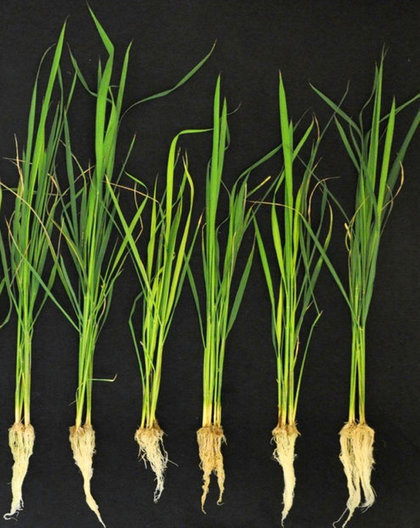
Plants are constantly exposed to threats from pathogenic microbes and thus developed innate immune system to protect themselves. On the other hand, many plants also have the ability to establish endosymbiosis with beneficial microbes such as arbuscular mycorrhizal (AM) fungi or rhizobial bacteria, which improves the growth of host plants. How plants evolved the systems managing such opposite plant–microbe interactions is unclear. We here show that KO mutants of OsCERK1, a rice receptor kinase essential for chitin signaling, were impaired not only for chitin-triggered defense responses but also for arbuscular mycorrhizal (AM) symbiosis, indicating the bifunctionality of OsCERK1 in defense and symbiosis. On the other hand, a KO mutant of OsCEBiP, which forms receptor complex with OsCERK1 and is essential for chitin-triggered immunity, established mycorrhizal symbiosis normally. Therefore, OsCERK1 but not chitin-triggered immunity is required for AM symbiosis. Furthermore, experiments with chimeric receptors showed that the kinase domains of OsCERK1 and homologs from non-leguminous, mycorrhizal plants could trigger nodulation signaling in legume–rhizobium interactions as the kinase domain of NFR1, which is essential for triggering the nodulation program in leguminous plants, did. Because leguminous plants are believed to have developed the rhizobial symbiosis on the basis of AM symbiosis, our results suggested that the symbiotic function of ancestral CERK1 in AM symbiosis enabled the molecular evolution to leguminous NFR1 and resulted in the establishment of legume-rhizobia symbiosis. These results also suggested that OsCERK1 and homologs serve as a molecular switch that activates defense or symbiotic responses depending on the infecting microbes.
Eric Armstrong from NSW DPI talks about the role of pulses in farming systems in southern NSW, particularly in relation to nitrogen, and shows how to sample ...
Plants establish beneficial symbiotic associations with arbuscular mycorrhizal fungi, which colonize the root cortex, building specialized structures called arbuscules that facilitate nutrient exchange. The association occurs following plant recognition of lipochitooligosaccharides (LCOs) from mycorrhizal fungi, which activates the symbiosis signaling pathway prior to mycorrhizal colonization. Here we show that SLR1/DELLA, a repressor of gibberellic acid (GA) signaling, and its interacting partner protein are required for the mycorrhizal symbiosis. GA treatment inhibits mycorrhizal colonization and leads to the degradation of DELLAs. Consistently, rice lines mutated in DELLA are unable to be colonized by mycorrhizal fungi. DELLAs are members of the GRAS family of transcription factors. We further show that rice DELLA interacts with a second GRAS protein, DIP1 (DELLA Interacting Protein 1). DIP1 is also required for mycorrhizal colonization and in turn interacts with a previously characterized mycorrhizal GRAS protein, RAM1, that has been shown to directly regulate mycorrhizal-associated gene expression. We conclude that a complex of GRAS proteins, including DELLAs, is necessary for regulation of mycorrhizal-associated gene expression and thus colonization.
SummaryThe discovery that Mucoromycotina, an ancient and partially saprotrophic fungal lineage, associates with the basal liverwort lineage Haplomitriopsida casts doubt on the widely held view that Glomeromycota formed the sole ancestral plant–fungus symbiosis. Whether this association is mutualistic, and how its functioning was affected by the fall in atmospheric CO2 concentration that followed plant terrestrialization in the Palaeozoic, remains unknown.We measured carbon-for-nutrient exchanges between Haplomitriopsida liverworts and Mucoromycotina fungi under simulated mid-Palaeozoic (1500 ppm) and near-contemporary (440 ppm) CO2 concentrations using isotope tracers, and analysed cytological differences in plant–fungal interactions. Concomitantly, we cultured both partners axenically, resynthesized the associations in vitro, and characterized their cytology.We demonstrate that liverwort–Mucoromycotina symbiosis is mutualistic and mycorrhiza-like, but differs from liverwort–Glomeromycota symbiosis in maintaining functional efficiency of carbon-for-nutrient exchange between partners across CO2 concentrations. Inoculation of axenic plants with Mucoromycotina caused major cytological changes affecting the anatomy of plant tissues, similar to that observed in wild-collected plants colonized by Mucoromycotina fungi.By demonstrating reciprocal exchange of carbon for nutrients between partners, our results provide support for Mucoromycotina establishing the earliest mutualistic symbiosis with land plants. As symbiotic functional efficiency was not compromised by reduced CO2, we suggest that other factors led to the modern predominance of the Glomeromycota symbiosis.
Scientists are looking at the vast and untapped microbial community that lives near the roots of rice plants for ways to protect the crop from arsenic.
BackgroundThe production of antimicrobial peptides is a common defense strategy of living cells against a wide range of pathogens. Plant snakin peptides inhibit bacterial and fungal growth at extremely low concentrations. However, little is known of their molecular and ecological characteristics, including origin, evolutionary equivalence, specific functions and activity against beneficial microbes. The aim of this study was to identify and characterize snakin-1 from alfalfa (MsSN1).ResultsPhylogenetic analysis showed complete congruence between snakin-1 and plant trees. The antimicrobial activity of MsSN1 against bacterial and fungal pathogens of alfalfa was demonstrated in vitro and in vivo. Transgenic alfalfa overexpressing MsSN1 showed increased antimicrobial activity against virulent fungal strains. However, MsSN1 did not affect nitrogen-fixing bacterial strains only when these had an alfalfa origin.ConclusionsThe results reported here suggest that snakin peptides have important and ancestral roles in land plant innate immunity. Our data indicate a coevolutionary process, in which alfalfa exerts a selection pressure for resistance to MsSN1 on rhizobial bacteria. The increased antimicrobial activity against virulent fungal strains without altering the nitrogen-fixing symbiosis observed in MsSN1-overexpressing alfalfa transgenic plants opens the way to the production of effective legume transgenic cultivars for biotic stress resistance.
In eukaryotes (and viruses), genes may be organized into coding and noncoding regions, called exons and (spliceosomal) introns, respectively (Box 1). Both types of sequences are transcribed into pre-mRNA, but whereas exons are used for protein synthesis, introns are spliced out during/immediately after transcription [1] (Figure 1). Although spliceosomal introns are widespread in the eukaryotic tree, they are unequally distributed across species as a consequence of ongoing intron gain and loss [2,3]. So for instance, 287 spliceosomal introns populate the entire genome of the baker's yeast (Saccharomyces cerevisiae) [4], but this number increases to ~4,760 in a different yeast species (Schizosaccharomyces pombe) and reaches ~38,000 and ~140,000 in the genomes of the fruit fly Drosophila melanogaster and Homo sapiens, respectively [5]. Explaining the causes and functional implications of this uneven distribution requires understanding why spliceosomal introns exist in the first place and what the evolutionary origin(s) of these sequences are—a problem that has proved a conundrum for the past 30 years [6].
The morphology of roots and root systems influences the efficiency by which plants acquire nutrients and water, anchor themselves and provide stability to the surrounding soil. Plant genotype and the biotic and abiotic environment significantly influence root morphology, growth and ultimately crop yield. The challenge for researchers interested in phenotyping root systems is, therefore, not just to measure roots and link their phenotype to the plant genotype, but also to understand how the growth of roots is influenced by their environment. This review discusses progress in quantifying root system parameters (e.g. in terms of size, shape and dynamics) using imaging and image analysis technologies and also discusses their potential for providing a better understanding of root:soil interactions. Significant progress has been made in image acquisition techniques, however trade-offs exist between sample throughput, sample size, image resolution and information gained. All of these factors impact on downstream image analysis processes. While there have been significant advances in computation power, limitations still exist in statistical processes involved in image analysis. Utilizing and combining different imaging systems, integrating measurements and image analysis where possible, and amalgamating data will allow researchers to gain a better understanding of root:soil interactions.
Soil salinity is an increasing problem worldwide, restricting plant growth and production. Research findings show that arbuscular mycorrhizal (AM) fungi have the potential to reduce negative effects of salinity. However, plant growth responses to AM fungi vary as a result of genetic variation in mycorrhizal colonization and plant growth responsiveness. Thus, profitable use of AM requires selection of a suitable combination of host plant and fungal partner. A greenhouse experiment was conducted to compare effectiveness of a native AM fungal inoculum sourced from saline soil and two single exotic isolates, Funneliformis mossseae and Rhizophagus irregularis (single or dual mix), onCajanus cajan (L.) Millsp. genotypes (Paras and Pusa 2002) under salt stress (0–100 mM NaCl). While salinity reduced plant biomass and disturbed ionic status in both genotypes, Pusa 2002 was more salt tolerant and ensured higher AM fungal colonization, plant biomass and nutrient content with favourable ion status under salinity. Although all AM fungi reduced negative effects of salt stress, R. irregularis (alone or in combination with F. mosseae) displayed highest efficiency under salinity, resulting in highest biomass, yield, nutrient uptake and improved membrane stability with favourable K+/Na+ and Ca2+/Na+ ratios in the host plant. Higher effectiveness of R. irregulariscorrelated with higher root colonization, indicating that the symbiosis formed by R. irregularis had more stable viability and efficiency under salt stress. These findings enhance understanding of the functional diversity of AM fungi in ameliorating plant salt stress tolerance and suggest the potential use of R. irregularis for increasing Cajanus cajan productivity in saline soils.
We used Agrobacterium-mediated insertional mutagenesis to identify genes in the ectomycorrhizal fungus Hebeloma cylindrosporum that are essential for efficient mycorrhiza formation. One of the mutants presented a dramatically reduced ability to form ectomycorrhizas when grown in the presence of Pinus pinaster. It failed to form mycorrhizas in the presence of glucose at 0.5 g liter–1, a condition favorable for mycorrhiza formation by the wild-type strain. However, it formed few mycorrhizas when glucose was replaced by fructose or when glucose concentration was increased to 1 g liter–1. Scanning electron microscopy examination of these mycorrhizas revealed that this mutant was unable to differentiate true fungal sheath and Hartig net. Molecular analyses showed that the single-copy disrupting T-DNA was integrated 6,884 bp downstream from the start codon, of an open reading frame potentially encoding a 3,096-amino-acid-long protein. This gene, which we named HcMycE1, has orthologs in numerous fungi as well as different other eukaryotic microorganisms. RNAi inactivation ofHcMycE1 in the wild-type strain also led to a mycorrhizal defect, demonstrating that the nonmycorrhizal phenotype of the mutant was due to mutagenic T-DNA integration in HcMycE1. In the wild-type strain colonizing P. pinaster roots, HcMycE1 was transiently upregulated before symbiotic structure differentiation. Together with the inability of the mutant to differentiate these structures, this suggests that HcMycE1 plays a crucial role upstream of the fungal sheath and Hartig net differentiation. This study provides the first characterization of a fungal mutant altered in mycorrhizal ability.
Auxin/indoleacetic acid (Aux/IAA) genes, coding a family of short-lived nuclear proteins, play key roles in wide variety of plant developmental processes, including root system regulation and responses to environmental stimulus. However, how they function in auxin signaling pathway and symbiosis with rhizobial in Medicago truncatula are largely unknown. The present study aims at gaining deeper insight on distinctive expression and function features of Aux/IAA family genes in Medicago truncatula during nodule formation.
Principal Findings
Using the latest updated draft of the full Medicago truncatula genome, a comprehensive identification and analysis of IAA genes were performed. The data indicated that MtIAA family genes are distributed in all the M. truncatula chromosomes except chromosome 6. Most of MtIAA genes are responsive to exogenous auxin and express in tissues-specific manner. To understand the biological functions of MtIAA genes involved in nodule formation, quantitative real-time polymerase chain reaction (qRT-PCR) was used to test the expression profiling of MtIAA genes during the early phase of Sinorhizobium meliloti (S. meliloti) infection. The expression patterns of most MtIAA genes were down-regulated in roots and up-regulated in shoots by S. meliloti infection. The differences in expression responses between roots and shoots caused by S. meliloti infection were alleviated by 1-NOA application.
Conclusion
The genome-wide identification, evolution and expression pattern analysis of MtIAA genes were performed in this study. The data helps us to understand the roles of MtIAA-mediated auxin signaling in nodule formation during the early phase of S. meliloti infection.
Soil aggregation is a key ecosystem process resulting in the formation and stabilization of soil structure, consisting of soil aggregates and the resulting matrix of pore spaces. As such, it significantly alters the environment of plant roots and microbes in a multitude of ways; thus, soil structure provides the basic setting in which mycorrhizas operate and have evolved. Not surprisingly, soil aggregation is important for root growth and for a wide range of soil features and ecosystem process rates, such as carbon storage and resistance to erosion (e.g. Jastrowet al., 1998; Six et al., 2006). The aggregation of soil is a complex process, regulated by a range of abiotic factors (e.g. texture) and mediated by plants and multiple biota groups and their interactions; in spite of this complexity, plant roots and their mycorrhizal symbionts are consistently found to be a crucial force in driving soil aggregation (Six et al., 2004; Rillig & Mummey, 2006; Leifheit et al., 2014).
BackgroundEndophytes are microbes that live within plants such as maize (corn, Zea mays L.) without causing disease. It is generally assumed that most endophytes originate from soil. If this is true, then as humans collected, domesticated, bred and migrated maize globally from its native Mexico, they moved the species away from its native population of endophyte donors. The migration of maize persists today, as breeders collect wild and exotic seed (as sources of diverse alleles) from sites of high genetic diversity in Mexico for breeding programs on distant soils. When transported to new lands, it is unclear whether maize permits only selective colonization of microbes from the Mexican soils on which it co-evolved, tolerates shifts in soil-derived endophytes, or prevents colonization of soil-based microbes in favour of seed-transmitted microbes. To test these hypotheses, non-sterilized seeds of three types of maize (pre-domesticated-Mexican, ancient-Mexican, modern-temperate) were planted side-by-side on indigenous Mexican soil, Canadian temperate soil or sterilized sand. The impact of these soil swaps on founder bacterial endophyte communities was tested using 16S-rDNA profiling, culturing and microbial trait phenotyping.ResultsMultivariate analysis showed that bacterial 16S-rDNA TRFLP profiles from young, surface-sterilized maize plants were more similar when the same host genotype was grown on the different soils than when different maize genotypes were grown on the same soil. There appeared to be two reasons for this result. First, the largest fraction of bacterial 16S-signals from soil-grown plants was shared with parental seeds and/or plants grown on sterilized sand, suggesting significant inheritance of candidate endophytes. The in vitro activities of soil-derived candidate endophytes could be provided by bacteria that were isolated from sterile sand grown plants. Second, many non-inherited 16S-signals from sibling plants grown on geographically-distant soils were shared with one another, suggesting maize can select microbes with similar TRFLP peak sizes from diverse soils. Wild, pre-domesticated maize did not possess more unique 16S-signals when grown on its native Mexican soil than on Canadian soil, pointing against long-term co-evolutionary selection. The modern hybrid did not reject more soil-derived 16S-signals than did ancestral maize, pointing against such rejection as a mechanism that contributes to yield stability across environments. A minor fraction of 16S-signals was uniquely associated with any one soil.ConclusionWithin the limits of TRFLP profiling, the candidate bacterial endophyte populations of pre-domesticated, ancient and modern maize are partially buffered against the effects of geographic migration --- from a Mexican soil associated with ancestral maize, to a Canadian soil associated with modern hybrid agriculture. These results have implications for understanding the effects of domestication, migration, ex situ seed conservation and modern breeding, on the microbiome of one of the world?s most important food crops.
The symbiotic association between Medicago truncatula and Sinorhizobium meliloti is a well-established model system in the legume-Rhizobium community. Despite its wide use, the symbiotic efficiency of this model has been recently questioned and an alternative microsymbiont, S. medicae, has been proposed. However, little is known about the physiological mechanisms behind the higher symbiotic efficiency of S. medicae WSM419. In the present study, we inoculated M. truncatula Jemalong A17 with either S. medicae WSM419 or S. meliloti 2011 and compared plant growth, photosynthesis, N2-fixation rates, and plant nodule carbon and nitrogen metabolic activities in the two systems. M. truncatula plants in symbiosis with S. medicae showed increased biomass and photosynthesis rates per plant. Plants grown in symbiosis with S. medicae WSM419 also showed higher N2-fixation rates, which were correlated with a larger nodule biomass, while nodule number was similar in both systems. In terms of plant nodule metabolism, M. truncatula-S. medicae WSM419 nodules showed increased sucrose-catabolic activity, mostly associated with sucrose synthase, accompanied by a reduced starch content, whereas nitrogen-assimilation activities were comparable to those measured in nodules infected with S. meliloti 2011. Taken together, these results suggest that S. medicae WSM419 is able to enhance plant carbon catabolism in M. truncatula nodules, which allows for the maintaining of high symbiotic N2-fixation rates, better growth and improved general plant performance.
Symbiotic ectomycorrhizal fungi have been shown to enhance host plant photosynthesis because the fungal symbiont are claimed to increase belowground carbon (C) demand. We aimed to study the effect of eight common symbiotic ectomycorrhizal (ECM) fungi on Scots pine photosynthesis and carbon (C) allocation because very few studies have investigated this phenomenon under controlled axenic conditions. The CO2 assimilation, stomatal conductance, chlorophyll fluorescence parameters, biomass allocation, moisture content, mycorrhization rate, nitrogen (N) uptake and N content of Scots pine seedlings, with or without symbiotic fungi, were measured after a four month growth period under axenic laboratory conditions. We hypothesized that ECM fungi are capable of increasing plant CO2 assimilation compared to non-mycorrhizal control fungi by increasing belowground C demand. This hypothesis was not supported since mycorrhizal and non-mycorrhizal plants did not differ significantly in any of the photosynthesis-related parameters. In addition, the common assumption that ECM fungi impose a C cost on the host plant was not supported by our study because mycorrhizal plants had the same or larger biomass compared to non-mycorrhizal plants. However, the mycorrhizal seedlings had a lower N percentage and allocated relatively more N to roots than shoots compared to control sterile seedlings, and the mycorrhizal seedlings had lower water content. In general, Needle N and water content correlated positively with CO2 assimilation. Based on our results, the N distribution within plant and plants water economy are the main effects of mycorrhizal symbiosis that affect plant C allocation and photosynthesis. These factors need to be considered when mycorrhizal effect on plant net primary production (NPP) also under natural conditions is estimated.
Mycorrhizal fungi are beneficial soil organisms that attach themselves to the roots of plants and help them facilitate the uptake of water and nutrients.
NewLeaf Symbiotics, a St Louis, Missouri-based agricultural biotechnology company focused on the commercialization of beneficial plant bacteria, announced today that it has closed a $17 million Series B round of financing.
Legume, with a strong resistance to the adverse environmental conditions, is one of pioneer plants in the desert region and plays an important role in the protection of the ecological environment. In this study, the symbiosis of rhizobia associating with shrubby and herbaceous legumes in Shenmu area, Shaanxi, China was characterized by the 16S rRNA PCR-RFLP and sequence analysis of involved genes. A total of 55 strains were isolated and purified, including 30 strains from the shrubby legume Amorpha fruticosa and Caragana microphylla, and 25 strains from herbaceous plants Astragalus adsurgens, Medicago sativa and Astragalus melilotoides. Results showed that there were 11 16S rRNA genotypes. The strains isolated from herbaceous legumes belonged to five genus including Mesorhizobium, Ensifer, Rhizobium, Phyllobacterium and Agrobacterium, which were very close related to M. huakuii, M. mediterraneum, M. robiniae, E. fredii, E. meliloti, R. indigoferae, R. radiobacter, P. ifriqiyense and Ag. tumefaciens through the phylogenetic analysis. The strains isolated from shrubby legumes belonged to Mesorhizobium, and they were very close related to M. huakuii and M. mediterraneum which were shared simultaneously by shrubby and herbaceous legumes. All of these indicated the choice of rhizobia by the two types of legumes in the arid area was different, and it might depend on the species of host plant and environmental factors.
The ectomycorrhizal fungus Pisolithus tinctorius has been introduced to many areas around the world as a source of inoculum for pine plantations. However, little is known about the genetic structure of fungal populations in their introduced habitats. To study the genetics of exotic P. tinctorius populations, we developed and employed seven new microsatellite markers and compared samples from Puerto Rico (exotic range) and the eastern United States (native range). Bayesian cluster analysis, neighbor joining analysis and FST values all strongly separated Puerto Rican populations from North American populations. Consistent with a founder effect, populations from Puerto Rico had reduced allelic richness when compared to samples from the United States. The genetic structure of P. tinctorius populations in Puerto Rico is weak to modest and is not correlated with geographic distance reflecting anthropogenic movement of inoculum with forestry practices.
The direct and chemoselective N-transacylation of peracetylated chitooligosaccharides (COSs), readily obtained from chitin, to give per-N-trifluoroacetyl derivatives offers an attractive route to size-defined COSs and derived glycoconjugates. It involves the use of various acceptor building blocks and trifluoromethyl oxazoline dimer donors prepared with efficiency and highly reactive in 1,2-trans glycosylation reactions. This method was applied to the preparation of the important symbiotic glycolipids which are highly active on plants and to the TMG-chitotriomycin, a potent and specific inhibitor of insect, fungal, and bacterial N-acetylglucosaminidases.
Many plants form associations with arbuscular mycorrhizal fungi (AMF) because they profit from improved phosphorus nutrition and from protection against pathogens. Whereas mycorrhiza-induced pathogen protection is well understood in agricultural plant species, it is rarely studied in wild plants. As many pathogens infest plants in the first days after germination, mycorrhiza-induced pathogen protection may be especially important in the first few weeks of plant establishment.
Here, we investigated interacting effects of AMF and the seedling pathogen Pythium ultimum on the performance of six- to seven-week-old seedlings of six wild plant species of the family Asteraceae in a full factorial experiment.
Plant species differed in their response to AMF, the pathogen and their interactions. AMF increased and the pathogen decreased plant biomass in one and three species, respectively. Two plant species were negatively affected by AMF in the absence, but positively or not affected in the presence of the pathogen, indicating protection by AMF. This mycorrhiza-induced pathogen protection is especially surprising as we could not detect mycorrhizal structure in the roots of any of the plants.
Our results show that even seedlings without established intraradical hyphal network can profit from AMF, both in terms of growth promotion in the absence of a pathogen and pathogen protection. The function of AMF is highly species-specific, but tends to be similar for more closely related plant species, suggesting a phylogenetic component of mycorrhizal function. Further studies should test a wider range of plant species, as our study was restricted to one plant family, and investigate whether plants profit from early mycorrhizal benefits in the long term.
To get content containing either thought or leadership enter:
To get content containing both thought and leadership enter:
To get content containing the expression thought leadership enter:
You can enter several keywords and you can refine them whenever you want. Our suggestion engine uses more signals but entering a few keywords here will rapidly give you great content to curate.


 Your new post is loading...