BackgroundTrees belonging to the Casuarinaceae and Betulaceae families play an important ecological role and are useful tools in forestry for degraded land rehabilitation and reforestation. These functions are linked to their capacity to establish symbiotic relationships with a nitrogen-fixing soil bacterium of the genus Frankia. However, the molecular mechanisms controlling the establishment of these symbioses are poorly understood. The aim of this work was to identify potential transcription factors involved in the establishment and functioning of actinorhizal symbioses.ResultsWe identified 202 putative transcription factors by in silico analysis in 40 families in Casuarina glauca (Casuarinaceae) and 195 in 35 families in Alnus glutinosa (Betulaceae) EST databases. Based on published transcriptome datasets and quantitative PCR analysis, we found that 39% and 26% of these transcription factors were regulated during C. glauca and A. glutinosa-Frankia interactions, respectively. Phylogenetic studies confirmed the presence of common key transcription factors such as NSP, NF-YA and ERN-related proteins involved in nodule formation in legumes, which confirm the existence of a common symbiosis signaling pathway in nitrogen-fixing root nodule symbioses. We also identified an actinorhizal-specific transcription factor belonging to the zinc finger C1-2i subfamily we named CgZF1 in C. glauca and AgZF1 in A. glutinosa.ConclusionsWe identified putative nodulation-associated transcription factors with particular emphasis on members of the GRAS, NF-YA, ERF and C2H2 families. Interestingly, comparison of the non-legume and legume TF with signaling elements from actinorhizal species revealed a new subgroup of nodule-specific C2H2 TF that could be specifically involved in actinorhizal symbioses. In silico identification, transcript analysis, and phylogeny reconstruction of transcription factor families paves the way for the study of specific molecular regulation of symbiosis in response to Frankia infection.
Application of plant growth regulators (PGRs) to soybean plants is known to induce changes in nitrogenase activity in root nodules, and this led us to hypothesize that PGRs would affect nitrogenase activity in free-living rhizobia cultures. Little is known about the molecular basis of the effects of PGRs on nitrogenase activity in free-living rhizobia cultures. Therefore, a comparative study was conducted on the effects of gibberellins (GA3) and mepiquat chloride (PIX), which regulate plant growth, on the nitrogenase activity of the nitrogen-fixing bacterium Bradyrhizobium japonicum. Fix and nif gene regulation and protein expression in free-living cultures of B. japonicum were investigated using real-time PCR and two-dimensional electrophoresis after treatment with GA3 or PIX. GA3 treatment decreased nitrogenase activity and the relative expression of nifA, nifH, and fixA genes, but these effects were reversed by PIX treatment. As expected, several proteins involved in nitrogenase synthesis were down-regulated in the GA3-treated group. Conversely, several proteins involved in nitrogenase synthesis were up-regulated in the PIX-treated group, including bifunctional ornithine acetyltransferase/N-acetylglutamate synthase, transaldolase, ubiquinol-cytochrome C reductase iron-sulfur subunit, electron transfer flavoprotein subunit beta, and acyl-CoA dehydrogenase. Two-pot experiments were conducted to evaluate the effects of GA3 and PIX on nodulation and nitrogenase activity in Rhizobium-treated legumes. Interestingly, GA3 treatment increased nodulation and depressed nitrogenase activity, but PIX treatment decreased nodulation and enhanced nitrogenase activity. Our data show that the nif and fix genes, as well as several proteins involved in nitrogenase synthesis, are up-regulated by PIX and down-regulated by GA3, respectively, in B. japonicum.
Burkholderia kururiensis M130 is one of the few rice endophytic diazotrophic bacteria identified thus far which is able to enhance growth of rice. To date, very little is known of how strain M130 and other endophytes enter and colonize plants. Here, we identified genes of strain M130 that are differentially regulated in the presence of rice plant extract. A genetic screening of a promoter probe transposon mutant genome bank and RNAseq analysis were performed. The screening of 10,100 insertions of the genomic transposon reporter library resulted in the isolation of 61 insertions displaying differential expression in response to rice macerate. The RNAseq results validated this screen and indicated that this endophytic bacterium undergoes major changes in the presence of plant extract regulating 27.7% of its open reading frames. A large number of differentially expressed genes encode membrane transporters and secretion systems, indicating that the exchange of molecules is an important aspect of bacterial endophytic growth. Genes related to motility, chemotaxis, and adhesion were also overrepresented, further suggesting plant–bacteria interaction. This work highlights the potential close signaling taking place between plants and bacteria and helps us to begin to understand the adaptation of an endophyte in planta.
Plant growth is highly dependent on bacteria, saprophytic and mycorrhizal fungi which facilitate the cycling and mobilization of nutrients. Over 95% of the sulfur (S) in soil is present in an organic form. Sulfate-esters and sulfonates, the major forms of organo-S in soils, arise through deposition of biological material and are transformed through subsequent humification. Fungi and bacteria release S from sulfate-esters using sulfatases, however, release of S from sulfonates is catalyzed by a bacterial multi-component mono-oxygenase system. The asfA gene is used as a key marker in this desulfonation process to study sulfonatase activity in soil bacteria identified as Variovorax, Polaromonas, Acidovorax and Rhodococcus. The rhizosphere is regarded as a hot spot for microbial activity and recent studies indicate that this is also the case for the mycorrhizosphere where bacteria may attach to the fungal hyphae capable of mobilizing organo-S. While current evidence is not showing sulfatase and sulfonatase activity in arbuscular mycorrhiza, their effect on the expression of plant host sulfate transporters is documented. A revision of the role of bacteria, fungi and the interactions between soil bacteria and mycorrhiza in plant S supply was conducted.
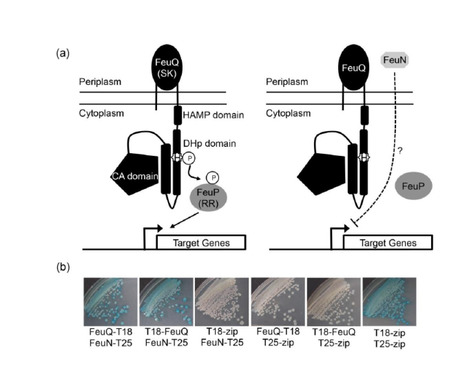
Two-component signaling systems allow bacteria to recognize and respond to diverse environmental stimuli. Auxiliary proteins can provide an additional layer of control to these systems. The Sinorhizobium meliloti FeuPQ two-component system is required for symbiotic development and is negatively regulated by the auxiliary small periplasmic protein FeuN. This study explores the mechanistic basis of this regulation. We provide evidence that FeuN directly interacts with the sensor kinase FeuQ. The isolation and characterization of an extensive set of FeuN-insensitive and FeuN-mimicking variants of FeuQ reveal specific FeuQ residues (periplasmic and intracellular) that control the transmission of FeuN-specific signaling information. Similar analysis of the FeuN protein highlights short patches of compatibly charged residues on each protein that likely engage one another, giving rise to the downstream effects on target gene expression. The accumulated evidence suggests that the periplasmic interaction between FeuN and FeuQ introduces an intracellular conformational change in FeuQ, resulting in an increase in its ability to remove phosphate from its cognate response regulator FeuP. These observations underscore the complex manner in which membrane-spanning sensor kinases interface with the extracytoplasmic environment and convert that information to changes in intracellular processes.
VanYperen RD, Orton TS, Griffitts JS. (2014). Microbiology Dec 5 [Epub ahead of print].
Elongation of the primary root during postgermination of Medicago truncatula seedlings is a multigenic trait that is responsive to exogenous nitrate. A quantitative genetic approach suggested the involvement of the nitrate transporter MtNPF6.8 (for Medicago truncatula NITRATE TRANSPORTER1/PEPTIDE TRANSPORTER Family6.8) in the inhibition of primary root elongation by high exogenous nitrate. In this study, the inhibitory effect of nitrate on primary root elongation, via inhibition of elongation of root cortical cells, was abolished in npf6.8 knockdown lines. Accordingly, we propose that MtNPF6.8 mediates nitrate inhibitory effects on primary root growth in M. truncatula. pMtNPF6.8:GUS promoter-reporter gene fusion in Agrobacterium rhizogenes-generated transgenic roots showed the expression of MtNPF6.8 in the pericycle region of primary roots and lateral roots, and in lateral root primordia and tips. MtNPF6.8 expression was insensitive to auxin and was stimulated by abscisic acid (ABA), which restored the inhibitory effect of nitrate in npf6.8 knockdown lines. It is then proposed that ABA acts downstream of MtNPF6.8 in this nitrate signaling pathway. Furthermore, MtNPF6.8 was shown to transport ABA in Xenopus spp. oocytes, suggesting an additional role of MtNPF6.8 in ABA root-to-shoot translocation. 15NO3−-influx experiments showed that only the inducible component of the low-affinity transport system was affected in npf6.8 knockdown lines. This indicates that MtNPF6.8 is a major contributor to the inducible component of the low-affinity transport system. The short-term induction by nitrate of the expression of Nitrate Reductase1 (NR1) and NR2 (genes that encode two nitrate reductase isoforms) was greatly reduced in the npf6.8 knockdown lines, supporting a role of MtNPF6.8 in the primary nitrate response in M. truncatula.
The necessity to develop economical and eco-friendly technologies is steadily increasing. Plant growth promoting rhizomicrobial strains PGPR are a group of microorganisms that actively colonize plant roots and increase plant growth and yield. Pot experiments were used to investigate the potential of some rhizobacterial strains to enhance the Brassica rapa growth. Microbial strains were successfully isolated from the rhizosphere of Panax ginseng and characterized based on its morphological and plant growth promotion characters. Surface disinfected seeds of Wisconsin Fast B. rapa were inoculated with the selected PGPR microorganisms. The different pots treatments were inoculated by its corresponding PGPR (107 cfu mL-1) and incubated in the growth chamber at 25°C and 65% RH, the light period was adjusted to 24 hours (day). NPK chemical fertilizer and trade product (EMRO, USA) of effective microorganisms as well as un-inoculated control were used for comparison. Plants harvested in 40 days were found to have significant increase in leaf chlorophyll units and plant height and also in dry weight of root and shoot in the inoculated seedlings. Root and shoot length and also leaf surface area significantly were increased by bacterial inoculation in sterile soil. The study suggests that Rhodobacter capsulatus and Azotobacter chroococcum are beneficial for B. rapa growth as they enhance growth and induced IAA production and phosphorus solubilization. This study presents some rhizomicrobial strains that significantly promoted growth of Wisconsin Fast Plant B. rapa in pot experiment under different soil conditions.
The importance and future potential of biological nitrogen-fixation is widely recognized. A further, yet unexplored and less known value of nitrogen-fixing root nodules is the presence of hundreds of plant peptides with antimicrobial activities and novel modes of action. These nodule-specific plant peptides are only produced in the Rhizobium-infected symbiotic cells where they abolish the endosymbiont’s cell division ability, transforming them to non-cultivable polyploid nitrogen-fixing cells. The symbiotic cationic peptides are able to kill a wide range of microbes, including important human pathogens. The peptides are highly stable and their interactions with multiple bacterial targets reduce the probability to develop resistance. Worldwide spreading of antibiotic resistant microbes became a major cause of mortality. Therefore there is an urgent need for novel antibiotics. The characteristics and multifaceted action of symbiotic peptides make them excellent antibiotic candidates.
The improvement of crop species has long been a goal since cultivation began thousands of years ago. To feed an ever increasing world population will require a great increase in food production. Wheat, corn, rice, potato and legumes are expected to lead as the most important crops in the world. Due to environmental fluctuations legumes are often exposed to different environmental stresses, leading to decreased yield and problems with growth and development of the legumes. The present work will cover the physiobiochemical, molecular and omic approaches and responses of legumes towards environmental stress. Contributors will be active researchers and practitioners from international institutions and organisations. The book will be a valuable and much-needed resource for plant scientists, breeders and agricultural researchers worldwide.
This study investigated the effects of root-knot nematode biocontrol agent Paecilomyces lilacinus (P. lilacinus) strain PL1210 on ammonia-oxidizing microorganisms and fungal community composition of tomato rhizosphere. The exchangeable NH4 +-N and NO3 −-N contents were lower in inoculated soils than in the control during 60 days of incubation. Real-time quantitative polymerase chain reaction (qPCR) detected stable colonization of P. lilacinus in the tomato rhizosphere and significant inhibition of ammonia-oxidizing bacteria (AOB) and archaea (AOA), which could be responsible for the decrease of NO3 −-N content in soil. PCR-denaturing gradient gel electrophoresis (DGGE) analysis demonstrated no significant difference in soil fungal community composition associated with the application of P. lilacinus as shown by Shannon–Wiener diversity index (H′) and Margalef index (D). Cluster analysis showed that the composition of rhizosphere fungal community was more significantly influenced by time-related differences than by the inoculation of biocontrol agents.
Fungi contain a remarkable range of metabolic pathways, sometimes encoded by gene clusters, enabling them to digest most organic matter and synthesize an array of potent small molecules. Although metabolism is fundamental to the fungal lifestyle, we still know little about how major evolutionary processes, such as gene duplication (GD) and horizontal gene transfer (HGT), have interacted with clustered and non-clustered fungal metabolic pathways to give rise to this metabolic versatility. We examined the synteny and evolutionary history of 247,202 fungal genes encoding enzymes that catalyze 875 distinct metabolic reactions from 130 pathways in 208 diverse genomes. We found that gene clustering varied greatly with respect to metabolic category and lineage; for example, clustered genes in Saccharomycotina yeasts were overrepresented in nucleotide metabolism, whereas clustered genes in Pezizomycotina were more common in lipid and amino acid metabolism. The effects of both GD and HGT were more pronounced in clustered genes than in their non-clustered counterparts and were differentially distributed across fungal lineages; specifically, GD, which was an order of magnitude more abundant than HGT, was most frequently observed in Agaricomycetes, whereas HGT was much more prevalent in Pezizomycotina. The effect of HGT in some Pezizomycotina was particularly strong; for example, we identified 111 HGT events associated with the 15 Aspergillus genomes, which sharply contrasts with the 60 HGT events detected for the 48 genomes from the entire Saccharomycotina subphylum. Finally, the impact of GD within a metabolic category was typically consistent across all fungal lineages, whereas the impact of HGT was variable. These results indicate that GD is the dominant process underlying fungal metabolic diversity, whereas HGT is episodic and acts in a category- or lineage-specific manner. Both processes have a greater impact on clustered genes, suggesting that metabolic gene clusters represent hotspots for the generation of fungal metabolic diversity.
Trifoliate orange [Poncirus trifoliata (L) Raf.] is considered highly arbuscular mycorrhizal (AM) dependent for growth responses through a series of signal transductions in form of various physiological responses. The proposed study was carried out to evaluate the effect of an AM fungus (Funneliformis mosseae) on growth, antioxidant enzyme (catalase, CAT; superoxide dismutase, SOD) activities, leaf relative water content (RWC), calmodulin (CaM), superoxide anion (O2•−) and hydrogen peroxide (H2O2) concentrations in leaves of the plants exposed to both well-watered (WW) and drought stress (DS) conditions. A 58-day of DS significantly decreased mycorrhizal colonization by 60% than WW. Compared to non-AM seedlings, AM seedlings displayed significantly higher shoot morphological properties (plant height, stem diameter and leaf number), biomass production (shoot and root fresh weight) and leaf RWC, regardless of soil water status. AM inoculation significantly increased CaM and soluble protein concentrations and CAT activity, and significantly decreased O2•− and H2O2 concentration under both WW and DS conditions. The AM seedlings also exhibited significantly higher Cu/Zn-SOD and Mn-SOD activities than the non-AM seedlings under DS but not under WW, which are triggered by higher CaM levels in AM plants on the basis of correlation studies. Further, the negative correlation of Cu/Zn-SOD and Mn-SOD activities with O2•− and H2O2 concentration showed the DS-induced ROS scavenging ability of CaM mediated SODs under mycorrhization. Our results demonstrated that AM-inoculation elevated the synthesis of CaM in leaves and up-regulated activities of the antioxidant enzymes, thereby, repairing the possible oxidative damage to plants by lowering the ROS accumulation under DS condition.
Hyperdiverse forests occur in the lowland tropics, whereas the most species-rich shrublands are found in regions such as south-western Australia (kwongan) and South Africa (fynbos). Despite large differences, these ecosystems share an important characteristic: their soils are strongly weathered and phosphorus (P) is a key growth-limiting nutrient. Soil-borne pathogens are increasingly being recognized as drivers of plant diversity in lowland tropical rainforests, but have received little attention in species-rich shrublands. We suggest a trade-off in which the species most proficient at acquiring P have ephemeral roots that are particularly susceptible to soil-borne pathogens. This could equalize out the differences in competitive ability among co-occurring species in these ecosystems, thus contributing to coexistence. Moreover, effective protection against soil-borne pathogens by ectomycorrhizal (ECM) fungi might explain the occurrence of monodominant stands of ECM trees and shrubs amongst otherwise species-rich communities. We identify gaps in our knowledge which need to be filled in order to evaluate a possible link between P limitation, fine root traits, soil-borne pathogens and local plant species diversity. Such a link may help to explain how numerous plant species can coexist in hyperdiverse rainforests and shrublands, and, conversely, how monodominant stands can develop in these ecosystems.
Traditional landraces of maize are cultivated throughout more than one-half of Mexico's cropland. Efforts to organize in situ conservation of this important genetic resource have been limited by the lack of knowledge of regional diversity patterns. We used recent and historic collections of maize classified for race type to determine biogeographic regions and centers of landrace diversity. We also analyzed how diversity has changed over the last sixty years. Based on racial composition of maize we found that Mexico can be divided into 11 biogeographic regions. Six of these biogeographic regions are in the center and west of the country and contain more than 90% of the reported samples for 38 of the 47 races studied; these six regions are also the most diverse. We found no evidence of rapid overall decline in landrace diversity for this period. However, several races are now less frequently reported and two regions seem to support lower diversity than in previous collection periods. Our results are consistent with a previous hypothesis for diversification centers and for migration routes of original maize populations merging in western central Mexico. We provide maps of regional diversity patterns and landrace based biogeographic regions that may guide efforts to conserve maize genetic resources.
Corn has been staple of our diet for a very long period of time. Even though the United states is the highest exporter of corn, regions like mexico have their fair share of maize production as well. Primarily to feed their own community. Mexico's geographical positioning gives it an overhand on agriculture of certain food crops in particular, maize. With different growing patterns throughout mexicos region we can see how heavily influenced its economy on food crops can be.
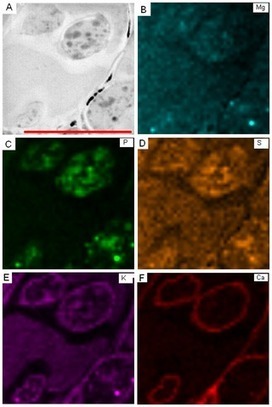
Mycorrhizas are the chief organ for plant mineral nutrient acquisition. In temperate, mixed forests, ash roots (Fraxinus excelsior) are colonized by arbuscular mycorrhizal fungi (AM) and beech roots (Fagus sylvatica) by ectomycorrhizal fungi (EcM). Knowledge on the functions of different mycorrhizal species that coexist in the same environment is scarce. The concentrations of nutrient elements in plant and fungal cells can inform on nutrient accessibility and interspecific differences of mycorrhizal life forms. Here, we hypothesized that mycorrhizal fungal species exhibit interspecific differences in mineral nutrient concentrations and that the differences correlate with the mineral nutrient concentrations of their associated root cells. Abundant mycorrhizal fungal species of mature beech and ash trees in a long-term undisturbed forest ecosystem were the EcM Lactarius subdulcis, Clavulina cristata and Cenococcum geophilum and the AM Glomus sp. Mineral nutrient subcellular localization and quantities of the mycorrhizas were analysed after non-aqueous sample preparation by electron dispersive X-ray transmission electron microscopy. Cenococcum geophilum contained the highest sulphur, Clavulina cristata the highest calcium levels, and Glomus, in which cations and P were generally high, exhibited the highest potassium levels. Lactarius subdulcis-associated root cells contained the highest phosphorus levels. The root cell concentrations of K, Mg and P were unrelated to those of the associated fungal structures, whereas S and Ca showed significant correlations between fungal and plant concentrations of those elements. Our results support profound interspecific differences for mineral nutrient acquisition among mycorrhizas formed by different fungal taxa. The lack of correlation between some plant and fungal nutrient element concentrations may reflect different retention of mineral nutrients in the fungal part of the symbiosis. High mineral concentrations, especially of potassium, in Glomus sp. suggest that the well-known influence of tree species on chemical soil properties may be related to their mycorrhizal associates.
When EM is applied to soil or plant leaf surfaces, the populations of photosynthetic bacteria and nitrogen fixing bacteria increase dramatically. The phenomenon is associated with the growth of more vigorous plants, higher plant yields and improved crop quality compared with no EM treatment. It was thought that the high number of photosynthetic bacteria and nitrogen fixing bacteria in soil and at leaf surfaces might enhance the plants photosynthetic rate and efficiency, and its nitrogen fixing capacity.
Fritz Haber ( German: ; 9 December 1868 - 29 January 1934) was a German chemist of Jewish origin who received the Nobel Prize in Chemistry in 1918 for his development for synthesizing ammonia, important for fertilizers and explosives. The food production for half the world's current population depends on this method for producing fertilizer.
Fungal invasions are increasingly recognized as a significant component of global changes, threatening ecosystem health and damaging food production. Invasive fungi also provide excellent models to evaluate the generality of results based on other eukaryotes. We first consider here the reasons why fungal invasions have long been overlooked: they tend to be inconspicuous and inappropriate methods have been used for species recognition. We then review the information available on the patterns and mechanisms of fungal invasions. We examine the biological features underlying invasion success of certain fungal species. We review population structure analyses, revealing native source populations and strengths of bottlenecks. We highlight the documented ecological and evolutionary changes in invaded regions, including adaptation to temperature, increased virulence, hybridization, shifts to clonality and association with novel hosts. We discuss how the huge census size of most fungi allows adaptation even in bottlenecked, clonal invaders. We also present new analyses of the invasion of the anther smut pathogen on white campion in North America, as a case study illustrating how an accurate knowledge of species limits and phylogeography of fungal populations can be used to decipher the origin of invasions. This case study shows that successful invasions can occur even when life-history traits are particularly unfavorable to long-distance dispersal and even with a strong bottleneck. We conclude that fungal invasions are valuable models to contribute to our view of biological invasions, in particular by providing insights into the traits as well as ecological and evolutionary processes allowing successful introductions.
Interactions between plant and soil communities are known to play an integral role in shaping ecosystems. Plants influence the composition of soil communities and soil communities in turn influence plant performance. Such a plant–soil feedback may incur selection pressure on plants and the associating soil community. However, the evolutionary consequences of these above-belowground feedback interactions remain largely speculative. Here we assess whether plant–soil feedback effects differ between intraspecific plant populations and between generations within the same plant population. We used two populations of Trifolium pratense and assessed their performance when grown in association with their home versus away soil biota. Both populations were colonized by distinct microbial communities and performed better with their own home soil communities than with the soil community from the other intraspecific population, demonstrating intraspecific positive feedback effects of home soil. In one of the two populations, we found that plant performance and the root associated microbiota community differed between parental and progeny plants when inoculated with their own home soil. Differences in root associated community characteristics could explain more than 80% of the variation in performance among the progeny and parental plants. Our results highlight that intraspecific differences in both plant and associated soil communities shape plant–soil feedback effects, and consequently indicate that plant–soil feedback can influence the direction of selection between intraspecific plant populations.
Among the land plants, legumes are unique as they establish symbiotic relationship with soil-borne, nitrogen-fixing bacteria known as rhizobia to meet their nitrogen demand. This symbiotic interaction is considered a promising component of sustainable agriculture due to its economic and ecological benefits. However, the scope of this symbiosis, which is currently limited to legumes, needs to be extended to non-legumes, in particular to economically important cereal crops, to achieve sustainable production of staple crops. This chapter explores the feasibility of transferring the symbiotic nitrogen fixing machinery to non-legume crops.
When plants colonized the land 450 million years ago, they were already associated to soil fungi, which assisted them in facilitating the uptake of mineral nutrients. This symbiotic association is known as mycorrhiza, a word that covers all the symbioses established between plants and beneficial fungi. Their presence in most environments suggests that evolution has promoted mycorrhizas because of the benefits gained by both partners. The improved nutrient status has a positive impact on the overall plant physiology, as it influences growth, water absorption and protection from root diseases. Mycorrhizal fungi instead acquire organic carbon directly from their green hosts, and accomplish their life cycle. These features are considered as landmarks of mutualistic symbioses. Owing to the huge diversity of plant and fungal taxa involved, and the multiplicity of the resulting interactions, mycorrhizas are usually classified in two broad categories, known as ecto- and endomycorrhizas, depending on whether the fungus colonizes the root’s intercellular spaces or develops inside the plant cells. The aim of this chapter is to focus on arbuscular endomycorrhizal symbiosis, which is the most ancient and common plant-fungal association, and to provide an overview that updates traditional knowledge with recent data.
To get content containing either thought or leadership enter:
To get content containing both thought and leadership enter:
To get content containing the expression thought leadership enter:
You can enter several keywords and you can refine them whenever you want. Our suggestion engine uses more signals but entering a few keywords here will rapidly give you great content to curate.


 Your new post is loading...













Very interesting