Your new post is loading...

|
Scooped by
Jean-Michel Ané
February 14, 2015 10:23 AM
|
About three-quarters of the world population rely mainly on plants and plant extracts for health care. India is rich in its biological resources and known for its valuable heritage of herbal medicinal knowledge. It possesses an extremely rich plant biodiversity which is gradually decreasing. Plants that possess therapeutic properties on the animal or plant body are generally designated as medicinal plants; with the development of microorganisms resistant to chemicals applied indiscriminately to crops, research has been done with the goal to search for alternative and safe forms of agrochemical pest control without causing any damage to environment and to humans, maintaining the crop qualitatively and quantitatively. PGPRs exhibit direct/indirect mechanisms as plant growth promoters and biological controlling agents. Direct mechanisms by PGPR include the provision of bioavailable phosphorus for plant uptake; nitrogen fixation for plant use; sequestration of iron for plant by siderophores; production of plant hormones like auxins, cytokinins, and gibberellins; and lowering plant ethylene levels using ACC deaminase that accumulates during biotic and abiotic stresses. Indirect mechanisms of PGPR include the production of antibiotics, viz., 2, 4-diacetyl phloroglucinol (DAPG), phenazine, pyoluteorin, and pyrrolnitrin against pathogenic fungi and bacteria, reduction of iron available to phytopathogens in the rhizosphere, synthesis of fungal cell wall, and insect-gut membrane lysing enzymes. The potentiality of PGPR in medicinal plants is steadily increased as it offers an attractive way to replace the use of chemical fertilizers, pesticides, and other supplements. Growth-promoting substances are likely to be produced in large quantities by these rhizosphere microorganisms that influence indirectly on the overall morphology of the plants. Recent progress in our understanding on the diversity of PGPR in the rhizosphere along with their colonization ability and mechanism of action should facilitate their application as a reliable component in the management of sustainable agricultural system. The progress to date in using the rhizosphere bacteria in a variety of applications related to medicinal plant improvement and their mechanism of action with special reference to plant growth-promoting traits are summarized and discussed in this chapter.
|
|
Scooped by
Jean-Michel Ané
February 14, 2015 10:22 AM
|
Microorganisms are the key components of the soil biodiversity. Free-living soil bacteria beneficial to plant growth, usually referred to as plant growth-promoting rhizobacteria (PGPR), are capable of promoting plant growth by colonizing the plant root. PGPR are associated with the rhizosphere, which is an important soil ecological environment and plant health for plant–microbe interactions. Symbiotic nitrogen-fixing bacteria, viz. Rhizobium, Bradyrhizobium, Azorhizobium, Allorhizobium, Sinorhizobium, and Mesorhizobium, and free-living nitrogen-fixing bacteria or associative nitrogen fixers, viz. Azospirillum, Enterobacter, Klebsiella, and Pseudomonas, have been shown to attach to the root and efficiently colonize root surfaces. PGPR have the potential to contribute to sustainable plant growth promotion. Due to increase inputs of pesticides and fertilizers, the role of these microorganisms is marginalized in conventional agricultural, leading to loss of biodiversity as well as its function. However, increased awareness in many countries, including India, is progressively leading to a development from conventional intensive agriculture to sustainable agriculture. Sustainable agriculture refers to farming systems where the use of mineral fertilizers and pesticides is restricted. These agro-ecosystems are consequently more dependent upon biological control of pests and organic fertilizers to maintain crop health and productivity. In this chapter, PGPR role has been discussed in the process of plant growth promotion, their mechanisms, and their importance in crop production on sustainable basis.
|
|
Scooped by
Jean-Michel Ané
February 13, 2015 9:35 PM
|
The leaf microbiome is influenced by both biotic and abiotic factors. Currently, we know little about the relative importance of these factors in determining microbiota composition and dynamics. To explore this issue, we collected weekly leaf samples over a 98-day growing season from multiple cultivars of common bean, soybean, and canola planted at three locations in Ontario, Canada, and performed Illumina-based microbiome analysis. We find that the leaf microbiota at the beginning of the season is very strongly influenced by the soil microbiota but, as the season progresses, it differentiates, becomes significantly less diverse, and transitions to having a greater proportion of leaf-specific taxa that are shared among all samples. A phylogenetic investigation of communities by reconstruction of unobserved states imputation of microbiome function inferred from the taxonomic data found significant differences between the soil and leaf microbiome, with a significant enrichment of motility gene categories in the former and metabolic gene categories in the latter. A network co-occurrence analysis identified two highly connected clusters as well as subclusters of putative pathogens and growth-promoting bacteria. These data reveal some of the complex ecological dynamics that occur in microbial communities over the course of a growing season and highlight the importance of community succession.
|
|
Scooped by
Jean-Michel Ané
February 13, 2015 9:32 PM
|
The coordinated transcriptomic responses of both mutualistic ectomycorrhizal (ECM) fungi and their hosts during the establishment of symbiosis are not well-understood. This study characterizes the transcriptomic alterations of the ECM fungus Laccaria bicolor during different colonization stages on two hosts (Populus trichocarpa and Pseudotsuga menziesii) and compares this to the transcriptomic variations of P. trichocarpa across the same timepoints. A large number of L. bicolor genes (≥8,000) were significantly regulated at the transcriptional level in at least one stage of colonization. From our data, we identify 1,249 genes that we hypothesize is the ‘core’ gene regulon necessary for the mutualistic interaction between L. bicolor and its host plants. We further identify a group of 1,210 genes that are regulated in a host-specific manner. This variable regulon encodes a number of genes coding for proteases and xenobiotic efflux transporters that we hypothesize act to counter chemical-based defenses simultaneously activated at the transcriptomic level in P. trichocarpa. The transcriptional response of the host plant P. trichocarpa consisted of differential waves of gene regulation related to signaling perception and transduction, defense response, and the induction of nutrient transfer in P. trichocarpa tissues. This study, therefore, gives fresh insight into the shifting transcriptomic landscape in both the colonizing fungus and its host and the different strategies employed by both partners in orchestrating a mutualistic interaction.
|
|
Scooped by
Jean-Michel Ané
February 13, 2015 9:28 PM
|
MPMI has played a leading role in disseminating new insights into plant-microbe interactions and promoting new approaches. Articles in this Focus Issue highlight the power of genomic studies in uncovering novel determinants of plant interactions with microbial symbionts (good), pathogens (bad), and complex microbial communities (unknown). Many articles also illustrate how genomics can support translational research by quickly advancing our knowledge of important microbes that have not been widely studied.
|
|
Scooped by
Jean-Michel Ané
February 13, 2015 4:16 PM
|
Many recent studies have indicated that cellular communication during plant reproduction, fungal invasion and defense involve identical or similar molecular players and mechanisms. Indeed, pollen tube invasion and sperm release shares many common features with infection of plant tissue by fungi and oomycetes, as a tip growing intruder needs to communicate with the receptive cells to gain access into a cell and tissue, respectively. Depending on the compatibility between cells, interactions may result in defense, invasion, growth support or cell death. Plant cells stimulated both by pollen tubes and fungal hyphae secrete, for example, small cysteine-rich proteins (CRPs) and receptor-like kinases are activated leading to intra-cellular signaling events such as the production of reactive oxygen species (ROS) and the generation of calcium (Ca2+) transients. The ubiquitous and versatile second messenger Ca2+ thereafter plays a central and crucial role in modulating numerous downstream signaling processes. In stimulated cells it elicits both fast and slow cellular responses depending on the shape, frequency, amplitude and duration of the Ca2+ transients. The various Ca2+ signatures are transduced into cellular information via a battery of Ca2+-binding proteins. In this review we focus on Ca2+ signaling during direct cell-cell interactions occurring in reproduction and biotrophic fungal interactions. After a brief overview about the various molecular players, we discuss Ca2+ signaling occurring during reproduction and interactions of plant cells with biotrophic filamentous microbes. The participation of Ca2+in ROS signaling pathways is also discussed.
|
|
Rescooped by
Jean-Michel Ané
from Microbe-Microbe Interactions
February 13, 2015 4:14 PM
|
1.Plant performance is influenced by root-associated bacteria that provide important services to the host plant, such as pathogen suppression. Suppression of pathogens is known to be context dependent and to vary between plant species, yet, the significance of plant identity in shaping rhizosphere bacterial functioning in multi-species communities is largely unknown.
2.We questioned whether the activity of a rhizosphere bacterium in producing biocontrol compounds varies with plant identity in a plant diversity gradient. We set up a gnotobiotic microcosm experiment with the model rhizosphere bacterium Pseudomonas protegens CHA0, an important biocontrol agent, and investigated the effects of plant identity and diversity on its production of biocontrol compounds. Using GFP-based reporter fusions, we assessed gene expression linked to the production of the biocontrol compounds 2,4-diacetylphloroglucinol, pyrrolnitrin, and hydrogen cyanide.
3.The expression of genes coding for biocontrol compounds was driven to a large extent by plant identity and persisted along the plant species richness gradient for all tested genes. Notably, the effect of certain plant identities varied between the three tested genes, indicating a selective impact of plant species on bacterial gene expression. However, some plant species, such as Lolium perenne, consistently stimulated bacterial gene expression irrespective of the diversity of the plant community.
4.Our results indicate that the presence of certain plant species within a community disproportionately impact biocontrol traits expressed by rhizosphere bacteria, providing new insight into our understanding of the patterns driving plant health and productivity.
Via Kemen Lab
|
|
Scooped by
Jean-Michel Ané
February 12, 2015 10:30 PM
|
The objective of this study is to explore the response of an activated Rhizobium tibeticum inoculum with a mixture of hesperetin (H) and apigenin (A) to improve the growth, nodulation, and nitrogen fixation of fenugreek (Trigonella foenum graecum L.) grown under nickel (Ni) stress. Three different sets of fenugreek seed treatments were conducted, in order to investigate the activated R. tibeticum pre-incubation effects on nodulation, nitrogen fixation and growth of fenugreek under Ni stress. Group (I): uninoculated seeds with R. tibeticum, group (II): inoculated seeds with uninduced R. tibeticum group (III): inoculated seeds with induced R. tibeticum. The present study revealed that Ni induced deleterious effects on rhizobial growth, nod gene expression, nodulation, phenylalanine ammonia-lyase (PAL) and glutamine synthetase activities, total flavonoids content and nitrogen fixation, while the inoculation with an activated R. tibeticum significantly improved these values compared with plants inoculated with uninduced R. tibeticum. PAL activity of roots plants inoculated with induced R. tibeticum and grown hydroponically at 75 and 100 mg L−1 Ni and was significantly increased compared with plants receiving uninduced R. tibeticum. The total number and fresh mass of nodules, nitrogenase activity of plants inoculated with induced cells grown in soil treated up to 200 mg kg−1 Ni were significantly increased compared with plants inoculated with uninduced cells. Plants inoculated with induced R. tibeticum dispalyed a significant increase in the dry mass compared with those treated with uninduced R. tibeticum. Activation of R. tibeticum inoculum with a mixture of hesperetin and apigenin has been proven to be practically important in enhancing nodule formation, nitrogen fixation and growth of fenugreek grown in Ni contaminated soils.
|
|
Scooped by
Jean-Michel Ané
February 12, 2015 3:04 PM
|
Coevolution has been defined as the reciprocal genetic change in interacting species owing to natural selection imposed by each on the other. The process of coevolution between plants and the surrounding biota – including viruses, fungi, bacteria, nematodes, insects, and mammals – is considered by many biologists to have generated much of the earth's biological diversity. While much of the discussion on plant coevolution focuses on single plant–enemy interactions, a wide array of other micro and macro coevolutive processes co-occur in the same individual plant, posing the question whether we should talk about plant coevolutions. In this review article, I begin by briefly discussing the framework of coevolution theory and explore the complexities of studying coevolution in natural conditions. Then I analyze the difference between plants, microbes and animal coevolution, by exploring the above- and below-ground behaviors.
|
|
Scooped by
Jean-Michel Ané
February 11, 2015 10:36 PM
|
It seems we’re not the only living things on earth to use a high-speed information superhighway. As detailed in a recent BBC science post online, mushrooms also have their own version. The bodies of most fungi are made up of tiny threads known as mycelium, linking roots to different plants. Thanks to this invisible interweb, a tree in your backyard is probably linked to shrubs several feet away via mycelia. But this version of the web isn’t for sharing funny cat videos or vacation photos. Through this linked fungal network, friendly plants can transfer nutrients and information to their neighbors—or destroy unwanted flora by spreading toxic chemicals through the network.
|
|
Scooped by
Jean-Michel Ané
February 11, 2015 10:31 PM
|
Competition for nutrients between plants and microbes is an important determinant for plant growth, biodiversity and carbon cycling. Perturbations such as drought affect the availability of nitrogen (N) and phosphorus (P), and may cause shifts in uptake of N and P between plants and microbes. Competitiveness for these nutrients may depend on how flexible plants and microbes are in taking up N and P. We used a novel dual isotope labelling technique (15N and 32P) to assess short-term uptake of N and P by plants and microbes affected by drought in two different plant–soil systems. Mesocosms were extracted from two grassland sites differing in soil nutrient availability and plant species. Half of the mesocosms were subjected to drought one week prior to injection of 15N (as KNO3) and 32P (as H3PO4) tracers. Uptake rates of 3NO− and P in plants and microbes were estimated based on average source pool enrichment during the labelling period and on plant and microbial recovery of 15N and 32P measured after 4 days of labelling. Overall competition for N and P was reduced with drought as less 3NO− and P was taken up in plants and microbes. However, plant uptake of 3NO− was more sensitive to drought than microbial 3NO− uptake, while microbial P uptake was more sensitive than plant P uptake. These different sensitivities to drought by plants and microbes may decouple the N and P cycle with increased drought conditions.
|
|
Scooped by
Jean-Michel Ané
February 11, 2015 4:31 PM
|
Background
Crop plants such as rice, maize and sorghum play economically-important roles as main sources of food, fuel, and animal feed. However, current genome annotations of crop plants still suffer false-positive predictions; a more comprehensive registry of alternative splicing (AS) events is also in demand. Comparative genomics of crop plants is largely unexplored.
Results
We performed a large-scale comparative analysis (ExonFinder) of the expressed sequence tag (EST) library from nine grass plants against three crop genomes (rice, maize, and sorghum) and identified 2,879 previously-unannotated exons (i.e., novel exons) in the three crops. We validated 81% of the tested exons by RT-PCR-sequencing, supporting the effectiveness of our in silico strategy. Evolutionary analysis reveals that the novel exons, comparing with their flanking annotated ones, are generally under weaker selection pressure at the protein level, but under stronger pressure at the RNA level, suggesting that most of the novel exons also represent novel alternatively spliced variants (ASVs). However, we also observed the consistency of evolutionary rates between certain novel exons and their flanking exons, which provided further evidence of their co-occurrence in the transcripts, suggesting that previously-annotated isoforms might be subject to erroneous predictions. Our validation showed that 54% of the tested genes expressed the newly-identified isoforms that contained the novel exons, rather than the previously-annotated isoforms that excluded them. The consistent results were steadily observed across cultivated (Oryza sativa and O. glaberrima) and wild (O. rufipogon and O. nivara) rice species, asserting the necessity of our curation of the crop genome annotations. Our comparative analyses also inferred the common ancestral transcriptome of grass plants and gain- and loss-of-ASV events.
Conclusions
We have reannotated the rice, maize, and sorghum genomes, and showed that evolutionary rates might serve as an indicator for determining whether the identified exons were alternatively spliced. This study not only presents an effective in silico strategy for the improvement of plant annotations, but also provides further insights into the role of AS events in the evolution and domestication of crop plants. ExonFinder and the novel exons/ASVs identified are publicly accessible at http://exonfinder.sourceforge.net/.
|
|
Scooped by
Jean-Michel Ané
February 11, 2015 12:37 PM
|
Chitin is a vital polysaccharide component of protective structures in many eukaryotic organisms but seems absent in vertebrates. Chitin or chitin oligomers are therefore prime candidates for non-self-molecules, which are recognized and degraded by the vertebrate immune system. Despite the absence of polymeric chitin in vertebrates, chitinases and chitinase-like proteins (CLPs) are well conserved in vertebrate species. In many studies, these proteins have been found to be involved in immune regulation and in mediating the degradation of chitinous external protective structures of invading pathogens. Several important aspects of chitin immunostimulation have recently been uncovered, advancing our understanding of the complex regulatory mechanisms that chitin mediates. Likewise, the last few years have seen large advances in our understanding of the mechanisms and molecular interactions of chitinases and CLPs in relation to immune response regulation. It is becoming increasingly clear that their function in this context is not exclusive to chitin producing pathogens, but includes bacterial infections and cancer signaling as well. Here we provide an overview of the immune signaling properties of chitin and other closely related biomolecules. We also review the latest literature on chitinases and CLPs of the GH18 family. Finally, we examine the existing literature on zebrafish chitinases, and propose the use of zebrafish as a versatile model to complement the existing murine models. This could especially be of benefit to the exploration of the function of chitinases in infectious diseases using high-throughput approaches and pharmaceutical interventions.
|
|
|
Scooped by
Jean-Michel Ané
February 14, 2015 10:22 AM
|
Plants are a reservoir of biologically active compounds with therapeutic properties and have been used worldwide for the treatment of various ailments. Successful cultivation of medicinal plants depends on biotic and abiotic factors which can modulate the composition of secondary metabolites and essential oil, and the use of chemical fertilizers and pesticides should be avoided. Innovative biotechnological approaches such as the use of root-associated beneficial microbes which are able to promote plant growth, nutrient uptake, and protect plants against various soilborne pathogens can help plants to adapt to a number of environmental stresses and have vital importance in medicinal plant research. In this review, we examine plant–microbe interactions with medicinal plants and their functional characteristics. We also discuss the use of plant-associated beneficial microorganisms to enhance the levels of phytochemicals.
|
|
Scooped by
Jean-Michel Ané
February 13, 2015 9:36 PM
|
Beneficial plant–fungal interactions play an important role in the ability of plants to survive changing environmental conditions. In contrast, phytopathogenic fungi fall at the opposite end of the symbiotic spectrum, causing reduced host growth or even death. In order to exploit beneficial interactions and prevent pathogenic ones, it is essential to understand the molecular differences underlying these alternative states. The association between the endophyte Epichloë festucae and Lolium perenne (perennial ryegrass) is an excellent system for studying these molecular patterns due to the existence of several fungal mutants that have an antagonistic rather than a mutualistic interaction with the host plant. By comparing gene expression in a wild-type beneficial association with three mutant antagonistic associations disrupted in key signaling genes, we identified a core set of 182 genes that show common differential expression patterns between these two states. These gene expression changes are indicative of a nutrient-starvation response, as supported by the upregulation of genes encoding degradative enzymes, transporters, and primary metabolism, and downregulation of genes encoding putative small-secreted proteins and secondary metabolism. These results suggest that disruption of a mutualistic symbiotic interaction may lead to an elevated uptake and degradation of host-derived nutrients and cell-wall components, reminiscent of phytopathogenic interactions.
|
|
Scooped by
Jean-Michel Ané
February 13, 2015 9:35 PM
|
Two strains of Pseudomonas sp., Os17 and St29, were newly isolated from the rhizosphere of rice and potato, respectively, by screening for 2,4-diacetylphloroglucinol producers. These strains were found to be the same species and were the closest to but different from Pseudomonas protegens among the sequenced pseudomonads, based on 16S ribosomal RNA gene and whole-genome analyses. Strain Os17 was as effective a biocontrol agent as reported for P. protegens Cab57, whereas strain St29 was less effective. The whole-genome sequences of these strains were obtained: the genomes are organized into a single circular chromosome with 6,885,464 bp, 63.5% G+C content, and 6,195 coding sequences for strain Os17; and with 6,833,117 bp, 63.3% G+C content, and 6,217 coding sequences for strain St29. Comparative genome analysis of these strains revealed that the complete rhizoxin analog biosynthesis gene cluster (approximately 79 kb) found in the Os17 genome was absent from the St29 genome. In an rzxB mutant, which lacks the polyketide synthase essential for the production of rhizoxin analogs, the growth inhibition activity against fungal and oomycete pathogens and the plant protection efficacy were attenuated compared with those of wild-type Os17. These findings suggest that rhizoxin analogs are important biocontrol factors of this strain.
|
|
Scooped by
Jean-Michel Ané
February 13, 2015 9:29 PM
|
|
|
Scooped by
Jean-Michel Ané
February 13, 2015 9:26 PM
|
Endophytic fungi live their whole life within host tissues usually without any visible symptoms. Their vertical transmission (seed-plant-seed) has been well described and documented. However, horizontal transmission (plant-plant) needs more clarification. The aim of this study was to assess the extent to which endophytes move vertically in ecotypes of perennial ryegrass and whether there is evidence for the horizontal transmission of endophytes. Ecotypes from grasslands in Poland were collected in the form of living plants and used for vertical transmission analysis. Plants, the seed collected from these plants and plants grown from this collected seed were tested for endophytic infection. Provided that all produced seeds were viable and able to germinate and produce seedlings, the vertical transmission of Neotyphodium endophytes in perennial ryegrass ecotypes was nearly complete. For the horizontal transmission experiment, endophyte-hosting plants (E+) and endophyte-free plants (E-) of four cultivars were planted in the field in close proximity on small plots that were frequently mown. These studies revealed that after 7 months of growth next to E+ plants, the characteristic Neotyphodium spp. mycelia were found in E- plants, which was especially true for plants growing in close proximity to the infected plants. The occurrence of horizontal transmission of endophytes has not been previously demonstrated.
|
|
Scooped by
Jean-Michel Ané
February 13, 2015 4:14 PM
|
Bacterial interactions with neighboring microorganisms via production of small metabolites enable bacteria to respond and adapt to environmental changes. The study of intercellular interactions primarily focused on soluble metabolites, but bacteria also produce and release into their headspace a wide variety of volatile secondary metabolites, the ecological roles of which have generally been overlooked. However, bacterial volatile compounds are known to contribute to interkingdom interactions (plant, fungi and nematodes), and recent studies also identified their at-a-distance influence on bacterial behavior. The present review describes the biological roles of bacterial volatile compounds in inter- and intraspecies bacterial interactions, a new and yet unexplored research area, with potential clinical and industrial applications.
|
|
Scooped by
Jean-Michel Ané
February 12, 2015 10:33 PM
|
Background
Plant growth-promoting rhizobacteria (PGPR) are soil beneficial microorganisms that colonize plant roots for nutritional purposes and accordingly benefit plants by increasing plant growth or reducing disease. However, the mechanisms and pathways involved in the interactions between PGPR and plants remain unclear. In order to better understand these complex plant-PGPR interactions, changes in the transcriptome of the typical PGPR Bacillus subtilis in response to rice seedlings were analyzed.
Results
Microarray technology was used to study the global transcriptionl response of B. subtilis OKB105 to rice seedlings after an interaction period of 2 h. A total of 176 genes representing 3.8% of the B. subtilis strain OKB105 transcriptome showed significantly altered expression levels in response to rice seedlings. Among these, 52 were upregulated, the majority of which are involved in metabolism and transport of nutrients, and stress responses, including araA, ywkA, yfls, mtlA, ydgG et al. The 124 genes that were downregulated included cheV, fliL, spmA and tua, and these are involved in chemotaxis, motility, sporulation and teichuronic acid biosynthesis, respectively.
Conclusions
We present a transcriptome analysis of the bacteria Bacillus subtilis OKB105 in response to rice seedings. Many of the 176 differentially expressed genes are likely to be involved in the interaction between Gram-positive bacteria and plants.
|
|
Scooped by
Jean-Michel Ané
February 12, 2015 10:30 PM
|
Phylogenomic analyses showed two major superclades within the family Rhizobiaceae that corresponded to the Rhizobium/Agrobacterium and Shinella/Ensifer groups. Within the Rhizobium/Agrobacterium group, four highly supported clades were evident that could correspond to distinct genera. The Shinella/Ensifer group encompassed not only the genera Shinella and Ensifer but also a separate clade containing the type strain of Rhizobium giardinii. Ensifer adhaerens (Casida AT) was an outlier within its group, separated from the rest of the Ensifer strains. The phylogenomic analysis presented provided support for the revival of Allorhizobium as a bona fide genus within the Rhizobiaceae, the distinctiveness of Agrobacterium and the recently proposed Neorhizobium genus, and suggested that R. giardinii may be transferred to a novel genus. Genomics has provided data for defining bacterial-species limits from estimates of average nucleotide identity (ANI) and in silico DNA–DNA hybridization (DDH). ANI reference values are becoming the gold standard in rhizobial taxonomy and are being used to recognize novel rhizobial lineages and species that seem to be biologically coherent, as shown in this study.
|
|
Scooped by
Jean-Michel Ané
February 12, 2015 1:05 PM
|
Acacia senegal (L) Willd. and Acacia seyal Del. are highly nitrogen-fixing and moderately salt tolerant species. In this study we focused on the genetic and genomic diversity of Acacia mesorhizobia symbionts from diverse origins in Senegal and investigated possible correlations between the genetic diversity of the strains, their soil of origin, and their tolerance to salinity. We first performed a multi-locus sequence analysis on five markers gene fragments on a collection of 47 mesorhizobia strains of A. senegal and A. seyal from 8 localities. Most of the strains (60%) clustered with the M. plurifarium type strain ORS 1032T, while the others form four new clades (MSP1 to MSP4). We sequenced and assembled seven draft genomes: four in the M. plurifarium clade (ORS3356, ORS3365, STM8773 and ORS1032T), one in MSP1 (STM8789), MSP2 (ORS3359) and MSP3 (ORS3324). The average nucleotide identities between these genomes together with the MLSA analysis reveal three new species of Mesorhizobium. A great variability of salt tolerance was found among the strains with a lack of correlation between the genetic diversity of mesorhizobia, their salt tolerance and the soils samples characteristics. A putative geographical pattern of A. senegal symbionts between the dryland north part and the center of Senegal was found, reflecting adaptations to specific local conditions such as the water regime. However, the presence of salt does not seem to be an important structuring factor of Mesorhizobium species.
|
|
Scooped by
Jean-Michel Ané
February 11, 2015 10:33 PM
|
Abstract
To understand the mechanism of plant–bacterium interaction, it is critical to enumerate epiphytic bacteria colonizing the roots of the host. We developed a new approach, based on flow cytometry, for enumerating these bacteria and used it with rice plants, 7 and 20 days after colonization with Herbaspirillum rubrisubalbicans and Azospirillum brasilense. The results were compared with those obtained with the traditional plate count method. Both methods gave similar numbers of H. rubrisubalbicans associated with rice roots (c. 109 CFU g−1). However, flow cytometry gave a number of viable cells of rice-associated A. brasilense that was approx. 10-fold greater than that obtained with the plate count method. These results suggest that the plate count method can underestimate epiphytic populations. Flow cytometry has the additional advantage that it is more precise and much faster than the plate count method.
Significance and Impact of the Study
Determination of precise number of root-associated bacteria is critical for plant–bacteria interaction studies. We developed a flow cytometry approach for counting bacteria and compared it with the plate count method. Our flow cytometry assay solves two major limitations of the plate count method, namely that requires long incubation times of up to 48 h and only determines culturable cells. This flow cytometry assay provides an efficient, precise and fast tool for enumerating epiphytic cells.
|
|
Scooped by
Jean-Michel Ané
February 11, 2015 4:33 PM
|
Background
Legumes establish with rhizobial bacteria a nitrogen-fixing symbiosis which is of the utmost importance for both plant nutrition and a sustainable agriculture. Calcium is known to act as a key intracellular messenger in the perception of symbiotic signals by both the host plant and the microbial partner. Regulation of intracellular free Ca2+ concentration, which is a fundamental prerequisite for any Ca2+-based signalling system, is accomplished by complex mechanisms including Ca2+ binding proteins acting as Ca2+ buffers. In this work we investigated the occurrence of Ca2+ binding proteins in Mesorhizobium loti, the specific symbiotic partner of the model legume Lotus japonicus.
Results
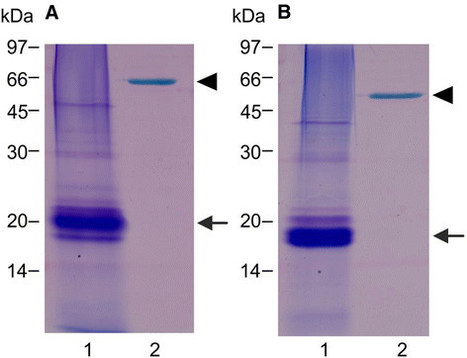
A soluble, low molecular weight protein was found to share several biochemical features with the eukaryotic Ca2+-binding proteins calsequestrin and calreticulin, such as Stains-all blue staining on SDS-PAGE, an acidic isoelectric point and a Ca2+-dependent shift of electrophoretic mobility. The protein was purified to homogeneity by an ammonium sulfate precipitation procedure followed by anion-exchange chromatography on DEAE-Cellulose and electroendosmotic preparative electrophoresis. The Ca2+ binding ability of the M. loti protein was demonstrated by 45Ca2+-overlay assays. ESI-Q-TOF MS/MS analyses of the peptides generated after digestion with either trypsin or endoproteinase AspN identified the rhizobial protein as ferredoxin II and confirmed the presence of Ca2+ adducts.
Conclusions
The present data indicate that ferredoxin II is a major Ca2+ binding protein in M. loti that may participate in Ca2+ homeostasis and suggest an evolutionarily ancient origin for protein-based Ca2+ regulatory systems.
|
|
Scooped by
Jean-Michel Ané
February 11, 2015 4:24 PM
|
While most temperate broad-leaved tree species form ectomycorrhizal (EM) symbioses, a few species have arbuscular mycorrhizas (AM). It is not known whether EM and AM tree species differ systematically with respect to fine root morphology, fine root system size and root functioning. In a species-rich temperate mixed forest, we studied the fine root morphology and biomass of three EM and three AM tree species from the genera Acer, Carpinus, Fagus, Fraxinus, and Tilia searching for principal differences between EM and AM trees. We further assessed the evidence of convergence or divergence in root traits among the six co-occurring species. Eight fine root morphological and chemical traits were investigated in root segments of the first to fourth root order in three different soil depths and the relative importance of the factors root order, tree species and soil depth for root morphology was determined. Root order was more influential than tree species while soil depth had only a small effect on root morphology All six species showed similar decreases in specific root length and specific root area from the 1st to the 4th root order, while the species patterns differed considerably in root tissue density, root N concentration, and particularly with respect to root tip abundance. Most root morphological traits were not significantly different between EM and AM species (except for specific root area that was larger in AM species), indicating that mycorrhiza type is not a key factor influencing fine root morphology in these species. The order-based root analysis detected species differences more clearly than the simple analysis of bulked fine root mass. Despite convergence in important root traits among AM and EM species, even congeneric species may differ in certain fine root morphological traits. This suggests that, in general, species identity has a larger influence on fine root morphology than mycorrhiza type.
|


 Scoop.it!