 Your new post is loading...

|
Scooped by
Jean-Michel Ané
April 30, 2015 3:33 PM
|
Mechanisms adjusting replication initiation and cell cycle progression in response to environmental conditions are crucial for microbial survival. Functional characterization of the trans-encoded small non-coding RNA (trans-sRNA) EcpR1 in the plant-symbiotic alpha-proteobacterium Sinorhizobium meliloti revealed a role of this class of riboregulators in modulation of cell cycle regulation. EcpR1 is broadly conserved in at least five families of the Rhizobiales and is predicted to form a stable structure with two defined stem-loop domains. In S. meliloti, this trans-sRNA is encoded downstream of the divK-pleD operon. ecpR1 belongs to the stringent response regulon, and its expression was induced by various stress factors and in stationary phase. Induced EcpR1 overproduction led to cell elongation and increased DNA content, while deletion of ecpR1 resulted in reduced competitiveness. Computationally predicted EcpR1 targets were enriched with cell cycle-related mRNAs. Post-transcriptional repression of the cell cycle key regulatory genes gcrA and dnaA mediated by mRNA base-pairing with the strongly conserved loop 1 of EcpR1 was experimentally confirmed by two-plasmid differential gene expression assays and compensatory changes in sRNA and mRNA. Evidence is presented for EcpR1 promoting RNase E-dependent degradation of the dnaA mRNA. We propose that EcpR1 contributes to modulation of cell cycle regulation under detrimental conditions.
|
|
Scooped by
Jean-Michel Ané
April 29, 2015 10:17 PM
|
Salinity is of great concern in arid and semiarid regions, where soil salt content is often high and precipitation is insufficient for leaching. High salinity in soil induces a strong decrease in crop yield and productivity of arable land. According to global change prediction models, salinity is expected to expand in the near future. Legumes represent the world’s second major crop of agricultural importance. These plants provide an important source of proteins for human and animal diets and they are widely used as green manure, forage, and others. In comparison with other crops, legumes represent a particular plant group thanks to their capacity to fertilize soils through the atmospheric nitrogen fixation. The symbiotic relationship between Rhizobiaceae and legumes leads to the development of root nodules, where bacteria fix the atmospheric nitrogen that the host plant incorporates as organic molecules. In general, rhizobia are more salt tolerant than their respective plant host, but the process of nodule formation is particularly sensitive to salt stress (colonization and infection are highly reduced). Under salt stress, plants face at least three major constraints: water deficit, ion toxicity, and oxidative stress. Some plants develop tolerance mechanisms to overcome it, including changes in gene expression patterns and in metabolic responses related with adaptation/tolerance (ion homeostasis, osmoprotectants, and antioxidant system). In this context, the application of new “omics” technologies in combination with traditional agronomic and physiological studies will improve the salt tolerance of symbiotic processes, and it will optimize the biological nitrogen fixation.
|
|
Scooped by
Jean-Michel Ané
April 29, 2015 10:14 PM
|
A significant decline in the content of water in soils provokes a water deficit at the plant level. In plant physiology, water deficit can be defined as the water content of a tissue or cell below the highest water content under the optimum hydrated state. The basis of the fundamental mechanism involved in stress tolerance, although intensively explored, is still matter of debate. Cell growth is the physiological process first affected as cell water content decreases when plants encounter mild water-deficit levels, followed by an inhibition of cell wall and protein biosynthesis. Although stomatal conductance and photosynthesis are affected in more intense water-deficit stages, most research efforts have focused on the study of these processes. In legume plants grown under symbiotic conditions, one of the primary effects of water deficit is a decline in the rates of symbiotic nitrogen fixation (SNF). The causes of this inhibition, which occurs even before a measurable decline in the rates of photosynthesis, have been explored in detail in the last decades, although the molecular mechanism involved are yet not fully understood. In the present chapter, we summarize our current understanding of the factors involved in the regulation of SNF in different legume species, including crops such as soybean (Glycine max), alfalfa (Medicago sativa), bean (Phaseolus vulgaris), and pea (Pisum sativum) but also model legumes like Medicago truncatula. Finally, an overview of the available resources and applications of molecular system-based approaches for understanding the complex responses of legumes to drought stress is provided.
|
|
Scooped by
Jean-Michel Ané
April 29, 2015 10:12 PM
|
Approaches for the cultivation-independent analysis of microbial communities are summarized as meta’omics, which predominantly includes metagenomic, -transcriptomic, -proteomic and -metabolomic studies. These have shown that endophytic, root-associated and soil fungal communities are strongly shaped by associated plant species. The impact of plant identity on the composition of its litter-associated fungal community remains to be disentangled from the impact of litter chemistry. The composition of the plant community also shapes the fungal community. Most strikingly, adjacent plant species may share mycorrhizal symbionts even if the plants usually have different types of mycorrhizal fungi associated with them (ectomycorrhizal, ericoid and arbuscular mycorrhizal fungi). Environmental parameters weakly explain fungal community composition globally, and their effect is inconsistent at local and regional scales. Decrease in similarity among communities with increasing distance (i.e. distance decay) has been reported from local to global scales. This pattern is only exceptionally caused by spatial dispersal limitation of fungal propagules, but mostly due to the inability of the fungi to establish at the particular locality (i.e. environmental filtering or competitive exclusion). Fungal communities usually undergo pronounced seasonal changes and also differ between consecutive years. This indicates that development of the communities is usually not solely cyclic. Meta’omic studies challenge the classical view of plant litter decomposition. They show that mycorrhizal and (previously) endophytic fungi may be involved in plant litter decomposition and only partly support the idea of a succession from an Ascomycota to a Basidiomycota-dominated community. Furthermore, vertical separation of saprotrophic and mycorrhizal species in soil and sequential degradation from easily accessible to ‘recalcitrant’ plant compounds, such as lignin, can probably not be generalized. The current models of litter decomposition may therefore have to be eventually refined for certain ecosystems and environmental conditions. To gain deeper insights into fungal ecology, a meta’omic study design is outlined which focuses on environmental processes, because fungal communities are usually taxonomically diverse, but functionally redundant. This approach would initially identify dynamics of chemical shifts in the host and/or substrate by metametabolomics. Detected shifts would be subsequently linked to microbial activity by correlation with metatranscriptomic and/or metaproteomic data. A holistic trait-based approach might finally identify factors shaping taxonomic composition in communities against the dynamics of the environmental process(es) they are involved in.
|
|
Scooped by
Jean-Michel Ané
April 29, 2015 10:10 PM
|
We have conducted the analysis of sequences of the 16S rRNA gene and intergenic 16S–23S rRNA region (ITS) of nodule bacteria of soybean which differ in growth speed and are isolated from soils of Ukraine with different growth rate intensities. As a result we have shown the similarity of strains with an intense growth rate to soybean rhizobia of group USDA 123. The studied strains, as other representatives of this group, possess increased saprophytic competence. The restriction analysis divided all sequences of the intergenic ITS region of soybean rhizobia into two ITS types: the first ITS-type includes strains with an intensive growth rate and the second ITS -type contains strains with a slow grow rate. These types also coincide with their physiological groups.
|
|
Scooped by
Jean-Michel Ané
April 28, 2015 3:09 PM
|
Myc-LCOs are newly identified symbiotic signals produced by arbuscular mycorrhizal (AM) fungi. Like rhizobial Nod factors, they are lipo-chitooligosaccharides that activate the common symbiotic signalling pathway (CSSP) in plants. To increase our limited understanding of the roles of Myc-LCOs we aimed to analyse Myc-LCO-induced transcriptional changes and their genetic control.
Whole genome RNA sequencing (RNA-seq) was performed on roots of Medicago truncatula wild-type plants, and dmi3 and nsp1 symbiotic mutants affected in nodulation and mycorrhizal signalling. Plants were treated separately with the two major types of Myc-LCOs, sulphated and nonsulphated.
Generalized linear model analysis identified 2201 differentially expressed genes and classified them according to genotype and/or treatment effects. Three genetic pathways for Myc-LCO-regulation of transcriptomic reprogramming were highlighted: DMI3- and NSP1-dependent; DMI3-dependent and NSP1-independent; and DMI3- and NSP1-independent. Comprehensive analysis revealed overlaps with previous AM studies, and highlighted certain functions, especially signalling components and transcription factors.
These data provide new insights into mycorrhizal signalling mechanisms, supporting a role for NSP1, and specialisation for NSP1-dependent and -independent pathways downstream of DMI3. Our data also indicate significant Myc-LCO-activated signalling upstream of DMI3 and/or parallel to the CSSP and some constitutive activity of the CSSP.
|
|
Scooped by
Jean-Michel Ané
April 27, 2015 11:12 PM
|
In most cases, both roots and mycorrhizal fungi are needed for plant nutrient foraging. Frequently, the colonization of roots by arbuscular mycorrhizal (AM) fungi seems to be greater in species with thick and sparsely branched roots than in species with thin and densely branched roots. Yet, whether a complementarity exists between roots and mycorrhizal fungi across these two types of root system remains unclear.
We measured traits related to nutrient foraging (root morphology, architecture and proliferation, AM colonization and extramatrical hyphal length) across 14 coexisting AM subtropical tree species following root pruning and nutrient addition treatments.
After root pruning, species with thinner roots showed more root growth, but lower mycorrhizal colonization, than species with thicker roots. Under multi-nutrient (NPK) addition, root growth increased, but mycorrhizal colonization decreased significantly, whereas no significant changes were found under nitrogen or phosphate additions. Moreover, root length proliferation was mainly achieved by altering root architecture, but not root morphology.
Thin-root species seem to forage nutrients mainly via roots, whereas thick-root species rely more on mycorrhizal fungi. In addition, the reliance on mycorrhizal fungi was reduced by nutrient additions across all species. These findings highlight complementary strategies for nutrient foraging across coexisting species with contrasting root traits.
|
|
Scooped by
Jean-Michel Ané
April 27, 2015 11:04 PM
|
Symbiotic partnerships are a major source of evolutionary innovation. They have driven rapid diversification of organisms, allowed hosts to harness new forms of energy, and radically modified Earth's nutrient cycles. The application of next-generation sequencing and advanced microscopic techniques has revealed not only the ubiquity of symbiotic partnerships, but the extent to which partnerships can become physically, genomically, and metabolically integrated (1). When and why does this integration of once free-living organisms happen?
|
|
Scooped by
Jean-Michel Ané
April 27, 2015 11:02 PM
|
Microorganisms under natural habitats live in communities and some provides benefits to plant. Further, microbes when introduced to soil as consortium and interact with a host plant, partially mimic the natural soil conditions. The current research trend has therefore oriented towards investigating the role of small microbial consortia in promoting plant growth and health against various invading pathogens. This is a paradigm shift from the original investigations involving a single microbe. In the recent past, information on various mechanisms by which microbial consortia promoted plant growth and triggered defense responses in host plants during pathogen ingress have become available. It was also unveiled that microbes in small consortia enhance the defense signaling cascades leading to enhanced transcriptional activation of several metabolic pathways. However, an additive or synergistic effect is not achieved every time a microbial consortium is used. With progress in time a sizable understanding on microbial consortium-induced plant defense responses had been reached. Further generation of information on host's responses to pathogenic challenge in the presence of diverse microbial consortia at functional level is underway. In this review, we have presented the outcomes of small microbial consortia used so far to protect crop plants from various pathogens. We have also provided possible explanations for reduction in diseases when a microbial consortium was used, compared the effects of microbes when used alone as well as in consortium, possible shortcomings for not obtaining desired outcome from the introduced consortia, and provided the rationale for development of effective microbial consortia capable of inducing enhanced systemic resistance. Finally, we have suggested some potential biotechnological applications to sustain the effect of microbe-induced defense responses in host plants.
|
|
Scooped by
Jean-Michel Ané
April 27, 2015 11:00 PM
|
We examined succession of the rhizosphere microbiota of three model plants (Arabidopsis, Medicago and Brachypodium) in compost and sand and three crops (Brassica, Pisum and Triticum) in compost alone. We used serial inoculation of 24 independent replicate microcosms over three plant generations for each plant/soil combination. Stochastic variation between replicates was surprisingly weak and by the third generation, replicate microcosms for each plant had communities that were very similar to each other but different to those of other plants or unplanted soil. Microbiota diversity remained high in compost, but declined drastically in sand, with bacterial opportunists and putative autotrophs becoming dominant. These dramatic differences indicate that many microbes cannot thrive on plant exudates alone and presumably also require carbon sources and/or nutrients from soil. Arabidopsis had the weakest influence on its microbiota and in compost replicate microcosms converged on three alternative community compositions rather than a single distinctive community. Organisms selected in rhizospheres can have positive or negative effects. Two abundant bacteria are shown to promote plant growth, but in Brassica the pathogen Olpidium brassicae came to dominate the fungal community. So plants exert strong selection on the rhizosphere microbiota but soil composition is critical to its stability. microbial succession/ plant–microbe interactions/rhizosphere microbiota/selection.
|
|
Scooped by
Jean-Michel Ané
April 26, 2015 7:18 PM
|
Mycorrhizal symbiotic plants, soil suitability, temperature, and humidity are, by general consensus, considered decisive factors in truffle production. However, experimental approaches to define the environmental conditions that stimulate formation of truffle primordia and promote their growth to maturity have been lacking. By analysis of data of many atmospheric and soil parameters collected since 2009 within a Tuber melanosporum orchard, the trends of metabolic activity, detected as CO2 production in the soil, have been identified as the most reliable parameter to indicate the ‘birth’ of the truffle primordia. They seem to be produced when mycelial activity is intense and undergoes water stress, after which it resumes. About 6–18 days after recovery of metabolic activity, we could collect primordia of T. melanosporum. Many die or develop too early and consequently rot or are eaten by insect larvae. These events occur several times during summer and autumn, those that ‘sprout’ in late summer or later grow steadily and reach maturity. Using a particular ground-penetrating radar (GPR) setup to discriminate truffles, we could identify individual truffles in the soil after they have enlarged to at least 6 mm in diameter and follow their growth in volume and diameter over time. These two instrumental methods (CO2 sensor and GPR), although yet to be improved, open new important perspectives to better understand truffle biology and manage truffle orchards to support the newly acquired demonstration of the fundamental role of host plants for the nutrient transfer to the ectomycorrhiza-mycelium-fruiting body complex of T. melanosporum.
|
|
Scooped by
Jean-Michel Ané
April 26, 2015 10:57 AM
|
Mycorrhizal fungi have occurred naturally in the soil for 450 million years. They form a close symbiotic relationship with plant roots. They are called mycorrhizae (from the Greek "mukés", meaning fungus, and "rhiza," meaning roots). However, in most soils that have been disturbed by residential construction, or intensive cropping practices with applications of fertilizers containing pesticides and other chemical products, the mycorrhizae content has considerably diminished, and has become insufficient to significantly enhance plant growth.
|
|
Scooped by
Jean-Michel Ané
April 25, 2015 6:37 PM
|
In most studies about dioecious plants, the role of arbuscular mycorrhizae (AM) and the potential sex-specific differences between the plant hosts have been overlooked. Because plant sexes frequently differ in drought tolerance and AM fungal colonization provides higher resistance to drought, we investigated whether the relation of mycorrhizal fungi with either male or female Antennaria dioica plants differs using a factorial experiment. We hypothesized that because AM usually increase growth rate and male plants usually grow larger than females, males should gain more benefit from the mycorrhizal symbiosis in terms of mineral nutrition and water supply. Because of higher demands of carbohydrates (C) in males, we expected males to allocate less C resources to the mycorrhizal fungus so that the associated fungi should benefit less of the association with males. In contrast to our initial hypothesis, the male plants, although faster growing under drought, did not gain more symbiosis-mediated benefits than did the females, and both sexes seemed to provide resources equally to their fungal symbiont. Therefore, we conclude that the two plant sexual morphs provide equal amounts of C to their fungal root symbionts and that they can gain specific benefits from the symbiosis, which, however, depend on soil water availability.
|
|
|
Scooped by
Jean-Michel Ané
April 30, 2015 3:31 PM
|
There is a growing need to characterize the effects of environmental stressors at the molecular level on model organisms with the ever increasing number and variety of anthropogenic chemical pollutants. The herbicide 2,4-dichlorophenoxyacetic acid (2,4-D), as one of the most widely applied pesticides in the world, is one such example. This herbicide is known to have non-targeted undesirable effects on humans, animals and soil microbes, but specific molecular targets at sublethal levels are unknown. In this study, we have used Rhizobium leguminosarum bv. viciae 3841 (Rlv) as a nitrogen fixing, beneficial model soil organism to characterize the effects of 2,4-D. Using metabolomics and advanced microscopy we determined specific target pathways in the Rlv metabolic network and consequent changes to its phenotype, surface ultrastructure, and physical properties during sublethal 2,4-D exposure. Auxin and 2,4-D, its structural analogue, showed common morphological changes in vitro which were similar to bacteroids isolated from plant nodules, implying that these changes are related to bacteroid differentiation required for nitrogen fixation. Rlv showed remarkable adaptation capabilities in response to the herbicide, with changes to integral pathways of cellular metabolism and the potential to assimilate 2,4-D with consequent changes to its physical and structural properties. This study identifies biomarkers of 2,4-D in Rlv and offers valuable insights into the mode-of-action of 2,4-D in soil bacteria.
|
|
Scooped by
Jean-Michel Ané
April 29, 2015 10:14 PM
|
According to global climate model predictions, environmental conditions such as temperature are going to be altered. Plants will be facing high-temperature conditions that affect their development. Within this context, it is crucial to identify the target processes that influence N2 fixation and crop production under elevated temperature conditions. As it is described in this book chapter, while N2 fixation has been well characterized under other adverse environmental conditions (drought, salinity, elevated CO2 concentration, etc.), very little is known about the effect of heat stress on nodule functioning. While there are a few reports about high-temperature effect on nodule carbohydrate and amino acid contents, there is not any study analyzing oxidative stress in those nodules. Regulation of these three factors is essential for optimized N2 fixation; thus, this is a topic that should be studied in more detail. Available information confirms that high temperature strongly affects N2 fixation and plant growth, especially when plants are exposed to temperature higher than 25 °C. High temperature decreased the growth of plants due to its negative effects not only on plants’ photosynthetic performance, but also on nodule growth and development which result in decreased nodule biomass and depletion of nodule total soluble protein content. It is also remarkable that N2 fixation has been showed to be more sensitive to high temperature than photosynthesis. In this chapter, we highlight the variability in performance of various bacterial strains and plant species under high-temperature environments, and discuss about the importance of the identification of target plants and rhizobium cultivars to form optimal symbiotic combinations that will be better adapted to predicted climate change conditions. This in turn will enable higher N2 fixation efficiency and consequently plant growth under adverse environmental conditions, including high temperature.
|
|
Scooped by
Jean-Michel Ané
April 29, 2015 10:13 PM
|
The mutualistic legume-rhizobia symbiosis that leads to nodule formation and ensuing nitrogen fixation is of great importance to soil health and agriculture sustainability. The processes of nodulation and nitrogen fixation can improve the nitrogenous content and overall structure of the rhizosphere; however, they are highly sensitive to environmental parameters, such as soil acidity. Indeed, low pH conditions can appreciably diminish the benefits associated with legumes and can decrease their biomass and yields. This is of considerable economic and agricultural importance as legume crop and pasture species are commonly grown on acidic soils. Acidic growing conditions can reduce the overall fitness of both the legume host and the rhizobia partner, in addition to directly hindering the establishment of nodule structures. This includes impairing the signal exchange between the two symbiotic partners and inhibiting their ability to express critical nodulation genes. The effect of soil acidity on legume and rhizobia growth is addressed here, with a focus on nodule development and function. Practices to help overcome limitations associated with growing legumes in low pH environments are addressed, with an emphasis on how current biotechnology and molecular genetic approaches could aid in overcoming the negative effects associated with low pH.
|
|
Scooped by
Jean-Michel Ané
April 29, 2015 10:11 PM
|
Feeding the growing world population will be a significant challenge for agricultural development in the twenty-first century. Simultaneously, global climate change will provide an additional challenge by significantly modifying the potential capability of the cultivated plants, particularly for those favoring symbiotic association with soil bacteria. Hence, the whole-plant nutritional metabolism is expected to reprogram basically to meet these climatic variables that collectively become a major concern for future agriculture. In the frame of the current and projected climate scenarios, this chapter attempts to address whether symbiotic legumes would benefit greatly from the current and projected higher levels of carbon dioxide (CO2) in the atmosphere—sometimes called the CO2 fertilization effect. On the basis of the results obtained by several researchers, nodulated legumes are projected to have a stronger response to elevated CO2 whose level is continuously rising. In sharp contrast, another group of researchers has questioned such beneficial responses by symbiotic legumes. Apparently, the experimental findings dealing with the effects of elevated CO2 on legume growth and function have revealed significant discrepancies and variability. In this chapter, we briefly outline the nature of global climate change in terms of rising atmospheric CO2 and then discuss the potential biotechnological targets for improving N2-fixing symbioses in a world of increasing CO2 level. Current interest in understanding legume responses to changing global climate makes this overview timely.
|
|
Scooped by
Jean-Michel Ané
April 29, 2015 10:10 PM
|
A mathematical model is constructed which describes the impacts of a chaotically changing environment on the frequencies and productivity of partners in the legume-rhizobia symbiosis (LRS). The most sensitive for external impacts are the adaptively prospective bacteria strains which are specific with respect to hosts and are capable for the intensive evolution towards an improved symbiotic efficiency. The increased stability of these strains in the symbiotic system may be an important factor of its evolution for the improved efficiency of partners’ interaction.
|
|
Scooped by
Jean-Michel Ané
April 27, 2015 11:15 PM
|
The root system is fundamentally important for plants to efficiently obtain nutrients and water. In contrast to the primary root system of plants, roots of monocot cereals consist almost entirely of a complex fibrous system and a mass of adventitious roots (ARs). AR formation is the process of root initiation from the stem base post-embryonically, which is tightly regulated to prevent the loss of valuable plant resources for non-essential root formation. A lack of stable and credible morphological data makes it difficult to study physiological and molecular mechanisms governing AR growth. However, comprehensive understanding of AR development should have important implications for manipulating root architecture, which contributes to both improving crop yield and optimizing agricultural land use.
|
|
Scooped by
Jean-Michel Ané
April 27, 2015 11:07 PM
|
Arbuscular mycorrhizal fungi (AMF) appear to be highly associated with arsenic (As) uptake in host plants because arsenate (As(V)) and phosphorus (P) share the same transporter, whereby AMF can enhance P uptake. A short-term experiment was conducted for low- (0 to 0.05 mM As) and high-affinity (0 to 2.5 mM As) uptake systems, to investigate the AMF role on As uptake mechanism in plants, which may explain As uptake kinetics in upland rice cultivar: Zhonghan 221. When concentration of As ranged from 0 to 0.05 mM, Funneliformis geosporum (Fg) significantly decreased arsenite (As(III)) and monomethylarsonicacid (MMA) uptake when (p<0.05) compared to non-mycorrhizal (NM) treatment, since the major route for (As(III)) in rice roots – rice silicon transporter Lsi1 would be influenced by Fg inoculation at high As concentrations. Fg can also reduce As(V) uptake significantly (p<0.05) under both uptake systems relative to NM treatment, whereas, Funneliformis mosseae (Fm) increased As(V) and MMA uptake in rice roots, with MMA uptake rate generally lower than As(III) and As(V). Using suitable AMF species inoculation with rice, As uptake and accumulation in rice grains can be reduced and the risk to human health, once consumed, can be minimized.
|
|
Scooped by
Jean-Michel Ané
April 27, 2015 11:04 PM
|
In this study, a bacterial strain able to use sulcotrione, a β-triketone herbicide, as sole source of carbon and energy was isolated from soil samples previously treated with this herbicide. Phylogenetic study based on16S rRNA gene sequence showed that the isolate has 100 % of similarity with several Bradyrhizobium and was accordingly designated as Bradyrhizobium sp. SR1. Plasmid profiling revealed the presence of a large plasmid (>50 kb) in SR1 not cured under nonselective conditions. Its transfer to Escherichia coli by electroporation failed to induce β-triketone degrading capacity, suggesting that degrading genes possibly located on this plasmid cannot be expressed in E. coli or that they are not plasmid borne. The evaluation of the SR1 ability to degrade various synthetic (mesotrione and tembotrione) and natural (leptospermone) triketones showed that this strain was also able to degrade mesotrione. Although SR1 was able to entirely dissipate both herbicides, degradation rate of sulcotrione was ten times higher than that of mesotrione, showing a greater affinity of degrading-enzyme system to sulcotrione. Degradation pathway of sulcotrione involved the formation of 2-chloro-4-mesylbenzoic acid (CMBA), previously identified in sulcotrione degradation, and of a new metabolite identified as hydroxy-sulcotrione. Mesotrione degradation pathway leads to the accumulation of 4-methylsulfonyl-2-nitrobenzoic acid (MNBA) and 2-amino-4 methylsulfonylbenzoic acid (AMBA), two well-known metabolites of this herbicide. Along with the dissipation of β-triketones, one could observe the decrease in 4-hydroxyphenylpyruvate dioxygenase (HPPD) inhibition, indicating that toxicity was due to parent molecules, and not to the formed metabolites. This is the first report of the isolation of bacterial strain able to transform two β-triketones.
|
|
Scooped by
Jean-Michel Ané
April 27, 2015 11:02 PM
|
Many obligate symbiotic fungi are difficult to maintain in culture, and there is a growing need for alternative approaches to obtaining tissue and subsequent genomic assemblies from such species. In this study, the genome of Elaphomyces granulatus was sequenced from sporocarp tissue. The genome assembly remains on many contigs, but gene space is estimated to be mostly complete. Phylogenetic analyses revealed that the Elaphomyces lineage is most closely related to Talaromyces and Trichocomaceae s.s. The genome of E. granulatus is reduced in carbohydrate-active enzymes, despite a large expansion in genome size, both of which are consistent with what is seen in Tuber melanosporum, the other sequenced ectomycorrhizal ascomycete. A large number of transposable elements are predicted in the E. granulatus genome, especially Gypsy-like long terminal repeats, and there has also been an expansion in helicases. The metagenome is a complex community dominated by bacteria in Bradyrhizobiaceae, and there is evidence to suggest that the community may be reduced in functional capacity as estimated by KEGG pathways. Through the sequencing of sporocarp tissue, this study has provided insights into Elaphomyces phylogenetics, genomics, metagenomics and the evolution of the ectomycorrhizal association.
|
|
Scooped by
Jean-Michel Ané
April 27, 2015 10:59 PM
|
Elemental stoichiometry constitutes an inherent link between biogeochemistry and the structure and processes within food webs, and thus is at the core of ecosystem functioning. Stoichiometry allows for spanning different levels of biological organization, from cellular metabolism to ecosystem structure and nutrient cycling, and is therefore particularly useful for establishing links between different ecosystem compartments. We review elemental carbon : nitrogen : phosphorus (C:N:P) ratios in terrestrial ecosystems (from vegetation, leaf litter, woody debris, and dead roots, to soil microbes and organic matter). While the stoichiometry of the plant, litter, and soil compartments of ecosystems is well understood, heterotrophic microbial communities, which dominate the soil food web and drive nutrient cycling, have received increasing interest in recent years.
This review highlights the effects of resource stoichiometry on soil microorganisms and decomposition, specifically on the structure and function of heterotrophic microbial communities and suggests several general patterns. First, latitudinal gradients of soil and litter stoichiometry are reflected in microbial community structure and function. Second, resource stoichiometry may cause changes in microbial interactions and community dynamics that lead to feedbacks in nutrient availability. Third, global change alters the C:N, C:P, and N:P ratios of primary producers, with repercussions for microbial decomposer communities and critical ecosystem services such as soil fertility. We argue that ecological stoichiometry provides a framework to analyze and predict such global change effects at various scales.
|
|
Scooped by
Jean-Michel Ané
April 26, 2015 11:48 AM
|
A few astute readers asked why there is no phosphorus in the lawn fertilizer they bought this year. Of course, my retort was, “Why are you buying lawn fertilizer this time of year as you can’t possibly know if you lawn needs it!?” Still, it is a good question.
You may remember that all fertilizers have three numbers listed on their labels. These “NPK” numbers represent nitrogen, phosphorus and potassium, the major essential elements required for plant growth. The higher the number, the more of the element in the fertilizer. Under some conditions, such as those that prevail in the middle parts of this country, phosphorus from fertilizers and manures runs into waters and causes eutrophication, those massive algae blooms that turn water bodies ugly green and anaerobic.
|
|
Scooped by
Jean-Michel Ané
April 25, 2015 6:39 PM
|
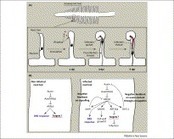
Legumes can enter into a mutualistic relationship with nitrogen-fixing rhizobacteria. A recent study by A. Breakspear et al. sheds new light on the mechanisms involved in rhizobial infection of their host root hair during symbiosis establishment and reveals a new role for auxin signaling in this process.
|









Wow... very nice work!