Your new post is loading...

|
Scooped by
Jean-Michel Ané
December 4, 2015 10:46 AM
|
Improvements in nitrogen use efficiency in crop production are critical for addressing the triple challenges of food security, environmental degradation and climate change. Such improvements are conditional not only on technological innovation, but also on socio-economic factors that are at present poorly understood. Here we examine historical patterns of agricultural nitrogen-use efficiency and find a broad range of national approaches to agricultural development and related pollution. We analyse examples of nitrogen use and propose targets, by geographic region and crop type, to meet the 2050 global food demand projected by the Food and Agriculture Organization while also meeting the Sustainable Development Goals pertaining to agriculture recently adopted by the United Nations General Assembly. Furthermore, we discuss socio-economic policies and technological innovations that may help achieve them.
|
|
Scooped by
Jean-Michel Ané
December 4, 2015 10:40 AM
|
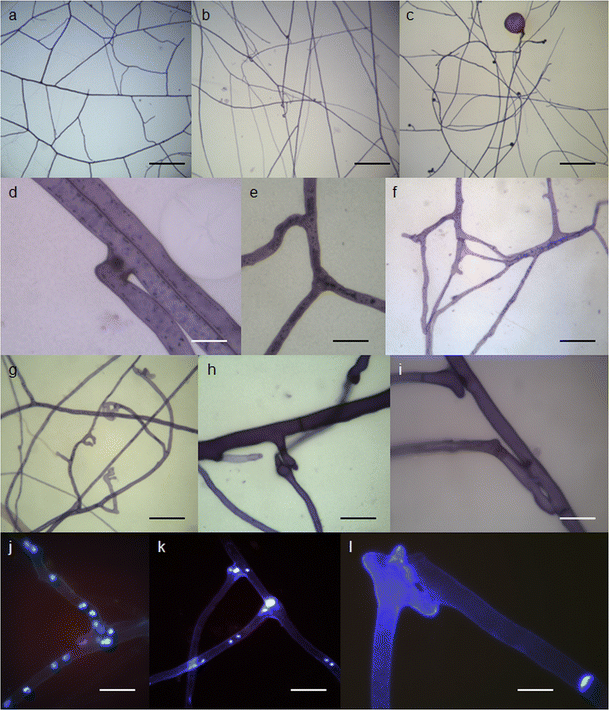
Arbuscular mycorrhizal fungi (AMF) live in symbiosis with most plant species and produce underground extraradical hyphal networks functional in the uptake and translocation of mineral nutrients from the soil to host plants. This work investigated whether fungal genotype can affect patterns of interconnections and structural traits of extraradical mycelium (ERM), by comparing three Glomeraceae species growing in symbiosis with five plant hosts. An isolate of Funneliformis coronatus consistently showed low ability to form interconnected ERM and self-incompatibility that represented up to 21 % of hyphal contacts. The frequency of post-fusion self-incompatible interactions, never detected before in AMF extraradical networks, was 8.9 %. In F. coronatus ERM, the percentage of hyphal contacts leading to perfect hyphal fusions was 1.2–7.7, while it ranged from 25.8–48 to 35.6–53.6 in Rhizophagus intraradices and Funneliformis mosseae, respectively. Low interconnectedness of F. coronatus ERM resulted also from a very high number of non-interacting contacts (83.2 %). Such findings show that AMF genotypes in Glomeraceae can differ significantly in anastomosis behaviour and that ERM interconnectedness is modulated by the fungal symbiont, as F. coronatus consistently formed poorly interconnected networks when growing in symbiosis with five different host plants and in the asymbiotic stage. Structural traits, such as extent, density and hyphal self-compatibility/incompatibility, may represent key factors for the differential performance of AMF, by affecting fungal absorbing surface and foraging ability and thus nutrient flow from soil to host roots.
|
|
Scooped by
Jean-Michel Ané
December 3, 2015 11:42 PM
|
Here is a fun recent article by Vilanova et al. on the coffee machine bacteriome (open access in Nature’s Scientific Reports) that made me wonder why didn’t we think of doing this. In this study, the authors sampled the inner drip tray (below the capsule container) of nine different Nespresso capsule coffee machines. They found that Enterococcus sp. and Pseudomonas sp. were abundant in most of the machines (Figure 1). Other frequent genera were Stenotrophomonas, Sphingobacterium, Acinetobacter and, to a lesser extent, Coprococcus, Paenibacillus or Agrobacterium. The presence of Pseudomonas spp. in these coffee makers is interesting (and potentially useful) because they are known to be able to degrade caffeine.
|
|
Scooped by
Jean-Michel Ané
December 3, 2015 5:05 PM
|
It's easy to think of plants as passive features of their environments, doing as the land prescribes, serving as a backdrop to the bustling animal kingdom.
But what if the ecosystems of the world take their various forms because plant "decisions" make them that way? A new theory presented by Princeton University researchers in the journal Nature Plants suggests that in some cases that may be exactly what happens. In one of the first global theories of land-biome evolution, the researchers write that plants may actively behave in ways that not only benefit themselves but also determine the productivity and composition of their environs.
|
|
Scooped by
Jean-Michel Ané
December 3, 2015 5:01 PM
|
Synthetic Biology Open Language (SBOL) Visual is a graphical standard for genetic engineering. It consists of symbols representing DNA subsequences, including regulatory elements and DNA assembly features. These symbols can be used to draw illustrations for communication and instruction, and as image assets for computer-aided design. SBOL Visual is a community standard, freely available for personal, academic, and commercial use (Creative Commons CC0 license). We provide prototypical symbol images that have been used in scientific publications and software tools. We encourage users to use and modify them freely, and to join the SBOL Visual community: http://www.sbolstandard.org/visual.
|
|
Scooped by
Jean-Michel Ané
December 3, 2015 4:52 PM
|
While the biochemical function of calcium and calmodulin-dependent protein kinase (CCaMK) is well studied, and plants impaired in the expression of CCaMK are known not to be infected by arbuscular mycorrhizal fungi (AMF) in glasshouse studies, the whole-plant and ecological consequences of CCaMK silencing are not well understood. Here we show that three independently transformed lines of Nicotiana attenuata plants silenced in CCaMK (irCCaMK) are neither infected by Rhizophagus irregularis in the glasshouse nor by native fungal inoculum in the field. The overall fungal community of field-grown roots did not differ significantly among empty vector (EV) and the transgenic lines, and the bacterial communities only showed minor differences, as revealed by the alpha-diversity parameters of bacterial OTUs, which were higher in EV plants compared with two of the three transformed lines, while beta-diversity parameters did not differ. Furthermore, growth and fitness parameters were similar in the glasshouse and field. Herbivory-inducible and basal levels of salicylic acid, jasmonic acid and abscisic acid did not differ among the genotypes, suggesting that activation of the classical defence pathways are not affected by CCaMK silencing. Based on these results, we conclude that silencing of CCaMK has few, if any, non-target effects.
Large-scale cultivation and genome sequencing of the bacteria that inhabit the leaves and roots of Arabidopsis plants have paved the way for probing how microbial communities assemble and function.
Vast networks of microorganisms live in our soils, seas and bodies. These microbiomes also develop in intimate association with plants, in which they can enhance nutrient uptake, growth and tolerance to pathogens, pests and environmental stresses. Recognition of the fundamental role of microbes in the health of plants and animals, and the centrality of microbes in many ecological processes, has led to recent proposals for international1 and US-based2 microbiome initiatives. These proposals have highlighted a key need to develop collections of cultured organisms for experimental enquiry into the function and assembly of native communities1. In a paper online in Nature, Bai et al.3 describe genome-sequenced bacterial culture collections that represent most of the species in native root- and leaf-associated microbiomes of Arabidopsis thaliana plants. They show that these collections can be used to reproducibly establish communities that resemble those found naturally on wild plants.
High-throughput genomic sequencing is enabling the characterization of microbiome profiles based on nucleic-acid signatures and the total gene content of a community (metagenomics). The breadth and depth of this profiling is increasing with the affordability of sequencing. Because this approach does not require the microorganisms to be cultivated, it has transformed our understanding of the taxonomic composition and gene content of animal- and plant-associated microbiomes. For example, cultivation-independent profiling of the root microbiota of the model flowering plant Arabidopsis has highlighted compositional consistencies not only across soils from multiple continents4, 5, suggesting that these microbiomes share common assembly processes, but also across multiple Arabidopsis lineages6, suggesting their evolutionary conservation.
However, uncovering the microbiome assembly mechanisms requires the ability to manipulate microbial communities, including engineering and perturbing synthetic communities. Thus, experimental enquiry into microbiomes requires more than sequence data — it needs microbial cultures (Fig. 1).
Via Francis Martin
|
|
Scooped by
Jean-Michel Ané
December 3, 2015 1:58 PM
|
Transcriptional reprogramming plays a significant role in governing plant responses to pathogens. The underlying regulatory networks are complex and dynamic, responding to numerous input signals. Most network modelling studies to date have used large-scale expression data sets from public repositories but defence network models with predictive ability have also been inferred from single time series data sets, and sophisticated biological insights generated from focused experiments containing multiple network perturbations. Using multiple network inference methods, or combining network inference with additional data, such as promoter motifs, can enhance the ability of the model to predict gene function or regulatory relationships. Network topology can highlight key signaling components and provides a systems level understanding of plant defence.
|
|
Scooped by
Jean-Michel Ané
December 3, 2015 1:33 PM
|
The present study addresses the question whether heavy metal (HM) tolerance of host plants determines how arbuscular mycorrhizal (AM) symbiosis affects their response to increasing HM stress. Two clones of the pseudometallophyte Agrostis capillaris, one originating from a HM-contaminated site (PH) and one from an uncontaminated site (NC), were grown along a gradient of polymetallic contamination and either inoculated or not with an HM-tolerant AM fungal strain of Rhizophagus irregularis.
Plant growth and chlorophyll concentrations decreased with rising substrate contamination much more in the NC clone. This HM-sensitive clone also accumulated significantly more Pb, Cd, Zn and Cu in its shoots when grown in the contaminated substrates. Contrary to our hypothesis, these marked inter-clonal differences little affected the outcome of the interaction of A. capillaris with AM fungi along the contamination gradient. Inoculated plants showed generally higher chlorophyll concentrations and a lower carotenoids/chlorophyll ratio. The rise in the chlorophyll a/b ratio due to the AM inoculation in the most contaminated substrate indicated a role of AM fungi in the alleviation of intense HM-induced oxidative stress. The AM inoculation also increased plant P concentrations, especially in the roots, but this influence diminished with rising contamination. These promotional effects of the AM inoculation were, however, not reflected in plant growth, and inoculated plants showed unchanged or even reduced shoot dry weight. The impact of AM fungi on HM uptake and root-to-shoot translocation depended on the contamination level, clone and particular metal, without any significant effect recorded in the contaminated substrates for Pb, which was the main contaminant. In spite of evidencing certain positive effects of AM fungi on the physiological state of their hosts, our data provide little support for AM inoculation as an economically feasible strategy for A. capillaris-based revegetation of HM-contaminated sites.
|
|
Scooped by
Jean-Michel Ané
December 3, 2015 1:30 PM
|
This study tested the hypothesis that inoculation of soybean (Glycine max Merr.) with a Bradyrhizobium japonicum strain (USDA110) with greater N2 fixation rates would enhance soybean response to elevated [CO2]. In field experiments at the Soybean Free Air CO2 Enrichment facility, inoculation of soybean with USDA110 increased nodule occupancy from 5% in native soil to 54% in elevated [CO2] and 34% at ambient [CO2]. Despite this success, inoculation with USDA110 did not result in greater photosynthesis, growth or seed yield at ambient or elevated [CO2] in the field, presumably due to competition from native rhizobia. In a growth chamber experiment designed to study the effects of inoculation in the absence of competition, inoculation with USDA110 in sterilized soil resulted in nodule occupation of >90%, significantly greater 15N2 fixation, photosynthetic capacity, leaf N and total plant biomass compared with plants grown with native soil bacteria. However, there was no interaction of rhizobium fertilization with elevated [CO2]; inoculation with USDA110 was equally beneficial at ambient and elevated [CO2]. These results suggest that selected rhizobia could potentially stimulate soybean yield in soils with little or no history of prior soybean production, but that better quality rhizobia do not enhance soybean responses to elevated [CO2].
|
|
Scooped by
Jean-Michel Ané
December 2, 2015 1:25 AM
|
BLOOMING PRAIRIE, Minn. — The prevent plant year of 2013 was a turning point for Brad Hagen.
The New Richland farmer had planted continuous corn for five years prior, and that year Mother Nature disrupted his routine.
He started reading and researching alternatives. Through his homework, he discovered that by growing one crop, his soil was losing mycorrhizae fungi and instead bacteria were becoming predominant. Soil needs both bacteria and fungi to be productive and the most highly productive soils have a fungi-to-bacteria ratio of near 1:1. Mycorrhizae fungi, in particular, make nutrients more available to plants, Hagen said.
Since 2013, he has incorporated cover crops into the rotation, which includes corn, soybeans, sweet corn, peas and cereal rye. He planted about 1,000 acres of cover crops this year.
|
|
Scooped by
Jean-Michel Ané
December 2, 2015 1:14 AM
|
Inoculation with a mercury (Hg)-resistant Bradyrhizobium canariense strain (L7AH) confers on Lupinus albus the ability to grow under high concentrations of Hg and to accumulate this heavy metal. To elucidate the mechanism/s implicated in the acquisition of this tolerance, lupins were inoculated with resistant (L7AH) and sensitive (L3) strains and fed with different Hg solutions (0–200 μM HgCl2). Mercury application resulted in cellular alterations in leaves and nodules, depending on the strain inoculated. Mesophyll cell chloroplasts from L7AH-inoculated plants treated with Hg showed similar structure to those in control plants, while those of L3-inoculated plants treated with Hg showed a large increase in the number and size of starch granules. This resulted in a large increase in chloroplast and cell size which produced altered grana distribution with a totally disorganized thylakoid structure and clear signs of degradation. The preservation of the distribution and morphology of chloroplasts in L7AH-inoculated plants may be a reason why the photosynthetic efficiency remained unchanged even after treatment with 200 μM of Hg. Mercury exposure produced changes in L3-infected nodule ultrastructure, with evident signs of degradation, especially in bacteroids. However, only slight alterations of nodule morphology were noticed in L7AH-infected nodules. X-ray microanalysis showed that, while Hg was present in the nodules formed by L3, in both cortex and infected zone, in those formed by L7AH only low levels of Hg in the outermost layers of the cortex were detected. The exclusion of Hg from the infected zone together with the conservation of the symbiosome structure in nodules from L7AH-inoculated plants may explain the maintenance of nitrogenase activity.
|
|
Scooped by
Jean-Michel Ané
December 2, 2015 1:12 AM
|
Caryolanes are known as typical plant-derived sesquiterpenes. Here we describe the isolation and full structure elucidation of three caryolanes, bacaryolane A–C (1–3), that are produced by a bacterial endophyte (Streptomyces sp. JMRC:ST027706) of the mangrove plant Bruguiera gymnorrhiza. By 2D NMR, analysis of the first X-ray crystallographic data of a caryolane (bacaryolane C), CD spectroscopy, and comparison with data for plant-derived caryolanes, we rigorously established the absolute configuration of the bacaryolanes and related compounds from bacteria. Bacterial caryolanes appear as the mirror images of typical plant caryolanes. Apparently plant and bacteria harbor stereodivergent biosynthetic pathways, which may be used as metabolic signatures. The discovery of plant-like volatile terpenes in endophytes not only is an important addition to the bacterial terpenome but may also point to complex molecular interactions in the plant–microbe association.
|
|
|
Scooped by
Jean-Michel Ané
December 4, 2015 10:41 AM
|
This paper reviews the importance of AM symbiosis in alleviating plant stress under unfavourable environmental conditions, making emphasis on the role of strigolactones. A better understanding of the mechanisms that regulate this beneficial association will increase its potential use as an innovative and sustainable strategy in modern agriculture.
Plants are very dynamic systems with a great capacity for adaptation to a constantly changing environment. This phenotypic plasticity is particularly advantageous in areas damaged or subjected to intensive agriculture. Nowadays, global crop production systems are intensifying the impact on natural resources, such as water availability. Therefore, there is an urgent need to find more sustainable alternatives. One of the plant strategies to improve phenotypic plasticity is to establish mutualistic beneficial associations with soil microorganisms, such as the arbuscular mycorrhizal (AM) fungi. The establishment of AM symbiosis requires a complex network of interconnected signalling pathways, in which phytohormones play a key role. Strigolactones (SLs) are plant hormones acting as modulators of the coordinated development under nutrient shortage. SLs also act as host detection signals for AM fungi, favouring symbiosis establishment. In this review, current knowledge on the effect of water-related stresses, such as drought and salinity, in AM symbiosis and in SL production is discussed. Likewise, how the symbiosis helps the host plant to alleviate stress symptoms is also reviewed. Finally, we highlight how interactions between hormonal signalling pathways modulate all these responses, especially in the cross-talk between SLs and abscisic acid (ABA). Understanding the intricate mechanisms that regulate the establishment of AM symbiosis and the plant responses under unfavourable conditions will contribute to implement the use of AM fungi as bioprotective agents against these stresses.
|
|
Scooped by
Jean-Michel Ané
December 4, 2015 10:38 AM
|
There is a scholarship opportunity for students from abroad to join the Rillig lab for work on the general topic: Ecology in agroecosystems, mycorrhiza, plant-fungal soil interactions. We will also consider applications that deal with microbiome engineering in an agroecosystem context.
Funding comes from the DAAD Graduate School Scholarship Program. The receiving doctoral program at Freie Universität is ‘Plant Sciences’.
Starting date is October 2015; the deadline for applications is December 15, 2015. Please contact Matthias Rillig for discussion of potential topics.
The full announcement, eligibility criteria, and decription of materials to submit is located here.
|
|
Scooped by
Jean-Michel Ané
December 3, 2015 5:07 PM
|
Dinitrogen fixation by plants (in symbiosis with root bacteria) is a major source of new nitrogen for land ecosystems1. A long-standing puzzle2 is that trees capable of nitrogen fixation are abundant in nitrogen-rich tropical forests, but absent or restricted to early successional stages in nitrogen-poor extra-tropical forests. This biome-scale pattern presents an evolutionary paradox3, given that the physiological cost4 of nitrogen fixation predicts the opposite pattern: fixers should be out-competed by non-fixers in nitrogen-rich conditions, but competitively superior in nitrogen-poor soils. Here we evaluate whether this paradox can be explained by the existence of different fixation strategies in tropical versus extra-tropical trees: facultative fixers (capable of downregulating fixation5,6 by sanctioning mutualistic bacteria7) are common in the tropics, whereas obligate fixers (less able to downregulate fixation) dominate at higher latitudes. Using a game-theoretic approach, we assess the ecological and evolutionary conditions under which these fixation strategies emerge, and examine their dependence on climate-driven differences in the nitrogen cycle. We show that in the tropics, transient soil nitrogen deficits following disturbance and rapid tree growth favour a facultative strategy and the coexistence of fixers and non-fixers. In contrast, sustained nitrogen deficits following disturbance in extra-tropical forests favour an obligate fixation strategy, and cause fixers to be excluded in late successional stages. We conclude that biome-scale differences in the abundance of nitrogen fixers can be explained by the interaction between individual plant strategies and climatic constraints on the nitrogen cycle over evolutionary time.
|
|
Scooped by
Jean-Michel Ané
December 3, 2015 5:02 PM
|
Arbuscular Mycorrhizal Fungi (AMF) live in symbiosis with most crop plants and represent essential elements of soil fertility and plant nutrition and productivity, facilitating soil mineral nutrient uptake and protecting plants from biotic and abiotic stresses. These beneficial services may be mediated by the dense and active spore-associated bacterial communities, which sustain diverse functions, such as the promotion of mycorrhizal activity, biological control of soilborne diseases, nitrogen fixation, and the supply of nutrients and growth factors. In this work, we utilised culture-dependent methods to isolate and functionally characterize the microbiota strictly associated to Rhizophagus intraradices spores, and molecularly identified the strains with best potential plant growth promoting (PGP) activities by 16S rDNA sequence analysis. We isolated in pure culture 374 bacterial strains belonging to different functional groups – actinobacteria, spore-forming, chitinolytic and N2-fixing bacteria – and screened 122 strains for their potential PGP activities. The most common PGP trait was represented by P solubilization from phytate (69.7%), followed by siderophore production (65.6%), mineral P solubilization (49.2%) and IAA production (42.6%). About 76% of actinobacteria and 65% of chitinolytic bacteria displayed multiple PGP activities. Nineteen strains with best potential PGP activities, assigned to Sinorhizobium meliloti, Streptomyces spp., Arthrobacter phenanthrenivorans, Nocardiodes albus, Bacillus sp. pumilus group, Fictibacillus barbaricus and Lysinibacillus fusiformis, showed the ability to produce IAA and siderophores and to solubilize P from mineral phosphate and phytate, representing suitable candidates as biocontrol agents, biofertilisers and bioenhancers, in the perspective of targeted management of beneficial symbionts and their associated bacteria in sustainable food production systems.
|
|
Scooped by
Jean-Michel Ané
December 3, 2015 4:56 PM
|
The rhizosphere is the infection court where soil-borne pathogens establish a parasitic relationship with the plant. To infect root tissue, pathogens have to compete with members of the rhizosphere microbiome for available nutrients and microsites. In disease-suppressive soils, pathogens are strongly restricted in growth by the activities of specific rhizosphere microorganisms. Here, we sequenced metagenomic DNA and RNA of the rhizosphere microbiome of sugar beet seedlings grown in a soil suppressive to the fungal pathogen Rhizoctonia solani. rRNA-based analyses showed that Oxalobacteraceae, Burkholderiaceae, Sphingobacteriaceae and Sphingomonadaceae were significantly more abundant in the rhizosphere upon fungal invasion. Metatranscriptomics revealed that stress-related genes (ppGpp metabolism and oxidative stress) were upregulated in these bacterial families. We postulate that the invading pathogenic fungus induces, directly or via the plant, stress responses in the rhizobacterial community that lead to shifts in microbiome composition and to activation of antagonistic traits that restrict pathogen infection.
Roots and leaves of healthy plants host taxonomically structured bacterial assemblies, and members of these communities contribute to plant growth and health. We established Arabidopsis leaf- and root-derived microbiota culture collections representing the majority of bacterial species that are reproducibly detectable by culture-independent community sequencing. We found an extensive taxonomic overlap between the leaf and root microbiota. Genome drafts of 400 isolates revealed a large overlap of genome-encoded functional capabilities between leaf- and root-derived bacteria with few significant differences at the level of individual functional categories. Using defined bacterial communities and a gnotobiotic Arabidopsis plant system we show that the isolates form assemblies resembling natural microbiota on their cognate host organs, but are also capable of ectopic leaf or root colonization. While this raises the possibility of reciprocal relocation between root and leaf microbiota members, genome information and recolonization experiments also provide evidence for microbiota specialization to their respective niche.
Via Francis Martin
|
|
Scooped by
Jean-Michel Ané
December 3, 2015 2:01 PM
|
No organism is an island - a fact that also applies to plants. Healthy plants host complex microbial communities comprising over 100 bacterial species which presumably play important roles in plant growth and health. Plants allow access only to a select community of bacteria, designated the plant microbiota, that originate mainly from a vast diversity of microorganisms present in natural soil. Researchers from the Max Planck Institute for Plant Breeding Research in Cologne together with scientists in Switzerland cultivated over half of the bacteria found on and in the leaves and roots of the model plant Arabidopsis thaliana (thale cress). Using this representative collection of over 400 bacterial strains in pure culture, the researchers can now reconstitute any microbial community in the leaves and roots of Arabidopsis under laboratory settings. This development marks the beginning of a new era in plant-microbe ecology using defined microbiota.
|
|
Scooped by
Jean-Michel Ané
December 3, 2015 1:33 PM
|
Cassia italica Mill is an important medicinal plant within the family Fabaceae. Pot experiment was conducted to evaluate cadmium stress induced changes in physiological and biochemical attributes in C. italica with and without arbuscular mycorrhizal fungi (AMF). Cadmium stressed plant showed reduced chlorophyll pigment and protein content while AMF inoculation enhanced the chlorophyll and protein content considerably. AMF also ameliorated the cadmium stress induced reduction in total chlorophyll and protein contents by 19.30% and 38.29%, respectively. Cadmium stress enhanced lipid peroxidation while AMF inoculation reduced lipid peroxidation considerably. Increase in proline and phenol content was observed due to cadmium stress and AMF inoculation caused a further increase in proline and phenol content ensuring better growth under stressed conditions. AMF alone also enhanced proline and phenol content. Activity of antioxidant enzymes enhanced under cadmium treatment and AMF inoculation further enhanced their activity thereby strengthening the antioxidant system. Enhanced activities of antioxidants and increased accumulation of osmolytes help plants to avoid damaging impact of oxidative damage. The research has shown that AMF inoculation mitigated the negative impact of stress by reducing the lipid peroxidation and enhancing the antioxidant activity. The present study strongly supports employing AMF as the biological mean for enhancing the cadmium stress tolerance of C. italica.
|
|
Scooped by
Jean-Michel Ané
December 3, 2015 1:31 PM
|
Researchers have built the first comprehensive collection of plant bacteria: https://t.co/NWu3jjqDAt #ETH https://t.co/VXbD9dd7j7 No organism lives by itself. Not even plants. On their leaves and roots complex communities of various bacterial species can be found. Just as the natural intestinal microbial flora helps humans to digest food and protects them from pathogenic microorganisms, these bacteria are presumably also of great importance for plant growth and plant health. Scientists at ETH Zurich and the Max Planck Institute for Plant Breeding Research in Cologne have now inventoried and cultivated the majority of the bacterial species that naturally occur on a specific plant species. The researchers carried out their investigation using the thale cress (Arabidopsis thaliana), a plant that serves as a model organism in science. The results of this work have just been published in the journal Nature...
|
|
Scooped by
Jean-Michel Ané
December 2, 2015 1:29 AM
|
The mimosa tree (Albizia julibrissin), also known as Persian silk tree and pink silk tree, is originally from China and was introduced to the United States between 1745 and 1785 (several conflicting sources). It is a small deciduous tree growing 15 to 50 feet, often having multiple trunks and has a unique tropical look. It is fast-growing, deer and drought-tolerant, and hardy from USDA zones 6 to 10. It is a member of the legume (Fabaceae) plant family and is capable of fixing nitrogen. The species is sometimes called an invasive species in Japan and North America.
Mimosa Leaf and Bark
The leaves look like an arrangement of feather-like or multi-divided features arising from both sides of a common axis. On most plants the leaves are green, but some cultivars are now being sold with chocolate or purple colored leaves as well as other colors. The leaves slowly close during the night and during periods of rain, the leaflets bowing downward with a spreading, often umbrella-like crown.
The bark is dark greenish grey in color and striped vertically as it gets older.
Fragrant, hot pink blooms grow in clusters. Flowers produce throughout the summer and look like pom-poms borne in terminal clusters at the base of the current year’s twigs. The flowers attract beneficial insects, bees, butterflies and humming birds.
The fruit is a flat green pod that turns brown as it matures. Each pod has several and up to a dozen seeds inside (average of about 8). The seeds are light brown oval-shaped seeds about ½ inch in length. The plant is self-fertile, so only one is required to produce viable seed.
|
|
Scooped by
Jean-Michel Ané
December 2, 2015 1:18 AM
|
A novel Gram-staining negative, motile, rod-shaped and aerobic bacterial strain, designated EGI 60010T, was isolated from healthy roots of Glycyrrhiza uralensis F. collected from Yili County, Xinjiang Province, North-West China. The 16S rRNA gene sequence of strain EGI 60010T showed 97.2 % sequence similarities with Ochrobactrum anthropi ATCC 49188T and Ochrobactrum cytisi ESC1T, and 97.1 % with Ochrobactrum lupini LUP21T. The phylogenetic analysis based on 16S rRNA gene sequences showed that the new isolate clustered with members of the genera Ochrobactrum, and formed a distinct clade in the neighbour-joining tree. Q-10 was identified as the respiratory quinone for strain EGI 60010T. The major fatty acids were summed feature 8 (C18:1 ω6c and/or C18:1 ω7c), C19:0 cyclo ω8c, summed feature 4 (C17:1 iso I/anteiso B) and C16:0. The polar lipids detected were diphosphatidylglycerol, phosphatidylethanolamine, phosphatidylmethylethanolamine, phosphatidylglycerol and phosphatidylcholine. The DNA G+C content of strain EGI 60010T was determined to be 60.4 mol%. The genomic DNA relatedness values determined between strain EGI 60010T and the closely related strains O. anthropi JCM 21032T, O. cytisi CCTCC AB2014258T and O. lupini NBRC 102587T were 50.3, 50.0 and 41.6 %, respectively. Based on the results of the molecular studies supported by its differentiating phenotypic characteristics, strain EGI 60010T was considered to represent a novel species within the genus Ochrobactrum, for which the name Ochrobactrum endophyticum sp. nov., is proposed. The type strain is EGI 60010T (=CGMCC 1.15082T = KCTC 42485T = DSM 29930T).
|
|
Scooped by
Jean-Michel Ané
December 2, 2015 1:13 AM
|
Endophytic bacteria often have beneficial effects on their host plants that can be exploited for bioremediation applications but, according to the literature, only 0.001-1% of all endophytic microbes should be cultivable. This study compared the cultivated endophytic communities of the roots and shoots of Cucurbita pepo with the total endophytic communities as determined by cultivation-dependent techniques and 454 pyrosequencing. The ten most abundant taxa of the total communities aligned well with the cultivated taxa; however, the abundance of these taxa in the two communities differed greatly. Enterobacter showed very low presence in the total communities, whereas they were dominantly present in the cultivated communities. Although Rhizobium dominated in total root and shoot communities, it was poorly cultivable and even then only in growth media containing plant extract. Since endophytes likely contribute to plant-growth promotion, cultivated bacterial strains were tested for their plant-growth promoting capabilities, and the results were correlated with their abundance in the total community. Bacillus and Pseudomonas showed promising results when considering cultivability, abundance in the total community and plant-growth promoting capability.
This study demonstrated that, although a limited number of bacterial genera were cultivable, current cultivation-dependent techniques may be sufficient for further isolation and inoculation experiments that aim to improve phytoremediation efficiency.
|