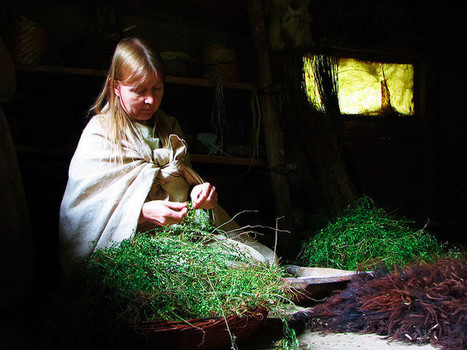
Associations (symbiosis) with mycorrhizal fungi are necessary for a vast number of tree species, and for those where associations are not necessary for (mainly pioneer species such as willow and birch) then such a lack of association will usually lead to the tree having significantly stunted growth. In this sense, a symbiosis between tree roots and mycorrhizal fungi is very much crucial. Therefore, where associations are lacking of abundance, which may particularly be the case in urban environments (because of soil compaction, construction damage, changing pH levels due to pollution, and so on), trees may markedly suffer. In fact, I have looked at a paper quite recently on such a lack of mycorrhizal symbiosis with fine root hairs in urban locations.
On Feb. 29, Carol Greider of Johns Hopkins University became the third Nobel Prize laureate biologist in a month to do something long considered taboo among biomedical researchers: She posted a report of her recent discoveries to a publicly accessible website, bioRxiv, before submitting it to a scholarly journal to review for “official’’ publication.
It was a small act of information age defiance, and perhaps also a bit of a throwback, somewhat analogous to Stephen King’s 2000 self-publishing an e-book or Radiohead’s 2007 release of a download-only record without a label. To commemorate it, she tweeted the website’s confirmation under the hashtag #ASAPbio, a newly coined rallying cry of a cadre of biologists who say they want to speed science by making a key change in the way it is published.
The symbiosis between leguminous plants and soil rhizobia culminates in the formation of nitrogen-fixing organs called nodules that support plant growth. Two Medicago truncatula Tnt1-insertion mutants were identified that produced small nodules, which were unable to fix nitrogen effectively due to ineffective rhizobial colonization. The gene underlying this phenotype was found to encode a protein containing a putative membrane-localized domain of unknown function (DUF21) and a cystathionine-β-synthase domain. The cbs1 mutants had defective infection threads that were sometimes devoid of rhizobia and formed small nodules with greatly reduced numbers of symbiosomes. We studied the expression of the gene, designated M. truncatula Cystathionine-β-Synthase-like1 (MtCBS1), using a promoter-β-glucuronidase gene fusion, which revealed expression in infected root hair cells, developing nodules, and in the invasion zone of mature nodules. An MtCBS1-GFP fusion protein localized itself to the infection thread and symbiosomes. Nodulation factor-induced Ca2+ responses were observed in the cbs1 mutant, indicating that MtCBS1 acts downstream of nodulation factor signaling. MtCBS1 expression occurred exclusively during Medicago-rhizobium symbiosis. Induction of MtCBS1 expression during symbiosis was found to be dependent on Nodule Inception (NIN), a key transcription factor that controls both rhizobial infection and nodule organogenesis. Interestingly, the closest homolog of MtCBS1, MtCBS2, was specifically induced in mycorrhizal roots, suggesting common infection mechanisms in nodulation and mycorrhization. Related proteins in Arabidopsis have been implicated in cell wall maturation, suggesting a potential role for CBS1 in the formation of the infection thread wall.
What are they? Somatic embryogenesis receptor-like kinases (SERKs) are small membrane-embedded signaling proteins. They are part of a plant-specific family of leucine-rich repeat (LRR) receptor kinases (RKs). LRR-RKs are membrane receptors that sense a diverse set of extracellular ligands, and that relay these signals into the cytosol to trigger specific cellular responses (Figure 1). The genome of Arabidopsis thaliana encodes at least 220 LRR-RKs, five of which are SERKs. SERK proteins consist of a small extracellular LRR-domain with 5 repeats, a single membrane-spanning helix and a cytoplasmic kinase domain, which can auto- and trans-phosphorylate on Ser/Thr and Tyr residues (dual-specificity kinase).
The mechanisms by which the expression of animal cell death suppressors in economically important plants conferred enhanced stress tolerance are not fully understood. In the present work, the effect of expression of animal antiapoptotic gene Ced-9 in soybean hairy roots was evaluated under root hairs and hairy roots death-inducing stress conditions given by i) Bradyrhizobium japonicum inoculation in presence of 50 mM NaCl, and ii) severe salt stress (150 mM NaCl), for 30 min and 3 h, respectively. We have determined that root hairs death induced by inoculation in presence of 50 mM NaCl showed characteristics of ordered process, with increased ROS generation, MDA and ATP levels, whereas the cell death induced by 150 mM NaCl treatment showed non-ordered or necrotic-like characteristics. The expression of Ced-9 inhibited or at least delayed root hairs death under these treatments. Hairy roots expressing Ced-9 had better homeostasis maintenance, preventing potassium release; increasing the ATP levels and controlling the oxidative damage avoiding the increase of reactive oxygen species production. Even when our results demonstrate a positive effect of animal cell death suppressors in plant cell ionic and redox homeostasis under cell death-inducing conditions, its expression, contrary to expectations, drastically inhibited nodule formation even under control conditions.
The penultimate enzyme in the histidine biosynthetic pathway catalyzes dephosphorylation of L-histidinol 1-phosphate (HOLP) into L-histidinol (HOL). The recently discovered in Arabidopsis thaliana plant-type histidinol-phosphate phosphatase (HPP) shares no homology with the two other HPP superfamilies known previously in prokaryotes, and resembles myo-inositol monophosphatases (IMPases). In this work, identification of a HPP enzyme from a model legume, Medicago truncatula (MtHPP) was based on highest sequence identity to A. thaliana enzyme. Biochemical assays confirmed that MtHPP was able to cleave inorganic phosphate from HOLP but not from D-myo-inositol-1-phosphate (IMP), main substrate of IMPases. Dimers of MtHPP, determined by size-exclusion chromatography, in the presence of CO2 or formaldehyde form mutual, methylene-bridged cross-links between Lys158 and Cys245 residues. Four high resolution crystal structures, namely complexes with: HOLP (substrate), HOL (product), PO43- (by-product), as well as the structure showing the cross-linking between two MtHPP molecules, provide detailed structural information on the enzyme. Based on the crystal structures, the enzymatic reaction mechanism of IMPases is accustomed to fit the data for MtHPP. The enzymatic reaction, which requires Mg2+ cations, is catalyzed mainly by amino acid residues from the N-terminal domain. C-terminal domain, sharing little identity to IMPases, is responsible for the substrate specificity, that is, allows the enzyme to distinguish between HOLP and IMP. Structural features, mainly the presence of a conserved Asp246, allow MtHPP to bind HOLP specifically.
Bidirectional nutrient transfer is one of the key features of the arbuscular mycorrhizal symbiosis. Recently we were able to identify a Medicago truncatula mutant (mtha1-2) that is defective in the uptake of phosphate from the periarbuscular space due to a lack of the energy providing proton gradient provided by the symbiosis specific proton ATPase MtHA11 In order to further characterize the impact of fungal colonization on the plant metabolic status, without the beneficial aspect of improved mineral nutrition, we performed leaf ion analyses in mutant and wildtype plants with and without fungal colonization. Although frequency of fungal colonization was unaltered, the mutant did not show a positive growth response to mycorrhizal colonization. This indicates that nutrient transfer into the plant cell fails in the truncated arbuscules due to lacking expression of a functional MtHA1 protein. The leaves of wildtype plants showed clear metabolic responses to root mycorrhizal colonization, whereas no changes of leaf metabolite levels of mycorrhizal mtha1-2 plants were detected, even though they were colonized. These results show that MtHa1 is indispensable for a functional mycorrhizal symbiosis and, moreover, suggest that fungal root colonization per se does not depend on nutrient transfer to the plant host.
Pulse crops are critically important to human nutrition, soil health, and agricultural productivity. These edible seeds of the legume family of plants are one of the main dietary staples for approximately two billion of the world’s poor, many of whom live in remote areas and depend on agriculture for their livelihoods. The symbiotic partnership between legumes and soil bacteria, which imparts the ability of legumes to biologically fix nitrogen from nitrogen gas in the air, is critical to combating poverty, environmental degradation, and improving soil health.
We investigated arbuscular mycorrhizal fungi (AMF) communities in the roots and the rhizosphere soil of Brachypodium retusum, in six different natural soils under field conditions. We explored phylogenetic patterns in AMF composition using indicator species analyses (ISA) to find AMF associated to a given habitat (root vs rhizosphere) and soil type. We tested whether the AMF characteristic of different habitats or contrasting soils were more closely related than expected by chance. Then we used principal component analyses and multivariate analyses of variance to test for the relative contribution of each factor to explain the variation in fungal community composition. Finally, we used redundancy analyses to identify the soil properties that significantly explained the differences in AMF communities across soil types. The results pointed out a tendency of AMF communities in roots to be closely related and different from those in the rhizosphere soil. The ISA revealed AMF associated to rhizosphere soil and roots habitat. Soil type also determined the distribution of AMF communities in soils, and this effect could not be attributable to a single soil characteristic, as at least three soil properties related with microbial activity, pH and two micronutrients (Mn and Zn) played a significant role triggering AMF populations.
The unicellular cyanobacterium UCYN-A, one of the major contributors to nitrogen fixation in the open ocean, lives in symbiosis with single-celled phytoplankton. UCYN-A includes several closely related lineages whose partner fidelity, genome-wide expression and time of evolutionary divergence remain to be resolved. Here we detect and distinguish UCYN-A1 and UCYN-A2 lineages in symbiosis with two distinct prymnesiophyte partners in the South Atlantic Ocean. Both symbiotic systems are lineage specific and differ in the number of UCYN-A cells involved. Our analyses infer a streamlined genome expression towards nitrogen fixation in both UCYN-A lineages. Comparative genomics reveal a strong purifying selection in UCYN-A1 and UCYN-A2 with a diversification process ~91 Myr ago, in the late Cretaceous, after the low-nutrient regime period occurred during the Jurassic. These findings suggest that UCYN-A diversified in a co-evolutionary process, wherein their prymnesiophyte partners acted as a barrier driving an allopatric speciation of extant UCYN-A lineages.
From the Paleolithic until the twentieth century, infectious diseases were the main scourge of mankind. Vaccination, treatment of infectious diseases with antibiotics, and water purification have contributed to enormous improvements in the quality and length of the human life span. However, since it is difficult to design new vaccines to protect us against a wide variety of microbial pathogens and the spread of antibiotic-resistant pathogens poses additional difficulties, new alternative treatments for infectious diseases are needed. Environmental bacteria can be killed by predation from bacteriophages, heterotrophic protists, and predatory bacteria. We present in this review these bacterial natural predators to envisage their potential usefulness in fighting pathogens from the environment and/or from infected animal hosts. Protists are generalist grazers of prokaryotes, bacteriophages mostly highly host-specific and predatory bacteria collectively known as the Bdellovibrio and bdello-like organisms (BALOs), are neither true generalists nor hard-core specialists. Recently, “natural” non-predatory microorganisms are also being studied to treat a wide variety of human diseases, including gastrointestinal disorders, urinary infections, osteoporosis, and cancer. We “simply” should observe nature. As Joshua Lederberg remembered, taking August Krogh principle, “for any given scientific challenge there is a critter fittest toward its solution”.
The overuse of chemical nitrogen fertilizer in agriculture has caused serious environmental issues around the world. Legume crops play important roles in sustainable agriculture and are characterized by their ability of forming nitrogen-fixing nodules, in which rhizobia infect intracellularly and atmospheric nitrogen is reduced to ammonium in specialized rhizobial cells (bacteroids). In addition to those genes directly involved in nodulation and nitrogen fixation, to achieve effective nitrogen-fixing symbiosis, rhizobia need to fine-tune their background regulation network. For example, genetic evidences from this laboratory suggest that a conserved nitrogen phosphotransferase system is essential in Sinorhizobium fredii symbioses with soybean and pigeonpea.
Despite the critical ecological roles of microeukaryotes in terrestrial ecosystems, most descriptive studies of soil microbes published so far focused only on specific groups. Meanwhile, the fast development of metagenome sequencing leads to considerable data accumulation in public repositories, providing microbiologists with substantial amounts of accessible information. We took advantage of public metagenomes in order to investigate microeukaryote communities in a well characterized grassland soil. The data gathered allowed the evaluation of several factors impacting the community structure, including the DNA extraction method, the database choice and also the annotation procedure. While most studies on soil microeukaryotes are based on sequencing of PCR-amplified genetic taxonomic markers (18S rRNA genes, ITS regions), this work represents, to our knowledge, the first report based solely on metagenomic microeukaryote DNA. Choosing the correct annotation procedure and reference database has proven to be crucial, as it considerably limits the risk of wrong assignments. In addition, a significant and pronounced effect of the DNA extraction method on the taxonomical structure of soil microeukaryotes has been identified. Our analyses suggest that publicly available metagenome data can provide valuable information on soil microeukaryotes for comparative purposes when handled appropriately, complementing the current view provided by ribosomal amplicon sequencing methods.
Ammonia is a central molecule in nitrogen metabolism. Aquaporins are integral membrane proteins that form channels that accelerate the passive permeation of small polar uncharged molecules, like water and ammonia, across lipid membranes of the cell. Structural information of ammonia-permeable aquaporins has been lacking. Here, we report a high-resolution structure of the ammonia-permeable aquaporin AtTIP2;1 and explore it by functional assays of mutants and by molecular dynamics simulations. Our data uncover unexpected features of the substrate selectivity filter, including a conserved arginine in a new orientation that is stabilized by interactions to a histidine that is linked to ammonia specificity. An additional histidine in a different part of AtTIP2;1 fortifies the position of the arginine and interacts directly with the substrate in the channel. This histidine is therefore included in an extended selectivity filter, which should prompt a reinterpretation of the determinants of specificity in all types of aquaporins. We speculate that an intriguing water-filled side pore, next to the substrate-binding histidine, participates in deprotonating ammonium ions, which could increase the net permeation of ammonia. Understanding the principles of ammonia permeability may, in the future, allow us to modulate the passage of ammonia and generate crops with higher nitrogen-use efficiency.
Rhizobium meliloti strains were isolated from the fields of S.D. Agricultural University (Gujarat, India) and were maintained in the Congo Red Yeast Extract Mannitol Agar medium. These strains were tested fortheir effectiveness for fenugreek crop grown under semi-arid condition. Among the six Rhizobium strains, FRS-7 strain showed best plant growth parameters like shoot length, shoot dry weight, shoot total nitrogen, root length, root dry weight, root total nitrogen, seed yield, 1000 grain weight, number of root nodules, and nodules fresh and dry weight. The performance of this strain was better as compared to 20 kgN ha treatment through urea and was even far better over control plot. Seed yields obtained with FRS-7 during two years were 10.14 and 9.66 q ha ; which was about 36.8% and 45.9% high over control. This strain resulted in saving of about 20 kgN ha accompanied with better crop yield and soil health. Results of the present experiments can be utilized in integrated nutrient management for cultivation of fenugreek in semi-arid areas to provide sustainability to agricultural productivity in such regions.
Plant NADPH oxidases are the major source of reactive oxygen species (ROS) that plays key roles as both signal and stressor in several plant processes, including defense responses against pathogens. ROS accumulation in root cells during arbuscular mycorrhiza (AM) development has raised the interest in understanding how ROS-mediated defense programs are modulated during the establishment of this mutualistic interaction. We have recently analyzed the expression pattern of five NADPH oxidase (also called RBOH) encoding genes in Medicago truncatula, showing that only one of them (MtRbohE) is specifically upregulated in arbuscule-containing cells. In line with this result, RNAi silencing of MtRbohE generated a strong alteration in root colonization, with a significant reduction in the number of arbusculated cells. On this basis, we propose that MtRBOHE-mediated ROS production plays a crucial role in the intracellular accommodation of arbuscules.
Although the UN declared 2016 The International Year of Pulses, most people have no idea what a pulse is. These dried seeds are a subset within the legumes category and the most common varieties include dried peas, lentils, chickpeas, and dried beans. So why are they worthy of a year being dedicated to them?
Because pulses aren’t just good for you, they’re good for the planet.
Mycorrhizal fungi are important and prolific organisms that can develop symbiotic relationships with the roots of more than 95% of all plants on the planet. This requires them to live in (endomycorrhizal) or on (ectomycorrhizal) the plant roots, extending their hyphae into the soil and thus producing phosphate, nitrogen, other nutrients and water available to the host plant. They extend the effective root area many hundreds of times so plants grow faster, larger and stronger without the need to apply as much fertiliser or water.
Optimization of nitrogen fixation by rhizobia in legumes is a key area of research for sustainable agriculture. Symbiotic nitrogen fixation (SNF) occurs in specialized organs called nodules and depends on a steady supply of carbon to both plant and bacterial cells. Here we report the functional characterization of a nodule-specific sucrose transporter, MtSWEET11 from Medicago truncatula. MtSWEET11 belongs to a clade of plant SWEET proteins that are capable of transporting sucrose and play critical roles in pathogen susceptibility. When expressed in mammalian cells, MtSWEET11 transported sucrose but not glucose. The MtSWEET11 gene was found to be expressed in infected root hair cells, and in the meristem, invasion zone, and vasculature of nodules. Expression of an MtSWEET11-GFP fusion protein in nodules resulted in green fluorescence associated with the plasma membrane of uninfected cells and infection thread and symbiosome membranes of infected cells. Two independent Tnt1-insertion sweet11 mutants were uncompromised in SNF. Therefore, although MtSWEET11 appears to be involved in sucrose distribution within nodules, it is not crucial for SNF, probably because other sucrose transporters can fulfill its role(s).
Next time you go out for a walk in the woods be careful where you tread because underneath your feet connecting tree to tree, plant to plant, lies a remarkable living network that allows the exchange of information between between individual plants. This network allows the flora of the forest to send and receive information over distances from plant to plant, connecting a large and varied population of individuals together. In fact, this remarkable network is itself alive and is a web of fungi that grows on the roots of trees and plants connecting them together allowing them to communicate and to even send assistance to each other. More sinisterly, it also gives some of the plants and trees connected to the network the ability to commit types of "crime" against other members. It sounds very similar to the modern global communications system of the internet. In fact it is a living network of fungi and has been called the Earth's natural internet and many scientists refer to it as The Wood-Wide Web.
Mycorrhizas are fungal associations between plant roots and beneficial fungi. The fungi effectively extend the root area of plants and are extremely important to most wild plants, but less significant for garden plants where the use of fertilisers and cultivation disrupts and replaces these associations.
It has become clear that sRNAs play relevant regulatory functions in bacteria. However, a comprehensive understanding of their biological roles considering evolutionary aspects has not been achieved for most of them. Thus, we have characterized the evolutionary and phylogenetic aspects of the Sinorhizobium meliloti mmgR gene encoding the small RNA MmgR, which has been recently reported to be involved in the regulation of polyhydroxybutyrate accumulation in this bacterium. We constructed a covariance model from a multiple sequence and structure alignment of mmgR close homologs that allowed us to extend the search and to detect further remote homologs of the sRNA gene. From our results, mmgR seemed to evolve from a common ancestor of the α-proteobacteria that diverged from the order of Rickettsiales. We have found mmgR homologs in most current species of α-proteobacteria, with a few exceptions in which genomic reduction events or gene rearrangements seem to explain its absence. Furthermore, a strong microsyntenic relationship was found between a large set of mmgR homologs and homologs of a gene encoding a putative N-formyl glutamate amidohydrolase (NFGAH) that allowed us to trace back the evolutionary path of this group of mmgR orthologs. Among them, structure and sequence traits have been completely conserved throughout evolution, namely a Rho-independent terminator and a 10-mer (5’-UUUCCUCCCU-3’) that is predicted to remain in a single-stranded region of the sRNA. We thus propose the definition of the new family of α-proteobacterial sRNAs αr8, as well as the subfamily αr8s1 which encompass S. meliloti mmgR orthologs physically linked with the downstream open reading frame encoding a putative NFGAH. So far, mmgR is the trans-encoded small RNA with the widest phylogenetic distribution of well recognized orthologs among α-proteobacteria. Expression of the expected MmgR transcript in rhizobiales other than S. meliloti (S. fredii, Rhizobium leguminosarum and R. etli) was confirmed by Northern blot. These findings will contribute to the understanding of the biological role(s) of mmgR in the α-proteobacteria.
To get content containing either thought or leadership enter:
To get content containing both thought and leadership enter:
To get content containing the expression thought leadership enter:
You can enter several keywords and you can refine them whenever you want. Our suggestion engine uses more signals but entering a few keywords here will rapidly give you great content to curate.


 Your new post is loading...