Your new post is loading...

|
Scooped by
Jean-Michel Ané
April 5, 2016 4:10 PM
|
Why is more nitrogen coming through tile after soybeans than corn? Soybean residue has a lower carbon-to-nitrogen ratio (25:1) than corn (70:1). That means more nitrogen is recycled faster, more nitrogen is mineralized and more is put back in the soil in the fall and again in the spring. Add this mineralized nitrogen to residual nitrate and you have significant nitrogen loading into tile lines. Planting cover crops after soybeans can capture this nitrogen and keep it on the land for the next corn crop.
|
|
Scooped by
Jean-Michel Ané
April 5, 2016 4:08 PM
|
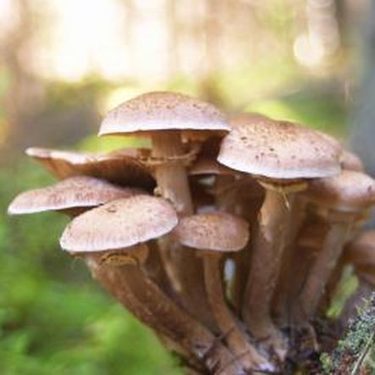
The importance of fungal activity in relation to tree growth is largely overlooked. People are sometimes disturbed when they see the fruiting bodies of such fungi, because there are often negative implications to seeing mushrooms in the landscape. Mushrooms may be a sign of overly acid soils or rot in tree roots. However, the mycorrhiza fungus performs essential functions in the soils, and they form symbiotic relationships with trees through the tree's root system. Some mycorrhizae penetrate the roots and some simply surround the root tissue. It's estimated that more than 80 percent of higher plant species develop symbiotic relationships with mycorrhizal fungi.
|
|
Scooped by
Jean-Michel Ané
April 5, 2016 4:00 PM
|
With the help of satellites, NASA has studied Earth's place in the solar system, learning about everything from stars to comets. Satellites also reveal secrets about Earth itself, from the clouds to the ocean depths. Now, satellites are going closer still, uncovering underground forest fungi and what they can tell us about the health of the forests.
A NASA-led team of researchers has created a method for detecting the presence of different types of woodland fungi from space. The information may help predict how climate change impacts forest habitats.
|
|
Scooped by
Jean-Michel Ané
April 5, 2016 3:51 PM
|
|
|
Scooped by
Jean-Michel Ané
April 5, 2016 3:45 PM
|
Owing to its exceptional ability to efficiently promote plant growth, protection and stress tolerance, a mycorrhiza like endophytic Agaricomycetes fungus Piriformospora indica has received a great attention over the last few decades. P. indica is an axenically cultiviable fungus which exhibits its versatility for colonizing/hosting a broad range of plant species through directly manipulating plant hormone-signaling pathway during the course of mutualism. P. indica-root colonization leads to a better plant performance in all respect, including enhanced root proliferation by indole-3-acetic acid production which in turn results into better nutrient-acquisition and subsequently to improved crop growth and productivity. Additionally, P. indica can induce both local and systemic resistance to fungal and viral plant diseases through signal transduction. P. indica-mediated stimulation in antioxidant defense system components and expressing stress-related genes can confer crop/plant stress tolerance. Therefore, P. indica can biotize micropropagated plantlets and also help these plants to overcome transplantation shock. Nevertheless, it can also be involved in a more complex symbiotic relationship, such as tripartite symbiosis and can enhance population dynamic of plant growth promoting rhizobacteria. In brief, P. indica can be utilized as a plant promoter, bio-fertilizer, bioprotector, bioregulator, and biotization agent. The outcome of the recent literature appraised herein will help us to understand the physiological and molecular bases of mechanisms underlying P. indica-crop plant mutual relationship. Together, the discussion will be functional to comprehend the usefulness of crop plant-P. indica association in both achieving new insights into crop protection/improvement as well as in sustainable agriculture production.
|
|
Scooped by
Jean-Michel Ané
April 5, 2016 3:38 PM
|
Inorganic fertilization and mowing alter soil factors with subsequent effects–direct and indirect - on above- and below-ground communities. We explored direct and indirect effects of long-term fertilization (N, P, NPK, Liming) and twice yearly mowing on the plant, bacterial and fungal communities and soil factors. We analyzed co-variation using 16S and 18S rRNA genes surveys, and plant frequency and edaphic factors across treatments. The plant and fungal communities were distinct in the NPK and L treatments, while the bacterial communities and soil factors were distinct in the N and L treatments. Plant community diversity and evenness had low diversity in the NPK and high diversity in the liming treatment, while the diversity and evenness of the bacterial and fungal communities did not differ across treatments, except of higher diversity and evenness in the liming treatment for the bacteria. We found significant co-structures between communities based on plant and fungal comparisons but not between plant and bacterial nor bacterial and fungal comparisons. Our results suggested that the plant and fungal communities are more tightly linked than either community with the bacterial community in fertilized soils. We found co-varying plant, bacterial and fungal taxa in different treatments that may indicate ecological interactions.
|
|
Scooped by
Jean-Michel Ané
April 5, 2016 3:32 PM
|
In plant species that critically rely on mycorrhizal symbionts for germination and seedling establishment, distance-dependent decline of mycorrhizal fungi in the soil can be hypothesized to lead to significant spatial clustering as a result of nonrandom spatial patterns of seedling establishment. To test this hypothesis, we investigated the abundance and distribution of mycorrhizal fungi in the soil and how they relate to spatial patterns of adults and seedling recruitment in two related orchid species.
We combined assessments of spatial variation in fungal abundance using quantitative PCR (qPCR) with spatial point pattern analyses based on long-term demographic data and cluster point process models.
qPCR analyses showed that fungal abundance declined rapidly with distance from the adult host plants. Spatial point pattern analyses showed that successful recruitment in both species was clustered significantly around adult plants and that the decline in the neighborhood density of recruits around adults coincided with the decline of fungal abundance around adult plants.
Overall, these results indicate that the distribution and abundance of fungal associates in the soil may have a strong impact on the aboveground distribution of its partner.
|
|
Scooped by
Jean-Michel Ané
April 5, 2016 3:24 PM
|
Purpose: To present the first reported cases of keratitis caused by Rhizobium radiobacter.
Methods: A retrospective review of an observational case series from 2 institutions.
Results: There were 4 cases of microbiologically proven R. radiobacter. Three of these patients were contact lens wearers. The patient in case 4 defaulted from follow-up after receipt of the culture result. Keratitis in the other cases resolved with variable clinical courses once culture-directed therapy was instituted.
Conclusions: R. radiobacter is a member of the genus Rhizobium. It is a gram-negative bacillus and was previously identified as an opportunistic pathogen in nonophthalmic infections and in a few cases of endophthalmitis. To our knowledge, we have described the clinical presentation, management, and treatment outcomes of the first reported cases of keratitis caused by R. radiobacter.
|
|
Scooped by
Jean-Michel Ané
April 5, 2016 3:21 PM
|
Background and aims
To assess the impacts of soil microbes and plant genotype on the composition of maize associated bacterial communities.
Methods
Two genotypes of Brazilian maize were planted indoors on sterile sand, a deep underground subsoil, and a nutrient-rich topsoil from the Amazon jungle (terra preta). DNA was extracted from rhizospheres, phyllospheres, and surface sterilized roots for 16S rDNA fingerprinting and next generation sequencing.
Results
Neither plant genotype nor soil type appeared to influence bacterial diversity in phyllospheres or endospheres. Rhizospheres showed strikingly similar 16S rDNA ordination of both fingerprinting and sequencing data, with soil type driving grouping patterns and genotype having a significant impact only on sterile sand. Rhizospheres grown in non-sterile soils contained greater bacterial diversity than sterile-sand grown ones, however the dominant OTUs (species of Proteobacteria and Bacteroidetes) were found in all rhizospheres suggesting seeds as a common source of inoculum. Rhizospheres of the commercial hybrid appeared to contain less bacterial diversity than the landrace.
Conclusions
Maize rhizospheres receive diverse bacteria from soil, are influenced by the genotype or treatment of the seed, and are dominated by species of Proteobacteria, Actinobacteria, Bacteroidetes, and Firmicutes. As many dominant 16S rDNA sequences were observed in rhizospheres grown in both sterile and non-sterile substrate, we conclude that the most common bacterial cells in juvenile maize rhizospheres are seed transmitted.
|
|
Scooped by
Jean-Michel Ané
April 5, 2016 3:15 PM
|
Plant range boundaries are generally considered to reflect abiotic conditions; however, a rise in negative or decline in positive species interactions at range margins may contribute to these stable boundaries. While evidence suggests pollinator mutualisms may decline near range boundaries, little is known about other important plant mutualisms, including microbial root symbionts. Here we used molecular methods to characterize root associated fungal communities in populations of two related temperate tree species from across the species’ range in the eastern United States. We found that ectomycorrhizal fungal richness on plant roots declined with distance from the center of the host species range. These patterns were not evident in non-mycorrhizal fungal communities on roots, nor in fungal communities in bulk soil. Climatic and soil chemical variables could not explain these biogeographic patterns, although these abiotic gradients affected other components of the bulk soil and rhizosphere fungal community. Depauperate ectomycorrhizal fungal communities may represent an underappreciated challenge to marginal tree populations, especially as rapid climate change pushes these populations outside of their current climate niche.
|
|
Scooped by
Jean-Michel Ané
April 5, 2016 11:47 AM
|
Legumes improve their mineral nutrition through nitrogen-fixing root nodule symbioses with soil rhizobia. Rhizobial infection of legumes is regulated by a number of transcription factors, including ERF Required for Nodulation 1 (ERN1). Medicago truncatula plants defective in ERN1 are unable to nodulate, but still exhibit early symbiotic responses including rhizobial infection. ERN1 has a close homolog, ERN2, which shows partially overlapping expression patterns. Here we show ern2 mutants exhibit a later nodulation phenotype than ern1, being able to form nodules but with signs of premature senescence. Molecular characterization of the ern2-1 mutation reveals a key role for a conserved threonine for both DNA binding and transcriptional activity. In contrast to either single mutant the double ern1-1 ern2-1 line is completely unable to initiate infection or nodule development. The strong ern1-1 ern2-1 phenotype demonstrates functional redundancy between these two transcriptional regulators and reveals the essential role of ERN1/ERN2 to coordinately induce rhizobial infection and nodule organogenesis. While ERN1/ERN2 act in concert in the root epidermis, only ERN1 can efficiently allow the development of mature nodules in the cortex, probably through an independent pathway. Together, these findings reveal the key roles that ERN1/ERN2 play at the very earliest stages of root nodule development.
|
|
Scooped by
Jean-Michel Ané
April 5, 2016 10:26 AM
|
Aim
Understanding the interactions between invasive legumes and soil biota in both native and introduced ranges could assist in managing biological invasions. We analysed the diversity of putative nitrogen-fixing bacteria (NFB, i.e. nifH gene present) associated with five invasive legumes, four Acacia spp. and a sister taxon Paraserianthes lophantha in introduced and native range populations in Australia. We predicted that, because these host species are widely distributed, they are likely to encounter different nitrogen-fixing bacterial communities in soils and nodules across their introduced and native ranges.
Location
Australia.
Methods
NifH genes were amplified from rhizosphere soils collected from beneath each species (multiple populations) within their native and introduced range and directly from nodules collected from plants previously grown in the glasshouse using field-collected soil as inoculum. NifH gene sequences from soils and nodules were 454 pyrosequenced and assigned to taxonomic groups based on nifH consensus taxonomy.
Results
We found no difference in the NFB community of soils or nodules between native and introduced ranges across the five species, suggesting that these legumes encounter similar NFB communities in soils across Australia. Bradyrhizobium was the most abundant rhizobial genus present in both soils and nodules. Bradyrhizobium species found in nodules were significantly different across the ranges for A. longifolia.
Main conclusions
The results indicate that these invasive legumes have similar nitrogen-fixing bacterial communities in their rhizosphere and nodules across Australia, with the exception of A. longifolia. This species has diverse Bradyrhizobium genotypes in its nodules suggesting that A. longifolia may be a more generalist host compared to the other four legumes. Thus, it is unlikely that the invasive success of these legumes is constrained by the absence of suitable bacterial symbionts in soil. Better knowledge of legume–soil interactions could facilitate more informed and effective management of invasive legumes in their introduced ranges in Australia and elsewhere.
|
|
Scooped by
Jean-Michel Ané
April 5, 2016 10:20 AM
|
This study evaluated the co-inoculation effect of the endophytic selenobacteria Bacillus sp., Klebsiella sp. or Acinetobacter sp. and the arbuscular mycorrhizal (AM) fungus Rhizophagus intraradices on lettuce plants grown under drought conditions. Plants inoculated with bothnmicroorganisms were able to enhance the Se content in their shoots (1 to 6 pg plant-1) and promote macro-and micronutrient uptake. Moreover, the inoculated plants showed significantntolerance to drought stress, as determined by their adaptation to physiological parameters(relative water content and stomatal conductance), increase in photosynthetic pigments (chlorophyll and carotenoids) and improvement inantioxidant enzyme levels (catalase, ascorbate peroxidase and glutathione reductase). The selenobacteria increased the Se content in lettuce plants and enhanced the effect of AM fungus in controlling the antioxidant systems that play a role as elicitors of plant drought responses and improving the nutritional quality and physiological and biochemical processes involved in plant drought tolerance.
|
|
|
Scooped by
Jean-Michel Ané
April 5, 2016 4:08 PM
|
how fungi mine the soil, mycorrhizal fungi largest mining operation, ectomycorrhizae in pine forests, how mycorrhizae mine the soil for nutrients, Scientific American, Jennifer Frazer science writer, microscopic photos of Feldspar minerals, Mycorrhizal fungi bore tunnels in microscopic mineral particles, well drilling mechanisms, examples of biomimicry and biomimetics using mycorrhizal fungi, building soils using mycorrhizal fungi, ways to detoxify soils using mycorrhizal fungi, how to eliminate industrial agriculture, examples of how mutualism work with trees and mycorrhizal fungi, illustrations of mycorrhizal fungi and plants, soil without biology is simply geology, How Many Beneficial Functions & Services can be found in just one Fungi Species ?, soil microbial epigenetic triggers and sensing
|
|
Scooped by
Jean-Michel Ané
April 5, 2016 4:07 PM
|
Two plants of the same species grow side by side. One is attacked by insects, one not. On an individual plant, some leaves get eaten, some not. This doesn’t happen at random, but is caused by the fungi that live within the leaves and roots of the plant.
Imagine you are holding a shoot of the dahlia plant, pictured below. How many species do you have in your hand? The answer is most certainly not one, but probably somewhere between 20 and 30. This is because every plant has fungi and bacteria that live on its surface (called epiphytes) and within its tissues (called endophytes).
|
|
Scooped by
Jean-Michel Ané
April 5, 2016 3:59 PM
|
Mycorrhizal fungi are a special kind of soil fungus that form a symbiotic relationship with plant’s root. This symbiotic association called mycorrhiza come from the Greek words myco meaning fungus, and rhiza which means root. A mutual relationship that is advantageous and beneficial for both organisms, wherein the plant gains increased exploration of the soil and uptake of nutrients and water and the fungus being provided with carbon for its growth and development.
This symbiotic relationship between fungi and plants has existed for millions of years. Mycorrhizal fungi are present in all natural soils long before the introduction of agriculture. And because of modern farming advancement, like the use of chemicals as fungicides and fertilizers has dramatically reduced colonization of mycorrhizal fungi in soils. About 95% of all plants in the world are dependent on this mycorrhizal relationship for better root growth and survival, making them a vital part of plant health.
|
|
Scooped by
Jean-Michel Ané
April 5, 2016 3:48 PM
|
Symbiosis with mycorrhizal fungi provides plants with enhanced access to scarce resources. LMU researchers recently discovered a mechanism that may allow host plants to control the extent of symbiosis formation.
From cereals to trees: More than 80% of land plants form symbioses with arbuscular mycorrhizal fungi. The fungi colonize the roots, and provide their host with inorganic nutrients – primarily phosphate – which are otherwise poorly accessible to plants. In return, the plants provide their fungal guests with energy-rich carbohydrates. This type of symbiosis evolved more than 400 million years ago and is indispensable for the viability of many plant species. To enable the fungi to supply the host with nutrients, their hyphal threads must first enter into the root, in which they form branched tree-like structures known as arbuscules (from the Latin arbuscula = a shrub).
|
|
Scooped by
Jean-Michel Ané
April 5, 2016 3:43 PM
|
Fungi that produce their fruiting bodies underground within the soil profile are known commonly as truffles. Truffle fruiting bodies harbor a diverse but poorly understood microbial community of bacteria, yeasts, and filamentous fungi. In this study, we used next-generation 454 amplicon pyrosequencing of the V1 and V4 region of the bacterial 16S ribosomal DNA (rDNA) in order to characterize and compare effects of truffle species and geographic origin on the truffle microbiome. We compared truffle microbiomes of the glebal tissue for eight truffle species belonging to four distinct genera within the Pezizales: Tuber, Terfezia, Leucangium, and Kalapuya. The bacterial community within truffles was dominated by Proteobacteria, Bacterioides, Actinobacteria, and Firmicutes. Bacterial richness within truffles was quite low overall, with between 2–23 operational taxonomic units (OTUs). Notably, we found a single Bradyrhizobium OTU to be dominant within truffle species belonging to the genus Tuber, irrespective of geographic origin, but not in other truffle genera sampled. This study offers relevant insights into the truffle microbiome and raises questions concerning the recruitment and function of these fungal-associated bacteria consortia.
|
|
Scooped by
Jean-Michel Ané
April 5, 2016 3:34 PM
|
The gibberellin (GA) hormone signal is perceived by a receptor with homology to hormone-sensitive lipases, GID1 (GA-INSENSITIVE DWARF1). This leads to GA-stimulated responses, including stem elongation, seed germination and the transition to flowering. GA-binding enables GID1 to interact with and block the function of the DELLA repressors of GA responses. DELLA repression can be blocked both by proteolytic and non-proteolytic mechanisms triggered by the formation of a GID1-GA-DELLA complex. DELLA is down-regulated by the SLEEPY1/GID2 F-box proteins via the ubiquitin-proteasome pathway, and can be regulated by other post-translational modifications. This chapter reviews the structural requirements for GA-binding by GID1 and for GID1-GA-DELLA protein complex formation, and reviews the current understanding of the mechanisms regulating DELLA repressors.
|
|
Scooped by
Jean-Michel Ané
April 5, 2016 3:30 PM
|
Reactive oxygen species (ROS) are important signaling molecules that affect vegetative and pathogenic processes in pathogenic fungi. There is growing evidence that ROS are not only secreted during the interaction of host and pathogen but also involved in tightly controlled intracellular processes. The major ROS producing enzymes are NADPH oxidases (Nox). Recent investigations in fungi revealed that Nox-activity is responsible for the formation of infection structures, cytoskeleton architecture as well as interhyphal communication. However, information about the localization and site of action of the Nox complexes in fungi is limited and signaling pathways and intracellular processes affected by ROS have not been fully elucidated. This review focuses on the role of ROS as signaling molecules in fungal “model” organisms: it examines the role of ROS in vegetative and pathogenic processes and gives special attention to Nox complexes and their function as important signaling hubs.
|
|
Scooped by
Jean-Michel Ané
April 5, 2016 3:23 PM
|
In this work, mercury-resistant bacterial strains were isolated from the rhizosphere of an apple orchard, growing in a soil with high levels of mercury (Nuevo San Joaquin, Queretaro State, Mexico). Analysis of the soil in this region by the CVAAS method showed that it contained 637±51 mg mercury per kg. Mercury accumulation by fresh apples from this orchard amounted to 15.44±4.33 mg/kg. The bacterial isolates were identified by application of proteomic technique of matrix-assisted laser desorption ionization-time of flight mass spectrometry (MALDI-TOF MS). They were found to be strains of Bacillus muralis and Bacillus simplex. All strains showed the ability to catalyze the volatilization of Hg as measured via the non-radioactive X-ray method. In all strains merR and merA genes were detected by PCR. Nucleotide sequence analysis showed that merR from Bacillus simplex was 435 bp in length and that its sequence was similar to merR sequences reported for other bacteria such as Cupriavidus, Ralstonia, Pseudomonas and Serratia. To our knowledge, this is the first report of mercury-resistant Bacillus strains isolated from the rhizosphere of an apple orchard and the first merR gene sequence from such Bacilli.
|
|
Scooped by
Jean-Michel Ané
April 5, 2016 3:20 PM
|
Phosphorus is one of the most important nutrients for soybeans, but it presents a complex dynamic in the soil and can become unavailable. The split and localized application of this nutrient can be an effective approach to increase its availability. The aim of this study was to evaluate the effect of a split phosphorus dose applied to the soil and the seed coating with monobasic sodium phosphate on nodulation, growth and yield components of soybean cultivar BRS Valiosa RR. The experiment was conducted in a greenhouse in a completely randomized design in a 2x5x3 factorial arrangement, i.e., coating or not the seeds; five doses of phosphorus applied to the soil; and three times of splitting phosphate fertilizer. Phosphorus content in the index leaf (IL), dry matter of shoots, roots and nodules, yield components, and plant height were evaluated. There was an increase in nodulation and growth of plants with increased levels of phosphorus applied to the soil. In smaller doses, the seed coating and the splitting of phosphorus fertilizer increased nodulation, growth and yield components of plants. Thus, the splitting of the phosphorus dose, combined with seed coating, is indicated for increasing the yield components of soybean plants.
|
|
Scooped by
Jean-Michel Ané
April 5, 2016 11:50 AM
|
Biochemical and genetic analyses have identified caffeoyl shikimate esterase (CSE) as an enzyme in the monolignol biosynthesis pathway in Arabidopsis thaliana (Vanholme et al., 2013b), although the generality of this finding has been questioned. Here we show the presence of CSE genes and associated enzyme activity in barrel medic (Medicago truncatula, dicot, Leguminosae), poplar (Populus deltoides, dicot, Salicaceae), and switchgrass (Panicum virgatum, monocot, Poaceae). Loss of function of CSE in transposon insertion lines of M. truncatula results in severe dwarfing, altered development, reduction in lignin content, and preferential accumulation of hydroxyphenyl units in lignin, indicating that the CSE enzyme is critical for normal lignification in this species. However, the model grass Brachypodium distachyon and corn (Zea mays) do not possess orthologs of the currently characterized CSE genes, and crude protein extracts from stems of these species exhibit only week esterase activity with caffeoyl shikimate. Our results suggest that the reaction catalyzed by CSE may not be essential for lignification in all plant species.
|
|
Scooped by
Jean-Michel Ané
April 5, 2016 11:45 AM
|
The Arabidopsis immune receptor FLS2 perceives bacterial flagellin epitope flg22 to activate defenses through the central cytoplasmic kinase BIK1. The heterotrimeric G proteins composed of the non-canonical Gα protein XLG2, the Gβ protein AGB1, and the Gγ proteins AGG1 and AGG2 are required for FLS2-mediated immune responses through an unknown mechanism. Here we show that in the pre-activation state, XLG2 directly interacts with FLS2 and BIK1, and it functions together with AGB1 and AGG1/2 to attenuate proteasome-mediated degradation of BIK1, allowing optimum immune activation. Following the activation by flg22, XLG2 dissociates from AGB1 and is phosphorylated by BIK1 in the N terminus. The phosphorylated XLG2 enhances the production of reactive oxygen species (ROS) likely by modulating the NADPH oxidase RbohD. The study demonstrates that the G proteins are directly coupled to the FLS2 receptor complex and regulate immune signaling through both pre-activation and post-activation mechanisms.
|
|
Scooped by
Jean-Michel Ané
April 5, 2016 10:22 AM
|
The Gene Identification via Phenotype Sequencing (GIPS) software considers a range of experimental and analysis choices in sequencing-based forward genetics studies within an integrated probabilistic framework, which enables direct gene cloning from the sequencing of several unrelated mutants of the same phenotype without the need to create segregation populations. GIPS estimates four measurements to help optimize an analysis procedure as follows: 1) the chance of reporting the true phenotype-associated gene, 2) the expected number of random genes that may be reported, 3) the significance of each candidate gene's association with the phenotype, and 4) the significance of violating the Mendelian assumption if no gene is reported or if all candidate genes have failed validation. The usage of GIPS is illustrated with the identification of a rice gene that epistatically suppresses the phenotype of PHO2 mutant from sequencing three unrelated ethyl methanesulfonate mutants. GIPS is available at https://github.com/synergy-zju/gips/wiki with the user manual and an analysis example.
|