Your new post is loading...

|
Scooped by
Jean-Michel Ané
September 25, 2018 10:34 PM
|
Most plant lineages engage with Glomeromycotina fungi to form the ubiquitous arbuscular mycorrhizal (AM) symbiosis. Despite its wide occurrence in diverse plant–fungal species combinations, the interaction dynamics are strikingly uniform (Fig. 1). The events leading up to a successful mutualism start when plant and fungus advertise their presence in the rhizosphere by releasing diffusible chemical cues.
|
|
Scooped by
Jean-Michel Ané
September 25, 2018 10:28 PM
|
Arbuscular mycorrhiza (AM) is the most common symbiotic association of plants with microbes. AM fungi occur in the majority of natural habitats and they provide a range of important ecological services, in particular by improving plant nutrition, stress resistance and tolerance, soil structure and fertility. AM fungi also interact with most crop plants including cereals, vegetables, and fruit trees, therefore, they receive increasing attention for their potential use in sustainable agriculture. Basic research of the past decade has revealed the existence of a dedicated recognition and signaling pathway that is required for AM. Furthermore, recent evidence provided new insight into the exchange of nutritional benefits between the symbiotic partners. The great potential for application of AM has given rise to a thriving industry for AM-related products for agriculture, horticulture, and landscaping. Here, we discuss new developments in these fields, and we highlight future potential and limits toward the use of AM fungi for plant production.
|
|
Scooped by
Jean-Michel Ané
September 25, 2018 10:22 PM
|
Arbuscular mycorrhizal (AM) fungi form an intimate symbiosis with roots of more than 80% of land plants without eliciting a significant defense response, and how they do so is yet to be determined. Typically, plants mount a defense response upon sensing chitin in fungal walls, and to counteract this response, plant-pathogenic fungi secrete small effector proteins with chitin-binding LysM domains. In the AM fungus, Rhizophagus irregularis, a small, putatively-secreted LysM protein, which we refer to as RiSLM, is among the most highly expressed effector-like proteins during symbiosis. Here, we show that RiSLM expression is reduced during non-functional symbiosis with Medicago mutants, mtpt4-2 and vapyrin. We demonstrate that RiSLM can bind to both chitin and chitosan, and we model the protein-ligand interaction to identify possible binding sites. Finally, we have identified RiSLM homologs in five published R. irregularis isolate genomes and demonstrate that the gene is subject to a high rate of evolution and is experiencing positive selection, while still conserving putative function. Our results present important clues for elucidating a role for a LysM effector, RiSLM, in AM symbiosis.
|
|
Scooped by
Jean-Michel Ané
September 25, 2018 10:17 PM
|
Since the recognition of the name Frankia in the Approved Lists of bacterial names (1980), few amendments have been given to the genus description. Successive editions of Bergey’s Manual of Systematics of Archaea and Bacteria have broadly conflicting suprageneric treatments of the genus without any advances for subgeneric classification. This review focuses on recent results from taxongenomics and phenoarray approaches to the positioning and the structuring of the genus Frankia. Based on phylogenomic analyses, Frankia should be considered the single member of the family Frankiaceae within the monophyletic order, Frankiales. A polyphasic strategy incorporating genome to genome data and omniLog® phenoarrays, together with classical approaches, has allowed the designation and an amended description of a type strain of the type species Frankia alni, and the recognition of at least 10 novel species covering symbiotic and non symbiotic taxa within the genus. Genome to phenome data will be shortly incorporated in the scheme for proposing novel species including those recalcitrant to isolation in axenic culture.
|
|
Scooped by
Jean-Michel Ané
September 25, 2018 9:58 PM
|
Increasing evidence indicates that N-fixing symbiosis has evolved several times in the N-fixing clade of angiosperms and that this evolution is driven by a single evolutionary innovation. However, the genetics of this ancestral predisposition to N-fixing symbiosis remains unclear. A natural candidate for such molecular innovation is the ammonium channel NOD26, the main protein component of the symbiosome membrane, which facilitates the plant uptake of the nitrogen fixed by symbiotic bacteria. Here, in concordance with the emergence of N-fixing symbiosis in angiosperms but not in ancestral plants, phylogenetic analysis showed that NOD26 belongs to an angiosperm-exclusive subgroup of aquaporins. Integrated genomic, phylogenetic, and gene expression analyses supported NOD26 occurrence in the N-fixing clade, the increase in the NOD26 copy number by block and tandem duplications in legumes, and the low-copy number or even the loss of NOD26 in non-legume species of the N-fixing clade, which correlated with the possibility to lose N-fixing symbiosis in legume and non-legume lineages. Metabolic reconstructions showed that retention of NOD26 in N-fixing precursor could represent an adaptive mechanism to bypass energy crisis during anaerobic stress by ammonium detoxification. Finally, we discuss the potential use of NOD26 to transfer N-fixation to non-N-fixing crops as cereals.
|
|
Scooped by
Jean-Michel Ané
September 21, 2018 3:24 PM
|
Renovation of Brazilian sugarcane plantations using the pre-sprouted seedling technique (PSS) was undertaken to increase sanitation and productivity while reducing the cost of sugarcane planting. The objective of this study was to evaluate growth, nutrient acquisition, and contribution of biological nitrogen fixation (BNF) in two sugarcane cultivars RB867515 and IACSP95-5000, inoculated with five strains/species of diazotrophic bacteria, applied together and individually, for 60 days during growth. The cultivars were grown in a greenhouse in boxes filled with a sterile substrate followed by growth in tubes filled with a commercial substrate in the second phase; finally the plants were transferred to pots containing soil enriched with 15N and grown outdoors. The treatments used were control (no inoculation); mixed inoculation with the five strains, Gluconacetobacter diazotrophicus (PAL5T), Herbaspirillum rubrisubalbicans (HCC103), Herbaspirillum seropedicae (HRC54), Nitrospirillum amazonense (CBAmC) and Paraburkholderia tropica (PPe4T); and individual inoculation with each strain. Increases of up to 50% in the root dry mass was observed following mixed inoculation of the seedlings in the germination phase, with a significant increase in root initiation, volume, and area, especially of the fine roots. Inoculation of seedlings of both cultivars led to increased biomass in tubes of non-sterile substrate. In soil, a higher nitrogen accumulation was also observed in the cvar. IACSP95-5000 in all treatments except plants inoculated with N. amazonense. For the cvar. RB867515 shoots, the opposite was observed were the highest N accumulation was observed for N. amazonense, H. seropedicae followed by the mixture. In this experiment using soil labelled with 15N there was a response on N uptake caused by all bacteria used in one cvar but only by 2 of the 5 strains in other cvar. Using the 15N enrichment of the plants the results showed that the control and inoculated plants all derived 60–70% of N from the atmosphere, and inoculation had no effect on BNF contribution. For P and K levels, RB867515 showed no effect of inoculation, but the other cvar. did respond to inoculation.
|
|
Scooped by
Jean-Michel Ané
September 21, 2018 3:18 PM
|
Symbiotic nitrogen fixation (SNF) makes atmospheric nitrogen biologically available and regulates carbon storage in many terrestrial ecosystems. Despite its global importance, estimates of SNF rates are highly uncertain, particularly in tropical forests where rates are assumed to be high. Here we provide a framework for evaluating the uncertainty of sample-based SNF estimates and discuss its implications for quantifying SNF and thus understanding of forest function. We apply this framework to field data sets from six lowland tropical rainforests (mature and secondary) in Brazil and Costa Rica. We use this data set to estimate parameters influencing SNF estimation error, notably the root nodule abundance and variation in SNF rates among soil cores containing root nodules. We then use simulations to gauge the relationship between sampling effort and SNF estimation accuracy for a combination of parameters. Field data illuminate a highly right-skewed lognormal distribution of SNF rates among soil cores containing root nodules that were rare and spanned five orders of magnitude. Consequently, simulations demonstrated that sample sizes of hundreds to even thousands of soil cores are needed to obtain estimates of SNF that are within, for example, a factor of 2 of the actual rate with 75% probability. This represents sample sizes that are larger than most studies to date. As a result of this previously undescribed uncertainty, we suggest that current estimates of SNF in tropical forests are not sufficiently constrained to elucidate forest stand-level controls of SNF, which hinders our understanding of the impact of SNF on tropical forest ecosystem processes.
|
|
Scooped by
Jean-Michel Ané
September 17, 2018 5:08 PM
|
Legumes can control the number of symbiotic nodules that form on their roots, thus balancing nitrogen assimilation and energy consumption. Two major pathways participate in nodulation: the Nod factor (NF) signaling pathway which involves recognition of rhizobial bacteria by root cells and promotion of nodulation, and the autoregulation of nodulation (AON) pathway which involves long‐distance negative feedback between roots and shoots. Although a handful of genes have a clear role in the maintenance of nodule number, additional unknown factors may also be involved in this process. Here, we identify a novel function for a Lotus japonicus ALOG (Arabidopsis LSH1 and Oryza G1) family member, LjALOG1, involved in positively regulating nodulation. LjALOG1 expression increased substantially after inoculation with rhizobia, with high levels of expression in whole nodule primordia and in the base of developing nodules. The ljalog1 mutants, which have an insertion of the LORE1 retroelement in LjALOG1, had significantly fewer nodules compared with wild type, along with increased expression of LjCLE‐RS1 (L. japonicus CLE Root Signal 1), which encodes a nodulation suppressor in the AON pathway. In summary, our findings identified a novel factor that participates in controlling nodulation, possibly by suppressing the AON pathway.
|
|
Scooped by
Jean-Michel Ané
September 16, 2018 10:42 PM
|
Cytokinins are important regulators of cell proliferation and differentiation in plant development. Here, a role for this phytohormone group in soybean nodulation is shown through the exogenous application of cytokinins (6-benzylaminopurine, N6-(Δ2-isopentenyl)-adenine and trans-zeatin) via either root drenching or a petiole feeding technique. Overall, nodule numbers were reduced by treatment with high cytokinin concentrations, but increased with lower concentrations. This was especially evident when feeding the solutions directly into the vasculature via petiole feeding. These findings highlight the importance of cytokinin in nodule development. To further investigate the role of cytokinin in controlling nodule numbers, the IPT gene family involved in cytokinin biosynthesis was characterized in soybean. Bioinformatic analyses identified 17 IPT genes in the soybean genome and homeologous duplicate gene partners were subsequently identified including GmIPT5 and GmIPT6, the orthologs of LjIPT3. Expression of GmIPT5 was upregulated in the shoot in response to nodulation, but this was independent of a functional copy of the autoregulation of nodulation (AON) receptor, GmNARK, which suggests it is unlikely to have a role in the negative feedback system called AON. Legumes also control nodule numbers in the presence of soil nitrogen through nitrate-dependent regulation of nodulation, a locally acting pathway in soybean. Upon nitrate treatment to the root, the tandem duplicates GmIPT3 and GmIPT15 were upregulated in expression indicating a role for these genes in the plant’s response to soil nitrogen, potentially including the nitrate-dependent regulation of legume nodulation pathway. Additional roles for cytokinin and their IPT biosynthetic genes in nodulation and the control of nodule numbers are discussed.
|
|
Scooped by
Jean-Michel Ané
September 16, 2018 10:23 PM
|
Bacterial surface molecules are crucial for the establishment of a successful rhizobia-legume symbiosis, and, in most bacteria, are also critical for adherence properties, surface colonization, and as a barrier for defense. Rhizobial mutants defective in the production of exopolysaccharides (EPSs), lipopolysaccharides (LPSs), or capsular polysaccharides are usually affected in symbiosis with their plant hosts. In the present study, we evaluated the role of the combined effects of LPS and EPS II in cell-to-cell and cell-to-surface interactions in Sinorhizobium meliloti by studying planktonic cell autoaggregation, biofilm formation, and symbiosis with the host plant Medicago sativa. The lpsB mutant, which has a defective core portion of LPS, exhibited a reduction in biofilm formation on abiotic surfaces as well as altered biofilm architecture compared with the wild-type Rm8530 strain. Atomic force microscopy and confocal laser microscopy revealed an increase in polar cell-to-cell interactions in the lpsB mutant, which might account for the biofilm deficiency. However, a certain level of biofilm development was observed in the lpsB strain compared with the EPS II-defective mutant strains. Autoaggregation experiments carried out with LPS and EPS mutant strains showed that both polysaccharides have an impact on the cell-to-cell adhesive interactions of planktonic bacteria. Although the lpsB mutation and the loss of EPS II production strongly stimulated early attachment to alfalfa roots, the number of nodules induced in M. sativa was not increased. Taken together, this work demonstrates that S. meliloti interactions with biotic and abiotic surfaces depend on the interplay between LPS and EPS II.
|
|
Scooped by
Jean-Michel Ané
September 16, 2018 7:11 PM
|
Introduction:
Organisms seldom exist in isolation and are usually involved in interactions with several hosts and these interactions in conjunction with the physicochemical parameters of the soil affect plant growth and development. Researches into below and aboveground microbial community are unveiling a myriad of intriguing interactions within the rhizosphere, and many of the interactions are facilitated by exudates that are secreted by plants roots. These interactions can be harnessed for beneficial use in agriculture to enhance crop productivity especially in semi-arid and arid environments.
The Rhizosphere:
The rhizosphere is the region of soil close to plants roots that contain large number of diverse organisms. Examples of microbial candidates that are found in the rhizosphere include the Arbuscular Mycorrhizal Fungi (AMF) and rhizobacteria. These rhizosphere microorganisms use plant root secretions such as mucilage and flavonoids which are able to influence their diversity and function and also enhance their potential to colonize plants root.
Natural Interactions between Microorganisms and Plant:
In the natural environments, plants live in interactions with different microorganisms, which thrive belowground in the rhizosphere and aboveground in the phyllosphere. Some of the plant-microbial interactions (which can be in the form of antagonism, amensalism, parasitism and symbiosis) protect the host plants against detrimental microbial and non-microbial invaders and provide nutrients for plants while others negatively affect plants. These interactions can influence below-ground-above-ground plants’ biomass development thereby playing significant role in sustaining plants. Therefore, understanding microbial interactions within the rhizosphere and phyllosphere is urgent towards farming practices that are less dependent on conventional chemical fertilizers, which have known negative impacts on the environments.
Below Ground Rhizobacteria Interactions Alleviate Drought Stress:
Drought stress is one of the major factors militating against agricultural productivity globally and is likely to further increase. Belowground rhizobacteria interactions could play important role in alleviating drought stress in plants. These beneficial rhizobacterial colonize the rhizosphere of plants and impart drought tolerance by up regulation or down regulation of drought responsive genes such as ascorbate peroxidase, S-adenosyl-methionine synthetase, and heat shock protein.
Insights into Below and above the Ground Microbial Interactions via Omic Studies:
Investigating complex microbial community in the environment is a big challenge. Therefore, omic studies of microorganisms that inhabit the rhizosphere are important since this is where most plant-microbial interactions occur. One of the aims of this review is not to give detailed account of all the present omic techniques, but instead to highlight the current omic techniques that can possibly lead to detection of novel genes and their respective proteins within the rhizosphere which may be of significance in enhancing crop plants (such as soybean) productivity especially in semi-arid and arid environments.
Future Prospects and Conclusions:
Plant-microbial interactions are not totally understood, and there is, therefore, the need for further studies on these interactions in order to get more insights that may be useful in sustainable agricultural development. With the emergence of omic techniques, it is now possible to effectively monitor transformations in rhizosphere microbial community together with their effects on plant development. This may pave way for scientists to discover new microbial species that will interact effectively with plants. Such microbial species can be used as biofertilizers and/or bio-pesticides to increase crop yield and enhance global food security.
|
|
Scooped by
Jean-Michel Ané
September 16, 2018 7:05 PM
|
Phytohormones play vital roles in the growth and development of plants as well as in interactions of plants with microbes such as endophytic fungi. The endophytic root-colonizing fungus Piriformospora indica promotes plant growth and performance, increases resistance of colonized plants to pathogens, insects and abiotic stress. Here, we discuss the roles of the phytohormones (auxins, cytokinin, gibberellins, abscisic acid, ethylene, salicylic acid, jasmonates, and brassinosteroids) in the interaction of P. indica with higher plant species, and compare available data with those from other (beneficial) microorganisms interacting with roots. Crosstalks between different hormones in balancing the plant responses to microbial signals is an emerging topic in current research. Furthermore, phytohormones play crucial roles in systemic signal propagation as well as interplant communication. P. indica interferes with plant hormone synthesis and signaling to stimulate growth, flowering time, differentiation and local and systemic immune responses. Plants adjust their hormone levels in the roots in response to the microbes to control colonization and fungal propagation. The available information on the roles of phytohormones in beneficial root–microbe interactions opens new questions of how P. indica manipulates the plant hormone metabolism to promote the benefits for both partners in the symbiosis.
|
|
Scooped by
Jean-Michel Ané
September 16, 2018 7:01 PM
|
Background and aims
Arbuscular mycorrhizal (AM) fungi are abundant in grassland ecosystem. We assessed AM hyphal contributions to soil CO2 efflux across plant functional groups to better quantify AM fungal influences on soil carbon dynamics.
Methods
We conducted a field experiment using in-growth mesocosms to partition soil CO2 efflux from roots, AM hyphae, and free-living soil microbes associated with C3 grasses, C4 grasses, forbs, and diverse plant communities from May to August in 2017.
Results
AM hyphae contributed <10% to total soil respiration in forb communities and diverse plant communities but accounted for as much as 32% in C3 grasses. Plant functional groups differed in hyphal production efficiencies (the ratio of AM hyphal length to aboveground biomass), with the lowest in C3 grasses (0.47 ± 0.15 m g−1) and the greatest in forbs (3.27 ± 0.55 m g−1). Mowing reduced hyphal production efficiency of C4 grasses and forbs but did not affect total soil respiration. AM hyphal and microbial respiration peaked at the middle of the growing season, however there was no significant seasonal variation in root respiration.
Conclusion
AM hyphal respiration is an important pathway of carbon flux from plants to atmosphere. Shifts in plant community composition can influence soil carbon processes by regulating hyphal production and respiration.
|
|
|
Scooped by
Jean-Michel Ané
September 25, 2018 10:31 PM
|
Research on mycorrhizal interactions has traditionally developed into separate disciplines addressing different organizational levels. This separation has led to an incomplete understanding of mycorrhizal functioning. Integration of mycorrhiza research at different scales is needed to understand the mechanisms underlying the context dependency of mycorrhizal associations, and to use mycorrhizae for solving environmental issues. Here, we provide a road map for the integration of mycorrhiza research into a unique framework that spans genes to ecosystems. Using two key topics, we identify parallels in mycorrhiza research at different organizational levels. Based on two current projects, we show how scientific integration creates synergies, and discuss future directions. Only by overcoming disciplinary boundaries, we will achieve a more comprehensive understanding of the functioning of mycorrhizal associations.
|
|
Scooped by
Jean-Michel Ané
September 25, 2018 10:25 PM
|
Acidic conditions with damaging levels of available aluminium (Al3+) currently limit lucerne (Medicago sativa) production on soils in the New Zealand high country and in large areas of Australia. Increased lucerne nodulation could be achieved by using an Al3+-tolerant strain of Sinorhizobium meliloti to inoculate an Al3+-tolerant lucerne line. The Al3+ tolerance of the current commercial Australasian inoculant strain for lucerne, S. meliloti RRI128, was compared with strain SRDI736, selected in Australia for tolerance to low pH. Four Al3+ levels (0, 2, 4 and 8 µM) were created at pH 5.1 in a hydroponic system. The rhizobial strains were evaluated on SARDI AT7, a lucerne line selected for improved growth and nodulation in acidic solution culture with Al3+, and on Stamina 5, a commercial cultivar commonly grown in Australasia. SARDI AT7 when inoculated with strain SRDI736 produced more nodules per plant (3.6 vs 2.4) and had higher nodulation percentage (>80% vs <50%) at all Al3+ levels than when inoculated with RRI128. The percentage of nodulated Stamina 5 plants after inoculation with the commercial strain was lower than after inoculation with strain SRDI736 (10–16% vs 25–70%) at all Al3+ levels.
|
|
Scooped by
Jean-Michel Ané
September 25, 2018 10:19 PM
|
The endophytic fungus Mortierella hyalina colonizes the roots of Arabidopsis thaliana and stimulates growth and biomass production of the aerial parts, but not of roots. An exudate fraction from the fungus induces rapid and transient cytoplasmic Ca2+elevation in the roots. The Ca2+ response does not require the well-characterized (co-)receptors BAK1, CERK1 and FLS2 for pathogen-associated molecular patterns, and the Ca2+ channels GLR-2.4, -2.5 and -3.3 or the vacuolar TWO PORE CHANNEL1 which might be involved in cytoplasmic Ca2+ elevation. We isolated an ethyl-methane-sulfonate-induced Arabidopsis mutant which is impaired in this Ca2+ response. The roots of the mutant are impaired in M. hyalina-mediated suppression of immune responses after Alternaria brassicae infection, i.e. jasmonate accumulation, generation of reactive oxygen species, as well as the activation of jasmonate-related defense genes. Furthermore, they are more colonized by M. hyalina than wild-type roots. We propose that the mutant gene product is involved in a Ca2+-dependent signaling pathway activated by M. hyalina to suppress immune responses in Arabidopsis roots.
|
|
Scooped by
Jean-Michel Ané
September 25, 2018 10:17 PM
|
Plants of the legume family host massive intracellular bacterial populations in the tissues of specialized organs: the nodules. In these organs, the bacteria, named rhizobia, can fix atmospheric nitrogen and transfer it to the plant. This special metabolic skill provides to the legumes an advantage when they grow on nitrogen scarce substrates. While packed with rhizobia, the nodule cells remain alive, metabolically active and do not develop defense reactions. Here we review our knowledge on the control of plant immunity during the rhizobia-legume symbiosis. We present the results of an evolutionary process that selected both divergence of microbial associated molecular motifs and active suppressors of immunity on the rhizobial side and, on the legume side, active mechanisms that contribute to suppression of immunity.
|
|
Scooped by
Jean-Michel Ané
September 21, 2018 3:25 PM
|
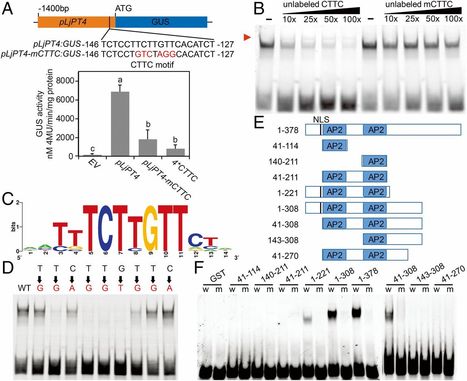
The arbuscular mycorrhizal (AM) symbiosis, a widespread mutualistic association between land plants and fungi, depends on reciprocal exchange of phosphorus driven by proton-coupled phosphate uptake into host plants and carbon supplied to AM fungi by host-dependent sugar and lipid biosynthesis. The molecular mechanisms and cis-regulatory modules underlying the control of phosphate uptake and de novo fatty acid synthesis in AM symbiosis are poorly understood. Here, we show that the AP2 family transcription factor CTTC MOTIF-BINDING TRANSCRIPTION FACTOR1 (CBX1), a WRINKLED1 (WRI1) homolog, directly binds the evolutionary conserved CTTC motif that is enriched in mycorrhiza-regulated genes and activates Lotus japonicus phosphate transporter 4 (LjPT4) in vivo and in vitro. Moreover, the mycorrhiza-inducible gene encoding H+-ATPase (LjHA1), implicated in energizing nutrient uptake at the symbiotic interface across the periarbuscular membrane, is coregulated with LjPT4 by CBX1. Accordingly, CBX1-defective mutants show reduced mycorrhizal colonization. Furthermore, genome-wide–binding profiles, DNA-binding studies, and heterologous expression reveal additional binding of CBX1 to AW box, the consensus DNA-binding motif for WRI1, that is enriched in promoters of glycolysis and fatty acid biosynthesis genes. We show that CBX1 activates expression of lipid metabolic genes including glycerol-3-phosphate acyltransferase RAM2 implicated in acylglycerol biosynthesis. Our finding defines the role of CBX1 as a regulator of host genes involved in phosphate uptake and lipid synthesis through binding to the CTTC/AW molecular module, and supports a model underlying bidirectional exchange of phosphorus and carbon, a fundamental trait in the mutualistic AM symbiosis.
|
|
Scooped by
Jean-Michel Ané
September 21, 2018 3:18 PM
|
In this paper, we describe a mechanism for the transfer of nutrients from symbiotic microbes (bacteria and fungi) to host plant roots that we term the ‘rhizophagy cycle.’ In the rhizophagy cycle, microbes alternate between a root intracellular endophytic phase and a free-living soil phase. Microbes acquire soil nutrients in the free-living soil phase; nutrients are extracted through exposure to host-produced reactive oxygen in the intracellular endophytic phase. We conducted experiments on several seed-vectored microbes in several host species. We found that initially the symbiotic microbes grow on the rhizoplane in the exudate zone adjacent the root meristem. Microbes enter root tip meristem cells—locating within the periplasmic spaces between cell wall and plasma membrane. In the periplasmic spaces of root cells, microbes convert to wall-less protoplast forms. As root cells mature, microbes continue to be subjected to reactive oxygen (superoxide) produced by NADPH oxidases (NOX) on the root cell plasma membranes. Reactive oxygen degrades some of the intracellular microbes, also likely inducing electrolyte leakage from microbes—effectively extracting nutrients from microbes. Surviving bacteria in root epidermal cells trigger root hair elongation and as hairs elongate bacteria exit at the hair tips, reforming cell walls and cell shapes as microbes emerge into the rhizosphere where they may obtain additional nutrients. Precisely what nutrients are transferred through rhizophagy or how important this process is for nutrient acquisition is still unknown.
|
|
Scooped by
Jean-Michel Ané
September 17, 2018 5:13 PM
|
Grain legumes play a significant role in global food security. They have an advantage over cereals in that they can form symbiotic associations with nitrogen‐fixing bacteria, making them self‐sufficient in terms of nitrogen acquisition. In addition to this superior agronomic trait, grain legumes have excellent nutritional properties and are thus widely used as animal feed as well as in human nutrition. Current global trends towards increased legume consumption and availability of value‐added products, as well as legume production in developing countries require the provision of improved cultivars with better productivity and adaptability. Intensive efforts are thus underway to elaborate genomic resources and gain an improved knowledge base in a number of legume crops. There is also an emerging understanding of the beneficial interactions between legume‐associated organisms, particularly rhizobia and arbuscular mycorrhizal fungi, which result in improved nodulation and nutrient acquisition. The emerging focus on legume breeding for high sustainable yields as well as improved biotic and abiotic stress tolerance traits will serve to close the current gap between grain legume production and demand. With the support from policymakers, this increase in knowledge can be readily translated into increased crop production to meet the demands of an increasing global population.
|
|
Scooped by
Jean-Michel Ané
September 16, 2018 10:57 PM
|
Suppression of innate immunity is essential for rhizobial infection and colonization in compatible interactions with leguminous plants. In Medicago nad1 mutant plants, innate immunity is excessively activated, resulting in necrotic cell death after rhizobia are released from infection threads into symbiotic cells, suggesting that innate immunity plays a critical role in regulating bacteroid persistence.
In this study, we identified three respiratory burst oxidase homologs (Rboh) and one calcium‐dependent protein kinase (CDPK) as key factors for the activation of immunity in Medicago nodules using genetic and biochemical methods.
Knock‐out of either MtRbohB or MtRbohD in nad1‐1 mutant plants produced effective nodules with intact symbiotic cells, while knock‐out of MtRbohC decreased brown pigment deposition, leading to less necrosis in nad1‐1 mutant nodules. MtCDPK5 directly phosphorylated MtRbohB, MtRbohC and MtRbohD, which triggered immune responses in plants. Knock‐out of MtCDPK5 in nad1‐1 mutant plants partially restored nitrogen‐fixing nodules. Overexpression of the constitutively activated variant MtCDPK5VK under the control of the NAD1 promoter elicited strong immune responses, resulting in ineffective nodules in wild‐type plants.
Our data provide direct evidence that host plants utilize innate immunity to regulate rhizobial colonization in symbiotic cells in Medicago truncatula.
|
|
Scooped by
Jean-Michel Ané
September 16, 2018 10:27 PM
|
Nitrogenases catalyze the biological fixation of inert N2 into bioavailable ammonium. They are bipartite systems consisting of the catalytic dinitrogenase and a complementary reductase, the Fe protein that is also the site where ATP is hydrolyzed to drive the reaction forward. Three different subclasses of dinitrogenases are known, employing either molybdenum, vanadium or only iron at their active site cofactor. Although in all these classes the mode and mechanism of interaction with Fe protein is conserved, each one encodes its own orthologue of the reductase in the corresponding gene cluster. Here we present the 2.2 Å resolution structure of VnfH from Azotobacter vinelandii, the Fe protein of the alternative, vanadium-dependent nitrogenase system, in its ADP-bound state. VnfH adopts the same conformation that was observed for NifH, the Fe protein of molybdenum nitrogenase, in complex with ADP, representing a state of the functional cycle that is ready for reduction and subsequent nucleotide exchange. The overall similarity of NifH and VnfH confirms the experimentally determined cross-reactivity of both ATP-hydrolyzing reductases.
|
|
Scooped by
Jean-Michel Ané
September 16, 2018 7:11 PM
|
The evolution of intracellular symbioses formed by bacteria with plants and animals is addressed as a model for reconstructing the origin of eukaryotic cells as a symbiosis between different forms of prokaryotes (symbiogenesis). In microorganisms that are in facultative or conditionally obligatory (ecologically obligatory) dependence on symbiosis, their gene networks arise on the basis of host-activated intragenomic rearrangements and horizontal gene transfer. The latter factor determines the evolution of the genomes of symbiotic bacteria as open genetic systems (OGSs), in which the ratio of accessory genome regions to its core regions is increased compared to free-living relatives. Coevolution of bacteria and eukaryotic hosts results in the formation of higher rank OGSs, symbiogenomes, the integrity of which is mediated by signaling interactions that determine cross-regulation of partner genes. Increasing the effectiveness of their cooperation is achieved with the transition of bacteria to strictly obligatory (genetically obligatory) dependence on hosts, determined by (a) the loss of considerable regions of the microbial genome encoding the functions of autonomous development and (b) adaptation of bacteria to permanent intracellular existence, endocytobiosis. At this stage, symbiogenomes acquire the status of inheritance systems, determined by vertical (as a rule, transovarial) transfer of microsymbionts through host generations. The transformation of endocytobionts into cellular organelles is associated with the loss of their genetic autonomy, i.e., the ability to maintain and express their rudimentary genomes, until their complete loss. However, organelles partially retain phenotypic identity of ancestral bacteria, which is determined by the importation from the host cell of the gene products (proteins, RNA) obtained earlier from microsymbionts, which led to the formation of structurally integrated hologenomes. The gene loss and gain strategy realized in this way led to the formation of different patterns of eukaryotic cell organization in accordance with the mosaic scenario, which includes sequential introduction of several symbionts into the host cell, or with the matryoshka doll scenario, in which new symbionts are introduced into the cells of previously acquired symbionts.
|
|
Scooped by
Jean-Michel Ané
September 16, 2018 7:09 PM
|
Phosphate homeostasis is tightly modulated in all organisms, including bacteria, which harbor both high- and low-affinity transporters acting under conditions of fluctuating phosphate levels. It was thought that nitrogen-fixing rhizobia, named bacteroids, inhabiting root nodules of legumes are not phosphate limited. Here, we show that the high-affinity phosphate transporter PstSCAB, rather than the low-affinity phosphate transporter Pit, is essential for effective nitrogen fixation of Sinorhizobium fredii in soybean nodules. Symbiotic and growth defects of the pst mutant can be effectively restored by knocking out PhoB, the transcriptional repressor of pit. The pst homologs of representative rhizobia were actively transcribed in bacteroids without terminal differentiation in nodules of diverse legumes (soybean, pigeonpea, cowpea, common bean, and Sophora flavescens) but exhibited a basal expression level in terminally differentiated bacteroids (alfalfa, pea, and peanut). Rhizobium leguminosarum bv. viciae Rlv3841 undergoes characteristic nonterminal and terminal differentiations in nodules of S. flavescens and pea, respectively. The pst mutant of Rlv3841 showed impaired adaptation to the nodule environment of S. flavescens but was indistinguishable from the wild-type strain in pea nodules. Taken together, root nodule rhizobia can be either phosphate limited or nonlimited regarding the rhizobial differentiation fate, which is a host-dependent feature.
|
|
Scooped by
Jean-Michel Ané
September 16, 2018 7:02 PM
|
Achlorophylous and early developmental stages of chorolophylous orchids are highly dependent on carbon and other nutrients provided by mycorrhizal fungi, in a nutritional mode termed mycoheterotrophy. Previous findings have implied that some common properties at least partially underlie the mycorrhizal symbioses of mycoheterotrophic orchids and that of autotrophic arbuscular mycorrhizal (AM) plants; however, information about the molecular mechanisms of the relationship between orchids and their mycorrhizal fungi is limited. In this study, we characterized the molecular basis of an orchid-mycorrhizal (OM) symbiosis by analyzing the transcriptome of Bletilla striata at an early developmental stage associated with the mycorrhizal fungus Tulasnella sp. The essential components required for the establishment of mutual symbioses with AM fungi or rhizobia in most terrestrial plants were identified from the B. striata gene set. A cross-species gene complementation analysis showed one of the component genes, calcium and calmodulin-dependent protein kinase gene CCaMK in B. striata, retains functional characteristics of that in AM plants. The expression analysis revealed the activation of homologs of AM-related genes during the OM symbiosis. Our results suggest that orchids possess, at least partly, the molecular mechanisms common to AM plants.
|


 Scoop.it!