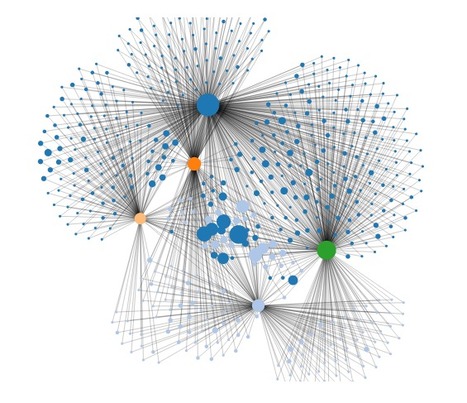
Are health networks, social media efforts and analytics ready for prime time to fight the flu?
One of the influenza strains that afflicted New Yorkers in 2012 was so sneaky that it even fooled Pascal Imperato, M.D., the former head of the city's health department, a renowned expert on infectious diseases, and now dean of the school of public health at SUNY Downstate Medical Center in Brooklyn.
If the subtle early symptoms had been more widely known and publicized, Imperato might have saved himself a week in bed and a month of feeling not quite himself. The prevailing techniques of flu surveillance-tracking test results and reports of "influenza-like illness"-are blunt instruments for providing that kind of information, but they're being supplemented increasingly by information gleaned from sophisticated lab testing, social media, electronic health records and simply asking people to report whether they have the flu. These new information streams, properly analyzed and integrated, can help providers see disease patterns even among people who don't go to the doctor or the hospital, can give early warning when a virus has undergone changes or presents in an unfamiliar way, and can produce a complete picture of the overall human toll and cost of a season of flu.
This type of detail will be increasingly important as providers become responsible not just for episodic care of the sick but for keeping people healthy. "Influenza is a disease where the predictable doesn't occur and the unpredictable does," Imperato says. "Even with tracking, things come up that are a total surprise."
The Centers for Disease Control, in cooperation with state health departments and a network of labs and providers (both physician offices and hospitals) tracks the essentials: flu test results, the number of people visiting doctors or hospitals with influenza-like illnesses (ILIs), hospitalization and mortality. During flu season, state health departments also issue weekly estimates of how widespread the flu is.
Getting a Grip on the Data
Today's flu surveillance can go far beyond who does or doesn't have the flu, and will go even further as researchers, providers and public health officials figure out ways to link one dataset to another. Which data stream is most useful? Depends on what you want to know:
CMS claims data: Tracks incidence of the flu and the treatment that resulted, using ICD codes. Good for looking at the big picture of the flu season especially among the elderly, but hampered by a time lag of weeks to months between the event and the availability of the data.
CDC ILINet: Tracks the number of visits to "sentinel providers" by people with influenza-like illness (defined as cough, fever and sore throat), as a percentage of the total number of visits. Good for confirming that the flu has arrived in your area and tracking how it has affected different age groups.
CDC NREVSS (National Respiratory and Enteric Virus Surveillance System):Tracks positive flu tests as a percent of the total, from participating labs. Good for confirming when influenza-like illnesses are actually flu, which flu is where, and whether the vaccine being used in a given year is a good match for the strains that are circulating.
Google Flu Trends: Tracks flu-related search terms and various online news sources for flu mentions. Good for tracking awareness of and concern about the flu.
HealthMap: Tracks worldwide reports of disease outbreaks in close to real time based on trusted sources like governments and non-government organizations. A sub-project, Flu Near You, asks people to report their experiences directly.
Twitter (as distilled by Social Health Media and others): Analyzes tweets mentioning flu or flu-like illness. Good for tracking how sick people are (or at least how much they complain about it), how often flu keeps people out of work (specifically the group sick enough to stay home but not too sick to tweet). The same type of analysis can be applied to Facebook posts and other forms of social media.
Health information exchanges: Still in embryo most places as a flu surveillance tool, but likely to increase in importance as HIEs become more widely adopted. Potentially good for tying together the reports of ILI and reports of later complications or hospitalizations among those same patients, and for tracking reports of flu among people who have been vaccinated.
Electronic health records: Also still in embryo in most locations, but likely to increase in importance as meaningful use requirements help standardize data elements. Good for tracking flu rate, vaccination rate, rate of flu in vaccinated people, rate of complications and hospitalizations for flu, with cross analysis by demographics and other health conditions, outcomes of treatment, mortality, individual experiences with the flu over time.
More at : http://www.healthdatamanagement.com/issues/21_11/Health-IT-vs-Influenza-analytics-social-media-46821-1.html?zkPrintable=1&nopagination=1
Via
nrip


 Your new post is loading...