When Jack Osbourne learned that he had multiple sclerosis, he investigated his options for managing the symptoms that accompany the condition. He chose a Paleo low carb diet because of its anti-inflammation benefits, reported the International Business Times on August 7. A high fat ketogenic diet, it also has become popular for its weight loss benefits.
Stress can be a major factor in Multiple Sclerosis. Learning to recognise the contributing factors and how to manage them is of utmost importance to improving your situation.
Today on MD-VOD, Dr. John Kennedy is joined by neurologist, Dr. Robert Giombetti, and Emmy award winning TV show host, Montel Williams, to discuss multiple sclerosis. Together they examine the cause of the disease, who is at risk, the symptoms, how it's diagnosed and available medications, treatments and therapies. They discuss the consequences and the realities of living with multiple sclerosis, including insurance coverage and related costs.
Drugs taken by HIV patients could also be used to prevent and treat multiple sclerosis, scientists say. Researchers have discovered that people with HIV have a significantly lower risk of developing MS, a debilitating neurological condition. It is not yet clear whether the lowered risk is caused by the HIV virus itself, or by the antiretroviral drugs taken by sufferers. But if future research shows antiretrovirals to be key, it raises the possibility that they could one day be used to help MS sufferers.
Cet épisode vous aidera à mieux comprendre et à mieux gérer les troubles cognitifs. Vous y trouverez également les professionnels de santé concernés et de nombreux conseils pratiques pour mieux gérer ces troubles au quotidien.
Cet épisode vous aidera à identifier les signes d'appels du stress. Vous y trouverez également les professionnels de santé concernés et de nombreux conseils pratiques pour mieux gérer ces troubles au quotidien.
Cet épisode vous aidera à identifier les signes d'appels des troubles sensitifs. Vous y trouverez également les professionnels de santé concernés et de nombreux conseils pratiques pour mieux gérer ces troubles au quotidien.
Cet épisode vous aidera à identifier les signes d'appels des troubles locomoteurs. Vous y trouverez également les professionnels de santé concernés et de nombreux conseils pratiques pour mieux gérer ces troubles au quotidien.
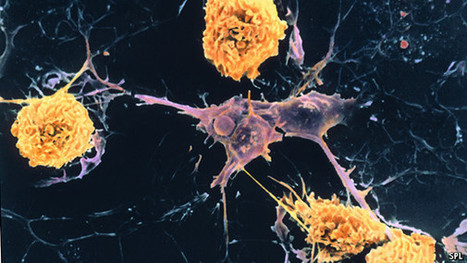
Multiple sclerosis (MS) can happen to just about anyone. The central nervous system disorder affects your brain and spinal cord. But it spares the nerves and muscles that lead away from the spinal cord. Nearly 350,000 people in the United States have MS. MS is a long-term illness. Infection-fighting white blood cells enter the nervous system and cause injury by stripping off the myelin sheath that protects nerves. When this happens, the nerves cannot conduct electricity as well as they should. This causes symptoms.
The idea, first mooted in 2011 by Julian Gold of the Prince of Wales Hospital in Sydney, Australia, that HIV infection—or maybe the drug treatment used to fight it—might protect against multiple sclerosis (MS), was certainly unexpected. Now, in a study just published in the Journal of Neurology, Neurosurgery and Psychiatry, Dr Gold has confirmed his suspicion. That is interesting. It may also be important.
GlobalData's clinical trial report, "Multiple Sclerosis Global Clinical Trials Review, H2, 2014" provides data on the Multiple Sclerosis clinical trial scenario. This report provides elemental information and data relating to the clinical trials on Multiple Sclerosis. It includes an overview of the trial numbers and their recruitment status as per the site of trial conduction across the globe. The databook offers a preliminary coverage of disease clinical trials by their phase, trial status, prominence of the sponsors and also provides briefing pertaining to the number of trials for the key drugs for treating Multiple Sclerosis. This report is built using data and information sourced from proprietary databases, primary and secondary research and in-house analysis by GlobalData's team of industry experts.
Multiple sclerosis (MS) is an inflammatory disease in which the fatty myelin sheaths around the axons of the brain and spinal cord are damaged, leading to demyelination and scarring as well as a broad spectrum of signs and symptoms. This animation shows how T cells cross the blood brain barrier and attacks the myelin. When the myelin is lost, the axons can no longer effectively conduct signals.
Expert neurologists describe what a newly diagnosed person with MS should expect in terms of disease progression. They discuss the four basic categories of MS: Relapsing remitting MS, primary progressive MS, secondary progressive MS, and progressive relapsing MS. The likelihood that a newly diagnosed patient with MS will acquire a severe disability is also discussed. With today's approved treatments and management strategies, most people with MS are able to lead full and productive lives.
The journey towards my Multiple Sclerosis diagnosis ends with this week's video! This week you will learn all about the tests that helped the doctors reach my official diagnosis. Keep in mind- MS isn't an easy disease to diagnosis because of the oodles of symptoms hanging out under the MS umbrella. Which is why all of these tests were important. 1- Physical tests 2- MRI 3- Spinal Tap / Lumbar Puncture 4- EEG 5- & oodles of questions *NOTE* I am NOT a doctor! I am sharing my experiences with you because having MS can be incredibly overwhelming.
Lors de la Journée Mondiale de la SEP (sclérose en plaques), le Jeudi 28 Mai prochain, nous vous proposerons de découvrir la websérie SEPOURVOUS réalisée pour les patients SEP et leurs proches.
Cet épisode vous aidera à mieux comprendre et à mieux gérer la douleur. Vous y trouverez également les professionnels de santé concernés et de nombreux conseils pratiques pour mieux gérer ces troubles au quotidien.
Cet épisode vous aidera à identifier les signes d'appels de la fatigue. Vous y trouverez également les professionnels de santé concernés et de nombreux conseils pratiques pour mieux gérer ces troubles au quotidien.
Cet épisode vous aidera à identifier les signes d'appels des troubles visuels. Vous y trouverez également les professionnels de santé concernés et de nombreux conseils pratiques pour mieux gérer ces troubles au quotidien.
To get content containing either thought or leadership enter:
To get content containing both thought and leadership enter:
To get content containing the expression thought leadership enter:
You can enter several keywords and you can refine them whenever you want. Our suggestion engine uses more signals but entering a few keywords here will rapidly give you great content to curate.


 Your new post is loading...