Your new post is loading...

|
Scooped by
Gilbert C FAURE
January 19, 2022 4:59 AM
|
BackgroundData regarding symptoms in the lactating mother-infant dyad and their immune response to COVID-19 mRNA vaccination during lactation are needed to inform vaccination guidelines.MethodsFrom a prospective cohort of 50 lactating individuals who received mRNA-based vaccines for COVID-19...
|
|
Scooped by
Gilbert C FAURE
January 13, 2022 1:14 PM
|
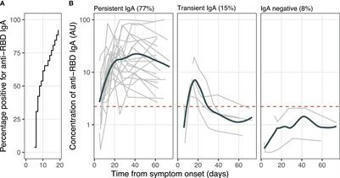
A recent paper in the journal Frontiers in Immunology describes the demonstration of mucosal antibodies in breast milk that specifically target the virus.
|
|
Scooped by
Gilbert C FAURE
December 30, 2021 4:18 AM
|
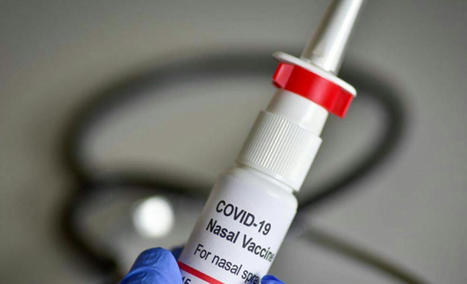
Abstract The nose is the initial site of viral infection, replication, and transmission in the human body. Nasally inhaled vaccines may act as a promising alternative for COVID-19 management in add...
|
|
Scooped by
Gilbert C FAURE
December 30, 2021 4:16 AM
|
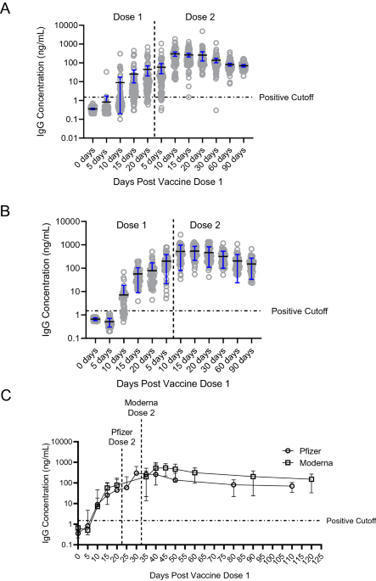
COVID-19 mRNA vaccines are highly effective at preventing COVID-19. Prior studies have found detectable SARS-CoV-2 IgG antibodies in oral mucosal specimens of participants with history of COVID-19. To assess the development of oral SARS-CoV-2 IgG antibodies among people who received either the...
|
|
Scooped by
Gilbert C FAURE
December 22, 2021 2:26 PM
|
|
|
Scooped by
Gilbert C FAURE
December 12, 2021 4:11 AM
|
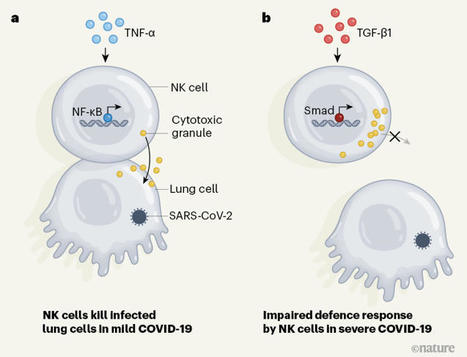
A defence response malfunctions in people with severe COVID-19.
|
|
Scooped by
Gilbert C FAURE
November 3, 2021 7:39 AM
|
Postmortem samples of respiratory and olfactory mucosa and whole olfactory bulbs are
harvested immediately after the death of COVID-19 patients revealing ciliated cells
and sustentacular cells but not olfactory sensory neurons as the main target cell
types for SARS-CoV-2 infection and replication.
|
|
Scooped by
Gilbert C FAURE
October 4, 2021 1:28 PM
|
In a recent study, researchers conducted a nasopharyngeal microbiota profiling parallelism in an effort to analyze microbiota variations in COVID-19 patients.
|
|
Scooped by
Gilbert C FAURE
September 24, 2021 2:23 PM
|
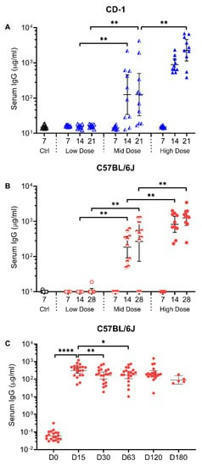
The coronavirus disease 2019 (COVID-19) pandemic has highlighted the urgent need for effective prophylactic vaccination to prevent the spread of severe acute respiratory syndrome coronavirus 2 (SARS-CoV-2).
|
|
Scooped by
Gilbert C FAURE
September 12, 2021 3:21 AM
|
SalivaDirect, an open-source protocol, avoids many of the supply bottlenecks of other tools and could be offered for as little as $10 a test.
|
|
Scooped by
Gilbert C FAURE
August 7, 2021 2:38 AM
|
SARS-CoV-2 infection induces strong type I IFN immunity in the nasopharyngeal cavity of mildly symptomatic COVID-19 patients, but this response is compromised i...
|
|
Scooped by
Gilbert C FAURE
August 2, 2021 4:00 AM
|
Abstract: Without reliable measures of prevalence (viral circulation) and severity (the probability that infections lead to severe forms such as hospitalisation), the medium-term impact of viral…...
There are now several monoclonal antibodies, identical copies of a therapeutic antibody produced in large numbers, that are authorized for the treatment of COVID-19. But in the ongoing effort to beat this terrible pandemic, there’s plenty of room for continued improvements in treating infections with SARS-CoV-2, the virus that causes COVID-19.
|
|
|
Scooped by
Gilbert C FAURE
January 16, 2022 1:34 PM
|
During the alveolar phase of COVID-19, the goals of treatment are to inhibit viral replication, to preserve type II cell survival and function, and to dampen the inflammatory response to maintain the architecture of the gas exchange units. Although endothelial cells are not likely to be direct targets of SARS-CoV-2, they are clearly damaged, thus treatments to prevent endothelial injury and microvascular thrombi are also very important. The two treatments that have been studied in detail are dexamethasone and anticytokine therapies. Corticosteroids are administered primarily to diminish tissue inflammation, but they also stimulate surfactant production in vivo and type II cells in vitro and induce structural maturation of the lung in the newborn.71–73 Dexamethasone is beneficial in hospitalised patients requiring mechanical ventilation or supplemental oxygen but not in those not requiring respiratory support.74 If a goal is to preserve injured type II cells, factors that stimulate cultured adult type II cells or organoids of type II cells in vitro should be considered. These factors include, but are not limited to, dexamethasone, cyclic Cyclic adenosine monophosphate (cyclic AMP) (isobutylmethylxanthine, cholera toxin) and mitogenic growth factors (KGF, Hepatocyte growth factor (HGF), Transforming growth factor alpha (TGFa)).48 71 75 However, stimulating type II cell proliferation may be detrimental by increasing the number of ACE2 expressing cells and thereby increasing viral replication, similar to what has been reported in mice treated with KGF prior to infection with influenza.76 Type II cells are also the primary target cell of influenza infection in the alveolar region.77 There have been many attempts to inhibit individual components of the resultant hyperinflammation (previously termed “cytokine storm”), but these therapies have only been partially successful. Baricitinib, an inhibitor of Janus kinase 1 and 2, blocks several cytokines elevated in COVID-19 and is promising in patients receiving high-flow oxygen or non-invasive ventilation.78 Tocilizumab and sarilumab are monoclonal antibodies that block the IL-6 receptor. In the recent open-label Randomised, Embedded, Multi-factorial Adaptive Platform Trial for Community-Acquired Pneumonia with rapid enrollment of COVID-19 patients with ICU and greater than 80% receiving corticosteroids, tocilizumab and sarilumab increased respiratory and blood pressure support-free days to day 21 as well as survival and met the predefined criteria for efficacy.79 In an earlier standard controlled clinical trial prior to the widespread use of glucocorticoids, tocilizumab was not effective for preventing intubation or death in a cohort of moderately ill hospitalised patients with COVID-19.80 Rubin et al commented in an accompanying editorial on the differences in study design between the two trials and stressed the importance of context of the trials at different times in the COVID-19 pandemic both in terms of the concomitant use of glucocorticoids and in the evolving practice patterns in intensive care medicine for patients with COVID-19 .81
|
|
Scooped by
Gilbert C FAURE
January 12, 2022 4:31 AM
|
Research conducted since the start of the pandemic is starting to suggest that the mouth could be a key player in COVID-19 infection.
|
|
Scooped by
Gilbert C FAURE
December 30, 2021 4:17 AM
|
BackgroundLimited data are available regarding the balance of risks and benefits from human milk and/or breastfeeding during and following maternal infection with severe acute respiratory syndrome coronavirus 2 (SARS-CoV-2).ObjectiveTo investigate whether SARS-CoV-2 can be detected in milk and on...
|
|
Scooped by
Gilbert C FAURE
December 30, 2021 4:11 AM
|
Vaccines in emergency use are efficacious against COVID-19, yet vaccine-induced prevention against nasal SARS-CoV-2 infection remains suboptimal.Since…...
|
|
Scooped by
Gilbert C FAURE
December 19, 2021 9:48 AM
|
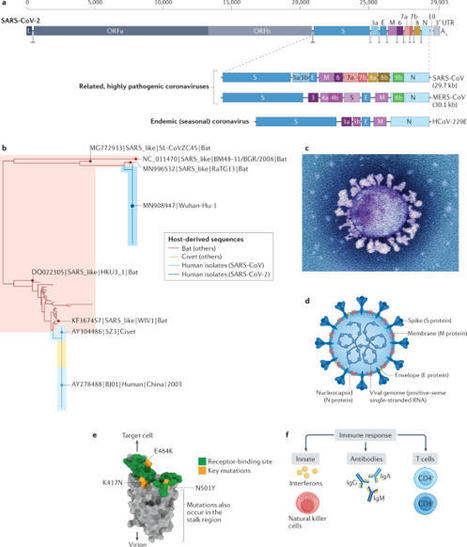
The lungs are the primary target of severe acute respiratory syndrome coronavirus 2 (SARS-CoV-2) infection, with severe hypoxia being the cause of death in the most critical cases. Coronavirus disease 2019 (COVID-19) is extremely heterogeneous in terms of severity, clinical phenotype and, importantly, global distribution. Although the majority of affected patients recover from the acute infection, many continue to suffer from late sequelae affecting various organs, including the lungs. The role of the pulmonary vascular system during the acute and chronic stages of COVID-19 has not been adequately studied. A thorough understanding of the origins and dynamic behaviour of the SARS-CoV-2 virus and the potential causes of heterogeneity in COVID-19 is essential for anticipating and treating the disease, in both the acute and the chronic stages, including the development of chronic pulmonary hypertension. Both COVID-19 and chronic pulmonary hypertension have assumed global dimensions, with potential complex interactions. In this Review, we present an update on the origins and behaviour of the SARS-CoV-2 virus and discuss the potential causes of the heterogeneity of COVID-19. In addition, we summarize the pathobiology of COVID-19, with an emphasis on the role of the pulmonary vasculature, both in the acute stage and in terms of the potential for developing chronic pulmonary hypertension. We hope that the information presented in this Review will help in the development of strategies for the prevention and treatment of the continuing COVID-19 pandemic. In this Review, the authors discuss the potential causes of the heterogeneity of COVID-19 and summarize the pathobiology of the disease, with an emphasis on the role of the pulmonary vasculature in the acute stage and the potential for developing chronic pulmonary hypertension.
|
|
Scooped by
Gilbert C FAURE
December 11, 2021 1:26 PM
|
The emergence of COVID-19 variants such as delta and omicron have sent scientists scrambling to determine whether existing vaccinations and boosters are still effective against new strains of SARS-Cov-2.
|
|
Scooped by
Gilbert C FAURE
November 1, 2021 6:49 AM
|
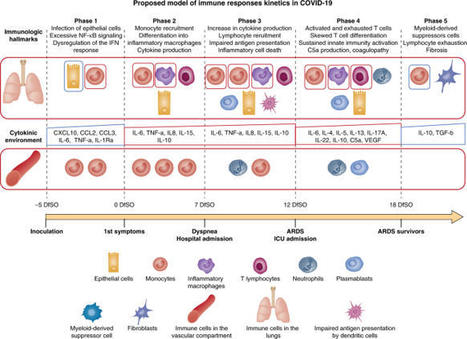
As the COVID-19 pandemic is still ongoing, and considering the lack of efficacy of antiviral strategies to this date, and the reactive hyperinflammation leading to tissue lesions and pneumonia, effective treatments targeting the dysregulated immune response are more than ever required. Immunomodulatory and immunosuppressive drugs have been repurposed in severe COVID-19 with contrasting results. The heterogeneity in the timing of treatments administrations could be accountable for these discrepancies. Indeed, many studies included patients at different timepoints of infection, potentially hiding the beneficial effects of a time-adapted intervention. We aim to review the available data on the kinetics of the immune response in beta-coronaviruses infections, from animal models and longitudinal human studies, and propose a four-step model of severe COVID-19 timeline. Then, we discuss the results of the clinical trials of immune interventions with regards to the timing of administration, and finally suggest a time frame in order to delineate the best timepoint for each treatment.
|
|
Scooped by
Gilbert C FAURE
October 1, 2021 5:36 AM
|
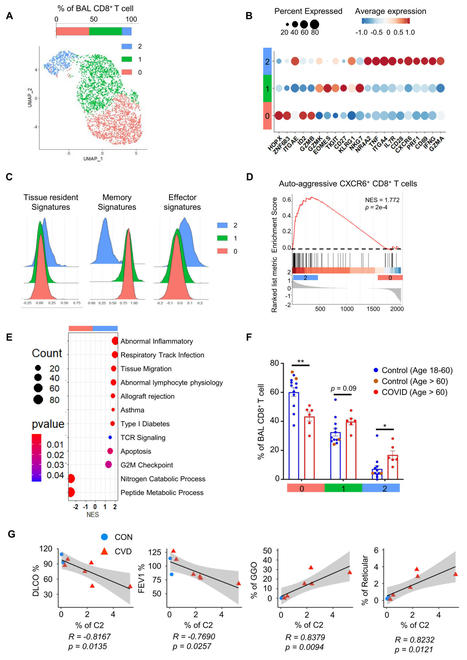
Severe COVID-19 pneumonia survivors often exhibit long-term pulmonary sequalae, but the underlying mechanisms or associated local and systemic immune correlates are not known. Here, we have perform...
|
|
Scooped by
Gilbert C FAURE
September 14, 2021 5:16 AM
|
Researchers have collaborated to resolve the aforementioned problems associated with injection vaccines to create a thermostable vaccine that can be taken orally.
|
|
Scooped by
Gilbert C FAURE
August 7, 2021 12:05 PM
|
Thai virologists at BIOTEC have 2 nasal spray options currently in development that may act as a substitute for Covid-19 vaccines in needle form.
|
|
Scooped by
Gilbert C FAURE
August 4, 2021 2:08 PM
|
Scientists from Germany and Italy recently demonstrated the benefits of intramuscular/intranasal heterologous prime-boost vaccination regimen against coronavirus disease 2019 (COVID-19).
|
|
Scooped by
Gilbert C FAURE
August 2, 2021 3:56 AM
|
The coronavirus disease 2019 (COVID-19) pandemic caused by severe acute respiratory syndrome coronavirus 2 (SARS-CoV-2) continues to scale up around the world, costing severe health and economic losses.
|