Your new post is loading...

|
Scooped by
Gilbert C FAURE
May 17, 2021 3:41 AM
|
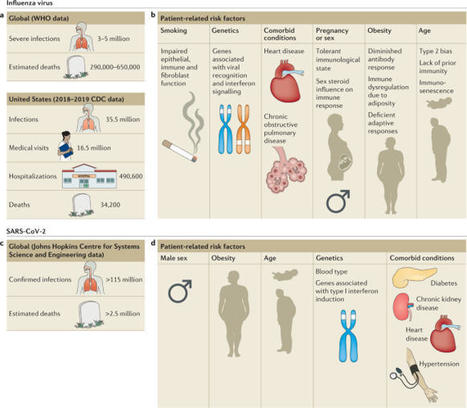
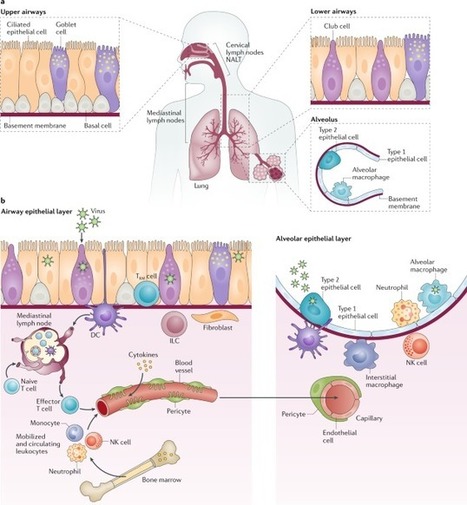
Influenza viruses cause annual epidemics and occasional pandemics of respiratory tract infections that produce a wide spectrum of clinical disease severity in humans. The novel betacoronavirus severe acute respiratory syndrome coronavirus 2 (SARS-CoV-2) emerged in December 2019 and has since caused a pandemic. Both viral and host factors determine the extent and severity of virus-induced lung damage. The host’s response to viral infection is necessary for viral clearance but may be deleterious and contribute to severe disease phenotypes. Similarly, tissue repair mechanisms are required for recovery from infection across the spectrum of disease severity; however, dysregulated repair responses may lead to chronic lung dysfunction. Understanding of the mechanisms of immunopathology and tissue repair following viral lower respiratory tract infection may broaden treatment options. In this Review, we discuss the pathogenesis, the contribution of the host response to severe clinical phenotypes and highlight early and late epithelial repair mechanisms following influenza virus infection, each of which has been well characterized. Although we are still learning about SARS-CoV-2 and its disease manifestations in humans, throughout the Review we discuss what is known about SARS-CoV-2 in the context of this broad knowledge of influenza virus, highlighting the similarities and differences between the respiratory viruses. In this Review, Schultz-Cherry, Thomas and colleagues discuss the pathogenesis of influenza virus and severe acute respiratory syndrome coronavirus 2 (SARS-CoV-2) in the human respiratory tract, the contribution of the host response to severe disease, epithelial repair mechanisms following infection, and current and potential future therapies for influenza virus and SARS-CoV-2 infections.
|
|
Scooped by
Gilbert C FAURE
May 1, 2021 10:35 AM
|
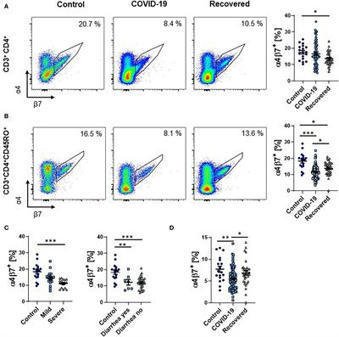
BackgroundInfection with the novel severe acute respiratory syndrome coronavirus 2 (SARS-CoV-2) causes a wide range of symptoms including gastrointestinal manifestations, and intestinal epithelial cells are a target of the virus. However, it is unknown how the intestinal immune system contributes to systemic immune responses in coronavirus disease 2019 (COVID-19).MethodsWe characterized peripheral blood lymphocytes from patients with active COVID-19 and convalescent patients as well as healthy controls by flow cytometry.ResultsThe frequency and absolute number of circulating memory T and B cells expressing the gut homing integrin α4β7 integrin was reduced during COVID-19, whether gastrointestinal symptoms were present or not. While total IgA-expressing B cells were increased, gut-imprinted B cells with IgA expression were stable.ConclusionCOVID-19 is associated with a decrease in circulating adaptive immune cells expressing the key gut homing marker α4β7 suggesting that these cells are preferentially recruited to extra-intestinal tissues independently of α4β7 or that the systemic immune response against SARS-CoV-2 is at least numerically dominated by extraintestinal, particularly pulmonary, immune cell priming.
|
|
Rescooped by
Gilbert C FAURE
from Virus World
March 28, 2021 3:47 AM
|
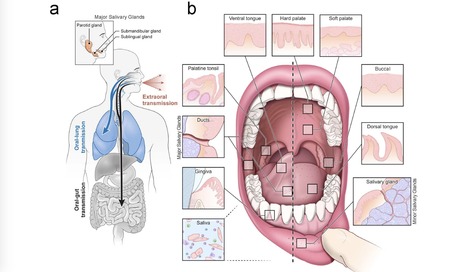
Despite signs of infection—including taste loss, dry mouth and mucosal lesions such as ulcerations, enanthema and macules—the involvement of the oral cavity in coronavirus disease 2019 (COVID-19) is poorly understood. To address this, we generated and analyzed two single-cell RNA sequencing datasets of the human minor salivary glands and gingiva (9 samples, 13,824 cells), identifying 50 cell clusters. Using integrated cell normalization and annotation, we classified 34 unique cell subpopulations between glands and gingiva. Severe acute respiratory syndrome coronavirus 2 (SARS-CoV-2) viral entry factors such as ACE2 and TMPRSS members were broadly enriched in epithelial cells of the glands and oral mucosae. Using orthogonal RNA and protein expression assessments, we confirmed SARS-CoV-2 infection in the glands and mucosae. Saliva from SARS-CoV-2-infected individuals harbored epithelial cells exhibiting ACE2 and TMPRSS expression and sustained SARS-CoV-2 infection. Acellular and cellular salivary fractions from asymptomatic individuals were found to transmit SARS-CoV-2 ex vivo. Matched nasopharyngeal and saliva samples displayed distinct viral shedding dynamics, and salivary viral burden correlated with COVID-19 symptoms, including taste loss. Upon recovery, this asymptomatic cohort exhibited sustained salivary IgG antibodies against SARS-CoV-2. Collectively, these data show that the oral cavity is an important site for SARS-CoV-2 infection and implicate saliva as a potential route of SARS-CoV-2 transmission. Published in Nature Medicine (March 25, 2021): https://doi.org/10.1038/s41591-021-01296-8
Via Juan Lama
|
|
Scooped by
Gilbert C FAURE
March 23, 2021 2:44 PM
|
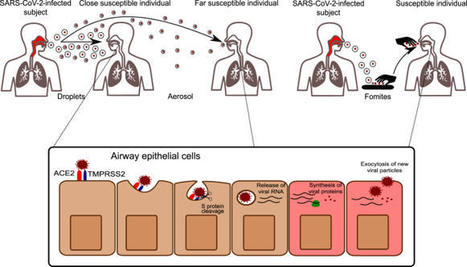
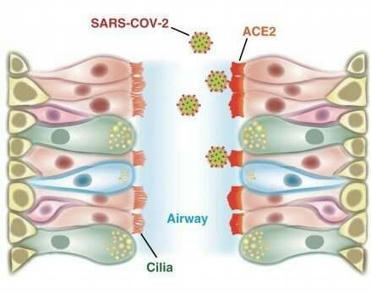
The novel coronavirus SARS-CoV-2 enters into the human body mainly through the ACE2 + TMPRSS2+ nasal epithelial cells. The initial host response to this pathogen occurs in a peculiar immune microenvironment that, starting from the Nasopharynx-Associated Lymphoid Tissue (NALT) system, is the product of a long evolutionary process that is aimed to first recognize exogenous airborne agents. In the present work, we want to critically review the latest molecular and cellular findings on the mucosal response to SARS-CoV-2 in the nasal cavity and in NALT, and to analyze its impact in the subsequent course of COVID-19. Finally, we want to explore the possibility that the regulation of the systemic inflammatory network against the virus can be modulated starting from the initial phases of the nasal and nasopharyngeal response and this may have several clinical and epidemiological implications starting from a mucosal vaccine development.

|
Suggested by
LIGHTING
January 19, 2021 11:04 AM
|
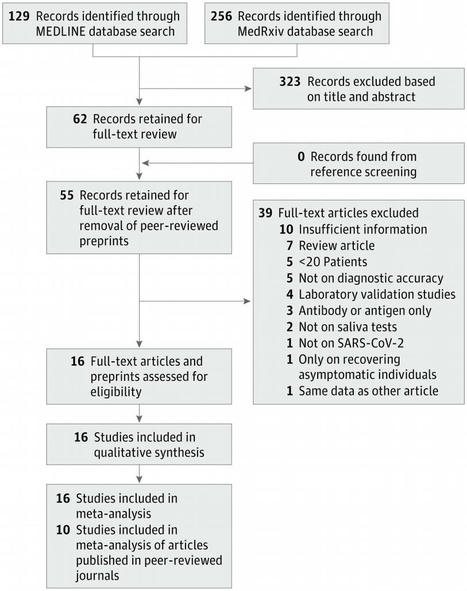
This systematic review and meta-analysis assess the diagnostic accuracy of saliva nucleic acid amplification tests for diagnosis of coronavirus disease 2019.
|
|
Rescooped by
Gilbert C FAURE
from Virus World
January 17, 2021 2:14 AM
|
Compared with nasal swabs, saliva tests may better reflect infection deep in the lungs. To the known risk factors for developing severe COVID-19—age, male sex, or any of a series of underlying conditions—a new study adds one more: high levels of the virus in your saliva. Standard COVID-19 tests sample the nasal passage. But several new tests look for SARS-CoV-2, the pandemic coronavirus, in saliva, and the new work finds a striking correlation between high virus levels there and later hospitalization or death. If the results are confirmed, saliva tests could help doctors prioritize which patients in the early stages of the disease should receive medicines that drive down levels of the virus. “I thought it was pretty striking,” says Shane Crotty, a virologist at the La Jolla Institute for Immunology, who was not involved with the research. Crotty notes the results suggest virus levels in saliva reflect viral load deep in the lungs, where the disease does much of its damage in severe cases. “That is a fundamentally valuable insight,” Crotty says. The new work isn’t the first to link the body’s coronavirus load and disease outcome. Several research groups have found a correlation between high viral levels in the nasal passages at the time of a patient’s hospital admission and ultimate disease severity. But other groups have failed to find that same link. The standard test to detect SARS-CoV-2 samples nasal mucus using nasopharyngeal (NP) swabs. The procedure is unpleasant, but it is the customary way to sample respiratory pathogens. In recent months, however, several research groups have developed and received emergency use authorization from the U.S. Food and Drug Administration for tests detecting SARS-CoV-2 in saliva. Yale University researchers were among the first, and the university’s hospitals have been using both saliva and NP swab tests. In both cases, labs analyze the samples using quantitative reverse transcription polymerase chain reaction tests, which can detect genetic material from SARS-CoV-2 and quantify the number of viral particles in each milliliter of sample. Researchers led by Akiko Iwasaki, an immunologist at Yale, compared viral loads in saliva and NP swabs from 154 patients and 109 people without the virus. They divided the patients into groups that had low, medium, and high viral loads as determined by both types of test. Then they compared those results with the severity of symptoms the patients developed later. They found that patients who developed severe disease, were hospitalized, or died were more likely to have had high virus loads in their saliva tests, but not in their NP swabs. Viral load in both saliva and nasal mucus declined over time in patients who recovered, but not in those who died. When Iwasaki and her colleagues reviewed patients’ electronic medical records for markers of disease in the blood, they found that high saliva viral loads correlated with high levels of immune signals such as cytokines and chemokines, nonspecific molecules that ramp up in response to viral infections and have been linked to tissue damage. People with more virus in their saliva also gradually lost certain cells that mount an immune response against viral targets, had lower levels of antibodies targeting the spike protein that the virus uses to enter cells, and were slower to develop the strong immune response needed to knock down the virus in cases where they recovered. The team’s results appeared on 10 January in a preprint that has not been peer reviewed. Iwasaki and her colleagues argue that saliva may be a better predictor of disease outcome than nasal mucus because the latter comes from the upper respiratory tract, whereas severe disease is associated with damage deep in the lungs. “Saliva may better represent what is going on in the lower respiratory tract,” Iwasaki says, because cilia lining the respiratory tract naturally move mucus up from the lungs into the throat, where it mixes with saliva; coughs have the same effect. The results don’t have enough statistical power to reveal how much more likely a person with a high saliva viral load is to develop severe COVID-19, Iwasaki says. She is also eager for other groups to replicate the results, especially because efforts to link high NP swab viral loads with disease progression have had mixed results. If other research confirms the finding, “it would clear away a lot of the fog” around this disease, Crotty says. Monica Gandhi, an infectious disease expert at the University of California, San Francisco, adds that if saliva tests are predictive, they could help doctors identify patients to treat early with either antibodies to reduce viral load or steroids to tamp down overactive nonspecific immune responses. Saliva tests are cheaper and easier than NP tests, but much less widely available. So confirmation of the new results could bolster efforts to make saliva tests more readily available, says Sri Kosuri, CEO of Octant, Inc., a biotech company. “If this study happened in March, we’d be talking about whether we should be doing NP testing at all,” Kosuri says. Preprint available in medRxiv (Jan. 10, 2021): https://doi.org/10.1101/2021.01.04.21249236
Via Juan Lama
|
|
Scooped by
Gilbert C FAURE
January 9, 2021 4:20 AM
|
Severe acute respiratory syndrome coronavirus 2 (SARS-CoV-2) was first reported in late 2019 in China and is the causative agent of the coronavirus disease 2019 (COVID-19) pandemic. To mitigate the effects of the virus on public health, the economy and society, a vaccine is urgently needed. Here I review the development of vaccines against SARS-CoV-2. Development was initiated when the genetic sequence of the virus became available in early January 2020, and has moved at an unprecedented speed: a phase I trial started in March 2020 and there are currently more than 180 vaccines at various stages of development. Data from phase I and phase II trials are already available for several vaccine candidates, and many have moved into phase III trials. The data available so far suggest that effective and safe vaccines might become available within months, rather than years. The development of vaccines against SARS-CoV-2 is reviewed, including an overview of the development process, the different types of vaccine candidate, and data from animal studies as well as phase I and II clinical trials in humans.
|
|
Scooped by
Gilbert C FAURE
December 8, 2020 12:12 PM
|
Cells in the nasal passages and upper airways are likely the coronavirus' major point of entry into the body, according to a study by Stanford Medicine researchers.
|
|
Scooped by
Gilbert C FAURE
November 18, 2020 3:53 AM
|
Le virus responsable du syndrome respiratoire aigu sévère 2 (SARS-CoV-2) est un Betacoronavirus de la famille des Coronaviridae. Il est responsable de la maladie appelée Covid-19. Les premiers cas d’infection au SARS-CoV-2 ont été rapportés en décembre 2019, dans la province de Wuhan en Chine. Depuis, le virus s’est propagé sur tous les continents, provoquant une pandémie. Comme la majorité des virus respiratoires, le SARS-CoV-2 se transmet principalement par voie aérienne, sous forme de gouttelettes. Ces gouttelettes se déposent sur des surfaces et vecteurs inertes (« fomites »). Le virus peut ensuite être transmis par contact avec ces surfaces (OMS 2020). Il est donc crucial dans la lutte contre la propagation du virus de disposer de moyens de décontamination surfacique. Ce travail s’inscrit dans cet objectif d’évaluer l’efficacité virucide sur le SARS-CoV-2 de différents biocides appliqués à la décontamination de surface. Les laboratoires et hôpitaux utilisent le plus souvent des solutions commerciales, telles que l’Anioxy-Spray™, le Surfa’Safe™ (Laboratoires ANIOS) et le Septalkan™ (Alkapharm), pour la décontamination des objets et plans de travail selon une action volontaire, sous la forme d’une pulvérisation dirigée sur les surfaces à traiter. Toutes ces solutions sont indiquées comme étant efficaces sur les virus (Laboratoire ANIOS, n.d.; Laboratoires ANIOS, n.d.; Alkapharm, n.d.), selon les normes EN 14 476, EN 13 610 et EN 14 675. D’autres produits chimiques plus communs, que nous pourrions appeler «grand public», peuvent aussi présenter des propriétés biocides. Citons par exemple l’éthanol (principal principe actif du gel hydro-alcoolique), efficace en milieu liquide sur les coronavirus SARS-CoV-1 (responsable de l’épidémie de 2003), MERS-CoV (coronavirus du syndrome respiratoire du Moyen-Orient) et SARS-CoV-2 (Kratzel et al. 2020 ; Kariwa et al. 2004), l’Eau de Javel, à une concentration minimale de 500 ppm en chlore (Lai et al. 2005) ou bien encore le vinaigre d’alcool, à une concentration de 6 % en acidité (Rabenau et al. 2005) efficaces en phase liquide sur le SARS-CoV-1. Enfin, des biocides utilisés dans des secteurs non médicaux ou de laboratoire peuvent aussi être utiles dans la lutte contre le SARS-CoV-2. Il s’agit par exemple du Bactipal ELV™; une solution à base d’acide peracétique (5 %), de peroxyde d’hydrogène et d’acide acétique utilisée en horticulture (homologuée par le Ministère de l’Agriculture et de l’Alimentation). Il présente une activité virucide à une concentration finale de 2 % (JohnsonDiversey, n.d.). L’objectif du travail présenté ici n’est pas d’aboutir à une normalisation de ces produits biocides. Il s’agit pour nous de vérifier leur activité, déjà éprouvée contre d’autres micro-organismes, sur des dépôts de SARS-CoV-2 en suspension dans une matrice comportant deux niveaux d’interférents, décrits par la norme NF EN 14 675, représentatives de conditions réelles de travail ou de circonstances de la vie quotidienne (salissures ménagères par exemple). Toutes les études avec du virus vivant ont été réalisées dans un laboratoire de niveau de sécurité biologique 3 (NSB3) selon les recommandations de la SFM (SFM avril 2020). Le matériel et méthode détaillé est présenté en annexe de ce texte. Brièvement, 10 µL d’une suspension virale à 2×10⁶ pfu/mL, soit 2×10⁴ pfu, ont été déposés sur des cupules stériles en inox de 9 mm de diamètre. Cette concentration est une condition majorante par rapport à des niveaux de contamination observés dans des prélèvements humains et des prélèvements de surface en milieu hospitalier (Wölfel et al. 2020, Ong et al. 2020). Les dépôts ont été séchés à température ambiante pendant 40 minutes. Cette étape de séchage engendre une chute de titre viral de 1,2 ± 0,6 log10 . A l’issue du séchage, une solution biocide a été appliquée sur la surface de la cupule. Le tableau 1 récapitule les résultats de ces évaluations. La réduction du titre viral est calculée par rapport à la moyenne des titres viraux des contrôles non traités par le biocide, correspondant à un dépôt de 10 µL de suspension virale séché pendant 40 minutes en même temps que les dépôts des cupules traitées. Les cupules témoin ne reçoivent pas de biocide mais subissent le même temps de séchage que les cupules essais. Les conditions pour lesquelles aucune particule virale n’a pu être mise en évidence après traitement figurent dans les cases grisées.
|
|
Scooped by
Gilbert C FAURE
October 25, 2020 2:37 PM
|
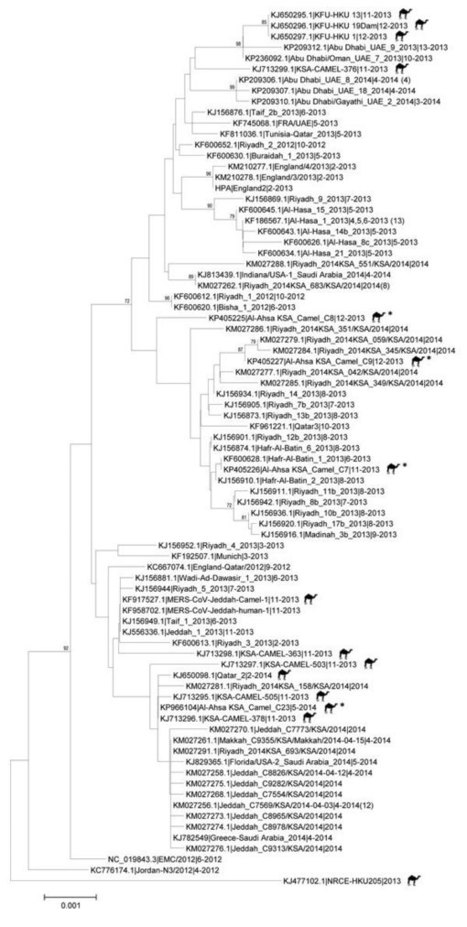
To assess the temporal dynamics of Middle East respiratory syndrome coronavirus (MERS-CoV) infection in dromedary camels, specimens were collected at 1–2 month intervals from 2 independent groups of animals during April 2013–May 2014 in ...
|
|
Scooped by
Gilbert C FAURE
September 21, 2020 12:10 PM
|
|
|
Scooped by
Gilbert C FAURE
August 27, 2020 7:45 AM
|
Since the outbreak of coronavirus disease 2019 (COVID-19), many put their hopes in the rapid development of effective immunizations.As this intervention will n...
|
|
Rescooped by
Gilbert C FAURE
from Virus World
August 25, 2020 8:37 AM
|
The results of 3 new studies reveal unknown ways until now that COVID-19 spreads, leading scientists to urge the use of face coverings in public. Research from various parts of the world considered three separate factors in each study: low humidity, public restrooms and airborne dust. The implications from all three of these studies? Mask up! Low Humidity A study just published in Transboundary and Emerging Diseases confirms an earlier study conducted in the Greater Sydney, Australia area during the early stages of the pandemic that reported a link between low humidity and community spread of COVID-19. The new research led by Dr. Michael Ward in the Sydney School of Veterinary Science adds to the growing body of evidence that low humidity is a key factor in the spread of the Coronavirus. The scientists estimated that for a 1% decrease in relative humidity, COVID-19 cases increase by 7 to 8%. The same link was not found in other weather patterns such as rainfall, temperature or wind. According to Ward, dry air favors the spread of the virus: “”When the humidity is lower, the air is drier and it makes the aerosols smaller,” he said, adding that aerosols are smaller than droplets. “When you sneeze and cough those smaller infectious aerosols can stay suspended in the air for longer. That increases the exposure for other people. When the air is humid and the aerosols are larger and heavier, they fall and hit surfaces quicker.” These findings add to a growing body of research that recommends wearing a mask. Public Restrooms A second study conducted by Chinese researchers from Yangzhou University reported that flushing a public restroom toilet or urinal can release clouds of virus-laden aerosols that can be inhaled, posing a serious public health challenge. The scientists simulated and tracked virus-laden particle movements when toilets and urinals were flushed. They discovered that flushing involves an interaction between gas and liquid, resulting in a large spread of aerosol particles. The disturbing results revealed that the trajectory of the particles ejected from flushing showed that more than 57% of the particles traveled away from the urinal. The researchers further point out that when men use urinals in a public restroom, these tiny particles can reach their thigh within 5.5 seconds when compared to the toilet flush, which takes 35 seconds to reach slightly higher. “From our work, it can be inferred that urnial flushing indeed promotes the spread of bacteria and viruses,” said Xiang-Dong Liu, one of the study’s authors. “Wearing a mask should be mandatory within public restrooms during the pandemic, and anti-diffusion improvements are urgently needed to prevent the spread of COVID-19.” Airborne Dust A third study from the University of California, Davis and the Icahn School of Medicine at Mt. Sinai reported that influenza viruses can spread through the air on dust, fibers and other microscopic particles. Until now, scientists assumed airborne transmission occurred mainly due to respiratory droplets by coughing, sneezing or talking. The scientists examined whether tiny, non-respiratory particles could carry influenza between guinea pigs. Using an automated particle sizer to count airborne particles, they found that uninfected guinea pigs give off spikes of up to 1,000 particles per second as they move around the cage. Particles given off by the animals’ breathing were at a constant but lower rate. Immune guinea pigs with influenza virus painted on their fur could transmit the virus through the air to other, susceptible guinea pigs, showing that the virus did not have to come directly from the respiratory tract to be infectious. Next the researchers tested whether microscopic fibers from an inanimate object could carry infectious viruses. They treated paper facial tissues with influenza virus, let them dry out and then crumpled them in front of the automated particle sizer. Crumpling the tissues released up to 900 particles per second in a size range that could be inhaled. They were also able to infect cells from these particles released from the virus-contaminated paper tissues. According to the researchers, the surprising findings that dust can spread viruses have obvious implications for Coronavirus transmission and use of masks for protection. Plus, they said, it opens up an entire new field of investigation on how outbreaks are interpreted. Original studies available in these sites: https://doi.org/10.1063/5.0021450 https://doi.org/10.1038/s41467-020-17888-w https://doi.org/10.1111/tbed.13766
Via Juan Lama
|
|
|
Scooped by
Gilbert C FAURE
May 7, 2021 3:26 AM
|
The pandemic of severe acute respiratory syndrome coronavirus 2 (SARS-CoV-2) was first reported in Wuhan City, China, in 2019. After that, the outbreak has grown into a global pandemic and definite treatment for the disease, termed coronavirus disease 2019 (COVID-19), is currently unavailable.
|
|
Scooped by
Gilbert C FAURE
March 29, 2021 2:25 PM
|
Recent studies have provided insights into the pathology and immune response to coronavirus disease 2019 (COVID-19)1–8. However, thorough interrogation of the interplay between infected cells and the immune system at sites of infection is lacking. We use high parameter imaging mass cytometry9 targeting the expression of 36 proteins, to investigate at single cell resolution, the cellular composition and spatial architecture of human acute lung injury including SARS-CoV-2. This spatially resolved, single-cell data unravels the disordered structure of the infected and injured lung alongside the distribution of extensive immune infiltration. Neutrophil and macrophage infiltration are hallmarks of bacterial pneumonia and COVID-19, respectively. We provide evidence that SARS-CoV-2 infects predominantly alveolar epithelial cells and induces a localized hyper-inflammatory cell state associated with lung damage. By leveraging the temporal range of COVID-19 severe fatal disease in relation to the time of symptom onset, we observe increased macrophage extravasation, mesenchymal cells, and fibroblasts abundance concomitant with increased proximity between these cell types as the disease progresses, possibly as an attempt to repair the damaged lung tissue. This spatially resolved single-cell data allowed us to develop a biologically interpretable landscape of lung pathology from a structural, immunological and clinical standpoint. This spatial single-cell landscape enabled the pathophysiological characterization of the human lung from its macroscopic presentation to the single-cell, providing an important basis for the understanding of COVID-19, and lung pathology in general.
|
|
Scooped by
Gilbert C FAURE
March 27, 2021 4:10 AM
|
Abstract Dysgeusia is the first recognized oral symptom of novel coronavirus disease (COVID‐19). In this review article, we described oral lesions of COVID‐19 patients. We searched PubMed library a...
|
|
Scooped by
Gilbert C FAURE
February 21, 2021 4:16 AM
|
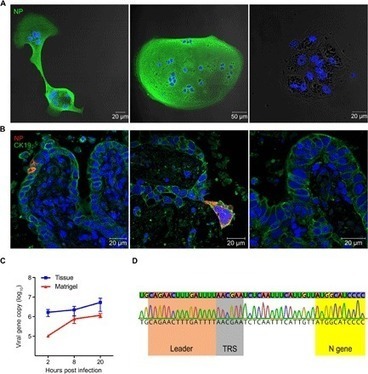
Middle East respiratory syndrome coronavirus (MERS-CoV) causes severe acute respiratory symptoms. Due to the lack of medical countermeasures, effective and safe vaccines against MERS-CoV infection are urgently required.
|
|
Scooped by
Gilbert C FAURE
January 18, 2021 1:26 PM
|
Severe acute respiratory syndrome coronavirus-2 (SARS-CoV-2) has infected 78 million individuals and is responsible for over 1.7 million deaths to date. Infection is associated with development of variable levels of antibodies with neutralizing activity that can protect against infection in animal models1,2. Antibody levels decrease with time, but the nature and quality of the memory B cells that would be called upon to produce antibodies upon re-infection has not been examined. Here we report on the humoral memory response in a cohort of 87 individuals assessed at 1.3 and 6.2 months after infection. We find that IgM, and IgG anti-SARS-CoV-2 spike protein receptor binding domain (RBD) antibody titres decrease significantly with IgA being less affected. Concurrently, neutralizing activity in plasma decreases by fivefold in pseudotype virus assays. In contrast, the number of RBD-specific memory B cells is unchanged. Memory B cells display clonal turnover after 6.2 months, and the antibodies they express have greater somatic hypermutation, increased potency and resistance to RBD mutations, indicative of continued evolution of the humoral response. Analysis of intestinal biopsies obtained from asymptomatic individuals 4 months after the onset of coronavirus disease-2019 (COVID-19), using immunofluorescence, or polymerase chain reaction, revealed persistence of SARS-CoV-2 nucleic acids and immunoreactivity in the small bowel of 7 out of 14 volunteers. We conclude that the memory B cell response to SARS-CoV-2 evolves between 1.3 and 6.2 months after infection in a manner that is consistent with antigen persistence.
|
|
Scooped by
Gilbert C FAURE
January 11, 2021 5:14 AM
|
Mucosal Immunity: Feces and Covid-19
Mucosal Immunity : Feces and Covid-19 Surprisingly, although detection of virus in feces has been reported since the beginning of pandemy in China, mainly in children, the number of published papers focusing on this topic remain very low (# 250 papers in one year of pandemy, i.e 0,5% of Sars-Cov-2 published papers, more than 55000 according to PuBMed). Applications in diagnosis, epidemiology and follow-up of individual patients are almost inexistent. However, detection of viral material in effluents raised interest in published papers and are regularly reported in media. This short opinion paper wants to address this issue and stimulate researchers and diagnostic companies developping clinical research projects in this direction. If you consider results from search in PubMed , most papers (46%) originate from China some papers (10%) relate to animal coronavirus infection, and at least 15% report on sewage analysis. Papers reporting data on human diagnostic detection of virus in feces represent at most 50% of this collection. Clinically, the gastrointestinal tract is affected by COVID-19, gastrointestinal symptoms ranging from 7 to 60%, including diarrhea, nausea/vomiting, anorexia and abdominal pain. Biologically, presence of viral RNA in stools is rarely tested, but positive up to 50%. Virus was detected later than in sputum and respiratory secretions up to several weeks after clinical symptoms. RNA material is detected with frequently dynamic intra-host variations during convalescence, and sometimes probably viable virus potentially infectious. In the context, some chinese authors recommend including feces analysis particularly for discharge criteria Epidemiological and environment data were established through detection of virus RNA in sewage and wastewaters and also in solid fraction. These tests appear efficient for detecting new waves of cases and are apparently widely in use in Europe. Risk of transmission should be higher in developing countries where sanitation remains poor but data are lacking from such countries. During the past few weeks, China has been also focusing on potential dangerosity of foreign frozen foods and reported detection of viral RNA on various imported food, from diverse countries. Infectivity has not been demonstrated, As stated in a recent chinese paper, « … ignoring potential faecal transmission and the gastrointestinal involvement of SARS-CoV-2 may result in mistakes in attempts to control the pandemic. » Indeed, in recent control measures trying to limit contaminations in Beijing, ar least 3 fecal analysis became mandatory beginning of January.
|
|
Scooped by
Gilbert C FAURE
December 9, 2020 9:12 AM
|
Spread of COVID-19 in all of the world caused the warning alert from WHO. It began from China and was the reason of many death through the world since 2019 December. Elders and people with previous diseases such as IgA deficiency [IgAD] are more susceptible to get COVID family.
|
|
Suggested by
LIGHTING
November 25, 2020 3:42 AM
|
Severe acute respiratory syndrome coronavirus 2 (SARS-CoV-2) is the causative agent of coronavirus disease 2019 (COVID-19). Understanding of the fundamental processes underlying the versatile clinical manifestations of COVID-19 is incomplete without comprehension of how different immune cells are recruited to various compartments of virus-infected lungs, and how this recruitment differs among individuals with different levels of disease severity. As in other respiratory infections, leukocyte recruitment to the respiratory system in people with COVID-19 is orchestrated by specific leukocyte trafficking molecules, and when uncontrolled and excessive it results in various pathological complications, both in the lungs and in other organs. In the absence of experimental data from physiologically relevant animal models, our knowledge of the trafficking signals displayed by distinct vascular beds and epithelial cell layers in response to infection by SARS-CoV-2 is still incomplete. However, SARS-CoV-2 and influenza virus elicit partially conserved inflammatory responses in the different respiratory epithelial cells encountered early in infection and may trigger partially overlapping combinations of trafficking signals in nearby blood vessels. Here, we review the molecular signals orchestrating leukocyte trafficking to airway and lung compartments during primary pneumotropic influenza virus infections and discuss potential similarities to distinct courses of primary SARS-CoV-2 infections. We also discuss how an imbalance in vascular activation by leukocytes outside the airways and lungs may contribute to extrapulmonary inflammatory complications in subsets of patients with COVID-19. These multiple molecular pathways are potential targets for therapeutic interventions in patients with severe COVID-19. In this Perspective, Alon and colleagues discuss how insights into immune cell trafficking during pneumotropic influenza virus infections may inform our understanding of immune cell recruitment to the respiratory tract in patients with coronavirus disease 2019 (COVID-19). Moreover, they examine the emerging knowledge of vascular pathologies beyond the lung caused by severe acute respiratory syndrome coronavirus 2 (SARS-CoV-2).
|
|
Scooped by
Gilbert C FAURE
October 25, 2020 2:50 PM
|
Several of the nasal and oral rinses have been found to have a strong ability to neutralise human coronavirus, which suggests that these products may have the potential to reduce the amount of virus spread by people who are Covid-19 positive.
|
|
Scooped by
Gilbert C FAURE
October 7, 2020 2:52 PM
|
Middle East respiratory syndrome coronavirus (MERS-CoV) has caused human respiratory infections with a high case fatality rate since 2012. However, the mode of virus transmission is not well understood.
|
|
Scooped by
Gilbert C FAURE
September 15, 2020 2:03 AM
|
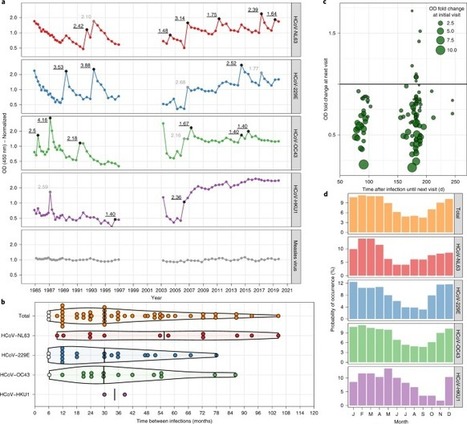
A key unsolved question in the current coronavirus disease 2019 (COVID-19) pandemic is the duration of acquired immunity. Insights from infections with the four seasonal human coronaviruses might reveal common characteristics applicable to all human coronaviruses. We monitored healthy individuals for more than 35 years and determined that reinfection with the same seasonal coronavirus occurred frequently at 12 months after infection. The durability of immunity to severe acute respiratory syndrome coronavirus 2 (SARS-CoV-2) is unknown. Lessons from seasonal coronavirus infections in humans show that reinfections can occur within 12 months of initial infection, coupled with changes in levels of virus-specific antibodies.
|
|
Scooped by
Gilbert C FAURE
August 26, 2020 7:54 AM
|
The Coronavirus Disease 2019 pandemic has made deployment of an effective vaccine a global health priority.We evaluated the protective activity of a …...
|