Background - Xanthomonas campestris pv. campestris (Xcc) (Pammel) Dowson is a Gram-negative bacterium that causes black rot, the most important disease of vegetable brassica crops worldwide. Intensive molecular investigation of Xcc is gaining momentum and several whole genome sequences are available.
Race structure, pathogenesis and epidemiology - Collections of Xcc isolates have been differentiated into physiological races based on the response of several brassica species lines. Black rot is a seed-borne disease. The disease is favoured by warm, humid conditions and can spread rapidly from rain dispersal and irrigation water.
Genome - The reference genomes of three isolates have been released. The genome consists of a single chromosome of approximately 5 100 000 bp, with a GC content of approximately 65% and an average predicted number of coding DNA sequences (CDS) of 4308.
Important genes identified - Three different secretion systems have been identified and studied in Xcc. The gene clusters xps and xcs encode a type II secretion system and xps genes have been linked to pathogenicity. The role of the type IV secretion system in pathogenicity is still uncertain. The hrp gene cluster encodes a type III secretion system that is associated with pathogenicity. An inventory of candidate effector genes has been assembled based on homology with known effectors. A range of other genes have been associated with virulence and pathogenicity, including the rpf, gum and wxc genes involved in the regulation of the synthesis of extracellular degrading enzymes, xanthan gum and lipopolysaccharides.
The tyrosine-sulfated peptides PSKα and PSY1 bind to specific leucine-rich repeat surface receptor kinases and control cell proliferation in plants. In a reverse genetic screen, we identified the phytosulfokine receptor PSKR1 as an important component of plant defense. Multiple independent loss-of-function mutants in PSKR1 are more resistant to biotrophic bacteria, show enhanced PAMP (Pathogen-Associated Molecular Pattern) responses and less lesion formation after infection with the bacterial pathogen Pseudomonas syringae pv. tomato DC3000. By contrast, pskr1 mutants are more susceptible to necrotrophic fungal infection with Alternaria brassicicola, show more lesion formation and fungal growth which is not observed on wild type plants. The antagonistic effect on biotrophic and necrotrophic pathogen resistance is reflected by enhanced salicylate and reduced jasmonate responses in the mutants suggesting that PSKR1 suppresses salicylate-dependent defense responses. Detailed analysis of single and multiple mutations in the three paralogous genes PSKR1, 2 and PSY1-receptor (PSY1R) determined that PSKR1 and PSY1R, but not PSKR2, have a partially redundant effect on plant immunity. In animals and plants, peptide sulfation is catalyzed by a tyrosylprotein sulfotransferase (TPST). Mutants lacking TPST show increased resistance to bacterial infection and increased susceptibility to fungal infection mimicking the triple receptor mutant phenotypes. Feeding experiments with PSKα in tpst-1 mutants partially restore the defense-related phenotypes, indicating that perception of the PSKα peptide has a direct effect on plant defense. These results suggest that the PSKR receptor subfamily integrates growth-promoting and defense signals mediated by sulfated peptides and modulates cellular plasticity to allow flexible adjustment to environmental changes.
The rhg1-b allele of soybean is widely used for resistance against soybean cyst nematode (SCN), the most economically damaging pathogen of soybeans in the United States. Gene silencing showed that genes in a 31-kb segment at rhg1-b, encoding an amino acid transporter, an α-SNAP protein, and a WI12 (wound-inducible domain) protein, each contribute to resistance. There is one copy of the 31-kb segment per haploid genome in susceptible varieties, but 10 tandem copies in the rhg1-b haplotype. Overexpression of the individual genes in roots was ineffective, but overexpression of the genes together conferred enhanced SCN resistance. Hence Rhg1-mediated SCN resistance is conferred by copy number variation that increases the expression of a set of dissimilar genes in a repeated multi-gene segment.
During my PhD I have worked with Phytophthora species, which are very aggressive microorganisms that infect plants, causing huge economic and environmental losses. Commonly Phytophthora species spread and infect plants via zoospores, a motile asexual structure that uses a flagelum for locomotion. The zoospores can "sense" and swim towards plants signals starting an infection.
In this video I tested the attraction of P. plurivora zoospores to root exudates of European beech. The major decline of beech trees in forests worldwide has been associated with P. plurivora-caused disease. In the video you see a microscopy view of two pipette tips filled with water or root exudates. The pipettes were embedded in a zoospores suspension. Clearly the zoospores were more attracted to the root exudates than water.
In agricultural ecosystems, arthropod herbivores and fungal pathogens are likely to colonise the same plant and may therefore affect each other directly or indirectly. The fungus that causes powdery mildew (Blumeria graminis tritici) and cereal aphids are important pests of wheat but interactions between them have seldom been investigated. We studied the effects of powdery mildew of wheat on two cereal aphid species, Metopolophium dirhodum and Rhopalosiphum padi. We hypothesized that aphid number and size will be smaller on powdery mildew-infected plants than on non-infected plants. In a first experiment we used six commercially available wheat varieties whereas in the second experiment we used a genetically modified (GM) mildew-resistant wheat line and its non-transgenic sister line. Because the two lines differed only in the presence of the transgene and in powdery mildew resistance, experiment 2 avoided the confounding effect of variety. In both experiments, the number of M. dirhodum but not of R. padi was reduced by powdery mildew infection. Transgenic mildew-resistant lines therefore harboured bigger aphid populations than the non-transgenic lines. For both aphid species individual size was mostly influenced by aphid number. Our results indicate that plants that are protected from a particular pest (powdery mildew) became more favourable for another pest (aphids).
In recent years immense progress has been made towards understanding the functions of effectors from a range of plant pathogens, such as oomycetes, fungi, bacteria, and nematodes. Like plant pathogens, aphids form close associations with host plants, featuring signal exchange between the two organisms. While feeding and probing, aphids deliver effector proteins mixed with saliva, directly into the host-stylet interface. With the increasing availability of aphid genome and transcriptome sequence data, aphid effector biology is emerging as a new and exciting area of research. In this review we will provide an overview of recent advances in the aphid effector biology field and highlight some of the current questions.
The soybean aphid (Aphis glycines) is a major phloem-feeding pest of soybean (Glycine max). A. glycines feeding can cause the diversion of photosynthates and transmission of plant viruses, resulting in significant yield losses. In this study we used oligonucleotide microarrays to characterize the long-term transcriptional response to soybean aphid colonization of two related soybean cultivars, one with the Rag1 aphid-resistance gene and one aphid-susceptible cultivar (without Rag1). Transcriptome profiles were determined after one and seven days of aphid infestation. Our results revealed a susceptible response involving hundreds of transcripts, while only one transcript changed in the resistant response to aphids. This nonexistent resistance response might be explained by the fact that many defense-related transcripts are constitutively expressed in resistant plants, while these same genes are activated in susceptible plants only during aphid infestation. Analysis of phytohormone-related transcripts in the susceptible response showed different hormone profiles for the two time points, and suggest that aphids are able to suppress hormone signals in susceptible plants. A significant activation of abscisic acid, normally associated with abiotic stress responses, at day 7, might be a decoy strategy implemented by the aphid to suppress effective salicylic acid- and jasmonate-related defenses.
Web-based database on Phytophthora species. Its aim is to provide a global atlas of the diversity and distribution of Phytophthora species, and ultimately to consitute a global network of scientists and other stakeholders.
An efficient and reproducible Agrobacterium-mediated transient gene expression system for intact leaf tissue was developed. A high level of transient expression was observed when bacteria, which were pretreated in vir gene-inducing conditions, were infiltrated into complete leaf tissue. Histochemical β-glucuronidase assays showed large transgene-expressing sectors comprising of up to 90% of the leaf area. As a consequence of infiltration, the induced bacteria entered into the intercellular spaces, thus cnabling T-DNA transfer in all cell layers of the leaf. The protocol was optimized for Phascolus vulgaris leaves, but similar results were obtained with other plant species, such as Phaseolus acutifolius, poplar, and tobacco. A β-glucuronidase chimeric gene interrupted by an intron was used as a marker for histological detection of the sectors.
The type VI secretion system (T6SS) is a widespread, versatile protein secretion system in pathogenic Proteobacteria. Several T6SSs are tightly regulated by various regulatory systems at multiple levels. However, the signals and/or regulatory mechanisms of many T6SSs remain unexplored. Here, we report on an acid-induced regulatory mechanism activating T6SS in Agrobacterium tumefaciens, a plant pathogenic bacterium causing crown gall disease in a wide range of plants. We monitored the secretion of the T6SS hallmark protein hemolysin-coregulated protein (Hcp) from A. tumefaciens and found that acidity is a T6SS-inducible signal. Expression analysis of the T6SS gene cluster comprising the imp and hcp operons revealed that imp expression and Hcp secretion are barely detected in A. tumefaciens grown in neutral minimal medium but are highly induced with acidic medium. Loss- and gain-of-function analysis revealed that the A. tumefaciens T6SS is positively regulated by a chvG/chvI two-component system and negatively regulated by exoR. Further epistasis analysis revealed that exoR functions upstream of the chvG sensor kinase in regulating T6SS. ChvG protein levels are greatly increased in the exoR deletion mutant and the periplasmic form of overexpressed ExoR is rapidly degraded under acidic conditions. Importantly, ExoR represses ChvG by direct physical interaction, but disruption of the physical interaction allows ChvG to activate T6SS. The phospho-mimic but not wild-type ChvI response regulator can bind to the T6SS promoter region in vitro and activate T6SS with growth in neutral minimal medium. We present the first evidence of T6SS activation by an ExoR-ChvG/ChvI cascade and propose that acidity triggers ExoR degradation, thereby derepressing ChvG/ChvI to activate T6SS in A. tumefaciens.
Only few fungal effectors have been described to be delivered into the host cell during obligate biotrophic interactions. RTP1p, from the rust fungi Uromyces fabae and U. striatus, was the first fungal protein for which localization within the host cytoplasm could be demonstrated directly. We investigated the occurrence of RTP1 homologues in rust fungi and examined the structural and biochemical characteristics of the corresponding gene products. The analysis of 28 homologues showed that members of the RTP family are most likely to occur ubiquitously in rust fungi and to be specific to the order Pucciniales. Sequence analyses indicated that the structure of the RTPp effectors is bipartite, consisting of a variable N-terminus and a conserved and structured C-terminus. The characterization of Uf-RTP1p mutants showed that four conserved cysteine residues sustain structural stability. Furthermore, the C-terminal domain exhibits similarities to that of cysteine protease inhibitors, and it was shown that Uf-RTP1p and Us-RTP1p are able to inhibit proteolytic activity in Pichia pastoris culture supernatants. We conclude that the RTP1p homologues constitute a rust fungi-specific family of modular effector proteins comprising an unstructured N-terminal domain and a structured C-terminal domain, which exhibit protease inhibitory activity possibly associated with effector function during biotrophic interactions.
Although fungi are a greater threat to crops and forests than ever before (“Attack of the clones,” K. Kupferschmidt, News Focus, 10 August, p. 636), we should not expel them completely. Mycorrhizal fungi are ancient and indispensable plant root mutualists that provide not only vital nutrients to their plant hosts (about 80% of plant species) but also such services as drought resistance, heavy metal uptake, and pathogen protection. Mycorrhizal fungi even protect plants from some emerging fungal diseases.
Gram-negative phytopathogenic bacteria translocate effector proteins into plant cells to subvert host defenses. These effectors can be recognized by plant nucleotide-binding–leucine-rich repeat immune receptors, triggering defense responses that restrict pathogen growth. AvrRps4, an effector protein from Pseudomonas syringae pv. pisi, triggers RPS4-dependent immunity in resistant accessions of Arabidopsis. To better understand the molecular basis of AvrRps4-triggered immunity, we determined the crystal structure of processed AvrRps4 (AvrRps4C, residues 134–221), revealing that it forms an antiparallel α-helical coiled coil. Structure-informed mutagenesis reveals an electronegative surface patch in AvrRps4C required for recognition by RPS4; mutations in this region can also uncouple triggering of the hypersensitive response from disease resistance. This uncoupling may result from a lower level of defense activation, sufficient for avirulence but not for triggering a hypersensitive response. Natural variation in AvrRps4 reveals distinct recognition specificities that involve a surface-exposed residue. Recently, a direct interaction between AvrRps4 and Enhanced Disease Susceptibility 1 has been implicated in activation of immunity. However, we were unable to detect direct interaction between AvrRps4 and Enhanced Disease Susceptibility 1 after coexpression in Nicotiana benthamiana or in yeast cells. How intracellular plant immune receptors activate defense upon effector perception remains an unsolved problem. The structure of AvrRps4C, and identification of functionally important residues for its activation of plant immunity, advances our understanding of these processes in a well-defined model pathosystem.
Rho GTPase modifying bacterial protein toxins are useful for analysis of Rho signalling in animal cells, but these toxins cannot be taken up by plant cells. We demonstrate in vitro deamidation of Arabidopsis Rop4 by Escherichia coli Cytotoxic Necrotizing Factor 1 (CNF1) and glucosylation by Clostridium difficile toxin B. Expression of the catalytic domain of CNF1 caused modification and activation of co-expressed Arabidopsis Rop4 GTPase in tobacco leaves, resulting in hypersensitive-like cell death. By contrast, the catalytic domain of toxin B modified and inactivated co-expressed constitutively active Rop4, blocking the Hypersensitive Response caused by overexpression of active Rops. In transgenic Arabidopsis, both CNF1 and toxin B inhibited Rop-dependent polar morphogenesis of leaf epidermal cells. Toxin B expression also inhibited Rop-dependent morphogenesis of root hairs, trichome branching, and resulted in root meristem enlargement and dwarf growth. Our results show that CNF1 and toxin B transgenes are effective tools in Rop GTPase signalling studies.
Uredinia formed by the rust fungus Melampsora larici-populina 7 days after inoculation on susceptible poplar leaves (severe and weak infection are pictured above and below the midrib, respectively). The panels below show immunofluorescence localization of small secreted proteins at the periphery of distinct infection structures in poplar leaves.
Image by Benjamin Petre and Stephane Hacquard on the cover of the March 2012 issue of Molecular Plant Microbe Interactions.
Type 3 secretion systems (T3SSs) are essential components of two complex bacterial machineries: the flagellum, which drives cell motility, and the non-flagellar T3SS (NF-T3SS), which delivers effectors into eukaryotic cells. Yet the origin, specialization, and diversification of these machineries remained unclear. We developed computational tools to identify homologous components of the two systems and to discriminate between them. Our analysis of >1,000 genomes identified 921 T3SSs, including 222 NF-T3SSs. Phylogenomic and comparative analyses of these systems argue that the NF-T3SS arose from an exaptation of the flagellum, i.e. the recruitment of part of the flagellum structure for the evolution of the new protein delivery function. This reconstructed chronology of the exaptation process proceeded in at least two steps. An intermediate ancestral form of NF-T3SS, whose descendants still exist in Myxococcales, lacked elements that are essential for motility and included a subset of NF-T3SS features. We argue that this ancestral version was involved in protein translocation. A second major step in the evolution of NF-T3SSs occurred via recruitment of secretins to the NF-T3SS, an event that occurred at least three times from different systems. In rhizobiales, a partial homologous gene replacement of the secretin resulted in two genes of complementary function. Acquisition of a secretin was followed by the rapid adaptation of the resulting NF-T3SSs to multiple, distinct eukaryotic cell envelopes where they became key in parasitic and mutualistic associations between prokaryotes and eukaryotes. Our work elucidates major steps of the evolutionary scenario leading to extant NF-T3SSs. It demonstrates how molecular evolution can convert one complex molecular machine into a second, equally complex machine by successive deletions, innovations, and recruitment from other molecular systems.
Microbial pathogens and pests produce effectors to modulate host processes. Aphids are phloem-feeding insects, which introduce effectors via saliva into plant cells. However, it is not known if aphid effectors have adapted to modulate processes in specific plant species. Myzus persicae is a polyphagous insect that colonizes Arabidopsis thaliana and Nicotiana benthamiana, while the pea aphid Acyrthosiphon pisum specializes on colonizing plant species of the family Leguminosae. We found that M. persicae reproduction increased on transgenic Arabidopsis producing the M. persicae effectors C002, PIntO1 (Mp1) and PIntO2 (Mp2), while reproduction of M. persicae did not increase on Arabidopsis producing the A. pisum orthologs of these three proteins. Plant-mediated RNA interference experiments showed that c002 and PIntO2-silenced M. persicae produce less progeny on Arabidopsis and N. benthamiana than non-silenced aphids. Orthologs of c002, PIntO1 and PIntO2 were identified in multiple aphid species with dissimilar plant host ranges. We revealed high nonsynonymous versus synonymous nucleotide substitution rates within the effector orthologs indicating that the effectors are fast evolving. Application of maximum likelihood methods identified specific sites with high probabilities of being under positive selection in PIntO1, whereas those of C002 and PIntO2 may be located in alignment gaps. In support of the latter, a M. persicae c002 mutant without the NDNQGEE repeat region, which overlaps with an alignment gap in C002, does not promote M. persicae colonization on Arabidopsis. Taken together, these results provide evidence that aphid effectors are under positive selection to promote aphid colonization on specific plant species.
Interactions between rice and Magnaporthe oryzae involve the recognition of cellular components and the exchange of complex molecular signals from both partners. How these interactions occur in rice cells is still elusive. We employed robust-long serial analysis of gene expression (RL-SAGE), massively parallel signature sequencing (MPSS), and sequencing by synthesis (SBS), to examine transcriptome profiles of infected rice leaves. A total of 6,413 in-planta expressed fungal genes including 851 genes encoding predicted effector proteins were identified. We used a protoplast transient expression system to assess 42 of the predicted effector proteins for the ability to induce plant cell death. Ectopic expression assays identified five novel effectors that induced host cell death only when they contained the signal peptide for secretion to the extracellular space. The five apoplastic effectors induced cell death in a non-host-selective-manner. Although the five effectors are highly diverse in their sequences, the physiological basis of cell death induced by each was similar. This study demonstrates that our integrative genomic approach is effective for the identification of in-planta expressed cell death-inducing effectors from M. oryzae that may play an important role facilitating colonization and fungal growth during infection.
Planthoppers are highly destructive pests in crop production worldwide. Brown planthopper (BPH) causes the most serious damage of the rice crop globally among all rice pests. Growing resistant varieties is the most effective and environment-friendly strategy for protecting the crop from BPH. More than 19 BPH-resistance genes have been reported and used to various extents in rice breeding and production. In this study, we cloned Bph14, a gene conferring resistance to BPH at seedling and maturity stages of the rice plant, using a map-base cloning approach. We show that Bph14 encodes a coiled-coil, nucleotide-binding, and leucine-rich repeat (CC-NB-LRR) protein. Sequence comparison indicates that Bph14 carries a unique LRR domain that might function in recognition of the BPH insect invasion and activating the defense response. Bph14 is predominantly expressed in vascular bundles, the site of BPH feeding. Expression of Bph14 activates the salicylic acid signaling pathway and induces callose deposition in phloem cells and trypsin inhibitor production after planthopper infestation, thus reducing the feeding, growth rate, and longevity of the BPH insects. Our work provides insights into the molecular mechanisms of rice defense against insects and facilitates the development of resistant varieties to control this devastating insect.
was about to face the Sahel drought and massive starvation. Worse still, almost half the world’s 3 billion people were under the age of 30. Billions of babies were about to be born into a planet unable to feed them. Then a miracle occurred: the productivity of wheat doubled, tripled and in some places quadrupled. It happened in almost 100 countries all at once. Soon thereafter, the productivity of rice, corn and other cereals followed suit. Borlaug worked only with wheat but he set the trend toward making cereal crops efficient in using land, sunlight, growing time, and inputs, not to mention immune to major diseases. Nowadays his influence can be seen worldwide: Most crop plants have gotten shorter. No longer shoulder-high, wheat is now waist high or knee high. No longer 12 feet tall, corn is now head-high. That is the most visible part of the Borlaug legacy. And it’s why 7 billion people are eating on the same land that half a century ago could not feed half that number. This farm kid from Iowa achieved all this under difficult conditions in a hungry country: Mexico. He did it with dedication and with conventional plant breeding. He gave his seeds away freely to all who asked. He trained young people from almost every wheat-growing nation, including the U.S. and Canada, and sent them home with seeds of his most advanced research lines. That is why food production soared so quickly and global famine was averted. Borlaug’s students – widely known as Wheat Apostles – were pre-positioned and pre-programmed to make the most of his latest and most productive seeds. Norman Borlaug is an Indiana Jones of our time. He was bold and adventurous and faced down difficulty (sometimes danger) his whole life. He is a great role model for humanitarian achievement. Our Daily Bread tells the Borlaug story in lively style. It has been called The World's First Cereal Thriller. The author worked with Borlaug and recorded the behind-the-scenes dramas that have not been made public until now.
Keystone Symposia is pleased to announce its conference on “Plant Immunity: Pathways and Translation,” taking place April 7-12, 2013 at Big Sky Resort in Big Sky, Montana, USA.
Organized by Sophien Kamoun of Sainsbury Laboratory and Ken Shirasu of RIKEN, the four-day conference will:
• Convene with a keynote address by Paul M. Schulze-Lefert of Max Planck Institute for Plant Breeding Research, followed by four days of stimulating plenary sessions, workshops and poster sessions;
• Highlight the latest developments in understanding plant immune pathways, how these pathways are perturbed by pathogens, and how plants and their parasites co-evolve;
• Address how basic knowledge on plant immunity can be translated into applications of relevance to agriculture and the profile of translational plant pathology research in an era of looming food crisis.
Scholarships are available to students and postdocs and require submission of a brief application and abstract. Short talks will also be selected from submitted abstracts. Discounted student registrations are available. Note that registering by the early registration deadline saves US$150 on later fees.
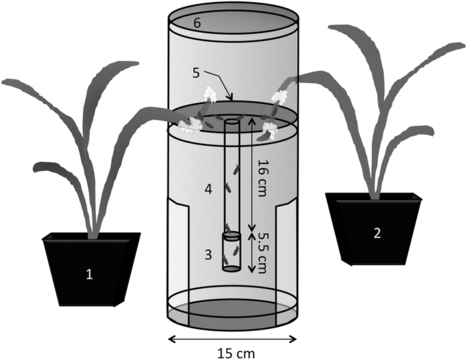
Pathogens and parasites can induce changes in host or vector behavior that enhance their transmission. In plant systems, such effects are largely restricted to vectors, because they are mobile and may exhibit preferences dependent upon plant host infection status. Here we report the first evidence that acquisition of a plant virus directly alters host selection behavior by its insect vector. We show that the aphid Rhopalosiphum padi, after acquiring Barley yellow dwarf virus (BYDV) during in vitro feeding, prefers noninfected wheat plants, while noninfective aphids also fed in vitro prefer BYDV-infected plants. This behavioral change should promote pathogen spread since noninfective vector preference for infected plants will promote acquisition, while infective vector preference for noninfected hosts will promote transmission. We propose the “Vector Manipulation Hypothesis” to explain the evolution of strategies in plant pathogens to enhance their spread to new hosts. Our findings have implications for disease and vector management.
To get content containing either thought or leadership enter:
To get content containing both thought and leadership enter:
To get content containing the expression thought leadership enter:
You can enter several keywords and you can refine them whenever you want. Our suggestion engine uses more signals but entering a few keywords here will rapidly give you great content to curate.


 Your new post is loading...