Your new post is loading...

|
Scooped by
Kamoun Lab @ TSL
December 18, 2012 5:18 PM
|
30th New Phytologist Symposium: Immunomodulation by Plant-associated Organisms, in Fallen Leaf Lake, California, USA, September 2012 Many organisms such as bacteria, fungi, oomycetes, nematodes and insects grow, feed and/or reproduce in close association with plant hosts. To establish such intimate interactions, symbionts (either mutualistic or parasitic) secrete effectors into host tissues, which are molecules that modulate plant cell structures and processes (Win et al., 2012a). This last decade, advances in genomics have revealed that symbionts possess dozens to hundreds of effectors. Currently, the field is moving rapidly from effector identification towards effector characterization, which provides a better understanding of how these effectors promote the establishment of a successful relationship with host plants. The 30th New Phytologist Symposium clearly illustrated this theme, as an international panel of c. 150 scientists was brought together to discuss current efforts to decipher effector functions within a wide range of biological systems. The remote location of the meeting in the Sierra Nevada mountains of California, USA, promoted lively discussions between participants during and after the sessions, but also via social networks (the whole conference was covered by a twitter feed, #30NPS tag, available on http://storify.com/KamounLab/30th-new-phytologist-symposium-immunomodulation-by).
|
|
Scooped by
Kamoun Lab @ TSL
December 17, 2012 11:00 AM
|
Little is known about molecular steps linking perception of pathogen invasion by cell surface sentry proteins acting as pattern recognition receptors (PRRs) to downstream cytosolic Ca2+ elevation, a critical step in plant immune signaling cascades. Some PRRs recognize molecules (such as flagellin) associated with microbial pathogens (pathogen-associated molecular patterns, PAMPs), whereas others bind endogenous plant compounds (damage-associated molecular patterns, DAMPs) such as peptides released from cells upon attack. This work focuses on the Arabidopsis DAMPs plant elicitor peptides (Peps) and their receptors, PEPR1 and PEPR2. Pep application causes in vivo cGMP generation and downstream signaling that is lost when the predicted PEPR receptor guanylyl cyclase (GC) active site is mutated. Pep-induced Ca2+ elevation is attributable to cGMP activation of a Ca2+ channel. Some differences were identified between Pep/PEPR signaling and the Ca2+-dependent immune signaling initiated by the flagellin peptide flg22 and its cognate receptor Flagellin-sensing 2 (FLS2). FLS2 signaling may have a greater requirement for intracellular Ca2+ stores and inositol phosphate signaling, whereas Pep/PEPR signaling requires extracellular Ca2+. Maximal FLS2 signaling requires a functional Pep/PEPR system. This dependence was evidenced as a requirement for functional PEPR receptors for maximal flg22-dependent Ca2+ elevation, H2O2 generation, defense gene [WRKY33 and Plant Defensin 1.2 (PDF1.2)] expression, and flg22/FLS2-dependent impairment of pathogen growth. In a corresponding fashion, FLS2 loss of function impaired Pep signaling. In addition, a role for PAMP and DAMP perception in bolstering effector-triggered immunity (ETI) is reported; loss of function of either FLS2 or PEPR receptors impaired the hypersensitive response (HR) to an avirulent pathogen.
|
|
Scooped by
Kamoun Lab @ TSL
December 17, 2012 6:44 AM
|
Identification of the causal genes that control complex trait variation remains challenging, limiting our appreciation of the evolutionary processes that influence polymorphisms in nature. We cloned a quantitative trait locus that controls plant defensive chemistry, damage by insect herbivores, survival, and reproduction in the natural environments where this polymorphism evolved. These ecological effects are driven by duplications in the BCMA (branched-chain methionine allocation) loci controlling this variation and by two selectively favored amino acid changes in the glucosinolate-biosynthetic cytochrome P450 proteins that they encode. These changes cause a gain of novel enzyme function, modulated by allelic differences in catalytic rate and gene copy number. Ecological interactions in diverse environments likely contribute to the widespread polymorphism of this biochemical function.
|
|
Scooped by
Kamoun Lab @ TSL
December 17, 2012 5:10 AM
|
http://www.nature.com/nature/journal/v465/n7298/full/nature09083.htmlPlants can defend themselves against a wide array of enemies, from microbes to large animals, yet there is great variability in the effectiveness of such defences, both within and between species. Some of this variation can be explained by conflicting pressures from pathogens with different modes of attack1. A second explanation comes from an evolutionary ‘tug of war’, in which pathogens adapt to evade detection, until the plant has evolved new recognition capabilities for pathogen invasion2, 3, 4, 5. If selection is, however, sufficiently strong, susceptible hosts should remain rare. That this is not the case is best explained by costs incurred from constitutive defences in a pest-free environment6, 7, 8, 9, 10, 11. Using a combination of forward genetics and genome-wide association analyses, we demonstrate that allelic diversity at a single locus, ACCELERATED CELL DEATH 6 (ACD6)12, 13, underpins marked pleiotropic differences in both vegetative growth and resistance to microbial infection and herbivory among natural Arabidopsis thaliana strains. A hyperactive ACD6 allele, compared to the reference allele, strongly enhances resistance to a broad range of pathogens from different phyla, but at the same time slows the production of new leaves and greatly reduces the biomass of mature leaves. This allele segregates at intermediate frequency both throughout the worldwide range of A. thaliana and within local populations, consistent with this allele providing substantial fitness benefits despite its marked impact on growth.
|
|
Scooped by
Kamoun Lab @ TSL
December 16, 2012 4:16 AM
|
Phytophthora capsici causes devastating diseases on a broad range of plant species. To better understand the interaction with its host plants, knowledge obtained from a model pathosystem can be instrumental. Here we describe the interaction between P.capsici and Arabidopsis and the exploitation of this novel pathosystem to assign metabolic pathways involved in defense against P.capsici. Inoculation assays on Arabidopsis accessions with different P.capsici isolates revealed interaction specificity among accession-isolate combinations. In a compatible interaction, appressorium-mediated penetration was followed by the formation of invasive hyphae, haustoria and sporangia in leaves and roots. In contrast, in an incompatible interaction, P.capsici infection elicited callose deposition, accumulation of active oxygen species and cell death, resulting in early pathogen encasement in leaves. Moreover, Arabidopsis mutants with defects in salicylic acid signaling, camalexin or indole glucosinolates biosynthesis pathways displayed severely compromised resistance to P.capsici. It is anticipated that this model pathosystem will facilitate the genetic dissection of complex traits responsible for resistance against P.capsici.
|
|
Rescooped by
Kamoun Lab @ TSL
from Plant Pathogenomics
December 15, 2012 5:08 AM
|
For a comprehensive survey of the structure and dynamics of the Dutch Phytophthora infestans population, 652 P. infestans isolates were collected from commercial potato fields in the Netherlands during the 10-year period 2000–2009. Genotyping was performed using 12 highly informative microsatellite markers and mitochondrial haplotypes. In addition, for each isolate, the mating type was determined. STRUCTURE analysis grouped the 322 identified genotypes in three clusters. Cluster 1 consists of a single clonal lineage NL-001, known as “Blue_13”; all isolates in this cluster have the A2 mating type and the Ia mitochondrial haplotype. Clusters 2 and 3 display a more elaborate substructure containing many unique genotypes. In Cluster 3, several distinct clonal lineages were also identified. This survey witnesses that the Dutch population underwent dramatic changes in the 10 years under study. The most notable change was the emergence and spread of A2 mating type strain NL-001 (or “Blue_13”). The results emphasize the importance of the sexual cycle in generating genetic diversity and the importance of the asexual cycle as the propagation and dispersal mechanism for successful genotypes. Isolates were also screened for absence of the Avrblb1/ipiO class I gene, which is indicative for virulence on Rpi-blb1. This is also the first report of Rpi-blb1 breakers in the Netherlands. Superimposing the virulence screening on the SSR genetic backbone indicates that lack the Avrblb1/ipiO class I gene only occurred in sexual progeny. So far, the asexual spread of the virulent isolates identified has been limited.
|
|
Scooped by
Kamoun Lab @ TSL
December 14, 2012 2:38 AM
|
British scientists trying to beat ash dieback disease are seeking the "wisdom of the crowd" in order to analyse the genes of the fungus that causes it.
Genetic data collected from infected trees in Ashwellthorpe wood in Norfolk will be posted on the Sainsbury Laboratory website this Friday at the new OpenAshDieback site, with the aim of finding out what makes the fungus that causes dieback attack the ash – and the best methods to halt or slow its spread.
Prof Sophien Kamoun, the head of the Sainsbury Laboratory, which is doing the work jointly with the John Innes Centre in Norfolk, said that scientific emergencies such as ash dieback made standard methods – where publication is peer-reviewed in secret and eventually published – too slow to be useful.
"I do have a beef with the way that research is typically done," Kamoun said. "Scientists do genome sequencing but then hold onto it until it's formally published. This isn't appropriate in an emergency. Open sourcing the understanding of data in this way is totally adapted to the age of the internet."
|
|
Scooped by
Kamoun Lab @ TSL
December 13, 2012 7:10 PM
|
Welcome to Open Access Data and Crowdsourced analyses!
On this website you'll be able to get data to do your own analyses on ash and ash dieback. You can see the results of other peoples work as soon as it is available and share your own discoveries in the same way.
You will always get full credit for your work and in doing so contribute to a real community effort.
|
|
Scooped by
Kamoun Lab @ TSL
December 12, 2012 4:45 AM
|
Bacterial infection of plants often depends on the exchange of quorum sensing signals between nearby bacterial cells. It is now evident that plants, in turn, ‘listen’ to these bacterial signals and respond in sophisticated ways to the information. Plants also secrete compounds that mimic the bacterial signals and thereby confuse quorum sensing regulation in bacteria.
|
|
Scooped by
Kamoun Lab @ TSL
December 11, 2012 2:31 PM
|
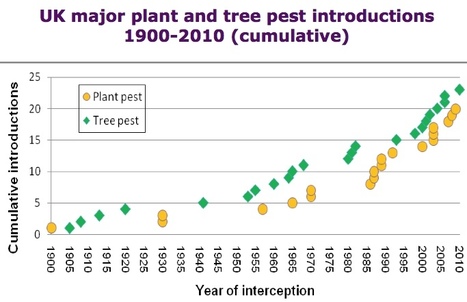
Presentation: Joan Webber: Pest and Pathogens Problems Threatening Britain’s Trees (2011)
|
|
Scooped by
Kamoun Lab @ TSL
December 10, 2012 4:25 AM
|
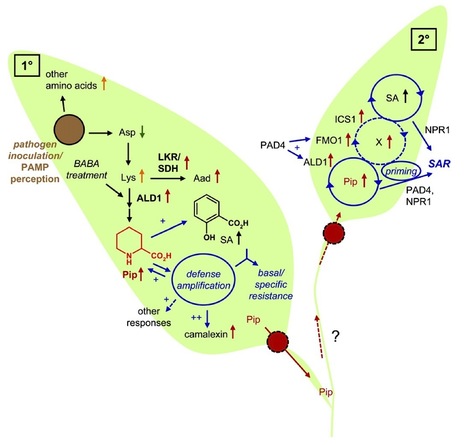
etabolic signals orchestrate plant defenses against microbial pathogen invasion. Here, we report the identification of the non-protein amino acid pipecolic acid (Pip), a common Lys catabolite in plants and animals, as a critical regulator of inducible plant immunity. Following pathogen recognition, Pip accumulates in inoculated Arabidopsis thaliana leaves, in leaves distal from the site of inoculation, and, most specifically, in petiole exudates from inoculated leaves. Defects of mutants in AGD2-LIKE DEFENSE RESPONSE PROTEIN1 (ALD1) in systemic acquired resistance (SAR) and in basal, specific, and β-aminobutyric acid–induced resistance to bacterial infection are associated with a lack of Pip production. Exogenous Pip complements these resistance defects and increases pathogen resistance of wild-type plants. We conclude that Pip accumulation is critical for SAR and local resistance to bacterial pathogens. Our data indicate that biologically induced SAR conditions plants to more effectively synthesize the phytoalexin camalexin, Pip, and salicylic acid and primes plants for early defense gene expression. Biological priming is absent in the pipecolate-deficient ald1 mutants. Exogenous pipecolate induces SAR-related defense priming and partly restores priming responses in ald1. We conclude that Pip orchestrates defense amplification, positive regulation of salicylic acid biosynthesis, and priming to guarantee effective local resistance induction and the establishment of SAR.
|
|
Scooped by
Kamoun Lab @ TSL
December 7, 2012 8:38 AM
|
Horizontal gene transfer has been postulated to occur between crops to co-occurring parasitic plants, but empirical evidence has been lacking. We present evidence that an HGT event moved a nuclear monocot gene into the genome of the eudicot parasite witchweed (Striga hermonthica), which infects many grass species in Africa. Analysis of expressed sequence tags revealed that the genome of S. hermonthica contains a nuclear gene that is widely conserved among grass species but is not found in other eudicots. Phylogenetically, this gene clusters with sorghum genes, the monocot host of the parasitic weed, suggesting that nuclear genes can be captured by parasitic weeds in nature.
|
|
Scooped by
Kamoun Lab @ TSL
December 6, 2012 9:36 AM
|
Researchers are trying to develop a Christmas tree that will hold onto its needles from Thanksgiving to New Year’s — not a small thing in a $1 billion industry. From Lab to Living Room - A typical tree can take from 8 to 12 years to go from seed cone to Christmas tree stand. The largest Christmas tree operations harvest almost a million trees a year, transporting them by helicopter. A small operation like Bell’s Christmas Tree Farm might raise fewer than 30,000 trees. Before a seedling arrives at a small farm, it may have been germinated by a large forestry company and transplanted several times at a third nursery. The quest for a better tree has led growers to look beyond favorites like blue spruce (below) to less common varieties, like Turkish, Korean and Canaan firs. Organic Christmas tree farms are rare. Growers typically use pesticides to control blights like Phytophthora root rot and Swiss needle cast.
|
|
|
Scooped by
Kamoun Lab @ TSL
December 18, 2012 11:46 AM
|
|
|
Scooped by
Kamoun Lab @ TSL
December 17, 2012 7:51 AM
|
Five levels of disease expression were scored in a cross-inoculation study of 120 host and 60 pathogen lines of wild flax Linum marginale and its rust fungus Melampsora lini sampled from six natural populations. Patterns of partial resistance showed clear evidence of gene-for-gene interactions, with particular levels of partial resistance occurring in specific host–pathogen combinations. Sympatric and putatively more highly coevolved host–pathogen combinations had a lower frequency of partial resistance types relative to allopatric combinations. Sympatric host–pathogen combinations also showed a lower diversity of resistance responses, but there was a trend toward a greater fraction of this variance being determined by pathogen-genotype × host-genotype interactions. In this system, there was no evidence that partial resistances slow host–pathogen coevolution. The analyses show that if variation is generated by among population host or pathogen dispersal, then coevolution occurs largely by pathogens overcoming the partial resistances that are generated.
|
|
Scooped by
Kamoun Lab @ TSL
December 17, 2012 5:19 AM
|
Epistatic interactions between genes are a major factor in evolution. Hybrid necrosis is an example of a deleterious phenotype caused by epistatic interactions that is observed in many intra- and interspecific plant hybrids. A large number of hybrid necrosis cases share phenotypic similarities, suggesting a common underlying mechanism across a wide range of plant species. Here, we report that approximately 2% of intraspecific crosses in Arabidopsis thaliana yield F1 progeny that express necrosis when grown under conditions typical of their natural habitats. We show that several independent cases result from epistatic interactions that trigger autoimmune-like responses. In at least one case, an allele of an NB-LRR disease resistance gene homolog is both necessary and sufficient for the induction of hybrid necrosis, when combined with a specific allele at a second locus. The A. thaliana cases provide insights into the molecular causes of hybrid necrosis, and serve as a model for further investigation of intra- and interspecific incompatibilities caused by a simple epistatic interaction. Moreover, our finding that plant immune-system genes are involved in hybrid necrosis suggests that selective pressures related to host–pathogen conflict might cause the evolution of gene flow barriers in plants.
|
|
Scooped by
Kamoun Lab @ TSL
December 16, 2012 12:37 PM
|
Chalara ash dieback was first confirmed in the natural environment in the UK in late autumn based on samples from Ashwellthorpe Wood near Norwich. We decided early on in this project that speed would be a critical driver given the emergency nature of the problem. We decided that we should generate genetic sequences as rapidly as possible, release them to the community, and prompt the crowdsourcing exercise we have been publicizing since Friday.
The normal procedure would be to culture the pathogen and sequence the genome and transcriptome from cultured material and controlled laboratory infections. Here, we decided to take the unusual step of directly sequencing the “interaction transcriptome” of a lesion dissected from an infected ash twig. This was the most rapid way to proceed to generate useful information without proceeding through standard laboratory culturing. This is the shortest route from the wood to the sequencer to the computer. The question that many of you must be asking is how useful is this data? This post addresses this question and summarizes the preliminary analyses that the TSL team has produced.
|
|
Scooped by
Kamoun Lab @ TSL
December 15, 2012 8:28 AM
|
An important objective of plant–pathogen interactions research is to determine where resistance proteins detect pathogen effectors to mount an immune response. Many nucleotide binding–Leu-rich repeat (NB-LRR) resistance proteins accumulate in the plant nucleus following effector recognition, where they initiate the hypersensitive response (HR). Here, we show that potato (Solanum tuberosum) resistance protein R3a relocates from the cytoplasm to endosomal compartments only when coexpressed with recognized Phytophthora infestans effector form AVR3aKI and not unrecognized form AVR3aEM. Moreover, AVR3aKI, but not AVR3aEM, is also relocalized to endosomes in the presence of R3a. Both R3a and AVR3aKI colocalized in close physical proximity at endosomes in planta. Treatment with brefeldin A (BFA) or wortmannin, inhibitors of the endocytic cycle, attenuated both the relocalization of R3a to endosomes and the R3a-mediated HR. No such effect of these inhibitors was observed on HRs triggered by the gene-for-gene pairs Rx1/PVX-CP and Sto1/IpiO1. An R3a(D501V) autoactive MHD mutant, which triggered HR in the absence of AVR3aKI, failed to localize to endosomes. Moreover, BFA and wortmannin did not alter cell death triggered by this mutant. We conclude that effector recognition and consequent HR signaling by NB-LRR resistance protein R3a require its relocalization to vesicles in the endocytic pathway.
|
|
Scooped by
Kamoun Lab @ TSL
December 14, 2012 11:09 AM
|
Biologists have turned plant pest proteins into tools for studying and reshaping genomes of many species.
Some of biology's best technologies come from unexpected places. The green fluorescent protein that lit up biology with its ability to track proteins and gene expression in cells was borrowed from a jellyfish. A heat-stable enzyme from a bacterium often found in hot springs made the polymerase chain reaction method practical, facilitating the easy copying of DNA fragments needed for a myriad of applications, including the DNA fingerprinting used so widely to identify people. Now, thanks in part to inspiration that struck during a lunchtime discussion, proteins from a feared plant pest are poised to make genome engineering, the large-scale, directed manipulation of genes, routine for researchers studying a variety of organisms, including yeast and humans.
|
|
Scooped by
Kamoun Lab @ TSL
December 13, 2012 7:17 PM
|
British scientists have made a global appeal for help finding weaknesses in the fungus causing ash dieback after publishing the first molecular sequencing data on the disease.
Using information on the fungus's RNA – the sister molecule of DNA which helps regulate the behaviour of genes – researchers hope to discover how the fungus causes disease, and how it can be stopped. Scientists from the Sainsbury Laboratory and the John Innes Centre examined a sample of pith from a twig of an infected Ash tree in Ashwellthorpe wood in Norfolk, the first natural environment where the fungus was found in the UK. From the sample they extracted RNA and sequenced it to help them identify which genes are most influential in allowing the fungus to spread between trees so quickly. In normal circumstances, scientists would analyse the sample thoroughly and have their findings peer-reviewed before publishing them in a journal. But because of the urgency of the situation, the researchers took the unusual step of publishing their data online and asking experts from around the world to help them produce accurate results more quickly through "crowdsourcing".
|
|
Scooped by
Kamoun Lab @ TSL
December 12, 2012 7:19 AM
|
Thesis: How Sexual Reproduction Affects the Population Biology of Phytophthora infestans, Swedish University of Agricultural Sciences Uppsala (2012)
Author: Lina Sjöholm http://pub.epsilon.slu.se/9278/1/sjoholm_l_121129.pdfPhytophthora infestans is a rapidly evolving and highly adaptable pathogen. It is the cause of late blight, one of the most devastating diseases in potato production. Depending on whether both mating types are present or not, P. infestans can undergo both asexual and sexual reproduction. In most parts of the world the asexual part of the life cycle is the dominant reproduction system resulting in dominant clonal lineages. However, earlier reports indicate that sexual recombination of the late blight pathogen occurs in the Nordic countries. This thesis includes studies on how this will affect the population biology of P. infestans. The results show that the genotypic variation of P. infestans in the Nordic countries is high. The highest variation was observed within fields, and no dominating clonal lineages were found. In a field trial planted with artificially inoculated seed, the genotypes originating from the infected tubers had a minor impact on the population biology of P. infestans during the season. Immigrating genotypes, which probably originated from potato crops infected by oospores, proved to be more important for the epidemiology of the disease. The presence of the alternative host (hairy nightshade) was shown to result in an increased oospore production and a higher aggressiveness of late blight on potato. From the results it can be concluded that oospores play a major role in the population biology of the late blight pathogen in the Nordic countries. Furthermore, in a study of the variation in effector genes of P. infestans, indication of selection pressure towards losing intact Avr4 genes was found. In all studied isolates this frame shift mutation was observed which means that all isolates would be able to infect plants with the R4 resistance gene. The population biology of the late blight pathogen in the Nordic countries is complex and differs from that in many other parts of the world. The difficulties to control this disease are numerous and the nature of the Nordic population of P. infestans threatens to further add to this problem.
|
|
Scooped by
Kamoun Lab @ TSL
December 12, 2012 3:05 AM
|
The "Genetics of Maize-Microbe Interactions Workshop 2013" will be held at the Donald Danforth Plant Science Center, Saint Louis, Missouri, beginning with a reception at 5 PM on the 24th and ending after lunch on the 27th. The workshop, which will be hosted by the Donald Danforth Plant Science Center, is designed to promote collaboration among scientists in the academic, government and private sectors in the area of the genetics of maize disease control, pathogenesis and interactions with beneficial microbes. This will be the second meeting of scientists from public and private sectors working in this field.
|
|
Rescooped by
Kamoun Lab @ TSL
from Plant Pathogenomics
December 10, 2012 6:20 PM
|
We sequenced and compared the genomes of the Dothideomycete fungal plant pathogens Cladosporium fulvum (Cfu) (syn. Passalora fulva) and Dothistroma septosporum (Dse) that are closely related phylogenetically, but have different lifestyles and hosts. Although both fungi grow extracellularly in close contact with host mesophyll cells, Cfu is a biotroph infecting tomato, while Dse is a hemibiotroph infecting pine. The genomes of these fungi have a similar set of genes (70% of gene content in both genomes are homologs), but differ significantly in size (Cfu >61.1-Mb; Dse 31.2-Mb), which is mainly due to the difference in repeat content (47.2% in Cfu versus 3.2% in Dse). Recent adaptation to different lifestyles and hosts is suggested by diverged sets of genes. Cfu contains an α-tomatinase gene that we predict might be required for detoxification of tomatine, while this gene is absent in Dse. Many genes encoding secreted proteins are unique to each species and the repeat-rich areas in Cfu are enriched for these species-specific genes. In contrast, conserved genes suggest common host ancestry. Homologs of Cfu effector genes, including Ecp2 and Avr4, are present in Dse and induce a Cf-Ecp2- and Cf-4-mediated hypersensitive response, respectively. Strikingly, genes involved in production of the toxin dothistromin, a likely virulence factor for Dse, are conserved in Cfu, but their expression differs markedly with essentially no expression by Cfu in planta. Likewise, Cfu has a carbohydrate-degrading enzyme catalog that is more similar to that of necrotrophs or hemibiotrophs and a larger pectinolytic gene arsenal than Dse, but many of these genes are not expressed in planta or are pseudogenized. Overall, comparison of their genomes suggests that these closely related plant pathogens had a common ancestral host but since adapted to different hosts and lifestyles by a combination of differentiated gene content, pseudogenization, and gene regulation.
|
|
Scooped by
Kamoun Lab @ TSL
December 9, 2012 5:09 PM
|
Mycorrhizal root endosymbiosis is an ancient property of land plants. Two parallel studies now provide novel insight into the mechanism driving this interaction and how it is used by other filamentous microbes like pathogenic oomycetes.
|
|
Scooped by
Kamoun Lab @ TSL
December 7, 2012 8:36 AM
|
Seven races of Striga gesnerioides parasitic on cowpea, a major food and forage legume in sub-Saharan Africa, have been identified. Race-specific resistance of cowpea to Striga involves a coiled-coil nucleotide binding site leucine-rich repeat domain resistance protein encoded by the RSG3-301 gene. Knockdown of RSG3-301 expression by virus-induced gene silencing in the multirace-resistant cowpea cultivar B301 results in the failure of RSG3-301-silenced plants to mount a hypersensitive response and promotes parasite necrosis when challenged with Striga race SG3, whereas the resistance response to races SG2 and SG5 is unaltered. Our findings indicate that a gene-for-gene resistance mechanism is operating in these unique plant-plant associations.
|