Oligogalacturonides (OGs) are oligomers of alpha-1,4-linked galacturonosyl residues released from plant cell walls upon partial degradation of homogalacturonan. OGs are able to elicit defense responses, including accumulation of reactive oxygen species and pathogenesis-related proteins, and protect plants against pathogen infections. Recent studies demonstrated that OGs are perceived by wall-associated kinases and share signaling components with microbe-associated molecular patterns. For this reason OGs are now considered true damage-associated molecular patterns that activate the plant innate immunity and may also be involved in the activation of responses to mechanical wounding. Furthermore, OGs appear to modulate developmental processes, likely through their ability to antagonize auxin responses. Here we review our current knowledge on the role and mode of action of this class of oligosaccharides in plant defense and development.
The biogenesis and functions of the extrahaustorial membrane (EHM), an intimate interface between plants and filamentous pathogens, are poorly understood. One long-standing puzzle is why several membrane proteins, such as some cell surface receptors, are missing from the EHM. We gained a significant insight into how the EHM is formed and made an important step in understanding why certain membrane proteins are missing from the EHM. We discovered that late endosomes targeted to the vacuoles are rerouted to the EHM. This process is dynamic because, upon activation, a cell surface immune receptor traffics to this compartment. We propose a model in which some cell surface receptors that undergo ligand induced endocytosis and traffic to late endosomes get sorted to the host pathogen interface, instead of taking the default route to the vacuole as in uninfected cells.
--- A number of plant pathogenic and symbiotic microbes produce specialized cellular structures that invade host cells where they remain enveloped by host-derived membranes. The mechanisms underlying the biogenesis and functions of host-microbe interfaces are poorly understood. Here, we show that plant late endocytic trafficking is diverted towards the extrahaustorial membrane; a host-pathogen interface that develops in plant cells invaded by Irish potato famine pathogen Phytophthora infestans. A late endosome and tonoplast marker protein Rab7 GTPase RabG3c, but not a tonoplast-localized sucrose transporter, is recruited to the extrahaustorial membrane suggesting specific rerouting of vacuole targeted late endosomes to a host pathogen interface. We revealed the dynamic nature of this process by showing that, upon activation, a cell surface immune receptor traffics towards the haustorial interface. Our work provides insight into the biogenesis of the extrahaustorial membrane and reveals dynamic processes that recruit membrane compartments and immune receptors to this host-pathogen interface.
THERE are concerns for the future of Tasmania’s poppy industry — source for half the world’s morphine and related pharmaceutical opiates — as a so-far unstoppable disease threatens the $400 million crop.
In the six weeks since a virulent strain of downy mildew began to be noticed in the state’s poppy crops, up to 10 per cent has been hit by the disease.
There have been some promising trials of new chemical treatments but existing fungicides have so far failed to abate the fungus, whose spores can travel hundreds of kilometres on the wind.
An urgent research effort was launched this week by growers, government and industry to try to identify and tackle the mildew, which stunts plant growth and can decimate entire paddocks. While growers and experts insist the industry will survive, The Weekend Australian has learned of fears that because of the increased cost of more frequent fungicide treatments, farmers may dump poppies.
Poppy Growers Tasmania president Glynn Williams said such an increased burden, at a time of a decline in prices paid to poppy growers, could force some to walk away from the crop.
“I’m now spraying my crops on a weekly basis and that’s time and diesel and a lot of money spent on chemicals,” Mr Williams said.
“Prices (paid to farmers for poppies) haven’t risen for two years … and we’ve had a 12.5 per cent decrease from one company.
“And if you then see a significant increase in the cost of growing the crop, that could be something you have to look at pretty hard. If they don’t start raising prices, farmers will stop growing poppies.”
The crop is the state’s third most valuable agricultural product and is worth about $90 million at the farm gate and $400m to Tasmania’s gross state product.
While downy mildew has been present in Tasmanian poppy crops for more than a decade, damaging leaves of the plant, the new strain stunts entire plant growth, preventing flowering.
One of two lead researchers trying to identify and tackle the disease, Jason Scott, told The Weekend Australian an early task was to use DNA testing to discover if the new strain evolved from the existing one or had been recently introduced.
Dr Scott said if it was the existing strain involved, the research would have to work out why it had developed resistance to existing chemical treatments.
A $320,000 research fund will pay for a visit from Austrian expert Hermann Voglmayr, who has mapped gene sequences of poppy mildew species.
Plant-mediated RNA interference (RNAi) has been successfully used as a tool to study gene function in aphids. The persistence and transgenerational effects of plant-mediated RNAi in the green peach aphid (GPA) Myzus persicae were investigated, with a focus on three genes with different functions in the aphid. Rack1 is a key component of various cellular processes inside aphids, while candidate effector genes MpC002and MpPIntO2 (Mp2) modulate aphid–plant interactions. The gene sequences and functions did not affect RNAi-mediated down-regulation and persistence levels in the aphids. Maximal reduction of gene expression was ~70% and this was achieved at between 4 d and 8 d of exposure of the aphids to double-stranded RNA (dsRNA)-producing transgenic Arabidopsis thaliana. Moreover, gene expression levels returned to wild-type levels within ~6 d after removal of the aphids from the transgenic plants, indicating that a continuous supply of dsRNA is required to maintain the RNAi effect. Target genes were also down-regulated in nymphs born from mothers exposed to dsRNA-producing transgenic plants, and the RNAi effect lasted twice as long (12–14 d) in these nymphs. Investigations of the impact of RNAi over three generations of aphids revealed that aphids reared on dsMpC002 transgenic plants experienced a 60% decline in aphid reproduction levels compared with a 40% decline of aphids reared on dsRack1 and dsMpPIntO2 plants. In a field setting, a reduction of the aphid reproduction by 40–60% would dramatically decrease aphid population growth, contributing to a substantial reduction in agricultural losses.
The downy mildew pathogen Hyaloperonospora arabidopsidis (Hpa) is a filamentous oomycete that invades plant cells via sophisticated but poorly understood structures called haustoria. Haustoria are separated from the host cell cytoplasm and surrounded by an extrahaustorial membrane (EHM) of unknown origin. In some interactions, including Hpa-Arabidopsis, haustoria are progressively encased by host-derived, callose-rich materials but the molecular mechanisms by which callose accumulates around haustoria remain unclear. Here, we report that PLASMODESMATA-LOCATED PROTEIN 1 (PDLP1) is expressed at high levels in Hpainfected cells. Unlike other plasma membrane proteins, which are often excluded from the EHM, PDLP1 is located at the EHM in Hpa-infected cells prior to encasement. The transmembrane domain and cytoplasmic tail of PDLP1 are sufficient to convey this localization. PDLP1 also associates with the developing encasement but this association is lost when encasements are fully mature. We found that the pdlp1,2,3 triple mutant is more susceptible to Hpa while overexpression of PDLP1 enhances plant resistance, suggesting that PDLPs enhance basal immunity against Hpa. Haustorial encasements are depleted in callose in pdlp1,2,3 mutant plants whereas PDLP1 over-expression elevates callose deposition around haustoria and across the cell surface. These data indicate that PDLPs contribute to callose encasement of Hpa haustoria and suggests that the deposition of callose at haustoria may involve similar mechanisms to callose deposition at plasmodesmata.
• Type-III effectors (T3Es) suppress plant immunity using multiple strategies. • PRR-triggered immunity is redundantly targeted by multiple T3Es from a single bacterial strain. • A single T3E can have multiple plant targets. • A given immune component can be targeted by multiple T3Es. • The study of T3Es reveals important immune components and unique biochemical processes.
During infection, microbes are detected by surface-localized pattern recognition receptors (PRRs), leading to an innate immune response that prevents microbial ingress. Therefore, successful pathogens must evade or inhibit PRR-triggered immunity to cause disease. In the past decade, a number of type-III secretion system effector (T3Es) proteins from plant pathogenic bacteria have been shown to suppress this layer of innate immunity. More recently, the detailed mechanisms of action have been defined for several of these effectors. Interestingly, effectors display a wide array of virulence targets, being able to prevent activation of immune receptors and to hijack immune signaling pathways. Besides being a fascinating example of pathogen-host co-evolution, effectors have also emerged as valuable tools to dissect important biological processes in host cells.
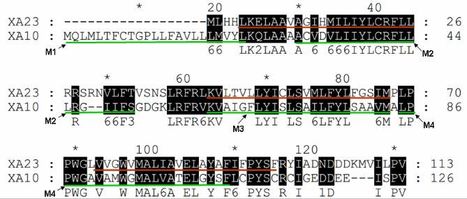
The majority of plant disease resistance (R) genes encode proteins that share common structural features. However, the transcription activator-like effector (TALE) associated executor type R genes show no considerable sequence homology to any known R genes. We adopted a map-based cloning approach and TALE-based technology to isolate and characterize Xa23, a new executor R gene derived from the wild rice (Oryza rufipogon) that confers an extremely broad spectrum of resistance to bacterial blight caused by Xanthomonas oryzae pv. oryzae (Xoo). Xa23 encodes a 113-amino acid protein that shares 50% identity to the known executor R protein XA10. The predicted transmembrane helices in XA23 also overlap with those of XA10. Unlike Xa10, however, Xa23 transcription is specifically activated by AvrXa23, a TALE present in all examined Xoo field isolates. Moreover, the susceptible xa23 allele has an identical open reading frame of Xa23, but differs in promoter region by lacking the TALE binding-element (EBE) for AvrXa23. XA23 can trigger strong hypersensitive response in rice, tobacco and tomato. Our results provide the first evidence that plant genomes have an executor R gene family in which members execute their function and spectrum of disease resistance by recognizing the cognate TALEs in pathogen.
Plants posses an intricate innate immune system that enables them to fight off most invading pathogens. Around the world, agriculture relies on robust disease resistance to ensure adequate food and feed production. Researchers and breeders are constantly generating new resistant crop varieties mostly employing the lengthy process of conventional breeding. Nonetheless, crop losses due to plant pathogens are estimated to be over 15% every year - the main cause of such losses is rapid evolution of new virulent races. In order to keep up with emerging pathogens, we need to gain a deeper and more systematic understanding of the immune system of our crops. During the past two decades, molecular understanding of plant innate immune signaling has been greatly expanded using dicotyledonous model systems such as Arabidopsis thaliana. Now, it is time to connect this volume of knowledge with the immune system of the crop species.
In this Research Topic we aim to collect manuscripts covering the current knowledge of the immune systems of major crop species. Specifically, we encourage the submission of manuscripts (Original Research, Hypothesis & Theory, Methods, Reviews, Mini Reviews, Perspective and Opinion) covering the following topics:
a. Manuscripts describing our current understanding of the plant immune system with a focus on crop species or comparative analyses between model systems and crops.
b. Manuscripts exploring how to best exploit our insight into genomes of plant pathogens and molecular understanding of effector function. c. Manuscripts debating (novel) strategies of how to generate more resistant crop varieties. These might include biotechnological, social and economical aspects of crop improvement.
We anticipate that this Research Topic will become an important resource for plant immunologists especially those interested in comparative studies of plant innate immune systems of model systems and crop species.
Topic Editors
Benjamin Schwessinger UC Davis Davis, USA
Rebecca Bart Donald Danforth Plant Science Center St. Louis, USA
Gitta Coaker University of California, Davis Davis, USA
Ksenia V Krasileva University of California Davis Davis, USA
Plants have evolved disease resistance (R) genes encoding for nucleotide-binding site (NB) and leucine-rich repeat (LRR) proteins with N-terminals represented by either Toll/Interleukin-1 receptor (TIR) or coiled-coil (CC) domains. Here, a genome-wide study of presence and diversification of CC-NB-LRR and TIR-NB-LRR encoding genes, and shorter domain combinations in 19 Arabidopsis thaliana accessions and Arabidopsis lyrata, Capsella rubella, Brassica rapa and Eutrema salsugineum are presented.ResultsOut of 528 R genes analyzed, 12 CC-NB-LRR and 17 TIR-NB-LRR genes were conserved among the 19 A. thaliana genotypes, while only two CC-NB-LRRs, including ZAR1, and three TIR-NB-LRRs were conserved when comparing the five species. The RESISTANCE TO LEPTOSPHAERIA MACULANS 1 (RLM1) locus confers resistance to the Brassica pathogen L. maculans the causal agent of blackleg disease and has undergone conservation and diversification events particularly in B. rapa. On the contrary, the RLM3 locus important in the immune response towards Botrytis cinerea and Alternaria spp. has recently evolved in the Arabidopsis genus.ConclusionOur genome-wide analysis of the R gene repertoire revealed a large sequence variation in the 23 cruciferous genomes. The data provides further insights into evolutionary processes impacting this important gene family.
The Philippine Rice Information System (PRISM) is an operational system for monitoring rice. It supports decision making and activity planning for increased rice production in the Philippines, and has nationwide coverage to help improve food security. It also serves as a platform to develop consistent and regular assessments of rice crop production, crop health, and crop losses due to natural calamities such as floods, droughts, and outbreaks of pests and diseases.
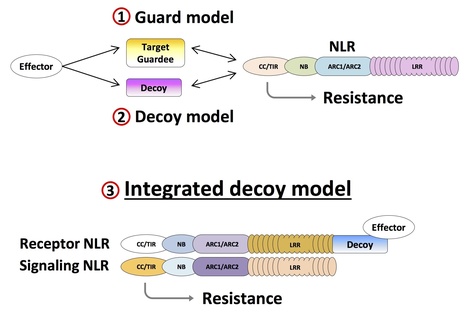
Plant immunity is often triggered by the specific recognition of pathogen effectors by intracellular nucleotide-binding, leucine-rich repeat (NLR) receptors. Plant NLRs contain an N-terminal signaling domain that is mostly represented by either a Toll-interleukin1 receptor (TIR) domain or a coiled coil (CC) domain. In many cases, single NLR proteins are sufficient for both effector recognition and signaling activation. However, many paired NLRs have now been identified where both proteins are required to confer resistance to pathogens. Recent detailed studies on the Arabidopsis thaliana TIR-NLR pair RRS1 and RPS4 and on the rice CC-NLR pair RGA4 and RGA5 have revealed for the first time how such protein pairs function together. In both cases, the paired partners interact physically to form a hetero-complex receptor in which each partner plays distinct roles in effector recognition or signaling activation, highlighting a conserved mode of action of NLR pairs across both monocotyledonous and dicotyledonous plants. We also discuss a new ‘integrated decoy’ effector recognition model to describe these receptor complexes that may be common to many other plant NLR pairs.
KANSAS CITY, Missouri—Forester Kevin Lapointe remembers clearly the day he and his colleagues at the Kansas City Parks and Recreation Department did their first autopsy on a dead ash tree. Under its peeling bark, they found S-shaped burrows running across every inch of the outer layer of wood. Looking closer, they discovered the killer: a slender green beetle smaller than a penny.
The emerald ash borer, or EAB, a native of East Asia, has already devastated entire ash populations in northern cities such as Detroit, where it first appeared in 2002. Since then, the insect has swept into 22 states across the country. In the summer of 2012 it reached the Kansas City metropolitan area.
There are seven billion ash trees in North America, and within the next few decades, the beetle could kill most of them—a die-off ten times bigger than the one caused by Dutch elm disease.
In big cities, where ash species account for up to a quarter of trees in public spaces, planners must consider the environmental consequences of the massive die-off—liability hazards, an increase in stormwater runoff, and the simple problem of disposing of millions of dead trees. And officials don't have time to waste.
Eight years after the initial discovery of the beetles in an area, about 50 percent of the ash population will die—all at once. The rest die within another two to three years. In the Kansas City metropolitan area, where Lapointe works, 6.4 million ashes are on track to die as early as 2015—unless they receive insecticide treatment.
Chad Tinkel, who inherited an EAB problem when he became the city arborist of Fort Wayne, Indiana, didn't have the luxury of early identification or a big city budget for prevention. Of the 18,000 ash trees that once shaded Fort Wayne's sidewalks and parking lots, only about 1,300 remain alive. Tinkel now speaks about EAB to municipalities across the country.
"If you know that it's coming, be proactive," he says. "Get your plan in place. Get your budget set. Too few decision-makers realize that trees are infrastructure—just like a city bench, just like a streetlight—and they pay back more than they cost to put in."
There are more than 7,000 species of rust fungi, including some of agriculture’s most devastating plant diseases such as Wheat Stem Rust, Wheat Stripe Rust and Asian Soybean Rust which all cause significant yield and financial losses. Rust fungi pose a significant challenge for growers and a serious threat to food security.
The Norwich Rust Group (NRG) brings together seven scientific teams from these leading institutes that all study rust fungi. The close proximity of the three collaborating institutes on the Norwich Research Park allows the seven teams to work as a single force, with rapid access to each others complementary expertise and technologies, and allows for joint appointments across institutes. Together, the Norwich Rust Group works with 52 collaborators in 23 countries around the world in order to develop new technologies and approaches to combat rust fungi in an efficient and durable way.
• A forward-genetic screen identifies loci regulating Arabidopsis immune signaling • MOB1/CPK28 negatively regulates immune signaling triggered by infection and PAMPs • CPK28 interacts with and phosphorylates the central immune regulator BIK1 • CPK28 buffers immune responses and contributes to BIK1 turnover
Plant perception of pathogen-associated molecular patterns (PAMPs) triggers a phosphorylation relay leading to PAMP-triggered immunity (PTI). Despite increasing knowledge of PTI signaling, how immune homeostasis is maintained remains largely unknown. Here we describe a forward-genetic screen to identify loci involved in PTI and characterize the Arabidopsis calcium-dependent protein kinase CPK28 as a negative regulator of immune signaling. Genetic analyses demonstrate that CPK28 attenuates PAMP-triggered immune responses and antibacterial immunity. CPK28 interacts with and phosphorylates the plasma-membrane-associated cytoplasmic kinase BIK1, an important convergent substrate of multiple pattern recognition receptor (PRR) complexes. We find that BIK1 is rate limiting in PTI signaling and that it is continuously turned over to maintain cellular homeostasis. We further show that CPK28 contributes to BIK1 turnover. Our results suggest a negative regulatory mechanism that continually buffers immune signaling by controlling the turnover of this key signaling kinase.
• A species-wide genetic analysis identifies incompatibility hot spots in the genome
• Antagonistic epistasis involving plant NLR immune receptors is a common cause
• Polymorphic NLR tandem arrays can generate multiple incompatibility alleles
• Deleterious epistasis limits the accessible space of immune receptor combinations
Intraspecific genetic incompatibilities prevent the assembly of specific alleles into single genotypes and influence genome- and species-wide patterns of sequence variation. A common incompatibility in plants is hybrid necrosis, characterized by autoimmune responses due to epistatic interactions between natural genetic variants. By systematically testing thousands of F1 hybrids of Arabidopsis thaliana strains, we identified a small number of incompatibility hot spots in the genome, often in regions densely populated by nucleotide-binding domain and leucine-rich repeat (NLR) immune receptor genes. In several cases, these immune receptor loci interact with each other, suggestive of conflict within the immune system. A particularly dangerous locus is a highly variable cluster of NLR genes, DM2, which causes multiple independent incompatibilities with genes that encode a range of biochemical functions, including NLRs. Our findings suggest that deleterious interactions of immune receptors limit the combinations of favorable disease resistance alleles accessible to plant genomes.
A key question in biology is how organisms “adapt”, or acquire environment-dependent fitness advantages. Plants must grow fast enough to compete with their neighbours, while maintaining appropriate defences to survive in the presence of pathogens. Understanding how plants make the "decision" to keep safe from harm while growing is crucial to our quest for an abundant food supply and cheap, dependable sources of energy. In my laboratory we utilize of a complex array of technologies to understand how light and growth hormones signals allow plants to optimize the fluctuating investments they are making towards growth and defences in specific cells and organs but also at the population level. The laboratory aims at training a new breed of scientists who will not only be able to integrate plant developmental processes in the face of plant defences but will also understand plant defence responses in the context of environmental (light) and endogenous cues (hormones).
Biotrophic fungi colonize living host tissue and are therefore masters in manipulating the immune defense responses, metabolism and development of their host plants. The focus of our research is to elucidate the underlying molecular mechanisms of biotrophy in the model pathosystems Ustilago maydis/Maize and Ustilago bromivora/Brachypodium. In an integrative approach we functionally explore the effectome (pathogen derived secreted manipulative molecules) to gain insights into the targeted host metabolic processes and to understand the critical needs of the pathogens.
The biotrophic plant pathogen Hyaloperonospora arabidopsidis produces a set of putative effector proteins that contain the conserved RXLR motif. For most of these RXLR proteins the role during infection is unknown. Thirteen RXLR proteins from H. arabidopsidis strain Waco9 were analyzed for sequence similarities and tested for a role in virulence. The thirteen RXLR proteins displayed conserved N-termini and this N-terminal conservation was also found in the 134 predicted RXLR genes from the genome of H. arabidopsidis strain Emoy2. To investigate the effects of single RXLR effector proteins on plant defense responses, thirteen H. arabidopsidis Waco9 RXLR genes were expressed in Arabidopsis thaliana. Subsequently, these plants were screened for altered susceptibility to the oomycetes H. arabidopsidis and Phytophthora capsici, and the bacterial pathogen Pseudomonas syringae. Additionally, the effect of the RXLR proteins on flg22-triggered basal immune responses was assessed. Multifactorial analysis of results collated from all experiments revealed that, except for RXLR20, all RXLR effector proteins tested affected plant immunity. For RXLR9 this was confirmed using a P. syringae ΔCEL-mediated effector delivery system. Together, the results show that many H. arabidopsidis RXLR effectors have small effects on the plant immune response, suggesting that suppression of host immunity by this biotrophic pathogen is likely to be caused by the combined actions of effectors.
Microbe- or host damage-derived patterns mediate activation of pattern-triggered immunity (PTI) in plants. Microbial virulence factor (effector)-triggered immunity (ETI) constitutes a second layer of plant protection against microbial attack. Various necrosis and ethylene-inducing peptide 1 (Nep1)-like proteins (NLPs) produced by bacterial, oomycete and fungal microbes are phytotoxic virulence factors that exert immunogenic activities through phytotoxin-induced host cell damage. We here show that multiple cytotoxic NLPs also carry a pattern of 20 amino acid residues (nlp20) that triggers immunity-associated plant defenses and immunity to microbial infection in Arabidopsis thaliana and related plant species with similar characteristics as the prototype pattern, bacterial flagellin. Characteristic differences in flagellin and nlp20 plant responses exist however, as nlp20s fail to trigger extracellular alkalinization in Arabidopsis cell suspensions and seedling growth inhibition. Immunogenic nlp20 peptide motifs are frequently found in bacterial, oomycete and fungal NLPs. Such an unusually broad taxonomic distribution within three phylogenetic kingdoms is unprecedented among microbe-derived triggers of immune responses in either metazoans or plants. Our findings suggest that cytotoxic NLPs carrying immunogenic nlp20 motifs trigger PTI in two ways as typical patterns and by inflicting host cell damage. We further propose that conserved structures within a microbial virulence factor might have driven the emergence of a plant pattern recognition system mediating PTI. As this is reminiscent of the evolution of immune receptors mediating ETI, our findings support the idea that there is a continuum between PTI and ETI.
Plant pathogens display impressive versatility in adapting to host immune systems. Pathogen effector proteins facilitate disease but can become avirulence (Avr) factors when the host acquires discrete recognition capabilities that trigger immunity. The mechanisms that lead to changes to pathogen Avr factors that enable escape from host immunity are diverse, and include epigenetic switches that allow for reuse or recycling of effectors. This perspective outlines possibilities of how epigenetic control of Avr effector gene expression may have arisen and persisted in plant pathogens, and how it presents special problems for diagnosis and detection of specific pathogen strains or pathotypes.
The role of herbivore-associated microbes in modifying plant defenses has received scant attention. The Colorado potato beetle secretes symbiotic bacteria to wounds to manipulate plant defenses. The bacteria elicit salicylic acid (SA)-regulated defenses, and because SA signaling often negatively cross-talks with jasmonate signaling, plants are unable to fully activate their jasmonate-mediated resistance against the herbivore. From the plants’ perspective, they recognize herbivores not as such, but as microbial threats. We identified the specific bacteria from the beetle secretions and also characterized one of the bacterial effectors responsible for defense suppression. This clever, deceptive strategy for suppressing defenses has not been previously documented. Our results add a significant, unique concept to plant–insect interactions and how herbivores hijack plant defense signaling.
Two classes of genes are used for breeding rust resistant wheat. The first class, called R (for resistance) genes, are pathogen race-specific in their action, effective at all plant growth stages and probably mostly encode immune receptors of the nucleotide binding leucine rich repeat (NB-LRR) class. The second class called Adult Plant Resistance genes (APR) because resistance is usually functional only in adult plants, and, in contrast to most R genes, the levels of resistance conferred by single APR genes are only partial and allow considerable disease development. Some but not all APR genes provide resistance to all isolates of a rust pathogen species and a subclass of these provides resistance to several fungal pathogen species. Initial indications are that APR genes encode a more heterogeneous range of proteins than R proteins. Two APR genes, Lr34 and Yr36, have been cloned from wheat and their products are an ABC transporter and a protein kinase, respectively. Lr34 and Sr2 have provided long lasting and widely used (durable) partial resistance and are mainly used in conjunction with other R and APR genes to obtain adequate rust resistance. We caution that some APR genes indeed include race-specific, weak R genes which may be of the NB-LRR class. A research priority to better inform rust resistance breeding is to characterize further APR genes in wheat and to understand how they function and how they interact when multiple APR and R genes are stacked in a single genotype by conventional and GM breeding. An important message is do not be complacent about the general durability of all APR genes.
To get content containing either thought or leadership enter:
To get content containing both thought and leadership enter:
To get content containing the expression thought leadership enter:
You can enter several keywords and you can refine them whenever you want. Our suggestion engine uses more signals but entering a few keywords here will rapidly give you great content to curate.


 Your new post is loading...











She's adorable (or maybe not...). Nice song though!
Happy holidays from the @KamounLab!
FiFi (Phytophthora) The Oomycete
(adapted from Frosty The Snowman),scopped by Jean Michel