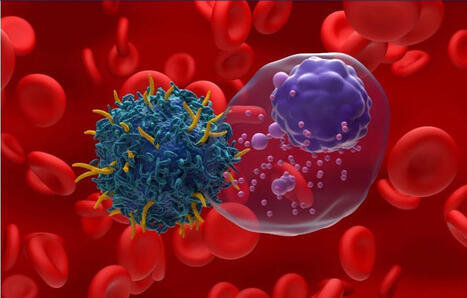
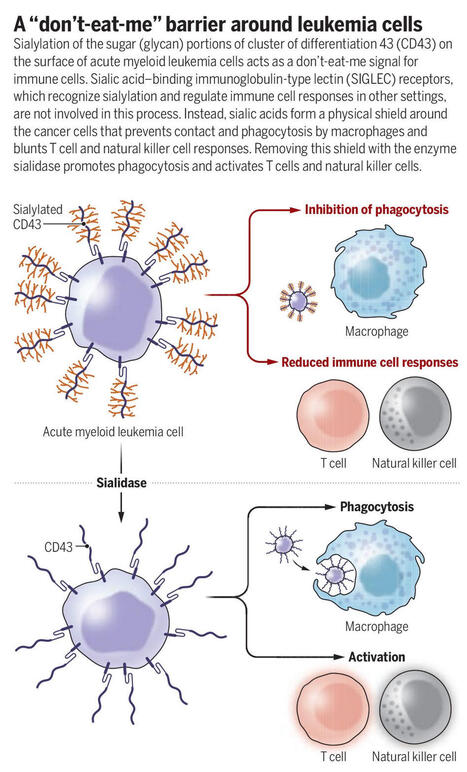
Immune cells continually detect, engulf, and destroy invasive microbes and cancer cells.
This process, called phagocytosis, is carried out by macrophages that must distinguish between proengulfment signals and inhibitory (“don’t-eat-me”) warnings. Cluster of differentiation 47 (CD47), a cell-surface receptor, is the archetypal don’t-eat-me signal. Many cancers upregulate CD47 expression to escape phagocytosis, and CD47 blockade promotes phagocytosis of cancer cells in mice.
However, CD47 blockers have not shown clinical benefits in patients with acute myeloid leukemia (AML), an aggressive cancer of blood immune cells. This discrepancy has raised the possibility that the molecular programs that inhibit phagocytosis differ between mice and humans.
In a new Science study, researchers report that the mechanisms that control macrophage function in human and mouse cells are indeed different. They also identify cluster of differentiation 43 (CD43) as a potential target for human AML treatment.
Patients with CHIP (clonal hematopoiesis of indeterminate potential) exhibit an abnormal bone marrow environment, which might contribute to malignant development and progression. Multiomic analyses of the bone marrow microenvironment by Tikhonova and colleagues reveal an inflammatory–fibrotic link...
Artificial intelligence/machine learning (AI/ML)-based in vitro diagnostic software is increasingly authorized for clinical use in digital pathology and hematology morphology. However, it remains unclear how often performance evidence is publicly available.
We read with great interest the article by Zhao et al. [1] examining the impact of TP53 variant origin on allogeneic stem cell transplantation outcomes in AML/MDS. We commend the authors for addressing this clinically important question and their effort to distinguish germline from somatic TP53 variants is a valuable contribution to the field. However, we wish to raise several methodological considerations regarding TP53 variant interpretation that may benefit from further clarification, complementing the important points already raised by Rodriguez et al. [2].First, we note that the study does not provide detailed variant-level information using standard Human Genome Variation Society (HGVS) nomenclature [3] for coding DNA (c.), nor does it include a comprehensive table of all identified variants with their corresponding genomic coordinates, transcript identifiers and population frequencies. Such information is essential for independent verification and for readers to assess the clinical significance of the variants included. In addition, we observe a concerning graphical issue in Fig. S1, where two variants associated with the R248 codon appear to be depicted at different exon locations in the lollipop plot. Given that both variants occur at the exact same codon, depicting R248W in exon 7 and R248Q in exon 8 raises questions about the accuracy of the underlying data visualization. Without the detailed variant list, it is difficult to determine whether this reflects a plotting artifact, the use of alternative transcript isoforms or a more fundamental data processing error. Clarification of both the variant list and this graphical presentation would greatly enhance data transparency and reproducibility. This is a preview of subscription content, access via your institution Access options Access through your institution Subscribe to this journal Receive 12 print issues and online access 265,23 € per year only 22,10 € per issue Learn more Buy this articlePurchase on SpringerLinkInstant access to the full article PDF.39,95 €Prices may be subject to local taxes which are calculated during checkout Subjects Cancer genetics Genomics Haematological cancer ReferencesZhao Y, Cao W, Shi J, Cao Y, Lu Y, Luo Y, et al. Impact of TP53 variants and germline mutations on allogeneic stem cell transplantation outcomes in acute myeloid leukemia and myelodysplastic neoplasms. Leukemia. 2025;39:2292–6.Article CAS PubMed Google Scholar Rodriguez L, Delhommeau F, Soussi T. Misclassification of TP53 germline variants: implications for survival analysis in AML transplant studies. Leukemia. 2025;39:3054–5.Article CAS PubMed PubMed Central Google Scholar den Dunnen JT, Dalgleish R, Maglott DR, Hart RK, Greenblatt MS, McGowan-Jordan J, et al. HGVS Recommendations for the Description of Sequence Variants: 2016 Update. Hum Mutat. 2016;37:564–9.Article Google Scholar Richards S, Aziz N, Bale S, Bick D, Das S, Gastier-Foster J, et al. Standards and guidelines for the interpretation of sequence variants: a joint consensus recommendation of the American College of Medical Genetics and Genomics and the Association for Molecular Pathology. Genet Med. 2015;17:405–24.Article PubMed PubMed Central Google Scholar Fortuno C, Lee K, Olivier M, Pesaran T, Mai PL, de Andrade KC, et al. Specifications of the ACMG/AMP variant interpretation guidelines for germline TP53 variants. Hum Mutat. 2021;42:223–36.Article CAS PubMed Google Scholar Soussi T. Benign SNPs in the coding region of TP53: finding the needles in a haystack of pathogenic variants. Cancer Res. 2022;82:3420–31.Article CAS PubMed Google Scholar Raad S, Rolain M, Coutant S, Derambure C, Lanos R, Charbonnier F, et al. Blood functional assay for rapid clinical interpretation of germline TP53 variants. J Med Genet. 2021;58:796–805.Article CAS PubMed Google Scholar Doffe F, Carbonnier V, Tissier M, Leroy B, Martins I, Mattsson JSM, et al. Identification and functional characterization of new missense SNPs in the coding region of the TP53 gene. Cell Death Differ. 2021;28:1477–92.Article CAS PubMed Google Scholar Kratz CP, Achatz MI, Brugières L, Frebourg T, Garber JE, Greer MC, et al. Cancer screening recommendations for individuals with Li-Fraumeni syndrome. Clin Cancer Res. 2017;23:e38–45.Article CAS PubMed Google Scholar Download referencesAuthor informationAuthors and AffiliationsDepartment of Pathology, National University Hospital, Singapore, SingaporeKok-Siong PoonAuthorsKok-Siong PoonView author publicationsSearch author on:PubMedGoogle ScholarContributionsKok-Siong Poon conceived the letter, performed the literature and figure review, and wrote the manuscript.Corresponding authorCorrespondence to Kok-Siong Poon.Ethics declarations Competing interests The author declares no competing interests. Additional informationPublisher’s note Springer Nature remains neutral with regard to jurisdictional claims in published maps and institutional affiliations.Rights and permissionsReprints and permissionsAbout this articleCite this articlePoon, KS. Methodological considerations on TP53 variant classification for standardized reporting and interpretation. Leukemia (2026). https://doi.org/10.1038/s41375-026-03136-5Download citationReceived14 July 2026Revised06 August 2026Accepted08 September 2026Published06 October 2026Version of record06 October 2026DOIhttps://doi.org/10.1038/s41375-026-03136-5
Every patient with leukemia carries a molecular story written across multiple layers of data: gene expression, chromatin accessibility, and drug responses measured under dozens of laboratory conditions.
New CME Slideset: Frontline Management of Transplant-Ineligible Multiple Myeloma
For patients who have deferred or are ineligible for transplant, treatment decisions carry real weight. This slideset outlines how to integrate anti-CD38–based regimens and optimize supportive care to improve outcomes.
📥 Download now to bring evidence-based strategies into your next patient discussion: https://lnkd.in/eVKhipg5
Just published in Nature Reviews Disease Primers during #EHA2026. Chronic GvHD remains the leading cause of non-relapse mortality and one of the greatest unmet needs after allogeneic transplantation. This comprehensive review captures where we stand today, and where the field is heading tomorrow: from disease biology and biomarkers to novel therapies and personalized care. The mission is no longer just to help patients survive transplantation, but to help them live well after it. International Academy for Clinical Hematology (IACH) Nature European Hematology Association (EHA) EBMT Institut Universitaire de Cancérologie AP-HP Sorbonne Université FHU S2C-HOPE Sorbonne Université AP-HP, Assistance Publique - Hôpitaux de Paris Hopital Saint-Antoine Vanderbilt University Medical Center Inserm CRSA PARIS
The interim futility analysis for cema-cel, just gave the lymphoma field something to think about. A 41.6% absolute difference in MRD negativity at Day 45 versus observation, with clean tolerability, availability in community hospitals and most patients managed as outpatients. It is a meaningful signal that allogeneic CAR-T can work in first-line consolidation post R-CHOP.
What about the patients who relapse after cema-cel? Go back to CD19 with an autologous product: Yescarta, Breyanzi? They all target the same CD19 as cema-cel. Would a second CD19 CAR-T be reimbursed? If cema-cel moves towards commercialization in LBCL, patients who relapse will need a subsequent differentiated option. The commercial case for CD19-targeted autologous therapies in this setting will need rethinking.
This is where eti-cel becomes relevant. A highly differentiated product also developed at Cellectis, on the same backbone as cema-cel (originated from Cellectis platform), eti-cel targets both CD20×CD22 simultaneously. Data at the current dose show 88% ORR and 63% CR in heavily pretreated patients, a strong signal for a dual allogeneic approach.
Fifteen years ago, CAR-T emerged as a revolution. The real breakthrough, the bona fide pharmaceutical product, is allogeneic. Off-the-shelf, scalable, standardized. It will establish a new order in cell therapy. Autologous therapies are a process and will, in time, disappear.
On in vivo CAR-T: the science is early, the toxicity profile remains unfavorable today, and the regulatory path for a therapy where the vector is the product is, at best, unclear.
Cellectis Allogene Therapeutics Kite Pharma Bristol Myers Squibb Novartis Johnson & Johnson Gilead Sciences #dlcl #CART #celltherapy #allogeneic | 14 comments on LinkedIn
On behalf of the International Society for Laboratory Hematology (ISLH), we cordially invite you to attend the International Symposium on Technological Innovations in Laboratory Hematology.
Acute myeloid leukemia arises from stem cell mutations and clonal expansion, and while diagnosis is rarely in doubt, genetic testing now shapes every treatment decision that follows.
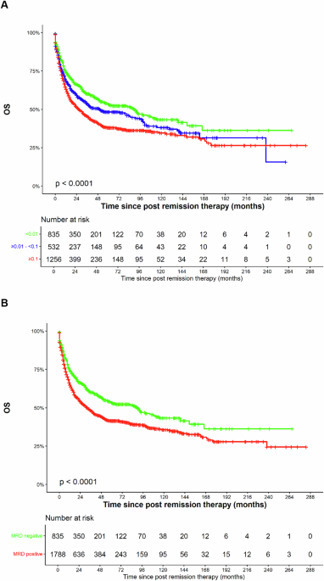
Measurable residual disease (MRD) is an early endpoint of treatment efficacy in some hematological malignancies, but several questions remain unanswered to endorse its use in acute myeloid leukemia (AML).
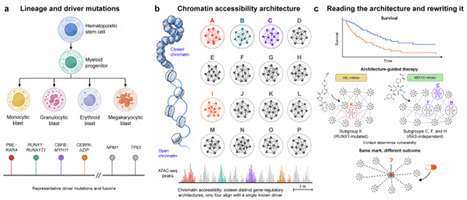
Download PDF Subjects Epigenomics Haematological cancer In a recent study published in Nature, Ochi et al. used ATAC-seq to profile bone marrow or peripheral blood tumor cells from 1563 newly diagnosed cases of acute myeloid leukemia (AML), resolving the disease into 16 chromatin-accessibility subgroups (the eCHROMA study) with independent prognostic and pharmacological value, most of them invisible to current genetic classification.1 This chromatin-based framework raises a sharper question: how much of that architecture can actually be engineered by drugs designed to rewrite it?For three decades, AML classification has rested almost entirely on genetics. Driver mutations and structural variants underpin AML subtyping,2 informing the World Health Organization (WHO), International Consensus Classification (ICC), and European LeukemiaNet (ELN) systems that guide diagnosis, risk stratification and drug selection. Yet clinical heterogeneity and treatment resistance persist even within genetically defined categories, evidencing that mutation catalogs alone do not capture the full biology of the disease.The central result is a stratification of AML into 16 chromatin-accessibility subgroups (A to P), built from 176,853 recurrent ATAC peaks. What makes this more than a descriptive exercise is what the subgroups are not. Exhaustive decision-tree analysis using all known driver lesions and whole-genome sequencing in a 213-case subset could uniquely define only three subgroups by their canonical fusions (PML::RARA, RUNX1::RUNX1T1, CBFB::MYH11) and partially a fourth by CEBPA bZIP mutations. The remaining twelve show reproducible, clinically distinct chromatin states that current genomic tools cannot predict, even at whole-genome resolution. That is the paper’s strongest empirical claim, and it is a well-supported one.Importantly, the authors are careful not to overclaim independence from genotype. Many subgroups still map, imperfectly, onto known genetic lesions, but the real advance lies in subdividing genetically defined categories into biologically and clinically distinct entities. NPM1-mutated and KMT2A-rearranged AML, each treated as near-monolithic in current classifications, jointly resolve into four HOX-driven subgroups with distinct maturation blocks and mutation co-occurrence patterns, a heterogeneity within NPM1-mutated AML also reported independently at the transcriptomic level.3 TP53-mutated AML, similarly, splits into three subgroups nominally distinguished by differentiation trajectory (erythroid, primitive, and a third) and by outcome. The underlying deconvolution data are dispersed enough to blur the boundaries between all three, however, and none of the three subgroup assignments is checked against variant allele frequency or karyotype complexity, both plausible confounders of a deconvolution-based reading. This refinement, rather than wholesale rejection of genetics, is where the clinical value concentrates.Mechanistically, each subgroup is anchored in a distinct gene-regulatory architecture. The authors apply two independent, previously validated computational tools, transcription-factor network inference and super-enhancer-based regulatory mapping, to their own data. This identifies subgroup-specific master regulators: HOXA family factors and E2F3 in the HOX-driven subgroups, BCL11A and IRF factors in the RUNX1-mutated subgroup, and SPI1 and C/EBP factors in the monocytic subgroups. Of 1718 non-redundant super-enhancer loci identified across the cohort, 387 were unique to a single subgroup, and 833 were shared by only a few, a substrate for subgroup-specific dependency that goes beyond a correlative chromatin signature. Single-cell multiomics on 281,167 cells from 36 patients confirms that this identity is established early and preserved through the leukemic hierarchy, including in leukemic stem cell (LSC)-enriched populations, arguing that the epigenomic fingerprint is not merely a bystander mark of differentiation state but a stable property of the malignant clone.The clinical implications are concrete, if modest in some respects. Incorporating the ATAC subgroup into ELN risk stratification improved the concordance index by 0.036 to 0.039 in the Swedish and Japanese cohorts, respectively, an increase the authors and prior methodological work treat as clinically meaningful, though it should be read as a refinement rather than a replacement of ELN staging. More striking is the drug-sensitivity data. Subgroup K, defined by RUNX1 mutation and a maturation block at the common lymphoid progenitor stage, showed pronounced sensitivity to ABL inhibitors that was absent in RUNX1-mutated samples from other subgroups, a context-dependent vulnerability that genotype alone would have missed. Subgroups C, F, and H showed sensitivity to MEK1/2 inhibitors regardless of RAS-pathway mutation status, consistent with epigenetic activation of the pathway. For clinical translation, the authors trained expression-based classifiers using only 30 genes that predict high-risk ATAC subgroups with accuracies between 0.77 and 0.95, depending on ELN category. This yields a parsimonious and, in principle, transferable signature. Three gaps stand between this signature and clinical use. It still needs prospective validation across ethnically diverse populations and heterogeneous laboratory platforms. Its stability under therapeutic pressure remains unknown, which bears directly on its potential for measurable residual disease (MRD) monitoring. Regulatory and cost-effectiveness hurdles also stand in the way of adding a new assay to routine diagnostic workflows.One extrapolation deserves a more cautious framing than the paper itself offers. Leukemic identity, including in LSC-enriched fractions, is chromatin-stable across the differentiation hierarchy. This stability is suggestive of MRD monitoring, since a subgroup-specific accessibility or expression signature could in principle be more robust to clonal drift than a single mutation-based marker. This is not purely speculative. An independently derived chromatin signature, based on accessibility at transposable elements rather than driver mutations, was recently shown to stratify AML relapse risk across three cohorts.4 Whether the ATAC subgroups identified here retain that stability under treatment and relapse, rather than shifting, remains untested, as the present cohort was not designed to track chromatin accessibility longitudinally.The paper’s forward-looking discussion, reasonably, gestures toward a new generation of epigenetic therapies that might reprogram these chromatin landscapes to relieve differentiation blocks. That optimism deserves a mechanistic check. Rai and colleagues show,5 across CRISPR screens, that catalytically dead HDAC mutants and a chemically modified SAHA analog stripped of HDAC-inhibitory activity, that global histone hyperacetylation is neither necessary nor sufficient for the anticancer effects of HDAC inhibitors. A compound that never engages HDAC catalytic activity retains full antitumor efficacy in vivo; conversely, matching a drug’s histone acetylation footprint does not recapitulate its transcriptional or cytotoxic effects. The lesson generalizes beyond HDAC biology. Producing a defined chromatin-accessibility state pharmacologically will not automatically deliver the transcriptional program that state is associated with in an observational atlas. eCHROMA’s own transcription-factor and super-enhancer networks point to a more precise target. Each subgroup’s architecture identifies specific regulatory circuitry as load-bearing, not the bulk accessibility mark itself. That logic is not merely aspirational. A phase 2 trial of the menin inhibitor revumenib is testing this genotype-agnostic principle in HOX-driven leukemias spanning several genetic lesions. The intended long-term biomarker of eligibility is HOX/MEIS1 expression itself, not the underlying mutation (NCT06229912). Chromatin state is a legitimate and underused axis for classifying and stratifying AML, but engineering that axis therapeutically will require targeting the regulatory logic each subgroup encodes, not simply moving the epigenetic needle (Fig. 1). ReferencesOchi, Y. et al. Chromatin landscape and epigenetic heterogeneity of acute myeloid leukaemia. Nature https://doi.org/10.1038/S41586-026-10703-4 (2026).Article PubMed PubMed Central Google Scholar Papaemmanuil, E. et al. Genomic classification and prognosis in acute myeloid leukemia. N. Engl. J. Med. 374, 2209–2221 (2016).Article CAS PubMed PubMed Central Google Scholar Karakaslar, E. O. et al. Resolving inter- and intra-patient heterogeneity in NPM1-mutated AML at single-cell resolution. Leukemia 39, 2916–2925 (2025).Article CAS PubMed Google Scholar Grillo, G. et al. Transposable elements shape stemness in normal and leukemic hematopoiesis. Nat. Genet. 58, 1087–1099 (2026).Article CAS PubMed PubMed Central Google Scholar Rai, C. et al. Histone deacetylase enzyme activity is not the universal anticancer target of HDAC inhibitors. Signal Transduct. Target. Ther. 11, 218 (2026).Article CAS PubMed PubMed Central Google Scholar Download referencesAcknowledgementsThis research was supported by grants from Fundação de Amparo à Pesquisa do Estado de São Paulo (FAPESP) and Conselho Nacional de Desenvolvimento Científico e Tecnológico (CNPq). J.L.C.-S. received a fellowship from FAPESP (#2024/21624-7).This study was supported by grants #2023/12246-6, #2023/08735-1, and #2025/26187-7 from FAPESP and grant 305758/2021-7 from CNPq.Author informationAuthors and AffiliationsDepartment of Pharmacology, Institute of Biomedical Sciences, University of São Paulo, São Paulo, BrazilJuan L. Coelho-Silva & João A. Machado-NetoDepartment of Hematology, University Medical Center Groningen, University of Groningen, Groningen, The NetherlandsDiego A. Pereira-MartinsAuthorsJuan L. Coelho-SilvaView author publicationsSearch author on:PubMedGoogle ScholarDiego A. Pereira-MartinsView author publicationsSearch author on:PubMedGoogle ScholarJoão A. Machado-NetoView author publicationsSearch author on:PubMedGoogle ScholarContributionsJ.L.C.-S. conceived the commentary, conducted the literature analysis, and drafted the manuscript. D.A.P.-M. contributed to conception and critically revised the manuscript for intellectual content. J.A.M.-N. supervised the work and is the corresponding author. All authors have read and approved the article.Corresponding authorCorrespondence to João A. Machado-Neto.Ethics declarations Competing interests The authors declare no competing interests. Additional informationPublisher’s note Springer Nature remains neutral with regard to jurisdictional claims in published maps and institutional affiliations.Rights and permissions Open Access This article is licensed under a Creative Commons Attribution-NonCommercial-NoDerivatives 4.0 International License, which permits any non-commercial use, sharing, distribution and reproduction in any medium or format, as long as you give appropriate credit to the original author(s) and the source, provide a link to the Creative Commons licence, and indicate if you modified the licensed material. You do not have permission under this licence to share adapted material derived from this article or parts of it. The images or other third party material in this article are included in the article’s Creative Commons licence, unless indicated otherwise in a credit line to the material. If material is not included in the article’s Creative Commons licence and your intended use is not permitted by statutory regulation or exceeds the permitted use, you will need to obtain permission directly from the copyright holder. To view a copy of this licence, visit http://creativecommons.org/licenses/by-nc-nd/4.0/. Reprints and permissionsAbout this articleCite this articleCoelho-Silva, J.L., Pereira-Martins, D.A. & Machado-Neto, J.A. Chromatin accessibility in leukemia: mapping and the limits of reprogramming. Sig Transduct Target Ther 11, 432 (2026). https://doi.org/10.1038/s41392-026-03020-9Download citationReceived15 July 2026Revised09 August 2026Accepted17 August 2026Published05 October 2026Version of record05 October 2026DOIhttps://doi.org/10.1038/s41392-026-03020-9
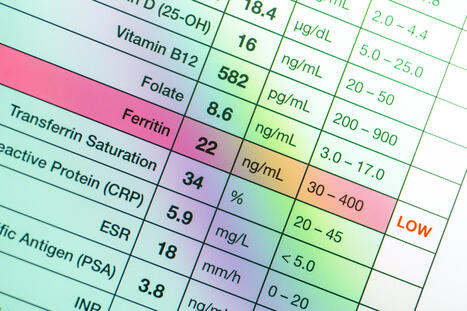
MONDAY, Oct. 5, 2026 -- In guidelines issued by the American Society of Hematology and published online Sept. 16 in Blood Advances, recommendations are presented for the diagnosis of iron deficiency. Jacquelyn M. Powers, M.D., from the Baylor...
🔬A valuable open educational resource by Michelle To and Valentin (Tino) Villatoro, developed through the Division of Medical Laboratory Science, University of Alberta. It provides an image-rich, practical approach to understanding blood cell morphology and hematological disorders.
🩸 A particularly useful feature: The guide makes extensive use of peripheral blood and bone marrow smear images, with descriptions that help learners correlate cellular morphology with hematological conditions. The eBook also provides access to an extensive University of Alberta hematology image collection. A useful resource for Medical Laboratory Science, Hematology, Medical Technology, Medical Microbiology, pathology students, postgraduate learners, and educators.
📖 Open Access: The eBook is licensed under a Creative Commons Attribution-NonCommercial 4.0 International (CC BY-NC 4.0) License, allowing sharing and adaptation for non-commercial purposes with appropriate attribution.
Just published in HemaSphere Journal: EHA Guidelines on management of chronic lymphocytic leukemia and Richter transformation. https://lnkd.in/eSJ4k276
If you like to know more about these new guidelines, you can follow the session at #EHA2026 Thursday June 11, 13:15 in Hall A2-3 in Stockholm or online: https://lnkd.in/e-secB-n
Immune cells continually detect, engulf, and destroy invasive microbes and cancer cells.
This process, called phagocytosis, is carried out by macrophages that must distinguish between proengulfment signals and inhibitory (“don’t-eat-me”) warnings. Cluster of differentiation 47 (CD47), a cell-surface receptor, is the archetypal don’t-eat-me signal. Many cancers upregulate CD47 expression to escape phagocytosis, and CD47 blockade promotes phagocytosis of cancer cells in mice.
However, CD47 blockers have not shown clinical benefits in patients with acute myeloid leukemia (AML), an aggressive cancer of blood immune cells. This discrepancy has raised the possibility that the molecular programs that inhibit phagocytosis differ between mice and humans.
In a new Science study, researchers report that the mechanisms that control macrophage function in human and mouse cells are indeed different. They also identify cluster of differentiation 43 (CD43) as a potential target for human AML treatment.
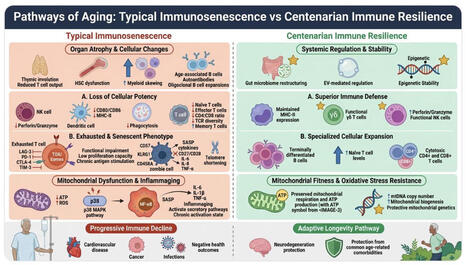
𝗜𝗺𝗺𝘂𝗻𝗼𝘀𝗲𝗻𝗲𝘀𝗰𝗲𝗻𝗰𝗲 is a multimodal immune system remodeling process that includes inflammation, cellular senescence, T-cell fatigue, and thymic involution, all of which raise the risk of infection and disease as we age. Our review published in Current Opinion in Immunology https://lnkd.in/efRp3D4M highlights that centenarians often exhibit adaptive remodeling and maintained immune balance rather than a uniform decline. This includes retention of naïve T cells, expansion of cytotoxic T cell subsets, and regulated inflammatory signaling.
➡️ Immunosenescence should be viewed as a trajectory-dependent process in which balanced immune function determines resilience and healthy aging.
➡️ Progress in understanding immunosenescence is dependent on integrating longitudinal multi-omics data to generate biological-age biomarkers and inform immunometabolic or senotherapeutic techniques for extending healthspan. Thanks to coauthors Ivan David Lozada Martinez, MD, MSc Yeny Acosta Ampudia Gabriel Tobón
Every second, your body creates 2 million brand new red blood cells. Did you know they all die in exactly 120 days and your spleen processes 200 billion dead cells daily? Follow for more mind-blowing health facts! #health #bloodcells #humanbody #biology #shorts
Peter Voorhees, MD, emphasizes the importance of carefully determined early regimens for smoldering myeloma and involving patients in treatment decisions.
To get content containing either thought or leadership enter:
To get content containing both thought and leadership enter:
To get content containing the expression thought leadership enter:
You can enter several keywords and you can refine them whenever you want. Our suggestion engine uses more signals but entering a few keywords here will rapidly give you great content to curate.




 Your new post is loading...