In Article 4 of the Nutrition and Health Claims Regulation (NHCR), the European legislature entrusted to the European Commission the task of establishing “Nutrient Profiles.”
These profiles should separate politically desirable from politically “undesirable” foods, so that no health claims should ever appear on foods profiled as “undesirable” by the consumer advocates that seek to prevent that consumers shall get “desirable” nutrients via ice cream, candies, salty and fatty snacks, sweet biscuits.
This is the ascetic ideology that has grown out of the unproven allegation that “many consumers that are eating them [“undesirable” foods] in moderation would consume them in greater quantities” when manufacturers would be permitted to allude to the fact that “undesirable” foods contain “desirable” nutrients that do “desirable” things...
Claims are things companies say on product labels. "Health claims" are things they say or rather write about the product (a food, a supplement, a herb) that explains what it's good for in terms of staying healthy.
The European Union has issued a regulation, applicable in all member countries, that all such statements must be centrally approved.
Sounds good? Well, it really disrupts the flow of information. VERY VERY few such "claims" have been approved, and it doesn't look like it will get much better soon.
Companies selling healthy food basically can't say why you should buy them (what the foods are good for in terms of health...
In this era of digital science and globalization, medical profession seems to be a charm for many people. Throughout the world, each year, many students appear for this noble profession with the dream to explore something new with their keen interest in humanity or to flourish in education. The world is moving so fast with new discoveries, inventions and growth in technologies which connect each and every individual in a manner without which life seems to be impossible. In the same way, the top most preferred profession of this world, the Medical Profession is indulging more in connecting with the digital world through different communication media.
Social Media is a Platform that involves internet based activities through which individuals get and share knowledge, communicate and collaborate. It is totally different from other broadcast media because social media is online way through which people discuss, communicate research, earn and discover new things individually or in collaboration. In this age of rapidly growing technologies, different professions use blogging, personal websites like twitter, Facebook, wiki, slides share and videos share sites, collaborative projects, research tools and contents, online communities, photo sharing sites and educational information sharing and news sites. According to “Facebook statistics, 9th September 2011”, Published in white paper 2012; Facebook emerged as largest social media network in use worldwide and represents the enormous growth of social media usage among the general public, Facebook allows internet users to interact with community pages, events and personal post.
Social Media presents several opportunities in positive or negative way to medical community, so that physicians, medical students, patients, nurses, health organizations and their representatives seize those opportunities and improve health literacy, issues and quality of life. Social media is a dynamic way through which people can raise health awareness about issues, can communicate, discuss to improve health related activities and behavior. This is also a powerful way to provide better quality of life. According to one survey, over sixty five percent physicians in the world are using social media, and in U.S. more than thousand hospitals are using social media and several organizations are taking part in it for different purposes. Different Health organization in public and private sector using social media like, ‘Mayo Clinic social media’ was created in January to educate health care professionals, and public health agencies like World Health Organization (WHO) are reshaping medical world with great advancement.
Throughout the world Physicians, Surgeons, Medical students and Nurses all are using different blogging sites and social networking communities to enhance and seize opportunities and to tackle all the challenges which come on their way of professionalism. Dr.Lissa Rankin, a gynecologist in San Diego said in her interview that: “I was trained that doctors are supposed to be up on this pedestal and we’re supposed to put on our white coats and play this role. That’s not necessary who we are. We’re humans. I personally use social media as a way to communicate to people my humanity, that I have flaws, that I make mistakes, that I have doubts, insecurities and fears”.
Social Media is playing its role for medical community through different categories like students, doctors, nurses and different industries are using several blogging sites, social networking communities, Facebook, flickers, twitter, slides share, videos share, YouTube, online journals, e-books, online researches and last but not the least different video courses and lectures provided by health care teachers in several ways. But matter of concern is that, social media can have negative impact and can harm medical profession, personal dignity, identity, employment, patient’s integrity, self respect, can demoralize individuals life and can disturb relationships, future admission, careers and opportunities, if people have inappropriate online activities and social behaviors. It can affect patient’s morale, self respect, privacy and their beliefs.
One survey shows that social networking sites are affecting medical school acceptance, in U.S. Social network activities and profiles are negatively affecting doctor’s reputation, personal integrity, public trust and their careers and can destroy their fame and employment. In twitter accounts, doctors using and sharing medical information and patient’s problems can be fruitful but they are against ethics and destroy personal dignity and morale by crossing boundaries. In a nutshell, in spite of negative influence of Social Media individually or collectively, it is playing a powerful role in medical community by reshaping the ways of thinking, ways of living, ways to receive and share, and the ways to explore and generate better health. By providing routes to overcome challenges and grab new opportunities it can create better relations that enable persons individually and professionally to grow and live in a ‘healthy literate world’.
Should doctors undergo a formal social media training program? The answer from Mayo Clinic is “yes.”
The healthcare system’s social media training program, “Social Media Residency," will for the first time will be offered at another hospital. The program will be held at Lenox Hill Hospital in New York City this June.
Although there have been many doctor advocates for social media, there are still limited social media training resources for doctors, especially for young doctors.
One can argue that doctors should use their common sense to guide their online presence. But as social media and digital technologies progress, the implications of these emerging channels are beyond their functions as communication platforms–innovators in healthcare have been exploring social media for other functions such as clinical recruitment, mobile medicine, hospital re-admission reduction and patient adherence. Some of these explorations have shown promising results and physicians may be able to utilize these new tools in a clinical setting soon.
Thus, training physicians on the use of social media is more than about telling them how to maintain a professional online profile when patients search their names; more important, the training should be about the future trends of the online world, and how physicians can bridge the knowledge in medicine and digital techniques to ultimately advance medicine and enhance healthcare delivery.
There are three reasons why a social media training program like “Social Media Residency” is essential for tomorrow’s physicians.
Physicians will be a driving force in medical innovation
Physicians are the stakeholders in healthcare who directly engage patients and touch different segments of the healthcare system—from ordering tests, prescribing medications, checking medical record, coordinating with other specialists and even handling billing. Therefore, insights from physicians are unique and valuable for healthcare innovation.
As the healthcare system is shifting to a patient-centered model, non-medication intervention will play a more important role in patient management. Prevention, early diagnosis, better integration and improved patient communication can all contribute to driving outcomes. Many of these improvements can be driven by social media and digital technologies. As physicians work together to deliver cost-effective healthcare for patients, they not only need to understand how these emerging tools work but also use insights to identify opportunities to improve them.
Social media has redefined the relationship between physicians and patients
With free and easy access to medical information, patients are much more educated today. According to a study published on the Journal of Health Communication, 70 percent of surveyed patients planned to ask their doctor questions about the information they found, and 40 percent had printed the information to take to the appointment. Meanwhile, patients are also using online channels and mobile tools to counsel peers, share experience, track progression of their condition and log side effects of treatments. In some disease state with extremely active patient advocates (e.g., diabetes, cancer, rare diseases), patients are powerful enough to influence policy making and business decisions made by pharmaceutical companies.
Physicians who play a leading role in healthcare delivery cannot react to the trend by ignoring it. To manage the new physician-patient relationship properly requires knowledge in social media and digital—where patients are discussing the condition, what websites contain the most reputable medical content, what mobile apps might add value to disease management for patients and what a proper way would be to convince patients about diagnosis or treatment when it is different from what they found online.
The bottom line is about adding value in healthcare delivery
The essence of patient-centered healthcare is about adding value. As Michael Porter discussed in his famous paper What Is Value in Health Care back in 2010, achieving high value for patients must become the overarching goal of healthcare delivery and value should define the framework for performance improvement in healthcare. Thus, the reason why we need to train physicians on social media should also be about adding value.
Although researchers and the industry are still figuring out ways to measure the value of social media in a clinical setting, some indirect or qualitative findings illustrate social media can enhance value in healthcare.
For example, many studies have shown social connections can be beneficial for mental health. Peer counseling and support groups—things patients do in social media each day—foster such connections and help patients to better cope with their conditions. When I was doing research for a client in ALS drug development, I encountered this comment: “I desperately needed to adjust my ‘new life’ to this ‘new reality.’ Social media has helped with that adjustment by empowering me and other patients.” This is just one of many revealing patient comments that I have seen in the last couple of years.
Efforts to drive the value of social media in healthcare have also been made by businesses. Forbes reported a company called Healtheo360 has recently launched a patient study designed to measure the advantages of Virtual Social Therapy, a social media-based service developed by the company, in patients with diabetes.
Mayo Clinic’s “Social Media Residency” program indicates leading healthcare organizations have realized the necessity to incorporate social media into the formal training channel and started to experiment emerging tools in a clinical setting. It is a great starting point, but more still need to be explored from multiple perspectives before physicians can ultimately utilize social media to deliver measurable, meaningful and consistent outcomes.
Big data is enabling a new understanding of the molecular biology of cancer. Using personal medical and population genomics data, clinicians now have tools.
How data can improve cancer treatment
Big data is enabling a new understanding of the molecular biology of cancer. The focus has changed over the last 20 years from the location of the tumor in the body (e.g., breast, colon or blood), to the effect of the individual’s genetics, especially the genetics of that individual’s cancer cells, on her response to treatment and sensitivity to side effects. For example, researchers have to date identified four distinct cell genotypes of breast cancer; identifying the cancer genotype allows the oncologist to prescribe the most effective available drug first.
Herceptin, the first drug developed to target a particular cancer genotype (HER2), rapidly demonstrated both the promise and the limitations of this approach. (Among the limitations, HER2 is only one of four known and many unknown breast cancer genotypes, and treatment selects for populations of resistant cancer cells, so the cancer can return in a more virulent form.)
How data can improve clinical trials
As with treatment, progress in developing better cancer drugs has been hindered by a lack of genomic and metabolic understanding. The historical approach to cancer drug clinical trials is to recruit uncharacterized (without any genomic, metabolic or other differentiators that may affect response to the candidate treatment) subjects to test one-size-fits-all drugs. Given what we know now about cancer genotypes and individual response to drugs, it’s amazing any drugs were able to show statistically significant efficacy and reach the market.
Using personal medical and population genomics data, clinicians now have tools to design more targeted clinical trials by matching cancer cell types and individual metabolic response to the drug candidate, recruiting subjects who will be more likely to respond and excluding those likely to have treatment-limiting side effects.
Using new data to address unmet medical needs
In addition to cancer, there are many diseases with wide individual variability and a dearth of effective treatments: e.g., Alzheimer’s, depression, diabetes, asthma, and arthritis. A flood of new data streams in health care (from digitized medical records, genomics, pharmaceutical data, and data from trackers and sensors) may enable clinicians to make better diagnoses and prognoses that can give patients better prevention and treatment choices. Furthermore, aggregated health data can enable researchers to determine which patients are good candidates for particular clinical trials or treatment protocols.
Using sensors, at-home monitors, and smartphone device trackers, clinicians can capture clinical data in real time to monitor patients’ progress outside of the hospital between visits. This new approach is becoming possible through a combination of data sources and improved data management and analytics to move toward more effective treatments–and ultimately, personalized medicine.
The Electronic Health record gives you an opportunity to improve the patient’s experience. When patients visit their doctor, they disclose some private and confidential information too.
Over the past few decades, the relationship between health, data and technology has dramatically evolved, and has increased access to information about health issues.
As a result, individuals, communities and companies are becoming more knowledgeable and are better equipped to make healthier choices. At the center of this profound shift is what many have referred to as the Quantified Self movement, which aims to use technology to monitor and collect data about various aspects of daily life including behavior, mood, and health. At the same time, the utilization of “big data” is providing academics, institutions and governments with better tools to inform macro-level decisions regarding health policy and access.
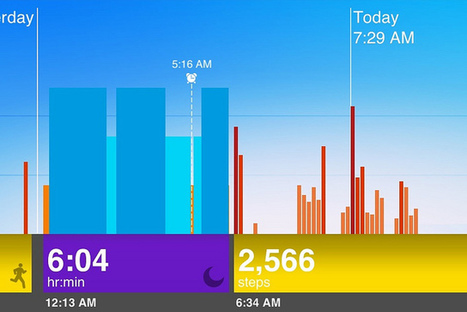
Today, wearable personal tracking devices have taken self-monitoring to the next level, allowing individuals to track fitness, rest and eating habits, which may be used to make lasting behavior changes. Building on the insights of early health monitors for diseases like diabetes and hypertension, today’s devices offer such advantages as speed, accessibility and affordability.
By using these tools to monitor trends and fluctuations, people might choose to ingest fewer calories, take the stairs more often or coordinate their schedules to get more REM sleep.
Just as tracking devices and the Quantified Self movement can inspire personal behavior change, parallel collections of large data sets may be effective in solving health crises at a macro level. Academics, for instance, have found that big data has the potential for vastly improving public health. From using air quality data to gain insight into the incidence of respiratory disease, to gathering information on social and sexual networks to predict the spread of infection, there are numerous ways in which big data can be used to create innovative solutions to widespread health problems.
This data revolution has already started to take effect with the rise of digitized databases and medical records, which make it easier for health care companies and organizations to analyze information from disparate sources. A recent McKinsey & Company reportdiscusses the utility of big data for a variety of stakeholders within the health care system, including individuals, providers and payers. Addressing these critical areas becomes easier with smart use of data, ultimately improving health outcomes and the efficiency of health care.
Electronic Medical Records is a system where medical data and records are kept in a digital format. It is a process to maintain the complete medical data of the patient in electronic format. It has been developed to help the medical practitioner by reducing the paper work and storing all the vital information at one place.
From smartwatches to mobile heart monitors, wearable technology is changing our world as we know it.
According to the latest projections from ABI Research, the global market for wearable wireless devices in sports and healthcare will approach 170 million units by 2017.
Wearable Tech is the latest Fashion Trend of 2013 and it is a king of all sorts of Fashions. The devices powered by wearable technology are Wearable Devices and functionally they can be categorize into nine sets as mentioned below : 1. Social Media Jeans 2. Bluetooth Neckleces 3. Rubby Slippers 4. Sesame Rings 5. Recon Jet 6. SmartWatch 7. Virtual Reality Goggles 8. Wearable Camera 9. Smart Hand-Bands and 10. Gesture Devices
In honor of this weeks focus in Infomania J302, I have posted an info graphic that translates information regarding wearable technology and where it is headed in the near future.
Find out more about Transient Ischemic Attacks (TIAs), including risk factors, symptoms and important steps to take if you, or someone you know, experience o...
Getting covered through President Barack Obama's health care law might feel like a combination of doing your taxes and making a big... (Applying 4 health insurance?
An analysis of 43 popular wellness apps by the nonprofit Privacy Rights Clearinghouse found that many apps connect to advertising and data-analysis sites without the user’s knowledge.
Now there's a number for how effective lifestyle changes can be in protecting the heart and preventing deaths from heart attack and stroke. Heart disease remains the leading cause of death in the U.S., but a new report from the U.S.
*Skip graduate school and get an “experience MBA.” We are the first generation that has access to extreme self-education, which means that traditional degrees are often irrelevant and sometimes financially crippling. As a generation, it’s time to rethink our trillion-dollar education debt.
*Hone a powerful network. One that can generate world changing energy. Netflix NFLX+0.92% improved its film recommendation algorithm by crowdsourcing code writing, KIVA generated hundreds of millions of dollars in microloans and re-architected the traditional system of bank lending as a route to network fundamental and massive change and we all have access to the same powerful tools they used.
*Approach traditional spaces from unique angles. Yes, thinking “outside-the-box” creates a competitive advantage. Always. Blake Mycoskie wasn’t a shoemaker or a force in global health and education until he decided to be one. Join the Renaissance and reinvent the world, as you reinvent yourself.
* Keep your venture tethered to social good and positive culture. Companies today are engaging in philanthrocapitalistic ventures in record numbers, and in unique ways. Ventures that tie every day consumption to harness our collective consumer dollars to affect positive change. This not only does good, it feels good.
*Employ a multidisciplinary approach to everything as you explore markets in new and unique ways. What does micro-finance in Kenya have to do with your company culture and ultimate profit? What can a computer scientist learn from a social psychologist or an environmentalist learn from an artist? What can the world learn from you?
*Time, knowledge and participation in each other’s stories are all viable forms of currency, and the most valuable currency is not necessarily “green.” Nor is the most valuable solution already written, or dollar driven. KIVA taught us that those simple human stories and personal connections can be powerful vectors for change.
*Harness capitalism for good by incorporating giving into everything that you do. What you buy, what you wear, what you eat, and where and how you work, can be both a significant global force and self-defining.
* Exploit low-risk, high-reward opportunities. This mitigates risk and allows room for explosive, rapid-fire success. Today a company can be started for next to nothing and an education secured with the touch of our fingers. We all have the chance to create and exploit derivative success markets for ourselves. Right now.
The pharmaceutical industry, and many doctors, appear to be making great efforts by to get as many people as possible vaccinated against shingles.
Even if such an intervention was highly effective in preventing shingles, which certainly has not been shown to be the case, the information below should make it clear that such vaccinations are unnecessary.
The side effects that would be suffered by a significant number of individuals need never occur in the first place...
Statistics show 80 percent of people look for health care information online. Blogs can help them find it.
10 tips for hospital bloggers
1. Make it personal: The blog shouldn’t be a cut-and-paste job from your hospital’s marketing/media relations press release site. This is your chance to show off your human side and emotionally connect with patients. Urge doctors to explore topics, such as why they love their work and what they learn from patients.
2. Monitor the buzz: Pay attention to current events and hot topics. When flu season arrives, a family practice may blog about prevention tips and vaccination schedules. What’s the latest research on disease causes and links, and do you have an expert who can weigh in? Is a new treatment that your center offers getting wider media attention? Find a way to talk about it. You can always set up aGoogle alert for subjects you know your audience cares about.
3. Check your jargon: Be cautious about so-called “doctor speak.” You’re writing to connect with patients, not medical colleagues, so keep it casual and easy to understand. Remember that patients don’t refer to their chests as “thoracic cavities.” See this study that showed that most people find thelanguage on hospital websites way too elevated.
4. Keep it brief: The best part about blogging is that shorter is better. Aim for 200 to 500 words.
5. Don’t ignore it: Post regularly. Make a plan – one entry a day, two a week – and adhere to it. Consistency is key for readers to see it as a serious effort.
6. Know your audience: Keep in mind who’s reading to guide its content and tone. If you’re a children’s hospital or pediatric practice, your readers are parents, mostly moms. But a cancer center can expect a much wider, varied audience, as both patients of all ages, as well as their family members, may tune in.
7. Be social: Blogging is, after all, a form of social media marketing, so create plenty of opportunities for readers to join the discussion. Allow them to leave comments on the blog, and enable widgets so they can share your post on sites like Facebook and Twitter. Interact with the commenters.
8. Use multimedia: Think outside the text box. Post photos, videos, photo slideshows and hyperlink generously.
9. Branding: Your blog, though more casual, is still an extension of your hospital and represents your brand. Seize the opportunity to brand the blog and fully integrate it into your overall digital marketing plan.
10. Share the work: The content doesn’t have to be fruit of one person’s labor. Allowing several members from your medical team to contribute adds a good variety of ideas and perspectives, and makes the blog easier to maintain.
New developments in molecular genetics techniques could pose a serious threat to already inadequate regulations on genetically modified organisms (GMOs).
One new technique - oligonucleotide-directed mutagenesis (ODM) - is one of many examples. It has been recently trademarked as the Rapid Trait Development System (RTDS) by a small agritech company Cibus LLC that has patented the technology and selling it as a natural and non-transgenic technology.
A partnership between Cibus and BASF has led to the development of sulfonylurea herbicide-tolerant GM canola/rapeseed, which has already been considered not genetically modified by a number of government advisory groups. This would mean bypassing GM labelling in the European Union (EU) as well as the GM bans that are currently in place in many EU member states...
With all eyes on Syria, Abby Martin calls out the corporate media for failing to report on other important issues such as immigration reform and lawmakers at...
Scientists have created a novel "electronic smart pump" that they say will "revolutionize" the treatment of patients suffering from chronic heart failure.
Researchers from the Nottingham Trent University and Nottingham University Hospitals NHS Trust in the UK say the smart aortic graft would be implanted in the patient's body and is entirely self-contained, eliminating the need for the patient to be hospitalized and wired to machinery.
The battery-operated device would be implanted into a section of the aorta that has previously been removed in order to improve the heart's efficiency.
The aorta is the large artery situated in in the left ventricle of the heart.
A tube is connected to the device, which is surrounded by a material that expands when a voltage is applied to it, causing it to act as a pump.
The device would then create a counter blood flow by "beating out of phase with the diseased heart."
Once the heart fills with blood, the tube contracts, therefore increasing pressure in the heart. The heart then pumps oxygenated blood around the body. This causes the tube to expand, releasing the pressure and increasing blood flow.
The researchers say they hope to have the device tailor-made to each patient using 3D printing techniques and data from MRI scans.
After George W. Bush's recent controvertial stent placement, news organizations were hot to jump on the media buzz created by a former President's health issues. Perhaps the funniest moment of all came from Fox News' proported medical "A-team" member, Marc Siegel, MD.
Dr. Siegel is an internist by trade, and when internists are handed a cardiac stent to open on TV, the ensuing moments were something to behold:
The special moments begin a 2 minutes into the video where Dr. Siegel attempts to open the stent packaging (even resorting to using his teeth 22 seconds later). After failing, he hands the package back to the anchorwoman who hands the challenging packaging to her TV crew to open.
Once the package contents are returned to Dr. Siegel, he remains baffled and displays the stents flush port to the TV audience as the stent.
Sorry, but it rarely gets better than this on TV...
This is MUST watch TV! This is why we have specialists in medicine. I dare you to watch it without laughing outload. Dr. Siegel does tell us twice he rides bikes with tresident Bush, but Dr. Siegel can't open the package, and doesnt even know WHICH END OF A STENT IS WHICH! Thanks to Dr Wes for this great post.
The use of social media tools, for the purpose of releasing an article in the clinical pain sciences, increases the number of views and downloads
The use of social media tools – Facebook, Twitter, LinkedIn, and ResearchBlogging.org – for the purpose of releasing an article in the clinical pain sciences increases the number of people who view the article and download it. Social media tools also have implications for the dissemination of medical research articles in other fields.
Problem
Generally, anyone interested in accessing research articles either utilizes a research database such as Pubmed or simply follows a few specific journals. As a result, many articles go unnoticed because end users who could benefit from them lack the time to find them. In addition, those who have time to search these databases may be overwhelmed with lots of articles that are not relevant to their needs.
Approach to Address Problem
The researchers selected 16 PLOS ONE articles using four inclusion criteria relevant to the clinical pain sciences, first published online between 2006 and 2011, of interest to readers of a research group blog (bodyinmind.org), and not previously mentioned in a blog post on bodyinmind.org. The articles were assigned randomly to four researchers who wrote blog posts on them, comprised of approximately 500 words and a link to the online version of the article. These blog posts were randomly assigned two dates: one date for a social media release and one date as a control. The control is not well explained by the researchers and appears to represent a period where nothing is being done to promote the article.
Innovation
The key innovation in this research project was the use of social media to push research information to end users instead of waiting on the end users to “pull” the information from a database.
Key Results
The key result was a statistically significant increase in HTML views and PDF downloads one week after the blog posts when comparing the control date and the social media release date (p < .05). However, none of the measures of social media reach, engagement, or virality related to the outcome variable. Hence, some other unknown factors are affecting HTML views and PDF downloads.
Implications for clinicians/health care system
Better dissemination of research can save clinicians time by improving the efficiency of information uptake by them. This is useful for health care systems because this is one of the many ways that a health system can improve its quality. One of the challenges is making sure that the information coming from social media is well catered to the needs of clinicians.
Implications for public health
Improved dissemination of research could also provide benefits to the public. In the case of patients or lay individuals, social media can be used to send not only research articles, but lay translations of the information in order to increase the probability of more people understanding the information. This can contribute to increasing health literacy of individuals.
Many Canadian families who could be saving thousands of dollars - and they don’t even know it (RT @FCACan: Students, are you paying for health & dental insurance twice?
To get content containing either thought or leadership enter:
To get content containing both thought and leadership enter:
To get content containing the expression thought leadership enter:
You can enter several keywords and you can refine them whenever you want. Our suggestion engine uses more signals but entering a few keywords here will rapidly give you great content to curate.


 Your new post is loading...










Claims are things companies say on product labels. "Health claims" are things they say or rather write about the product (a food, a supplement, a herb) that explains what it's good for in terms of staying healthy.
The European Union has issued a regulation, applicable in all member countries, that all such statements must be centrally approved.
Sounds good? Well, it really disrupts the flow of information. VERY VERY few such "claims" have been approved, and it doesn't look like it will get much better soon.
Companies selling healthy food basically can't say why you should buy them (what the foods are good for in terms of health...