




Curated by Beth Kanter
http://www.bethkanter.org
Author:
Michael Tefula This is a guest post by a fellow young high-achiever, Michael Tefula. Michael is a recent graduate from the University of Birmingham in the United Kingdom.
This piece caught my attention because of the headline. I thought it might be a clearly articulated argument on the downside of "failure." He is saying that the "failure" movement is overhyped - and that not everyone who fails goes onto great success. I don't agree with a lot of what he saying, but wanted to better understand those who feel failiure is a good way to learn.
Let us not take failure lightly. Instead, let us succeed as fast as we can – if we’re ever truly going to make it.
Failure is an over-glorified pain to be avoided. (Especially if behavioral economics tells us people respond nearly twice as strongly to losses as they do to gains!) Sure, we can and should learn a lot from it. Failure, if taken rightly, can be used as a positive force in our lives — but we should also try to minimize its impact and learn how to avoid it in the first place, instead of just correcting our failures and learning from them once they have already happened.
As a result, here are three key pointers that have helped me brace for — and ultimately avoid failure. Perhaps they can be of use to you too.
Test the waters before taking the plunge.
Do you really have what it takes? Have independent third parties corroborated your confidence for success? Make sure you can crawl before trying to walk.
Fail quietly, privately, and in isolation.
What better way to fail and learn than in an environment where it doesn’t really matter?


 Your new post is loading...
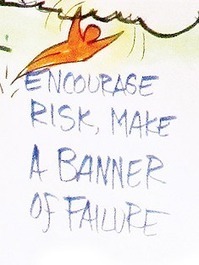







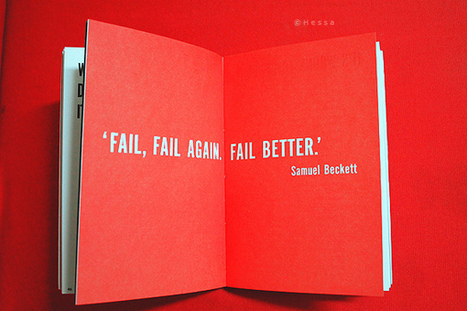




















The notion of safe-fail environments is key to this.
Not sure of 'Fail safely, privately and in isolation' as it reinforces failure as shame thinking.
Ideally, Plan to succeed, act to succeed, learn from failure and success.