Your new post is loading...

|
Scooped by
HAS-veille
June 8, 2022 4:06 AM
|
Background and Objectives Valuing children’s health states for use in economic evaluations is globally relevant and is of particular relevance in jurisdictions where a cost-utility analysis is the preferred form of analysis for decision making. Despite this, the challenges with valuing child health mean that there are many remaining questions for debate about the approach to elicitation of values. The aim of this paper was to identify and describe the methods used to value children’s health states and the specific issues that arise in the use of these methods. Conclusions Differences in reporting limited the conclusions that can be formed about which methods are most suitable for eliciting preferences for children’s health and the influence of differing perspectives and values. Difficulties encountered in drawing conclusions from the data (such as lack of consensus and poor reporting making it difficult for users to choose and interpret available values) suggest that reporting guidelines are required to improve the consistency and quality of reporting of studies that value children’s health using preference-based techniques.
|
|
Scooped by
HAS-veille
June 8, 2022 4:01 AM
|
Deliberative processes for health technology assessment (HTA) are intended to facilitate participatory decision making, using discussion and open dial…
|
|
Scooped by
HAS-veille
May 25, 2022 7:35 AM
|
In the drive toward faster patient access to treatments, health technology assessment (HTA) agencies and payers are increasingly faced with reliance on evidence based on surrogate endpoints
|
|
Scooped by
HAS-veille
May 24, 2022 10:35 AM
|
Facilitating More Efficient Negotiations for Innovative Therapies: A Value-Based Negotiation Framework – Corrigendum - Volume 38 Issue 1
|
|
Scooped by
HAS-veille
May 23, 2022 3:44 AM
|
Background There is evidence to suggest that the proportion of missing values is slightly higher in the older population resulting in lower completion rates of the EQ-5D. However, existing studies rarely provide a within-sample comparison of feasibility properties across age groups to quantify this difference. Hence, this study examines feasibility properties of the EQ-5D-3L and 5L in the general population and explores the impact of age on the completion of EQ-5D instruments. Methods We pool five waves from the English GP Patient Survey, where respondents self-report their health in either EQ-5D-3L or 5L. Descriptive analysis was undertaken to analyse the distribution and proportion of missing values and completion rates stratified by age and EQ-5D version; logistic regression models were specified to quantify the impact of age, gender and potential long-term conditions on the completion of each of the EQ-5D instruments. Results The total sample comprises ~ 4.36 million observations, of which 2.88 million respondents report their health in 5L and 1.47 million in 3L, respectively. Respondents over 64 years have slightly more missing values in each dimension than younger respondents. The highest share was observed for the oldest age group in the dimension anxiety/depression (3L 9.1% vs. 5L 7.6%), but was otherwise below 5%. Consequently, completion rates (observed and predicted) decreased with older age and at a higher rate after the age of 64; this was more pronounced for the 3L. Conclusion Evidence from our study suggests that both the EQ-5D-3L and 5L have good feasibility properties. In comparison to younger populations there appears to be a higher proportion of respondents with incomplete responses beyond the age of 64 years. Overall, the 5L version compares more favourably in terms of missing values, completion rates as well as with regard to the expected probability of an incomplete descriptive system.
|
|
Scooped by
HAS-veille
May 23, 2022 3:43 AM
|
In the valuation of EQ-5D-Y-3L, adult respondents are asked to complete composite time trade-off (cTTO) tasks for a 10-year-old child. Earlier work has shown that cTTO utilities elicited in such a child perspective are generally higher than when adults take their own perspective. We explore how differences in time preference in child and adult perspectives could explain this effect. Furthermore, as cTTO valuation in a child perspective involves explicit consideration of immediate death for a child, we also consider how cTTO utilities could be affected by decision-makers lexicographically avoiding death in children. We report the results of an experiment in which 219 respondents valued 5 health states in both adult and child perspectives with either a standard cTTO or a lead-time TTO only approach, in which immediate death is less focal. Time preferences were measured in both perspectives. Our results suggest that utilities were lower when lead-time TTO, rather than cTTO, was used. We find large heterogeneity in time preference in both perspectives, with predominantly negative time preference. The influence of time preferences on utilities, however, was small, and correcting for time preferences did not reduce differences between utilities elicited in both perspectives. Surprisingly, we found more evidence for differences in utilities between adult and child perspectives when lead-time TTO was used. Overall, these results suggest that time and lexicographic preferences affect time trade-off valuation in child and adult perspectives, but are not the explanation for differences between these perspectives. We discuss the implications of our findings for EQ-5D-Y-3L valuation.
|
|
Scooped by
HAS-veille
May 16, 2022 2:26 AM
|
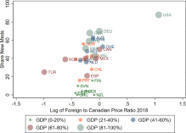
The Government of Canada plans to implement new controls on the prices of patented drugs sold in Canada. The literature indicates that such controls d…
|
|
Scooped by
HAS-veille
May 10, 2022 9:47 AM
|
|
|
Scooped by
HAS-veille
May 10, 2022 3:53 AM
|
Is Value Portable? An Examination of Contextual and Practical Considerations that Affect the Transferability of Value Assessments between Settings
|
|
Scooped by
HAS-veille
May 2, 2022 6:16 AM
|
Discrete choice experiments (DCEs) are increasingly used to elicit preferences for health and healthcare. Although many applications assume preference…
|
|
Scooped by
HAS-veille
April 27, 2022 10:40 AM
|
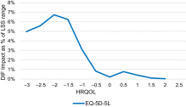
In economic evaluations, quality of life is measured using patient-reported outcome measures (PROMs), such as the EQ-5D-5L. A key assumption for the v…
|
|
Scooped by
HAS-veille
April 22, 2022 9:24 AM
|
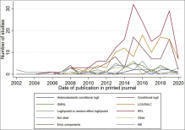
The development process of economic evaluation guidelines in low- and middle-income countries: a systematic review - Volume 38 Issue 1
|
|
Scooped by
HAS-veille
April 20, 2022 3:55 AM
|
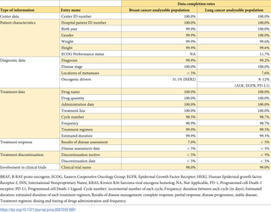
Objective This article describes the Personalized Reimbursement Model (PRM) program methodology, limitations, achievement and perspectives in using real-world data of cancer drugs use to improve and personalize drug pricing and reimbursement in France. Materials and methods PRM platform aggregates Electronic Pharmacy Records (EPR) data from French medical centers (PRM centers) to build retrospective cohorts of patients treated with injectable cancer drugs in a hospital setting. Data extracted on January 1st, 2020, from breast cancer (BC) patients who received trastuzumab, trastuzumab emtansin or pertuzumab since January 1st, 2011, and from lung cancer (LC) patients who received bevacizumab or atezolizumab since January 1st, 2015, enabled recovering their injectable cancer drugs history from diagnosis date until December 30th, 2019, and served as dataset for assessment. Results 123 PRM centers provided data from 30,730 patients (25,660 BC and 5,070 LC patients respectively). Overall, 20,942 (82%) of BC and 4,716 (93%) of LC patients were analyzed. Completion rate was above 98% for patients characteristics, diagnostic and treatment related data. PRM centers cover 48% and 33% of BC and LC patients in-hospital therapeutic management in France, respectively. Distribution of BC and LC patients therapeutic management, by medical center category and geographic location, was similar in PRM centers to all French medical centers, ensuring the representativeness of the PRM platform. Conclusion PRM Platform enabled building a national database generating on demand Real-World Evidence based on EPR. This enabled the first performance-based risk-sharing arrangements based on PRM data, between the CEPS and Roche, for atezolizumab cancer immunotherapy in metastatic non-small cell lung cancer indication.
|
|
|
Scooped by
HAS-veille
June 8, 2022 4:03 AM
|
This study aimed to identify and summarize published guidance and recommendations for child self- and proxy assessment of existing child-specific inst…
|
|
Scooped by
HAS-veille
May 25, 2022 8:47 AM
|
This study aimed to investigate how multicriteria decision analysis (MCDA) could complement cost-effectiveness analysis (CEA) to support investment de…
|
|
Scooped by
HAS-veille
May 25, 2022 3:49 AM
|
Guidelines of economic evaluations suggest that probabilistic analysis (using probability distributions as inputs) provides less biased estimates than deterministic analysis (using point estimates) owing to the non-linear relationship of model inputs and model outputs. However, other factors can also impact the magnitude of bias for model results. We evaluate bias in probabilistic analysis and deterministic analysis through three simulation studies. The simulation studies illustrate that in some cases, compared with deterministic analyses, probabilistic analyses may be associated with greater biases in model inputs (risk ratios and mean cost estimates using the smearing estimator), as well as model outputs (life-years in a Markov model). Point estimates often represent the most likely value of the parameter in the population, given the observed data. When model parameters have wide, asymmetric confidence intervals, model inputs with larger likelihoods (e.g., point estimates) may result in less bias in model outputs (e.g., costs and life-years) than inputs with lower likelihoods (e.g., probability distributions). Further, when the variance of a parameter is large, simulations from probabilistic analyses may yield extreme values that tend to bias the results of some non-linear models. Deterministic analysis can avoid extreme values that probabilistic analysis may encounter. We conclude that there is no definitive answer on which analytical approach (probabilistic or deterministic) is associated with a less-biased estimate in non-linear models. Health economists should consider the bias of probabilistic analysis and select the most suitable approach for their analyses.
|
|
Scooped by
HAS-veille
May 23, 2022 3:46 AM
|
PurposeAnalyzing and communicating uncertainty is essential in medical decision making. To judge whether risks are acceptable, policy makers require information on the expected outcomes but als
|
|
Scooped by
HAS-veille
May 23, 2022 3:44 AM
|
Background Multiple sclerosis imposes a heavy burden on the person who suffers from it and on the relatives, due to the caregiving load involved. The objective was to analyse whether the inclusion of social costs in economic evaluations of multiple sclerosis-related interventions changed results and/or conclusions. Methods A systematic review was launched using Medline and the Cost-Effectiveness Analysis Registry of Tufts University (2000–2019). Included studies should: (1) be an original study published in a scientific journal, (2) be an economic evaluation of any multiple sclerosis-related intervention, (3) include productivity losses and/or informal care costs (social costs), (4) be written in English, (5) use quality-adjusted life years as outcome, and (6) separate the results according to the perspective applied. Results Twenty-nine articles were selected, resulting in 67 economic evaluation estimations. Social costs were included in 47% of the studies. Productivity losses were assessed in 90% of the estimations (the human capital approach was the most frequently used method), whereas informal care costs were included in nearly two-thirds of the estimations (applying the opportunity and the replacement-cost methods equally). The inclusion of social costs modified the figures for incremental costs in 15 estimations, leading to a change in the conclusions in 10 estimations, 6 of them changing from not recommended from the healthcare perspective to implemented from the societal perspective. The inclusion of social costs also altered the results from cost-effective to dominant in five additional estimations. Conclusions The inclusion of social costs affected the results/conclusions in multiple sclerosis-related interventions, helping to identify the most appropriate interventions for reducing its economic burden from a broader perspective.
|
|
Scooped by
HAS-veille
May 18, 2022 3:52 AM
|
Health economic modeling of novel technology at the early stages of a product lifecycle has been used to identify technologies that are likely to be cost-effective. Such early assessments ar
|
|
Scooped by
HAS-veille
May 12, 2022 5:46 AM
|
Many countries use uniform cost-effectiveness criteria to determine whether to adopt a new medical technology for the entire population. This approach…
|
|
Scooped by
HAS-veille
May 10, 2022 9:44 AM
|
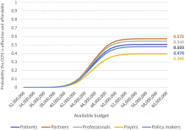
Involvement of patients and medical professionals in assessment of relative effectiveness (relative effectiveness assessment) contributes to an effici…
|
|
Scooped by
HAS-veille
May 5, 2022 4:13 AM
|
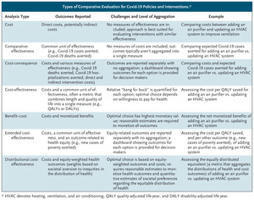
A Comprehensive Covid-19 Response Policymakers often use economic evaluations to weigh the costs and benefits of health policies. Some Covid-related policies and interventions are similarl
|
|
Scooped by
HAS-veille
May 2, 2022 6:14 AM
|
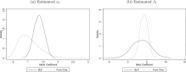
Health technology assessment (HTA) typically uses average health-related quality of life gain as its main measure of benefit used in economic evaluati…
|
|
Scooped by
HAS-veille
April 22, 2022 10:35 AM
|
GRADE practice guideline developers often perform systematic reviews of potential economic evaluations to inform recommendation decision-making. We ai…
|
|
Scooped by
HAS-veille
April 20, 2022 7:14 AM
|
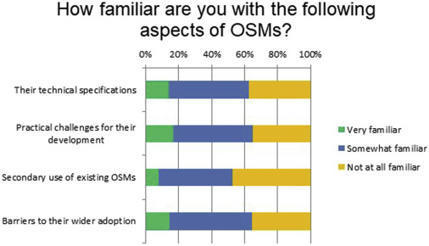
Health economic (HE) models are routinely used to support health policy and resource
allocation decisions but are often considered “black boxes” that may be prone to error
and bias. Open source models (OSMs) have been advocated to increase the transparency,
credibility, and reuse of HE models. Previous studies have demonstrated interest in
OSMs among the health economics and outcomes research community, but the number of
OSMs remains low.
|