Your new post is loading...

|
Scooped by
Roxana Marachi, PhD
December 16, 2017 8:04 PM
|
|
|
Scooped by
Roxana Marachi, PhD
December 18, 2017 10:17 PM
|
Abstract The past decades have witnessed rapid evolution of telecommunication technology and wireless devices. Due to these rapid advances, cell phone use has remarkably increased the level of human exposure to radiofrequency electromagnetic fields (RF-EMFs). In the past, it was widely believed that RF-EMF, in contrast to ionizing radiation, does not have enough energy for ionizing atoms and hence does not cause DNA damage which can lead to cancer. However, substantial evidence now indicates that RF-EMFs increase the ROS production and DNA damages which play an important role in the initiation and progression of cancer. Currently there is no widely accepted answer to this question whether there is a relationship between exposure to RF-EMFs from cell phones and cancer incidence and mortality. Although, it seems that this issue is a long-term unsolved problem, new studies have raised new concerns over the safety of mobile phones. Mortazavi et al. have previously studied the health effects of cellular phones, mobile base stations, and Wi-Fi. They have also reviewed reports claiming no link between exposure to RF and brain cancer. They found that in many cases there were large errors and/or major shortcomings in these papers. They have also reported that current controversies may be caused by the key parameter of the large difference in the magnitude of exposures to RF-EMFs in different studies. In this light, in a similar pattern with ionizing radiation, a nonlinear J-shaped dose-response relationship for the carcinogenesis of non-ionizing RF-EMF is introduced. Keywords: Mobile Phone, Cancer, Radiofrequency (RF), Electromagnetic Fields (EMF) Source: Mortazavi SM, Mishra KP. Mobile phone use and cancer: Does dose really matter?. J Radiat Cancer Res 2017;8: in press. ___________________________________ Take Home Notes: 1. Non-ionizing radiation, like ionizing radiation, may cause stimulatory/beneficial effects at very low levels. https://core.ac.uk/download/pdf/82154521.pdf http://pubmedcentralcanada.ca/pmcc/articles/PMC4004454/ 2. Adaptive responses induced by pre-exposure to low levels of RF radiation are well-documented. https://www.ncbi.nlm.nih.gov/pubmed/28072461 https://www.ncbi.nlm.nih.gov/pubmed/27267824 https://www.ncbi.nlm.nih.gov/pubmed/24910582 https://www.ncbi.nlm.nih.gov/pubmed/24758897 https://www.ncbi.nlm.nih.gov/pubmed/23930108 3. Although current levels of cell phone radiation have negligible thermal effects, non-thermal effects may cause most of the biological interactions. https://www.clevelandclinic.org/reproductiveresearchcenter/docs/agradoc417.pdf 4. Substantial evidence now indicates that RF may cause oxidative stress. "It indicates that among 100 currently available peer-reviewed studies dealing with oxidative effects of low-intensity RFR, in general, 93 confirmed that RFR induces oxidative effects in biological systems https://www.ncbi.nlm.nih.gov/pubmed/26151230". 5. Despite current controversies, IARC has classified electromagnetic fields as possibly carcinogenic to humans. http://www.who.int/mediacentre/factsheets/fs193/en/ 6. Ignoring the key factor of cumulative exposures, is the Achilles' heel of the majority of studies performed on the carcinogenesis of radiofrequency radiation, so far. This clearly can explain why there is such a great controversy over this issue. 7. Our studies show that the effect of RF exposures on increased risk of cancer, at least at high levels and for long duration (e.g. > 10 years) cannot be ignored. https://www.researchgate.net/publication/316841367_Evaluation_of_the_Validity_of_a_J-Shaped_Nonlinear_Dose-Response_Relationship_in_Cancers_Induced_by_Exposure_to_Radiofrequency_Electromagnetic_Fields For original post, see: https://www.linkedin.com/pulse/mobile-phone-use-cancer-does-dose-really-matter-smj-mortazavi/
|
|
Scooped by
Roxana Marachi, PhD
November 23, 2017 6:14 PM
|
By Dr. Lennart Hardell "Our research group published recently a study on radiofrequency (RF) radiation in schools using an exposimeter. RF emissions in the classroom were measured by the teachers in order to approximate the children’s exposure. Teachers in grades 7–12 carried a body-borne exposimeter, EME-Spy 200, in school during 1–4 days of work. Eighteen teachers from seven schools participated. The mean exposure to RF radiation ranged from 1.1 to 66.1 μW/m2. The highest mean level, 396.6 μW/m2, occurred during 5 min of a lesson when the teacher let the students stream and watch YouTube videos. Maximum peaks went up to 82,857 μW/m2 from mobile phone uplink. The exposure levels varied between the different Wi-Fi systems, and if the students were allowed to use their own smartphones on the school’s Wi-Fi network or if they were connected to GSM/3G/4G base stations outside the school. An access point over the teacher’s head gave higher exposure compared with a school with a wired Internet connection for the teacher in the classroom. All values were far below International Commission on Non-Ionizing Radiation Protection’s reference values, but most mean levels measured were above the precautionary target level of 3–6 μW/m2 as proposed by the Bioinitiative Report. The length of time wireless devices are used is an essential determinant in overall exposure. Measures to minimize children’s exposure to RF radiation in school would include preferring wired connections, allowing laptops, tablets and mobile phones only in flight mode and deactivating Wi-Fi access points, when not used for learning purposes. In Table 10 in the article examples of methods to reduce children’s exposure to RF radiation in schools are given 1. Wired connection to both teachers and students and no wireless networks or devices in school is the optimal choice. If this is not possible:
2. Wired connection to each classroom
a. to the teacher’s laptop,
b. for the students to download large files and videos.
3. To reduce exposure from Wi-Fi networks in school:
a. turn off Wi-Fi access points when not used for learning purposes,
b. position Wi-Fi access points outside of classrooms,
c. use directional Wi-Fi access points, which radiate into the direction of the client’s device.
4. Keep laptops and tablets in flight mode when Internet is not needed for learning purposes.
5. Wired connection to a landline telephone in each classroom could minimize the need for mobile phones for contact.
6. Mobile phones, including smart phones, could be left at home or collected in turned off mode. If allowed, they should be carried only in flight mode during school hours. For main post: https://lennarthardellenglish.wordpress.com/2017/11/23/measurements-of-radiofrequency-radiation-with-a-body-borne-exposimeter-in-swedish-schools-with-wi-fi/
|
|
Scooped by
Roxana Marachi, PhD
May 3, 2018 11:21 PM
|
By Arthur Firstenberg "The single most important fact about 5G that nobody is talking about is called “phased array.” It will totally change the way cell towers and cell phones are constructed and will transform the blanket of radiation which has enveloped our world for two decades into a million powerful beams whizzing by us at all times. Blake Levitt, author of Electromagnetic Fields: A Consumer’s Guide to the Issues and How to Protect Ourselves (Harcourt Brace, 1995), brought this to my attention. A mutual friend, with whom I was speaking during the campaign to defeat S.B. 649 in California, passed on a message from Blake: “5G antennas will be phased arrays; Arthur will know what that means.” And I did. Phased arrays were one of the first things I learned about in the very beginning of my long, involuntary journey from medical student to campaigner against wireless technology. After I was injured by X-rays in 1980, I began to read everything I could get my hands on that had to do with electromagnetic radiation and its effects on life. And one of the first books I read was Paul Brodeur’s The Zapping of America (W.W. Norton, 1977).
Early warnings Brodeur was a staff writer for the New Yorker who had purchased property on Cape Cod, Massachusetts, only to discover that 30 miles inland, across the bay from his future home, the Air Force was planning to construct the world’s most powerful radar station. It was going to scan the Atlantic Ocean as a key early warning element protecting us against the threat of sea-launched ballistic missiles from the Soviet Union. Although it emitted an average power of only 145,000 watts, similar to some FM radio stations, it did not broadcast that energy from only a single antenna and it did not spread that energy out uniformly in all directions. Instead, it had 3,600 antennas arranged in two “phased arrays” of 1,800 antennas each. The antennas in each array worked together as a unit to focus all their energy into a narrow, steerable beam. Each beam had an effective power of four billion watts, and the peak radiation level exceeded 0.3 milliwatt per square centimeter—the FCC’s safety limit today—at a distance of ten miles in front of the radar station. The facility was called PAVE PAWS (Precision Acquisition of Vehicle Entry Phased Array Warning System).
The Defense Department acknowledged in a 1975 report, quoted by Brodeur, that such systems “energize thousands of operational elements, are electronically steered at high search rates, and operate at a frequency range having a maximum whole body energy transfer to man and for which little bioeffects data exists.”
Shortly after I read this, I discovered firsthand what some of the bioeffects were. Attempting to finish my M.D. almost cost me my life. I collapsed one day with all the symptoms of a heart attack, whereupon I resigned from school and moved up to Mendocino to recover. There I was in the path of the other PAVE PAWS, the one that scanned the Pacific Ocean. This PAVE PAWS was due east of Mendocino, in California’s Central Valley at Beale Air Force Base. And for nine months, every evening at precisely 7:00 p.m., no matter where I was or what I was doing, my chest would tighten and I would be unable to catch my breath for the next two hours. At precisely 9:00 p.m., my body would relax and I could breathe. I lived in Mendocino from 1982 through 1984, and although I eventually recovered my health, I was always aware of an uncomfortable pressure in my chest whenever I was on the coast. I also lived in Mendocino from 1999 to 2004, and felt that same discomfort whenever I was there, and always felt it suddenly vanish when I drove out of range of PAVE PAWS, and suddenly return at the same point on my journey home.
Directed beams 5G is going to be at a much higher frequency range, which means the antennas are going to be much smaller—small enough to fit inside a smartphone—but like in PAVE PAWS they are going to work together in a phased array, and like in PAVE PAWS they are going to concentrate their energy in narrow, steerable high power beams. The arrays are going to track each other, so that wherever you are, a beam from your smartphone is going to be aimed directly at the base station (cell tower), and a beam from the base station is going to be aimed directly at you. If you walk between someone’s phone and the base station, both beams will go right through your body. The beam from the tower will hit you even if you are standing near someone who is on a smartphone. And if you are in a crowd, multiple beams will overlap and be unavoidable.
At present, smartphones emit a maximum of about two watts, and usually operate at a power of less than a watt. That will still be true of 5G phones, however inside a 5G phone there may be 8 tiny arrays of 8 tiny antennas each, all working together to track the nearest cell tower and aim a narrowly focused beam at it. The FCC has recently adopted rules allowing the effective power of those beams to be as much as 20 watts. Now if a handheld smartphone sent a 20-watt beam through your body, it would far exceed the exposure limit set by the FCC. What the FCC is counting on is that there is going to be a metal shield between the display side of a 5G phone and the side with all the circuitry and antennas. That shield will be there to protect the circuitry from electronic interference that would otherwise be caused by the display and make the phone useless. But it will also function to keep most of the radiation from traveling directly into your head or body, and therefore the FCC is allowing 5G phones to come to market that will have an effective radiated power that is ten times as high as for 4G phones. What this will do to the user’s hands, the FCC does not say. And who is going to make sure that when you stick a phone in your pocket, the correct side is facing your body? And who is going to protect all the bystanders from radiation that is coming in their direction that is ten times as strong as it used to be?
And what about all the other 5G equipment that is going to be installed in all your computers, appliances, and automobiles? The FCC calls handheld phones “mobile stations.” Transmitters in cars are also “mobile stations.” But the FCC has also issued rules for what it calls ”transportable stations,” which it defines as transmitting equipment that is used in stationary locations and not in motion, such as local hubs for wireless broadband in your home or business. The FCC’s new rules allow an effective radiated power of 300 watts for such equipment.
Enormous power The situation with cell towers is, if anything, worse. So far the FCC has approved bands of frequencies around 24 GHz, 28 GHz, 38 GHz, 39 GHz, and 48 GHz for use in 5G stations, and is proposing to add 32 GHz, 42 GHz, 50 GHz, 71-76 GHz, 81-86 GHz, and above 95 GHz to the soup. These have tiny wavelengths and require tiny antennas. At 48 GHz, an array of 1,024 antennas will measure only 4 inches square. And the maximum radiated power from a base station will probably not be that large—tens or hundreds of watts. But just as with PAVE PAWS, arrays containing such large numbers of antennas will be able to channel the energy into highly focused beams, and the effective radiated power will be enormous. The rules adopted by the FCC allow a 5G base station operating in the millimeter range to emit an effective radiated power of up to 30,000 watts per 100 MHz of spectrum. And when you consider that some of the frequency bands the FCC has made available will allow telecom companies to buy up to 3 GHz of contiguous spectrum at auction, they will legally be allowed to emit an effective radiated power of up to 900,000 watts if they own that much spectrum. The base stations emitting power like that will be located on the sidewalk. They will be small rectangular structures mounted on top of utility poles.
The reason the companies want so much power is because millimeter waves are easily blocked by objects and walls and require tremendous power to penetrate inside buildings and communicate with all the devices that we own that are going to part of the Internet of Things. The reason such tiny wavelengths are required is because of the need for an enormous amount of bandwidth—a hundred times as much bandwidth as we formerly used—in order to have smart homes, smart businesses, smart cars, and smart cities, i.e. in order to connect so many of our possessions, big and small, to the internet, and make them do everything we want them to do as fast as we want them to do it. The higher the frequency, the greater the bandwidth—but the smaller the waves. Base stations have to be very close together—100 meters apart in cities—and they have to blast out their signals in order to get them inside homes and buildings. And the only way to do this economically is with phased arrays and focused beams that are aimed directly at their targets. What happens to birds that fly through the beams, the FCC does not say. And what happens to utility workers who climb utility poles and work next to these structures everyday? A 30,000-watt beam will cook an egg, or an eye, at a distance of a few feet.
The power from a base station will be distributed among as many devices as are connected at the same time. When a lot of people are using their phones simultaneously, everyone’s phone will slow down but the amount of radiation in each beam will be less. When you are the only person using your phone—for example, late at night—your data speed will be blisteringly fast but most of the radiation from the cell tower will be aimed at you.
Deep penetration into the body Another important fact about radiation from phased array antennas is this: it penetrates much deeper into the human body and the assumptions that the FCC’s exposure limits are based on do not apply. This was brought to everyone’s attention by Dr. Richard Albanese of Brooks Air Force Base in connection with PAVE PAWS and was reported on in Microwave News in 2002. When an ordinary electromagnetic field enters the body, it causes charges to move and currents to flow. But when extremely short electromagnetic pulses enter the body, something else happens: the moving charges themselves become little antennas that re-radiate the electromagnetic field and send it deeper into the body. These re-radiated waves are called Brillouin precursors. They become significant when either the power or the phase of the waves changes rapidly enough. 5G will probably satisfy both requirements. This means that the reassurance we are being given—that these millimeter waves are too short to penetrate far into the body—is not true.
In the United States, AT&T, Verizon, Sprint, and T-Mobile are all competing to have 5G towers, phones, and other devices commercially available as early as the end of 2018. AT&T already has experimental licenses and has been testing 5G-type base stations and user equipment at millimeter wave frequencies in Middletown, New Jersey; Waco, Austin, Dallas, Plano, and Grapevine, Texas; Kalamazoo, Michigan; and South Bend, Indiana. Verizon has experimental licenses and has been conducting trials in Houston, Euless, and Cypress, Texas; South Plainfield and Bernardsville, New Jersey; Arlington, Chantilly, Falls Church, and Bailey’s Crossroads, Virginia; Washington, DC; Ann Arbor, Michigan; Brockton and Natick, Massachusetts; Atlanta; and Sacramento. Sprint has experimental licenses in Bridgewater, New Brunswick, and South Plainfield, New Jersey; and San Diego. T-Mobile has experimental licenses in Bellevue and Bothell, Washington; and San Francisco." For original post, please click here.
|
|
Scooped by
Roxana Marachi, PhD
January 9, 2018 6:33 PM
|
By Brian Fung "Two major Apple shareholders and a prominent former Apple executive are calling on the company to change how it approaches some of its youngest customers, alleging that the computing giant's products risk causing long-term physical or mental harm to children. The shareholders, Jana Partners and the California State Teachers Retirement System, together control $2 billion worth of Apple stock. On Saturday, the two groups wrote a letter to Apple's board of directors saying that the iPhone's tremendous popularity and success make it Apple's responsibility to ensure the devices are not abused. On Sunday former Apple senior vice president Tony Fadell, tweeted ten times about the story, writing “Addiction is real” and encouraging technology companies to “step up,” to the problem. Citing a number of recent studies that appeared to link cellphone overuse with feelings of addiction and other health issues, particularly among teens, the investors said that Apple's electronic devices lack sufficient safeguards for a society that is increasingly reliant on cellphones. It would defy common sense to argue that this level of usage, by children whose brains are still developing, is not having at least some impact, or that the maker of such a powerful product has no role to play in helping parents to ensure it is being used optimally,” the letter read. In a statement, Apple said, “We are committed to meeting and exceeding our customers’ expectations, especially when it comes to protecting kids." A slew of research has suggested a connection between smartphones and anxiety or depression. One 2017 paper concluded that users who were suffering from those disorders may be more susceptible to what some call “smartphone addiction.” Another found that young people who were “addicted” to cellphones showed an imbalance in brain chemicals correlated with more severe insomnia and impulsiveness. While concerns about cellphones and their effect on brain function have circulated among the public for decades, the letter marks the first time a tech company's own shareholders have raised the alarm, policy analysts say, signaling the potential for a wider shift in the industry."... For full post, see:
https://www.washingtonpost.com/news/the-switch/wp/2018/01/08/apple-faces-a-shareholder-backlash-over-what-the-iphone-may-be-doing-to-our-kids/
|
|
Scooped by
Roxana Marachi, PhD
April 5, 2018 2:46 PM
|
"SAN FRANCISCO — A group of Silicon Valley technologists who were early employees at Facebook and Google, alarmed over the ill effects of social networks and smartphones, are banding together to challenge the companies they helped build. The cohort is creating a union of concerned experts called the Center for Humane Technology. Along with the nonprofit media watchdog group Common Sense Media, it also plans an anti-tech addiction lobbying effort and an ad campaign at 55,000 public schools in the United States. The campaign, titled The Truth About Tech, will be funded with $7 million from Common Sense and capital raised by the Center for Humane Technology. Common Sense also has $50 million in donated media and airtime from partners including Comcast and DirecTV. It will be aimed at educating students, parents and teachers about the dangers of technology, including the depression that can come from heavy use of social media. “We were on the inside,” said Tristan Harris, a former in-house ethicist at Google who is heading the new group. “We know what the companies measure. We know how they talk, and we know how the engineering works." The effect of technology, especially on younger minds, has become hotly debated in recent months. In January, two big Wall Street investors asked Apple to study the health effects of its products and to make it easier to limit children’s use of iPhones and iPads. Pediatric and mental health experts called on Facebook last week to abandon a messaging service the company had introduced for children as young as 6. Parenting groups have also sounded the alarm about YouTube Kids, a product aimed at children that sometimes features disturbing content. “The largest supercomputers in the world are inside of two companies — Google and Facebook — and where are we pointing them?” Mr. Harris said. “We’re pointing them at people’s brains, at children.” Silicon Valley executives for years positioned their companies as tight-knit families and rarely spoke publicly against one another. That has changed. Chamath Palihapitiya, a venture capitalist who was an early employee at Facebook, said in November that the social network was “ripping apart the social fabric of how society works.” The new Center for Humane Technology includes an unprecedented alliance of former employees of some of today’s biggest tech companies. Apart from Mr. Harris, the center includes Sandy Parakilas, a former Facebook operations manager; Lynn Fox, a former Apple and Google communications executive; Dave Morin, a former Facebook executive; Justin Rosenstein, who created Facebook’s Like button and is a co-founder of Asana; Roger McNamee, an early investor in Facebook; and Renée DiResta, a technologist who studies bots. The group expects its numbers to grow. Its first project to reform the industry will be to introduce a Ledger of Harms — a website aimed at guiding rank-and-file engineers who are concerned about what they are being asked to build. The site will include data on the health effects of different technologies and ways to make products that are healthier."... For full post, click on title above or here: https://www.nytimes.com/2018/02/04/technology/early-facebook-google-employees-fight-tech.html
|
|
Scooped by
Roxana Marachi, PhD
October 3, 2017 1:50 PM
|
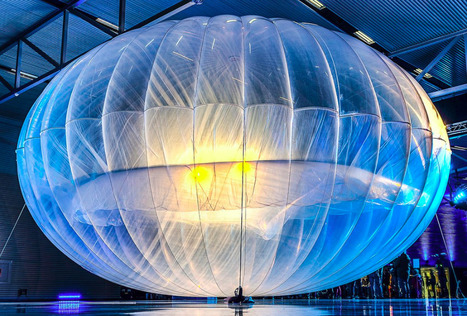
"A high altitude balloon that was launched by Google to provide high-speed internet in the remote parts of the earth under "Project Loon", has crashed in a Kenyan farm, a report said on Saturday. The balloon, a part of a 10-balloon batch, was deployed for testing in Kakuru, Nanyuki, Nyeri and Marsabit in July 2017. It crashed at Nthambiro in Meru on Friday night, media reported.Some residents complained of headaches after they gathered around the device to get its glimpse. “The device from project loon indicates it fell after its expiry period of six months. No one is yet to claim the device,” Igembe South OCPD Jane Nyakeruma was quoted as saying. Earlier this year, Google announced that it was “years closer” to deliver internet to remote parts of the world using high-flying balloons. Researchers at Google’s Project Loon -- part of the company’s X research lab -- said it was now able to use machine learning to predict weather systems, meaning the firm has a greater control over where its balloons go, making it possible to focus on a specific region, rather than circumnavigating the globe, BBC reported. Under the project, the firm suspended a network of huge balloons that beam down connectivity. The balloons float in the stratosphere around 11 miles high. By raising or lowering altitude, the balloons can be caught in different weather streams, changing direction." For original post, see: http://www.hindustantimes.com/tech/google-s-high-altitude-internet-balloon-crashes-in-kenya/story-79Kqd7ZGJZj2TS68QzEUbN.html _______________________________
The following incidents have been recorded on the Wikipedia page for Project Loon: https://en.wikipedia.org/wiki/Project_Loon
- "On May 29, 2014, a Loon balloon crashed into power lines in Washington, United States.[33]
- On June 20, 2014, New Zealand officials briefly scrambled emergency services personnel when a Loon balloon came down.[34]
- In November 2014, a South African farmer found a crashed Loon balloon in the Karoo desert between Strydenburg and Britstown.[35]
- On April 23, 2015, a Loon balloon crashed in a field near Bragg City, Missouri.[36]
- On September 12, 2015, a Loon balloon crashed in the front lawn of a residence on Rancho Hills, Chino Hills, California.
- On February 17, 2016, a Loon balloon crashed in the tea-growing region of Gampola, Sri Lanka while carrying out tests.[37]
- On April 7, 2016, a Loon balloon landed on a farm in Dundee, KwaZulu-Natal, South Africa.[38]
- On April 22, 2016, a Loon balloon crashed in a field in the Ñeembucú Department, Paraguay.[39][40]
- On August 22, 2016, a Loon balloon landed on a ranch in Formosa, Argentina about 40 km. West of the Capital of Formosa.[41]
- On August 26, 2016, a Loon balloon landed northwest of Madison, South Dakota
- On January 9, 2017, a Loon Balloon crashed in Sieyic, near Changuinola, Bocas del Toro province, Panama.[42]
- On January 8, 2017 and January 10, 2017, two Loon Balloons landed at 10 km E of Cerro Chato & 40 km NNW of Mariscala, Uruguay.
- On February, 17, 2017 a Loon Balloon crashed in Buriti dos Montes, Brazil.[43]
- On March 14, 2017, a Loon Balloon crashed in San Luis, Tolima, Colombia.
- On March 19, 2017, a Loon Balloon crashed in Tacuarembó, Uruguay.
- On August 9, 2017, a Loon Balloon crashed in a reedbed in Olmos, Lambayeque, Peru.
- On December 30, 2017, a Loon Balloon crashed in Nthambiro, Igembe Central, Meru County, Kenya[44]."
See also:
International Coalition Objects to Google's Project Loon
http://c4st.org/international-coalition-objects-to-googles-project-loon/
|
|
Scooped by
Roxana Marachi, PhD
September 26, 2017 1:05 AM
|
"The San Francisco Chronicle published an article today, "New Apple Watch reignites concerns over radiation" (Catherine Ho, September 25, 2017).
Since the new Apple Watch can operate like a cell phone, some public health researchers and medical experts have raised concerns about the potential health risks from exposure to the radiation emitted by this device.
"There is no definitive data from federal health regulators showing a direct link between cell phone radiation — also known as radio frequency radiation — and health problems in humans. But recent research indicates that exposure to cell phone radiation is the likely cause of malignant growths in the brains and hearts of male rats, and can cause neurological damage in rats born to mothers that were exposed to the radiation during pregnancy." The article mentions my successful lawsuit against the California Department of Public Health. It also discusses the cell phone radiation and cancer study conducted by the National Toxicology Program.
“ 'That’s going to up the exposure and probably increase the risk to the user over the long term,' said Joel Moskowitz, a researcher at UC Berkeley’s School of Public Health. 'I don’t think there’s anyone who can say definitively this is going to hurt the user. But many scientists would say we don’t have enough information to claim these devices are safe.' ” "We have evidence that levels of radiation far weaker than those of a cell phone can be damaging to human sperm as well as to the progeny produced by animals that are pregnant and exposed to this throughout their pregnancy.” Devra Davis, Environmental Health Trust Neither Apple nor the CTIA would comment on the story." The San Francisco Chronicle article is available at http://bit.ly/aplwatch3. For full post, see: http://www.saferemr.com/2017/09/new-apple-watch-reignites-concerns-over.html
|
|
Scooped by
Roxana Marachi, PhD
August 5, 2017 7:54 PM
|
|
|
Scooped by
Roxana Marachi, PhD
January 5, 2018 11:09 PM
|
By Ronnie Cohen (Reuters Health) "Pregnant women exposed to high radiation levels from sources like cell phones, wireless devices and cell towers miscarried at nearly three times the rate as those exposed to low levels, according to new research. “I hope this study makes us rethink the notion that magnetic field non-ionizing radiation exposure is safe or has no health risk,” said lead author Dr. De-Kun Li, a senior research scientist at the Kaiser Permanente Division of Research in Oakland, California. “This is certainly something we can’t just ignore.” Cell phones, cordless phones and other wireless devices, appliances, power lines, smart-meter networks and cell towers generate non-ionizing radiation from magnetic fields. Writing in Scientific Reports, Li and his team call rapidly proliferating electromagnetic field emissions “a ubiquitous environmental exposure and a serious looming public health challenge.” For the study, more than 900 pregnant women in the San Francisco area carried meters that measured their exposure to electromagnetic field radiation for 24 hours. After accounting for age, race, education and smoking, expectant mothers with the highest exposure levels during their typical weekday routines were 2.7 times as likely to miscarry as women with the lowest levels. Researchers could not determine the emission sources of the radiation. But they write that traditional sources, such as power lines and appliances, generate low-frequency magnetic fields, while emerging sources, such as cell phones and smart-meter networks, generate higher frequencies. The results underscore the need for additional research into possible health harms of a technology to which virtually everyone in the U.S. is now exposed, whether by choice or circumstance, Li said. “We really want people to start rethinking the assumption that magnetic-field exposure is safe,” he said in a phone interview. “We really, really need more research because everybody is exposed, including the genetically vulnerable and fetuses.” Olga V. Naidenko, a senior science advisor with the Environmental Working Group in Washington, D.C. who was not involved with the study, described the findings as “very compelling” and “very alarming.” Like Li, she called for more research into the biological effects of electromagnetic radiation. “We need a better understanding about what sources of non-ionizing radiation around the house most contribute to health risk, so that families - and everyone - have the necessary information to protect their health,” she said in an email. In the meantime, she advises children and adults, especially pregnant women, to decrease exposure to electromagnetic radiation by keeping cell phones and other wireless devices away from their bodies. “If someone is really concerned, distance is their friend,” Li said. “Keep away from the source. You don’t have to stand right next to the microwave. There’s nothing to watch anyway.” Li said Kaiser, an integrated healthcare delivery system whose members comprise nearly one-third of the residents in its Northern California catchment area, would not issue a warning to pregnant women about electromagnetic radiation. But the California Department of Public Health did issue guidance last week that long-term use of cell phones could pose health harms. “Although the science is still evolving, there are concerns among some public health professionals and members of the public regarding long-term, high use exposure to the energy emitted by cell phones,” Dr. Karen Smith, California’s public health officer, said in a written statement. “We know that simple steps, such as not keeping your phone in your pocket and moving it away from your bed at night, can help reduce exposure for both children and adults,” she said. Joel Moskowitz, director of the Center for Family and Community Health at the University of California, Berkeley, who was not involved with the new study, said it builds on previous research, which found that electromagnetic exposure during pregnancy increased the risk of miscarriage. “Pregnant women and couples trying to conceive children should minimize their exposure to the electromagnetic fields produced by household appliances and wireless devices, including cell phones,” he said by email. Previous studies have linked radiation from long-term cell phone use to an increased risk of brain cancer and lower sperm counts, Naidenko said. A federal study last year found an increased risk of cancer associated with magnetic field non-ionizing radiation exposure in rodents. Li called the findings from the National Toxicology Program “stunningly important.” “They found the exact cell type of tumor observed in humans. To me, it’s very strong evidence it might be the same,” he said. “We are never going to say we’re going to take away your device,” he said. “Engineers are going to figure out a way to use the device in a safe way. But if we bury our heads in the sand, that’s a travesty.” https://www.reuters.com/article/us-health-mobilephone-miscarriage/miscarriage-rates-triple-for-women-with-top-radiation-exposures-idUSKBN1EE2AU?feedType=RSS&virtualBrandChannel=11563
|
|
Scooped by
Roxana Marachi, PhD
December 3, 2017 4:56 PM
|
|
|
|
Scooped by
Roxana Marachi, PhD
December 31, 2017 4:03 PM
|
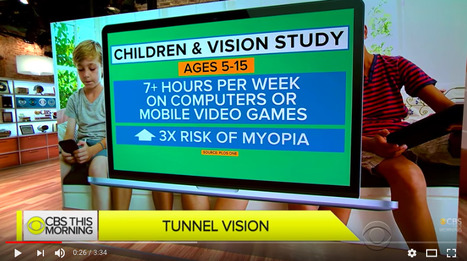
How Children's Digital Devices Are Impacting Children's Vision // CBS
|
|
Scooped by
Roxana Marachi, PhD
October 23, 2017 10:03 PM
|
"A growing number of prominent doctors and scientists are raising warning flags over the amount of cellphone radiation children are being exposed to. NBC national correspondent Miguel Almaguer was granted rare access inside a cellphone test lab for this TODAY report."...
|
|
Scooped by
Roxana Marachi, PhD
January 29, 2018 6:51 PM
|
|
|
Scooped by
Roxana Marachi, PhD
November 16, 2017 2:36 AM
|
|
|
Scooped by
Roxana Marachi, PhD
March 30, 2018 7:40 PM
|
|
|
Scooped by
Roxana Marachi, PhD
December 15, 2017 11:59 PM
|
Abstract "Magnetic field (MF) non-ionizing radiation is widespread and everyone is exposed to some degree. This prospective cohort study of 913 pregnant women examined the association between high MF exposure and miscarriage risk. Cox (proportional hazards) regression was used to examine the association. After controlling for multiple other factors, women who were exposed to higher MF levels had 2.72 times the risk of miscarriage (hazard ratio = 2.72, 95% CI: 1.42–5.19) than those with lower MF exposure. The increased risk of miscarriage associated with high MF was consistently observed regardless of the sources of high MF. The association was much stronger if MF was measured on a typical day of participants’ pregnancies. The finding also demonstrated that accurate measurement of MF exposure is vital for examining MF health effects. This study provides fresh evidence, directly from a human population, that MF non-ionizing radiation could have adverse biological impacts on human health." Li, D. Chen, H., Ferber, J. R., Odouli, R., & Quesenberry, C. (2017). Exposure to Magnetic Field Non-Ionizing Radiation and the Risk of Miscarriage: A Prospective Cohort Study. Scientific Reports. DOI: 10.1038/s41598-017-16623-8
Available online at https://www.nature.com/articles/s41598-017-16623-8.
"The American Academy of Pediatrics has recently issued two new sets of recommendations on media use for children. At first glance, popular news headlines suggest elimination of the previous “no screens before age two” recommendations (see NPR’s American Academy of Pediatrics Lifts ‘No Screens Under 2’ Rule and KQED’s American Academy of Pediatrics Says Some Screen Time is Okay for Kids Under Two). However, close examination of the new guidelines reveal nuanced suggestions that maintain a primary focus on limiting tech usage. What appear to be obscured in public discussions are the same AAP organization’s recommendations issued just months earlier, specifically encouraging parents to reduce children’s exposures to cell phone radiation.
For ease of access, both sets of recommendations are provided in this post. “Healthy Digital Media Use Habits for Babies, Toddlers & Preschoolers
Media in all forms, including TV, computers, and smartphones can affect how children feel, learn, think, and behave. However, parents (you) are still the most important influence. The American Academy of Pediatrics (AAP) encourages you to help your children develop healthy media use habits early on. Read on to learn more.”…
“What About Apps and Digital Books?
Most apps advertised as “educational” aren’t proven to be effective and they don’t encourage co-viewing or co-play that help young children learn. Also, most educational apps target rote skills, such as ABCs and shapes. These skills are only one part of school readiness. The skills young children need to learn for success in school (and life) such as impulse control, managing emotions, and creative, flexible thinking, are best learned through unstructured and social play with family and friends in the real world.
Digital books (“eBooks”) that have lots of sound and visual effects can sometimes distract children, who then “miss the story” and don’t learn as well as they would from a print book. If you plan to read e-books to your children: - Choose e-books that don’t have too many “bells and whistles.”
- Read e-books with your children (parent-child interaction around books is one of the most important factors to a child’s success at reading and literacy).
Why Limit Media Use?
Overuse of digital media may place your child at risk of: - Not enough sleep. Young children with more media exposure or who have a TV,computer, or mobile device in their bedrooms sleep less and fall asleep later at night. Even babies can be overstimulated by screens and miss the sleep they need to grow.
- Delays in learning and social skills. Children who watch too much TV in infancy and preschool years can show delays in attention, thinking, language, and social skills. One of the reasons for the delays could be because they interact less with parents and family. Parents who keep the TV on or focus on their own digital media miss precious opportunities to interact with their children and help them learn. See Parents of Young Children: Put Down Your Smartphones.
- Obesity. Heavy media use during preschool years is linked to weight gain and risk of childhood obesity. Food advertising and snacking while watching TV can promote obesity. Also, children who overuse media are less apt to be active with healthy, physical play.
- Behavior problems. Violent content on TV and screens can contribute to behavior problems in children, either because they are scared and confused by what they see, or they try to mimic on-screen characters.
Other Tips for Parents, Families, and Caregivers - Do not feel pressured to introduce technology early. Media interfaces are intuitive and children can learn quickly.
- Monitor children’s media. For example, know what apps are used or downloaded.Test apps before your child uses them, play together, and ask your child what he or she thinks about the app.
- Turn off TVs and other devices when not in use. Background media can distract from parent-child interaction and child play, which are both very important in child language and social-emotional development.
- Keep bedrooms, mealtimes, and parent-child playtimes screen free and unplugged for children and parents. Turn off phones or set to “do not disturb”during these times.
- Avoid exposure to devices or screens 1 hour before bedtime. Remove devices from bedrooms before bed.
- Avoid using media as the only way to calm your children. Although media maybe used to soothe children, such as during a medical procedure or airplane flight,using media as a strategy to calm could lead to problems with a child’s own ability with limit setting and managing emotions. Ask your child’s doctor for help if needed.
- Develop a Family Media Use plan for you and your family.
- Remember that your opinion counts. TV, video-game, and other media producers, and sponsors pay attention to the views of the public. Let a TV station know if you like a program, or contact video game companies if the content is too violent. For more information, visit the Federal Communications Commission(FCC) website.
- Encourage your school and community to advocate for better media programs and for healthier habits. For example, organize a “Screen-Free Week” in your town with other parents, teachers, and neighbors.
Additional Information from HealthyChildren.org (American Academy of Pediatrics) The related recommendations below on cell phone use were issued by the same American Academy of Pediatrics, yet appear to be receiving much less media attention. American Academy of Pediatrics Issues New Recommendations to “Reduce Exposure to Cell Phones”: Nation’s largest group of children’s doctors responds to new government study linking cell phone radiation to cancer.
“In response to the U.S. National Toxicology Program study results finding exposure to wireless radiation significantly increased the prevalence of highly malignant heart and brain cancers in rodents, the American Academy of Pediatrics (AAP) has issued specific recommendations to reduce wireless cell phone exposure and updated their online resources for parents concerning cell phones and wireless devices.
“They’re not toys. They have radiation that is emitted from them and the more we can keep it off the body and use (the phone) in other ways, it will be safer,” said Jennifer A. Lowry, M.D., FAACT, FAAP, chair of the AAP Council on Environmental Health Executive Committee in the AAPs press release on the NTP Study Results.
“The findings of brain tumors (gliomas) and malignant schwann cell tumors of the heart in the NTP study, as well as DNA damage in brain cells, present a major public health concern because these occurred in the same types of cells that have been reported to develop into tumors in epidemiological studies of adult cell phone users,” stated Ronald L. Melnick, PhD, the National Institutes of Health toxicologist who lead the NTP study design and senior advisor to the Environmental Health Trust. “For children the cancer risks may be greater than that for adults because of greater penetration and absorption of cell phone radiation in the brains of children and because the developing nervous system of children is more susceptible to tissue-damaging agents. Based on this new information, regulatory agencies need to make strong recommendations for consumers to take precautionary measures and avoid close contact with their cell phones, and especially limit or avoid use of cell phones by children.”
The AAP has updated their Healthy Children Webpage on Cell Phones entitled Cell Phone Radiation & Children’s Health: What Parents Need to Know. The webpage reiterated children’s unique vulnerability to cell phone radiation stating, “Another problem is that the cell phone radiation test used by the FCC is based on the devices’ possible effect on large adults—not children. Children’s skulls are thinner and can absorb more radiation.”
The AAP issued the following cell phone safety tips specifically to reduce exposure to wireless radiation: - “Use text messaging when possible, and use cell phones in speaker mode or with the use of hands-free kits.
- When talking on the cell phone, try holding it an inch or more away from your head.
- Make only short or essential calls on cell phones.
- Avoid carrying your phone against the body like in a pocket, sock, or bra. Cell phone manufacturers can’t guarantee that the amount of radiation you’re absorbing will be at a safe level.
- Do not talk on the phone or text while driving. This increases the risk of automobile crashes.
- Exercise caution when using a phone or texting while walking or performing other activities. “Distracted walking” injuries are also on the rise.
- If you plan to watch a movie on your device, download it first, then switch to airplane mode while you watch in order to avoid unnecessary radiation exposure.
- Keep an eye on your signal strength (i.e. how many bars you have). The weaker your cell signal, the harder your phone has to work and the more radiation it gives off. It’s better to wait until you have a stronger signal before using your device.
- Avoid making calls in cars, elevators, trains, and buses. The cell phone works harder to get a signal through metal, so the power level increases.
- Remember that cell phones are not toys or teething items.
Even though the cell phone manual contains specific instructions that say do not carry the phone next to the body, the US government does not publicize this information nor mandate companies inform the public, leaving most people unaware of potential hazards, unwittingly allowing their young children to play with them like toys,” stated Devra Davis MPH, PhD, president of the Environmental Health Trust pointing to the Berkeley Cell Phone Right To Know Ordinance being challenged in court this month.
In 2012, the AAP published Pediatric Environmental Health, 3rd Edition recommending, “exposures can be reduced by encouraging children to use text messaging when possible, make only short and essential calls on cellular phones, use hands free kits and wired headsets and maintain the cellular phone an inch or more away from the head.”
Since 2012, the AAP has supported the Federal Cell Phone Right to Know Legislation and has written letters to the FCC calling on the federal government to review and strengthen radiation standards for wireless devices in an effort to protect children’s health. Links
AAP Healthy Children.org Cell Phone Radiation & Children’s Health: What Parents Need to Know
AAP responds to study showing link between cell phone radiation, tumors in rats May 27, 2016 2012 AAP Letter in Support of the Cell Phone Right to Know Act
2013 AAP Letter to the FCC calling for a review of RF guidelines”
From: http://www.releasewire.com/press-releases/american-academy-of-pediatrics-issues-new-recommendations-to-reduce-exposure-to-cell-phones-726805.htm _____________________ ## For main post on EduResearcher, see: https://eduresearcher.com/2016/10/25/media/
For readers interested in additional updates and research on screen time, development, learning, and health, see here.
|
|
Scooped by
Roxana Marachi, PhD
February 6, 2018 12:30 PM
|
"Screen Time is Not a Luxury Issue: Considerations at the Intersection of Digital Media and Poverty
Far too often, discussions about screen time are limited to upper middle-class children. But In fact, families across the socioeconomic spectrum struggle with the same questions when it comes to tech and kids: How do I know if my child is spending too much time with screen media? How do I set limits? How do I choose the right media for my child?
In this webinar, Dr. Dipesh Navsaria will discuss why it’s critical that practitioners discuss children’s media use with all families. He’ll also discuss how technology is often falsely marketed as a panacea for inequality and what practitioners can do to help families see through the hype. He’ll also stress the need for practitioners to offer strategies for limiting kids’ screen time that are accessible and practical for all families, not just those with means.
Dipesh Navsaria, MPH, MSLIS, MD is a pediatrician working in the public interest. He blends the roles of physician, occasional children's librarian, educator, public health professional and child health advocate. With graduate degrees in public health, children’s librarianship, physician assistant studies, and medicine, he brings a unique combination of interests and experience together.
Dr. Navsaria is an associate professor of pediatrics at the University of Wisconsin School of Medicine and Public Health and is director of the MD–MPH program there as well as the medical director of the physician assistant program. Clinically, he practices primary care pediatrics, with special interest in underserved populations. He is the founding medical director of Reach Out and Read Wisconsin. Dr Navsaria is heavily involved in both training and in the practice of child health advocacy — writing and speaking publicly locally, regionally and nationally on early brain and child development, early literacy, and advocacy to a broad variety of audiences. He also has extensive involvement with the American Academy of Pediatrics at the state and national levels." Date/Time of Webinar: Feb 22, 2018 4:00 PM EST
https://zoom.us/webinar/register/WN_UdWAFuH6RqSD_s4y0JFxGQ
|
|
Scooped by
Roxana Marachi, PhD
January 4, 2018 3:32 AM
|
|
|
Scooped by
Roxana Marachi, PhD
September 13, 2017 3:51 PM
|
Scientists and Doctors Demand Moratorium on 5G Increased radiation from cell towers poses potential risks, say scientists from around the world. (Örebro, Sweden) Sept. 13, 2017 Over 180 scientists and doctors from 35 countries sent a declaration to officials of the European Commission today demanding a moratorium on the increase of cell antennas for planned 5G expansion. Concerns over health effects from higher radiation exposure include potential neurological impacts, infertility, and cancer. In the US, the wireless industry is promoting legislation in at least 20 states to facilitate the roll-out of 5G in addition to sponsoring legislation at the federal level.
In California, city and county governments are opposing SB 649,an industry-sponsored bill which overrides local control over the wireless industry’s access to utility poles and public buildings for 5G deployment. Environmental health advocates fear that exposure to the added radiation from 5G infrastructure will contribute to increased health problems.
“If this bill passes, many people will suffer greatly, and needlessly, as a direct result. This sounds like hyperbole. It is not.” according to Beatrice Golomb, MD, PhD, Professor of Medicine in the medical school at the University of California, San Diego. In her open letter which summarizes the research on the effects of radio frequency radiation, she concludes, ”Let our focus be on safer, wired and well shielded technology – not more wireless.” Media Inquiries:
Finland: Rainer Nyberg, EdD Sweden: Lennart Hardell, MD, PhD
UK: Alasdair Philips, BSc, DAgE, MIEEE
USA: Joel Moskowitz, PhD
USA: Beatrice Golomb, MD, PhD
Related Posts:
International EMF Scientist Appeal - also see https://emfscientist.org/
5G Wireless Technology: Is 5G Harmful to Our Health? 5G Wireless Technology: Millimeter Wave Health Effects Cell Tower Health Effects Electromagnetic Hypersensitivity (EHS)
5G Wireless Technology: Major newspaper editorials oppose "small cell" antenna bills
Industry-funded Scientists Undermine Cell Phone Radiation Science Government Failure to Address Wireless Radiation Risks FCC Open Letter: Moratorium on New Commercial Applications of RF Radiation
An Exposé of the FCC: An Agency Captured by the Industries it Regulates WHO Radiofrequency Radiation Policy _____________ To download document above, click on title or download arrow. The press release, declaration, and a list of signatories can be found at: http://bit.ly/5Gscienceappeal
|
|
Scooped by
Roxana Marachi, PhD
August 15, 2017 3:17 AM
|
August 7, 2017 by Lieff Cabraser
"Lieff Cabraser and Carney Bates & Pulliam announce the filing of a federal class action child privacy protection lawsuit on behalf of parents in California against Viacom and others. Plaintiffs, a California mother and her child, allege that the companies violate privacy protection laws by exporting children’s personal and identifying information from child-focused mobile Nickelodeon games to advertising networks without first obtaining the parental consent required by federal and state law. Basis of the Viacom Class Action Child Privacy Violations LawsuitThe action is brought by the parent of a child who, while playing Nickelodeon games via smart phone apps, had her personally identifying information exfiltrated by Viacom and its partners for future commercial exploitation in direct violation of the federal Children’s Online Privacy Protection Act (“COPPA”), 15 U.S.C. §§ 6501–6506. Plaintiffs also bring their claims under state law to obtain damages and a court injunction forcing the companies to cease these practices and sequester all illegally obtained information. The complaint also names Upsight and Unity, the ad tech companies that embedded software in Viacom’s child-focused Nickelodeon apps to track, collect, and export the children’s personal information. The complaint alleges that this software captures children’s personal information along with information about their online behavior, which is then sold to third party companies which track the children’s behavior across multiple apps and devices for subsequent ad targeting. “These child data and privacy laws were enacted by Congress and individual states as critical protections for our children, to safeguard their security online and to ensure they are not unwittingly exploited for financial gain,” notes Michael W. Sobol, a Lieff Cabraser partner and one of the attorneys who filed the lawsuit. “With Viacom’s focus on children as their audience for entertainment but also profit, Viacom has a fundamental obligation to make sure their games and apps – especially Nickelodeon games and apps – comply with child data and child privacy law. They and the companies they work with must obtain verifiable parental consent before extracting kids’ data from their mobile devices when kids play Nickelodeon games.” The lawsuit follows in the wake of similar recent filings on behalf of aggrieved parents against The Walt Disney Company as well as developers Kiloo & Sybo, creators of the massively popular “Subway Surfers” smartphone game. Each of the lawsuits puts forward the same core claims alleging improper data extraction and child information merchandising by the game creators and their tech partners. COPPA Federal Child Data Protection LawsCongress enacted COPPA in 1999 to protect the privacy and safety of children online, and the autonomy of their parents, by providing parents the means to halt developers and third-party advertisers from snooping on and profiting from their children. Many parents, however, are unaware that countless web and smartphone apps, including those created for children, are engineered to unlawfully exploit and commercialize underage users’ activity through hidden tracking technologies. As alleged in the Nickelodeon complaint, these technologies unlawfully and surreptitiously collect and send data, including the users’ personal information, from the mobile devices to third-parties. App developers and other third-parties then reap millions of dollars in profit from this personal information through lucrative targeted advertising. The parent of a minor child brought the lawsuit seeking an injunction to force the defendants to cease tracking the personal information of children without obtaining parental consent and to bring defendants in compliance with COPPA. The parents also seek damages as may be permitted under state law. Notice to Parents on Child Privacy Violations in Games and AppsIf your child uses an internet-connected game device to play games from Nickelodeon or any other company and you suspect your child’s personal information may have been improperly acquired or used, please contact us about your potential case. Our no-obligation review is free, and the information you provide will help us hold companies accountable for COPPA privacy violations and the exploitation of children and/or any other data improprieties that have occurred. About Lieff CabraserLieff Cabraser is committed to helping parents protect their children, their privacy, and their children’s information in a world where electronic toys and games and digital devices with inherent security vulnerabilities are growing more and more pervasive. Our lawyers possess extensive experience and the requisite technological background to successfully assess and litigate all manner of privacy claims. We represent individuals in precedent-setting cases impacting hundreds of millions of Americans against prominent technology, social media, and entertainment corporations for alleged violations of digital privacy rights, data overreaching, and the failure to protect critically-sensitive information. About Carney Bates & Pulliam, PLLCCarney Bates & Pulliam is a law firm based in Little Rock, Arkansas that specializes in class action litigation. From consumer protection to environmental hazards to civil rights to data privacy, Carney Bates & Pulliam achieves the maximum impact for the greatest number of people. The firm’s attorneys have a wide array of litigation experience and specialized legal knowledge. The diverse interests and backgrounds within the firm enable us to help clients across a vast spectrum. Carney Bates & Pulliam’s ability to analyze legal and societal trends means that our practice areas keep growing and evolving, changing to fit the needs of our clients. Source/ContactDouglas I. Cuthbertson
Nicholas Diamand
Lieff Cabraser Heimann & Bernstein, LLP
212 355-9500
Please see original post at: https://www.lieffcabraser.com/2017/08/new-class-action-lawsuit-filed-against-viacom-alleges-violations-of-child-online-privacy-laws/
|
|
Scooped by
Roxana Marachi, PhD
November 10, 2016 7:00 PM
|
ABSTRACT
"Importance: Sleep is vital to children's biopsychosocial development. Inadequate sleep quantity and quality is a public health concern with an array of detrimental health outcomes. Portable mobile and media devices have become a ubiquitous part of children's lives and may affect their sleep duration and quality.
Objective: To conduct a systematic review and meta-analysis to examine whether there is an association between portable screen-based media device (eg, cell phones and tablet devices) access or use in the sleep environment and sleep outcomes.
Data Sources: A search strategy consisting of gray literature and 24 Medical Subject Headings was developed in Ovid MEDLINE and adapted for other databases between January 1, 2011, and June 15, 2015. Searches of the published literature were conducted across 12 databases. No language restriction was applied.
Study Selection: The analysis included randomized clinical trials, cohort studies, and cross-sectional study designs. Inclusion criteria were studies of school-age children between 6 and 19 years. Exclusion criteria were studies of stationary exposures, such as televisions or desktop or personal computers, or studies investigating electromagnetic radiation.
Data Extraction and Synthesis: Of 467 studies identified, 20 cross-sectional studies were assessed for methodological quality. Two reviewers independently extracted data.
Main Outcomes and Measures: The primary outcomes were inadequate sleep quantity, poor sleep quality, and excessive daytime sleepiness, studied according to an a priori protocol.
Results: Twenty studies were included, and their quality was assessed. The studies involved 125 198 children (mean [SD] age, 14.5 [2.2] years; 50.1% male). There was a strong and consistent association between bedtime media device use and inadequate sleep quantity (odds ratio [OR], 2.17; 95% CI, 1.42-3.32) (P < .001, I2 = 90%), poor sleep quality (OR, 1.46; 95% CI, 1.14-1.88) (P = .003, I2 = 76%), and excessive daytime sleepiness (OR, 2.72; 95% CI, 1.32-5.61) (P = .007, I2 = 50%). In addition, children who had access to (but did not use) media devices at night were more likely to have inadequate sleep quantity (OR, 1.79; 95% CI, 1.39-2.31) (P < .001, I2 = 64%), poor sleep quality (OR, 1.53; 95% CI, 1.11-2.10) (P = .009, I2 = 74%), and excessive daytime sleepiness (OR, 2.27; 95% CI, 1.54-3.35) (P < .001, I2 = 24%).
Conclusions and Relevance: To date, this study is the first systematic review and meta-analysis of the association of access to and the use of media devices with sleep outcomes. Bedtime access to and use of a media device were significantly associated with the following: inadequate sleep quantity, poor sleep quality, and excessive daytime sleepiness. An integrated approach among teachers, health care professionals, and parents is required to minimize device access at bedtime, and future research is needed to evaluate the influence of the devices on sleep hygiene and outcomes." Carter B, Rees P, Hale L, Bhattacharjee D, Paradkar MS. Association Between Portable Screen-Based Media Device Access or Use and Sleep Outcomes: A Systematic Review and Meta-analysis.JAMA Pediatr. 2016 Oct 31. doi: 10.1001/jamapediatrics.2016.2341. [Epub ahead of print]
https://www.ncbi.nlm.nih.gov/pubmed/27802500?dopt=Abstract
|