A very brief presentation (35 mins) advising the commercial investors (investment houses, hedge fund managers, etc...) of Bank of America Securities on the issues facing Intel in the COVID-19 recession and its competitive environment. Before the presentation, I was asked to answer 3 main questions...
1. My opinion on INTC – how did it manage to lose its strong grip on its dominant market share? What caused the continuous delays in its manufacturing advancement and allowed the likes of TSMC to catch up to them?
2. My view on the future strategic direction that INTC should be taking – especially important for BofA clients – what is INTC likely to do in terms of outsourcing its manufacturing? How would the new CEO impact INTC’s future direction?
3. Bigger picture – Has the IDM business model run its course with the rise of fabless companies (AMD, NVDA, QCOM, etc) and system companies (AAPL, Google, AMZN) partnering with foundries (TSMC, and Samsung) and IP providers (ARM)





 Your new post is loading...





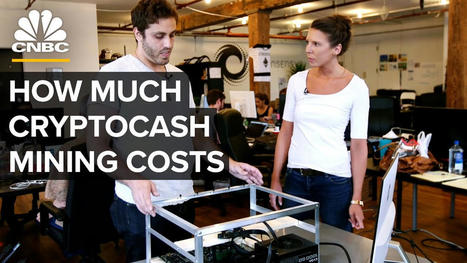









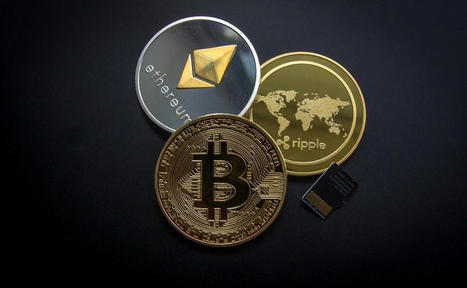







Off the Internet and Into the Mainstream - Cryptocurrency, particularly Bitcoin, has moved off the Internet and is being popularized. J.P. Morgan Chase is reportedly considering whether to offer Bitcoin as an investment and to allow its clients to trade in Bitcoin futures, as the Community Futures Trading Commission announced that Bitcoin futures are being launched. This speaks to the legitimacy of the cryptocurrency, as well as its popularity, as some of the largest financial markets and institutions in the world are actively pursuing ways to incorporate cryptocurrency into their models and trading. The future of cryptocurrency is open in many ways. There are expected to be 21 million Bitcoins once all blocks have been fully mined, though that number could be different, depending on mining rates. Nearly three out of every four Bitcoins that will ever exist have been mined, making it an increasingly rare, but not unattainable commodity. As the price for Bitcoins skyrockets, more and more companies are accepting it as they would any other form of currency. Businesses that accept Bitcoin are adapting to the new technology and marketing themselves as Bitcoin-friendly companies. There are a number of different ways you can begin to take Bitcoin as legal tender, and small businesses are not left out of the loop.