Your new post is loading...

|
Scooped by
HAS-veille
March 27, 2023 5:40 AM
|
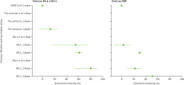
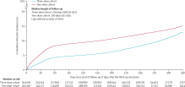
Several studies have reported associations between COVID-19 vaccination and risk of cardiac diseases, especially in young people; the impact on mortality, however, remains unclear. We use national, linked electronic health data in England to assess the impact of COVID-19 vaccination and positive SARS-CoV-2 tests on the risk of cardiac and all-cause mortality in young people (12 to 29 years) using a self-controlled case series design. Here, we show there is no significant increase in cardiac or all-cause mortality in the 12 weeks following COVID-19 vaccination compared to more than 12 weeks after any dose. However, we find an increase in cardiac death in women after a first dose of non mRNA vaccines. A positive SARS-CoV-2 test is associated with increased cardiac and all-cause mortality among people vaccinated or unvaccinated at time of testing. Rare but serious cardiac disease side effects have been linked to COVID-19 vaccinations, especially in young people. Here, the authors find very little evidence of an association between vaccination and mortality, except for in females after a non mRNA vaccine, but show an increased risk of death following COVID-19 infection
|
|
Scooped by
HAS-veille
March 27, 2023 2:07 AM
|
Vaccination, virus biology may be driving down risk
|
|
Scooped by
HAS-veille
March 27, 2023 1:30 AM
|
This cohort study examines the association of treatment with nirmatrelvir in the acute phase of COVID-19 and risk of post–COVID-19 condition.
|
|
Scooped by
HAS-veille
March 23, 2023 11:44 AM
|
While the risk of severe, acute Covid that leads to hospitalization or death has decreased during the 3+ years of the pandemic, the primary concern has shifted to the chronic side—winding up with Long Covid. My colleagues and I reviewed Long Covid in-depth
|
|
Scooped by
HAS-veille
March 23, 2023 5:44 AM
|
SARS-CoV-2 Variants and MIS-C Multisystem inflammatory syndrome in children has been less severe with each subsequent SARS-CoV-2 variant. However, critical illness in hospitalized patients wit
|
|
Scooped by
HAS-veille
March 21, 2023 3:50 AM
|
Objective
Little is known about the treatment of post-coronavirus disease 2019 (COVID-19) condition (PCC). This article examines the effectiveness of pharmacological interventions for treatin
|
|
Scooped by
HAS-veille
March 20, 2023 9:42 AM
|
Risk factors for postacute sequelae of SARS-CoV-2 infection (“long COVID”) in community-dwelling populations remain poorly understood. Large-scale data, follow-up, comparison groups, and a consensus definition of long COVID are often lacking. Using data from the OptumLabs Data Warehouse on a nationwide sample of commercial and Medicare Advantage enrollees from the period January 2019 through March 2022, we examined demographic and clinical factors associated with long COVID, using two definitions of people who suffer symptoms long after they were first diagnosed with COVID-19 (“long haulers”). We identified 8,329 long haulers using the narrow definition (diagnosis code), 207,537 long haulers using the broad definition (symptom based), and 600,161 non–long haulers (comparison group). On average, long haulers were older and more likely female, with more comorbidities. Among narrow-definition long haulers, the leading risk factors for long COVID included hypertension, chronic lung disease, obesity, diabetes, and depression. Their time between initial COVID-19 diagnosis and diagnosis of long COVID averaged 250 days, with racial and ethnic differences. Broad-definition long haulers exhibited similar risk factors. Distinguishing long COVID from the progression of underlying conditions can be challenging, but further study may advance the evidence base related to the identification, causes, and consequences of long COVID.
|
|
Scooped by
HAS-veille
March 20, 2023 3:43 AM
|
Background The COVID-19 outbreak was defined as a pandemic on 11 March 2020 by the World Health Organization. After that, COVID-19 has enormously influenced health systems around the world, and it has claimed more than 4.2 million deaths until July 2021. The pandemic has led to global health, social and economic costs. This situation has prompted a crucial search for beneficial interventions and treatments, but little is known about their monetary value. This study is aimed at systematically reviewing the articles conducted on the economic evaluation of preventive, control and treatment strategies against COVID-19. Material and method We searched PubMed, Web of Science, Scopus, and Google Scholar from December 2019 to October 2021 to find applicable literature to the economic evaluation of strategies against COVID-19. Two researchers screened potentially eligible titles and abstracts. The Consolidated Health Economic Evaluation Reporting Standards (CHEERS) checklist was used to quality assessment of studies. Results Thirty-six studies were included in this review, and the average CHEERS score was 72. Cost-effectiveness analysis was the most common type of economic evaluation, used in 21 studies. And the quality-adjusted life year (QALY) was the main outcome applied to measure the effectiveness of interventions, which was used in 19 studies. In addition, articles were reported a wide range of incremental cost-effectiveness ratio (ICER), and the lowest cost per QALY ($321.14) was related to the use of vaccines. Conclusion Based on the results of this systematic review, it seems that all strategies are likely to be more cost-effective against COVID-19 than no intervention and vaccination was the most cost-effective strategy. This research provides insight for decision makers in choosing optimal interventions against the next waves of the current pandemic and possible future pandemics.
|
|
Scooped by
HAS-veille
March 20, 2023 2:31 AM
|
|
|
Scooped by
HAS-veille
March 17, 2023 2:20 AM
|
Ineffective or outdated requirements could undermine trust, some vaccine researchers warn
|
|
Scooped by
HAS-veille
March 15, 2023 5:24 AM
|
Despite a large proportion of the population having been vaccinated and infected, Singapore had SARS-CoV-2 waves driven by the BA.5 and XBB sublineage…
|
|
Scooped by
HAS-veille
March 13, 2023 5:39 AM
|
|
|
Scooped by
HAS-veille
March 9, 2023 4:04 AM
|
|
|
|
Scooped by
HAS-veille
March 27, 2023 4:25 AM
|
|
|
Scooped by
HAS-veille
March 27, 2023 2:05 AM
|
Vaccine protection from symptomatic SARS-CoV-2 infection has been shown to be strongly correlated with neutralising antibody titres; however, this has not yet been demonstrated for severe COVID-19. To explore whether this relationship also holds for severe COVID-19, we performed a systematic search for studies reporting on protection against different SARS-CoV-2 clinical endpoints and extracted data from 15 studies. Since matched neutralising antibody titres were not available, we used the vaccine regimen, time since vaccination and variant of concern to predict corresponding neutralising antibody titres. We then compared the observed vaccine effectiveness reported in these studies to the protection predicted by a previously published model of the relationship between neutralising antibody titre and vaccine effectiveness against severe COVID-19. We find that predicted neutralising antibody titres are strongly correlated with observed vaccine effectiveness against symptomatic (Spearman $$\rho$$ = 0.95, p < 0.001) and severe (Spearman $$\rho$$ = 0.72, p < 0.001 for both) COVID-19 and that the loss of neutralising antibodies over time and to new variants are strongly predictive of observed vaccine protection against severe COVID-19. In this study, the authors perform a meta-analysis of COVID-19 vaccine effectiveness studies and compare observed protection against severe disease with model-based estimates of neutralising antibody titres. Their results show that SARS-CoV-2 antibody titres are predictive of protection against severe COVID-19 disease.
|
|
Scooped by
HAS-veille
March 27, 2023 1:29 AM
|
This systematic review and meta-analysis evaluates the findings of 41 studies with a total of 860 783 patients to identify risk factors associated with post−COVID-19 condition.
|
|
Scooped by
HAS-veille
March 23, 2023 6:08 AM
|
The COVID-19 pandemic highlighted the fragmented nature of governmental policy decisions in Europe. However, the extent to which COVID-19 vaccination …
|
|
Scooped by
HAS-veille
March 22, 2023 3:23 AM
|
There has been increasing public concern that COVID-19 vaccination causes menstrual disturbance regarding the relative effect of vaccination compared …
|
|
Scooped by
HAS-veille
March 20, 2023 9:56 AM
|
Ce document présente un tableau des doses de vaccin contre la COVID-19 recommandées par le Comité d’immunisation du Québec (CIQ) ou autorisées, nécessaires pour développer une réponse immunitaire adéquate selon l’âge de la personne, sa condition (son état de santé) et ses antécédents d’infection à la COVID-19.
|
|
Scooped by
HAS-veille
March 20, 2023 3:52 AM
|
Trois ans après le premier confinement, la tendance est à l’accalmie depuis le début de l’année, mais la maladie continue de tuer une vingtaine de personnes par jour.
|
|
Scooped by
HAS-veille
March 20, 2023 2:34 AM
|
Objectives To evaluate the impact of local therapeutic recommendation updates made by the COVID multidisciplinary consultation meeting (RCP) at the Hôpital Européen Marseille (HEM) through the description of the drug prescriptions for COVID-19 during the first two waves of the epidemic. Methods This retrospective observational study analysed data from the hospital’s pharmaceutical file. We included all patients hospitalized for COVID-19 between February 1, 2020 and January 21, 2021 and extracted specific anti-COVID-19 therapies (ST) from computerized patient record, as well as patients’ demographic characteristics, comorbidities and outcome. The evolution of ST prescriptions during the study period was described and put into perspective with the updates of local recommendations made during the first (V1, from 2/24/2020 to 7/27/2020), and second (V2, from 7/28/2020 to 1/21/2021) epidemic waves. Results A total of 607 COVID-19 hospitalized patients, 197 during V1 and 410 during V2. Their mean age was 65 years-old, and they presented frequent comorbidities. In total, 93% of hospitalized patients received ST: anticoagulants (90%), glucocorticoids (39%) mainly during V2 (49% vs 17%, P<0.001), and azithromycin (30%) mainly during V1 (71% vs 10%, P<0.001). Lopinavir/ritonavir and hydroxychloroquine were prescribed to 17 and 7 inpatients, respectively, and only during V1. Remdesivir was never administered. A total of 22 inpatients were enrolled into clinical trials. Conclusions The effective dissemination of evidence-based and concerted recommendations seems to have allowed an optimized management of COVID-19 drug therapies in the context of this emerging infection with rapidly evolving therapeutic questions.
|
|
Scooped by
HAS-veille
March 17, 2023 2:25 AM
|
Background: Olfactory dysfunction (OD) has been regarded as one of the major sequalae of SARS-CoV-2 infection. Previous studies showed the smell loss of COVID-1
|
|
Scooped by
HAS-veille
March 15, 2023 7:01 AM
|
|
|
Scooped by
HAS-veille
March 13, 2023 9:10 AM
|
Cet été, des données inédites sur l’origine du Covid étaient publiées. Fragmentaires, elles ne répondaient pas à des questions majeures : quelles sont les pistes explorées et les dernières avancées ?
|
|
Scooped by
HAS-veille
March 13, 2023 3:03 AM
|
Long-term effectiveness of COVID-19 mRNA boosters in populations with different previous infection histories and clinical vulnerability profiles is in…
|