Connected Learning in K-12 Classrooms
1 view | +0 today
 
Rescooped by Daniel Conway from Metaglossia: The Translation World
onto Connected Learning in K-12 Classrooms
May 13, 8:42 AM
Scoop.it!

How eLearning Transforms Education for Autistic Children

How eLearning Transforms Education for Autistic Children | Connected Learning in K-12 Classrooms | Scoop.it

Autism is a growing developmental issue in the U.S., but there are eLearning tools that can help better support children in their learning.

By eLearning Inside
February 04, 2024
 

Autism spectrum is a neurological disorder that affects the way certain people process information. The condition can result in significant learning and behavioral challenges, including difficulty communicating and interacting with others. It’s estimated that 1 in 54 children has autism, and the number is rising.

Autism is the fastest-growing developmental disorder in the U.S., and it’s showing no signs of slowing down anytime soon. A study published in the ResearchGate Journal shows that the disorder is more common in developed nations. Moreover, it is four times more common in boys than in girls.


Autism can impact how a child understands things, posing educational challenges. However, eLearning has proven to be an impactful solution for this. In this article, we will discuss how eLearning is transforming education for autistic children.

Understanding Autism Spectrum Education Challenges

It’s important to understand the specific challenges autistic children face in education. There are many differences between autistic and non-autistic children, but one of the most notable is their ability to communicate with others.

Here are some key challenges and considerations in providing education for individuals on the autism spectrum:

Sensory sensitivities: Many individuals with autism experience sensory sensitivities. This can include hypersensitivity or hyposensitivity to stimuli such as lights, sounds, textures, and smells. Classrooms may need to be adapted to accommodate these sensitivities, with considerations for lighting, noise levels, and sensory-friendly materials.


Communication differences: Communication challenges are common among individuals with ASD. Some may have delayed speech, while others may have difficulty with nonverbal communication, such as gestures and facial expressions. Teachers may need alternative communication methods, such as visual supports, picture schedules, or augmentative and alternative communication (AAC) devices. An article from PsychCentral states that some differences in communication include a lack of eye contact and difficulty engaging in small talk.

Social skills development: Individuals with autism often struggle with social interactions and may have difficulty understanding social cues. Social skills training and structured social activities can be beneficial. Peer support programs and inclusion efforts can also help foster social development.
Individualized instruction: Due to the wide variability in the presentation of autism, one-size-fits-all approaches may not be effective. Individualized Education Plans (IEPs) are commonly used to tailor educational strategies and goals to the specific needs of each student. Regular assessment and adjustment of these plans are crucial for ongoing success.

Executive functioning challenges: Many individuals with ASD experience difficulties with executive functions, such as organization, time management, and task initiation. Teachers may need additional support, such as visual schedules, explicit instructions, and organizational tools.

The Rise of eLearning in Autism Education

The rise of eLearning in autism education is a welcome development. The benefits are clear: it’s a cost-effective way to meet the needs of children with disabilities, who often require more support. But this isn’t always an easy transition for autistic students. Several factors contribute to the growing prominence of eLearning in autism education:

Individualized Learning Plans (ILPs): eLearning platforms allow for creating highly individualized learning plans that cater to the specific needs and strengths of each autistic learner. Customization can include adjusting the pace of learning, incorporating multimedia elements, and adapting content to different learning styles.


Visual aids and multimedia resources: eLearning platforms often integrate visual aids and multimedia resources that can be particularly beneficial for autistic individuals, who often prefer visual learning. Videos, interactive simulations, and graphics can enhance understanding and engagement.

Flexibility and accessibility: eLearning provides flexibility regarding when and where learning can occur. This flexibility is crucial for autistic individuals, allowing them to learn comfortably and minimizing potential sensory challenges. Additionally, eLearning materials can be accessed repeatedly, reinforcing learning in a way that suits the individual’s pace.

Social skills training: Many eLearning programs for autism education incorporate social skills training modules. These modules may include interactive scenarios, virtual role-playing, and social stories that help autistic individuals develop and practice social skills.

eLearning also helps autistic individuals indirectly by allowing eligible individuals to get the necessary education and knowledge to help autistic children. According to Ithaca College, individuals with a degree in speech-language pathology can help educate autistic children. In fact, the website states that around 56% of the professionals with a Master of Science in Speech-Language Pathology are in education.


SLPs can conduct comprehensive assessments to evaluate the communication abilities of autistic children. This includes assessing speech and language skills and social communication skills. They can work collaboratively with other professionals, such as psychologists and educators, to contribute to understanding the child’s communication needs.

They can also develop and implement individualized treatment plans based on the specific needs of each autistic child. These plans may address speech articulation, language comprehension, social communication, and pragmatic language skills. They can collaborate with other educational team members to integrate speech and language goals with the child’s educational plan.

eLearning can help students interested in speech-language pathology learn all the details required to enroll in the right course. They can also enroll in an online course on an eLearning platform. Such speech-language pathologist college programs can enable qualified individuals to get the required license to start helping autistic children.

Customization and Personalization in eLearning

Personalization is a key component of eLearning that can help autistic children learn more effectively. This is because it allows them to engage with the material at their own pace and work in ways they are most comfortable with. This can include:

  • Adjusting the presentation style of content and activities (e.g., video vs text)
  • Providing opportunities for learners to interact with others online or through social media platforms such as Facebook or Twitter.
  • Allowing learners to create their digital portfolios based on what they have learned throughout their course.

Technology as a Facilitator in Autism Education

Technology can help autistic children learn, communicate, and socialize. It also helps them practice new skills and understand the world around them.

For instance, a ScienceDirect Journal study shows that up to 50% of autistic children have issues with inhibitory control challenges. This relates to a lack of ability to manage distractions and maintain concentration. Such children also have decreased perseveration.


However, with the technology, teachers can include multiple media files in the training material to improve engagement. This can increase autistic children’s concentration and help them learn more.

Here are several ways in which technology supports autism education:

Adaptive software: Technology allows for the creation of adaptive learning software that can adjust the difficulty and pace of lessons based on an individual’s progress. This ensures that the material is tailored to their needs.

Augmentative and Alternative Communication (AAC) Devices: Apps and devices that support communication through visuals, symbols, and text help non-verbal or minimally verbal individuals with autism express themselves.

Virtual Reality (VR) and Augmented Reality (AR): These technologies can create immersive environments that assist in sensory integration therapy, helping autistic individuals manage sensory sensitivities.

Educational Games: Technology enables the development of entertaining, educational games that promote learning and skill development.

However, one also has to keep in mind that children suffering from ASD also have intellectual disabilities. A study uploaded on the Frontiers Journal website concludes that 50% to 70% of autistic children have this disability. Intellectual disabilities affect their social, cognitive, and adaptive skills.

Thus, they have problems participating in research-based activities.

Hence, teachers and parents need to select the right technology that can help autistic children instead of overwhelming them. A platform or software with a simple User Interface (UI) is required to ensure easy navigation. Tech applications with complicated UI might not be able to be of much help in educating autistic children.


As we’ve seen, eLearning is a powerful tool for helping autistic children to learn. It allows them to be engaged in their learning process and progress at their own pace. The classroom environment can also be more inclusive of people with special needs by using technology such as speech-to-text dictation software. This can make it easier for them to understand different concepts and learn quickly.

If you found this article interesting, check out Higher Education: Using AI to Meet Student Needs


Via Charles Tiayon
Daniel Conway's insight:

This article discusses how eLearning and educational technology can support autistic students by creating more flexible, personalized, and accessible learning experiences. I found this topic meaningful because technology can help students learn in ways that match their individual needs and communication styles. In K–3 classrooms, digital tools can provide visual supports, interactive activities, and individualized pacing to help students stay engaged and confident during learning. The article also highlights the importance of creating inclusive classrooms where technology helps all students feel supported and successful.

Ceferino Ibarra III's curator insight, May 25, 2024 11:02 PM
After my first few months as an educator, I had my first experience with an Autistic student. Understanding his needs was one thing I focused on once I knew more about him. The best way to communicate with him was through text. He felt more comfortable speaking to me when we weren't in the same space. If we were, the best way to talk was in a quiet room with little distractions. One technology method of instruction that helped so much was the gamifications in class. He enjoyed those and asked for more. 
Larissa Ramirez's curator insight, May 26, 2024 1:31 PM
The rapid advance of eLearning technology has significantly been a great help for students with autism. Autism is a disorder that impacts a child understanding things posing educational challenges. Traditional classrooms are not equipped to meet the needs of these students compared to an eLearning platform. Using eLearning platforms provides students with visual aids, multimedia resources, and interactive lessons that cater to individual needs.By providing these tailored and accessible educational tools, eLearning is helping autistic children overcome traditional educational barriers, leading to more inclusive and effective learning experiences
Ramon Alex's curator insight, September 12, 2025 10:16 AM
The topic focuses on the application of Virtual Reality (VR) and Augmented Reality (AR) in supporting autistic individuals, particularly in managing sensory sensitivities and enhancing educational experiences. It emphasizes the need for accessible, user-friendly technology to facilitate learning for children with autism and intellectual disabilities.This topic appeals to me because it highlights the innovative ways technology can improve the lives of individuals with special needs. The potential for VR and AR to create tailored, immersive learning environments not only fosters inclusivity but also showcases how thoughtful technological advancements can empower all learners to thrive.
Connected Learning in K-12 Classrooms
This curated site explores how educational technology supports connected learning, collaboration, communication, accessibility, and student engagement in K–12 classrooms. The collection highlights digital tools, instructional strategies, AI integration, and emerging technologies that create meaningful, student-centered learning experiences for today’s learners.
Curated by Daniel Conway
Your new post is loading...
Rescooped by Daniel Conway from Education
Today, 7:16 AM
Scoop.it!

The Evolution of Modern Education: How Schools Are Adapting to the 21st Century

The 21st century has ushered in an era of rapid technological advancement and globalization, dramatically reshaping various facets of society, including education. Schools, which have long been pillars of learning and social development, are evolving to meet the demands of a world that is increasingly interconnected and reliant on technology. This article explores the various ways in which modern education is adapting, highlighting key trends and innovations that are transforming the educational landscape. 

Integration of Technology in the Classroom 
One of the most significant changes in modern education is the integration of technology into the classroom. The advent of digital tools and resources has revolutionized how educators teach and how students learn. Interactive whiteboards, tablets, and online learning platforms have become commonplace, providing dynamic and engaging ways to present information. 

For example, platforms like Khan Academy and Coursera offer a plethora of courses and resources that students can access anytime, anywhere, promoting self-paced learning. These resources not only supplement traditional teaching methods but also cater to diverse learning styles, making education more inclusive. The use of educational software and apps also allows for personalized learning experiences, where students can work on tailored assignments that address their specific needs and progress at their own pace. 

Moreover, the rise of virtual reality (VR) and augmented reality (AR) in education offers immersive learning experiences. Students can take virtual field trips to historical sites, explore the human body in 3D, or engage in interactive science experiments, making learning more tangible and exciting. 

Emphasis on STEM Education 
With the increasing importance of technology and innovation in the global economy, there has been a strong emphasis on STEM (Science, Technology, Engineering, and Mathematics) education. Schools are prioritizing STEM subjects to equip students with the skills needed for the future workforce. This shift is reflected in curriculum changes, the establishment of specialized STEM schools, and the incorporation of hands-on learning experiences like coding boot camps, robotics clubs, and science fairs. 

For instance, many schools now offer coding as part of their standard curriculum, recognizing that programming skills are essential in a wide range of careers. A middle school in Dubai, for example, has integrated coding into its curriculum, ensuring students develop these critical skills early on. Programs like FIRST Robotics and Science Olympiad encourage students to apply their knowledge in real-world scenarios, fostering problem-solving skills, creativity, and teamwork. 

Development of Soft Skills 
In addition to technical skills, there is a growing recognition of the importance of soft skills such as communication, collaboration, critical thinking, and emotional intelligence. Modern education systems are increasingly focusing on developing these competencies to prepare students for the complexities of the contemporary world. 

Project-based learning (PBL) is one approach that has gained popularity in fostering these skills. Through PBL, students work on projects over extended periods, often collaborating in groups to solve real-world problems. This method encourages deep learning, critical thinking, and effective communication. Schools are also incorporating social-emotional learning (SEL) programs to help students manage emotions, set goals, and establish positive relationships, contributing to their overall well-being and success. 

Personalized Learning 
Personalized learning is another significant trend in modern education. This approach tailors instruction to meet the individual needs, interests, and abilities of each student. Technology plays a crucial role in facilitating personalized learning, with adaptive learning software that adjusts the difficulty of tasks based on student performance. 

For example, platforms like DreamBox and i-Ready use algorithms to personalize math and reading lessons, providing instant feedback and additional resources where needed. This customization helps ensure that students remain engaged and challenged, reducing the likelihood of frustration or boredom. 

Inclusive Education 
Inclusivity in education has become a central focus, with schools striving to accommodate the diverse needs of all students. This includes those with disabilities, different cultural backgrounds, and varying socioeconomic statuses. Modern educational practices emphasize differentiated instruction, where teachers modify their methods to cater to different learning styles and abilities. 

Early learning centers and schools are implementing Universal Design for Learning (UDL) principles, which aim to create flexible learning environments that can accommodate individual learning differences. Assistive technologies, such as speech-to-text software and audiobooks, support students with disabilities, ensuring they have equal access to educational opportunities. 

Moreover, there is a concerted effort to promote cultural competence and inclusivity through curriculum content that reflects diverse perspectives and histories. Schools are creating environments where all students feel valued and respected, fostering a sense of belonging and community. 

The Role of Early Learning Centers 
Early learning centers are pivotal in laying the foundation for lifelong learning and adaptation to modern educational trends. These centers provide young children with opportunities to engage in activities that foster cognitive, social, and emotional development. By incorporating technology, STEM education, and personalized learning approaches, early learning centers ensure that children are well-prepared for the more advanced stages of their educational journey. 

In Dubai, for instance, early learning centers are leveraging technology and innovative teaching methods to create engaging and effective learning environments. These centers recognize the importance of early childhood education in shaping future academic and personal success, emphasizing the need for a strong start in a child's educational path. 

Global Citizenship Education 
In an increasingly interconnected world, education systems are focusing on developing global citizens who are aware of and can navigate diverse cultures and global issues. Global citizenship education (GCE) aims to equip students with the knowledge, skills, and values needed to address global challenges and contribute to a more just and sustainable world. 

Schools are integrating GCE into their curricula through subjects like social studies, geography, and environmental science. They are also promoting international exchange programs, language learning, and collaborative projects with schools in other countries. These initiatives help students develop a global perspective, empathy, and a sense of responsibility towards the global community. 

Lifelong Learning and Professional Development 
The concept of lifelong learning is becoming increasingly important in modern education. As the job market evolves, individuals must continuously update their skills and knowledge. Schools are preparing students for this reality by instilling a love for learning and teaching them how to learn independently. 

Professional development for educators is also crucial in this context. Teachers need ongoing training to stay abreast of new educational technologies, methodologies, and research. Schools are investing in professional development programs that help teachers enhance their skills and adapt to the changing educational landscape. 

Challenges and Future Directions 
Despite the advancements in modern education, there are challenges that need to be addressed. Equity remains a significant issue, as not all students have equal access to the latest technologies and resources. Bridging this gap requires concerted efforts from governments, communities, and educational institutions to provide the necessary support and infrastructure. 

Additionally, there is a need to balance the use of technology with traditional teaching methods. While technology offers many benefits, it is essential to ensure that it does not overshadow the importance of human interaction and hands-on learning experiences. 

Looking ahead, the future of education will likely see even greater integration of artificial intelligence (AI) and machine learning, further personalization of learning experiences, and a stronger emphasis on interdisciplinary studies. Schools will continue to evolve, preparing students not only for academic success but also for meaningful contributions to society. 

Conclusion 
The evolution of modern education is a dynamic and ongoing process, driven by technological advancements, changing societal needs, and a deeper understanding of how students learn. Middle school are adapting to the 21st century by integrating technology, emphasizing STEM education, developing soft skills, and promoting inclusivity and global citizenship. Early learning centres and middle school are playing a crucial role in this transformation, ensuring that the foundation for lifelong learning is strong and adaptable. As we move forward, middle school needs to continue innovating and addressing challenges to create an educational system that prepares all students for a successful and fulfilling future. By focusing on these critical areas, middle school can help shape well-rounded individuals ready to thrive in an ever-changing world.

Via mansurali2343@gmail.com
Daniel Conway's insight:

This article explains how modern education is evolving through the integration of technology, personalized learning, and innovative instructional strategies. I found it interesting how digital tools, online platforms, and immersive technologies such as VR and AR are changing the way students learn and interact with content. The article also highlights the importance of preparing students with 21st-century skills that support collaboration, communication, and critical thinking. I believe connected learning environments and educational technology can create more engaging and inclusive learning experiences across K–12 classrooms.

No comment yet.
Rescooped by Daniel Conway from Educational Technology News
May 14, 9:02 AM
Scoop.it!

20 Ways To Use Wearable Technology In The Classroom

20 Ways To Use Wearable Technology In The Classroom | Connected Learning in K-12 Classrooms | Scoop.it
Technology in the classroom works twofold: it both improves and complicates education. Edtech can transform learning into a more global, interactive experience while also presenting new problems about student misuse of class time and classroom management. 

But all hope is not lost. With a bit of dedication and guidance from teachers, wearable technology can be implemented in the classroom to help students engage with lessons in a more profound and meaningful way. 

Via EDTECH@UTRGV
Daniel Conway's insight:

This article explains how wearable technology can create more interactive and engaging learning experiences for students. I found it interesting that wearable devices can support collaboration, participation, and real-time learning opportunities in classrooms. At the same time, the article also discusses classroom management challenges and responsible technology use, which are important considerations for educators. I believe wearable technology could become more common in connected learning environments as schools continue exploring innovative instructional tools.

No comment yet.
Rescooped by Daniel Conway from Educational Technology News
May 14, 8:57 AM
Scoop.it!

It’s Time to Get Serious About Digital Citizenship Education

It’s Time to Get Serious About Digital Citizenship Education | Connected Learning in K-12 Classrooms | Scoop.it
Instead of focusing on “dos and don’ts,” digital citizenship must help students explore complex questions.

Via EDTECH@UTRGV
Daniel Conway's insight:

This article explains the importance of teaching digital citizenship in modern classrooms and encourages educators to move beyond simple internet safety rules toward deeper discussions about responsible technology use. The author emphasizes helping students think critically about online behavior, communication, and digital decision-making. I believe digital citizenship is an essential part of K–12 education because students are using technology more frequently both inside and outside of school. Teaching students how to use digital tools responsibly can help create safer, more respectful, and more informed online learning communities.

S'bahle Anele Kunene's curator insight, May 25, 2025 4:47 PM
It is important for parents and educators to figure out the best approaches for raising and education their young digital citizens.
Bea Ordonez's curator insight, January 7, 12:00 PM
La identidad digital se construye a partir de nuestras acciones en Internet, muchas veces sin ser conscientes de sus consecuencias. El contenido de este artículo permite reflexionar sobre cómo las publicaciones, comentarios y fotografías influyen en la imagen personal y social de los adolescentes, siendo fundamental aprender a gestionar de manera responsable la presencia en línea.
Maria Pinto Perez's comment, January 28, 4:29 PM
Es importantisimo que como educadores enseñemos a nuestros alumnos a hacer un uso responsable y críticos de Internet, así como sus posibles consecuencias negativas, como por ejemplo la huella digital.
Rescooped by Daniel Conway from Educational Technology News
May 14, 8:30 AM
Scoop.it!

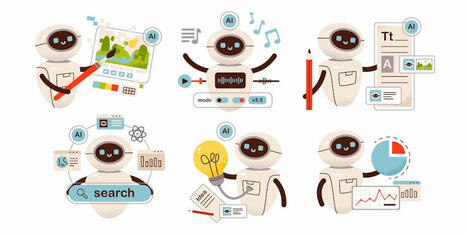
An AI Wish List From Teachers: What They Actually Want It to Do

An AI Wish List From Teachers: What They Actually Want It to Do | Connected Learning in K-12 Classrooms | Scoop.it

"When generative AI entered classrooms, it promised a revolution. For many teachers, it delivered an avalanche of tools instead.

While edtech vendors race to integrate AI into every aspect of teaching and learning, educators are drawing clearer boundaries: AI should save them time, not replace their judgment. They want support for differentiation, not decision-making. Most of all, they want tools that align with the values and realities of teaching."


Via EDTECH@UTRGV
Daniel Conway's insight:

This article discusses how teachers want AI tools to support instruction in meaningful and practical ways rather than replace teacher decision-making. The article explains that educators value tools that help save time, support differentiation, and improve communication while still allowing teachers to maintain control over instruction and student relationships. I think this is especially important in K–12 education because AI should be used to enhance learning experiences, not to replace the human connection students need in classrooms. This article highlights the importance of balancing innovation with responsible educational practices.

EDTECH@UTRGV's curator insight, June 20, 2025 12:06 PM

"Even as teachers adopt AI tools, they’re drawing clear lines in the sand. One of those lines? Relationships."

Rescooped by Daniel Conway from Tools for Teachers & Learners
May 14, 8:21 AM
Scoop.it!

The #1 All-in-One AI Tools for Teachers

The #1 All-in-One AI Tools for Teachers | Connected Learning in K-12 Classrooms | Scoop.it

TeachQuill delivers 60+ AI tools that help educators plan, teach, assess, and communicate faster. Generate standards-aligned lesson plans, worksheets, quizzes, rubrics, IEP goals, and parent emails in seconds while keeping student data private. https://teachquill.com/


Via Nik Peachey
Daniel Conway's insight:

This article highlights how AI tools are becoming increasingly useful for teachers in K–12 classrooms. The article explains how AI can support lesson planning, assessment creation, communication, and organization while saving teachers valuable time. I think resources like these can help educators focus more on student engagement and personalized learning, rather than spending excessive time on administrative tasks. As educational technology continues to evolve, AI tools may become an important part of connected learning environments and classroom collaboration.

Nik Peachey's curator insight, April 24, 7:49 AM

TeachQuill delivers 60+ AI tools that help educators plan, teach, assess, and communicate faster. Generate standards-aligned lesson plans, worksheets, quizzes, rubrics, IEP goals, and parent emails in seconds while keeping student data private. https://teachquill.com/

Rescooped by Daniel Conway from Educational Technology News
May 13, 2:27 PM
Scoop.it!

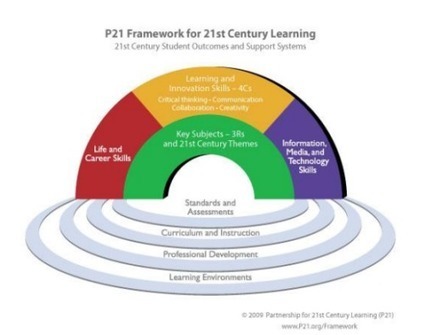
The Four Cs - Skills for 21st Century Learning

The Four Cs - Skills for 21st Century Learning | Connected Learning in K-12 Classrooms | Scoop.it

"Over a decade ago, a coalition of education leaders collaborated to make a list of skills that students will need to survive and thrive in the 21st century. They looked at some of the coming trends in the workplace such as the automation of jobs, connected technology, and globalization. Their original report included a full list of 18 key skills for the 21st century workforce that was comprehensive but a bit cumbersome to implement. They reconvened to hone the list down to four learning skills that are truly essential for students to master in order to prepare for today’s marketplace."


Via EDTECH@UTRGV
Daniel Conway's insight:

This article highlights the importance of 21st-century learning skills and how technology can help students become more engaged, collaborative, and creative learners. I found it meaningful because it emphasizes that educational technology should support critical thinking and real-world learning experiences rather than simply replacing traditional instruction. The article connects to my topic by showing how digital tools can help create interactive and connected classroom environments for students.

No comment yet.
Rescooped by Daniel Conway from Digital Delights for Learners
May 13, 2:20 PM
Scoop.it!

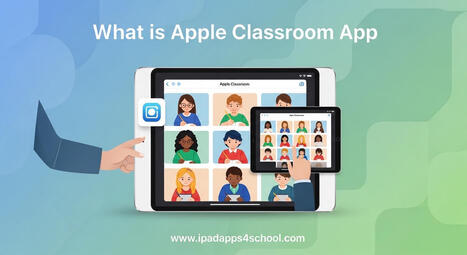
35 More Things You Can Do With Google Classroom

35 More Things You Can Do With Google Classroom | Connected Learning in K-12 Classrooms | Scoop.it
Back when I had only had a list of 35 ways to use Google Classroom I submitted a poster session proposal to ISTE. Since then the list has grown and you can now purchase “50 Things You Can Do …

Via Ana Cristina Pratas
Daniel Conway's insight:

This article explains how updates to Google Classroom and Google Forms were designed to make classroom management and communication easier for teachers. I found it interesting because it shows how educational technology tools continue to evolve to support instruction, organization, and student engagement. The article connects to my topic by demonstrating how digital platforms can create more efficient, connected learning experiences for both teachers and students.

Mrs. Reinagel's curator insight, December 19, 2015 11:37 AM

Ready to go! #vbanchor

Rescooped by Daniel Conway from Metaglossia: The Translation World
May 13, 2:14 PM
Scoop.it!

MSEDTECHIE: Classrooms Without Walls- Using Google Apps To Connect Inside and Outside of the School Community

MSEDTECHIE: Classrooms Without Walls- Using Google Apps To Connect Inside and Outside of the School Community | Connected Learning in K-12 Classrooms | Scoop.it
MSEDTECHIE: Classrooms Without Walls- Using Google Apps To Connect Inside and Outside of the School Community
Via Charles Tiayon
Daniel Conway's insight:

This article emphasizes how Google Apps can help create ‘classrooms without walls’ by connecting students, teachers, and families both inside and outside of school. I found it interesting because it highlights the importance of communication, collaboration, and connected learning through educational technology. The article relates to my topic by showing how digital tools can support more engaging and flexible learning environments while strengthening school-community connections.

Charles Tiayon's curator insight, March 9, 2014 5:03 PM
MSEDTECHIE: Classrooms Without Walls- Using Google Apps To Connect Inside and Outside of the School Community
Rescooped by Daniel Conway from Educational Technology News
May 13, 2:09 PM
Scoop.it!

Pros And Cons Of Using Google Classroom In eLearning

Pros And Cons Of Using Google Classroom In eLearning | Connected Learning in K-12 Classrooms | Scoop.it
Wondering about the pros and cons of using Google Classroom for your eLearning courses? Read this Google Classroom Review to find out.

Via EDTECH@UTRGV
Daniel Conway's insight:

This article provides a balanced view of how Google Classroom supports eLearning through organization, communication, collaboration, and accessibility. I liked that the article discusses both the advantages and challenges of using digital learning platforms in education. It connects to my topic because it shows how tools like Google Classroom can create more connected learning environments while also requiring teachers to plan instruction, engagement, and student support carefully.

No comment yet.
Rescooped by Daniel Conway from Educational Technology News
May 13, 2:02 PM
Scoop.it!

Google embraces AI in the classroom with new Gemini tools for educators, chatbots for students, and more

Google embraces AI in the classroom with new Gemini tools for educators, chatbots for students, and more | Connected Learning in K-12 Classrooms | Scoop.it
Google will give teachers the ability to create interactive study guides using the AI research tool Notebook LM, along with their classroom materials.

Via EDTECH@UTRGV
Daniel Conway's insight:

This article highlights how artificial intelligence is becoming more integrated into education through tools designed for both teachers and students. I found it interesting that companies like Google are creating AI resources that can support instruction, communication, and personalized learning in classrooms. The article also connects to important discussions about responsible AI use, digital literacy, and how educators can balance innovation with meaningful student learning experiences.

EDTECH@UTRGV's curator insight, July 2, 2025 10:32 AM

"Google is charging ahead with AI tools, saying it thinks that 'responsible AI' can help drive 'more engaging and personalized learning experiences,' when used in conjunction with human-led teaching."

Rescooped by Daniel Conway from Educational Technology News
May 13, 1:51 PM
Scoop.it!

Chapter 14: AI and the Digital Divide

Chapter 14: AI and the Digital Divide | Connected Learning in K-12 Classrooms | Scoop.it

In Chapter 14 of Teaching and Learning in the Age of Generative AI, authors Renee Rottner, Lenore Porter, Jason Bock, Jordan Jannone, Rory Walsh Senerchia, Janet Ward, and Joshuah Whittinghill explore how Artificial Intelligence can both bridge and exacerbate the digital divide in education. The chapter examines issues such as technology access, digital literacy, and algorithmic bias, while also highlighting opportunities for AI to be customized for diverse learners. It further considers evolving policy frameworks and emphasizes that equitable implementation of AI requires more than just technological tools—it calls for investments in educator training, ethical guidelines, and a commitment to inclusiveness. By centering equity, the authors argue, educators and policymakers can ensure that all students benefit equally from AI-powered learning tools.


Via EDTECH@UTRGV
Daniel Conway's insight:

This article examines how artificial intelligence can both support and challenge equity in education by addressing issues of access, digital literacy, and bias. I found it especially important because it emphasizes that successful AI integration requires more than just technology; it also depends on educator training, ethical guidelines, and inclusive practices. The article connects well to current discussions about ensuring all students have equal opportunities to benefit from educational technology and AI-powered learning tools.

EDTECH@UTRGV's curator insight, October 7, 2025 9:14 AM

AI can either help close or widen the education gap, and making it fair for all students depends on access, training, and ethical use. Preview Teaching and Learning in the Age of Generative AI here: https://bit.ly/4jVce93 

Rescooped by Daniel Conway from Educational Technology News
May 13, 9:09 AM
Scoop.it!

5 Ways to Protect Your Teaching Expertise When Using AI. Remember What Makes You Uniquely Valuable as an Educator

"AI tools can feel like magic: They’re fast, they’re fluent, and they present their results confidently. They can lull even veteran teachers into accepting polished output before they’ve really thought through the specific context or nuance their students need.

You might, for example, ask AI to generate class discussion questions that seem viable at first look. But when you evaluate them more deeply, you realize the questions don’t lead students where you want them to go. Or AI might suggest sample roleplay exercises for your class that seem usable but ultimately lack the depth and context only you can provide."


Via EDTECH@UTRGV
Daniel Conway's insight:

This article emphasizes that while AI can support teachers in planning and productivity, educators remain the most important factor in creating meaningful learning experiences for students. I found it valuable because it highlights the importance of maintaining teacher creativity, professional judgment, and personal connections in the classroom while using AI responsibly. The article connects well to current discussions about balancing educational technology with authentic teaching practices in K–12 education.

EDTECH@UTRGV's curator insight, October 28, 2025 11:52 AM

"AI tools don’t know our students, our subject matter, or the pedagogical goals that shape our work. AI can’t see the connections we’re trying to build in our courses, or the long arc of understanding we’re helping students navigate."

Rescooped by Daniel Conway from Metaglossia: The Translation World
May 13, 8:42 AM
Scoop.it!

How eLearning Transforms Education for Autistic Children

How eLearning Transforms Education for Autistic Children | Connected Learning in K-12 Classrooms | Scoop.it

Autism is a growing developmental issue in the U.S., but there are eLearning tools that can help better support children in their learning.

By eLearning Inside
February 04, 2024
 

Autism spectrum is a neurological disorder that affects the way certain people process information. The condition can result in significant learning and behavioral challenges, including difficulty communicating and interacting with others. It’s estimated that 1 in 54 children has autism, and the number is rising.

Autism is the fastest-growing developmental disorder in the U.S., and it’s showing no signs of slowing down anytime soon. A study published in the ResearchGate Journal shows that the disorder is more common in developed nations. Moreover, it is four times more common in boys than in girls.


Autism can impact how a child understands things, posing educational challenges. However, eLearning has proven to be an impactful solution for this. In this article, we will discuss how eLearning is transforming education for autistic children.

Understanding Autism Spectrum Education Challenges

It’s important to understand the specific challenges autistic children face in education. There are many differences between autistic and non-autistic children, but one of the most notable is their ability to communicate with others.

Here are some key challenges and considerations in providing education for individuals on the autism spectrum:

Sensory sensitivities: Many individuals with autism experience sensory sensitivities. This can include hypersensitivity or hyposensitivity to stimuli such as lights, sounds, textures, and smells. Classrooms may need to be adapted to accommodate these sensitivities, with considerations for lighting, noise levels, and sensory-friendly materials.


Communication differences: Communication challenges are common among individuals with ASD. Some may have delayed speech, while others may have difficulty with nonverbal communication, such as gestures and facial expressions. Teachers may need alternative communication methods, such as visual supports, picture schedules, or augmentative and alternative communication (AAC) devices. An article from PsychCentral states that some differences in communication include a lack of eye contact and difficulty engaging in small talk.

Social skills development: Individuals with autism often struggle with social interactions and may have difficulty understanding social cues. Social skills training and structured social activities can be beneficial. Peer support programs and inclusion efforts can also help foster social development.
Individualized instruction: Due to the wide variability in the presentation of autism, one-size-fits-all approaches may not be effective. Individualized Education Plans (IEPs) are commonly used to tailor educational strategies and goals to the specific needs of each student. Regular assessment and adjustment of these plans are crucial for ongoing success.

Executive functioning challenges: Many individuals with ASD experience difficulties with executive functions, such as organization, time management, and task initiation. Teachers may need additional support, such as visual schedules, explicit instructions, and organizational tools.

The Rise of eLearning in Autism Education

The rise of eLearning in autism education is a welcome development. The benefits are clear: it’s a cost-effective way to meet the needs of children with disabilities, who often require more support. But this isn’t always an easy transition for autistic students. Several factors contribute to the growing prominence of eLearning in autism education:

Individualized Learning Plans (ILPs): eLearning platforms allow for creating highly individualized learning plans that cater to the specific needs and strengths of each autistic learner. Customization can include adjusting the pace of learning, incorporating multimedia elements, and adapting content to different learning styles.


Visual aids and multimedia resources: eLearning platforms often integrate visual aids and multimedia resources that can be particularly beneficial for autistic individuals, who often prefer visual learning. Videos, interactive simulations, and graphics can enhance understanding and engagement.

Flexibility and accessibility: eLearning provides flexibility regarding when and where learning can occur. This flexibility is crucial for autistic individuals, allowing them to learn comfortably and minimizing potential sensory challenges. Additionally, eLearning materials can be accessed repeatedly, reinforcing learning in a way that suits the individual’s pace.

Social skills training: Many eLearning programs for autism education incorporate social skills training modules. These modules may include interactive scenarios, virtual role-playing, and social stories that help autistic individuals develop and practice social skills.

eLearning also helps autistic individuals indirectly by allowing eligible individuals to get the necessary education and knowledge to help autistic children. According to Ithaca College, individuals with a degree in speech-language pathology can help educate autistic children. In fact, the website states that around 56% of the professionals with a Master of Science in Speech-Language Pathology are in education.


SLPs can conduct comprehensive assessments to evaluate the communication abilities of autistic children. This includes assessing speech and language skills and social communication skills. They can work collaboratively with other professionals, such as psychologists and educators, to contribute to understanding the child’s communication needs.

They can also develop and implement individualized treatment plans based on the specific needs of each autistic child. These plans may address speech articulation, language comprehension, social communication, and pragmatic language skills. They can collaborate with other educational team members to integrate speech and language goals with the child’s educational plan.

eLearning can help students interested in speech-language pathology learn all the details required to enroll in the right course. They can also enroll in an online course on an eLearning platform. Such speech-language pathologist college programs can enable qualified individuals to get the required license to start helping autistic children.

Customization and Personalization in eLearning

Personalization is a key component of eLearning that can help autistic children learn more effectively. This is because it allows them to engage with the material at their own pace and work in ways they are most comfortable with. This can include:

  • Adjusting the presentation style of content and activities (e.g., video vs text)
  • Providing opportunities for learners to interact with others online or through social media platforms such as Facebook or Twitter.
  • Allowing learners to create their digital portfolios based on what they have learned throughout their course.

Technology as a Facilitator in Autism Education

Technology can help autistic children learn, communicate, and socialize. It also helps them practice new skills and understand the world around them.

For instance, a ScienceDirect Journal study shows that up to 50% of autistic children have issues with inhibitory control challenges. This relates to a lack of ability to manage distractions and maintain concentration. Such children also have decreased perseveration.


However, with the technology, teachers can include multiple media files in the training material to improve engagement. This can increase autistic children’s concentration and help them learn more.

Here are several ways in which technology supports autism education:

Adaptive software: Technology allows for the creation of adaptive learning software that can adjust the difficulty and pace of lessons based on an individual’s progress. This ensures that the material is tailored to their needs.

Augmentative and Alternative Communication (AAC) Devices: Apps and devices that support communication through visuals, symbols, and text help non-verbal or minimally verbal individuals with autism express themselves.

Virtual Reality (VR) and Augmented Reality (AR): These technologies can create immersive environments that assist in sensory integration therapy, helping autistic individuals manage sensory sensitivities.

Educational Games: Technology enables the development of entertaining, educational games that promote learning and skill development.

However, one also has to keep in mind that children suffering from ASD also have intellectual disabilities. A study uploaded on the Frontiers Journal website concludes that 50% to 70% of autistic children have this disability. Intellectual disabilities affect their social, cognitive, and adaptive skills.

Thus, they have problems participating in research-based activities.

Hence, teachers and parents need to select the right technology that can help autistic children instead of overwhelming them. A platform or software with a simple User Interface (UI) is required to ensure easy navigation. Tech applications with complicated UI might not be able to be of much help in educating autistic children.


As we’ve seen, eLearning is a powerful tool for helping autistic children to learn. It allows them to be engaged in their learning process and progress at their own pace. The classroom environment can also be more inclusive of people with special needs by using technology such as speech-to-text dictation software. This can make it easier for them to understand different concepts and learn quickly.

If you found this article interesting, check out Higher Education: Using AI to Meet Student Needs


Via Charles Tiayon
Daniel Conway's insight:

This article discusses how eLearning and educational technology can support autistic students by creating more flexible, personalized, and accessible learning experiences. I found this topic meaningful because technology can help students learn in ways that match their individual needs and communication styles. In K–3 classrooms, digital tools can provide visual supports, interactive activities, and individualized pacing to help students stay engaged and confident during learning. The article also highlights the importance of creating inclusive classrooms where technology helps all students feel supported and successful.

Ceferino Ibarra III's curator insight, May 25, 2024 11:02 PM
After my first few months as an educator, I had my first experience with an Autistic student. Understanding his needs was one thing I focused on once I knew more about him. The best way to communicate with him was through text. He felt more comfortable speaking to me when we weren't in the same space. If we were, the best way to talk was in a quiet room with little distractions. One technology method of instruction that helped so much was the gamifications in class. He enjoyed those and asked for more. 
Larissa Ramirez's curator insight, May 26, 2024 1:31 PM
The rapid advance of eLearning technology has significantly been a great help for students with autism. Autism is a disorder that impacts a child understanding things posing educational challenges. Traditional classrooms are not equipped to meet the needs of these students compared to an eLearning platform. Using eLearning platforms provides students with visual aids, multimedia resources, and interactive lessons that cater to individual needs.By providing these tailored and accessible educational tools, eLearning is helping autistic children overcome traditional educational barriers, leading to more inclusive and effective learning experiences
Ramon Alex's curator insight, September 12, 2025 10:16 AM
The topic focuses on the application of Virtual Reality (VR) and Augmented Reality (AR) in supporting autistic individuals, particularly in managing sensory sensitivities and enhancing educational experiences. It emphasizes the need for accessible, user-friendly technology to facilitate learning for children with autism and intellectual disabilities.This topic appeals to me because it highlights the innovative ways technology can improve the lives of individuals with special needs. The potential for VR and AR to create tailored, immersive learning environments not only fosters inclusivity but also showcases how thoughtful technological advancements can empower all learners to thrive.
Rescooped by Daniel Conway from Educational Technology News
May 14, 9:04 AM
Scoop.it!

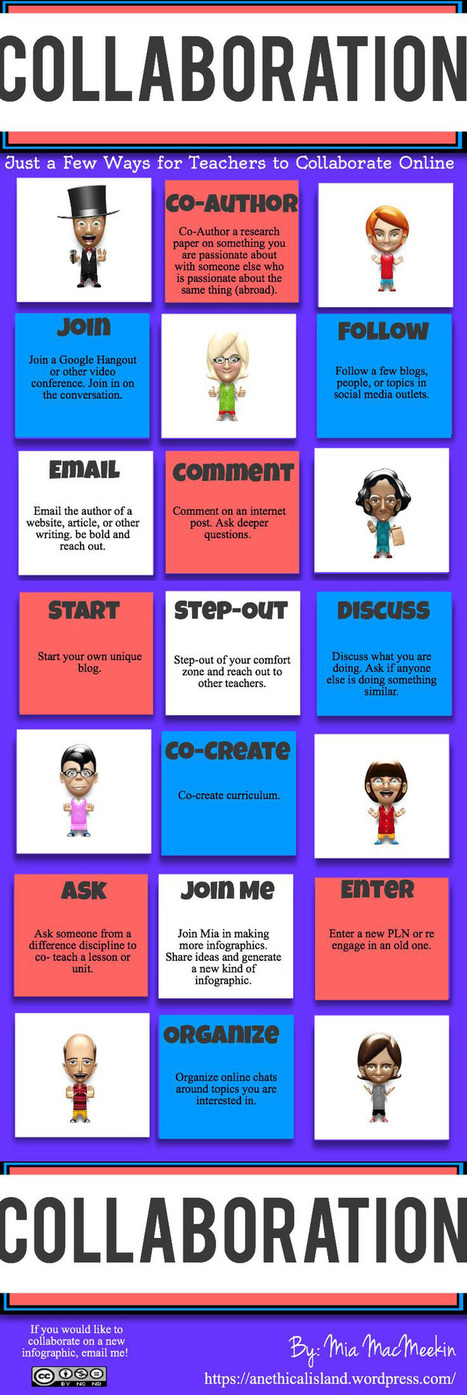
13 Digital Strategies For Teacher Collaboration

13 Digital Strategies For Teacher Collaboration | Connected Learning in K-12 Classrooms | Scoop.it

"Teacher collaboration is among the cornerstones of school improvement. When teachers connect–for the right reasons–good things happen. The ability to connect is increased exponentially through technology. Digital collaboration by teachers has an infinite numbers out possible outcomes, from formal teacher improvement, to informal connecting for people that get you. A global teacher’s lounge, if you will."


Via EDTECH@UTRGV
Daniel Conway's insight:

This article explains how digital tools can strengthen teacher collaboration and create more connected learning communities. I found it interesting that educators can use online communication, shared resources, and professional learning networks to support one another and improve instruction. Collaboration allows teachers to exchange ideas, solve problems, and discover new instructional strategies that benefit students. I believe connected learning communities can help educators become more effective and create stronger learning experiences in K–12 classrooms.

No comment yet.
Rescooped by Daniel Conway from Educational Technology News
May 14, 9:00 AM
Scoop.it!

The Digital Accessibility Deadline Is Here. Schools Aren’t Ready.

The Digital Accessibility Deadline Is Here. Schools Aren’t Ready. | Connected Learning in K-12 Classrooms | Scoop.it

"A big civil rights deadline that impacts schools and vendors will hit this month.


Federal law has required accessibility for people with disabilities for decades, says Glenda Sims, chief information accessibility officer at Deque Systems, a company that specializes in digital accessibility.


But two years ago, the federal government finally gave schools a way to measure whether their websites, mobile apps and digital content were accessible under law when it released a “final rule.”


Via EDTECH@UTRGV
Daniel Conway's insight:

This article highlights the importance of digital accessibility in schools and explains how many districts are still unprepared for new accessibility expectations. The article helped me understand that educational technology should be designed so that all students, including students with disabilities, can successfully access digital learning materials. I believe accessibility is an important part of connected learning because technology should support every learner equally. As schools continue increasing their use of digital tools, educators must make accessibility and inclusion a priority.

EDTECH@UTRGV's curator insight, April 16, 5:58 PM

"A major digital accessibility deadline that impacts schools and vendors is here. Schools aren’t ready."

Rescooped by Daniel Conway from Educational Technology News
May 14, 8:38 AM
Scoop.it!

What Is Gamification in Education & How Can K–12 Use It? 

What Is Gamification in Education & How Can K–12 Use It?  | Connected Learning in K-12 Classrooms | Scoop.it
Educators can use gamification to keep students engaged in an increasingly digital education landscape.

Via EDTECH@UTRGV
Daniel Conway's insight:

This article explains how gamification can increase student engagement and motivation in K–12 classrooms by incorporating game-like elements into learning activities. The article highlights how educational technology tools can make learning more interactive, encourage participation and collaboration, and develop problem-solving skills. I think gamification is especially effective in elementary classrooms because students are naturally motivated by interactive and hands-on experiences. Technology-based learning games and digital rewards can help create a more engaging and student-centered classroom environment.

Sam McNeely's curator insight, January 21, 2025 8:49 PM
This article effectively explains the concept of gamification and highlights its importance in preparing students for future careers. It emphasizes how incorporating gamified elements into the classroom can enhance engagement and learning outcomes. Rather than equating gamification with learning through video games, the article clarifies that it involves integrating gaming principles, such as competition, rewards, and challenges, into lesson activities. This approach fosters a more interactive and motivating environment, better equipping students with the skills they need for success in an increasingly dynamic job market.
caseytburns@gmail.com's curator insight, September 2, 2025 7:53 PM
The article highlights how gamification is emerging as a powerful strategy to engage students and prepare them for a technology-driven future. With an estimated 85 percent of today’s K–12 learners expected to work in jobs that don’t yet exist, gamification provides a flexible framework that not only motivates students through competition, rewards, and collaboration but also builds critical digital skills needed for tomorrow’s workforce. The article draws an important distinction between gamification, adding game-like elements to traditional lessons and game-based learning, where games themselves deliver educational content. This distinction underscores the versatility of gamification in any classroom context, whether low-tech or highly digital. From an Educational Technology perspective, the significance lies in gamification’s ability to address both post-pandemic engagement challenges and long-term workforce readiness, offering educators a pathway to cultivate resilience, creativity, and problem-solving skills in students through interactive, playful learning experiences.
Rescooped by Daniel Conway from Educational Technology News
May 14, 8:27 AM
Scoop.it!

Tips for Getting the Most Out of Your AI Writing Partner

Tips for Getting the Most Out of Your AI Writing Partner | Connected Learning in K-12 Classrooms | Scoop.it
The calculator didn’t take away the need for math teachers. Computers didn’t eliminate graphic designers. And AI won’t erase instructional designers. Instead, these tools made room for more strategy, more creativity, and more value.

Via EDTECH@UTRGV
Daniel Conway's insight:

This article explains how AI tools can support educators as writing and instructional partners. The author emphasizes that AI should be used to enhance teacher creativity, efficiency, and communication rather than replace educators. I think this is especially important in K–12 education because teachers are managing increasing demands related to lesson planning, communication, and student engagement. AI tools may help teachers save time while still enabling educators to provide meaningful, personalized learning experiences for students.

EDTECH@UTRGV's curator insight, December 9, 2025 11:10 AM

"One of the risks of using AI for writing is losing your tone. AI tends to write in polished, but sometimes generic, language. It might sound smart, but not human. That’s why your editing matters."

Rescooped by Daniel Conway from Educational Technology News
May 13, 2:30 PM
Scoop.it!

The Inside-Out School: A 21st Century Learning Model

The Inside-Out School: A 21st Century Learning Model | Connected Learning in K-12 Classrooms | Scoop.it

"As a follow-up to our 9 Characteristics of 21st Century Learning we developed in 2009, we have developed an updated framework, The Inside-Out Learning Model. The goal of the model is simple enough–not pure academic proficiency, but instead authentic self-knowledge, diverse local and global interdependence, adaptive critical thinking, and adaptive media literacy. By design this model emphasizes the role of play, diverse digital and physical media, and a designed interdependence between communities and schools."


Via EDTECH@UTRGV
Daniel Conway's insight:

This article discusses how 21st-century learning should focus on collaboration, critical thinking, digital literacy, and meaningful student engagement rather than only traditional academic skills. I found it interesting because it highlights the importance of creating connected learning environments where students can learn through communication, creativity, and real-world experiences. The article connects to my topic by showing how educational technology and digital tools can support interactive, student-centered learning in K–3 classrooms.

Brendan Jones 's curator insight, March 8, 2015 1:00 AM

A nice wish list. Filling in the gaps would be a big job.

Rebecca Raworth's curator insight, April 7, 2015 7:36 PM

I like this model

Rescooped by Daniel Conway from Educational Technology News
May 13, 2:26 PM
Scoop.it!

5 Things You Need to Know About 21st Century Learning

5 Things You Need to Know About 21st Century Learning | Connected Learning in K-12 Classrooms | Scoop.it

"Through my various roles in the education space over the past three decades, I have talked to educators around the world and had the privilege of watching kids get excited about learning when taking on engineering and project challenges. We know that educators and learners today face some unique challenges, and working with some of the best and brightest in the field of education has opened my eyes to what we can achieve to bring 21st century learning to all students."


Via EDTECH@UTRGV
Daniel Conway's insight:

This article highlights the importance of 21st-century learning skills and how technology can help students become more engaged, collaborative, and creative learners. I found it meaningful because it emphasizes that educational technology should support critical thinking and real-world learning experiences rather than simply replacing traditional instruction. The article connects to my topic by showing how digital tools can help create interactive and connected classroom environments for students.

online4ed's curator insight, November 6, 2015 11:48 AM

It's important that we remember today's learners may or may not be like us as we sat in classrooms years ago!  

Mei Lin Fung's curator insight, November 8, 2015 12:43 PM

real interaction tells us the most - at this time of disruption and change "the dogmas of the quiet past are inadequate for the stormy present" 

Rescooped by Daniel Conway from Educational Technology News
May 13, 2:17 PM
Scoop.it!

10 ways Google is making Classroom and Forms easier for teachers this school year

10 ways Google is making Classroom and Forms easier for teachers this school year | Connected Learning in K-12 Classrooms | Scoop.it
This year, Google is sending teachers back to school with updates designed to help them do what they do best—teach.

Via EDTECH@UTRGV
Daniel Conway's insight:

This article explains how updates to Google Classroom and Google Forms were designed to make classroom management and communication easier for teachers. I found it interesting because it shows how educational technology tools continue to evolve to support instruction, organization, and student engagement. The article connects to my topic by demonstrating how digital platforms can create more efficient, connected learning experiences for both teachers and students.

rodrick rajive lal's curator insight, August 3, 2017 12:54 AM
Sure, Google is indeed doing a lot towards making classroom and forms easier for teachers in school this year!
 
Rescooped by Daniel Conway from Educational Technology News
May 13, 2:12 PM
Scoop.it!

Google’s Classroom Takes the Clutter out of Everyday Assignments

Google’s Classroom Takes the Clutter out of Everyday Assignments | Connected Learning in K-12 Classrooms | Scoop.it

"Google launched a new app Tuesday that aims to help teachers reduce classroom clutter and trim time spent managing the paperwork side of teaching."


Via EDTECH@UTRGV
Daniel Conway's insight:

This article explains how Google Classroom was designed to simplify classroom organization and reduce the amount of time teachers spend managing assignments and paperwork. I found it interesting because it shows the early impact digital learning platforms had on classroom efficiency and communication. The article connects to my topic by demonstrating how technology tools like Google Classroom laid the foundation for today’s connected, technology-supported learning environments.

Erica Strain's curator insight, August 24, 2018 8:36 PM
Interesting article on Google Classroom. The future classroom is that of a paperless one. 
Rescooped by Daniel Conway from Educational Technology News
May 13, 2:04 PM
Scoop.it!

Is Google Classroom Too Good to Be True? A Definitive Answer

Is Google Classroom Too Good to Be True? A Definitive Answer | Connected Learning in K-12 Classrooms | Scoop.it

"As Google Classroom increases in popularity, many educators are wondering whether it is really what it claims to be. Most things that seem too good to be true usually are. However, there are some definite advantages of Google Classroom that lead us to believe that it may be just what it promises to be. If you’ve been wondering whether to integrate this popular platform into your classroom, take a look at the major advantages it can offer."


Via EDTECH@UTRGV
Daniel Conway's insight:

This article discusses how Google Classroom became a major tool for communication, organization, and digital learning in K–12 education. I found it interesting because it shows how schools were already moving toward connected and technology-supported learning environments before the rapid growth of AI tools. The article also connects to my topic by showing how digital platforms can improve collaboration, assignment management, and student engagement in classrooms.

No comment yet.
Rescooped by Daniel Conway from Educational Technology News
May 13, 1:54 PM
Scoop.it!

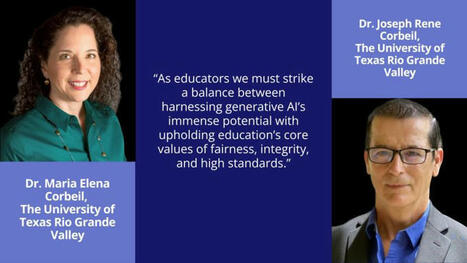
New Book: Teaching and Learning in the Age of Generative AI

New Book: Teaching and Learning in the Age of Generative AI | Connected Learning in K-12 Classrooms | Scoop.it

The increasing accessibility of AI technologies among K-12 and higher education students has raised concerns around academic integrity, although research shows that these tools may be used to supplement instruction, prioritize critical thinking, and promote digital literacy. The new book “Teaching and Learning in the Age of Generative AI,” edited by Joseph Rene Corbeil, Ed.D., and Maria Elena Corbeil, is a comprehensive resource providing evidence-based strategies for classroom implementation and helpful summaries of common benefits and risks.

Preview the book here: https://lnkd.in/dzkY35hp

#edtech #ILoveEdTech #ImFutureReady #elearning #AIEd


Via EDTECH@UTRGV
Daniel Conway's insight:

This resource highlights how generative AI is becoming an important part of modern education while also raising important questions about academic integrity and responsible technology use. I found it interesting that the book emphasizes using AI to support critical thinking, digital literacy, and classroom learning rather than replacing authentic teaching practices. The resource connects well to current discussions about balancing innovation, ethics, and effective instructional strategies in K–12 and higher education.

EDTECH@UTRGV's curator insight, June 18, 2025 12:40 PM

"As educators we must strike a balance between harnessing generative AI's immense potential with upholding education's core values of fairness, integrity, and high standards."

Scooped by Daniel Conway
May 13, 1:45 PM
Scoop.it!

K-12 Technology in 2026 Is Not About Tools. It’s About Control.

K-12 Technology in 2026 Is Not About Tools. It’s About Control. | Connected Learning in K-12 Classrooms | Scoop.it
Explore how K-12 technology in 2026 emphasizes control over tools, focusing on governance, risk management, and operational reliability to meet rising demands.
Daniel Conway's insight:

This article explains that successful K–12 technology integration is not only about adding new tools, but also about creating responsible systems for managing and implementing technology in schools. I found it interesting how the article emphasizes accountability, cybersecurity, and thoughtful AI use as important parts of modern education. The article connects well to current discussions about how schools must balance innovation with safe and effective educational practices.

No comment yet.
Rescooped by Daniel Conway from Educational Technology News
May 13, 9:05 AM
Scoop.it!

3 AI Trends to Watch in K–12 Educational Technology for 2022

3 AI Trends to Watch in K–12 Educational Technology for 2022 | Connected Learning in K-12 Classrooms | Scoop.it
The use of artificial intelligence is growing rapidly in school districts, showing up in programs and software models that support everything from storytime to security.

Via EDTECH@UTRGV
Daniel Conway's insight:

This article highlights how artificial intelligence is becoming increasingly common in K–12 education through tools that support learning, classroom management, and student engagement. I found it interesting how schools are beginning to integrate AI into everyday educational practices, showing both the opportunities and challenges that come with new technology. The article connects well to the future of educational technology and to how AI may continue to shape teaching and learning experiences in classrooms.

Samantha Alanís's curator insight, February 1, 2024 10:23 PM
Of course, anticipating developments in adaptive learning, personalized education, and AI driven assessments could pave the way for transformative educational experiences. However, it is essential to approach these trends with critical lens, ensuring they align with their educational goals and prioritize equitable access for all students, ALWAYS!