Your new post is loading...

|
Scooped by
ulcriv
November 11, 2024 3:36 PM
|
Replicons, derived from RNA viruses, are genetic constructs retaining essential viral enzyme genes while lacking key structural protein genes. Upon introduction into cells, the genes carried by the replicon RNA are expressed, and the RNA self-replicates, yet viral particle production does not take place. Typically, RNA replicons are transcribed in vitro and are then electroporated in cells. However, it would be advantageous for the replicon to be generated in cells following DNA transfection instead of RNA. In this study, a bacterial artificial chromosome (BAC) DNA encoding a SARS-CoV-2 replicon under control of a T7 promoter was transfected into HEK293T cells engineered to functionally express the T7 RNA polymerase (T7 RNAP). Upon transfection of the BAC DNA, we observed low, but reproducible expression of reporter proteins GFP and luciferase carried by this replicon. Expression of the reporter proteins required linearization of the BAC DNA prior to transfection. Moreover, expression occurred independently of T7 RNAP. Gene expression was also insensitive to remdesivir treatment, suggesting that it did not involve self-replication of replicon RNA. Similar results were obtained in highly SARS-CoV-2 infection-permissive Calu-3 cells. Strikingly, prior expression of the SARS-CoV-2 N protein boosted expression from transfected SARS-CoV-2 RNA replicon but not from the replicon BAC DNA. In conclusion, transfection of a large DNA encoding a coronaviral replicon led to reproducible replicon gene expression through an unidentified mechanism. These findings highlight a novel pathway toward replicon gene expression from transfected replicon cDNA, offering valuable insights for the development of methods for DNA-based RNA replicon applications.
|
|
Scooped by
ulcriv
November 11, 2024 3:18 PM
|
Soybean is a crucial crop for the Brazilian economy, but it faces challenges from the biotrophic fungus Phakopsora pachyrhizi, which causes Asian Soybean Rust (ASR). In this study, we aimed to identify SNPs associated with resistance within the Rpp1 locus, which is effective against Brazilian ASR populations. We employed GWAS and re-sequencing analyzes to pinpoint SNP markers capable of differentiating between soybean accessions harboring the Rpp1, Rpp1-b and other alternative alleles in the Rpp1 locus and from susceptible soybean cultivars. Seven SNP markers were found to be associated with ASR resistance through GWAS, with three of them defining haplotypes that efficiently distinguished the accessions based on their ASR resistance and source of the Rpp gene. These haplotypes were subsequently validated using a bi-parental population and a diverse set of Rpp sources, demonstrating that the GWAS markers co-segregate with ASR resistance. We then examined the presence of these haplotypes in a diverse set of soybean genomes worldwide, finding a few new potential sources of Rpp1/Rpp1-b. Further genomic sequence analysis revealed nucleotide differences within the genes present in the Rpp1 locus, including the ULP1-NBS-LRR genes, which are potential R gene candidates. These results provide valuable insights into ASR resistance in soybean, thus helping the development of resistant soybean varieties through genetic breeding programs.
|
|
Scooped by
ulcriv
November 11, 2024 2:42 PM
|
Floodplains are unique environments that provide a dynamic link between terrestrial and aquatic systems. Intensification of human activity – particularly agriculture and urbanisation – has resulted in the degradation of floodplains worldwide. Restoration and sustainable management of floodplains requires holistic assessment and compromise between stakeholders to successfully balance environmental, economic, and social benefits. Yet, understanding these complex systems sufficiently to provide evidence-based recommendations is a challenge. We present the lessons learned from establishing an interdisciplinary research-based framework on the agricultural floodplain of Lake Saint Pierre, Québec, Canada, whose mandate was to a) understand and define key environmental, agricultural, and socioeconomic attributes of the landscape, b) quantify the trade-offs and synergies between these attributes across different agricultural practices, regions, and land uses, and c) explore novel agri-environmental management practices to assess their role in sustainable floodplain management. Within this manuscript, we explore the benefits that such an approach offers in evaluating sustainable floodplain land use. We found that an interdisciplinary research-based approach demonstrated important benefits such as knowledge transfer, more efficient use of resources (e.g., personnel, funding), and a flexible yet robust research framework. A framework of individual research projects connected to broader interdisciplinary themes allowed a more holistic synthesis of the floodplain systems and assessment of agri-environmental practices. By implicitly considering spatial and social scales, we conceptualised not just how redistribution of the land use types can meet sustainable management objectives, but also explored how compromises within existing uses can optimise socio-economic, agricultural and environmental dimensions and move towards a sustainable multifunctional landscape.
|
|
Scooped by
ulcriv
November 9, 2024 9:36 AM
|
Key message The heat stress transcription factor HSFA2e regulates both temperature and drought response via hormonal and secondary metabolism alterations. Abstract High temperature and drought are the primary yield-limiting environmental constraints for staple food crops. Heat shock transcription factors (HSF) terminally regulate the plant abiotic stress responses to maintain growth and development under extreme environmental conditions. HSF genes of subclass A2 predominantly express under heat stress (HS) and activate the transcriptional cascade of defense-related genes. In this study, a highly heat-inducible HSF, HvHSFA2e was constitutively expressed in barley (Hordeum vulgare L.) to investigate its role in abiotic stress response and plant development. Transgenic barley plants displayed enhanced heat and drought tolerance in terms of increased chlorophyll content, improved membrane stability, reduced lipid peroxidation, and less accumulation of ROS in comparison to wild-type (WT) plants. Transcriptome analysis revealed that HvHSFA2e positively regulates the expression of abiotic stress-related genes encoding HSFs, HSPs, and enzymatic antioxidants, contributing to improved stress tolerance in transgenic plants. The major genes of ABA biosynthesis pathway, flavonoid, and terpene metabolism were also upregulated in transgenics. Our findings show that HvHSFA2e-mediated upregulation of heat-responsive genes, modulation in ABA and flavonoid biosynthesis pathways enhance drought and heat stress tolerance.
|
|
Scooped by
ulcriv
May 3, 2024 5:12 PM
|
Plant biomass is a fundamental ecosystem attribute that is sensitive to rapid climatic changes occurring in the Arctic. Nevertheless, measuring plant biomass in the Arctic is logistically challenging and resource intensive. Lack of accessible field data hinders efforts to understand the amount, composition, distribution, and changes in plant biomass in these northern ecosystems. Here, we present The Arctic plant aboveground biomass synthesis dataset, which includes field measurements of lichen, bryophyte, herb, shrub, and/or tree aboveground biomass (g m−2) on 2,327 sample plots from 636 field sites in seven countries. We created the synthesis dataset by assembling and harmonizing 32 individual datasets. Aboveground biomass was primarily quantified by harvesting sample plots during mid- to late-summer, though tree and often tall shrub biomass were quantified using surveys and allometric models. Each biomass measurement is associated with metadata including sample date, location, method, data source, and other information. This unique dataset can be leveraged to monitor, map, and model plant biomass across the rapidly warming Arctic.
|
|
Scooped by
ulcriv
May 3, 2024 4:46 PM
|
Dengue fever is an infectious disease caused by the dengue virus (DENV), an RNA Flavivirus transmitted by the mosquitoes Aedes aegypti and Aedes albopictus widespread in tropical, subtropical and also temperate regions. Symptoms range from a simple cold to a severe, life-threatening haemorrhagic fever. According to the WHO, it affects around 390 million people per year. No antiviral treatment for DENV is available, and the Dengvaxia vaccine is only intended for people over 9 years of age who have contracted dengue one time in the past, and shows serotype-specific effectiveness. There is therefore a crying need to discover new molecules with antiviral power against flaviviruses. The present study was carried out to evaluate the anti-DENV activities and cytotoxicity of triazenes obtained by diazocopulation. Some triazenes were highly cytotoxic (16, and 25) to hepatocarcinoma Huh7 cells, whereas others displayed strong anti-DENV potential. The antiviral activity ranged from EC50 = 7.82 µM to 48.12 µM in cellulo, with a selectivity index (CC50/EC50) greater than 9 for two of the compounds (10, and 20). In conclusion, these new triazenes could serve as a lead to develop and optimize drugs against DENV.
|
|
Scooped by
ulcriv
January 24, 2024 3:27 PM
|
Northern conditions are challenging for grape and wine producers. To cope with these challenges, the use of early ripening interspecific hybrid Vitis sp., such as Seyval blanc and Vandal-Cliche, is often preferred to traditional V. vinifera. However, knowledge about cultural practices suitable for interspecific hybrid varieties are still scarce, especially regarding their impact on profiles of volatile compounds and the sensory perception of berries. In this study, the impact of cluster thinning and harvest date on grapevine physiology, must chemical composition and berry sensory attributes of Seyval blanc and Vandal-Cliche was investigated. Three crop loads (100 %, 70 % and 40 % crop) and three harvest dates corresponding to pre-maturity, maturity, and post-maturity were assessed in 2012 and 2013. Cluster thinning significantly decreased the yield of Vandal-Cliche, but not of Seyval blanc, for which it instead improved fruit set without affecting yield. The impact of cluster thinning on must chemical composition was limited for both cultivars, although some significant changes were observed, especially in the cool season of 2013. Clear variations during ripening, in terms of technological parameters and aroma characteristics, were observed depending on the cultivars and the seasons. In Seyval blanc, C6-alcohols and C13-norisoprenoids decreased during ripening, while C6-aldehydes and linalool increased. In Vandal-Cliche, berries from the first and the last sampling dates of the warm season of 2012 showed the highest levels of C13-norisoprenoids, whereas berries from the last sampling date in the cold season of 2013 showed the highest levels of terpenes, C13-norisoprenoids and ethyl esters. Despite its limited impact on fruit chemical composition, cluster thinning significantly impacted the sensory perception of Vandal-Cliche berries in both years. Cluster-thinned berries had softer skin, sweeter and less acidic pulp, and fruitier skin and pulp aroma. Skin softness allowed excellent discrimination of the maturity of both cultivars during the two study years, suggesting that this descriptor could be a suitable maturity marker for these interspecific hybrid varieties. In summary, cluster thinning proves beneficial for enhancing fruit set in Seyval Blanc in a northern climate; however, its influence on fruit quality is minimal for both cultivars.
|
|
Scooped by
ulcriv
October 24, 2023 9:44 AM
|
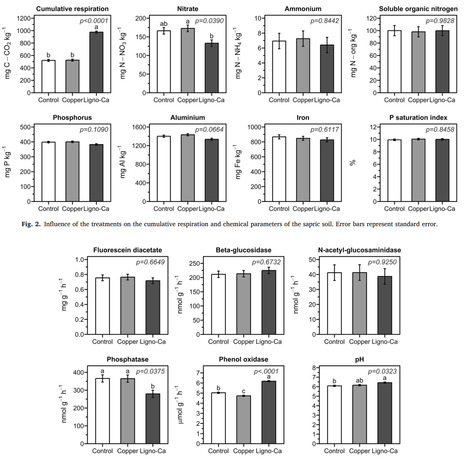
Drained agricultural peatlands are subject to degradation through decomposition, compaction, and erosion. This study aimed to (1) revisit an existing recommendation to systematically apply copper at a rate exceeding crop needs to slow the decomposition of agricultural peatlands, and (2) explore lignosulfonate, a polyphenol, as an alternative method to copper. Two peat soils with contrasting levels of humification (sapric and hemic) and differing Al and Fe contents were studied under controlled conditions. CO2 emissions cumulated in the two unamended soils differed importantly, representing 0.7 and 7.3 t C-CO2 ha−1 yr−1 (0–25 cm) in the sapric and hemic soil, respectively. In the sapric soil, copper did not affect CO2 emissions, N and P parameters, or the activity of most of the measured enzymes. In the same soil, lignosulfonate increased CO2 emissions and phenol oxidase activity, suggesting that the product acted as a microbial substrate. In the hemic soil, copper and lignosulfonate reduced cumulated CO2 emissions by 37 % and 61 %, respectively, as well as N parameters and phosphatase activity. The influence of both treatments on CO2 emissions was, however, temporary. This study suggests limited efficiency of copper and lignosulfonate when applied to soils where underlying mechanisms, such as organic matter recalcitrance and Al and Fe stabilization effect, already regulate decomposition rates. The divergent and temporary effects of copper found in this study and in the literature suggest that routine applications of copper at a rate exceeding crop needs is not consistently effective in slowing decomposition in agricultural peatlands. Lignosulfonate appears to be a promising alternative to copper. The inhibitory effect of polyphenol applications has been demonstrated in natural peatlands but, to our knowledge, this is the first time it has been reported for drained agricultural peatlands. Evaluating the influence of lignosulfonate on other drained agricultural peat soils and under field conditions is necessary to determine the potential of this approach.
|
|
Scooped by
ulcriv
October 22, 2023 10:27 AM
|
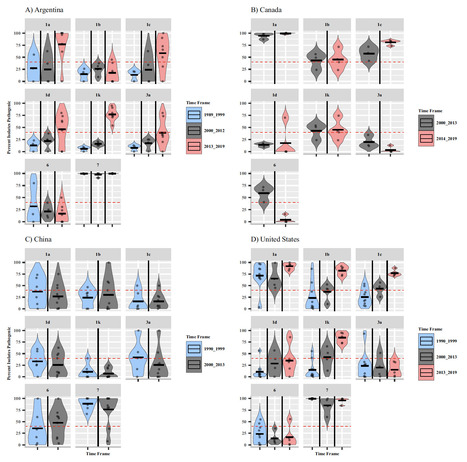
Plant disease resistance genes are widely used in agriculture to reduce disease outbreaks and epidemics and ensure global food security. In soybean, Rps (Resistance to Phytophthora sojae) genes are used to manage Phytophthora sojae, a major oomycete pathogen that causes Phytophthora stem and root rot (PRR) worldwide. This study aims to identify temporal changes in P. sojae pathotype complexity, diversity, and Rps gene efficacy. Pathotype data was collected from 5121 isolates of P. sojae, derived from 29 surveys conducted between 1990 and 2019 across the United States, Argentina, Canada, and China. This systematic review shows a loss of efficacy of specific Rps genes utilized for disease management and a significant increase in the pathotype diversity of isolates over time. This study finds that the most widely deployed Rps genes used to manage PRR globally, Rps1a, Rps1c and Rps1k, are no longer effective for PRR management in the United States, Argentina, and Canada. This systematic review emphasizes the need to widely introduce new sources of resistance to P. sojae, such as Rps3a, Rps6, or Rps11, into commercial cultivars to effectively manage PRR going forward. Rps genes are used to manage the major soybean pathogen Phytophthora sojae, which causes Phytophthora stem and root rot (PRR). Here, the authors show that widely used Rps genes are no longer effective for managing PRR in the United States, Canada and Argentina.
|
|
Scooped by
ulcriv
September 25, 2023 4:17 PM
|
Background Cultivated peatlands are widespread in temperate and boreal climate zones. For example, in Europe about 15% of the pristine peatland area have been lost through drainage for agricultural use. When drained, these organic soils are a significant source of greenhouse gas (GHG) emissions. To reach climate goals, the agricultural sector must reduce its GHG emissions, and one measure that has been discussed is changing land use from cropland to ley production or perennial green fallow. This management change leads to lower reported emissions, at least when using the IPCC default emission factors (EF) for croplands and grasslands on organic soils (IPCC 2014). However, there was a limited background dataset available for developing the EFs, and other variables than management affect the comparison of the land use options when the data originates from varying sites and years. Thus, the implications for future policies remain uncertain. This protocol describes the methodology to conduct a systematic review to answer the question of whether ley production or perennial green fallow can be suggested as a valid alternative to annual cropping to decrease GHG emissions on organic soils in temperate and boreal climate. Methods Publications will be searched in different databases and bibliographies of relevant review articles. The comprehensiveness of the search will be tested through a list of benchmark articles identified by the protocol development team. The screening will be performed at title and abstract level and at full text level, including repeatability tests. Eligible populations are organic agricultural soils in temperate and boreal climate regions. Interventions are grasslands without tillage for at least 3 years, and comparators are annual cropping systems within the same study as the intervention. The outcome must be gas fluxes of either carbon dioxide (CO2), nitrous oxide (N2O), or methane (CH4), or any combination of these gases. Studies will go through critical appraisal, checking for internal and external validity, and finally data extraction. If possible, a meta-analysis about the climate impact of perennial green fallow compared to annual cropping on organic soils will be performed.
|
|
Scooped by
ulcriv
September 25, 2023 4:08 PM
|
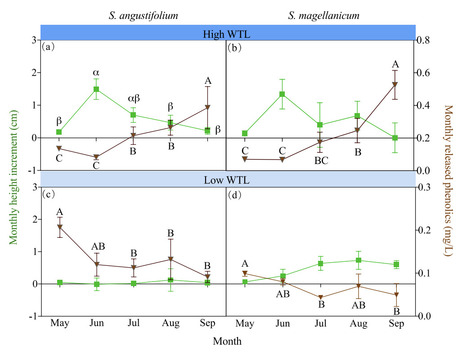
Monthly variation in accumulation and release of phenolics in bryophytes and their allelopathic effects are little known despite their ecological significance. We conducted a field transplant experiment, to investigate Sphagnum growth and extracellular enzymes that modulate phenolic contents and release along water table level (WTL) gradient. Specifically, we assessed monthly changes in height increment, phenolic release and allelopathic effect during the growing season, as well as extracellular enzymes at the end of the experiment, for the two Sphagnum species: S. angustifolium, a hollow dwelling species, and S. magellanicum, a hummock species. Both Sphagnum species showed season- and WTL-dependent height increment and released phenolics. Sphagnum angustifolium exhibited negative allelopathy regardless of WTL, while S. magellanicum demonstrated mainly positive allelopathy at high WTL and negative allelopathy at low WTL. The degree of allelopathy was not contingent on phenolic release, but phenolic production was negatively correlated with height growth of the two species at their atypical habitats. Moreover, phenoloxidase or peroxidase did not show high activity at low WTL compared to high WTL. Our findings demonstrate for the first time that the strength and direction of allelopathy in Sphagnum may vary depending on the growing precipitation and temperature, WTL and inter- and intraspecific trait variability. Longer-term experiments may further elucidate the seasonal dynamics and mechanism of Sphagnum allelopathy.
|
|
Scooped by
ulcriv
September 25, 2023 3:49 PM
|
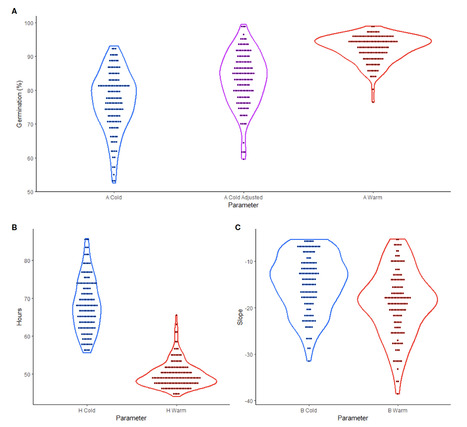
In Canada, the length of the frost-free season necessitates planting crops as early as possible to ensure that the plants have enough time to reach full maturity before they are harvested. Early planting carries inherent risks of cold water imbibition (specifically less than 4°C) affecting seed germination. A marker dataset developed for a previously identified Canadian soybean GWAS panel was leveraged to investigate the effect of cold water imbibition on germination. Seed from a panel of 137 soybean elite cultivars, grown in the field at Ottawa, ON, over three years, were placed on filter paper in petri dishes and allowed to imbibe water for 16 hours at either 4°C or 20°C prior to being transferred to a constant 20°C. Observations on seed germination, defined as the presence of a 1 cm radicle, were done from day two to seven. A three-parameter exponential rise to a maximum equation (3PERM) was fitted to estimate germination, time to the one-half maximum germination, and germination uniformity for each cultivar. Genotype-by-sequencing was used to identify SNPs in 137 soybean lines, and using genome-wide association studies (GWAS - rMVP R package, with GLM, MLM, and FarmCPU as methods), haplotype block analysis, and assumed linkage blocks of ±100 kbp, a threshold for significance was established using the qvalue package in R, and five significant SNPs were identified on chromosomes 1, 3, 4, 6, and 13 for maximum germination after cold water imbibition. Percent o
|
|
Scooped by
ulcriv
July 21, 2023 10:56 AM
|
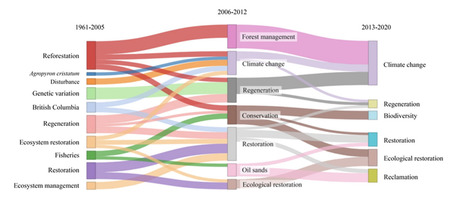
Much has been achieved by research into ecological restoration as a nature-based solution to the destruction of ecosystems, particularly in Canada. We conducted a national-level synthesis of Canadian restoration ecology research to understand strengths and gaps. This synthesis answers the following questions: Who is studying restoration? What ecosystem types are studied? Where is restoration studied? Which themes has restoration research focused on? Why is restoration happening? And how is restoration monitored and evaluated? We employed systematic searching for this review. Our results show that restoration research is conducted mainly by academics. Forest, peatland, grassland, and lake ecosystem types were the most commonly studied. There was a concentration of research in four provinces (Ontario, Quebec, Alberta, and British Columbia). Research into restoration has changed its thematic focus over time from reforestation to climate change. Legislation was the most common reason given for restoration. Restoration research frequently documented results of less than 5 years of monitoring and included one category of response variable (e.g., plant response but not animal response). Future research could investigate the outcomes of restoration prompted by legislation. At the dawn of the UN Decade on Ecosystem Restoration, this work demonstrates Canada's momentum and provides a model for synthesis in other countries.
|
|
|
Scooped by
ulcriv
November 11, 2024 3:20 PM
|
Earth harbours an extraordinary plant phenotypic diversity1 that is at risk from ongoing global changes2,3. However, it remains unknown how increasing aridity and livestock grazing pressure—two major drivers of global change4–6—shape the trait covariation that underlies plant phenotypic diversity1,7. Here we assessed how covariation among 20 chemical and morphological traits responds to aridity and grazing pressure within global drylands. Our analysis involved 133,769 trait measurements spanning 1,347 observations of 301 perennial plant species surveyed across 326 plots from 6 continents. Crossing an aridity threshold of approximately 0.7 (close to the transition between semi-arid and arid zones) led to an unexpected 88% increase in trait diversity. This threshold appeared in the presence of grazers, and moved toward lower aridity levels with increasing grazing pressure. Moreover, 57% of observed trait diversity occurred only in the most arid and grazed drylands, highlighting the phenotypic uniqueness of these extreme environments. Our work indicates that drylands act as a global reservoir of plant phenotypic diversity and challenge the pervasive view that harsh environmental conditions reduce plant trait diversity8–10. They also highlight that many alternative strategies may enable plants to cope with increases in environmental stress induced by climate change and land-use intensification. Analysis of 20 chemical and morphological plant traits at diverse sites across 6 continents shows that the transition from semi-arid to arid zones is associated with an unexpected 88% increase in trait diversity.
|
|
Scooped by
ulcriv
November 11, 2024 2:48 PM
|
The quality and sensory attributes of juices are influenced by their natural microbiota and the microorganisms found on filtration membranes. This study aimed to assess the influence of natural microbiota and specific contaminants, including Candida krusei, Rhodotorula mucilaginosa, Debaryomyces prosopidis, Ralstonia insidiosa, and Lactiplantibacillus paraplantarum, isolated from cranberry juice and its associated industrial filtration membranes, on the characteristics of cranberry juice. Their growth kinetics and impacts on total phenols, total anthocyanins, total proanthocyanins, total organic acids, pH, titratable acidity, and volatile compounds were assessed. During the 42 h fermentation period, Candida krusei and Ralstonia insidiosa exhibited significant growth, increasing by 1-log and 3-log, respectively. The natural microbiota led to a 7% and 6% reduction in anthocyanins and proanthocyanidins, while Candida krusei and Rhodotorula mucilaginosa caused losses of 10% and 7% in proanthocyanidins, respectively. Organic acid content remained stable, except for an 8% decrease caused by Ralstonia insidiosa. Volatile compounds underwent significant increases, particularly in green (703%), winey (100%), mushroom (306%), and fusel (2678%) notes. These findings underscore the rapid impact of microorganisms from natural microbiota and filtration membranes on cranberry juice characteristics, highlighting the importance for beverage industries to prioritize customer safety and satisfaction.
|
|
Scooped by
ulcriv
November 11, 2024 2:22 PM
|
Cannabis sativa exhibits notable phyllotactic transitions from opposite to alternate leaf arrangements, frequently coinciding with the shift from vegetative to reproductive growth. Yet, the regulatory mechanisms governing phyllotactic changes in cannabis remain understudied. This study thus seeks to investigate the transcriptomic changes that underpin this transition by comparing tissues from three nodes representing various stages of growth (i.e., nodes 6 and 11 displaying opposite phyllotaxy, and node 12 exhibiting alternate phyllotaxy). Among the 17,293 expressed genes detected, our analysis revealed that 6878 were differentially expressed genes (DEGs). Moreover, our analysis identified transcripts encoding a variety of transcription factors linked to either the holistic development of the shoot apical meristem (e.g., WRKY, bHLH, and MYB) or specific hormone signalling pathways (e.g., bZIP, TCP, MADS-box, AP2-ERE, and ARF). A total of 50 and 28 DEGs were identified and linked to the auxin and cytokinin pathways, respectively, recognized as the two most crucial phytohormones influencing phyllotaxis. Moreover, notable variations in gene expression patterns were evident in several genes (e.g., LAX, PIN, ARF, YUC, CLV3) known for their functional roles in phyllotaxy alterations in Arabidopsis. These genes exhibited distinct expression profiles during the transition from opposite to alternate arrangements in cannabis. Additionally, 1115 DEGs remained uncharacterized (unknown function) and might be novel genes involved in phyllotactic development. Generally, the results of this study offer novel insights into the mechanisms governing phyllotaxy pattern development, contributing to an enhanced understanding of how gene expression changes determine the phyllotaxy transition in cannabis.
|
|
Scooped by
ulcriv
November 8, 2024 11:47 AM
|
Aim Arctic plants survived the Pleistocene glaciations in unglaciated refugia. The number, ages, and locations of these refugia are often unclear. We use high-resolution genomic data from present-day and Little-Ice-Age populations of Arctic Bell-Heather to re-evaluate the biogeography of this species and determine whether it had multiple independent refugia or a single refugium in Beringia. Location Circumpolar Arctic and Coastal British Columbia (BC) alpine. Taxon Cassiope tetragona L., subspecies saximontana and tetragona, outgroup C. mertensiana (Ericaceae). Methods We built genotyping-by-sequencing (GBS) libraries using Cassiope tetragona tissue from 36 Arctic locations, including two ~250- to 500-year-old populations collected under glacial ice on Ellesmere Island, Canada. We assembled a de novo GBS reference to call variants. Population structure, genetic diversity and demography were inferred from PCA, ADMIXTURE, fastsimcoal2, SplitsTree, and several population genomics statistics. Results Population structure analyses identified 4–5 clusters that align with geographic locations. Nucleotide diversity was highest in Beringia and decreased eastwards across Canada. Demographic coalescent analyses dated the following splits with Alaska: BC subspecies saximontana (5 mya), Russia (~1.4 mya), Europe (>200–600 kya), and Greenland (~60 kya). Northern Canada populations appear to have formed during the current interglacial (7–9 kya). Admixture analyses show genetic variants from Alaska appear more frequently in present-day than historic plants on Ellesmere Island. Conclusions Population and demographic analyses support BC, Alaska, Russia, Europe and Greenland as all having had independent Pleistocene refugia. Northern Canadian populations appear to be founded during the current interglacial with genetic contributions from Alaska, Europe and Greenland. We found evidence, on Ellesmere Island, for continued recent gene flow in the last 250–500 years. These results suggest that a re-analysis of other Arctic species with shallow population structure using higher resolution genomic markers and demographic analyses may help reveal deeper structure and other circumpolar glacial refugia.
|
|
Scooped by
ulcriv
May 3, 2024 5:11 PM
|
Land conversion and intensive vegetation management are major drivers of shifts in insect communities, including economically valuable species. We evaluated the impact of lawns and meadows across agricultural, residential, and industrial landscapes in structuring bees, wasps, and flower flies communities. We carried out plant and insect inventories on 18 lawns and 18 meadows distributed evenly among agricultural, residential, and industrial landscapes within the Greater Quebec City region (Quebec, Canada). Insect sampling was conducted five times using bowl traps and entomological nets, from June to September 2020. Results indicate taxon-specific responses to landscape matrix and site maintenance. Agricultural landscapes negatively influenced bee abundance compared to urban areas, while the opposite trend was observed for flower flies. Wasp abundance and richness were negatively influenced by both agricultural and industrial matrices compared to residential landscapes. Regarding site maintenance, bees and wasps were 3 and 12 times more abundant and 2 and 6 times more species-rich, respectively, in meadows than in lawns as per the data aggregated across the sampling date. Flower fly abundance was higher in meadows than in lawns for agricultural and residential landscapes only, while richness was consistently higher (2 times greater) in meadows compared to lawns. Some species of the sweat bee genus Lasioglossum and the flower fly margined calligrapher (Toxomerus marginatus) were dominant in lawns, while meadows hosted a more balanced community among genera and supported pollinators with wide-ranging resource requirements. Our results suggest that conservation actions should consider both landscape and local management to conserve central-place foragers, such as bees and wasps, and for structuring flower fly species composition.
|
|
Scooped by
ulcriv
January 24, 2024 3:32 PM
|
The reported study was motivated by the necessity to select 30 soybean lines from a total of 137 for a sophisticated 3-D phenotyping analysis of the Root System Architecture (RSA), which would not allow that all the lines be included and replicated. A representative subset of size 30 was found after performing four cluster analyses and comparing the results of two more particularly. These two cluster analyses are based on the data for 12 RSA-related traits previously collected in 2D on three replicates of the 137 soybean lines and the first six principal components representing 95% of the total dispersion after data standardization in a preliminary Principal Component Analysis (PCA). The two cluster analysis procedures provided 16 soybean lines that were the closest to the centroid of their respective cluster in both cases. Fourteen more were found to be common and at a distance from the centroid below a pre-set threshold value without being the closest. The final selection of 30 excludes two soybean lines that were the second member selected from their cluster, and includes instead two soybean lines that are the closest and second closest to their respective centroid in the cluster analysis after PCA on standardized data, but are not well represented in the other cluster analysis. In conclusion, the 93.3% overlap between the two sets of results shows a robust clustering structure in RSA 2-D phenotyping in soybean. Our statistical approaches and procedures can be followed and applied in other biological frameworks than plant phenotyping.
|
|
Scooped by
ulcriv
January 24, 2024 2:04 PM
|
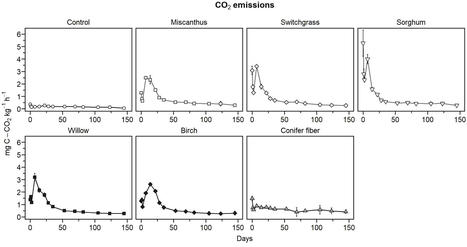
Repeated applications of straw and wood chips were recently proposed as a conservation strategy for preserving cultivated peatland carbon (C) stock. However, the variability in the amendment biostability and the possible divergent responses of contrasting peat soils need to be assessed. This study investigated the effect of amendment with different plant materials on carbon dioxide (CO2) emissions from two contrasting peat soils (sapric and hemic) in two laboratory experiments. The sapric soil received one application of plant materials and was incubated for 3190 degree-days (145 days at 22°C), while the hemic soil received three successive applications of plant materials and was incubated for three successive periods of 3150 degree-days (126 days at 25°C). CO2 emissions were measured at time intervals ranging from 2 to 14 days and the apparent proportion of the plant material’s C remaining in the soil was modeled using an exponential decay function. CO2 emissions from the 0-25 cm horizon of the unamended peats represented 0.7 t C-CO2 ha-1 yr-1 in the sapric soil and 7.3, 1.1, and 0.5 t C-CO2 ha-1 yr-1 in the hemic soil for the first, second, and third amendment periods, respectively. The apparent remaining C of the plant material varied from 52% to 81% in the two experiments, resulting in biomass requirements ranging from 2 to 32 t ha-1. The apparent remaining C was from 26% to 36% higher in the sapric soil than in the hemic soil. The apparent remaining C was also 9% to 38% higher for the treated softwoods than the untreated materials (straws: miscanthus, switchgrass, sorghum; wood chips: willow, birch). The repeated application of straw and wood chips increased CO2 emissions in the first 35 days following each application, resulting in an increased decomposition rate for the tested model. However, no change was detected for the final apparent remaining C across the three applications. These findings highlight the importance of considering soil properties, material types, and the impact of repeated applications for designing effective amendment programs and accurate C projection models for cultivated peatlands.
|
|
Scooped by
ulcriv
October 22, 2023 10:47 AM
|
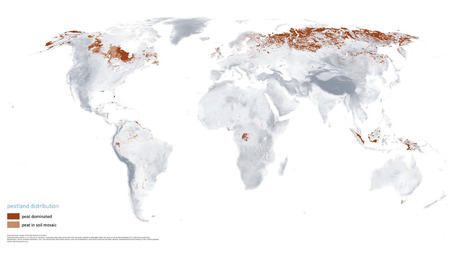
Peatlands cover only 3–4% of the Earth’s surface, but they store nearly 30% of global soil carbon stock. This significant carbon store is under threat as peatlands continue to be degraded at alarming rates around the world. It has prompted countries worldwide to establish regulations to conserve and reduce emissions from this carbon rich ecosystem. For example, the EU has implemented new rules that mandate sustainable management of peatlands, critical to reaching the goal of carbon neutrality by 2050. However, a lack of information on the extent and condition of peatlands has hindered the development of national policies and restoration efforts. This paper reviews the current state of knowledge on mapping and monitoring peatlands from field sites to the globe and identifies areas where further research is needed. It presents an overview of the different methodologies used to map peatlands in nine countries, which vary in definition of peat soil and peatland, mapping coverage, and mapping detail. Whereas mapping peatlands across the world with only one approach is hardly possible, the paper highlights the need for more consistent approaches within regions having comparable peatland types and climates to inform their protection and urgent restoration. The review further summarises various approaches used for monitoring peatland conditions and functions. These include monitoring at the plot scale for degree of humification and stoichiometric ratio, and proximal sensing such as gamma radiometrics and electromagnetic induction at the field to landscape scale for mapping peat thickness and identifying hotspots for greenhouse gas (GHG) emissions. Remote sensing techniques with passive and active sensors at regional to national scale can help in monitoring subsidence rate, water table, peat moisture, landslides, and GHG emissions. Although the use of water table depth as a proxy for interannual GHG emissions from peatlands has been well established, there is no single remote sensing method or data product yet that has been verified beyond local or regional scales. Broader land-use change and fire monitoring at a global scale may further assist national GHG inventory reporting. Monitoring of peatland conditions to evaluate the success of individual restoration schemes still requires field work to assess local proxies combined with remote sensing and modeling. Long-term monitoring is necessary to draw valid conclusions on revegetation outcomes and associated GHG emissions in rewetted peatlands, as their dynamics are not fully understood at the site level. Monitoring vegetation development and hydrology of restored peatlands is needed as a proxy to assess the return of water and changes in nutrient cycling and biodiversity.
|
|
Scooped by
ulcriv
October 22, 2023 10:24 AM
|
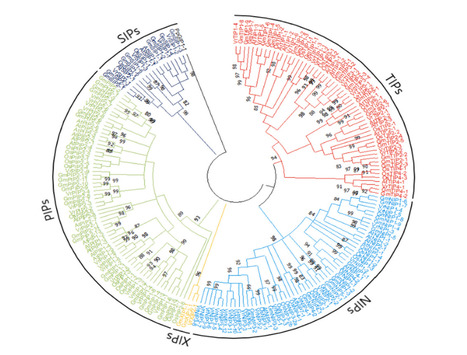
Nodulin 26-like intrinsic protein (NIP) subfamily of aquaporins (AQPs) in plants, is known to be involved in the uptake of metalloids including boron, germanium (Ge), arsenic (As), and silicon (Si). In the present study, a thorough evaluation of 55 AQPs found in the mungbean genome, including phylogenetic distribution, sequence homology, expression profiling, and structural characterization, contributed to the identification of VrNIP2-1 as a metalloid transporter. The pore-morphology of VrNIP2-1 was studied using molecular dynamics simulation. Interestingly, VrNIP2-1 was found to harbor an aromatic/arginine (ar/R) selectivity filter formed with ASGR amino acids instead of GSGR systematically reported in metalloid transporters (NIP2s) in higher plants. Evaluation of diverse cultivars showed a high level of Si accumulation in leaves indicating functional Si transport in mungbean. In addition, heterologous expression of VrNIP2-1 in yeast revealed As(III) and GeO2 transport activity. Similarly, VrNIP2-1 expression in Xenopus oocytes confirmed its Si transport ability. The metalloid transport activity with unique structural features will be helpful to better understand the solute specificity of NIP2s in mungbean and related pulses. The information provided here will also serve as a basis to improve Si uptake while restricting hazardous metalloids like As in plants.
|
|
Scooped by
ulcriv
September 25, 2023 4:12 PM
|
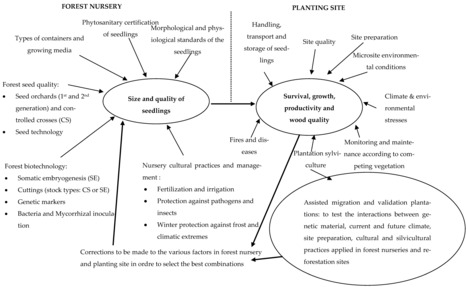
Although the evolution of principles, procedures, and predictive abilities related to seedling quality throughout the plant production chain (i.e., from seeds to sustainable plantations) has been reviewed over the past decades in various technical and scientific publications, there is still a need to develop and integrate new and efficient practices in forest nurseries and at planting sites, in order to improve the morphophysiological quality of seedlings and saplings, and their survival and growth under different site and environmental conditions in the context of climate change. We have grouped together different scientific articles in this Special Issue of Forests, entitled “Production in Forest Nurseries and Field Performance of Seedlings”. They cover different topics relating to the seedling production chain in different countries and continents, from growing media to planting performance related to reforestation, restoration, and agroforestry programs.
|
|
Scooped by
ulcriv
September 25, 2023 4:03 PM
|
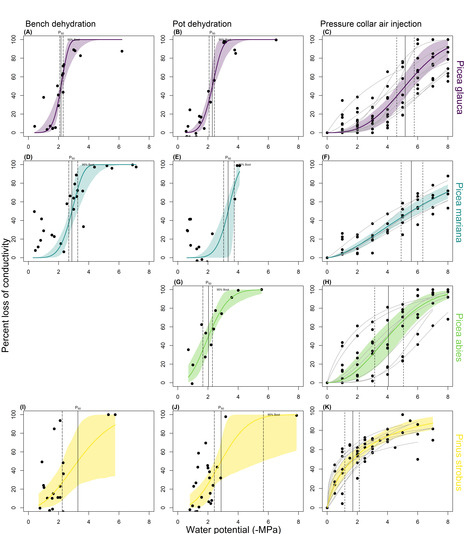
Vulnerability curves to cavitation (VC) and their derived parameters, such as P50, are increasingly used and reported to assess forest vulnerability to drought and predict forest responses to climate change. Forest practitioners and policy-makers are encouraged to rely on these parameters to support species selection based on their sensitivity to drought. However, in the majority of studies, we consider that the variability of VC parameters is not clearly reported nor considered, which can lead to counterproductive decisions. In this opinion paper, we demonstrate the importance of precisely reporting the variability around VC parameters and the sources of this variability (plant materials, methods, etc.). We also identify the information that should be provided when reporting mean values of VC parameters. To support our argument, we built VCs for three Picea species and Pinus strobus, using different methods, and compared the value of P50 determined in our experiments with values from a literature review.
|
|
Scooped by
ulcriv
July 21, 2023 11:34 AM
|
In the Anthropocene it is widely recognized that we need to embrace the concept of sustainable transitions. Strangely, ecological restoration is entirely decoupled from the concept of sustainability transitions. We argue that alongside radical changes in socio-technical systems that define sustainability transitions there will also be a need to conduct extensive ecological restoration. Indeed, that would in and of itself represent a major transition – normalizing ecological restoration where ecosystems that are degraded are restored. We are considering actions needed to have ecological restoration become a part of the radical change that defines sustainability transitions including: Learn and refine as we do restoration; Embrace bold and creative ideas; Adopt a design and systems-thinking approach; View restoration as a complement than a safety net; Work with nature; Create opportunities for massive engagement; Bridge science and practice; Ensure that restoration is equitable and just; Insert restoration into social-technical systems; Invest in restoration and sustainability transitions. Sustainability transitions alone have the potential to limit further ecosystem degradation but will not repair the planet. Similarly, focusing solely on restoration is a losing battle without changing societal relationships with the environment. We conclude that restoration of ecosystems can be done in tandem with sustainability transitions to attain greater and prolonged benefit to achieve a good Anthropocene for the planet and its peoples.
|