Your new post is loading...

|
Scooped by
ulcriv
October 8, 5:56 PM
|
CONTEXT Conventional livestock farming is often criticized for its heavy resource use and contribution to global warming. Greenhouse gas (GHG) emissions, nutrient cycle disruption, and water pollution caused by livestock, feed production, and the decomposition of manure are the main targets of this criticism. Alternative ways of raising animals have gained popularity in certain rich countries, stimulated by societal demands for better animal welfare. These demands are partially met by farmers relying on pasture and short supply chain marketing. Operating at a smaller scale, these farmers sometimes decide to raise multiple animal species, but GHG and nutrient balance calculations are scarce for these kinds of farms. OBJECTIVE The objective of this study was to quantify the GHG emissions and nitrogen (N) flows of different scenarios of multispecies pastured livestock production. METHODS We used specialized software to model and estimate the GHG emissions and N flows of three different production scenarios based on patterns identified on alternative livestock farms in Québec, Canada. RESULTS AND CONCLUSIONS Results show that input-intensive farms with high stocking rates and higher proportions of monogastric animals (the Intensive scenario) report the highest N surpluses. Farms growing crops alongside their animal herds (the Thrifty scenario) are able to cycle most of the N flowing through their farm by fertilizing their crops with manure. In cases of N deficiency, growing N-fixing crops increases N surpluses without causing surpluses in other nutrients such as phosphorus. Farms closer to a pastured suckler beef model (the Extensive scenario) have lower stocking rates, causing lower N surpluses but very high GHG emissions due to enteric methane production. On a species-by-species basis, all three modeled scenarios emitted more GHG per unit of edible protein produced than their specialized counterparts. The only exception is the farm replacing part of its pig feed with food waste, a practice which significantly reduces GHG emissions but does not reduce nutrient inputs. SIGNIFICANCE Raising heritage breeds and relying on pasture for monogastric animals, while maintaining important genetic diversity material, local environment adaptation traits, and allowing for a better expression of natural animal behaviour, increases GHG emissions per unit of protein produced by requiring more feed to raise animals. Our results suggest incremental improvements in alternative livestock systems are insufficient to solve the environmental issues posed by the livestock sector if similar rates of consumption are maintained.
|
|
Scooped by
ulcriv
September 4, 4:56 PM
|
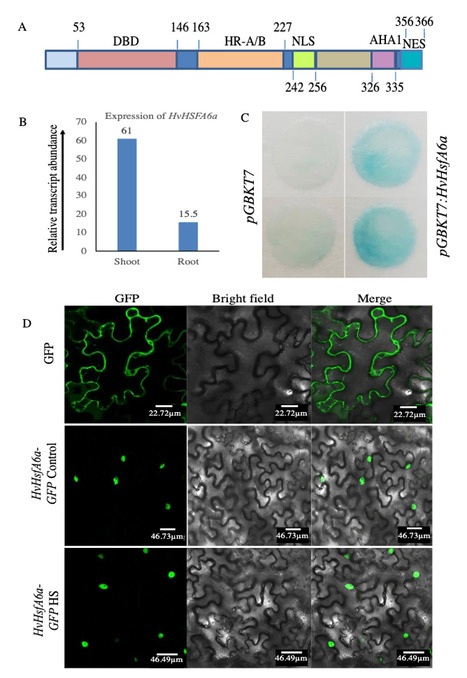
Global climate change has adverse impacts on crop production. Plants have an innate mechanism to combat the ill effects of temperature alterations. Heat shock factors (HSFs) are crucial transcription factors involved in developmental processes and various heat stress-associated rescue mechanisms. Here, we functionally characterize a highly heat stress-responsive HvHsfA6a in barley by developing constitutively overexpressing transgenic lines. The transgenic lines show a heat-tolerant phenotype via improved photosynthesis, antioxidants, and upregulation of HSPs and metabolites involved in stress amelioration. Global transcriptomics and ChIP sequencing revealed that HvHsfA6a orchestrates the expression of several genes through direct binding with other HSFs containing consensus HSE in their promoter regions. A GC-MS-based metabolomics analysis also revealed alterations in key metabolic processes such as carbohydrate metabolism, citric acid cycle, amino acids, and secondary metabolism. Higher accumulation of key metabolites such as sucrose, galactinol, shikimate, and ascorbate has been observed under both control and heat stress in transgenic lines as compared with wild-type plants. Moreover, higher jasmonic acid accumulation in transgenic lines also aids in enhancing thermotolerance. Overall, the results suggest that overexpression of HvHsfA6a primes the plants for heat stress conditions by alteration in gene expression and metabolic status.
|
|
Scooped by
ulcriv
September 4, 4:40 PM
|
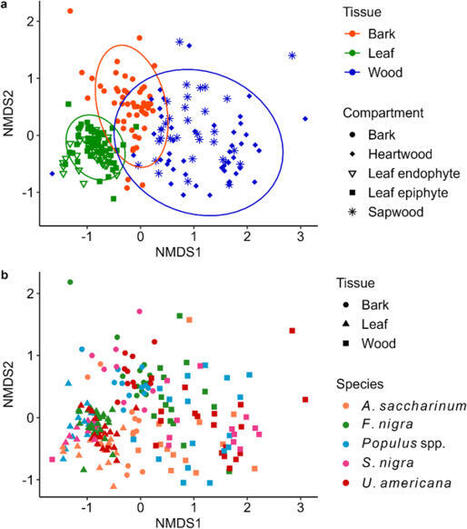
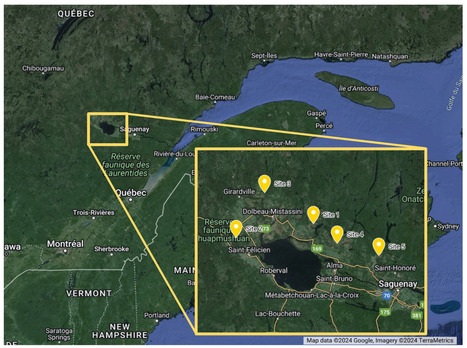
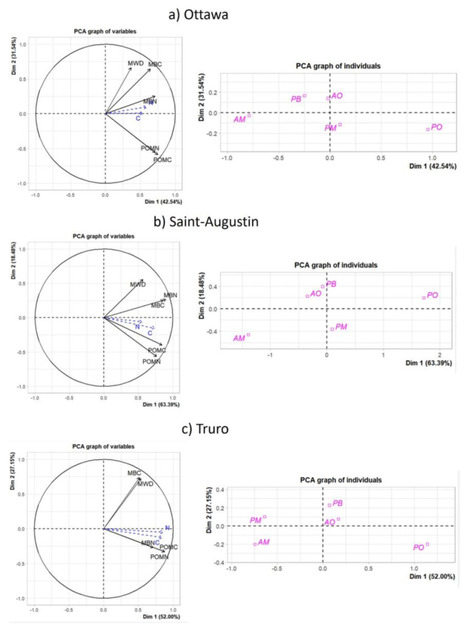
Methanogenic and methane-oxidizing communities (i.e., the microbial communities involved in methane production and consumption) of the tree phyllosphere remain uncharacterized for most tree species despite increasing evidence of their role in regulating tree methane fluxes. Using 16S rRNA gene sequencing, we studied the methanogenic and methane-oxidizing communities of leaves, wood, and bark of five tree species (Acer saccharinum, Fraxinus nigra, Ulmus americana, Salix nigra, and Populus spp.) growing in the floodplain of Lake St-Pierre (Québec) and assessed their relationships with plant traits. Methane-cycling communities differed primarily between tree tissues (leaf, wood, and bark) but also between tree species according to different traits (e.g., leaf, heartwood and bark pH, leaf humidity). Methanogens were prevalent in wood, while methane-oxidizing taxa were found at higher proportions in leaves and bark. Tissue pH was a particularly important trait modulating methane-cycling community composition and the relative abundance of methanogens and methane-oxidizing taxa in the different phyllosphere compartments. Overall, our study shows that methanogens and methane-oxidizing taxa are prevalent in the phyllosphere of several tree species, suggesting a potential widespread role in the regulation of tree methane fluxes. Better understanding these microbial communities and their drivers can help assess their potential contribution to methane-flux regulation.
|
|
Scooped by
ulcriv
August 20, 11:25 AM
|
Tillage-induced soil inversion and buried residues are often overlooked in agroecosystem models, particularly when combined with manure applications. This may lead models to overestimate soil organic carbon (SOC) losses from moldboard plowing, biasing carbon accounting relative to other tillage practices. This study improved the DeNitrification DeComposition (DNDC) model to better represent moldboard and chisel plowing, with and without, manure on SOC dynamics at depth. DNDC was enhanced by incorporating soil inversion under moldboard plowing and allocating residues to deeper layers where decomposition slows. Field studies included a barley monoculture and barley-perennial forage rotation on silty clay soil at Normandin, Quebec, and a corn-soybean-wheat rotation on a sandy loam soil at Université Laval, Quebec. At Normandin DNDC reasonably simulated barley grain and residue yields (NRMSE 18.4–47.4%) but had difficulties with interannual forage variability, likely due to winter-kill. Simulated SOC aligned with observations across fertilizer and tillage treatments (NRMSE 2.8–14.8%). DNDC captured observed trends, with manure plus barley‑forage increasing SOC at deeper depths under moldboard plowing, while chisel plowing retained more SOC near the surface. At Université Laval, DNDC effectively simulated yields (NRMSE 8.3–27.1%) and crop residues (NRMSE 8.8–29.6%), and captured surface SOC differences among treatments, with minimum tillage increasing surface SOC and moldboard plowing increasing total SOC through residue burial. DNDC showed limited sensitivity to management in deeper layers, reflecting limitations in simulating dissolved organic carbon transport. Overall, findings emphasized the importance of explicitly modelling residue burial and soil inversion as models increasingly support regional assessments and carbon credit programs.
|
|
Scooped by
ulcriv
August 20, 10:25 AM
|
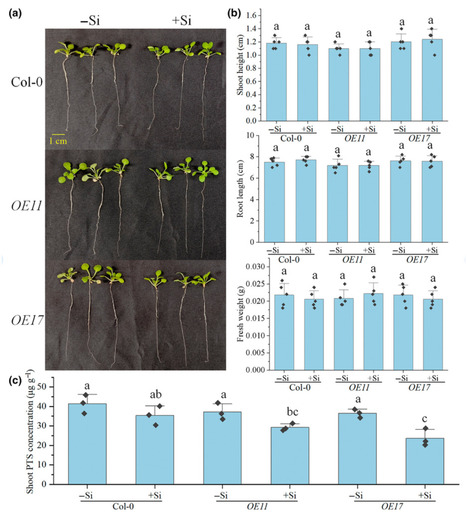
- Silicon (Si) forms a defensive barrier in roots of Si-accumulators such as rice, blocking the absorption of toxic metals and salt, but many dicotyledons do not accumulate Si, limiting the Si application in agriculture. This may be related to differences in their cell walls: mixed-linkage glucan (MLG) exists in cell walls of monocotyledons but is absent in dicotyledons.
- In vivo and in vitro experiments, material characterization, and genetic modification approaches were employed to investigate the structural roles of MLG in root Si barriers and its effects on plant stress resistance.
- Both the roots of Si transporter Lsi2 (low silicon rice 2) defective rice mutants and dead rice continued to accumulate Si, showing root Si deposition is controlled by cell wall components, but not transporters. MLG-induced Si polymerization in vitro and CslF6 (encoding an MLG synthase) controlled root MLG and Si concentrations. Overexpression of rice CslF6 in Arabidopsis, an Si non-accumulator, enabled them to form Si barriers, enhancing resistance to cadmium, chromium, and salt stress.
- These findings suggest that MLG serves as a structural basis for root Si barriers and that genetic modification combined with Si supply is a promising strategy to endow Si non-accumulators with Si-mediated stress resistance.
|
|
Scooped by
ulcriv
August 18, 2:52 PM
|
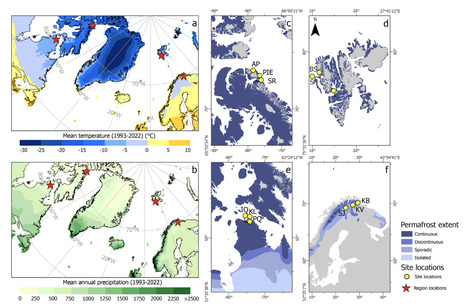
The fate of carbon stored in Arctic peatlands remains uncertain because of the complex nature of the effects of climate changeon permafrost and peatland carbon cycling. Expansion and/or shrinkage of Arctic peatlands under climate change also remainunknown due to lack of ground data and difficulties detecting changes in the extent of these ecosystems, meaning that land sur-face model predictions currently inadequately quantify Arctic terrestrial carbon storage changes. Pan-Arctic shifts in peatlandextent would profoundly change the fate of carbon in the terrestrial Arctic. Here, we tackle this knowledge gap by answeringthree main questions: (a) has lateral expansion occurred in Arctic peatlands as a response to recent warming? (b) if so, how fasthas this occurred? (c) how does the response vary regionally? To answer these, we collected a dataset (12 peatland sites, 91 peatcores) combining peat cores collected across two latitudinal (north–south) transects: one in the European Arctic and one in theCanadian Arctic. In each region, we selected three peatland sites, with cores collected from transects spanning the peat- edge tothe peat-centre. Our large-scale dataset shows that peatlands have expanded, often rapidly, with some rates exceeding ~1 m peryear since 1950 AD. This rapid expansion has occurred during a period of widespread Arctic warming and is still ongoing: twothirds (8/12) of our peatland sites evidence new peat formation after ~1990 AD based on age-depth models constrained by 14C and210Pb dating. Given that our sites comprise a broad range of Arctic conditions, we expect peatland expansion to be a pan-Arcticphenomenon. Within specific regions, there are constraints on peat expansion including topographical limits, but we presentthe basis for future work to estimate pan-Arctic peatland expansion, plus the associated carbon cycle implications under futureclimate change.
|
|
Scooped by
ulcriv
July 28, 11:44 AM
|
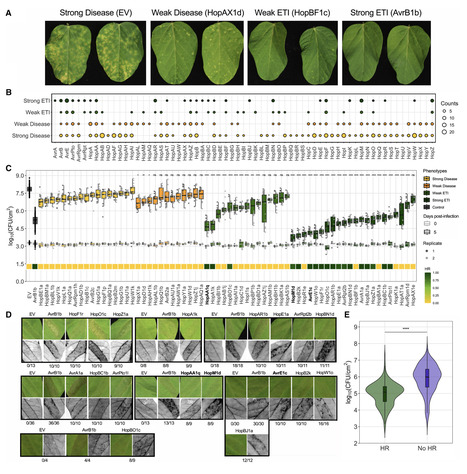
Soybean (Glycine max (L.) Merr.) is one of the most economically important crops in the world, but every year, pathogens cause billions of dollars’ worth of losses worldwide. The domestication of this critical crop was associated with several severe genetic bottlenecks that resulted in a dramatic loss of genetic diversity (∼50%) relative to its wild progenitor. Although domestication selected for favorable agricultural traits, it is unclear how the reduced genetic diversity affected the immunity landscape of cultivated soybean relative to its wild ancestors. We performed a comprehensive screen for effector-triggered immune (ETI) responses of both cultivated soybean (Glycine max) and wild soybean (Glycine soja) against the bacterial speck pathogen Pseudomonas syringae. We uncovered an extensive ETI landscape in both species, with 121/529 alleles (22.9%) from 32/65 effector families (49.2%) eliciting ETI in G. max and 125/529 alleles (23.6%) from 23/65 effector families (35.4%) eliciting ETI in G. soja. Interestingly, soybean recognized all three effectors encoded in the conserved effector locus (CEL) of P. syringae (AvrE, HopM, and HopAA), providing pervasive and stacked resistance against this common soybean pathogen. Finally, we demonstrate that pretreatment of soybean with the CEL effectors can immunize soybean against subsequent infection. Overall, we have defined the ETI landscape of soybean against P. syringae and demonstrated that domestication has not compromised soybean immunodiversity despite a dramatic loss in genetic diversity.
|
|
Scooped by
ulcriv
February 16, 5:33 PM
|
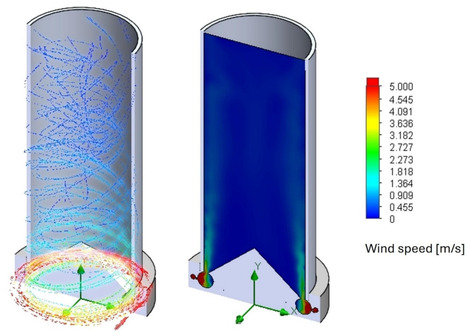
Organic soils are often used to cultivate high-value field vegetables because of their high organic matter content and fertility. However, these productive soils are subject to many degradation processes that jeopardize their sustainability. In southern Quebec, wind erosion alone has been shown to provoke losses of peat depth ranging from 1 to 4 cm every year. Organic soils are known to be very erodible when compared to mineral soils, partly due to their low density and lack of structure. Understanding the physical erosive mechanisms is important as the degradation of cultivated histosols is a major concern worldwide. The physical mechanisms of wind erosion are well documented in general, with saltation, creep and suspension being the main processes. Yet, recent field works over cultivated peatlands in southern Quebec revealed the presence of high concentrations of aerosols above the surface even under quiescent wind conditions. Since the traditional wind erosion models could not explain this phenomenon, this study aims to explore potential explanations of such observations. The role of electrical charges was considered in this paper as a potential dust-lifting force. We introduce a series of laboratory experiments performed on organic soil samples that revealed a significant increase in suspended organic soil particles (i.e., soil losses) through the presence of electrical charges. This could explain the presence of aerosols observed above organic soil fields, which highlights the necessity to further investigate the role of electrical charges in wind erosion processes of organic soils.
|
|
Scooped by
ulcriv
February 16, 5:08 PM
|
Lowbush blueberry (Vaccinium angustifolium Ait.) production has the highest export value among all fruit crops in Canada. As blueberry flowers require insect pollination, blueberry farms rely on commercial pollinators to ensure productivity of their fields. Our study aimed to assess the impact of commercial pollinator density and diversity on lowbush blueberry yield using historical data, from 2015 to 2021, across various production contexts. The analysis included 178 blueberry fields, representing approximately 3,000 ha and 11% of Québec’s total crop production area. Data on field size, berry yield, commercial pollinator density/diversity (honey bees; Apis mellifera L. [Hymenoptera: Apidae]), bumble bees; Bombus impatiens Cresson [Hymenoptera: Apidae], and alfalfa leafcutter bees; Megachile rotundata Fabr. [Hymenoptera: Megachilidae]), establishment year, and management system were collected for each field. Additionally, we examined data on honey bee hive strength, landscape structure, and meteorological factors influencing yield. Results showed significant yield increase at certain densities of honey bee hives and frames, bumble bee hives and alfalfa leafcutter bee gallons. The diversity of commercial pollinators used in the fields also increased crop yield. Other key factors influencing lowbush blueberry yield included the year, snow cover during winter, field age, and frost events during pollination. This study clarifies the relationship between commercial pollinators and lowbush blueberry productivity while accounting for several other agroeconomic variables, and demonstrates that increasing managed pollinator density and diversity lead to higher yields for lowbush blueberry growers.
|
|
Scooped by
ulcriv
January 27, 5:27 PM
|
The armyworm, Mythimna unipuncta (Haworth), is a seasonal migrant that travels every spring from the United States towards northern breeding areas, such as Quebec (Canada), to avoid hot summer temperatures. Because of climate change, it could arrive earlier in the province, and the temperatures encountered upon arrival could increasingly vary, possibly influencing the female’s reproductive traits. To explore the influence of temperatures on the reproduction and fecundity of M. unipuncta, we investigated the correlation between the number of eggs in egg clusters and their mass (g). Next, sexually mature couples were formed and subjected to constant temperatures of 10, 17, or 25 °C in growth chambers. We evaluated the lifetime fecundity, daily fecundity, delay between couple formation and egg laying, oviposition period (number of days between the first and last days of oviposition), number of oviposition days inside the oviposition period, mating percentage, and lifetime mating frequency. Our results showed that high temperature (25 °C) reduced egg size. Although temperature did not influence the lifetime fecundity of M. unipuncta, high temperature negatively influenced the couples’ mating percentage and frequency. The 25 °C treatment also shortened the females’ oviposition period. Together, our findings suggest that high temperatures would be more detrimental to the reproductive parameters of M. unipuncta than cooler temperatures. Results are discussed in a context of climate change.
|
|
Scooped by
ulcriv
January 26, 5:24 PM
|
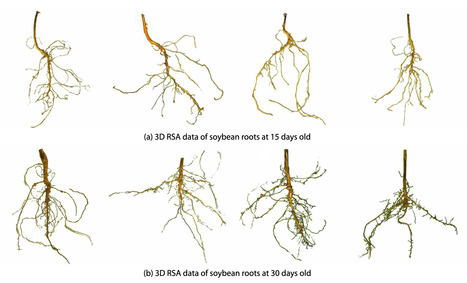
Characterizing root system architecture (RSA) is essential for understanding plant acclimatization and guidingbreeding strategies to enhance stress tolerance and optimize resource uptake. Although 3D root analysisprovides significantly more detailed and structurally informative insights than conventional 2D methods, thedevelopment of robust and quantitative tools for 3D root phenotyping has been hindered by challenges suchas data complexity, noise, and root overlap. In this study, we present a biologically inspired skeletonizationframework that segments root architectures by tracing root growth trajectories. The primary objective is toenable anatomically accurate extraction of RSA traits from 3D point clouds. Our method begins by segmentingthe primary root through shortest-path extraction and tangent-plane-based clustering. Lateral root initiationpoints are then detected, and candidate paths are grown using a bionic pathfinding strategy with adaptiveparameters; an optimal, non-overlapping skeleton is selected through clustering and combination sorting, andfinally refined via an inward back-tracing procedure to improve junction connectivity. To support downstreamphenotyping, we compute root length and angle from the segmented skeletons, and reconstruct anatomicallyfaithful tubular meshes for each lateral root to analytically estimate surface area and volume. Our methodachieved high accuracy across multiple traits, including an 𝐹1 score of 0.88 for lateral root numeration, 𝑅2values of 0.992 and 0.987 for primary and lateral root length estimation, respectively, and strong agreement insurface area (𝑅2 = 0.953) and volume (𝑅2 = 0.912) validation against reference methods. Overall, our methodoffers a robust and biologically meaningful solution for 3D root phenotyping. The extracted traits provide plantbreeders with critical insights for genotype selection and offer plant scientists a powerful tool to evaluate theeffects of agronomic treatments and environmental interventions.
|
|
Scooped by
ulcriv
January 26, 5:07 PM
|
Soil structure is a key factor influencing numerous processes in soil which is not commonly measured but can be assessed in the field using different manual/visual methods. The aim of this work was to develop a visual method based on standardized pedomorphological descriptors which offer a better framework than soil attributes used in the popular VESS technique and to validate its use under Quebec agricultural conditions. The Soil Structure Assessment using Pedomorphological Descriptors (SSAPD) method was developed using data collected from a large-scale soil health inventory and a panel of soil experts to assign rates and weights to pedomorphological descriptors and to calculate a score. The scores produced by SSAPD showed a good relationship with VESS. SSAPD was also able to discriminate between cultivated and control soils with better soil physical condition. Pearson’s correlations were generally weak across all textural groups and horizons; however, a few moderate correlations were observed with expected trends in the Ap horizon. Generalized additive mixed model (GAMM) were used to analyze the relationship between SSAPD and soil properties. The fitted models revealed non-linear relationships between SSAPD and most of the analyzed soil properties across different textural groups specially for clayey and loamy soils. SSAPD’s scoring methodology, based on pedological descriptors and a system of ratings and weights, offers broad potential for calibration and fine-tuning across various parent materials, soil textures, and depths.
|
|
Scooped by
ulcriv
January 26, 4:29 PM
|
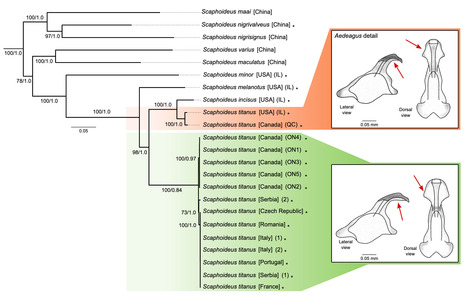
The genus Scaphoideus is one of the most diverse groups in Deltocephalinae with significant pest species, including the American grapevine leafhopper Scaphoideus titanus Ball, the vector of Flavescence dorée phytoplasma in European grapevines. Despite the diversity and the agricultural importance of these species, limited information regarding the phylogenetic relationships of Scaphoideus species is available. Furthermore, although S. titanus is one of the most important pest of grapevine in Europe, details on its intraspecific genetic variation are limited to only a few studies based on single mitochondrial markers. By sequencing the complete mitochondrial genomes of S. incisus Osborn, S. melanotus Osborn, S. minor Osborn, S. nigrisignus Li, and S. titanus, we examined the phylogenetic relationships among these species. We specifically investigated the genetic differences between S. titanus populations from North America and Europe to reveal new insights on the invasion history of this species in Europe. Based on our dataset, two distinct genetic clades of S. titanus with more than 10% pairwise genetic distance were identified in the native range: one comprising Midwestern USA and Quebec, Canada and a second one with individuals from Ontario, Canada. Morphological analysis of the aedeagus showed differences between the two clades, suggesting that they should be considered as different species. Invasive European populations share high mitochondrial similarity with those from Ontario, supporting the hypothesis that the invasion originated from this region. Our data reveal new insights into the invasion history of this important pest species and highlight the need for a taxonomic revision of the S. titanus species complex.
|
|
|
Scooped by
ulcriv
October 8, 5:49 PM
|
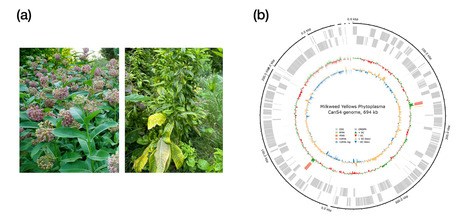
GroE is a chaperonin folding system consisting of GroEL (Cpn60, a 60 kDa chaperonin), and the smaller co-chaperonin GroES (Cpn10). Many ‘client’ proteins require GroE to fold properly, including several that are essential for cell viability. GroE is found in nearly all bacteria and eukaryotes. Mollicutes are the only micro-organisms that lack GroE in almost all cases. Only two clades of Mollicutes have retained the ancestral GroE system, or perhaps reacquired one; these exceptions include the family Acholeplasmataceae, consisting of the genera Acholeplasma and ‘Candidatus Phytoplasma’. The role of GroEL in these unique Mollicutes is a source of speculation, given how many non-canonical ‘moonlighting’ roles have been ascribed to this protein. GroEL has been suggested to play a role in pathogenesis in plant and animal pathogenic Mollicutes by binding to host cells and facilitating invasion. However, in one further layer of exception, the phytopathogenic taxon ‘Candidatus Phytoplasma pruni’ (ribosomal group 16SrIII) was reported in 2012 to lack a GroE system. This study confirms the lack of a functional GroE system in 16SrIII by providing two new, high-quality, non-fragmented genome assemblies, as well as a thorough survey of other 16SrIII genomes for genes encoding GroEL/GroES, including those that may not resemble phytoplasma GroEL (i.e. acquired by horizontal gene transfer, HGT). We discuss the implications of a clearly phytopathogenic, invasive group of Mollicutes that nevertheless lacks GroE, in light of the presumed role of GroEL for this species. We determined that multiple genomes of 16SrIII contain short, non-functional groEL pseudogenes, while most of the reported genomes lack any semblance of a GroE system. Examination of the new assemblies allowed us to rule out HGT as a means of GroE acquisition.
|
|
Scooped by
ulcriv
September 4, 4:51 PM
|
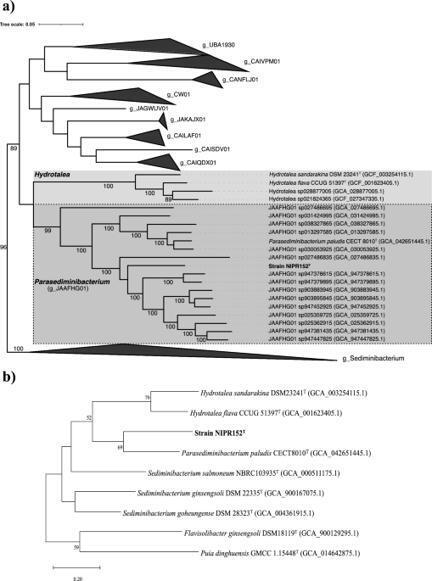
An aerobic, Gram-stain-negative bacterium, designated strain NIPR152T, was isolated from a glacier moss ball (glacier mice; Schistidium agassizii) collected from Ellesmere Island in the Canadian High Arctic. Cells were non-motile, rod-shaped, and formed orange-pigmented colonies. The strain grew at 4–30 °C (optimum, 18 °C), at pH 5.5–8.0 (optimum, pH 7.0–7.5), and tolerated up to 1.0% (w/v) NaCl. Strain NIPR152T exhibited psychrotolerant growth and hydrolyzed starch and cellulose, distinguishing it from its closest known relative. Phylogenetic analysis based on 16S rRNA gene sequences placed the strain within the genus Parasediminibacterium (family Chitinophagaceae), with the highest similarity (95.29%) to Parasediminibacterium paludis HME6815ᵀ. Genome-based analyses supported its novelty, with OrthoANIu and in silico DNA–DNA hybridization values of 71.84% and 20.80%, respectively, while genus-level metrics including average amino acid identity (70.9%) and percentage of conserved proteins (52.1%) supported its placement within the genus Parasediminibacterium. Compared with P. paludis HME6815T, strain NIPR152T possessed a larger genome and showed differences in functional gene composition, including relatively higher representation of selected nitrogen-related and hemicellulose-associated functions, whereas P. paludis showed higher densities of several stress- and photoprotection-related genes. The major respiratory quinone was menaquinone-7 (MK-7), and the dominant fatty acids were summed feature 3 (C16:1ω7c and/or C16:1ω6c), iso-C15:0, and C15:1ω6c. The genomic G + C content was 40.38%. Phenotypic, chemotaxonomic, and genotypic characteristics support the classification of strain NIPR152T as representing a novel species of the genus Parasediminibacterium, for which the name Parasediminibacterium schistidii sp. nov. is proposed. The type strain is NIPR152T (= JCM 36343T = KCTC 102165T).
|
|
Scooped by
ulcriv
September 4, 4:28 PM
|
Peatlands are among Earth’s largest terrestrial carbon stores and are crucial for climate regulation, biodiversity conservation, and water security. Yet peatlands worldwide are deteriorating under pressures from climate change and human disturbance. Strategic, globally coordinated research is urgently needed to protect, restore and manage peatlands so they can continue to deliver essential ecosystem services. To meet this challenge, here we present a global research prioritisation for peatland science, based on a two-stage online survey and expert voting exercise involving 467 participants from 54 countries. We identify 50 priority research questions spanning carbon dynamics, climate impacts, restoration and management, technological innovation, and community and policy engagement. These questions provide a community-informed agenda to guide peatland research over the next decade. Addressing them will help close critical knowledge gaps, strengthen evidence-based decision making, and support the role of peatlands in achieving global climate and biodiversity goals. Global research prioritization for peatland science engaged 467 participants from 54 countries, identifying 50 priority research questions across carbon dynamics, climate impacts, restoration and management, technological innovation, and community and policy engagement.
|
|
Scooped by
ulcriv
August 20, 10:32 AM
|
Extensive knowledge exists on plant-species traits and functions, but we understand less about how population- or community-level emergent traits influence ecosystem functioning. This knowledge gap is important for ecosystems like peatlands, arid drylands, salt marshes, seagrass meadows, and mangroves, where emergent traits of plant communities can create plant-environment feedbacks that amplify or dampen ecosystem processes. Recent insights from restoration ecology suggest that these feedbacks can critically influence restoration success. Despite growing recognition of emergent trait-driven feedbacks in other ecosystems, they remain underexplored in peatland restoration, the world's most carbon-dense ecosystem. Here, we review emergent self-amplifying and self-dampening feedbacks with net positive effects for peat moss-dominated systems. We show how these feedbacks can promote key physical, chemical, and biological processes that enhance peat moss growth, increase water retention, and reduce microbial decomposition of organic matter. Understanding and fostering these feedbacks offers a promising framework to accelerate peatland restoration across diverse degradation states.
|
|
Scooped by
ulcriv
August 18, 4:25 PM
|
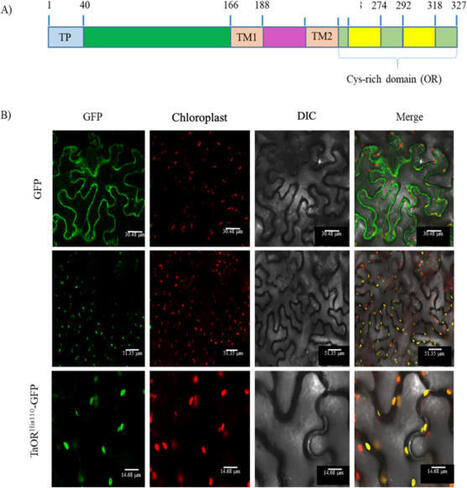
Vitamin A deficiency is a major public health problem affecting up to 50% of the world’s population, as staple food crops like wheat and rice, which are often poor in many essential micronutrients such as vitamin A, are major staple food crops. Biofortification of cereal crops with β-carotene (provitamin A) through genetic engineering is a potential solution to overcome vitamin A deficiency. The Orange (Or) protein is involved in the regulation of carotenoid accumulation and previous studies demonstrated high carotenoid accumulation due to a single-nucleotide polymorphism (SNP) in the CDS leading to substitution of Arg to His in the OR protein results in carotenoid accumulation. In the present study, we showed that this substitution of a single amino acid at position 110 (Arg to His) of wild-type wheat TaOr (referred to as TaOrHis110) increased β-carotene accumulation in transgenic wheat and rice plants overexpressing TaOrHis110 under the control of the seed-specific promoter Glu1D1. HPLC analysis revealed increase in β-carotene content in rice grain up to eightfold in case of TP309 (japonica) cultivar, 13-fold in case of IET10364 (indica) cultivar and sevenfold in wheat cv. CPAN1676. Additionally, most of the carotenoid biosynthetic pathway genes were found to be upregulated in TaOrHis110 overexpressing seeds of TP309 and IET10364, which positively correlates with maximum increase in β-carotene content.
|
|
Scooped by
ulcriv
July 28, 5:01 PM
|
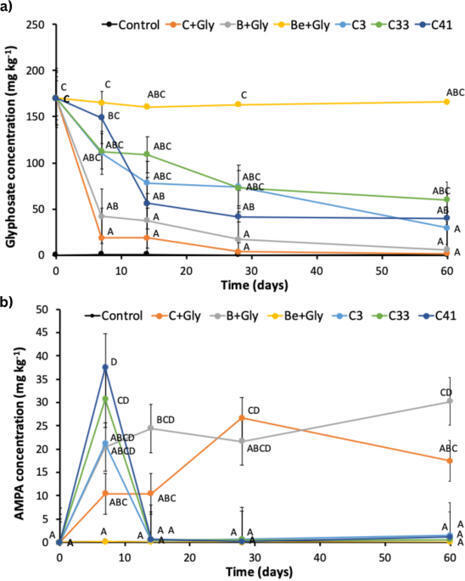
Purpose: This study investigates the ecological dynamics and functional responses of soil microbial communities under glyphosate stress. It compares two remediation strategies: biosolid amendments and bioaugmentation with plant growth-promoting bacteria (PGPB), namely E. indicum AS03, R. rhodochrous AS33, and K. turfanensis AS41, all isolated from bioaerosols. The main research questions are: (1) How do biosolids and PGPB bioaugmentation affect glyphosate degradation efficiency in soil? (2) How do these strategies influence microbial community, resilience under glyphosate exposure, and the ecological implications of these treatments for microbial biogeochemical cycles involved in glyphosate degradation? Methods: A 60-day soil microcosm experiment was conducted using glyphosate-contaminated soils (40, 60, and 100 mg kg-1), with biosolids (sterilized or non-sterilized) and bioaugmentation treatments. Community composition and functional responses were assessed via 16 S rRNA sequencing, SPARCC network analysis, and quantification of genes related to carbon, nitrogen, and phosphorus cycling (e.g., gltA, nxrA, phnI, phnJ, mpd1, mpd2). Glyphosate and AMPA concentrations were monitored over time. Results: Glyphosate significantly altered microbial community structure, favoring tolerant genera such as Rhodococcus and Burkholderia. Bioaugmentation was associated with increased microbial network connectivity and suggested a shift in metabolic potential, particularly in pathways related to carbon and nitrogen cycling. Sterilized biosolids, while promoting some degradation markers, significantly reduced microbial diversity (P < 0.05) and functional redundancy. Conclusions: Bioaugmentation supports microbial resilience and functional diversity under glyphosate stress. Conversely, sterilized biosolids, despite enhancing degradation indicators, may limit long-term microbial functionality. These results highlight the need to balance remediation effectiveness with microbial ecosystem stability in glyphosate-impacted soils. This study is among the first to evaluate airborne plant growth-promoting bacteria (PGPB) for glyphosate bioremediation, representing a novel and underexplored source of microbes adapted to harsh environmental conditions.
|
|
Scooped by
ulcriv
July 28, 11:38 AM
|
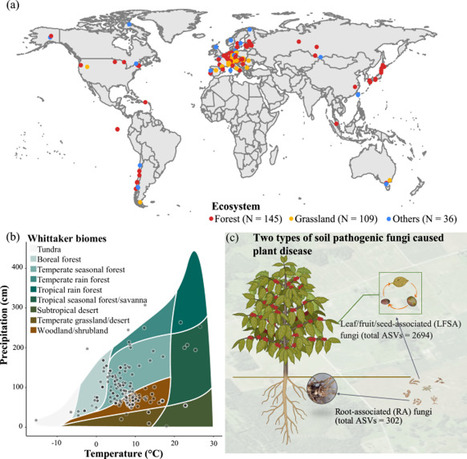
Growing evidence has shown that, apart from local environmental factors, changes in landscape-level factors by accelerated land-use change can also shape soil pathogenic fungal diversity. However, the global representativeness of such patterns remains unclear. Here, we assess how pathogenic fungal diversity in 511 soil samples worldwide responds to landscape factors, including landscape complexity index based on eight landscape metrics and quantity of different land cover types across six spatial scales (i.e., surrounding landscape, 250 m to 10,000 m radii from the sampling coordinate). We find that while soil variables explain over half of the variance, pathogenic fungal alpha diversity increases with landscape complexity and crop cover proportion, but decreases with grass and tree cover proportion, together explaining 23.4% of the total variance. Landscape factors have weaker impacts on beta diversity, explaining 13.0% of the variance. Across spatial scales, grassland ecosystems exhibit increasingly stronger responses to landscape variables compared to forest ecosystems. Landscape factors have a higher relative contribution to root-associated fungi than leaf/fruit/seed-associated fungi. Our results emphasize the importance of local factors and the complementary role of landscape patterns in shaping global soil pathogenic fungal distributions, highlighting scale-dependent effects across ecosystems and fungal functional groups. How landscapes are arranged affects soil pathogenic fungi worldwide. The authors reveal the global pattern and pronounced scale-dependency of landscape complexity and land-cover quantity on soil pathogenic fungal diversity.
|
|
Scooped by
ulcriv
February 16, 5:17 PM
|
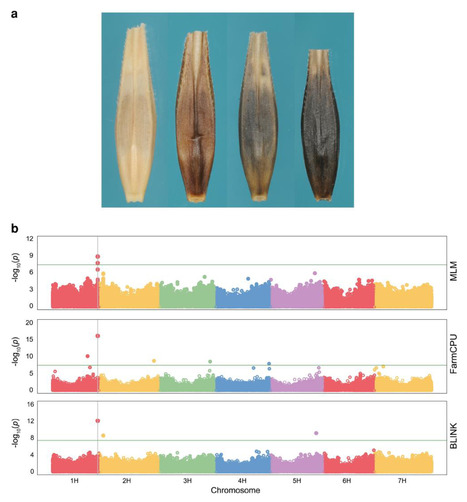
To exploit allelic variation in Hordeum vulgare subsp. spontaneum, the Wild Barley Diversity Collection was subjected to paired-end Illumina sequencing at ∼9 × depth and evaluated for several agronomic traits. We discovered 240.2 million single nucleotide polymorphisms (SNPs) after alignment to the Morex V3 assembly and 24.4 million short (1 to 50 bp) insertions and deletions. A genome-wide association study of lemma color identified one marker-trait association (MTA) on chromosome 1H close to HvBlp, the cloned gene controlling black lemma. Four MTAs were identified for seedling stem rust resistance, including 2 novel loci on chromosomes 1H and 6H and one co-locating to the complex RMRL1-RMRL2 locus on 5H. The whole-genome sequence data described herein will facilitate the identification and utilization of new alleles for barley improvement.
|
|
Scooped by
ulcriv
February 16, 3:09 PM
|
In the past decades, dairy farms in eastern Canada have dedicated more land to annual crops and less to perennial forages.
Concurrently, there has been a shift in cattle manure management from solid to liquid forms. Our objective was to determine
the early response of soil health indicators (soil aggregate stability to water, carbon [C] and nitrogen [N] in microbial biomass,
particulate organic matter, and nonfractionated soil) to two crop types (annual crops vs. perennial forages) and N sources
(mineral fertilizer, dairy cattle slurry, and biological N fixation) in the 0–10 cm surface soil at three locations (Ontario, Quebec,
and Nova Scotia). Despite some variability in their response, most of the indicators pointed to an improvement in soil health
within three years of implementation of perennial forages and/or dairy cattle slurry applications. Particulate organic matter
and microbial biomass were generally more responsive to the experimental treatments than soil organic matter. Changes in
soil C and N were found at the three locations within the first three years of the experiment. For instance, C concentrations
were 7%–31% higher under perennial forages and/or dairy cattle slurry in comparison to annual cropping and/or mineral
fertilization. Improvement in soil health was generally greater under perennial forages fertilized with dairy cattle slurry, than
under annual crops receiving mineral fertilizer. The response of soil C concentration tended to be more pronounced at sites
with lower initial soil C concentrations, and faster in the soil with the highest clay content.
|
|
Scooped by
ulcriv
January 26, 5:29 PM
|
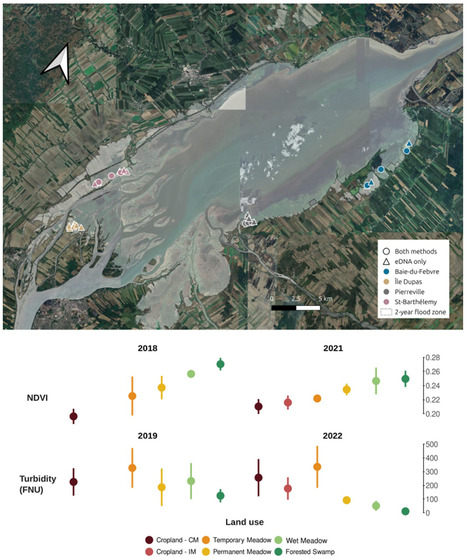
Freshwater ecosystems are highly biodiverse and provide essential services that support both ecosystem health and economic sustainability. Despite their ecological significance, these ecosystems are disproportionately affected by the global biodiversity crisis. Large river floodplains constitute a fundamental component of freshwater ecosystems, sustaining fish biodiversity, growth, and reproduction. Yet, these floodplains face mounting threats from anthropogenic pressures, including physical modifications and land conversion for agriculture. In this context, there is an urgent need for scalable biomonitoring methods to more effectively assess floodplain ecosystems, which present methodological challenges due to their heterogeneous and dynamic nature. Traditional fish monitoring methods, however, are often invasive, costly, and resource-intensive. In contrast, environmental DNA (eDNA) metabarcoding presents a noninvasive, cost-effective, and scalable alternative. This study compares eDNA metabarcoding and electrofishing for fish community biomonitoring in the floodplain of Lake St. Pierre, the largest floodplain habitat along the St. Lawrence River. We assessed the effectiveness of these methods in monitoring fish community diversity and composition, as well as the influence of floodplain sectors and a gradient of land use from natural wetlands to annual (row) crops. eDNA metabarcoding detected a broader range of species than electrofishing, while both methods consistently identified abundant species. The two methods yielded uncorrelated diversity indices and distinct community compositions. Fish eDNA community composition was strongly associated with floodplain sectors, whereas land use within these sectors had a weaker influence on community diversity and composition. Our findings highlight eDNA metabarcoding as a valuable tool for characterizing broad patterns of fish communities in floodplain ecosystems. This method provides an additional tool to traditional methods for monitoring and conserving threatened floodplain habitats. However, careful consideration of study scale is essential to ensure effective conservation outcomes in these hydrologically dynamic environments.
|
|
Scooped by
ulcriv
January 26, 5:13 PM
|
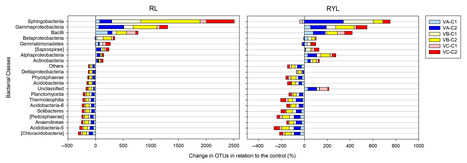
This study explored how different sugarcane vinasses influence the structure and composition of soil bacterial communities in two tropical Oxisols with contrasting textures. In a controlled microcosm experiment with sugarcane seedlings, two concentrations of three vinasse types were applied, and bacterial communities were monitored over 10, 30, and 60 days using T-RFLP and 16S rRNA gene sequencing. Across all treatments, vinasse application led to clear changes in bacterial community structure in both soils, regardless of the time point. Certain bacterial groups, such as Sphingobacteriia, Alphaproteobacteria, and Gammaproteobacteria, became more abundant—likely responding to increased carbon availability, higher pH, and greater soil moisture. At the same time, other groups declined, possibly due to excess nutrients like potassium and sulfur. Notably, these shifts occurred even when standard biochemical indicators suggested no major impact, highlighting the sensitivity of microbial community-level responses. These findings point to the importance of looking beyond traditional soil quality metrics when assessing the environmental effects of organic residue applications. Incorporating microbial indicators can offer a more nuanced understanding of how practices like vinasse reuse affect soil functioning in tropical agroecosystems.
|
|
Scooped by
ulcriv
January 26, 5:03 PM
|
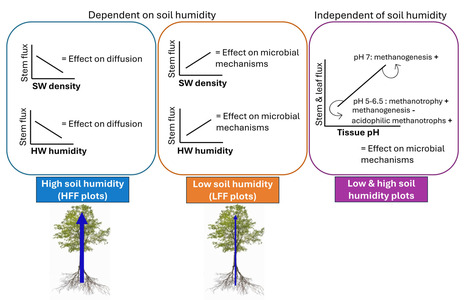
- Despite the increasing number of studies investigating tree methane fluxes, the relationships between tree methane fluxes and species traits remain mostly unexplored.
- We measured leaf and stem methane fluxes of five tree species (Acer saccharinum, Fraxinus nigra, Ulmus americana, Salix nigra, and Populus spp.) in the floodplain of Lake St-Pierre (Québec) and examined how these fluxes vary with species traits (wood density, humidity, pH; leaf water content, pH, stomatal conductance; methanogen and methanotroph relative abundances (RAs) in leaf, wood, and bark).
- Tree methane fluxes differed among tree species according to traits linked to the transport of soil-produced methane and chemical conditions associated with the regulation of methane-cycling microorganisms. Tree fluxes were correlated positively with heartwood and leaf pH and negatively with their humidity. Stem emissions were positively correlated with methanogen RA in heartwood, and leaf emissions were negatively correlated with the RA of leaf epiphytic methanotrophs, suggesting a contribution of tree microbiota in the regulation of methane fluxes.
- We demonstrated for the first time that tissue pH may be a particularly important trait influencing tree methane fluxes via the regulation of microbial mechanisms. Species with low tissue pH show potential for methane release mitigation.
|