Your new post is loading...
brayden.hosler576@myci.csuci.edu's comment,
March 2, 7:14 PM
It's still horrifying that, despite technological advances, we're still just looking for bodies 24-72 hours after disasters.
Ashlyn Olson's comment,
February 25, 8:33 PM
Hi Autumn! This is pretty crazy! Crazy that this kind of bacteria is able to exist in a radioactive environment for 15 years and appear to be unaffected. I thought it was pretty cool that this type of bacteria feeds on minerals like sulfur, manganese, and iron.
Christopher Blackwell's comment,
February 23, 9:50 PM
This was really interesting to read about the impacts on grasslands and other areas in the environment. I found it interesting that the area that would be hit the hardest was Africa.
yaiza.delgado165@myci.csuci.edu's curator insight,
February 19, 11:10 PM
This is some devastating news as this has been one of the deadliest avalanches in California. Avalanches are natural disasters that are usually followed by snow storms. I wonder if this had an environmental link tied to climate pattern or if it was naturally occurring...
Cael Thor Hill's curator insight,
February 20, 7:37 PM
Crazy how avalanches aren't only happening in one area. Sounds stupid but with climate change I'd like to think this sort of phenomena is occurring globally for a reason
Keiran Gisonno's comment,
February 21, 3:23 AM
I was unaware of this, it seems like fires have secret killers and I wonder what other unseen impacts they have
Sierra Williams's comment,
February 18, 4:56 PM
This article shows how vulnerable LA is to winter storms, particularly in areas previously affected by wildfires where the risk of mudslides is increased. With an increase of rain coming in the next week it underscores the strain that is growing on our infrastructure. We need to adapt more effective ways to go about handling extreme winter storms so that it doesn't disrupt daily life like it is now.
|
Irma Hinojos's comment,
February 27, 2:34 AM
Wow, that's so cool that you can even plant the beads since they have seeds in them.
Autumn S.'s comment,
February 27, 2:44 PM
This is so cool!! I wish we had more jewelry like this in general. I hope it helps with the drainage problems and creates native gardens!
yaiza.delgado165@myci.csuci.edu's comment,
February 27, 4:40 PM
I think this is a great alternative compared to the plastic beads that usually end up in a landfill at one point!
Devan Page's comment,
February 26, 12:18 AM
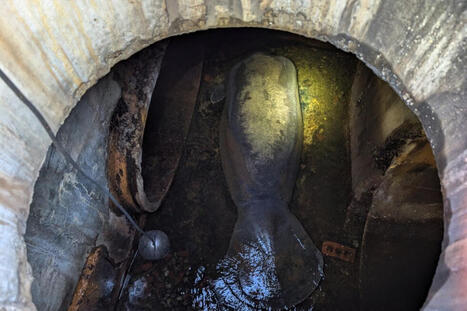
I am glad this manatee was found and now recovering. It is nice to see how many different organizations come together for complex situations like this.
yaiza.delgado165@myci.csuci.edu's comment,
February 27, 4:46 PM
I am glad they rescued the manatee. It is unfortunate how it looked for shelter inside a storm drain.
Diana Rodriguez's comment,
February 27, 7:57 PM
IMO the saddest part of our field is seeing animals struggle. This is a tragic story but I am glad the manatee is doing better. <3
Kalani Wagoner's comment,
February 27, 12:48 AM
I'm honestly surprised this is CA's deadliest avalanche. For some reason I just figured it's happened before since we have so many snow covered mountains and ski destinations. Those backcountry ski routes are super risky. Maybe ski resorts could have skiers check in and out as they go up and down the mountain to keep tabs on the number of people out, or have them pass a safety training class before going out to those remote slopes.
marisa denninger's comment,
February 24, 5:00 PM
Amazing!! I know a couple of people that were a part of fighting for this, so I am very happy to see that their hard work paid off. I find it very interesting the push back from ranchers when there is so much evidence that mountain lions attack as a last result and go into human dominated areas when they are starving...which is a result of us fragmenting their habitats. Still, this is amazing news!
Rogelio Navarro's comment,
February 24, 1:23 AM
I find it very strange to read that these individuals were allowed to go skiing even after the winter storm warnings had been sent out. Overall, a very sad situation that could have been easily prevented.
brayden.hosler576@myci.csuci.edu's comment,
February 27, 9:04 PM
I do find it interesting that 3 professional hikers guided this group and weren't stopped. That could be negligence.
Sierra Williams's comment,
February 23, 3:55 PM
This article underscores the importance of strong regional surveillance systems and cross-border cooperation, especially in a region where climate variability can quickly amplify emerging public health threats.
Keiran Gisonno's comment,
February 21, 3:23 AM
Avalanches are something I wonder if we will see more of as climate change warms areas of europe.
Ashlyn Olson's comment,
February 18, 9:04 PM
Hi Sierra, I loved this article! I think it shows a great insight into how noise pollution disrupts wildlife & ecosystems. The endangered Kemp sea turtle is forced to share the Gulf of Mexico with shipping boats, as that is the busiest shipping route in the world. The Kemp turtles often fall victim to bycatch, pollution, and ship strikes.
Catalina Monroe's comment,
February 19, 2:51 PM
This article was so interesting! The exploratory studies and countined fights to keep endangered species alive always gives a little hope that theres something we can do. the use of the hearing devicies and sensors to understand how noise effects these turtles can further our knowledge of protection and conversation in out of the box ways.
|