There is an active debate in Tunisia over the effectiveness of the government’s strategy to lower consumer prices more than a month after it announced a price cap on domestic olive oil sales.
In December 2023, the government capped the price of olive oil distributed by the National Olive Oil Office (ONH) at 15 dinars (€4.55) in local supermarkets due to concerns that prices were rising faster than household incomes. At the time, local olive oil prices at retail were expected to rise to 25 dinars (€7.40) per liter.
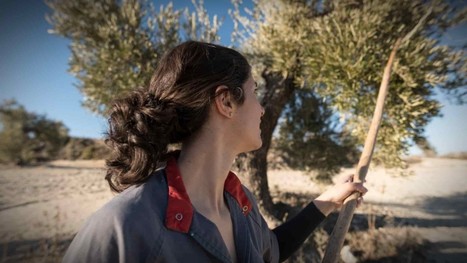
The 4E Board has decided to honor five Greek female individuals who have made significant contributions to the improvement of the olive- and olive oil-producing sector, and to promoting the value of olive and olive oil in the Mediterranean Diet, health and culture.
Producers from central Italy were undisputed protagonists at the 2022 NYIOOC World Olive Oil Competition. Once again, they earned many awards as a result of their care for the land and focus on the sustainable use of resources.
Olive growers with a long story of successes were joined by first-time winners, all of whom are aware of the crucial role farmers play as protectors of the environment.
Researchers from the European Union-funded Med-Gold project will present the results of a four-year study at an online conference at the end of March.
Nearly 280,000 hectares of olive groves in Italy are now cultivated using organic farming practices, compared to approximately 170,000 hectares a decade ago. According to 2023 data compiled by the Italian Institute of Services for the Agricultural Food Market (ISMEA), organic olive groves represent a significant portion of Italy’s organic farming area.
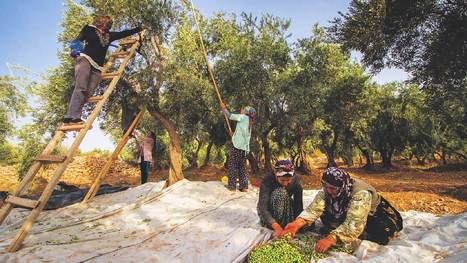
Traditional olive cultivation knowledge, methods and practices in Turkey have been recognized in the United Nations Educational, Scientific and Cultural Organization’s (UNESCO) List of Intangible Cultural Heritage in Need of Urgent Safeguarding for 2023.
While producers face plenty of challenges, especially from climate change, Tunisian olive oil exports continue to gain ground in international markets.
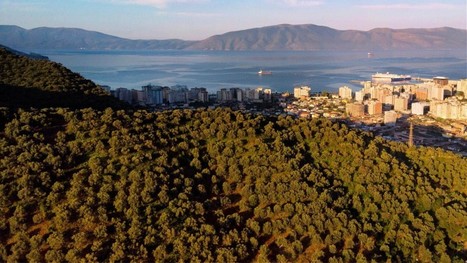
The current olive harvest in Albania has reached record numbers. Still, local producers must cope with uncertain export opportunities and low product prices. The Ministry of Agriculture estimates the current campaign could end well above expectations, with around 25 thousand tons of olive oil. Experts say the production growth results from good climate conditions and long-standing investments to expand production. According to International Olive Council (IOC) data, Albania produced 11.5 thousand tons in the 2021/2022 season. If confirmed, the latest harvest’s results would be much higher than any previous campaign’s.
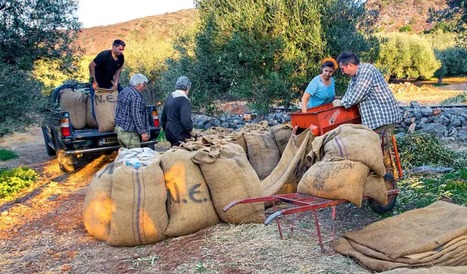
The 2021/22 crop year has come to an end in Greece, with the country’s olive oil yield totaling around 225,000 tons, an 18-percent reduction compared to the 275,000 tons of 2020/21. According to official data and estimates from the International Olive Council, Greece remains the third-largest producer in the Europan Union behind Spain and Italy.
To get content containing either thought or leadership enter:
To get content containing both thought and leadership enter:
To get content containing the expression thought leadership enter:
You can enter several keywords and you can refine them whenever you want. Our suggestion engine uses more signals but entering a few keywords here will rapidly give you great content to curate.

 Your new post is loading...