 Your new post is loading...
Learn how trigger point injections can alleviate myofascial pain and improve your quality of life through targeted relief. Myofascial pain syndrome and trigger point pathology represent some of the most prevalent and yet underdiagnosed sources of musculoskeletal pain encountered in clinical practice today. In this educational post, I, Dr. Alex Jimenez, DC, APRN, FNP-BC, CFMP, IFMCP, ATN, CCST, walk you through the physiological underpinnings of trigger point formation, the neuroanatomy of referred pain, and the clinical rationale behind modern trigger point injection (TPI) protocols used at Injury Medical Clinic PA (also known as Mission Plaza Injury Medical Clinic) in El Paso, Texas. This post draws on current, evidence-based research and reflects the integrative, multidisciplinary care model that defines our clinic. Our approach combines chiropractic care, functional medicine, interventional pain management, personal injury rehabilitation, and internal medicine oversight provided by our Medical Director, Dr. Maria Guadalupe Cardenas, MD, a board-certified internist with over 40 years of clinical experience. Throughout this post, you will learn: - What trigger points are and why they form at the physiological level
- How myofascial scarring and spasm perpetuate chronic pain cycles
- The clinical rationale for using lidocaine combined with Ceraferm, a plant-derived anti-inflammatory
- How trigger point injections compare to dry needling, prolotherapy (Prolo), and PRP therapy
- Safe injection technique, including depth guidelines to prevent complications such as pneumothorax
- The importance of anatomy review for precision injection delivery
- How integrative chiropractic care complements and potentiates TPI outcomes
- The role of our multidisciplinary team in delivering comprehensive, patient-centered care
Whether you are a clinician, a patient exploring your options, or someone living with chronic neck, thoracic, or lumbar pain, this post is designed to give you a clear, thorough, and science-supported understanding of what trigger point therapy truly involves and why, when performed correctly within an integrative framework, it can be life-changing. Understanding Myofascial Trigger Points: The Physiological Foundation of Chronic Muscle Pain Before we can appreciate why trigger point injections work and how they fit within a comprehensive integrative care model, we need to understand what trigger points are at the most fundamental level. This is not a simple subject. The physiology of trigger point formation involves a cascade of neuromuscular, vascular, biochemical, and biomechanical events that, once set in motion, can perpetuate themselves indefinitely without appropriate clinical intervention. General Disclaimer * The information herein is not intended to replace a one-on-one relationship with a qualified healthcare professional or licensed physician and is not medical advice. We encourage you to make healthcare decisions based on your research and partnership with a qualified healthcare professional. Our information scope is limited to chiropractic, musculoskeletal, and physical medicine, as well as wellness, sensitive health issues, and functional medicine articles, topics, and discussions. We provide and facilitate clinical collaboration with specialists across disciplines. Each specialist is governed by their professional scope of practice and the jurisdiction in which they are licensed. We utilize functional health and wellness protocols to treat and support care for musculoskeletal injuries or disorders. Our videos, posts, topics, subjects, and insights cover clinical matters and issues that directly or indirectly support our clinical scope of practice. Our office has made a reasonable effort to provide supportive citations and identify relevant research studies for our posts. We provide copies of supporting research studies upon request to regulatory boards and the public. We are here to help you and your family. Blessings Dr. Alex Jimenez, DC, MSACP, APRN, FNP-BC*, CCST, IFMCP, CFMP, ATN email: coach@elpasofunctionalmedicine.com
Multidisciplinary Licensing & Board Certifications:
Licensed as a Doctor of Chiropractic (DC) in Texas & New Mexico*
Texas DC License #: TX5807, Verified: TX5807
New Mexico DC License #: NM-DC2182, Verified: NM-DC2182 Multi-State Advanced Practice Registered Nurse (APRN*) in Texas & Multi-States
Multi-State Compact APRN License by Endorsement (42 States)
Texas APRN License #: 1191402, Verified: 1191402 *
Florida APRN License #: 11043890, Verified: APRN11043890 *
New York APRN License #: N25929, Verified: APRN-N25929*
License Verification Link: Nursys License Verifier
* Prescriptive Authority Authorized ANCC FNP-BC: Board Certified Nurse Practitioner*
Compact Status: Multi-State License: Authorized to Practice in 40 States* Graduate with Honors: ICHS: MSN-FNP (Family Nurse Practitioner Program)
Degree Granted. Master's in Family Practice MSN Diploma (Cum Laude)
Dr. Alex Jimenez, DC, APRN, FNP-BC*, CFMP, IFMCP, ATN, CCST
My Digital Business Card
Dr. Maria Cardenas, MD
(Board Certified in Internal Medicine)
Medical Director & Collaborative Physician
NPI # 1164426749
MD License #: J2933
Learn how PRP therapy can help with plantar fasciitis and Achilles tendon pain. Understand the benefits for recovery and health. Abstract For far too long, the standard approach to treating plantar fasciitis has focused almost exclusively on the site of pain: the bottom of the foot. While this can provide temporary relief, it often fails to address the root cause, leading to a frustrating cycle of recurring pain and chronic injury. This educational post, written from my clinical perspective as Dr. Alex Jimenez, DC, APRN, FNP-BC, CFMP, IFMCP, ATN, CCST, will take you on a journey through the latest evidence-based findings that are revolutionizing our understanding and treatment of this common condition. We will explore the critical, yet often overlooked, role of the Achilles tendon and gastrocnemius-soleus complex in the development of plantar fasciitis. Drawing on insights from leading researchers and orthopedic surgeons, we will detail a modern injection protocol that targets the underlying biomechanical dysfunction rather than just the symptomatic tissue. We will discuss the physiological mechanisms behind this approach, comparing different regenerative modalities like Prolotherapy and Platelet-Rich Plasma (PRP), and explaining the clinical reasoning for each step. Furthermore, we will discuss the power of a multidisciplinary, integrative framework in managing complex musculoskeletal conditions like plantar fasciitis. Here at Injury Medical Clinic PA, I work in close collaboration with our Medical Director, Dr. Maria Guadalupe Cardenas, MD. Dr. Cardenas is a highly respected, board-certified Internist with over four decades of clinical experience. Her medical oversight is integral to our practice, allowing us to seamlessly blend advanced chiropractic care, functional medicine, regenerative therapies, and comprehensive rehabilitation under one roof. This post will illuminate how this collaborative model enhances patient safety, broadens treatment options, and ultimately fosters a more complete and lasting recovery by addressing the whole person, not just the isolated symptom. Introduction: A Paradigm Shift in Treating Heel Pain Hello, I’m Dr. Alex Jimenez. Throughout my years in clinical practice, I’ve had the privilege of helping countless individuals overcome debilitating pain and regain their quality of life. One of the most persistent and frustrating conditions I encounter is plantar fasciitis. Patients often arrive at my clinic after months, or even years, of suffering. They’ve tried stretching, icing, orthotics, night splints, and even painful injections directly into the heel, yet the sharp, stabbing pain returns with those first few steps every morning. This experience is all too common, and it highlights a fundamental flaw in the traditional understanding of plantar fasciitis. The conventional model views it as a localized problem of the plantar fascia itself—an inflammation or degeneration of the thick band of tissue on the bottom of the foot. Consequently, treatments are aimed directly at this area. But what if the pain in your foot isn’t the source of the problem, but rather the symptom of a deeper, biomechanical imbalance? This question has led me and many of my colleagues in functional and regenerative medicine down a path of discovery. Through modern, evidence-based research and collaborative clinical innovation, we have uncovered a more effective and logical approach. The evidence overwhelmingly points not to the foot, but further up the leg—to the Achilles tendon and the gastrocnemius-soleus complex. This post will guide you through this paradigm shift, explaining the science behind why chronic tightness in your calf is the true culprit and detailing a groundbreaking treatment protocol that offers a more durable solution. General Disclaimer * The information herein is not intended to replace a one-on-one relationship with a qualified healthcare professional or licensed physician and is not medical advice. We encourage you to make healthcare decisions based on your research and partnership with a qualified healthcare professional. Our information scope is limited to chiropractic, musculoskeletal, and physical medicine, as well as wellness, sensitive health issues, and functional medicine articles, topics, and discussions. We provide and facilitate clinical collaboration with specialists across disciplines. Each specialist is governed by their professional scope of practice and the jurisdiction in which they are licensed. We utilize functional health and wellness protocols to treat and support care for musculoskeletal injuries or disorders. Our videos, posts, topics, subjects, and insights cover clinical matters and issues that directly or indirectly support our clinical scope of practice. Our office has made a reasonable effort to provide supportive citations and identify relevant research studies for our posts. We provide copies of supporting research studies upon request to regulatory boards and the public. We are here to help you and your family. Blessings Dr. Alex Jimenez, DC, MSACP, APRN, FNP-BC*, CCST, IFMCP, CFMP, ATN email: coach@elpasofunctionalmedicine.com
Multidisciplinary Licensing & Board Certifications:
Licensed as a Doctor of Chiropractic (DC) in Texas & New Mexico*
Texas DC License #: TX5807, Verified: TX5807
New Mexico DC License #: NM-DC2182, Verified: NM-DC2182 Multi-State Advanced Practice Registered Nurse (APRN*) in Texas & Multi-States
Multi-State Compact APRN License by Endorsement (42 States)
Texas APRN License #: 1191402, Verified: 1191402 *
Florida APRN License #: 11043890, Verified: APRN11043890 *
New York APRN License #: N25929, Verified: APRN-N25929*
License Verification Link: Nursys License Verifier
* Prescriptive Authority Authorized ANCC FNP-BC: Board Certified Nurse Practitioner*
Compact Status: Multi-State License: Authorized to Practice in 40 States* Graduate with Honors: ICHS: MSN-FNP (Family Nurse Practitioner Program)
Degree Granted. Master's in Family Practice MSN Diploma (Cum Laude)
Dr. Alex Jimenez, DC, APRN, FNP-BC*, CFMP, IFMCP, ATN, CCST
My Digital Business Card
Dr. Maria Cardenas, MD
(Board Certified in Internal Medicine)
Medical Director & Collaborative Physician
NPI # 1164426749
MD License #: J2933
Uncover the role of regenerative medicine and integrative care in promoting health and well-being through innovative techniques. Abstract This educational post explores a revolutionary advance in regenerative medicine: Multilineage-differentiating Stress-Enduring (Muse) stem cells. From a first-person perspective, I will share the latest findings from leading researchers, detailing the unique properties of Muse cells, including their small size, stress resilience, and pluripotent capabilities. We will compare them directly with traditional Mesenchymal Stem Cells (MSCs), highlighting their superior ability to navigate the body, home in on damaged tissues, and differentiate into all three germ cell layers. This discussion will cover the science behind their homing mechanism, their “three-engine” system of action, and their profound implications for treating a wide range of conditions—from musculoskeletal injuries to neurodegenerative diseases. We will also touch upon human clinical trial evidence, including groundbreaking case studies demonstrating biological age reversal. Finally, I will explain how we integrate these advanced cellular therapies with chiropractic care, functional medicine, and comprehensive rehabilitation at our multidisciplinary clinic, showcasing a collaborative model that prioritizes patient outcomes. Our Integrative Approach to Patient Care in El Paso, Texas At Injury Medical Clinic, our philosophy is rooted in a patient-centered, integrative model. I am Dr. Alexander Jimenez, and I am honored to lead a team of dedicated professionals who share a common vision for health and wellness. Our practice is built on the principle of collaboration, and a cornerstone of this approach is my partnership with Dr. Maria Guadalupe Cardenas, MD. Dr. Cardenas is a highly respected physician, board-certified in Internal Medicine, with over 40 years of clinical experience. She serves as our Medical Director and Collaborative Physician, providing invaluable medical oversight and expertise. This multidisciplinary structure allows us to blend the best of different healing philosophies. My background in chiropractic, functional medicine, and as an advanced practice registered nurse (APRN) complements Dr. Cardenas’s extensive experience as an internist. Together, our team provides a spectrum of care that includes: - Integrative Chiropractic Care: Focusing on spinal alignment, nervous system function, and musculoskeletal integrity.
- Medical Oversight: Ensuring all treatments are safe, appropriate, and aligned with established medical standards.
- Functional Medicine: Investigating the root causes of disease and dysfunction.
- Personal Injury and Rehabilitation: Offering comprehensive programs for recovery from accidents and injuries.
- Advanced Regenerative Therapies: Utilizing cutting-edge treatments like the ones we will discuss in this post.
This integrated model ensures that our patients receive a holistic and thorough evaluation, leading to a personalized treatment plan that addresses their unique health needs from multiple angles. It allows us to manage complex cases effectively, providing both immediate relief and long-term solutions for optimal health. The Quest for a Better Stem Cell: Introducing Muse Cells For nearly two decades, my journey in regenerative medicine has been a constant search for innovation. It began in 2006, when I was deeply involved in creating Platelet-Rich Plasma (PRP) kits. That experience taught me the power of harnessing the body’s own healing mechanisms. However, I always knew there was more to discover. When I first learned about the advanced stem cell therapies being used by figures like Kim Kardashian, my curiosity was piqued. The challenge? Those products were manufactured overseas, making them incredibly difficult to access. For years, I sought a US-based manufacturer that could produce a superior regenerative product. Finally, around Thanksgiving of 2025, that search came to fruition. A manufacturing company in Florida began producing a new type of stem cell right here in the United States: Multilineage-differentiating Stress-Enduring (Muse) cells. Since then, my team and I have been part of a “VIP founding members circle” of physicians, exploring the clinical applications of Muse cells. After nearly nine months of hands-on experience and countless conversations with fellow practitioners, the most common word I hear to describe the results is “Godsend.” This is a term I haven’t heard with such frequency since the early, exciting days of PRP. It signifies a profound shift in what we can offer our patients. What Are Muse Stem Cells? The Science of the “Special Forces” Cell Muse cells are not a new invention but rather a recent discovery that has been extensively studied in Japan, with over 200 published papers. They were identified by Dr. Mari Dezawa’s team at Tohoku University. So, what makes them so special? - Natural and Rare: Muse cells are naturally present in our bodies, found in the umbilical cord and bone marrow, but they are very sparse. In a standard umbilical cord product, they constitute less than 1% of the total mesenchymal stem cells (MSCs), typically around 0.3-0.5%.
- Identified by a Unique Marker: They are identified by a specific surface marker known as SSEA-3 (Stage-Specific Embryonic Antigen-3). This marker is crucial because it allows manufacturers to isolate and verify the presence of true Muse cells in every batch.
- The “Survivors”: The manufacturing process for Muse cells is what truly sets them apart. They are isolated using a rigorous stress test involving heat and glass. This process eliminates the weaker MSCs, leaving only the most resilient cells—the Muse cells. Think of them as the special forces of the cellular world, selected by stress and trained for the worst conditions. While many traditional MSCs perish in this process, the ones that survive are uniquely equipped to thrive in the harsh, inflammatory environments of damaged tissue.
As a clinician, seeing the SSEA-3 verification on every vial provides an unparalleled level of confidence. We know exactly what we are administering to our patients, which is a level of quality control that is often lacking with other regenerative products. General Disclaimer * The information herein is not intended to replace a one-on-one relationship with a qualified healthcare professional or licensed physician and is not medical advice. We encourage you to make healthcare decisions based on your research and partnership with a qualified healthcare professional. Our information scope is limited to chiropractic, musculoskeletal, and physical medicine, as well as wellness, sensitive health issues, and functional medicine articles, topics, and discussions. We provide and facilitate clinical collaboration with specialists across disciplines. Each specialist is governed by their professional scope of practice and the jurisdiction in which they are licensed. We utilize functional health and wellness protocols to treat and support care for musculoskeletal injuries or disorders. Our videos, posts, topics, subjects, and insights cover clinical matters and issues that directly or indirectly support our clinical scope of practice. Our office has made a reasonable effort to provide supportive citations and identify relevant research studies for our posts. We provide copies of supporting research studies upon request to regulatory boards and the public. We are here to help you and your family. Blessings Dr. Alex Jimenez, DC, MSACP, APRN, FNP-BC*, CCST, IFMCP, CFMP, ATN email: coach@elpasofunctionalmedicine.com
Multidisciplinary Licensing & Board Certifications:
Licensed as a Doctor of Chiropractic (DC) in Texas & New Mexico*
Texas DC License #: TX5807, Verified: TX5807
New Mexico DC License #: NM-DC2182, Verified: NM-DC2182 Multi-State Advanced Practice Registered Nurse (APRN*) in Texas & Multi-States
Multi-State Compact APRN License by Endorsement (42 States)
Texas APRN License #: 1191402, Verified: 1191402 *
Florida APRN License #: 11043890, Verified: APRN11043890 *
New York APRN License #: N25929, Verified: APRN-N25929*
License Verification Link: Nursys License Verifier
* Prescriptive Authority Authorized ANCC FNP-BC: Board Certified Nurse Practitioner*
Compact Status: Multi-State License: Authorized to Practice in 40 States* Graduate with Honors: ICHS: MSN-FNP (Family Nurse Practitioner Program)
Degree Granted. Master's in Family Practice MSN Diploma (Cum Laude)
Dr. Alex Jimenez, DC, APRN, FNP-BC*, CFMP, IFMCP, ATN, CCST
My Digital Business Card
Dr. Maria Cardenas, MD
(Board Certified in Internal Medicine)
Medical Director & Collaborative Physician
NPI # 1164426749
MD License #: J2933
Explore the importance of women’s health in metabolic balance for overall wellness and vitality. Learn how to achieve it. Abstract In this educational post, I, Dr. Alexander Jimenez, DC, APRN, FNP-BC, CFMP, IFMCP, ATN, CCST, translate current research on the vaginal and urinary microbiome into a practical, patient-centered plan that centers metabolic balance as a foundational driver of urogenital ecosystem resilience in women. I explain how specific Lactobacillus strains produce organic acids and hydrogen peroxide, compete with pathogens such as Candida and Gardnerella, strengthen epithelial barriers, and modulate immune signaling—mechanisms linked to reduced risks of bacterial vaginosis (BV), vulvovaginal candidiasis (VVC), and urinary tract infection (UTI). I also detail how cranberry proanthocyanidins reduce E. coli adherence in the urinary tract. This post showcases how our multidisciplinary practice at Injury Medical Clinic PA (Mission Plaza Injury Medical Clinic) in El Paso, Texas integrates chiropractic care, internal medicine oversight, functional medicine, rehabilitation, regenerative therapies including PRP, and personal-injury-informed systems to deliver a modern, evidence-based program. Dr. Maria Guadalupe Cardenas, MD (Board Certified in Internal Medicine; NPI #1164426749; Texas MD License #J2933), Medical Director and Collaborative Physician, works alongside me to align diagnostics, therapeutics, safety monitoring, and regenerative decision-making with chiropractic, functional nutrition, metabolic optimization, and lifestyle medicine. I discuss clinical reasoning, protocols, and physiological underpinnings in plain language, highlight when to rotate probiotics based on goals (e.g., vaginal health vs. metabolic/GLP-focused gut support), and describe how sleep, stress reduction, plant-forward nutrition for both metabolic and microbiome health, and oral health influence the gut–vagina–urinary axis. Special emphasis is placed on the bidirectional relationships between metabolic balance (insulin sensitivity, systemic inflammation, and hormonal equilibrium) and urogenital ecology, and on how chiropractic alignment combined with targeted regenerative PRP can enhance pelvic tissue integrity and functional outcomes. Key takeaways include: - Why strain-specific probiotics matter and how they work within the context of metabolic health.
- How integrative chiropractic care and regenerative PRP fit within women’s pelvic, spinal, autonomic, metabolic, and tissue-healing needs.
- How supervised nutraceuticals, lifestyle interventions targeting metabolic balance, and regenerative approaches reduce recurrence of BV, VVC, and UTIs.
- How to combine medical oversight with musculoskeletal optimization, metabolic restoration, and functional medicine for comprehensive outcomes.
Our Integrative Team and Why It Matters I practice within a multidisciplinary framework at Injury Medical Clinic PA in El Paso, Texas. Our model mirrors that of integrative and injury care clinics, where cross-disciplinary expertise enhances outcomes and safety. - Medical oversight: Dr. Maria Guadalupe Cardenas, MD (Internal Medicine; NPI #1164426749; Texas MD License #J2933) serves as our Medical Director and Collaborative Physician. With more than 40 years of internal medicine experience, Dr. Cardenas guides medical decision-making, safety, prescription management, referral coordination, and oversight of regenerative procedures when antibiotics, antifungals, imaging, gynecology/urology consults, or orthobiologic interventions are indicated.
- Chiropractic, functional, and regenerative integration: I provide integrative chiropractic care that addresses spinal and pelvic biomechanics, neuromuscular function, and autonomic regulation, blending this with functional medicine assessment of nutrition, metabolic status, sleep, stress, and microbiome health. Our practice also offers regenerative capabilities, including ultrasound-guided PRP therapy for pelvic soft-tissue and fascial support when clinically appropriate. My clinical observations are regularly updated from practice and professional footprint, reflecting the evolving body of research and patient outcomes (see dralexjimenez.com and my LinkedIn profile).
- Rehabilitation and personal injury systems: Many pelvic and abdominal complaints coexist with spine, hip, or sacroiliac dysfunction. Our rehab and injury-informed workflows help restore kinetic chain integrity that can influence pelvic floor function, visceral mechanics, and urogynecologic symptoms via neurovisceral reflex pathways. Regenerative PRP can further support tissue remodeling in cases of chronic strain or laxity.
This team structure delivers a comprehensive, evidence-based approach while preserving clinician accountability and patient safety. The Vaginal Microbiome: Why pH, Lactobacilli, and Barriers Are Foundational A healthy vaginal ecosystem is typically dominated by Lactobacillus species that: - Produce lactic acid and other organic acids to maintain an acidic pH (≈3.5–4.5).
- Generate hydrogen peroxide (H₂O₂) and bacteriocins that inhibit pathogenic bacteria and yeast.
- Adhere to epithelial cells and form protective biofilms that crowd out pathogens.
- Modulate local immune responses, tightening epithelial barrier function and reducing inflammatory cascades.
Mechanistically, this means: - Acidification impairs the growth and biofilm stability of common BV organisms (e.g., Gardnerella, Atopobium) and Candida species by disrupting enzymatic function and quorum sensing in low-pH environments (Miller et al., 2016).
- H₂O₂-producing lactobacilli have been associated with lower prevalence of BV and may reduce pathogen load via oxidative antimicrobial activity (Hickey et al., 2023).
- Epithelial adhesion and co-aggregation block pathogen attachment—the first step in colonization and biofilm formation (Barrientos-Durán et al., 2020).
From a clinical standpoint, when patients present with recurrent BV or VVC, we prioritize restoring the acidic, Lactobacillus-dominant milieu, rather than relying solely on episodic antimicrobials. This reduces ecological “whiplash” and recurrence. General Disclaimer * The information herein is not intended to replace a one-on-one relationship with a qualified healthcare professional or licensed physician and is not medical advice. We encourage you to make healthcare decisions based on your research and partnership with a qualified healthcare professional. Our information scope is limited to chiropractic, musculoskeletal, and physical medicine, as well as wellness, sensitive health issues, and functional medicine articles, topics, and discussions. We provide and facilitate clinical collaboration with specialists across disciplines. Each specialist is governed by their professional scope of practice and the jurisdiction in which they are licensed. We utilize functional health and wellness protocols to treat and support care for musculoskeletal injuries or disorders. Our videos, posts, topics, subjects, and insights cover clinical matters and issues that directly or indirectly support our clinical scope of practice. Our office has made a reasonable effort to provide supportive citations and identify relevant research studies for our posts. We provide copies of supporting research studies upon request to regulatory boards and the public. We are here to help you and your family. Blessings Dr. Alex Jimenez, DC, MSACP, APRN, FNP-BC*, CCST, IFMCP, CFMP, ATN email: coach@elpasofunctionalmedicine.com
Multidisciplinary Licensing & Board Certifications:
Licensed as a Doctor of Chiropractic (DC) in Texas & New Mexico*
Texas DC License #: TX5807, Verified: TX5807
New Mexico DC License #: NM-DC2182, Verified: NM-DC2182 Multi-State Advanced Practice Registered Nurse (APRN*) in Texas & Multi-States
Multi-State Compact APRN License by Endorsement (42 States)
Texas APRN License #: 1191402, Verified: 1191402 *
Florida APRN License #: 11043890, Verified: APRN11043890 *
New York APRN License #: N25929, Verified: APRN-N25929*
License Verification Link: Nursys License Verifier
* Prescriptive Authority Authorized ANCC FNP-BC: Board Certified Nurse Practitioner*
Compact Status: Multi-State License: Authorized to Practice in 40 States* Graduate with Honors: ICHS: MSN-FNP (Family Nurse Practitioner Program)
Degree Granted. Master's in Family Practice MSN Diploma (Cum Laude)
Dr. Alex Jimenez, DC, APRN, FNP-BC*, CFMP, IFMCP, ATN, CCST
My Digital Business Card
Dr. Maria Cardenas, MD
(Board Certified in Internal Medicine)
Medical Director & Collaborative Physician
NPI # 1164426749
MD License #: J2933
Explore integrative care in women’s health to enhance your overall wellness and effectively address a range of health concerns. Abstract In this educational post, I will explore the profound and often overlooked connections between oral health and systemic disease. As a practitioner dedicated to integrative and functional medicine, I have seen firsthand how the state of a person’s mouth can signal, and even drive, chronic health conditions throughout the body. We will embark on a journey through the female lifespan, from the prenatal period through puberty, the reproductive years, and menopause, examining how fluctuating hormones such as estrogen, progesterone, and testosterone directly influence oral and gut health. Drawing from the latest evidence-based research, we will explore the intricate relationships between the oral microbiome, the oral-gut axis, and chronic illnesses such as cardiovascular disease, diabetes, Alzheimer’s, and even cancer. We will also delve into how common medications can adversely affect oral health, leading to issues like gingival overgrowth and dry mouth, which further complicate systemic health. This post will illuminate why an integrative approach, combining functional medicine, chiropractic care, and comprehensive medical oversight, is essential for managing these interconnected health challenges and empowering women to achieve optimal health. Join me as we uncover why a healthy mouth is a gateway to a healthy body. Our Integrated Approach to Patient Wellness At Injury Medical Clinic, we pride ourselves on a unique, multidisciplinary model of care. My work as a Doctor of Chiropractic (DC) and an Advanced Practice Registered Nurse (APRN) specializing as a Family Nurse Practitioner (FNP-BC) is complemented by my certifications in functional and lifestyle medicine. This allows me to view patient health through a holistic lens, connecting musculoskeletal integrity with systemic function. This integrative vision is made possible through our collaboration with our esteemed Medical Director, Dr. Maria Guadalupe Cardenas, MD. Dr. Cardenas is Board Certified in Internal Medicine and brings over 40 years of invaluable clinical experience to our practice. As our collaborative physician (NPI #1164426749, Texas MD License #J2933), she provides essential medical oversight, ensuring our patients receive comprehensive, evidence-based care that bridges conventional and alternative medicine. Our team at Injury Medical Clinic PA and Mission Plaza Injury Medical Clinic in El Paso, Texas, is built on this synergy. We combine integrative chiropractic care, which focuses on optimizing nervous system function and structural alignment, with internal medicine, functional medicine, personal injury rehabilitation, and nutritional science. By working together, Dr. Cardenas and I can address the root causes of disease, from spinal misalignments that affect nerve flow to oral dysbiosis that triggers systemic inflammation. This collaborative framework is essential, especially when dealing with the complex, interconnected health issues we will discuss today. You Cannot Separate the Mouth from the Body. It’s a fundamental principle of integrative health that you cannot disconnect the mouth from the rest of the body. For too long, oral health has been siloed from general medical care. However, modern research compellingly demonstrates that the mouth is a mirror reflecting and influencing the health of the entire body. The oral cavity is a complex ecosystem teeming with bacteria, viruses, and fungi, collectively known as the oral microbiome. When this ecosystem is in balance, it supports digestion, protects against pathogens, and maintains local tissue health. When it falls into dysbiosis—an imbalance of microbial communities—it can trigger a cascade of inflammatory responses that extend far beyond the mouth. Consider the physical barrier itself. Your gums contain a vast network of blood vessels. When you have gingivitis (gum inflammation) or periodontal disease (a more severe infection affecting the bone supporting your teeth), this barrier is compromised. Micro-tears and bleeding gums create direct entry points for pathogenic bacteria and their inflammatory byproducts, like lipopolysaccharides (LPS), to enter the bloodstream. This process, known as bacteremia, can seed infections and fuel inflammation in distant parts of the body.
General Disclaimer * The information herein is not intended to replace a one-on-one relationship with a qualified healthcare professional or licensed physician and is not medical advice. We encourage you to make healthcare decisions based on your research and partnership with a qualified healthcare professional. Our information scope is limited to chiropractic, musculoskeletal, and physical medicine, as well as wellness, sensitive health issues, and functional medicine articles, topics, and discussions. We provide and facilitate clinical collaboration with specialists across disciplines. Each specialist is governed by their professional scope of practice and the jurisdiction in which they are licensed. We utilize functional health and wellness protocols to treat and support care for musculoskeletal injuries or disorders. Our videos, posts, topics, subjects, and insights cover clinical matters and issues that directly or indirectly support our clinical scope of practice. Our office has made a reasonable effort to provide supportive citations and identify relevant research studies for our posts. We provide copies of supporting research studies upon request to regulatory boards and the public. We are here to help you and your family. Blessings Dr. Alex Jimenez, DC, MSACP, APRN, FNP-BC*, CCST, IFMCP, CFMP, ATN email: coach@elpasofunctionalmedicine.com
Multidisciplinary Licensing & Board Certifications:
Licensed as a Doctor of Chiropractic (DC) in Texas & New Mexico*
Texas DC License #: TX5807, Verified: TX5807
New Mexico DC License #: NM-DC2182, Verified: NM-DC2182 Multi-State Advanced Practice Registered Nurse (APRN*) in Texas & Multi-States
Multi-State Compact APRN License by Endorsement (42 States)
Texas APRN License #: 1191402, Verified: 1191402 *
Florida APRN License #: 11043890, Verified: APRN11043890 *
New York APRN License #: N25929, Verified: APRN-N25929*
License Verification Link: Nursys License Verifier
* Prescriptive Authority Authorized ANCC FNP-BC: Board Certified Nurse Practitioner*
Compact Status: Multi-State License: Authorized to Practice in 40 States* Graduate with Honors: ICHS: MSN-FNP (Family Nurse Practitioner Program)
Degree Granted. Master's in Family Practice MSN Diploma (Cum Laude)
Dr. Alex Jimenez, DC, APRN, FNP-BC*, CFMP, IFMCP, ATN, CCST
My Digital Business Card
Dr. Maria Cardenas, MD
(Board Certified in Internal Medicine)
Medical Director & Collaborative Physician
NPI # 1164426749
MD License #: J2933
Uncover the effects of hormone therapy on vasomotor symptoms and cardiometabolic risk for better health outcomes. Abstract I am Dr. Alex Jimenez, DC, APRN, FNP-BC, CFMP, IFMCP, ATN, CCST. In this educational post, I guide you through a clear, comprehensive journey into menopause, focusing on vasomotor symptoms—hot flashes and night sweats—and their underlying physiological roots. I present modern, evidence-based insights from leading researchers and standards such as the STRAW +10 staging system, explain the hormonal interplay among estrogen, FSH, progesterone, inhibin, and KNDy neurons, and clarify why, when, and how we use menopausal hormone therapy (MHT) alongside non-hormonal treatments. I also detail how our integrated team at Injury Medical Clinic PA (Mission Plaza Injury Medical Clinic) in El Paso, Texas—where I collaborate with Dr. Maria Guadalupe Cardenas, MD (Board Certified in Internal Medicine; NPI #1164426749; Texas MD License #J2933)—combines internal medicine oversight, integrative chiropractic care, functional medicine, rehabilitation, and personal injury care to deliver individualized, whole-person strategies. This post offers practical steps, clinical reasoning, and transparent, APA-7-style references to empower you with confidence and clarity. Introducing Our Multidisciplinary Model of Care in El Paso, TX I am honored to work in a multidisciplinary, patient-centered clinic that integrates medical and chiropractic expertise—an approach increasingly recognized as best practice in modern integrative and injury care. - Medical Director and Collaborative Physician: Maria Guadalupe Cardenas, MD, Board Certified in Internal Medicine, with over 40 years of clinical experience (NPI #1164426749, Texas MD License #J2933), provides medical direction and oversight.
- Integrative Chiropractic Care: I lead the neuromusculoskeletal and functional assessment, offering targeted adjustments, soft-tissue work, and movement-based rehabilitation.
- Functional Medicine: We map root causes by analyzing hormonal balance, metabolic health, gut function, nutrient status, and genetic and biochemical factors.
- Rehabilitation and Personal Injury Care: Our team delivers evidence-based therapies to restore function after injuries and address biomechanics contributing to pain and disability.
This cohesive model allows us to tailor treatment to each patient’s physiology, symptoms, and goals—especially vital for women navigating menopause, in which hormonal changes ripple through the cardiovascular, skeletal, neurological, and genitourinary systems. Understanding Menopause: Clear Definitions, Timelines, and Why It Matters Menopause is a natural transition, not a disease. Precision in definitions ensures we deploy the right treatments at the right times. - Menopause: Confirmed after 12 consecutive months without a menstrual period, marking the final menstrual period (FMP). The median age in the U.S. is about 52.5 years (Harlow et al., 2012).
- Perimenopause (Menopausal Transition): Typically begins between ages 45–55 and features fluctuating hormones and irregular cycles.
- Early and Premature Menopause: Before 45 is early; before 40 is premature. These distinctions matter for bone, heart, and metabolic health.
- Systemic Effects: Hormonal shifts affect the skeletal, cardiovascular, nervous, and genitourinary systems. Addressing only hot flashes misses the bigger picture.
Our approach uses the STRAW +10 criteria to align symptoms and timing with physiological stages, ensuring we match therapies to where you are on the journey (Harlow et al., 2012). STRAW +10: A Practical Roadmap of Reproductive Aging The Stages of Reproductive Aging Workshop (STRAW +10) helps us classify phases for precise counseling and management (Harlow et al., 2012). - Reproductive Stages (−5 to −3): Regular cycles; subtle changes may begin late in this sequence.
- Early Transition (−2): Cycles vary by ≥7 days; FSH begins to rise as ovarian reserve declines.
- Late Transition (−1): Periods of ≥60 days amenorrhea; vasomotor symptoms intensify; FSH typically elevated (>25 IU/L).
- Postmenopause (+1, +2):
-
- Early (+1): First six years after FMP; VMS often peak in the first two years.
- Late (+2): VMS may persist or resolve. Some women experience symptoms for more than seven years on average.
Using STRAW +10 avoids overreliance on single lab values during periods of significant variability and guides risk-benefit decisions. The Hormonal Symphony: Inhibin, FSH, Estrogen, Progesterone, and Androgens Menopausal symptoms reflect a cascade of interrelated hormonal shifts. Understanding these reveals why certain therapies work—and how to use them safely. - Inhibin: Declines early as ovarian follicle number and quality diminish. Without inhibin’s restraint, the pituitary increases FSH to stimulate the ovaries.
- FSH: Elevates in response to declining ovarian feedback. Levels are variable during transition; a single test is rarely diagnostic.
- Progesterone: Falls with fewer ovulatory cycles, contributing to irregular or missed periods and changes in mood and sleep.
- Estrogens:
-
- Estradiol (E2): The most potent estrogen decreases markedly after menopause, contributing to VMS and genitourinary changes.
- Estrone (E1): Becomes dominant after menopause; produced primarily in adipose tissue and adrenal conversion pathways; levels fall less dramatically than E2.
- Testosterone and DHEAS: Testosterone declines over time but often remains within the lower normal range; DHEAS is relatively stable throughout the menopausal transition.
Clinically, for a woman in her early 50s with classic symptoms and cycle changes, routine hormone testing is often unnecessary; diagnosis is clinical, and treatment is guided by symptoms and risk factors (Harlow et al., 2012; The NAMS 2022 Position Statement, 2022). General Disclaimer * The information herein is not intended to replace a one-on-one relationship with a qualified healthcare professional or licensed physician and is not medical advice. We encourage you to make healthcare decisions based on your research and partnership with a qualified healthcare professional. Our information scope is limited to chiropractic, musculoskeletal, and physical medicine, as well as wellness, sensitive health issues, and functional medicine articles, topics, and discussions. We provide and facilitate clinical collaboration with specialists across disciplines. Each specialist is governed by their professional scope of practice and the jurisdiction in which they are licensed. We utilize functional health and wellness protocols to treat and support care for musculoskeletal injuries or disorders. Our videos, posts, topics, subjects, and insights cover clinical matters and issues that directly or indirectly support our clinical scope of practice. Our office has made a reasonable effort to provide supportive citations and identify relevant research studies for our posts. We provide copies of supporting research studies upon request to regulatory boards and the public. We are here to help you and your family. Blessings Dr. Alex Jimenez, DC, MSACP, APRN, FNP-BC*, CCST, IFMCP, CFMP, ATN email: coach@elpasofunctionalmedicine.com
Multidisciplinary Licensing & Board Certifications:
Licensed as a Doctor of Chiropractic (DC) in Texas & New Mexico*
Texas DC License #: TX5807, Verified: TX5807
New Mexico DC License #: NM-DC2182, Verified: NM-DC2182 Multi-State Advanced Practice Registered Nurse (APRN*) in Texas & Multi-States
Multi-State Compact APRN License by Endorsement (42 States)
Texas APRN License #: 1191402, Verified: 1191402 *
Florida APRN License #: 11043890, Verified: APRN11043890 *
New York APRN License #: N25929, Verified: APRN-N25929*
License Verification Link: Nursys License Verifier
* Prescriptive Authority Authorized ANCC FNP-BC: Board Certified Nurse Practitioner*
Compact Status: Multi-State License: Authorized to Practice in 40 States* Graduate with Honors: ICHS: MSN-FNP (Family Nurse Practitioner Program)
Degree Granted. Master's in Family Practice MSN Diploma (Cum Laude)
Dr. Alex Jimenez, DC, APRN, FNP-BC*, CFMP, IFMCP, ATN, CCST
My Digital Business Card
Dr. Maria Cardenas, MD
(Board Certified in Internal Medicine)
Medical Director & Collaborative Physician
NPI # 1164426749
MD License #: J2933
Explore musculoskeletal care with non-surgical PRP therapy and its innovative approach to healing without surgery. Abstract Hello, I’m Dr. Alex Jimenez. In my years of practice, focusing on integrative and regenerative medicine, I’ve seen firsthand the evolution of how we treat musculoskeletal conditions. Traditional methods often provide temporary relief but can sometimes fail to address the underlying tissue health, leading to a cycle of recurring pain and degradation. This educational post will take you on a journey through the modern landscape of orthopedic care. We’ll explore the physiological mechanisms of common treatments such as corticosteroids, hyaluronic acid (HA), and Platelet-Rich Plasma (PRP). We will delve into the latest evidence-based research, comparing the short-term benefits versus the long-term structural impact of these therapies. My goal is to illuminate how we can move beyond simply managing symptoms to truly promoting tissue healing and restoring function. We’ll discuss how to tailor treatments to individual patient needs, considering factors from acute inflammation to chronic degeneration. Finally, I will explain how integrative chiropractic care is a key part of this approach, improving biomechanics and supporting the body’s natural healing, leading to lasting results. Understanding the Goal: Beyond Symptom Management In my primary care sports medicine practice, I see patients every day seeking solutions. They come to me seeking non-surgical options for their injuries, hoping to get better quicker, and most importantly, wanting to preserve the health of their joints and tissues for the long term. This is the core of modern regenerative medicine. A common question I ponder with my patients is, “Are we truly healing the tissue, or are we just masking the pain?” I can administer an injection that relieves the pain almost instantly, but what are the long-term consequences for the cartilage and surrounding structures? Do you want a quick fix that requires you to return every few months for the rest of your life, or do you want to invest in a solution that restores tissue integrity and builds resilience? In our world of integrative care, the objective is clear: - Restore damaged tissue.
- Make the tissue more durable and resilient.
- Return the patient to their desired activities, free from limitation and pain.
This philosophy focuses on changing the joint’s biological environment to foster genuine healing. Comparing Common Injectable Therapies: A Physiological Overview Let’s break down the most common injectable treatments used for joint pain and understand how they work on a physiological level. Corticosteroids These powerful anti-inflammatory drugs are well-known for providing rapid pain relief. When I inject a corticosteroid like Toradol into an inflamed joint, it quickly suppresses the inflammatory response, which is why patients feel better so fast. However, this relief often comes at a cost. - Mechanism of Action: Corticosteroids work by inhibiting phospholipase A2, a key enzyme in the inflammatory cascade. This stops the production of prostaglandins and leukotrienes, potent mediators of inflammation, swelling, and pain.
- The Downside: While effective for quieting a “hot” or acutely inflamed joint, repeated corticosteroid use is associated with chondrotoxicity, meaning it can be toxic to cartilage cells (chondrocytes). Studies have shown that it can accelerate cartilage breakdown over time, potentially worsening underlying conditions such as osteoarthritis. This is why I have serious conversations with my patients about the frequency of these injections. We are essentially trading long-term joint health for short-term comfort.
The information herein is not intended to replace a one-on-one relationship with a qualified healthcare professional or licensed physician and is not medical advice. We encourage you to make healthcare decisions based on your research and partnership with a qualified healthcare professional. Our information scope is limited to chiropractic, musculoskeletal, and physical medicine, as well as wellness, sensitive health issues, and functional medicine articles, topics, and discussions. We provide and facilitate clinical collaboration with specialists across disciplines. Each specialist is governed by their professional scope of practice and the jurisdiction in which they are licensed. We utilize functional health and wellness protocols to treat and support care for musculoskeletal injuries or disorders. Our videos, posts, topics, subjects, and insights cover clinical matters and issues that directly or indirectly support our clinical scope of practice. Our office has made a reasonable effort to provide supportive citations and identify relevant research studies for our posts. We provide copies of supporting research studies upon request to regulatory boards and the public. We are here to help you and your family. Blessings Dr. Alex Jimenez, DC, MSACP, APRN, FNP-BC*, CCST, IFMCP, CFMP, ATN email: coach@elpasofunctionalmedicine.com
Multidisciplinary Licensing & Board Certifications:
Licensed as a Doctor of Chiropractic (DC) in Texas & New Mexico*
Texas DC License #: TX5807, Verified: TX5807
New Mexico DC License #: NM-DC2182, Verified: NM-DC2182 Multi-State Advanced Practice Registered Nurse (APRN*) in Texas & Multi-States
Multi-State Compact APRN License by Endorsement (42 States)
Texas APRN License #: 1191402, Verified: 1191402 *
Florida APRN License #: 11043890, Verified: APRN11043890 *
New York APRN License #: N25929, Verified: APRN-N25929*
License Verification Link: Nursys License Verifier
* Prescriptive Authority Authorized ANCC FNP-BC: Board Certified Nurse Practitioner*
Compact Status: Multi-State License: Authorized to Practice in 40 States* Graduate with Honors: ICHS: MSN-FNP (Family Nurse Practitioner Program)
Degree Granted. Master's in Family Practice MSN Diploma (Cum Laude)
Dr. Alex Jimenez, DC, APRN, FNP-BC*, CFMP, IFMCP, ATN, CCST
My Digital Business Card
Discover the benefits of orthobiologics in regenerative medicine for effective healing and recovery in musculoskeletal health. Orthobiologics and Regenerative Medicine Welcome to our educational portal. I’m Dr. Jimenez, and I’m delighted to share some of the most exciting advancements in the field of orthobiologics. As a clinician with credentials as both a Doctor of Chiropractic (DC) and a Family Nurse Practitioner (FNP-APRN), I practice in a holistic, evidence-based approach to patient care. I believe in integrating the most effective, research-supported therapies to help my patients not just manage symptoms, but truly heal and thrive. This post is designed to serve as a comprehensive educational resource, distilling the latest findings from leading researchers and translating them into a clear, understandable narrative. We will move beyond foundational concepts to explore the nuanced applications of these powerful therapies, grounded in modern, evidence-based research methodologies. My goal is to empower you with knowledge, helping you understand the ‘what,’ the ‘why,’ and the ‘how’ behind the rapidly evolving world of regenerative medicine. This is not a formal presentation but rather a detailed conversation—a deep dive into the science and clinical reasoning shaping the future of musculoskeletal health. Introduction Abstract: Navigating the Regenerative Revolution in Musculoskeletal Health The landscape of musculoskeletal medicine is undergoing a profound and exhilarating transformation, moving from a reactive model of symptom management to a proactive paradigm of true biological healing and tissue regeneration. This educational post, presented from my clinical perspective as Dr. Jimenez, DC, FNP-APRN, serves as a comprehensive guide to this regenerative revolution. We stand at a pivotal moment when orthobiologics—therapies derived from natural biological sources—are no longer considered alternative or fringe treatments but are rapidly becoming a cornerstone of mainstream care for a wide spectrum of musculoskeletal conditions. The global burden of these conditions is staggering, with projections indicating that nearly 80 million individuals in the United States alone will grapple with arthritis by 2040. This demographic and clinical reality demands a more sophisticated and effective therapeutic arsenal. This deep dive will begin by framing the current crisis in musculoskeletal health and establishing the urgent “why now?” for adopting regenerative strategies. We will then systematically dissect the “Big Five” orthobiologic modalities that form the bedrock of modern practice: Hyaluronic Acid (HA), Platelet-Rich Plasma (PRP), Bone Marrow Aspirate Concentrate (BMAC), Adipose-Derived Therapies, and Exosomes. For each modality, we will explore its fundamental biological mechanism of action, its clinical applications, the current state of scientific evidence supporting its use, and its position within the global healthcare market. We will go into extensive detail on the physiological underpinnings—how, for instance, HA restores the viscoelastic properties of synovial fluid or how the rich cocktail of growth factors in PRP orchestrates a complex healing cascade. A central theme of this post is the critical importance of moving beyond a “one-size-fits-all” approach. We will champion the principles of patient stratification and personalized treatment planning, emphasizing that the most successful outcomes are achieved when the chosen therapy is meticulously matched to the individual patient’s specific pathology, inflammatory state, and healing potential. Furthermore, we will illuminate one of the most significant paradigm shifts in the field: the rise of combination protocols. The future of regenerative medicine lies not in monotherapy but in the synergistic power of combining multiple biologics to target multiple healing pathways simultaneously. We will unveil the mechanistic rationale behind these multimodal strategies, such as the “Trilogy” approach combining HA, PRP, and Alpha-2-Macroglobulin (A2M), explaining how these agents work in concert to modulate inflammation, stimulate cellular proliferation, and provide a scaffold for tissue repair. This detailed exploration will be supported by the latest data and meta-analyses, providing a clear, evidence-based snapshot of where the science stands as of May 2, 2026. Ultimately, this post is designed to provide clinicians and informed patients with the advanced conceptual framework needed to confidently navigate and apply these transformative therapies, ushering in a new era of durability, resilience, and optimized patient health. The Urgent Call for Regenerative Solutions in Modern Medicine As we gather today, May 2, 2026, it is impossible to ignore the seismic shifts occurring in healthcare, particularly in musculoskeletal (MSK) medicine. Many of you in our professional community are at different points on this journey. Some are already adept at using therapies such as Platelet-Rich Plasma (PRP), while others are diligently working to develop a stronger, more evidence-informed plan for integrating these treatments. Our collective goal is not just to introduce concepts, but to cultivate a deep, practical understanding of how to apply them confidently and effectively in our clinical practices. To understand the profound significance of orthobiologics, we must first grasp the scale of the problem they aim to address. The data is sobering. Globally, an estimated 1.7 billion people are affected by musculoskeletal conditions. This isn’t a niche issue; it is a pervasive public health crisis that impacts quality of life, productivity, and healthcare systems worldwide. Looking closer to home, here in the United States, we are facing a veritable tidal wave of degenerative joint disease. Current projections estimate that by the year 2040, a staggering 78 million Americans will be diagnosed with some form of arthritis. On a global scale, this number swells to over 654 million people. For decades, our approach to these conditions has been largely palliative. We managed pain, we reduced inflammation, and we eventually replaced worn-out joints. But in the last decade, a fundamental shift has occurred. The bottom line is this: Orthobiologics are no longer the last resort; they are becoming the front door of treatment. Our patients are changing, and their expectations are evolving. They are not just older people seeking relief from arthritic pain. They are middle-aged individuals determined to maintain an active lifestyle, elite athletes whose careers depend on resilience and durability, and everyday people who want to function without limitation. They are seeking solutions that do more than mask symptoms—they are demanding therapies that can potentially restore function and regenerate tissue. This collective desire from our patient population is the powerful force driving the crystallization of new concepts, the refinement of new techniques, and the development of new technologies in regenerative medicine. The question is no longer whether we should embrace these therapies, but how we can master them to enhance our patients’ capabilities and improve their health spans. The information herein is not intended to replace a one-on-one relationship with a qualified healthcare professional or licensed physician and is not medical advice. We encourage you to make healthcare decisions based on your research and partnership with a qualified healthcare professional. Our information scope is limited to chiropractic, musculoskeletal, and physical medicine, as well as wellness, sensitive health issues, and functional medicine articles, topics, and discussions. We provide and facilitate clinical collaboration with specialists across disciplines. Each specialist is governed by their professional scope of practice and the jurisdiction in which they are licensed. We utilize functional health and wellness protocols to treat and support care for musculoskeletal injuries or disorders. Our videos, posts, topics, subjects, and insights cover clinical matters and issues that directly or indirectly support our clinical scope of practice. Our office has made a reasonable effort to provide supportive citations and identify relevant research studies for our posts. We provide copies of supporting research studies upon request to regulatory boards and the public. We are here to help you and your family. Blessings Dr. Alex Jimenez, DC, MSACP, APRN, FNP-BC*, CCST, IFMCP, CFMP, ATN email: coach@elpasofunctionalmedicine.com
Multidisciplinary Licensing & Board Certifications:
Licensed as a Doctor of Chiropractic (DC) in Texas & New Mexico*
Texas DC License #: TX5807, Verified: TX5807
New Mexico DC License #: NM-DC2182, Verified: NM-DC2182 Multi-State Advanced Practice Registered Nurse (APRN*) in Texas & Multi-States
Multi-State Compact APRN License by Endorsement (42 States)
Texas APRN License #: 1191402, Verified: 1191402 *
Florida APRN License #: 11043890, Verified: APRN11043890 *
New York APRN License #: N25929, Verified: APRN-N25929*
License Verification Link: Nursys License Verifier
* Prescriptive Authority Authorized ANCC FNP-BC: Board Certified Nurse Practitioner*
Compact Status: Multi-State License: Authorized to Practice in 40 States* Graduate with Honors: ICHS: MSN-FNP (Family Nurse Practitioner Program)
Degree Granted. Master's in Family Practice MSN Diploma (Cum Laude)
Dr. Alex Jimenez, DC, APRN, FNP-BC*, CFMP, IFMCP, ATN, CCST
My Digital Business Card
PRP injections for osteoarthritis offer a promising treatment option to manage pain and enhance mobility in affected joints. Abstract In this educational post, I will guide you through the complex landscape of injection therapies for knee osteoarthritis (OA) and other musculoskeletal conditions, a set of challenges I see frequently in my practice. We will explore the latest evidence-based findings on common treatments, including corticosteroids, ketorolac, hyaluronic acid (HA), and platelet-rich plasma (PRP). My goal is to demystify these options, presenting a clear, easy-to-understand journey from rapid, short-term relief to long-term, structurally focused solutions. I will break down the physiological mechanisms of each treatment, discuss their respective benefits and risks, and explain the clinical reasoning for choosing one over another, with a particular focus on the critical role of PRP dosage. Furthermore, I will integrate modern medical approaches with the principles of integrative chiropractic care, showing how a holistic strategy that includes spinal health, biomechanics, and lifestyle modifications can significantly improve treatment outcomes and support the body’s innate healing capacity. The Common Dilemma: A Case of Acute Knee Pain Let me start with a scenario that is all too familiar in my clinical practice. A 60-year-old woman comes to my office with an acute flare-up of right knee pain. She leads an active life but has a history of mild osteoarthritis. This recent flare began after a period of increased walking, and now she’s experiencing pain with stairs, mild swelling, and difficulty getting around. To add to the pressure, her son’s wedding is just a week away, and she is desperate for a solution that will allow her to participate fully and without pain. This case presents a classic clinical crossroads. What is the best course of action? Many practitioners would immediately default to an intra-articular corticosteroid injection. But is that the best choice, not just for next week, but for the long-term health of her knee? Let’s delve into the evidence together and explore the options so that you can make an informed decision about your own health journey. Corticosteroids: Rapid Relief at a Potential Cost The primary reason corticosteroids are so widely used is their powerful and rapid anti-inflammatory effect. - Mechanism of Action: Steroids work by suppressing synovial inflammation, which is a key driver of pain and swelling in an OA flare-up. They inhibit the infiltration of immune cells (leukocytes) into the joint and downregulate genes involved in the inflammatory cascade.
- Clinical Outcome: This leads to a rapid reduction in pain and effusion, typically within 3 to 7 days. For our patient with the upcoming wedding, this seems like the perfect solution to get her pain under control quickly.
The Downside of Steroids: A Closer Look at the Evidence While the short-term benefits are clear, we must consider the significant risks and long-term consequences associated with corticosteroids. My approach to patient care is always rooted in the principle of “first, do no harm,” which means weighing the potential for immediate relief against the risk of future damage. - Systemic Effects: A single injection can elevate blood glucose levels for up to a week, making it a risky choice for individuals with uncontrolled diabetes. There are also concerns about adrenal suppression and negative impacts on bone mineral density, particularly for postmenopausal women and men over 50.
- Chondrotoxicity (Cartilage Damage): This is my most significant concern. Robust preclinical data show that steroids have dose-dependent deleterious effects on cartilage cells. In simple terms, the higher the dose, the more toxic it is to the very tissue we are trying to protect.
- Clinical Research Findings: A landmark 2017 study published in JAMA confirmed these fears. In this two-year randomized controlled trial, patients receiving regular triamcinolone injections (a common steroid) experienced significantly greater cartilage volume loss compared to those receiving a saline placebo, with no significant difference in long-term pain relief (McAlindon et al., 2017).
- Increased Risk of Surgery: Another large retrospective study found that patients who received even one to three steroid injections (for non-OA conditions) had a twofold greater risk of needing a total knee arthroplasty (TKA) within five years. This risk increased with each subsequent injection (Wijn et al., 2020).
From an integrative perspective, repeatedly injecting a substance known to degrade cartilage runs counter to our goal of promoting joint health and longevity. It’s a short-term fix that can accelerate the underlying disease process. This has led many of us in the field to seek safer, more sustainable alternatives. The information herein is not intended to replace a one-on-one relationship with a qualified healthcare professional or licensed physician and is not medical advice. We encourage you to make healthcare decisions based on your research and partnership with a qualified healthcare professional. Our information scope is limited to chiropractic, musculoskeletal, and physical medicine, as well as wellness, sensitive health issues, and functional medicine articles, topics, and discussions. We provide and facilitate clinical collaboration with specialists across disciplines. Each specialist is governed by their professional scope of practice and the jurisdiction in which they are licensed. We utilize functional health and wellness protocols to treat and support care for musculoskeletal injuries or disorders. Our videos, posts, topics, subjects, and insights cover clinical matters and issues that directly or indirectly support our clinical scope of practice. Our office has made a reasonable effort to provide supportive citations and identify relevant research studies for our posts. We provide copies of supporting research studies upon request to regulatory boards and the public. We are here to help you and your family. Blessings Dr. Alex Jimenez, DC, MSACP, APRN, FNP-BC*, CCST, IFMCP, CFMP, ATN email: coach@elpasofunctionalmedicine.com
Multidisciplinary Licensing & Board Certifications:
Licensed as a Doctor of Chiropractic (DC) in Texas & New Mexico*
Texas DC License #: TX5807, Verified: TX5807
New Mexico DC License #: NM-DC2182, Verified: NM-DC2182 Multi-State Advanced Practice Registered Nurse (APRN*) in Texas & Multi-States
Multi-State Compact APRN License by Endorsement (42 States)
Texas APRN License #: 1191402, Verified: 1191402 *
Florida APRN License #: 11043890, Verified: APRN11043890 *
New York APRN License #: N25929, Verified: APRN-N25929*
License Verification Link: Nursys License Verifier
* Prescriptive Authority Authorized ANCC FNP-BC: Board Certified Nurse Practitioner*
Compact Status: Multi-State License: Authorized to Practice in 40 States* Graduate with Honors: ICHS: MSN-FNP (Family Nurse Practitioner Program)
Degree Granted. Master's in Family Practice MSN Diploma (Cum Laude)
Dr. Alex Jimenez, DC, APRN, FNP-BC*, CFMP, IFMCP, ATN, CCST
My Digital Business Card
Discover how PRP therapy for knee osteoarthritis can help alleviate pain and enhance recovery in patients suffering from joint issues. Abstract In this educational post, I walk you through the modern, evidence-based use of platelet-rich plasma (PRP) for symptomatic knee osteoarthritis (OA) and explain how integrative chiropractic care amplifies outcomes through neuromusculoskeletal optimization, biomechanical correction, and whole-person functional medicine. Drawing from leading researchers in orthobiologics, I present the latest findings comparing PRP with corticosteroids and hyaluronic acid (HA) and discuss the chondroprotective potential of PRP. I detail the physiological mechanisms—growth factor cascades, inflammatory modulation, and cartilage microenvironment signaling—and show how stratified PRP protocols, ultrasound-guided intra-articular injections, kinetic-chain-focused chiropractic care, and targeted rehabilitation converge to reduce pain, improve function, and possibly slow structural deterioration. I also share clinical observations from my practice and outline a coordinated care model that aligns with current consensus recommendations. The goal is to give you a clear, progressive pathway from scientific rationale to practical implementation so you can understand both the why and the how behind each intervention. Understanding Knee Osteoarthritis in Modern Clinical Practice Knee osteoarthritis is more than “wear and tear.” It is a dynamic biomechanical and biochemical condition characterized by altered joint loading, synovial inflammation, enzymatic degradation of the extracellular matrix, and disruption in chondrocyte homeostasis. Over time, catabolic cytokines such as IL-1β and TNF-α, alongside matrix metalloproteinases (MMPs) and ADAMTS enzymes, drive cartilage thinning, osteophyte formation, subchondral bone sclerosis, and pain sensitization. - Key physiological features:
-
- Synovitis driven by inflammatory mediators.
- Cartilage matrix breakdown via MMPs and aggrecanases.
- Chondrocyte senescence and decreased anabolic signaling (e.g., reduced TGF-β bioavailability).
- Subchondral bone remodeling with microfractures and altered mechanotransduction.
- Central sensitization and nociplastic pain in chronic cases.
Clinically, patients present with joint stiffness, activity-related pain, crepitus, reduced range of motion, and impaired function with walking, stairs, prolonged standing, or sports. Imaging often shows joint space narrowing, osteophytes, and subchondral changes. Yet many symptoms are modulated by kinetic chain dysfunction—hip abductor weakness, valgus collapse, ankle mobility limitations, and thoracolumbar compensations—all of which reinforce abnormal knee loading. Why Platelet-Rich Plasma is Emerging as a Leading Orthobiologic for Knee OA PRP is autologous plasma concentrated with platelets that carry growth factors and signaling molecules. When injected intra-articularly, PRP targets the OA microenvironment through multiple mechanisms: -
- Platelet-derived growth factor (PDGF): stimulates cell proliferation and chemotaxis.
- Transforming growth factor-beta (TGF-β): supports extracellular matrix synthesis and downregulates catabolic signaling in cartilage.
- Insulin-like growth factor-1 (IGF-1): promotes chondrocyte anabolic activity.
- Vascular endothelial growth factor (VEGF) and basic fibroblast growth factor (bFGF): modulate angiogenesis and tissue repair pathways.
-
- Decreases synovial expression of IL-1β and TNF-α.
- Can reduce MMP activity, shifting the balance toward matrix preservation.
- Chondroprotective signaling:
-
- Emerging data suggest PRP may help stabilize cartilage metabolism, reducing apoptosis and encouraging anabolic pathways in chondrocytes.
-
- Reduces peripheral nociceptor sensitization by lowering joint inflammatory mediators.
- May dampen central sensitization when combined with movement-based therapies.
These effects explain why PRP frequently outperforms corticosteroids and HA in durability and functional improvement. Corticosteroids provide robust short-term anti-inflammatory relief but may impair chondral metabolism with repeated dosing. HA can improve viscoelastic joint lubrication but often yields modest, time-limited benefits. PRP’s multi-target approach aligns better with the pathophysiology of OA. -
- PRP addresses both biological (inflammation, catabolism) and mechanical (pain-limited movement) factors.
- Its autologous nature reduces the risk of immunologic reactions.
- The protocol can be tailored (e.g., leukocyte-poor PRP for joints to minimize synovial irritation).
In my practice, PRP has been particularly effective in patients with symptomatic knee OA who are either not candidates for surgery or wish to delay it, and in those who have plateaued with conservative care alone. The addition of integrative chiropractic care accelerates mechanical and rehabilitative processes, improving load distribution across the knee. The information herein is not intended to replace a one-on-one relationship with a qualified healthcare professional or licensed physician and is not medical advice. We encourage you to make healthcare decisions based on your research and partnership with a qualified healthcare professional. Our information scope is limited to chiropractic, musculoskeletal, and physical medicine, as well as wellness, sensitive health issues, and functional medicine articles, topics, and discussions. We provide and facilitate clinical collaboration with specialists across disciplines. Each specialist is governed by their professional scope of practice and the jurisdiction in which they are licensed. We utilize functional health and wellness protocols to treat and support care for musculoskeletal injuries or disorders. Our videos, posts, topics, subjects, and insights cover clinical matters and issues that directly or indirectly support our clinical scope of practice. Our office has made a reasonable effort to provide supportive citations and identify relevant research studies for our posts. We provide copies of supporting research studies upon request to regulatory boards and the public. We are here to help you and your family. Blessings Dr. Alex Jimenez, DC, MSACP, APRN, FNP-BC*, CCST, IFMCP, CFMP, ATN email: coach@elpasofunctionalmedicine.com
Multidisciplinary Licensing & Board Certifications:
Licensed as a Doctor of Chiropractic (DC) in Texas & New Mexico*
Texas DC License #: TX5807, Verified: TX5807
New Mexico DC License #: NM-DC2182, Verified: NM-DC2182 Multi-State Advanced Practice Registered Nurse (APRN*) in Texas & Multi-States
Multi-State Compact APRN License by Endorsement (42 States)
Texas APRN License #: 1191402, Verified: 1191402 *
Florida APRN License #: 11043890, Verified: APRN11043890 *
New York APRN License #: N25929, Verified: APRN-N25929*
License Verification Link: Nursys License Verifier
* Prescriptive Authority Authorized ANCC FNP-BC: Board Certified Nurse Practitioner*
Compact Status: Multi-State License: Authorized to Practice in 40 States* Graduate with Honors: ICHS: MSN-FNP (Family Nurse Practitioner Program)
Degree Granted. Master's in Family Practice MSN Diploma (Cum Laude)
Dr. Alex Jimenez, DC, APRN, FNP-BC*, CFMP, IFMCP, ATN, CCST
My Digital Business Card
Discover the effects of hormone replacement therapy on post pellet hormonal health in the body and quality of life. Abstract In this educational post, I guide patients and clinicians through the unique challenges and opportunities of post-pellet hormone replacement therapy (HRT). As Dr. Alexander Jimenez, DC, APRN, FNP-BC, CFMP, IFMCP, ATN, CCST, I draw on the latest evidence-based research, clinical consensus statements, and my own integrative observations from practice in El Paso, Texas. You will explore pellet pharmacokinetics and the physiologic feedback loops involving testosterone, estradiol, progesterone, DHEA, SHBG, and tissue conversions mediated by aromatase and 5-alpha-reductase. I detail structured troubleshooting for common issues, including androgen excess, estrogen fluctuations, cyclic bleeding, headaches, anxiety, irritability, and hair changes. Safety protocols, lab timing, transition strategies, and the powerful role of integrative chiropractic care in supporting the neuroendocrine axis are all covered. The goal is to empower you with clear, actionable knowledge so you can navigate post-pellet HRT with confidence, safety, and optimal wellness. Navigating Post-Pellet Hormone Replacement Therapy: Structured Care, Physiology, Safety, and Evidence-Guided Troubleshooting Post-Pellet HRT Foundations: What Patients and Clinicians Need to Know Post-pellet HRT refers to the period after subcutaneous hormone pellets are implanted, during which the body adjusts to a distinct release pattern that differs markedly from that of daily gels, weekly injections, or patches. In my clinical practice, I have observed that understanding these differences prevents unnecessary worry and allows for smoother symptom management. Pellets deliver bioidentical hormones steadily over months, yet they produce an initial peak in the first 1–3 weeks, followed by a gradual decline over 2–6 months. This kinetic profile influences lab timing, symptom trajectories, and dose adjustments. Why Pellets Behave Differently Than Other HRT Routes Unlike injections, which create sharp day-1 spikes and deep troughs, or transdermal patches that provide relatively stable daily release, pellets sit under the skin and dissolve slowly. The initial peak occurs due to higher early diffusion rates, influenced by site vascularity, body mass index (BMI), and physical activity. Over time, local tissue responses—such as mild inflammation or fibrosis—can subtly alter release. These dynamics matter because they affect mood, energy, libido, skin and hair health, and cardiometabolic markers. Research confirms that subcutaneous pellets bypass first-pass liver metabolism, offering a favorable metabolic and thrombotic profile compared with oral routes (Jacobsen et al., 2025). Building a Reliable Post-Pellet Care System To optimize outcomes, I implement a structured clinic workflow that includes immediate patient education, symptom diaries, scheduled labs, and clear communication channels. Patients log daily energy, mood, sleep, libido, headaches, breast tenderness, bleeding, acne, and hair changes. This real-time data helps distinguish expected peaks from true problems. Lab timing is critical: an optional early check during days 7–14 for symptomatic peaks, followed by a core assessment during weeks 4–6, then every 8–12 weeks. Telehealth check-ins at 2 and 6 weeks help maintain continuous support.
The information herein is not intended to replace a one-on-one relationship with a qualified healthcare professional or licensed physician and is not medical advice. We encourage you to make healthcare decisions based on your research and partnership with a qualified healthcare professional. Our information scope is limited to chiropractic, musculoskeletal, and physical medicine, as well as wellness, sensitive health issues, and functional medicine articles, topics, and discussions. We provide and facilitate clinical collaboration with specialists across disciplines. Each specialist is governed by their professional scope of practice and the jurisdiction in which they are licensed. We utilize functional health and wellness protocols to treat and support care for musculoskeletal injuries or disorders. Our videos, posts, topics, subjects, and insights cover clinical matters and issues that directly or indirectly support our clinical scope of practice. Our office has made a reasonable effort to provide supportive citations and identify relevant research studies for our posts. We provide copies of supporting research studies upon request to regulatory boards and the public. We are here to help you and your family. Blessings Dr. Alex Jimenez, DC, MSACP, APRN, FNP-BC*, CCST, IFMCP, CFMP, ATN email: coach@elpasofunctionalmedicine.com
Multidisciplinary Licensing & Board Certifications:
Licensed as a Doctor of Chiropractic (DC) in Texas & New Mexico*
Texas DC License #: TX5807, Verified: TX5807
New Mexico DC License #: NM-DC2182, Verified: NM-DC2182 Multi-State Advanced Practice Registered Nurse (APRN*) in Texas & Multi-States
Multi-State Compact APRN License by Endorsement (42 States)
Texas APRN License #: 1191402, Verified: 1191402 *
Florida APRN License #: 11043890, Verified: APRN11043890 *
New York APRN License #: N25929, Verified: APRN-N25929*
License Verification Link: Nursys License Verifier
* Prescriptive Authority Authorized ANCC FNP-BC: Board Certified Nurse Practitioner*
Compact Status: Multi-State License: Authorized to Practice in 40 States* Graduate with Honors: ICHS: MSN-FNP (Family Nurse Practitioner Program)
Degree Granted. Master's in Family Practice MSN Diploma (Cum Laude)
Dr. Alex Jimenez, DC, APRN, FNP-BC*, CFMP, IFMCP, ATN, CCST
My Digital Business Card
Uncover the benefits of BHRT and pellet therapy hormones for hormone management and enhanced quality of life. Abstract In my years of clinical practice, I have witnessed a profound paradigm shift in how we approach age-related hormonal decline. Today, we move beyond simplistic solutions and embrace a comprehensive, evidence-based journey tailored to each individual. This post will guide you through the intricate process of managing hormonal health, from the initial patient consultation to advanced procedural techniques for hormone pellet therapy. Drawing on the latest research and my own clinical observations, we will explore detailed case studies of a 59-year-old postmenopausal woman and a 62-year-old man with symptoms of andropause to illustrate the clinical decision-making process. We will delve into the science behind lab interpretation, the physiological underpinnings of hormonal imbalances, including thyroid dysfunction, inflammation, and visceral fat accumulation, and the precise, step-by-step methodology of pellet insertion. Crucially, we will discuss how integrative chiropractic care complements bioidentical hormone replacement therapy (BHRT) by addressing the foundational musculoskeletal and neurological systems, creating a truly holistic path to renewed vitality and well-being. Understanding the Modern Patient Journey in Hormone Optimization The way we guide patients through hormone therapy has evolved significantly. What was once a fragmented process is now a streamlined, patient-centered workflow designed for education, compliance, and optimal outcomes. This structured approach, which we’ve refined over more than a decade, ensures that every patient feels supported and informed. Our process begins the moment a potential patient expresses interest. Here’s a breakdown of the cadence: - Initial Contact: We schedule a complimentary call with one of our providers to answer preliminary questions and determine if they are a good candidate.
- Lab Initiation: If the patient decides to proceed, we immediately order a comprehensive lab panel. We have curated specific panels that provide the data we need to make informed decisions.
- Pre-Consultation Education: While awaiting lab results, the patient is enrolled in a QR code campaign. This is a system I developed with a business coach about 13 years ago after realizing we were repeating the same information to every patient. This campaign delivers a series of short educational videos directly to their phone, answering common questions about hormones, the process, and what to expect. This empowers the patient, clears up misconceptions, and makes our in-person consultation far more efficient and productive.
- Comprehensive Consultation: The patient then comes in for a detailed review of their lab results, completed symptom checklist (such as the Menopause Rating Scale or the Aging Male Symptom Scale), and health history. We discuss all available treatment options—pellets, injections, creams, etc.—and collaboratively decide on the best path forward.
The Critical Follow-Up and “Empty Tank” Analogy A crucial lesson I learned early on is the importance of structured follow-up and proper initial dosing. In the past, we would give patients their initial treatment and tell them to come back when they started to feel their symptoms returning. Our patient retention was abysmal. We discovered that the decline is often so slow and insidious that patients forget how poorly they felt initially. By the time they recognized the symptoms, they were back to square one. I often use the analogy of a car’s gas tank to explain hormonal depletion. When a patient first comes to see me, they are often running on fumes. Their energy is low, they are symptomatic, and their “tank” is essentially empty. My goal isn’t just to top them off; it’s to fill the tank. This often requires a higher initial dose than for subsequent treatments. A profoundly symptomatic patient, with a testosterone level of 3 ng/dL, is starting from a deep deficit. Their body has been deprived of this essential hormone, and all the cellular machinery that depends on it has down-regulated. To restore function and alleviate their symptoms, we must provide a substantial enough dose to replenish their reserves. When they return for their next pellet insertion several months later, their tank is hopefully only half-empty, not completely drained. Giving them the same large, initial dose would be like overfilling the tank, potentially leading to unwanted side effects. Therefore, the subsequent dose is typically adjusted downwards. We are now in a maintenance phase, not a rescue phase. Now, our protocol is firm to maintain this balance: - Schedule the Next Appointment Immediately: Before a patient leaves their pellet insertion appointment, we schedule their next one.
- Proactive Lab Work: We also schedule their follow-up lab work, which is drawn about four weeks before their next scheduled insertion. This allows us to have the data in hand to make precise adjustments to their next dose.
For women, the follow-up insertion is typically scheduled around 14-16 weeks (3.5 to 4 months). For men, it’s around 18-20 weeks (4.5 to 5 months). This proactive scheduling keeps patients on track, prevents the rollercoaster of symptoms, and solidifies the long-term benefits of therapy. The information herein is not intended to replace a one-on-one relationship with a qualified healthcare professional or licensed physician and is not medical advice. We encourage you to make healthcare decisions based on your research and partnership with a qualified healthcare professional. Our information scope is limited to chiropractic, musculoskeletal, and physical medicine, as well as wellness, sensitive health issues, and functional medicine articles, topics, and discussions. We provide and facilitate clinical collaboration with specialists across disciplines. Each specialist is governed by their professional scope of practice and the jurisdiction in which they are licensed. We utilize functional health and wellness protocols to treat and support care for musculoskeletal injuries or disorders. Our videos, posts, topics, subjects, and insights cover clinical matters and issues that directly or indirectly support our clinical scope of practice. Our office has made a reasonable effort to provide supportive citations and identify relevant research studies for our posts. We provide copies of supporting research studies upon request to regulatory boards and the public. We are here to help you and your family. Blessings Dr. Alex Jimenez, DC, MSACP, APRN, FNP-BC*, CCST, IFMCP, CFMP, ATN email: coach@elpasofunctionalmedicine.com
Multidisciplinary Licensing & Board Certifications:
Licensed as a Doctor of Chiropractic (DC) in Texas & New Mexico*
Texas DC License #: TX5807, Verified: TX5807
New Mexico DC License #: NM-DC2182, Verified: NM-DC2182 Multi-State Advanced Practice Registered Nurse (APRN*) in Texas & Multi-States
Multi-State Compact APRN License by Endorsement (42 States)
Texas APRN License #: 1191402, Verified: 1191402 *
Florida APRN License #: 11043890, Verified: APRN11043890 *
New York APRN License #: N25929, Verified: APRN-N25929*
License Verification Link: Nursys License Verifier
* Prescriptive Authority Authorized ANCC FNP-BC: Board Certified Nurse Practitioner*
Compact Status: Multi-State License: Authorized to Practice in 40 States* Graduate with Honors: ICHS: MSN-FNP (Family Nurse Practitioner Program)
Degree Granted. Master's in Family Practice MSN Diploma (Cum Laude)
Dr. Alex Jimenez, DC, APRN, FNP-BC*, CFMP, IFMCP, ATN, CCST
My Digital Business Card
Learn how bioidentical hormones can transform your health and enhance your well-being in a clinical approach. Abstract In this educational post, I share a modern, evidence-based roadmap for optimizing testosterone, estradiol, and progesterone in women and men, written from my perspective as Dr. Alexander Jimenez, DC, APRN, FNP-BC, CFMP, IFMCP, ATN, CCST. I explain how dysregulated sex-steroid signaling drives anxiety, sleep disruption, weight changes, pain syndromes, libido decline, cognitive dulling, and reduced stamina. I connect these symptoms to receptor-level physiology across brain, muscle, bone, adipose, and autonomic systems. I compare delivery modalities—pellets, injections, transdermal creams and gels, patches, and select oral agents such as clomiphene citrate—and show why release kinetics matter to avoid peaks and crashes. I share innovations in pellet formulation, including ethylcellulose-modified pellets and triamcinolone-adjuvanted implants, which reduce early flare and local inflammation. I detail progesterone protocols in perimenopause and postmenopause, highlight FSH-guided decision-making, and outline practical monitoring and safety. Finally, I show how integrative chiropractic care amplifies outcomes by modulating autonomic tone, pain processing, movement quality, and metabolic resilience, translating biochemical changes into real-world vitality. Throughout, I reference leading research and include clinical observations from my practice to help readers apply this science to their health. Hormone Symptoms and Systems Biology: What Patients Feel and Why When you sit down with me and describe feeling “wired and tired,” anxious, not sleeping, losing drive, gaining weight in the midsection, and struggling with pain or brain fog, I listen for a unifying pattern. In both women and men, low or dysregulated sex steroids—especially low testosterone and fluctuating or insufficient estradiol—create a multi-system signal problem that looks psychiatric, metabolic, and pain-related all at once (Santoro et al., 2021). -
- Low libido, vaginal dryness, dyspareunia, hot flashes, night sweats
- Anxiety, irritability, depressive symptoms, brain fog, fragmented sleep
- Weight gain or inability to lose weight, central adiposity
- Chronic pain syndromes, sometimes fibromyalgia-like
-
- Low libido with performance worries
- Reduced erectile rigidity, slower recovery after exertion
- Sleep disturbance, lower morning motivation, and blunted competitive drive
- Visceral fat gain, loss of lean mass
- Mood lability and impatience
Why does this happen physiologically? - The brain is rich in androgen and estrogen receptors. Low or erratic signaling impairs limbic regulation and prefrontal control, intensifying anxiety while dulling motivation (Pavlovic et al., 2020).
- Estradiol and testosterone modulate serotonergic and dopaminergic tone; insufficiency dysregulates reward processing, mood, and sleep architecture (Finkelstein et al., 2013).
- In muscle and bone, low androgen levels reduce protein synthesis and osteoblastic activity, contributing to sarcopenia and osteopenia and increasing pain perception (Traish, 2021).
- In adipose tissue, low testosterone and estradiol shift lipolysis/lipogenesis balance, increase visceral fat, and worsen insulin resistance—fueling fatigue and inflammatory pain (Corona et al., 2022).
- In autonomic circuits, hormone insufficiency elevates sympathetic tone and dampens vagal activity, leading to increased arousal, palpitations, poor sleep, and heat intolerance.
Clinical takeaway: These are not “just mood issues.” They are receptor-level signaling problems that respond to restoring physiologic hormone tone while simultaneously training the nervous system, sleep, nutrition, and biomechanics. My Integrative, Evidence-Based Approach: From Clues to Clear Plans I aim for the lowest effective dose, delivered in a way that mimics physiology, with safety at the center of care. When we suspect androgen or estrogen insufficiency, targeting receptors with properly dosed, steady hormone therapy often produces broader relief than symptom-band-aids alone (Jackson et al., 2020; Santoro et al., 2021). - Establish a clinical phenotype:
-
- Symptoms, physical findings, body composition, sleep, stress burden
-
- Total and free testosterone, estradiol, SHBG, LH/FSH, DHEA-S, prolactin when indicated
- A1c, fasting insulin, lipids; CBC, CMP, PSA as appropriate
- Prioritize lifestyle and autonomic balance:
-
- Circadian alignment, resistance training, protein targets, and omega-3 intake
- Integrative chiropractic care to downshift sympathetic dominance
- Choose modality by pharmacokinetics, preferences, reproductive goals, and risk
- Monitor and adjust:
-
- Dose, interval, and delivery form tuned to maintain steady, physiologic exposure
Testosterone Physiology: Why Spikes Backfire Testosterone is a prohormone that can convert to dihydrotestosterone (DHT) via 5-alpha-reductase or to estradiol via aromatase. Supraphysiologic peaks, commonly seen with large bolus injections, drive excessive conversion and side effects. -
- High-dose injections sharply elevate serum T, increasing conversion to DHT and estradiol.
- Transient peaks can drive acne, oily skin, mood swings, breast tenderness (via estradiol), and scalp symptoms (via DHT).
- Peaks are not hormone-mimetic; natural output is buffered. Sharp spikes provoke more side effects (Skogastierna et al., 2014).
Clinical goal: Smooth, continuous delivery that avoids peaks and troughs, reduces aromatase surges, and yields a predictable symptom response. The information herein is not intended to replace a one-on-one relationship with a qualified healthcare professional or licensed physician and is not medical advice. We encourage you to make healthcare decisions based on your research and partnership with a qualified healthcare professional. Our information scope is limited to chiropractic, musculoskeletal, and physical medicine, as well as wellness, sensitive health issues, and functional medicine articles, topics, and discussions. We provide and facilitate clinical collaboration with specialists across disciplines. Each specialist is governed by their professional scope of practice and the jurisdiction in which they are licensed. We utilize functional health and wellness protocols to treat and support care for musculoskeletal injuries or disorders. Our videos, posts, topics, subjects, and insights cover clinical matters and issues that directly or indirectly support our clinical scope of practice. Our office has made a reasonable effort to provide supportive citations and identify relevant research studies for our posts. We provide copies of supporting research studies upon request to regulatory boards and the public. We are here to help you and your family. Blessings Dr. Alex Jimenez, DC, MSACP, APRN, FNP-BC*, CCST, IFMCP, CFMP, ATN email: coach@elpasofunctionalmedicine.com
Multidisciplinary Licensing & Board Certifications:
Licensed as a Doctor of Chiropractic (DC) in Texas & New Mexico*
Texas DC License #: TX5807, Verified: TX5807
New Mexico DC License #: NM-DC2182, Verified: NM-DC2182 Multi-State Advanced Practice Registered Nurse (APRN*) in Texas & Multi-States
Multi-State Compact APRN License by Endorsement (42 States)
Texas APRN License #: 1191402, Verified: 1191402 *
Florida APRN License #: 11043890, Verified: APRN11043890 *
New York APRN License #: N25929, Verified: APRN-N25929*
License Verification Link: Nursys License Verifier
* Prescriptive Authority Authorized ANCC FNP-BC: Board Certified Nurse Practitioner*
Compact Status: Multi-State License: Authorized to Practice in 40 States* Graduate with Honors: ICHS: MSN-FNP (Family Nurse Practitioner Program)
Degree Granted. Master's in Family Practice MSN Diploma (Cum Laude)
Dr. Alex Jimenez, DC, APRN, FNP-BC*, CFMP, IFMCP, ATN, CCST
My Digital Business Card
|
Explore restorative injection therapy for musculoskeletal pain and discover effective treatment options for recovery. Educational Abstract: Integrative, Evidence-Based Care for Achilles Tendinopathy, Joint Stabilization, and Prolotherapy in a Multidisciplinary Clinic Led by Internal Medicine and Chiropractic As Dr. Alex Jimenez, DC, APRN, FNP-BC, CFMP, IFMCP, ATN, CCST, I present an educational deep dive into how we assess and treat Achilles tendinopathy and related joint stabilization needs through an integrative lens. This post clarifies why early offloading with a controlled-ankle-motion boot can be vital, how we time and structure care across weeks, and when we introduce prolotherapy using dextrose combined with lidocaine to stimulate targeted wound-healing cascades. I explain the physiological basis—mechanobiology, neuroinflammation, tendon histopathology, and pain modulation—and how modern, evidence-based methods guide our clinical decisions. I also introduce how our multidisciplinary clinic in El Paso, Texas—Injury Medical Clinic PA (also known as Mission Plaza Injury Medical Clinic)—operates under the medical direction of Dr. Maria Guadalupe Cardenas, MD (Board Certified in Internal Medicine; NPI #1164426749; Texas MD License #J2933), who brings over 40 years of internal medicine expertise as our Medical Director and Collaborative Physician. Together, we integrate chiropractic care, internal medicine oversight, functional medicine, personal injury care, rehabilitation, and procedural therapies. The narrative walks you through the journey from assessment to outcomes, outlining why a boot may be necessary early on, how to apply staged loading, how prolotherapy fits within an evidence-based plan, and how patient-specific factors influence every choice. This post is designed to be accessible, thorough, and practical. It includes titles and bullet lists to guide you, with expanded clinical explanations, research-backed insights, and detailed, step-by-step treatment reasoning. It incorporates clinical observations from my practice experience and public insights shared on dralexjimenez.com and my professional LinkedIn profile. References to leading research in tendinopathy, pain physiology, and regenerative medicine—presented in APA-7 style—are included and hyperlinked at the end. Introduction: My Integrative Approach to Achilles Tendinopathy, Joint Protection, and Prolotherapy In our integrative clinic, I frequently advise patients who ask a straightforward question: “If I have Achilles tendonitis, should I still do it? Is it still beneficial to treat and move?” The answer is yes—but we must do it intelligently, using evidence-based frameworks that match tendon biology and mechanical load tolerance. When a tendon is inflamed, degenerative, or both, we use a combination of early protection (such as a boot when indicated), carefully dosed movement, manual and rehabilitative therapy, and, in select cases, prolotherapy to stimulate repair. This educational post unpacks the decision-making process behind: - Why we sometimes place a patient in a boot for Achilles tendon pain, especially in the early weeks.
- How staged loading and corrective biomechanics advance healing without overloading the tendon.
- What prolotherapy is, how dextrose works in a therapeutic context, and when it is appropriate.
- How internal medicine oversight ensures safety and precision.
- How chiropractic care is integrated to improve kinetic chain function, spinal-pelvic mechanics, and gait.
- How functional medicine optimizes systemic factors that influence tendon recovery.
- How personal injury contexts and occupational demands (such as truck driving) change the plan of care.
Working side-by-side with Dr. Maria Guadalupe Cardenas, MD—our Medical Director and Collaborative Physician—we ensure that the entire care pathway is internally consistent, medically sound, and aligned with the latest research on tendon healing, pain modulation, and functional restoration. General Disclaimer * The information herein is not intended to replace a one-on-one relationship with a qualified healthcare professional or licensed physician and is not medical advice. We encourage you to make healthcare decisions based on your research and partnership with a qualified healthcare professional. Our information scope is limited to chiropractic, musculoskeletal, and physical medicine, as well as wellness, sensitive health issues, and functional medicine articles, topics, and discussions. We provide and facilitate clinical collaboration with specialists across disciplines. Each specialist is governed by their professional scope of practice and the jurisdiction in which they are licensed. We utilize functional health and wellness protocols to treat and support care for musculoskeletal injuries or disorders. Our videos, posts, topics, subjects, and insights cover clinical matters and issues that directly or indirectly support our clinical scope of practice. Our office has made a reasonable effort to provide supportive citations and identify relevant research studies for our posts. We provide copies of supporting research studies upon request to regulatory boards and the public. We are here to help you and your family. Blessings Dr. Alex Jimenez, DC, MSACP, APRN, FNP-BC*, CCST, IFMCP, CFMP, ATN email: coach@elpasofunctionalmedicine.com
Multidisciplinary Licensing & Board Certifications:
Licensed as a Doctor of Chiropractic (DC) in Texas & New Mexico*
Texas DC License #: TX5807, Verified: TX5807
New Mexico DC License #: NM-DC2182, Verified: NM-DC2182 Multi-State Advanced Practice Registered Nurse (APRN*) in Texas & Multi-States
Multi-State Compact APRN License by Endorsement (42 States)
Texas APRN License #: 1191402, Verified: 1191402 *
Florida APRN License #: 11043890, Verified: APRN11043890 *
New York APRN License #: N25929, Verified: APRN-N25929*
License Verification Link: Nursys License Verifier
* Prescriptive Authority Authorized ANCC FNP-BC: Board Certified Nurse Practitioner*
Compact Status: Multi-State License: Authorized to Practice in 40 States* Graduate with Honors: ICHS: MSN-FNP (Family Nurse Practitioner Program)
Degree Granted. Master's in Family Practice MSN Diploma (Cum Laude)
Dr. Alex Jimenez, DC, APRN, FNP-BC*, CFMP, IFMCP, ATN, CCST
My Digital Business Card
Dr. Maria Cardenas, MD
(Board Certified in Internal Medicine)
Medical Director & Collaborative Physician
NPI # 1164426749
MD License #: J2933
Learn about the role of regenerative medicine in promoting musculoskeletal health and effectively addressing injuries. Abstract: Integrative Regenerative Medicine, Evidence-Based Cellular Signaling, and Chiropractic-Functional Rehabilitation Guided by Medical Oversight I am Dr. Alexander Jimenez, DC, APRN, FNP-BC, CFMP, IFMCP, ATN, CCST. This educational post brings together cutting-edge insights from regenerative medicine, extracellular vesicle biology, integrative chiropractic care, functional medicine, and multidisciplinary rehabilitation within a single, coherent framework. Over the last decade, my team and I at Injury Medical Clinic PA (also known as Mission Plaza Injury Medical Clinic) in El Paso, Texas, have integrated these evidence-based strategies to help patients recover from musculoskeletal and neuroimmune challenges while improving long-term function. In this comprehensive narrative, I explain how we employ human cell and tissue products (HCT/Ps), exosomes and extracellular vesicles, platelet-rich plasma (PRP), hyaluronic acid, shockwave, PEMF, and structured rehabilitation to shift pathological tissue states toward healing. I clarify the biological mechanisms—immunomodulation, anti-inflammatory cytokine shifts, angiogenesis, antifibrotic signaling, and microRNA-mediated gene regulation—that underlie the rapid symptom changes many patients feel and the longer timelines required for real tissue remodeling. I also walk through our clinic’s multidisciplinary model and how I work hand-in-hand with our Medical Director and Collaborative Physician, Dr. Maria Guadalupe Cardenas, MD (Board Certified in Internal Medicine; NPI #1164426749; Texas MD License #J2933). With more than 40 years of internal medicine experience, Dr. Cardenas provides medical direction, diagnostic stewardship, comorbidity management, and safety oversight—a setup that is common in integrative and injury clinics. Together, we align chiropractic biomechanics, internal medicine risk stratification, functional medicine root-cause strategies, and rehabilitation sciences to produce patient-centered, measurable outcomes. You will find deeply developed sections that cover: - Why traditional symptom management often fails and how regenerative signaling reorients biology toward repair.
- The science of extracellular vesicles and exosomes, including microRNA cargo, immunomodulatory pathways, angiogenic signals, and antifibrotic programs.
- The relative merits of umbilical cord-derived HCT/Ps, adult autologous sources, and cell-free secretomes, including ethical, safety, and manufacturing considerations.
- Clinical protocols for knee osteoarthritis, rotator cuff tendinopathy, ligamentous laxity, sacroiliac dysfunction, Morton’s neuroma, spinal facet pain, cervicogenic headaches, and post-arthroplasty soft-tissue pain.
- Pelvic floor health and non-invasive neuromuscular activation as adjuncts in continence and performance.
- Allergy-immunology integration and immunotherapy (SCIT and SLIT) as tools to reduce systemic inflammation that impedes musculoskeletal recovery.
- Menstrual stem cells and secretome science—why scarless endometrial regeneration offers a model for antifibrotic therapies.
Throughout, I connect mechanisms to methods and explain why each technique or protocol is used, how it fits into a staged plan of care, and what timelines patients should expect. I include practical operational details—sterility and sourcing, image guidance, dosing logic, informed consent, driving restrictions after anxiolytics, anticoagulant management, and documentation standards. I reference published literature with APA-7 in-text citations and hyperlinked references, and I draw on my own clinical observations as documented at dralexjimenez.com and my professional profile on LinkedIn. A Multidisciplinary Model In El Paso That Integrates Medicine, Chiropractic, and Functional Rehabilitation I practice at Injury Medical Clinic PA (Mission Plaza Injury Medical Clinic) in El Paso, Texas, where our team brings together internal medicine, chiropractic care, functional medicine, and rehabilitation in a coordinated way. Our structure reflects a growing, evidence-aligned model in integrative and injury care clinics: medical oversight by a physician alongside a chiropractor and rehabilitation professionals. - Medical Director and Collaborative Physician: Dr. Maria Guadalupe Cardenas, MD
- Board Certified in Internal Medicine
- NPI #1164426749
- Texas MD License #J2933
- Over 40 years of internal medicine practice
- Provides medical direction, safety oversight, diagnostic stewardship, medication risk review, and coordination with specialists.
- Integrative Chiropractic and Functional Medicine: Dr. Alexander Jimenez, DC, APRN, FNP-BC, CFMP, IFMCP, ATN, CCST
- Chiropractic: biomechanical evaluation, joint and spinal care, adjustments, soft-tissue therapy.
- Functional medicine: inflammation mapping, metabolic optimization, gut-immune cross-talk, and lifestyle therapeutics.
- Rehabilitation: motor control retraining, graded loading, proprioceptive restoration, and return-to-activity planning.
- Rehabilitation and Personal Injury Care:
- Structured exercise-based recovery pathways.
- Documentation for legal and insurance stakeholders.
- Outcome tracking for objective improvement and safe discharge.
This collaboration allows us to: - Screen for red flags and complex internal medicine issues that may alter care plans.
- Integrate imaging and labs responsibly.
- Combine chiropractic manipulation, soft-tissue interventions, regenerative signaling strategies, and functional medicine to address both symptom drivers and systemic terrain.
- Tailor interventions to eachindividual’ss biomechanics, biology, and goals.
Why this matters: No biologic or manual technique thrives in a dysfunctional mechanical or metabolic environment. Our model systematically aligns the joint mechanics, tissue biology, and systemic milieu that govern healing timelines and durability. General Disclaimer * The information herein is not intended to replace a one-on-one relationship with a qualified healthcare professional or licensed physician and is not medical advice. We encourage you to make healthcare decisions based on your research and partnership with a qualified healthcare professional. Our information scope is limited to chiropractic, musculoskeletal, and physical medicine, as well as wellness, sensitive health issues, and functional medicine articles, topics, and discussions. We provide and facilitate clinical collaboration with specialists across disciplines. Each specialist is governed by their professional scope of practice and the jurisdiction in which they are licensed. We utilize functional health and wellness protocols to treat and support care for musculoskeletal injuries or disorders. Our videos, posts, topics, subjects, and insights cover clinical matters and issues that directly or indirectly support our clinical scope of practice. Our office has made a reasonable effort to provide supportive citations and identify relevant research studies for our posts. We provide copies of supporting research studies upon request to regulatory boards and the public. We are here to help you and your family. Blessings Dr. Alex Jimenez, DC, MSACP, APRN, FNP-BC*, CCST, IFMCP, CFMP, ATN email: coach@elpasofunctionalmedicine.com
Multidisciplinary Licensing & Board Certifications:
Licensed as a Doctor of Chiropractic (DC) in Texas & New Mexico*
Texas DC License #: TX5807, Verified: TX5807
New Mexico DC License #: NM-DC2182, Verified: NM-DC2182 Multi-State Advanced Practice Registered Nurse (APRN*) in Texas & Multi-States
Multi-State Compact APRN License by Endorsement (42 States)
Texas APRN License #: 1191402, Verified: 1191402 *
Florida APRN License #: 11043890, Verified: APRN11043890 *
New York APRN License #: N25929, Verified: APRN-N25929*
License Verification Link: Nursys License Verifier
* Prescriptive Authority Authorized ANCC FNP-BC: Board Certified Nurse Practitioner*
Compact Status: Multi-State License: Authorized to Practice in 40 States* Graduate with Honors: ICHS: MSN-FNP (Family Nurse Practitioner Program)
Degree Granted. Master's in Family Practice MSN Diploma (Cum Laude)
Dr. Alex Jimenez, DC, APRN, FNP-BC*, CFMP, IFMCP, ATN, CCST
My Digital Business Card
Dr. Maria Cardenas, MD
(Board Certified in Internal Medicine)
Medical Director & Collaborative Physician
NPI # 1164426749
MD License #: J2933
Explore how cardiometabolic health can be improved with a GLP-1 receptor agonist for better overall wellness. Abstract Welcome to our educational post. As a clinician with a passion for integrative and functional medicine, I am Dr. Alex Jimenez. I hold credentials as a Doctor of Chiropractic (DC), Advanced Practice Registered Nurse (APRN), Family Nurse Practitioner (FNP-BC), and certifications in functional and integrative medicine (CFMP, IFMCP), along with additional specializations (ATN, CCST). In this article, we will embark on a journey to understand the intricate and critical relationship between conditions like Type 2 Diabetes, Heart Failure, and Chronic Kidney Disease (CKD). I will synthesize the latest clinical evidence and translate outcomes from major trials into practical, patient-centered protocols. We will explore the shared physiological pathways that link these chronic conditions, explaining why revolutionary drug classes—SGLT2 inhibitors and GLP-1 receptor agonists—represent a monumental leap forward. We’ll delve into their mechanisms of action, review pivotal clinical trial data, and discuss how they offer profound benefits for the heart and kidneys, often independent of their glucose-lowering effects. We will also address their application in complex cases, including type 1 diabetes, and navigate challenges such as off-label use and insurance coverage. Furthermore, I will explain how our practice, Injury Medical Clinic PA (also known as Mission Plaza Injury Medical Clinic) in El Paso, Texas, integrates these advanced medical insights. Our collaborative model, featuring myself and our esteemed Medical Director, Dr. Maria Guadalupe Cardenas, MD (Board Certified in Internal Medicine) (NPI #1164426749, Texas MD License #J2933), allows us to provide comprehensive, evidence-based care. We will discuss how we combine medical oversight, functional medicine principles, and specialized integrative chiropractic care to create personalized treatment plans that address the whole person, not just their symptoms. This multidisciplinary approach ensures our patients receive holistic care to manage complex cardiometabolic conditions, promote long-term health, and improve their overall quality of life. Our Collaborative and Integrative Approach at Injury Medical Clinic At Injury Medical Clinic PA, our philosophy is rooted in a patient-centered, integrative model designed for patients who need musculoskeletal recovery, metabolic stabilization, and cardiometabolic risk reduction under one coordinated roof. I am Dr. Alex Jimenez, and my diverse background allows me to view patient health through multiple lenses, from the structural integrity of the musculoskeletal system to the complex biochemical pathways of functional medicine. A cornerstone of our practice is our multidisciplinary collaboration with Dr. Maria Guadalupe Cardenas, MD. With over four decades of experience as a board-certified internist, Dr. Cardenas serves as our Medical Director and Collaborative Physician. Her extensive expertise in internal medicine provides the essential medical oversight that underpins our comprehensive treatment strategies, including managing complex cases, heart failure pathways, post-MI care, medication safety, and cardiometabolic risk management. This partnership between a Doctor of Chiropractic/APRN and a Medical Doctor is fundamental to our ability to safely and effectively co-manage complex conditions, such as those at the intersection of diabetes and heart failure. Our team works cohesively to blend: - Medical Oversight (Dr. Cardenas): Providing diagnostic leadership, managing prescriptions, and ensuring that all treatments adhere to the highest medical standards.
- Functional and Integrative Medicine (Dr. Jimenez): Investigating the root causes of disease, focusing on lifestyle, nutrition, and metabolic health. As seen in my clinical observations on dralexjimenez.com and LinkedIn, we emphasize turning biochemical gains into durable functional capacity.
- Chiropractic Care (Dr. Jimenez): Addressing the biomechanical and neurological aspects of health that play a crucial role in overall well-being, particularly inflammation and autonomic nervous system function.
- Rehabilitation and Personal Injury Care: Assisting patients in recovering function and mobility, which is often compromised by chronic illness or injury.
This integrated model enables a seamless journey for the patient, in which advanced pharmacological treatments are supported by foundational lifestyle and structural therapies, ensuring a truly holistic path to wellness. Understanding the Pathophysiological Link Between Diabetes and Heart Failure As a clinician who has spent years studying complex chronic diseases, I find it essential to first understand the “why” behind a condition before we can effectively address the “how” of treatment. When it comes to Type 2 Diabetes and Heart Failure, these are not two separate diseases that happen to coexist; they are deeply interconnected, sharing common physiological roots. Think of them as two branches originating from the same trunk. The journey begins with hyperglycemia (high blood sugar), which leads to insulin resistance. In type 2 diabetes, the body’s cells become less responsive to insulin. To compensate, the pancreas works overtime, producing increasing amounts of insulin, leading to hyperinsulinemia. This trio—hyperglycemia, insulin resistance, and hyperinsulinemia—creates a perfect storm of damaging metabolic effects: - Chronic Inflammation: Both excess body fat (adiposity) and high insulin levels are powerful drivers of systemic inflammation. This inflammation isn’t localized; it affects the entire body, including the delicate inner lining of your blood vessels, known as the endothelium.
- Endothelial Dysfunction: The constant inflammation damages the endothelium, making it “sticky” and impairing its ability to produce nitric oxide, a key vasodilator. This is the foundational step for the formation of atherosclerotic plaques, which can lead to coronary artery disease.
- Diabetic Cardiomyopathy: a crucial concept. Diabetes can directly damage the heart muscle, a condition we call diabetic cardiomyopathy. This occurs independently of blocked arteries. The high-sugar, high-insulin environment promotes fibrosis (stiffening) of the heart muscle, activates the renin-angiotensin-aldosterone system (RAAS), which further stresses the heart, and impairs the heart’s energy metabolism.
- Autonomic Dysfunction: The nervous system that controls the heart’s rhythm and function can also be damaged by diabetes, leading to an overactive sympathetic (“fight or flight”) response and further complications.
All these factors culminate in structural changes in the heart, such as left ventricular hypertrophy (LVH), in which the heart muscle thickens and stiffens. This eventually leads to the clinical diagnosis of heart failure. General Disclaimer * The information herein is not intended to replace a one-on-one relationship with a qualified healthcare professional or licensed physician and is not medical advice. We encourage you to make healthcare decisions based on your research and partnership with a qualified healthcare professional. Our information scope is limited to chiropractic, musculoskeletal, and physical medicine, as well as wellness, sensitive health issues, and functional medicine articles, topics, and discussions. We provide and facilitate clinical collaboration with specialists across disciplines. Each specialist is governed by their professional scope of practice and the jurisdiction in which they are licensed. We utilize functional health and wellness protocols to treat and support care for musculoskeletal injuries or disorders. Our videos, posts, topics, subjects, and insights cover clinical matters and issues that directly or indirectly support our clinical scope of practice. Our office has made a reasonable effort to provide supportive citations and identify relevant research studies for our posts. We provide copies of supporting research studies upon request to regulatory boards and the public. We are here to help you and your family. Blessings Dr. Alex Jimenez, DC, MSACP, APRN, FNP-BC*, CCST, IFMCP, CFMP, ATN email: coach@elpasofunctionalmedicine.com
Multidisciplinary Licensing & Board Certifications:
Licensed as a Doctor of Chiropractic (DC) in Texas & New Mexico*
Texas DC License #: TX5807, Verified: TX5807
New Mexico DC License #: NM-DC2182, Verified: NM-DC2182 Multi-State Advanced Practice Registered Nurse (APRN*) in Texas & Multi-States
Multi-State Compact APRN License by Endorsement (42 States)
Texas APRN License #: 1191402, Verified: 1191402 *
Florida APRN License #: 11043890, Verified: APRN11043890 *
New York APRN License #: N25929, Verified: APRN-N25929*
License Verification Link: Nursys License Verifier
* Prescriptive Authority Authorized ANCC FNP-BC: Board Certified Nurse Practitioner*
Compact Status: Multi-State License: Authorized to Practice in 40 States* Graduate with Honors: ICHS: MSN-FNP (Family Nurse Practitioner Program)
Degree Granted. Master's in Family Practice MSN Diploma (Cum Laude)
Dr. Alex Jimenez, DC, APRN, FNP-BC*, CFMP, IFMCP, ATN, CCST
My Digital Business Card
Dr. Maria Cardenas, MD
(Board Certified in Internal Medicine)
Medical Director & Collaborative Physician
NPI # 1164426749
MD License #: J2933
Explore effective pain management with non-opioid strategies to alleviate discomfort and improve your quality of life. Abstract Pain is a significant and often debilitating symptom for individuals dealing with chronic pain conditions, injuries, and musculoskeletal disorders. It affects not only physical well-being but also emotional and psychological health. In this comprehensive educational post, I guide you through the multifaceted nature of pain, moving beyond traditional opioid-centric models to embrace a modern, integrative, and evidence-based approach. As a Doctor of Chiropractic and Board-Certified Family Nurse Practitioner with extensive training in functional medicine, my goal is to bridge conventional and complementary therapies, including advanced regenerative options. We will explore the critical importance of an accurate pain diagnosis, differentiate between nociceptive and neuropathic pain, and examine the physiological underpinnings of common pain syndromes, including post-traumatic and post-surgical pain, peripheral neuropathy, radicular pain (e.g., sciatica), and myofascial pain syndrome. This discussion highlights the power of multimodal therapy—combining non-opioid medications, adjuvant analgesics, targeted hands-on chiropractic care, and regenerative Platelet-Rich Plasma (PRP) therapy. I will also introduce the multidisciplinary care model at our clinic, where medical oversight, chiropractic expertise, and regenerative medicine converge to optimize outcomes, restore function, and enhance quality of life for patients with complex or persistent pain. Our Integrated Care Philosophy in El Paso At Injury Medical Clinic PA (also known as Mission Plaza Injury Medical Clinic) in El Paso, Texas, we have built a collaborative, patient-centered environment. I am Dr. Alex Jimenez, and my dual licensure as a Doctor of Chiropractic (DC) and Advanced Practice Registered Nurse (APRN) as a Board-Certified Family Nurse Practitioner (FNP-BC), along with certifications in functional and lifestyle medicine (CFMP, IFMCP), allows me to integrate multiple disciplines, including regenerative medicine. A cornerstone of our practice is our collaborative relationship with Dr. Maria Guadalupe Cardenas, MD. Dr. Cardenas is a highly respected internist, board-certified in Internal Medicine, with over four decades of clinical experience. She serves as our Medical Director and Collaborative Physician, providing essential medical oversight. Her NPI is #1164426749, and she is licensed in Texas under #J2933. This multidisciplinary model is fundamental to leading integrative and injury care clinics. It allows seamless integration of services so every patient benefits from a comprehensive strategy. While I focus on biomechanical correction, neuro-spinal alignment, functional recovery, and regenerative interventions, Dr. Cardenas provides expert medical oversight, particularly when pharmacological support is needed to modulate nervous system reactivity. Our team combines: - Medical Oversight (Dr. Cardenas): Diagnostic leadership, management of complex conditions, and ensuring all treatments meet the highest standards of safety and efficacy.
- Integrative Chiropractic, Functional Medicine & Regenerative Therapies (Dr. Jimenez): Musculoskeletal health, nervous system function, biomechanics, and root-cause resolution through a functional lens. This includes spinal adjustments, soft-tissue therapies, personalized lifestyle and nutritional protocols, and advanced regenerative treatments, such as ultrasound-guided Platelet-Rich Plasma (PRP) injections, to promote tissue healing and long-term pain resolution.
- Comprehensive Rehabilitation: Physical therapies, targeted exercises, and modalities like spinal decompression to restore function, mobility, and prevent re-injury.
- Personal Injury Care: Coordinated support for patients recovering from injuries, addressing both acute and chronic phases.
This model ensures that patients with complex chronic or injury-related pain receive care that addresses every facet—from structural and neurological to systemic, metabolic, and regenerative. For more on our methodologies, visit dralexjimenez.com or connect on LinkedIn.
General Disclaimer * The information herein is not intended to replace a one-on-one relationship with a qualified healthcare professional or licensed physician and is not medical advice. We encourage you to make healthcare decisions based on your research and partnership with a qualified healthcare professional. Our information scope is limited to chiropractic, musculoskeletal, and physical medicine, as well as wellness, sensitive health issues, and functional medicine articles, topics, and discussions. We provide and facilitate clinical collaboration with specialists across disciplines. Each specialist is governed by their professional scope of practice and the jurisdiction in which they are licensed. We utilize functional health and wellness protocols to treat and support care for musculoskeletal injuries or disorders. Our videos, posts, topics, subjects, and insights cover clinical matters and issues that directly or indirectly support our clinical scope of practice. Our office has made a reasonable effort to provide supportive citations and identify relevant research studies for our posts. We provide copies of supporting research studies upon request to regulatory boards and the public. We are here to help you and your family. Blessings Dr. Alex Jimenez, DC, MSACP, APRN, FNP-BC*, CCST, IFMCP, CFMP, ATN email: coach@elpasofunctionalmedicine.com
Multidisciplinary Licensing & Board Certifications:
Licensed as a Doctor of Chiropractic (DC) in Texas & New Mexico*
Texas DC License #: TX5807, Verified: TX5807
New Mexico DC License #: NM-DC2182, Verified: NM-DC2182 Multi-State Advanced Practice Registered Nurse (APRN*) in Texas & Multi-States
Multi-State Compact APRN License by Endorsement (42 States)
Texas APRN License #: 1191402, Verified: 1191402 *
Florida APRN License #: 11043890, Verified: APRN11043890 *
New York APRN License #: N25929, Verified: APRN-N25929*
License Verification Link: Nursys License Verifier
* Prescriptive Authority Authorized ANCC FNP-BC: Board Certified Nurse Practitioner*
Compact Status: Multi-State License: Authorized to Practice in 40 States* Graduate with Honors: ICHS: MSN-FNP (Family Nurse Practitioner Program)
Degree Granted. Master's in Family Practice MSN Diploma (Cum Laude)
Dr. Alex Jimenez, DC, APRN, FNP-BC*, CFMP, IFMCP, ATN, CCST
My Digital Business Card
Dr. Maria Cardenas, MD
(Board Certified in Internal Medicine)
Medical Director & Collaborative Physician
NPI # 1164426749
MD License #: J2933
Explore how orthobiologic treatments can improve musculoskeletal health and enhance recovery with innovative therapies. Abstract Welcome to this in-depth exploration of a new model for patient care—the Precision Practice. In this educational post, I will guide you through a paradigm shift away from the traditional, high-volume, insurance-driven medical model toward a more sustainable, effective, and rewarding system focused on orthomolecular and orthobiologic medicine. Through my journey and clinical observations, I’ve developed a deep understanding of regenerative medicine, and I will guide you through the latest findings and clinical insights in the field. We will explore why many practices struggle: not because of the science, but because of flawed execution. I will detail a systematic framework for success, known as the Joint Vitality System, which emphasizes precision diagnosis, biologic matching, and guided recovery. We will delve into the physiological mechanisms underlying treatments such as Platelet-Rich Plasma (PRP) and cellular therapies, discussing how to match the right biologic to the right tissue need. This post also calls on clinicians to rethink their practice identity and deliver the care our patients deserve. I’ll also share our collaborative approach at Injury Medical Clinic, where my expertise in chiropractic and functional medicine is complemented by the medical oversight of Dr. Maria Guadalupe Cardenas, MD, ensuring a safe, effective, and integrated path to wellness for our patients. Our Integrative Approach at Injury Medical Clinic My name is Dr. Alex Jimenez, and I hold several certifications, including Doctor of Chiropractic (DC), Advanced Practice Registered Nurse (APRN), Family Nurse Practitioner (FNP-BC), Certified Functional Medicine Practitioner (CFMP), and an Institute for Functional Medicine Certified Practitioner (IFMCP), among others. Throughout my years in practice at Injury Medical Clinic PA (also known as Mission Plaza Injury Medical Clinic) in El Paso, Texas, my perspective on what it means to be a healthcare provider has profoundly evolved. Our practice is built on a unique, multidisciplinary, integrative model. A cornerstone of our practice is the collaboration with Dr. Maria Guadalupe Cardenas, MD, our esteemed Medical Director and Collaborative Physician. Dr. Cardenas is Board Certified in Internal Medicine (Texas MD License #J2933, NPI #1164426749) and has over 40 years of distinguished experience. Her extensive medical background provides essential oversight, helping our clinic function as a cohesive, integrative unit and ensuring our services meet the highest standards of safety and efficacy. This partnership between a DC/APRN and an MD is a powerful example of how multidisciplinary clinics can offer the best of both worlds. Together, we integrate chiropractic adjustments, functional medicine protocols, rehabilitative exercises, and advanced medical treatments to address the root cause of our patients’ conditions, especially in the context of personal injury and complex musculoskeletal conditions. The Journey to True Healing: Beyond the Injection Patients don’t wake up one morning hoping for a PRP (Platelet-Rich Plasma) injection or any other specific medical procedure. No one ever thought, “You know what would be great today? A rotator cuff tear, so I can’t play pickleball or lift my grandkids.” People don’t seek out pain or limitations. They seek recovery, function, and the ability to return to the life they love. The patient’s journey to our clinic begins with a desire to shed the limitations imposed by their condition. It’s a common misconception to think we are simply selling a procedure. We’re committed to a better, healthier future. True value lies in life transformation. Consider the common scenario where a surgeon tells a patient, “I can’t operate on you until you lose weight.” While the advice is sound from a surgical-risk perspective, it’s often delivered without adequate support. This is where our integrative model shines. We can say: - “One of the most effective treatments for your knee arthritis is weight loss. Did you know that losing just ten pounds can reduce the pressure on your knees by thirty pounds?”
- “Would you like help with that? We have a program designed to guide you. Over the next eight weeks, our patients typically lose around twelve pounds.”
- “We see this success in 95% of patients who commit to this program.”
This approach isn’t just helpful; it’s massively valuable. We are not just identifying a problem; we are providing the solution and the support system to achieve it. General Disclaimer * The information herein is not intended to replace a one-on-one relationship with a qualified healthcare professional or licensed physician and is not medical advice. We encourage you to make healthcare decisions based on your research and partnership with a qualified healthcare professional. Our information scope is limited to chiropractic, musculoskeletal, and physical medicine, as well as wellness, sensitive health issues, and functional medicine articles, topics, and discussions. We provide and facilitate clinical collaboration with specialists across disciplines. Each specialist is governed by their professional scope of practice and the jurisdiction in which they are licensed. We utilize functional health and wellness protocols to treat and support care for musculoskeletal injuries or disorders. Our videos, posts, topics, subjects, and insights cover clinical matters and issues that directly or indirectly support our clinical scope of practice. Our office has made a reasonable effort to provide supportive citations and identify relevant research studies for our posts. We provide copies of supporting research studies upon request to regulatory boards and the public. We are here to help you and your family. Blessings Dr. Alex Jimenez, DC, MSACP, APRN, FNP-BC*, CCST, IFMCP, CFMP, ATN email: coach@elpasofunctionalmedicine.com
Multidisciplinary Licensing & Board Certifications:
Licensed as a Doctor of Chiropractic (DC) in Texas & New Mexico*
Texas DC License #: TX5807, Verified: TX5807
New Mexico DC License #: NM-DC2182, Verified: NM-DC2182 Multi-State Advanced Practice Registered Nurse (APRN*) in Texas & Multi-States
Multi-State Compact APRN License by Endorsement (42 States)
Texas APRN License #: 1191402, Verified: 1191402 *
Florida APRN License #: 11043890, Verified: APRN11043890 *
New York APRN License #: N25929, Verified: APRN-N25929*
License Verification Link: Nursys License Verifier
* Prescriptive Authority Authorized ANCC FNP-BC: Board Certified Nurse Practitioner*
Compact Status: Multi-State License: Authorized to Practice in 40 States* Graduate with Honors: ICHS: MSN-FNP (Family Nurse Practitioner Program)
Degree Granted. Master's in Family Practice MSN Diploma (Cum Laude)
Dr. Alex Jimenez, DC, APRN, FNP-BC*, CFMP, IFMCP, ATN, CCST
My Digital Business Card
Dr. Maria Cardenas, MD
(Board Certified in Internal Medicine)
Medical Director & Collaborative Physician
NPI # 1164426749
MD License #: J2933
Find out how to promote musculoskeletal health, recovery, and regeneration for optimal movement and reduced discomfort. Introduction and Abstract Welcome to this in-depth exploration of modern approaches to musculoskeletal health and recovery. My name is Dr. Jimenez, and as a Doctor of Chiropractic (DC) and a Family Nurse Practitioner-Advanced Practice Registered Nurse (FNP-APRN), I integrate diverse medical fields to provide comprehensive, patient-centered care. My passion lies at the intersection of traditional biomechanics, advanced regenerative medicine, and the foundational pillars of holistic health. In this post, I want to share my clinical perspective, informed by the latest findings from leading researchers pioneering modern, evidence-based methods. This is not a formal lecture, but rather an educational discussion designed to illuminate the complex and fascinating world of musculoskeletal healing for both patients and fellow healthcare professionals. In the following sections, we’ll explore several key topics shaping the future of orthopedic and regenerative care. We will begin by addressing a very common question I receive in my practice: the role of dietary supplements in managing joint pain and supporting recovery. We’ll dissect the evidence—or lack thereof—for popular supplements like glucosamine, chondroitin, and turmeric. I will explain the scientific rationale for their proposed mechanisms of action and discuss why I counsel patients to consider a temporary pause in certain supplements, particularly anti-inflammatories like turmeric, around the time of biologic procedures such as Platelet-Rich Plasma (PRP) therapy. This discussion will delve into the cellular and molecular pathways of inflammation and how they are not merely symptoms to be suppressed but rather crucial, orchestrated processes necessary for tissue regeneration. Next, we will transition into the cornerstone of all healing: nutrition. The adage “you are what you eat” has never been more relevant than in the context of regenerative medicine. We will explore research showing how a plant-predominant, Mediterranean-style diet can reduce systemic inflammation, support cellular health, and improve your body’s regenerative potential. I’ll explain how the nutrients from these foods directly influence the health and function of your platelets, the very “seed” we use in PRP treatments. We’ll connect the dots between macronutrients, micronutrients, polyphenols, and their roles in optimizing the biological environment for healing. Beyond diet, we will venture into the often-overlooked but critically important domains of hormonal balance and stress management. We will discuss why understanding a patient’s hormonal status—encompassing sex, thyroid, and stress hormones—is becoming an essential variable for predicting and improving outcomes from orthopedic interventions. The conversation will then pivot to the pervasive impact of chronic stress on the human body. I will elaborate on the neuro-immuno-endocrine axis, explaining how psychological stress translates into physiological dysfunction, creating a pro-inflammatory state that can sabotage recovery. We will look at practical tools for assessing stress, such as the PCL-5 questionnaire for PTSD, and discuss why managing anxiety and stress is not a “soft science” but a hard requirement for successful physical healing. By understanding these connections, we can better prepare patients for their recovery journey and set realistic expectations, recognizing that a tumultuous psychological state often predicts a more challenging physical recovery. This post aims to provide a comprehensive, narrative-style elaboration of these concepts, delving into the physiological underpinnings and clinical reasoning behind each recommendation. By the end, you will have a clearer understanding of how these interconnected elements—supplements, nutrition, hormones, and stress—form a holistic framework for enhancing the body’s innate capacity to heal. The Complex Role of Supplements in Orthopedic and Regenerative Medicine One of the most frequent questions I encounter in my clinical practice, especially from active individuals seeking to optimize their joint health, revolves around dietary supplements. Whether it’s the weekend warrior, the dedicated pickleball player, or the avid skier, everyone is looking for an edge—a way to manage pain, reduce fatigue, and prolong their ability to enjoy their passions. I often see patients arrive with a long list of supplements, from common joint support formulas to more esoteric compounds. Let’s delve into this topic from an evidence-based perspective, with a particular focus on how these supplements interact with regenerative procedures such as Platelet-Rich Plasma (PRP). Glucosamine and Chondroitin: The Foundational Debate For decades, glucosamine and chondroitin sulfate have been the stalwarts of the joint health supplement market. The theory behind them is biologically plausible. Glucosamine is an amino sugar that serves as a fundamental building block for glycosaminoglycans (GAGs), which are major components of cartilage. Chondroitin sulfate is itself a GAG, providing cartilage with its resistance to compression. The idea is that by supplementing with these building blocks, you can help the body repair or maintain cartilage, thereby reducing the pain associated with osteoarthritis. However, when we turn to the high-quality research, the picture becomes much less clear. Major clinical trials, including the large, NIH-funded Glucosamine/chondroitin Arthritis Intervention Trial (GAIT), have produced mixed to disappointing results. While some sub-analyses suggested a potential benefit for patients with moderate-to-severe knee pain, the overall conclusion was that glucosamine and chondroitin, alone or in combination, were not significantly better than a placebo for the general population with knee osteoarthritis. So, how do I counsel my patients? I am transparent about the state of the evidence. I explain that while these supplements are generally safe, the scientific support for their effectiveness is not robust. I call it a “slam dunk,” a hundred percent guarantee. For patients who are keen to try, I suggest a structured trial period. Based on the methodologies of many clinical studies, I recommend an eight-week trial. If, after two months of consistent use, the patient reports a noticeable, meaningful improvement in their pain and function, it may be reasonable for them to continue. If they feel no difference, it’s likely not providing a physiological benefit, and they can save their money. It’s a pragmatic approach that empowers the patient while acknowledging the limitations of the current research. General Disclaimer * The information herein is not intended to replace a one-on-one relationship with a qualified healthcare professional or licensed physician and is not medical advice. We encourage you to make healthcare decisions based on your research and partnership with a qualified healthcare professional. Our information scope is limited to chiropractic, musculoskeletal, and physical medicine, as well as wellness, sensitive health issues, and functional medicine articles, topics, and discussions. We provide and facilitate clinical collaboration with specialists across disciplines. Each specialist is governed by their professional scope of practice and the jurisdiction in which they are licensed. We utilize functional health and wellness protocols to treat and support care for musculoskeletal injuries or disorders. Our videos, posts, topics, subjects, and insights cover clinical matters and issues that directly or indirectly support our clinical scope of practice. Our office has made a reasonable effort to provide supportive citations and identify relevant research studies for our posts. We provide copies of supporting research studies upon request to regulatory boards and the public. We are here to help you and your family. Blessings Dr. Alex Jimenez, DC, MSACP, APRN, FNP-BC*, CCST, IFMCP, CFMP, ATN email: coach@elpasofunctionalmedicine.com
Multidisciplinary Licensing & Board Certifications:
Licensed as a Doctor of Chiropractic (DC) in Texas & New Mexico*
Texas DC License #: TX5807, Verified: TX5807
New Mexico DC License #: NM-DC2182, Verified: NM-DC2182 Multi-State Advanced Practice Registered Nurse (APRN*) in Texas & Multi-States
Multi-State Compact APRN License by Endorsement (42 States)
Texas APRN License #: 1191402, Verified: 1191402 *
Florida APRN License #: 11043890, Verified: APRN11043890 *
New York APRN License #: N25929, Verified: APRN-N25929*
License Verification Link: Nursys License Verifier
* Prescriptive Authority Authorized ANCC FNP-BC: Board Certified Nurse Practitioner*
Compact Status: Multi-State License: Authorized to Practice in 40 States* Graduate with Honors: ICHS: MSN-FNP (Family Nurse Practitioner Program)
Degree Granted. Master's in Family Practice MSN Diploma (Cum Laude)
Dr. Alex Jimenez, DC, APRN, FNP-BC*, CFMP, IFMCP, ATN, CCST
My Digital Business Card
Unlock the secrets of patient wellness through hormonal health and discover how to enhance your overall health and vitality. Abstract Welcome. In this comprehensive post, I will guide you through the essential principles of integrating hormone optimization therapy into your practice. Drawing from my extensive experience in integrative medicine and chiropractic care, I will share insights grounded in modern, evidence-based research. We will explore the critical importance of understanding your “why,” the untapped value of your existing patient database, and the necessity of becoming a true expert in hormone therapy. I will detail the patient journey from initial screening to follow-up, emphasizing efficient and compassionate communication. Furthermore, we will delve into the physiological underpinnings of hormone imbalance, the science behind precision dosing, and how to structure your practice for success. This guide is designed to provide you with the knowledge and confidence to transform patient lives by addressing the root causes of their symptoms, all while building a thriving, fulfilling practice. We’ll also touch upon how integrative chiropractic care complements this process, enhancing patient outcomes through a holistic, whole-body approach. Understanding Your Foundational “Why” As practitioners dedicated to health and wellness, the first and most crucial step in any professional endeavor is to connect with our foundational “why.” I often ask my colleagues and myself, “Why did you decide to explore this path?” What are you hoping to gain? What deep-seated motivation drove you to be here, seeking to add a new dimension to your patient care? This isn’t just a philosophical exercise. Your “why” is the anchor that will keep you grounded and focused. Without a clear, powerful reason, the valuable information you gather can easily dissipate amidst the daily demands of your practice. Perhaps you have been offering some form of this therapy for years and feel you’ve hit a plateau. Or maybe you’ve observed the transformative potential from afar and now feel compelled to act. Think about the rewards you seek. Is it the professional satisfaction of mastering a new skill? The profound gratitude from a patient whose life you’ve changed? Or the enhanced reputation of your practice as a center for cutting-edge wellness? Your “why” fuels the repetition necessary for mastery. In our field, our professional licenses and, more importantly, our patients’ well-being hang in the balance. Every action must be deliberate. This repetition isn’t just about rote memorization; it’s about refining your skills until they become second nature—transferring knowledge from your head to your hands. This is where the principles of integrative chiropractic care resonate so strongly. As a chiropractor, I learned early on that the body is an interconnected system. A subluxation in the spine can have systemic effects, just as a hormonal imbalance can manifest in musculoskeletal pain, fatigue, and cognitive issues. My “why” has always been to treat the whole person, not just a collection of symptoms. Adding hormone optimization to my practice was a natural extension of this philosophy, allowing me to address the biochemical and physiological roots of dysfunction that I was observing in my chiropractic patients. So, take a moment to define your purpose. Do you want to build a multi-location practice? Sell your practice in a decade for a premium? Or become the most trusted wellness expert in your community? A focused “why” is a powerful engine for growth and impact. The information herein is not intended to replace a one-on-one relationship with a qualified healthcare professional or licensed physician and is not medical advice. We encourage you to make healthcare decisions based on your research and partnership with a qualified healthcare professional. Our information scope is limited to chiropractic, musculoskeletal, and physical medicine, as well as wellness, sensitive health issues, and functional medicine articles, topics, and discussions. We provide and facilitate clinical collaboration with specialists across disciplines. Each specialist is governed by their professional scope of practice and the jurisdiction in which they are licensed. We utilize functional health and wellness protocols to treat and support care for musculoskeletal injuries or disorders. Our videos, posts, topics, subjects, and insights cover clinical matters and issues that directly or indirectly support our clinical scope of practice. Our office has made a reasonable effort to provide supportive citations and identify relevant research studies for our posts. We provide copies of supporting research studies upon request to regulatory boards and the public. We are here to help you and your family. Blessings Dr. Alex Jimenez, DC, MSACP, APRN, FNP-BC*, CCST, IFMCP, CFMP, ATN email: coach@elpasofunctionalmedicine.com
Multidisciplinary Licensing & Board Certifications:
Licensed as a Doctor of Chiropractic (DC) in Texas & New Mexico*
Texas DC License #: TX5807, Verified: TX5807
New Mexico DC License #: NM-DC2182, Verified: NM-DC2182 Multi-State Advanced Practice Registered Nurse (APRN*) in Texas & Multi-States
Multi-State Compact APRN License by Endorsement (42 States)
Texas APRN License #: 1191402, Verified: 1191402 *
Florida APRN License #: 11043890, Verified: APRN11043890 *
New York APRN License #: N25929, Verified: APRN-N25929*
License Verification Link: Nursys License Verifier
* Prescriptive Authority Authorized ANCC FNP-BC: Board Certified Nurse Practitioner*
Compact Status: Multi-State License: Authorized to Practice in 40 States* Graduate with Honors: ICHS: MSN-FNP (Family Nurse Practitioner Program)
Degree Granted. Master's in Family Practice MSN Diploma (Cum Laude)
Dr. Alex Jimenez, DC, APRN, FNP-BC*, CFMP, IFMCP, ATN, CCST
My Digital Business Card
Find out how ultrasound therapy offers a non-invasive alternative for managing musculoskeletal conditions. Abstract: Unlocking the Power of Point-of-Care Ultrasound in Musculoskeletal Medicine Welcome to this comprehensive exploration of musculoskeletal (MSK) ultrasound, a transformative technology that has fundamentally reshaped how we, as clinicians, visualize, diagnose, and treat conditions of the muscles, tendons, ligaments, and nerves. In my practice as a clinician holding dual credentials as a Doctor of Chiropractic (DC) and a Family Nurse Practitioner (FNP-APRN), I have witnessed firsthand the profound impact of integrating real-time imaging directly at the point of care. This technology is no longer the exclusive domain of radiologists; it has become an indispensable extension of our clinical examination, a “glorified flashlight,” as I like to call it, that illuminates the intricate anatomical landscapes beneath the skin with unprecedented clarity. This educational post provides a detailed guide, drawing on my extensive experience and the latest evidence-based research from leading experts in the field. We will move beyond the theoretical and dive deep into the practical application of MSK ultrasound, transforming abstract concepts into tangible clinical skills. Our journey will begin with the foundational principles of ultrasound physics and echogenicity—the language of ultrasound. We will meticulously break down how different tissue types, such as bone, muscle, tendon, ligament, and nerve, generate their unique “signatures” on the ultrasound screen. You will learn to expertly identify hyperechoic (bright), hypoechoic (dark), and isoechoic (similar brightness) tissues, and understand the critical concept of anisotropy, a phenomenon unique to fibrillar structures like tendons that can mimic pathology if not correctly understood and mitigated. Mastering these fundamentals is the first step toward developing the pattern recognition skills that are the hallmark of a proficient sonographer. From there, we will conduct a detailed anatomical survey, examining the sonographic appearance of each major tissue type. We will analyze the crisp, fibrillar pattern of healthy tendons, contrast it with the more densely packed fibers of ligaments, and learn how to differentiate them through functional tracing. We will explore the striated, feathery appearance of muscle and the unique “honeycomb” cross-sectional view of nerves, providing you with the visual vocabulary needed to identify these structures in any part of the body confidently. We will also discuss the different types of cartilage—hyaline and fibrocartilage—and their distinct appearances, which are crucial for evaluating joint integrity. A significant portion of this post is dedicated to the “how-to” of ultrasound scanning: probe handling and image optimization. Proper technique is not a trivial matter; it is the very foundation of accurate diagnosis and safe, effective interventions. I will guide you through the essential tripod grip, explaining why this technique provides the fine motor control necessary for both diagnostic scanning and procedural guidance. We will contrast this with common but less effective grips and highlight why certain habits, often learned for purely diagnostic purposes, can hinder interventional procedures. Furthermore, we will discuss the importance of maintaining a perpendicular orientation to the target tissue to avoid artifacts such as anisotropy and to set the stage for successful, simplified needle guidance. I will share my personal approach to screen orientation—aligning the screen with the patient’s anatomy rather than adhering to rigid conventions—and explain how this simple adjustment can streamline procedures and reduce cognitive load. Finally, we will bridge the gap between diagnosis and treatment by discussing the role of ultrasound in interventional procedures and dynamic assessment. You will learn how real-time imaging allows us to perform stress tests on ligaments such as the MCL, visualizing gapping and instability as they occur. This dynamic capability provides objective, functional data that static imaging modalities such as MRI cannot provide. We will discuss how to meticulously plan and execute ultrasound-guided injections, emphasizing the “tip-to-target” methodology to ensure precision, safety, and efficacy. I will share practical tips, refined over years of practice and teaching, to help you overcome common challenges, such as finding your needle, navigating complex anatomy, and ensuring a sterile field. I invite you to embrace the power of MSK ultrasound, enhance your diagnostic acumen, and elevate the level of care you provide to your patients. Let’s begin this educational journey together. Foundations of Musculoskeletal Sonography: Interpreting the Image As clinicians, our ability to interpret what we see on the ultrasound screen is paramount. It all comes down to understanding the language of echogenicity, which is simply the ability of a tissue to reflect ultrasound waves to the probe (transducer). These reflected waves are then converted into the grayscale image we see. The brightness of a tissue on the screen is directly related to how much of the ultrasound beam it reflects. This fundamental concept allows us to differentiate between various anatomical structures. The information herein is not intended to replace a one-on-one relationship with a qualified healthcare professional or licensed physician and is not medical advice. We encourage you to make healthcare decisions based on your research and partnership with a qualified healthcare professional. Our information scope is limited to chiropractic, musculoskeletal, and physical medicine, as well as wellness, sensitive health issues, and functional medicine articles, topics, and discussions. We provide and facilitate clinical collaboration with specialists across disciplines. Each specialist is governed by their professional scope of practice and the jurisdiction in which they are licensed. We utilize functional health and wellness protocols to treat and support care for musculoskeletal injuries or disorders. Our videos, posts, topics, subjects, and insights cover clinical matters and issues that directly or indirectly support our clinical scope of practice. Our office has made a reasonable effort to provide supportive citations and identify relevant research studies for our posts. We provide copies of supporting research studies upon request to regulatory boards and the public. We are here to help you and your family. Blessings Dr. Alex Jimenez, DC, MSACP, APRN, FNP-BC*, CCST, IFMCP, CFMP, ATN email: coach@elpasofunctionalmedicine.com
Multidisciplinary Licensing & Board Certifications:
Licensed as a Doctor of Chiropractic (DC) in Texas & New Mexico*
Texas DC License #: TX5807, Verified: TX5807
New Mexico DC License #: NM-DC2182, Verified: NM-DC2182 Multi-State Advanced Practice Registered Nurse (APRN*) in Texas & Multi-States
Multi-State Compact APRN License by Endorsement (42 States)
Texas APRN License #: 1191402, Verified: 1191402 *
Florida APRN License #: 11043890, Verified: APRN11043890 *
New York APRN License #: N25929, Verified: APRN-N25929*
License Verification Link: Nursys License Verifier
* Prescriptive Authority Authorized ANCC FNP-BC: Board Certified Nurse Practitioner*
Compact Status: Multi-State License: Authorized to Practice in 40 States* Graduate with Honors: ICHS: MSN-FNP (Family Nurse Practitioner Program)
Degree Granted. Master's in Family Practice MSN Diploma (Cum Laude)
Dr. Alex Jimenez, DC, APRN, FNP-BC*, CFMP, IFMCP, ATN, CCST
My Digital Business Card
Enhance your understanding of musculoskeletal care with autologous platelet therapy and its advantages for patient health. Abstract In this educational post, I walk you through how I design and deliver a modern, evidence-based platelet-rich plasma (PRP) and protein concentrate (PC) program inside an integrative chiropractic and functional medicine setting. From venipuncture and anticoagulant selection to centrifugation, buffy-coat control, and closed-system filtration, I explain why each step matters for platelet integrity, leukocyte composition, fibrin architecture, and ultimately clinical outcomes. I connect the biology to real-world use cases—knee osteoarthritis, tendinopathy, ligament and muscle injuries, and athletic return-to-play—and show how integrative chiropractic care (manipulation, soft-tissue work, neuromuscular re-education, shockwave, laser, and load management) amplifies these biologics. Throughout, I reference the latest research and share clinical observations from my practice as Dr. Alexander Jimenez, DC, APRN, FNP-BC, CFMP, IFMCP, ATN, CCST, including updates available at dralexjimenez.com and on my LinkedIn profile. I provide APA-7-style in-text citations and a hyperlinked reference list at the end so you can explore the studies that inform our protocols. Why I Combine PRP With Integrative Chiropractic Care When I first brought platelet-rich plasma (PRP) into our practice, my goal was clear: pair a biologically active injection with a precisely choreographed rehabilitation plan. Over time, the science caught up with what we saw clinically: patients with degenerative knees, persistent tendinopathies, and recalcitrant soft-tissue pain did better when we aligned PRP with targeted mechanical loading, joint alignment, and neuromuscular control (Filardo et al., 2018; Rabago et al., 2015; Scott et al., 2019). Here is how I structure the experience: - A meticulous, reproducible PRP workflow that safeguards platelet function and tunes leukocyte content to the pathology.
- A complementary protein concentrate (PC) derived from platelet-poor plasma (PPP) to extend anti-catabolic and pro-homeostatic signals.
- A phase-based rehabilitation arc synchronized to healing biology.
- Integrative chiropractic care to optimize mechanics, neurophysiology, and load so PRP can guide remodeling in the right direction.
The results are smoother trajectories, fewer post-injection flares, and more durable function—outcomes that mirror current evidence and our clinic’s day-to-day experience (Belk et al., 2021; Fitzpatrick et al., 2017). PRP Fundamentals: How I Prepare a Reliable Biologic The Core Setup That Protects Platelets Before I draw blood, I stage every critical component: - Anticoagulant: ACD-A (acid citrate dextrose-A) preserves platelet quiescence during processing (Mautner et al., 2019).
- Draw volume: 60 mL whole blood to secure an adequate platelet dose, which correlates with outcomes (Fitzpatrick et al., 2017).
- Centrifuge parameters: Single spin at 3,500 RPM for 10 minutes, counterbalanced within 1 gram; no-brake deceleration to prevent layer remix.
- Transfer technique: Sidewall loading with a bent-tip applicator to reduce turbulence, foaming, and hemolysis.
Why this matters: - ACD-A chelates calcium, preventing premature degranulation and enabling growth factor release in vivo in response to collagen and thrombin (Mautner et al., 2019).
- A larger platelet dose increases the total bioactive payload delivered per injectate (Fitzpatrick et al., 2017).
- Precise centrifugation yields a crisp buffy coat, the interface I target to tune platelet and leukocyte profiles for condition-specific needs.
Three Layers I Look For After the Spin - Bottom: Red blood cells (RBCs)
- Middle: Buffy coat (platelets ± leukocytes)
- Top: Platelet-poor plasma (PPP)
I harvest near the buffy coat to achieve a 3–6x platelet concentration, adjusting leukocytes as needed: - Leukocyte-poor PRP (LP-PRP) for intra-articular injections to limit synovial irritation (Chahla et al., 2021).
- Leukocyte-rich PRP (LR-PRP) for chronic tendinopathy to provide a controlled inflammatory spark and remodeling stimulus (Fitzpatrick et al., 2017).
The information herein is not intended to replace a one-on-one relationship with a qualified healthcare professional or licensed physician and is not medical advice. We encourage you to make healthcare decisions based on your research and partnership with a qualified healthcare professional. Our information scope is limited to chiropractic, musculoskeletal, and physical medicine, as well as wellness, sensitive health issues, and functional medicine articles, topics, and discussions. We provide and facilitate clinical collaboration with specialists across disciplines. Each specialist is governed by their professional scope of practice and the jurisdiction in which they are licensed. We utilize functional health and wellness protocols to treat and support care for musculoskeletal injuries or disorders. Our videos, posts, topics, subjects, and insights cover clinical matters and issues that directly or indirectly support our clinical scope of practice. Our office has made a reasonable effort to provide supportive citations and identify relevant research studies for our posts. We provide copies of supporting research studies upon request to regulatory boards and the public. We are here to help you and your family. Blessings Dr. Alex Jimenez, DC, MSACP, APRN, FNP-BC*, CCST, IFMCP, CFMP, ATN email: coach@elpasofunctionalmedicine.com
Multidisciplinary Licensing & Board Certifications:
Licensed as a Doctor of Chiropractic (DC) in Texas & New Mexico*
Texas DC License #: TX5807, Verified: TX5807
New Mexico DC License #: NM-DC2182, Verified: NM-DC2182 Multi-State Advanced Practice Registered Nurse (APRN*) in Texas & Multi-States
Multi-State Compact APRN License by Endorsement (42 States)
Texas APRN License #: 1191402, Verified: 1191402 *
Florida APRN License #: 11043890, Verified: APRN11043890 *
New York APRN License #: N25929, Verified: APRN-N25929*
License Verification Link: Nursys License Verifier
* Prescriptive Authority Authorized ANCC FNP-BC: Board Certified Nurse Practitioner*
Compact Status: Multi-State License: Authorized to Practice in 40 States* Graduate with Honors: ICHS: MSN-FNP (Family Nurse Practitioner Program)
Degree Granted. Master's in Family Practice MSN Diploma (Cum Laude)
Dr. Alex Jimenez, DC, APRN, FNP-BC*, CFMP, IFMCP, ATN, CCST
My Digital Business Card
Delve into the science behind precision PRP therapy with photobiomodulation and its impact on healing and recovery. Introduction Abstract As a clinician crossing chiropractic and advanced practice nursing, I have spent years refining orthobiologic protocols with a singular aim: to translate rigorous, modern evidence into reproducible, patient-centered results. In this educational post, I present an integrated framework for platelet-rich plasma (PRP) dosing precision, protein concentrate (PC) preparation from platelet-poor plasma (PPP), shoulder-focused ultrasonography injection techniques, photobiomodulation timing and rationale, and nuanced pre- and post-procedure decision-making. The concepts are grounded in real-world clinic data and the latest findings from leading researchers who employ standardized methodologies—quantitative platelet dosing, leukoreduction strategies, low-hematocrit injectates, molecular protein enrichment via controlled dehydration, and ultrasound-guided musculoskeletal targeting. My objective is to help colleagues adopt best-in-class processes that yield consistent outcomes while avoiding common pitfalls, including variability, incomplete patient optimization, and insufficient physiologic reasoning. We begin by exploring quality measures for PRP: platelet recovery rates, control of hematologic composition (granulocytes, red blood cells), and dose consistency. I detail how to achieve an average 83% platelet recovery with single-spin methods and demonstrate examples of 94% recovery—linking these metrics to downstream clinical effects. We then address versatility: dialing in buffy coat plus stack extraction to control volume, white cell profiles, and injectate rheology. I discuss the implications of the output from a 60 mL draw, which yields approximately 10.8 billion platelets at around 10X concentration, and why “X-fold” alone is incomplete unless converted to absolute dose and purity parameters that matter for tissue targets. Next, we turn to PPP-derived protein concentrate using a 15-kDa fluid-reduction filter. I provide a step-by-step narrative of processing, explaining how dehydration by roughly 75% increases protein density—documenting relative enrichments for alpha-2-macroglobulin (A2M), IL-1 receptor antagonist (IL-1ra), soluble TNF receptors (sTNF-R), PDGF-BB, VEGF, EGF, HGF—and how scavenged residual platelets contribute to total dose. We unpack the biochemistry of A2M’s protease-trapping, IL-1ra’s receptor-level antagonism, and the resulting mitigation of catabolic cytokine cascades characteristic of osteoarthritis. I clarify why PPP should not be discarded and how PC complements PRP for intra-articular indications. Building on biologic fundamentals, I present a comprehensive shoulder protocol centered on the acromioclavicular (AC) joint, using out-of-plane ultrasound guidance, and describe positioning, anesthetic strategy, needle trajectory, and expected joint volume. I extend this into efficient sequences for glenohumeral intra-articular injections and tendinous targets (supraspinatus, infraspinatus, subscapularis, long head of the biceps) with considerations for vasovagal risk and gauge selection. I then outline a post-procedure plan: slings, initiation of laser therapy, anti-inflammatory management, progressive rehabilitation strategies, and thermotherapy options framed by metabolic and cellular goals. We also address pre-procedure consultations and patient optimization: the role of NSAID substitution (e.g., meloxicam), hydration and nutrition, intermittent fasting considerations, candid payment discussions (including Medicare ABN), and targeted supplementation for cellular health. Finally, we synthesize practical Q&A topics: photobiomodulation safety with M-Fat and BMAC; precise terminology regarding arthroscopy, meniscectomy versus repair, and their implications for osteoarthritis; and decision pathways for intra-articular versus intrameniscal injections based on pathology, imaging, and disease stage. The narrative is dense with physiologic detail and clinical reasoning: why each technique is used, how protocol choices influence microenvironmental signaling, and what variables clinicians can control to maximize healing. The closing sections provide a thorough summary, conclusion, and key insights dated to reflect reading time after 2026-03-05, with references and keywords appended. Throughout, the tone remains practical, rigorous, and rooted in modern, evidence-based methods that can be deployed in any clinic committed to reproducible regenerative outcomes. — Dr. Alex Jimenez, DC, FNP-APRN Precision Platelet Recovery and Dose Control in PRP In my practice, quality begins with quantification. When we speak about “good PRP,” we must anchor our claims in measurable parameters: platelet recovery percentage, concentration factor, absolute platelet dose, and cellular composition—especially granulocytes and red blood cells (RBCs). - Average platelet recovery: approximately 83% with a single 10-minute spin protocol. In select runs, we verify recoveries in the 90–95% range; one representative sample yielded a 94% recovery.
- Concentration increase: approximately 10X relative to whole blood baseline, but “X” only contextualizes the fold-change, not the absolute dose.
- Absolute platelet dose: From a single 60 mL whole-blood draw, we typically obtain approximately 10.8 billion platelets in the final injectate, with some variation depending on the patient’s baseline count and our extraction strategy.
- Composition control: granulocytes are selectively reduced; RBC contamination is minimized, often below 0.1% in platelet-minimal plasma (PMP) fractions.
Why these parameters matter: - Platelet recovery and dose are directly linked to the amount of growth factors released upon platelet activation (e.g., PDGF, TGF-β, VEGF, IGF-1), which influence chemotaxis, angiogenesis, and matrix synthesis.
- Lower granulocytes reduce pro-inflammatory signaling that can exacerbate pain and catabolism in degenerative joints.
- Minimal RBC contamination helps avoid heme- and iron-driven oxidative stress, which can worsen synovial inflammation and impair chondrocyte function.
Clinical example: Consider the whole-blood platelet count of 265 × 10^3/µL from 60 mL. That equates to approximately 15.9 billion platelets available. After centrifugation, producing 7 mL PRP at 2,128 x10^3/µL yields roughly 14.89 billion platelets—a 94% recovery. This reflects not only yield but also the fidelity of our process: carefully isolating the buffy coat and controlling the stack interface to avoid platelet loss into the RBC layer and prevent excess white cell carryover. My approach emphasizes versatility. By “dialing in” both volume and source layers (buffy coat and adjacent stack), we tailor the injectate’s composition (platelets, leukocytes, minimal RBCs) to the target tissue: - Tendon injections often benefit from leukocyte-reduced PRP to temper excessive inflammatory sequelae.
- Intra-articular osteoarthritis treatments frequently favor low-granulocyte PRP and adjunct PC to modulate catabolic cytokine networks.
- Enthesis or ligamentous targets may sometimes require slightly higher leukocyte fractions to amplify early inflammatory signaling that is conducive to remodeling, provided that post-procedure management addresses pain and swelling.
Simplicity and reproducibility remain central. Clinically, we standardize: - Spin time and g-force to optimize separation without platelet shear injury.
- Layer collection techniques that minimize RBC ingress and granulocyte contamination.
- Immediate resuspension to preserve platelet integrity and avoid clumping.
These practices ensure consistent outputs across patient populations, allowing protocol comparability and outcome predictability. By reporting absolute dosing (billions of platelets per injection) alongside concentration factors and purity metrics, we align our language and decision-making with modern orthobiologic research standards. The information herein is not intended to replace a one-on-one relationship with a qualified healthcare professional or licensed physician and is not medical advice. We encourage you to make healthcare decisions based on your research and partnership with a qualified healthcare professional. Our information scope is limited to chiropractic, musculoskeletal, and physical medicine, as well as wellness, sensitive health issues, and functional medicine articles, topics, and discussions. We provide and facilitate clinical collaboration with specialists across disciplines. Each specialist is governed by their professional scope of practice and the jurisdiction in which they are licensed. We utilize functional health and wellness protocols to treat and support care for musculoskeletal injuries or disorders. Our videos, posts, topics, subjects, and insights cover clinical matters and issues that directly or indirectly support our clinical scope of practice. Our office has made a reasonable effort to provide supportive citations and identify relevant research studies for our posts. We provide copies of supporting research studies upon request to regulatory boards and the public. We are here to help you and your family. Blessings Dr. Alex Jimenez, DC, MSACP, APRN, FNP-BC*, CCST, IFMCP, CFMP, ATN email: coach@elpasofunctionalmedicine.com
Multidisciplinary Licensing & Board Certifications:
Licensed as a Doctor of Chiropractic (DC) in Texas & New Mexico*
Texas DC License #: TX5807, Verified: TX5807
New Mexico DC License #: NM-DC2182, Verified: NM-DC2182 Multi-State Advanced Practice Registered Nurse (APRN*) in Texas & Multi-States
Multi-State Compact APRN License by Endorsement (42 States)
Texas APRN License #: 1191402, Verified: 1191402 *
Florida APRN License #: 11043890, Verified: APRN11043890 *
New York APRN License #: N25929, Verified: APRN-N25929*
License Verification Link: Nursys License Verifier
* Prescriptive Authority Authorized ANCC FNP-BC: Board Certified Nurse Practitioner*
Compact Status: Multi-State License: Authorized to Practice in 40 States* Graduate with Honors: ICHS: MSN-FNP (Family Nurse Practitioner Program)
Degree Granted. Master's in Family Practice MSN Diploma (Cum Laude)
Dr. Alex Jimenez, DC, APRN, FNP-BC*, CFMP, IFMCP, ATN, CCST
My Digital Business Card
Find out how subcutaneous hormones work and their role in maintaining hormonal balance using pellet therapy. Abstract Welcome to our educational post on advanced bioidentical hormone pellet insertion techniques. As a practitioner with a diverse background in integrative care, including chiropractic (DC), advanced practice nursing (APRN, FNP-BC), and functional medicine (CFMP, IFMCP), my goal is to bridge disciplines to optimize patient outcomes. Today, I’ll guide you through the nuanced art and science of hormone pellet insertion, drawing on the latest evidence-based research and insights from leading experts in the field. We will explore the critical differences in insertion techniques for male and female patients, focusing on anatomical landmarks, procedural precision, and the tools that enhance safety and efficacy. I will discuss the physiological rationale for specific approaches, such as the depth and angle of insertion, to minimize complications such as pellet extrusion and encapsulation while maximizing therapeutic benefits. This comprehensive guide will also touch upon the importance of post-procedure care and how integrative chiropractic principles—focusing on the body’s structural integrity and biomechanics—complement these hormonal therapies to support overall wellness. The Foundation of Excellence: Mastering Pellet Insertion Habits In my years of clinical practice and continuous learning, I’ve observed that mastery in any procedure comes down to cultivating excellent habits. It’s easy to fall into a routine that may not be optimal, but today, I want to share the tips and tricks that define best practices in bioidentical hormone pellet insertion. This is not just about following steps; it’s about understanding the “why” behind each action to ensure patient safety and superior results. I’ve had the opportunity to learn from the pioneers in this field and have refined these techniques in my own practice. We’ll be using a phenomenal tool for our demonstration—ballistic gel. This material is remarkable because it closely mimics the feel and resistance of human tissue, allowing us to visualize exactly how the trocar and pellets behave beneath the skin. It provides a unique window into the subcutaneous environment that you can’t get from theory alone. Understanding Our Tools: The Evolution of the Trocar The instruments we use are critical to the success of the procedure. Let’s start by comparing the traditional trocar with modern, customized designs. - Traditional Beveled Trocar: This older model has a sharp, beveled tip. While effective at piercing the skin, its design presents a significant risk. If you twist or maneuver this trocar incorrectly within the tissue, the sharp edge can act like a blade, potentially causing unnecessary trauma or, in a worst-case scenario, rupturing tissue layers.
- Modern Customized Trocar: Newer designs have evolved to prioritize patient safety. Notice the tip lacks a sharp bevel. This design is engineered to minimize tissue trauma. It parts the tissue rather than cutting it. When I remove this trocar from the ballistic gel, you can see how cleanly it exits, leaving the tissue tract intact. This translates directly into less bruising, a reduced risk of complications, and improved healing for the patient.
The goal is always to minimize tissue disruption, and using the right tools is the first step in achieving that. The information herein is not intended to replace a one-on-one relationship with a qualified healthcare professional or licensed physician and is not medical advice. We encourage you to make healthcare decisions based on your research and partnership with a qualified healthcare professional. Our information scope is limited to chiropractic, musculoskeletal, and physical medicine, as well as wellness, sensitive health issues, and functional medicine articles, topics, and discussions. We provide and facilitate clinical collaboration with specialists across disciplines. Each specialist is governed by their professional scope of practice and the jurisdiction in which they are licensed. We utilize functional health and wellness protocols to treat and support care for musculoskeletal injuries or disorders. Our videos, posts, topics, subjects, and insights cover clinical matters and issues that directly or indirectly support our clinical scope of practice. Our office has made a reasonable effort to provide supportive citations and identify relevant research studies for our posts. We provide copies of supporting research studies upon request to regulatory boards and the public. We are here to help you and your family. Blessings Dr. Alex Jimenez, DC, MSACP, APRN, FNP-BC*, CCST, IFMCP, CFMP, ATN email: coach@elpasofunctionalmedicine.com
Multidisciplinary Licensing & Board Certifications:
Licensed as a Doctor of Chiropractic (DC) in Texas & New Mexico*
Texas DC License #: TX5807, Verified: TX5807
New Mexico DC License #: NM-DC2182, Verified: NM-DC2182 Multi-State Advanced Practice Registered Nurse (APRN*) in Texas & Multi-States
Multi-State Compact APRN License by Endorsement (42 States)
Texas APRN License #: 1191402, Verified: 1191402 *
Florida APRN License #: 11043890, Verified: APRN11043890 *
New York APRN License #: N25929, Verified: APRN-N25929*
License Verification Link: Nursys License Verifier
* Prescriptive Authority Authorized ANCC FNP-BC: Board Certified Nurse Practitioner*
Compact Status: Multi-State License: Authorized to Practice in 40 States* Graduate with Honors: ICHS: MSN-FNP (Family Nurse Practitioner Program)
Degree Granted. Master's in Family Practice MSN Diploma (Cum Laude)
Dr. Alex Jimenez, DC, APRN, FNP-BC*, CFMP, IFMCP, ATN, CCST
My Digital Business Card
Learn how bioidentical hormones impact patient wellness and improve quality of life through personalized treatments. Abstract In this educational post, I present a clear, practical framework for optimizing hormone health and women’s wellness using modern, evidence-based methods and integrative chiropractic care. Drawing from current peer-reviewed research and my clinical observations, I explain how to evaluate menopausal status, transition safely from birth control pills, manage perimenopausal dosing, and support libido with compounded therapies. I discuss precision lab testing, topical estrogen use, endometrial protection, migraine strategies, thyroid timing, and IUD considerations. I also explore adolescent metabolic and hormonal dysregulation, sleep-related growth hormone physiology, rationalization of psychiatric medication, and the critical importance of diet and microbiome integrity. For transgender patients, I outline appropriate referral pathways and team-based care guided by Endocrine Society protocols. Throughout, I integrate chiropractic principles—neuromusculoskeletal alignment, autonomic balance, and lifestyle medicine—to enhance outcomes. I include APA-7-style citations and references linking to leading researchers and consensus guidelines, and I incorporate observations from my clinical practice and public writings. Introduction: My Integrative Lens On Hormone Health As Dr. Alexander Jimenez, DC, APRN, FNP-BC, CFMP, IFMCP, ATN, CCST, my daily work sits at the intersection of functional medicine, family practice, and integrative chiropractic care. Patients come to us with complex hormone questions: how to transition off birth control, whether compounded creams make sense, how to protect the uterus when using topical estrogens, why menstrual migraines occur, and how thyroid labs relate to dosing. Others seek guidance on adolescents with severe anxiety, sleep disruption, and metabolic distress, and clinicians ask about the safest, most evidence-based pathway for transgender care. Over decades of practice and collaboration, I’ve found the best outcomes emerge when we combine: - Precision endocrinology based on validated testing and physiology
- Thoughtful pharmacology and compounding when appropriate
- Integrative chiropractic methods to rebalance autonomic tone and reduce inflammation
- Lifestyle medicine centered on sleep, nutrition, microbiome, stress, and movement
- Team-based care with gynecology, urology, cardiology, oncology, pediatrics, and behavioral health
Below, I walk you through a practical roadmap that reflects current science, clinical wisdom, and a patient-first ethos. The information herein is not intended to replace a one-on-one relationship with a qualified healthcare professional or licensed physician and is not medical advice. We encourage you to make healthcare decisions based on your research and partnership with a qualified healthcare professional. Our information scope is limited to chiropractic, musculoskeletal, and physical medicine, as well as wellness, sensitive health issues, and functional medicine articles, topics, and discussions. We provide and facilitate clinical collaboration with specialists across disciplines. Each specialist is governed by their professional scope of practice and the jurisdiction in which they are licensed. We utilize functional health and wellness protocols to treat and support care for musculoskeletal injuries or disorders. Our videos, posts, topics, subjects, and insights cover clinical matters and issues that directly or indirectly support our clinical scope of practice. Our office has made a reasonable effort to provide supportive citations and identify relevant research studies for our posts. We provide copies of supporting research studies upon request to regulatory boards and the public. We are here to help you and your family. Blessings Dr. Alex Jimenez, DC, MSACP, APRN, FNP-BC*, CCST, IFMCP, CFMP, ATN email: coach@elpasofunctionalmedicine.com
Multidisciplinary Licensing & Board Certifications:
Licensed as a Doctor of Chiropractic (DC) in Texas & New Mexico*
Texas DC License #: TX5807, Verified: TX5807
New Mexico DC License #: NM-DC2182, Verified: NM-DC2182 Multi-State Advanced Practice Registered Nurse (APRN*) in Texas & Multi-States
Multi-State Compact APRN License by Endorsement (42 States)
Texas APRN License #: 1191402, Verified: 1191402 *
Florida APRN License #: 11043890, Verified: APRN11043890 *
New York APRN License #: N25929, Verified: APRN-N25929*
License Verification Link: Nursys License Verifier
* Prescriptive Authority Authorized ANCC FNP-BC: Board Certified Nurse Practitioner*
Compact Status: Multi-State License: Authorized to Practice in 40 States* Graduate with Honors: ICHS: MSN-FNP (Family Nurse Practitioner Program)
Degree Granted. Master's in Family Practice MSN Diploma (Cum Laude)
Dr. Alex Jimenez, DC, APRN, FNP-BC*, CFMP, IFMCP, ATN, CCST
My Digital Business Card
|


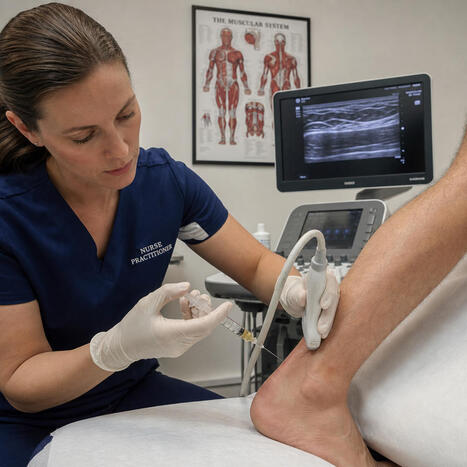
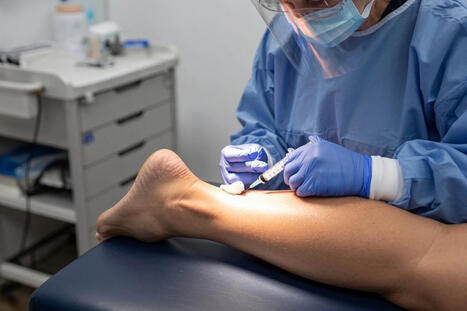




















Find out how pain management techniques in a clinical setting can lead to better healthcare results and improved patient experiences. If you have any questions or concerns, please call Dr. Jimenez at 915-850-0900.