 Your new post is loading...
Discover effective interventions for carpal tunnel syndrome to reduce pain and improve hand health in neuromusculoskeletal care. Carpal Tunnel Syndrome: How Chiropractic Care Can Support the Wrist, Hand, and Forearm Carpal tunnel syndrome, commonly called CTS, is more than a sore wrist. It is a compressive neuropathy involving the median nerve as it travels from the forearm into the hand through the carpal tunnel. When pressure in this confined space increases, it can irritate or compress the median nerve, causing numbness, tingling, burning discomfort, hand weakness, reduced dexterity, and pain that may extend into the forearm. Because the wrist is a highly coordinated region made up of bones, joints, tendons, ligaments, muscles, nerves, and blood vessels, successful conservative management requires more than simply focusing on where the patient feels pain. Chiropractic care can be part of a broader nonsurgical plan that addresses wrist mechanics, forearm muscle tension, neural mobility, ergonomics, and other musculoskeletal factors that contribute to the patient’s symptoms. Current research suggests that manual therapy and neurodynamic approaches can provide short-term benefits for some people with mild-to-moderate CTS, although they should not replace appropriate medical or surgical evaluation when nerve compression is severe or progressive (Cereceda-Muriel et al., 2024; Zaheer & Ahmed, 2023). Understanding the Carpal Tunnel The carpal tunnel is a relatively small passageway on the palm side of the wrist. The carpal bones form its floor and sides, while the flexor retinaculum (also known as the transverse carpal ligament) forms the roof. The eight carpal bones are arranged in two rows. The proximal row includes the scaphoid, lunate, triquetrum, and pisiform. The distal row includes the trapezium, trapezoid, capitate, and hamate. Together, these bones form the wrist’s curved structural foundation (Omole et al., 2023). Ten important structures travel through the carpal tunnel: the median nerve and nine flexor tendons. These tendons include four from the flexor digitorum superficialis, four from the flexor digitorum profundus, and one from the flexor pollicis longus. The flexor carpi radialis tendon runs nearby but occupies its own fibro-osseous compartment, not the carpal tunnel itself (Deak & Black, 2023; Omole et al., 2023). Because the tunnel has limited room to accommodate swelling or structural changes, increased pressure can compromise the median nerve. This is why conditions that cause tendon swelling, synovial inflammation, fluid retention, connective-tissue thickening, or altered wrist mechanics may contribute to CTS symptoms. How Carpal Tunnel Syndrome Affects the Wrist and Hand The median nerve provides sensation to much of the thumb, index finger, middle finger, and radial side of the ring finger. It also supplies motor function to several muscles involved in thumb movement. As compression increases, patients may experience tingling or numbness in these fingers, burning or aching wrist pain, symptoms that worsen at night, difficulty manipulating small objects, reduced pinch or grip control, or a tendency to drop objects. In more advanced cases, prolonged median nerve compression can affect the thenar muscles at the base of the thumb. Thenar weakness and eventual muscle atrophy can impair thumb opposition, making activities such as buttoning clothing, opening containers, gripping tools, or holding a phone more difficult (Deak & Black, 2023; Omole et al., 2023). Symptoms are not always limited to the hand. CTS-related discomfort can sometimes radiate proximally into the wrist and forearm. At the same time, forearm median nerve compression, cervical radiculopathy, wrist arthritis, thumb carpometacarpal arthritis, de Quervain tendinopathy, ulnar nerve compression, and other disorders may produce symptoms that overlap with CTS. Therefore, a careful differential diagnosis is important before treatment begins (Omole et al., 2023). The Muscles, Tendons, and Joints of the Wrist and Hand The hand and wrist depend on an interconnected system rather than a single structure. Important anatomical components include: - Wrist and finger flexors: Flexor digitorum superficialis flexes the proximal interphalangeal joints, flexor digitorum profundus flexes the distal interphalangeal joints, and flexor pollicis longus flexes the thumb. The flexor carpi radialis, flexor carpi ulnaris, and palmaris longus contribute to wrist movement and stability.
- Wrist and finger extensors: Extensor carpi radialis longus and brevis, extensor carpi ulnaris, extensor digitorum, extensor indicis, extensor digiti minimi, and the thumb extensors and abductors coordinate extension and stabilization on the back of the wrist and hand.
- Intrinsic hand muscles: The thenar muscles include abductor pollicis brevis, flexor pollicis brevis, and opponens pollicis. The hand also contains hypothenar muscles, lumbricals, dorsal and palmar interossei, and adductor pollicis. These muscles help control grip, pinch, finger spreading, finger approximation, thumb opposition, and precise hand movements.
- Major joints: The radiocarpal joint connects the forearm to the wrist. The midcarpal joints connect the two rows of carpal bones. Distally, the carpometacarpal joints connect the wrist to the metacarpals. The metacarpophalangeal joints form the knuckles, while the proximal and distal interphalangeal joints allow finger flexion and extension. The thumb has a particularly mobile carpometacarpal joint that makes opposition possible (Erwin & Varacallo, 2023; Okafor et al., 2023).
These structures continually share mechanical loads. Reduced mobility in one region, excessive muscle tension, repetitive gripping, prolonged wrist flexion or extension, or poor upper-extremity ergonomics may change how these tissues are loaded. This interconnected anatomy is one reason a conservative musculoskeletal examination often evaluates more than the site of numbness alone.
General Disclaimer * The information herein is not intended to replace a one-on-one relationship with a qualified healthcare professional or licensed physician and is not medical advice. We encourage you to make healthcare decisions based on your research and partnership with a qualified healthcare professional. Our information scope is limited to chiropractic, musculoskeletal, and physical medicine, as well as wellness, sensitive health issues, and functional medicine articles, topics, and discussions. We provide and facilitate clinical collaboration with specialists across disciplines. Each specialist follows their professional scope of practice and the jurisdiction in which they are licensed. We utilize functional health and wellness protocols to treat and support care for musculoskeletal injuries or disorders. Our videos, posts, topics, subjects, and insights cover clinical matters and issues that directly or indirectly support our clinical scope of practice. Our office has made a reasonable effort to provide supportive citations and identify relevant research studies for our posts. We provide copies of supporting research studies upon request to regulatory boards and the public. We are here to help you and your family. Blessings Dr. Alex Jimenez, DC, MSACP, APRN, FNP-BC*, CCST, IFMCP, CFMP, ATN Email: coach@elpasofunctionalmedicine.com
Multidisciplinary Licensing & Board Certifications:
Licensed as a Doctor of Chiropractic (DC) in Texas & New Mexico*
Texas DC License #: TX5807, Verified: TX5807
New Mexico DC License #: NM-DC2182, Verified: NM-DC2182 Multi-State Advanced Practice Registered Nurse (APRN*) in Texas & Multi-States
Multi-State Compact APRN License by Endorsement (42 States)
Texas APRN License #: 1191402, Verified: 1191402 *
Florida APRN License #: 11043890, Verified: APRN11043890 *
New York APRN License #: N25929, Verified: APRN-N25929*
License Verification Link: Nursys License Verifier
* Prescriptive Authority Authorized ANCC FNP-BC: Board Certified Nurse Practitioner*
Compact Status: Multi-State License: Authorized to Practice in 40 States* Graduate with Honors: ICHS: MSN-FNP (Family Nurse Practitioner Program)
Degree Granted. Master's in Family Practice MSN Diploma (Cum Laude)
Dr. Alex Jimenez, DC, APRN, FNP-BC*, CFMP, IFMCP, ATN, CCST
My Digital Business Card
Dr. Maria Cardenas, MD
(Board Certified in Internal Medicine)
Medical Director & Collaborative Physician
NPI # 1164426748
MD License #: J2933
Discover effective chiropractic rehabilitation strategies to support testosterone health and foster a healthier lifestyle. Integrative Male Hormone Health: How Chiropractic Care Fits Testosterone Assessment and Collaborative Treatment I have cared for men across a wide range of ages, activity levels, and injury histories, from weekend athletes and first responders to executives living under sustained stress. A single blood draw that reads “normal” often leaves the real story unfinished. When a man in his mid-forties sits in clinic with a morning total testosterone around 370 ng/dL, reduced vitality, central weight gain, fragmented sleep, slower recovery, low mood, and changes in libido or erectile function, I do not reassure him and move on. I ask, examine, and measure. In integrative care, we do not chase a number. We look for coherence between symptoms, biomarkers, and the systems that set the hormonal environment. Is the pituitary under-signaling? Are the testes not responding? Is estradiol throttling luteinizing hormone (LH) through negative feedback? Is sex hormone-binding globulin (SHBG) limiting the free fraction? Are metabolic inflammation, pain, sleep debt, or medication exposure suppressing the hypothalamic-pituitary-gonadal (HPG) axis? This post explains what testosterone does, what happens when comorbidities disrupt it, how we read the laboratory pattern, and where chiropractic care belongs. Chiropractic care does not replace testosterone and does not directly raise testosterone levels. It addresses the mechanical and autonomic side of the problem so that medical care, rehabilitation, and lifestyle change have a body that can actually respond. Our Collaborative Model in El Paso I practice at Injury Medical Clinic PA (also known as Mission Plaza Injury Medical Clinic) in El Paso, Texas. Complex hormone problems are not a single-discipline job. Maria Guadalupe Cardenas, MD, board-certified in internal medicine (NPI 1164426748; Texas medical license J2933), serves as Medical Director and Collaborative Physician. Some earlier clinic materials listed NPI 1164426749; current provider records identify 1164426748, which we use in publication. With more than four decades of internal medicine experience, she oversees diagnostic standards, medication decisions, advanced testing, and safety monitoring. I, Dr. Alexander Jimenez, DC, APRN, FNP-BC, CFMP, IFMCP, ATN, CCST, integrate chiropractic care, functional medicine, rehabilitative exercise, nutritional therapeutics, and, when medically indicated, peptide or pharmacologic protocols within that supervised framework. Rehab specialists, nutrition professionals, and case managers help carry out the plan, especially in personal injury care, where pain, sleep loss, deconditioning, and stress physiology converge. Further clinical writing is available at dralexjimenez.com and on LinkedIn. What Testosterone Does in the Body Testosterone is an androgen produced mainly by Leydig cells in the testes under LH stimulation. A smaller amount comes from adrenal precursors. Production starts with cholesterol. The steroidogenic acute regulatory (StAR) protein moves cholesterol into mitochondria, and enzymes including CYP11A1 and CYP17A1 convert it to pregnenolone and androstenedione, then to testosterone. Zinc, magnesium, selenium, vitamin D, and adequate protein support that machinery. They don’t replace a working HPG axis. Once in circulation, most testosterone is bound to SHBG or albumin. Only a small free fraction enters cells and activates the androgen receptor. Dihydrotestosterone, formed by 5-alpha reductase, is a more potent androgen in selected tissues. Aromatase, concentrated in adipose tissue, endothelium, and brain, converts testosterone to estradiol. Estradiol is not a waste product. In men, it supports bone health, vascular function, sexual function, and mood. The problem is excess relative to testosterone, not the presence of estradiol itself. At the tissue level, adequate androgen action supports: -
Skeletal muscle protein synthesis, strength, and recovery, which improves glucose disposal. -
Bone mineral density and fracture resistance. -
Libido, erectile physiology, and spermatogenesis, the last of which depends on high intratesticular testosterone driven by LH and follicle-stimulating hormone (FSH). -
Red blood cell production. -
Energy, motivation, and aspects of mood and cognitive stamina. -
Body-composition balance, including resistance to visceral fat gain. The Endocrine Society recommends testosterone therapy for men with symptoms of deficiency and consistently low, accurately measured morning testosterone, after the cause has been evaluated and benefits and risks have been discussed. It does not recommend treating fatigue, aging, or weight gain based on a single borderline result, and it recommends against routine treatment of all men 65 and older with a low value (Bhasin et al., 2018). General Disclaimer * The information herein is not intended to replace a one-on-one relationship with a qualified healthcare professional or licensed physician and is not medical advice. We encourage you to make healthcare decisions based on your research and partnership with a qualified healthcare professional. Our information scope is limited to chiropractic, musculoskeletal, and physical medicine, as well as wellness, sensitive health issues, and functional medicine articles, topics, and discussions. We provide and facilitate clinical collaboration with specialists across disciplines. Each specialist follows their professional scope of practice and the jurisdiction in which they are licensed. We utilize functional health and wellness protocols to treat and support care for musculoskeletal injuries or disorders. Our videos, posts, topics, subjects, and insights cover clinical matters and issues that directly or indirectly support our clinical scope of practice. Our office has made a reasonable effort to provide supportive citations and identify relevant research studies for our posts. We provide copies of supporting research studies upon request to regulatory boards and the public. We are here to help you and your family. Blessings Dr. Alex Jimenez, DC, MSACP, APRN, FNP-BC*, CCST, IFMCP, CFMP, ATN Email: coach@elpasofunctionalmedicine.com
Multidisciplinary Licensing & Board Certifications:
Licensed as a Doctor of Chiropractic (DC) in Texas & New Mexico*
Texas DC License #: TX5807, Verified: TX5807
New Mexico DC License #: NM-DC2182, Verified: NM-DC2182 Multi-State Advanced Practice Registered Nurse (APRN*) in Texas & Multi-States
Multi-State Compact APRN License by Endorsement (42 States)
Texas APRN License #: 1191402, Verified: 1191402 *
Florida APRN License #: 11043890, Verified: APRN11043890 *
New York APRN License #: N25929, Verified: APRN-N25929*
License Verification Link: Nursys License Verifier
* Prescriptive Authority Authorized ANCC FNP-BC: Board Certified Nurse Practitioner*
Compact Status: Multi-State License: Authorized to Practice in 40 States* Graduate with Honors: ICHS: MSN-FNP (Family Nurse Practitioner Program)
Degree Granted. Master's in Family Practice MSN Diploma (Cum Laude)
Dr. Alex Jimenez, DC, APRN, FNP-BC*, CFMP, IFMCP, ATN, CCST
My Digital Business Card
Dr. Maria Cardenas, MD
(Board Certified in Internal Medicine)
Medical Director & Collaborative Physician
NPI # 1164426748
MD License #: J2933
Learn how integrative chiropractic care for OUD can help manage opioid use disorder through advanced techniques and compassionate support. Abstract In this educational post, I explain how opioid use disorder (OUD) and musculoskeletal pain reinforce each other, and how integrative chiropractic care can interrupt that loop. I am Dr. Alexander Jimenez, DC, APRN, FNP-BC. At Injury Medical Clinic PA (Mission Plaza Injury Medical Clinic) in El Paso, Texas, I work with our Medical Director and Collaborative Physician, Dr. Maria Guadalupe Cardenas, MD, to combine spinal and soft-tissue care, rehabilitation, functional medicine, and medical oversight. Chiropractic care does not replace medications for opioid use disorder (MOUD). Buprenorphine and methadone remain the treatments with the strongest mortality benefit. What chiropractic care can do is change the body systems that keep people reaching for opioids: stiff and irritated joints, overloaded muscles, altered movement, heightened pain sensitivity, poor sleep, and an overactive stress response. Large observational studies associate earlier chiropractic care for spine pain with lower odds of receiving a prescription opioid and, in one matched cohort, a lower observed risk of an OUD diagnosis. Those findings are associations, not proof that an adjustment cures addiction. They do support a practical claim I see in clinic: when we restore motion and load tolerance, pain becomes a less dominant driver of use. This post covers the musculoskeletal physiology, the OUD comorbidities hands-on care can address, my clinical observations, and how this work sits alongside harm reduction and MOUD. Key Takeaways - Musculoskeletal pain is both a common on-ramp to prescription opioids and a relapse trigger after OUD is established. Treating the joint, muscle, and movement problem is part of treating the opioid problem.
- Spinal joint dysfunction, myofascial overload, and guarded movement increase nociceptive input. Repeated input can sensitize the dorsal horn and cortex, so ordinary loads feel dangerous.
- High-velocity, low-amplitude adjustments and graded mobilization stimulate joint and muscle mechanoreceptors. The best-supported analgesic pathway is descending inhibition using serotonin and noradrenaline, not a new opioid prescription (Skyba et al., 2003; Bialosky et al., 2009).
- People with noncancer spine pain who receive chiropractic care have lower odds of filling an opioid prescription. A 2025 systematic review estimated 64% lower odds versus usual medical care alone, with a larger association when care started within 30 days, at very low certainty (Emary et al., 2025).
- In a matched cohort of adults with new low back pain, initial spinal manipulative therapy by a chiropractor was associated with a lower two-year risk of an OUD diagnosis than initial ibuprofen (0.24% versus 1.51%; risk ratio 0.20). Residual confounding remains possible (Trager, Cupler, et al., 2025).
- In my El Paso practice, the recurring pattern is thoracolumbar stiffness, hip abductor weakness, and poor diaphragmatic breathing alongside chronic pain and opioid exposure. Restoring those three often lowers pain scores, improves sleep, and makes MOUD easier to stay on (Jimenez, 2026a, 2026b).
- Naloxone, syringe services, and same-day buprenorphine access still come first. No one can rehabilitate a joint if they do not survive the week.
About Our Integrated Care Team I am a Doctor of Chiropractic (Texas license TX5807; New Mexico NM-DC2182), an Advanced Practice Registered Nurse certified as a Family Nurse Practitioner (FNP-BC), a Certified Functional Medicine Practitioner (CFMP, IFMCP), and a Certified Chiropractic Sports Physician (CCST). My clinical work sits at the intersection of injury, chronic pain, rehabilitation, and addiction-informed primary care. You can find profiles of that work at dralexjimenez.com and on LinkedIn. Dr. Maria Guadalupe Cardenas, MD, is board-certified in internal medicine and has more than 40 years of experience. She is our Medical Director and Collaborative Physician (NPI 1164426749; Texas MD license J2933). She reviews cardiopulmonary and hepatic risk, medication interactions, infectious disease screening, and MOUD monitoring, including QTc considerations for methadone and liver panels when naltrexone is considered. Chiropractic care in this model is not freestanding addiction treatment. It is musculoskeletal care delivered inside a physician-directed plan. Our services include medical evaluation, MOUD co-management, integrative chiropractic care, functional movement rehabilitation, functional medicine, personal-injury documentation, nutrition counseling, and linkage to community harm-reduction services. Why Musculoskeletal Pain Feeds Opioid Use Most people who develop OUD did not start by seeking euphoria. Many started with a back, neck, shoulder, or joint injury, a prescription that worked for a while, and a nervous system that adapted. National Survey on Drug Use and Health estimates for 2024 found that 4.8 million people aged 12 or older had a past-year opioid use disorder, and only 17% of them (about 818,000 people) received MOUD (Substance Abuse and Mental Health Services Administration [SAMHSA], 2025). Provisional mortality data from the National Center for Health Statistics estimated 69,973 drug overdose deaths in 2025, down from 81,313 in 2024. Opioid-involved deaths fell from an estimated 55,296 to 44,564 (National Center for Health Statistics, 2026). The crisis is smaller than the peak years above 100,000 deaths, and it is still a leading injury-related killer. Synthetic opioids remain the main driver. The clinical bridge is pain plus a sensitized musculoskeletal system: - A painful segment or joint keeps firing nociceptors.
- Muscles around that segment guard, fatigue, and develop trigger points.
- The person moves less. Load tolerance drops. The next ordinary task hurts more.
- Opioids briefly dampen that signal, then tolerance, withdrawal, and opioid-induced hyperalgesia make the same tissues feel worse (Lee et al., 2011).
- Use continues “not to get high, but not to feel sick,” and also not to feel the back seize on the way to work.
If we only swap one molecule for another and leave the stiff segment, weak hip, and guarded gait alone, we leave a daily relapse cue in the body.
General Disclaimer * The information herein is not intended to replace a one-on-one relationship with a qualified healthcare professional or licensed physician and is not medical advice. We encourage you to make healthcare decisions based on your research and partnership with a qualified healthcare professional. Our information scope is limited to chiropractic, musculoskeletal, and physical medicine, as well as wellness, sensitive health issues, and functional medicine articles, topics, and discussions. We provide and facilitate clinical collaboration with specialists across disciplines. Each specialist follows their professional scope of practice and the jurisdiction in which they are licensed. We utilize functional health and wellness protocols to treat and support care for musculoskeletal injuries or disorders. Our videos, posts, topics, subjects, and insights cover clinical matters and issues that directly or indirectly support our clinical scope of practice. Our office has made a reasonable effort to provide supportive citations and identify relevant research studies for our posts. We provide copies of supporting research studies upon request to regulatory boards and the public. We are here to help you and your family. Blessings Dr. Alex Jimenez, DC, MSACP, APRN, FNP-BC*, CCST, IFMCP, CFMP, ATN Email: coach@elpasofunctionalmedicine.com
Multidisciplinary Licensing & Board Certifications:
Licensed as a Doctor of Chiropractic (DC) in Texas & New Mexico*
Texas DC License #: TX5807, Verified: TX5807
New Mexico DC License #: NM-DC2182, Verified: NM-DC2182 Multi-State Advanced Practice Registered Nurse (APRN*) in Texas & Multi-States
Multi-State Compact APRN License by Endorsement (42 States)
Texas APRN License #: 1191402, Verified: 1191402 *
Florida APRN License #: 11043890, Verified: APRN11043890 *
New York APRN License #: N25929, Verified: APRN-N25929*
License Verification Link: Nursys License Verifier
* Prescriptive Authority Authorized ANCC FNP-BC: Board Certified Nurse Practitioner*
Compact Status: Multi-State License: Authorized to Practice in 40 States* Graduate with Honors: ICHS: MSN-FNP (Family Nurse Practitioner Program)
Degree Granted. Master's in Family Practice MSN Diploma (Cum Laude)
Dr. Alex Jimenez, DC, APRN, FNP-BC*, CFMP, IFMCP, ATN, CCST
My Digital Business Card
Dr. Maria Cardenas, MD
(Board Certified in Internal Medicine)
Medical Director & Collaborative Physician
NPI # 1164426748
MD License #: J2933
Find effective solutions for shoulder pain through chiropractic rehabilitation to help you regain your strength and comfort. Integrative Management of Suprascapular Neuropathy Hello, I’m Dr. Alex Jimenez. Welcome to our educational series, where we explore complex health topics and demystify them through modern, evidence-based research and integrative clinical practice. With my credentials as a Doctor of Chiropractic (DC), Advanced Practice Registered Nurse (APRN), Board-Certified Family Nurse Practitioner (FNP-BC), Certified Functional Medicine Practitioner (CFMP, IFMCP), Advanced Tonal Neurologist (ATN), and certified in Chiropractic Spinal Trauma (CCST), my mission is to bridge the gap between different medical disciplines to offer comprehensive, patient-centered care. Our practice, Injury Medical Clinic PA, located in El Paso, Texas, is founded on a multidisciplinary, integrative model. A cornerstone of this model is my collaboration with Dr. Maria Guadalupe Cardenas, MD. Dr. Cardenas is a highly respected, board-certified Internist with over four decades of clinical experience. As our Medical Director and Collaborative Physician, she provides invaluable medical oversight, ensuring that our patients receive a complete spectrum of care that merges the best of chiropractic, functional medicine, and conventional internal medicine. This synergy allows us to address not just the symptoms but the root causes of dysfunction, particularly in complex cases involving musculoskeletal injuries, chronic pain, and neurological compromise. Today’s discussion is particularly close to my heart, as it highlights a condition that often goes undiagnosed or is mismanaged: Suprascapular Neuropathy. We will explore this condition in depth, using a real-world clinical scenario to illustrate the diagnostic process and a specific intervention. More importantly, we will frame this within the broader context of integrative care, showcasing how chiropractic adjustments, functional medicine principles, and targeted medical interventions work in concert to restore function, alleviate pain, and empower our patients on their journey back to optimal health. Abstract: Understanding and Managing Suprascapular Neuropathy This comprehensive educational post explores the diagnosis and management of suprascapular neuropathy, a frequently overlooked cause of shoulder pain and weakness. From my perspective as Dr. Alex Jimenez, DC, APRN, FNP-BC, we will journey through a detailed clinical case of an 18-year-old athlete presenting with insidious onset of left shoulder pain, weakness, and muscular atrophy. This post breaks down the suprascapular nerve’s anatomical pathway, physiological function, and how it can become compressed or entrapped, leading to debilitating symptoms. We will examine the clinical presentation, differential diagnosis, and the critical role of a thorough physical examination in identifying key signs such as infraspinatus and supraspinatus atrophy. The article provides a step-by-step walkthrough of a diagnostic and therapeutic suprascapular nerve block, a precise, landmark-guided injection technique designed to reduce inflammation and confirm the diagnosis. We will analyze the rationale behind the chosen landmarks—the coracoid process, the spine of the scapula, and the acromion—and the neurophysiological basis for the injection’s efficacy. This post also explains the broader, integrative treatment paradigm used at Injury Medical Clinic PA. We will discuss how my collaborative expertise with Dr. Maria Cardenas, MD, our Medical Director, supports a holistic approach. This includes integrating chiropractic care to restore biomechanical function of the cervicothoracic spine and scapulothoracic joint, functional medicine strategies to address systemic inflammation and support nerve healing, and targeted rehabilitation to correct muscle imbalances and restore strength. By weaving together the latest evidence-based research with decades of clinical experience, this article aims to provide a definitive resource for both patients and practitioners on navigating the complexities of suprascapular neuropathy.
General Disclaimer * The information herein is not intended to replace a one-on-one relationship with a qualified healthcare professional or licensed physician and is not medical advice. We encourage you to make healthcare decisions based on your research and partnership with a qualified healthcare professional. Our information scope is limited to chiropractic, musculoskeletal, and physical medicine, as well as wellness, sensitive health issues, and functional medicine articles, topics, and discussions. We provide and facilitate clinical collaboration with specialists across disciplines. Each specialist follows their professional scope of practice and the jurisdiction in which they are licensed. We utilize functional health and wellness protocols to treat and support care for musculoskeletal injuries or disorders. Our videos, posts, topics, subjects, and insights cover clinical matters and issues that directly or indirectly support our clinical scope of practice. Our office has made a reasonable effort to provide supportive citations and identify relevant research studies for our posts. We provide copies of supporting research studies upon request to regulatory boards and the public. We are here to help you and your family. Blessings Dr. Alex Jimenez, DC, MSACP, APRN, FNP-BC*, CCST, IFMCP, CFMP, ATN Email: coach@elpasofunctionalmedicine.com
Multidisciplinary Licensing & Board Certifications:
Licensed as a Doctor of Chiropractic (DC) in Texas & New Mexico*
Texas DC License #: TX5807, Verified: TX5807
New Mexico DC License #: NM-DC2182, Verified: NM-DC2182 Multi-State Advanced Practice Registered Nurse (APRN*) in Texas & Multi-States
Multi-State Compact APRN License by Endorsement (42 States)
Texas APRN License #: 1191402, Verified: 1191402 *
Florida APRN License #: 11043890, Verified: APRN11043890 *
New York APRN License #: N25929, Verified: APRN-N25929*
License Verification Link: Nursys License Verifier
* Prescriptive Authority Authorized ANCC FNP-BC: Board Certified Nurse Practitioner*
Compact Status: Multi-State License: Authorized to Practice in 40 States* Graduate with Honors: ICHS: MSN-FNP (Family Nurse Practitioner Program)
Degree Granted. Master's in Family Practice MSN Diploma (Cum Laude)
Dr. Alex Jimenez, DC, APRN, FNP-BC*, CFMP, IFMCP, ATN, CCST
My Digital Business Card
Dr. Maria Cardenas, MD
(Board Certified in Internal Medicine)
Medical Director & Collaborative Physician
NPI # 1164426748
MD License #: J2933
Learn about the benefits of chiropractic rehabilitation for treating jaw pain and improving overall oral health from TMJ. Abstract This educational post explores the intricate world of Temporomandibular Joint (TMJ) Dysfunction. This condition affects millions and often extends beyond the jaw to affect the neck, shoulders, and overall well-being. From my perspective as Dr. Alex Jimenez, and in collaboration with my esteemed colleague and Medical Director, Dr. Maria Guadalupe Cardenas, MD, I will guide you through the complexities of TMJ anatomy, the physiological underpinnings of dysfunction, and the latest evidence-based treatment approaches. We will delve into the critical role of the trigeminal nerve, the biomechanics of jaw movement, and how chronic stress and inflammation contribute to pain and dysfunction. This post highlights our integrative approach at Injury Medical Clinic, where we combine chiropractic care, functional medicine, advanced injection techniques, and medical oversight to provide comprehensive, patient-centered solutions. You will learn how chiropractic adjustments can restore alignment in the cervical spine and upper extremities, relieve referred pain, and improve TMJ function. We will also detail specific diagnostic methods, explain the rationale behind treatments like intra-articular injections, and show how our multidisciplinary team works together to create personalized care plans that address the root causes of TMJ disorders, not just the symptoms. Join me on this journey to understand how a holistic, evidence-based strategy can unlock lasting relief and restore optimal health. Introducing Our Collaborative Care Model at Injury Medical Clinic Hello, and welcome. I am Dr. Alex Jimenez. My journey in healthcare has been driven by a passion for understanding the intricate connections within the human body and finding the most effective ways to restore health. With a background that spans chiropractic (DC), advanced practice nursing as a Family Nurse Practitioner (APRN, FNP-BC), and dual certifications in functional medicine (CFMP, IFMCP), I have dedicated my career to an integrative, evidence-based approach to patient care. At my practice, Injury Medical Clinic PA in El Paso, Texas, we have cultivated a unique environment where different medical disciplines converge to provide comprehensive care. A cornerstone of our practice is my collaboration with Dr. Maria Guadalupe Cardenas, MD. Dr. Cardenas is a highly respected internist, board-certified in Internal Medicine, with over four decades of invaluable experience. She serves as our Medical Director and Collaborative Physician, providing essential medical oversight and enriching our clinical capabilities. Her NPI is #1164426749, and her Texas MD License is #J2933. This multidisciplinary setup is not just a matter of convenience; it is a philosophical commitment to treating the whole person. Our team integrates: - Medical Oversight (Dr. Cardenas): Ensuring all treatments meet the highest standards of medical safety and efficacy. Dr. Cardenas reviews complex cases, provides medical diagnoses, and oversees procedures that fall within the scope of medicine, such as prescription management and specific injection therapies.
- Chiropractic Care (Dr. Jimenez): Focusing on the biomechanical integrity of the musculoskeletal system, particularly the spine. We utilize precise adjustments to correct misalignments (subluxations) that can cause nerve interference and contribute to a wide range of health issues, including TMJ dysfunction.
- Functional Medicine: Investigating the root causes of chronic illness. We look beyond symptoms to understand the interplay of genetics, lifestyle, and environment, using advanced diagnostics to address issues like inflammation, hormonal imbalances, and nutritional deficiencies.
- Personal Injury and Rehabilitation: Specializing in the recovery from accidents and injuries, we design comprehensive rehabilitation programs that restore function, reduce pain, and prevent long-term complications.
Today, I want to take you on a detailed journey into a condition that beautifully illustrates the power of this integrative model: Temporomandibular Joint (TMJ) Dysfunction. While often perceived as a localized jaw problem, TMJ issues are frequently intertwined with the neck, shoulders, and even systemic health. By combining our expertise, Dr. Cardenas and I can offer patients care that addresses these complex connections, leading to more profound and lasting outcomes. A Clinical Glimpse: Performing a TMJ Injection To ground our discussion in a real-world clinical context, let’s walk through a common procedure we perform for acute TMJ pain: an intra-articular injection. Just recently, on September 2, 2026, a patient presented with significant aching in their jaw joint, a classic symptom of TMJ inflammation. My immediate goal was to provide rapid pain relief and reduce inflammation within the joint capsule. Here is a narrative of the procedure, explaining the “why” behind each step: “Okay, we’re going to do the injection now on the TMJ, the temporomandibular joint,” I explained to the patient, ensuring they were comfortable and informed. “Go ahead and open your mouth, please, and close. Open one more time. Good. And close.” This simple act of opening and closing the jaw is a critical diagnostic step. I visually and palpably assess the joint’s range of motion, listen for any clicking or popping (crepitus), and watch the movement of the mandibular condyle. The patient’s ability to perform this movement also helps me pinpoint the precise injection site. “All right. So, we’re going to take the posterior approach to the joint. With your mouth open, do this. Open your mouth again.” As the patient opens their jaw, a remarkable biomechanical event occurs. The head of the mandible, or the condyle, slides forward and downward along a structure called the articular eminence. This movement is essential for wide mouth opening. “If you can see that sulcus there, close it and open again. Right there is the approach entry point that we need to take.” That “sulcus,” or small depression that appears just in front of the ear’s tragus when the mouth is open, is our target. It’s a temporary anatomical window. “So close your mouth for a moment. When you open your mouth, the head of the mandible slides forward. And opens up the rear of the joint, the posterior aspect of the joint. Otherwise, there’s no joint space. The joint space is there, but you cannot access it. This is a crucial point. In a closed-mouth position, the condyle sits snugly within the glenoid fossa of the temporal bone. The joint space is minimal and protected by bone, making a posterior entry impossible and unsafe. Forward translation of the condyle during jaw opening creates the necessary space in the posterior part of the joint for a needle to be inserted safely without hitting bone or critical structures. This space is known as the bilaminar zone or retrodiscal tissue area. Next came preparation for the injection, where sterility is paramount. “So, just cleaned you with alcohol, cleaned you with Betadine, a little bit more Betadine to help prevent any infections.” We use a two-step cleansing process. We use alcohol (isopropyl alcohol) first to degrease the skin and remove surface contaminants. We then follow with Betadine (povidone-iodine). This powerful antiseptic provides a broader, more sustained antimicrobial effect. It significantly reduces the risk of introducing bacteria into the joint, which could lead to a serious condition called septic arthritis. “And now we’re going to do the injection. We are not going to use the ethyl chloride spray, or else it will run down.” Ethyl chloride is a vapo-coolant spray often used as a topical anesthetic to numb the skin before an injection. However, because the injection site on the face is vertical and close to the ear canal and hair, the spray can be difficult to control. It might run into the ear or freeze unintended areas, causing discomfort. In this case, the precision of a swift needle insertion is preferred over the potential complications of a topical spray. “Okay, get things here. Okay, go ahead and open your mouth. One, two, three. Ouch.” I guide the patient through needle entry with a clear countdown. The “Ouch” is the patient’s brief, expected reaction to the needle piercing the skin and, more significantly, the highly innervated joint capsule. “Okay, right at the joint capsule. Does that hurt?” I ask, holding the needle in place. This question serves two purposes. First, it confirms I am in the correct location. Pain at this stage often indicates the needle is stimulating the sensitive capsular tissue. Second, it gauges the patient’s real-time comfort level. “Is that hurting at all right now?” “Not now,” the patient replied. The initial sharp pain subsides as the needle passes through the capsule into the joint space. “Let’s do it again a little bit more. I actually felt it just go into the joint capsule.” The sensation of a needle “popping” through a fibrous layer like the joint capsule is a distinct tactile feedback for an experienced clinician. It confirms entry into the intra-articular space, ensuring the medication will be delivered exactly where it’s needed—into the synovial fluid to bathe the inflamed joint surfaces. “Can you feel any fullness in the joint?” I asked as I began to inject the medication (typically a combination of a local anesthetic like lidocaine and a corticosteroid like Kenalog). The feeling of fullness or pressure is a positive sign. It indicates the fluid is filling the small, enclosed space of the joint, displacing the synovial fluid and slightly expanding the capsule. This confirms the medication is being deposited intra-articularly and not into the surrounding muscle or soft tissue. “A little,” the patient confirmed. “Put a little pressure on this spot. You can close your mouth,” I instructed as I withdrew the needle. Applying gentle pressure helps to prevent bleeding or bruising at the injection site and can help disperse the medication within the joint. “Here we go. Okay. Done. I believe so. Let me get a Band-Aid on it now. Yeah. Pretty much done. Probably could just put a spot Band-Aid on there, but I got the big Band-Aid right there. And that is good.” A simple bandage protects the puncture site from contamination as it heals. The final and most important step is the immediate post-procedure assessment. “Okay. Now, does that hurt right now?” “No pain,” the patient reported. This immediate relief is due to the local anesthetic that was part of the injection cocktail. It provides a diagnostic and therapeutic benefit. If the pain disappears, it strongly confirms that the joint itself was the primary pain generator. “Right now, press over the area with your finger, and open your jaw a few times. Does that hurt?” I have the patient actively use the joint to see if the pain with movement is gone. “Was it hurting when you came in here?” “It was aching. Yeah.” “And it’s not aching now?” “No, not really.” “Excellent. Okay, we are done.” This rapid cessation of an aching pain that was present just minutes before is a powerful indicator of a successful procedure. The anesthetic provides immediate comfort, while the corticosteroid begins working over the next 24-48 hours to provide longer-lasting anti-inflammatory effects. This injection is a bridge—it calms the acute fire, allowing us to implement our broader, long-term strategies involving chiropractic, physical rehabilitation, and functional medicine. General Disclaimer * The information herein is not intended to replace a one-on-one relationship with a qualified healthcare professional or licensed physician and is not medical advice. We encourage you to make healthcare decisions based on your research and partnership with a qualified healthcare professional. Our information scope is limited to chiropractic, musculoskeletal, and physical medicine, as well as wellness, sensitive health issues, and functional medicine articles, topics, and discussions. We provide and facilitate clinical collaboration with specialists across disciplines. Each specialist follows their professional scope of practice and the jurisdiction in which they are licensed. We utilize functional health and wellness protocols to treat and support care for musculoskeletal injuries or disorders. Our videos, posts, topics, subjects, and insights cover clinical matters and issues that directly or indirectly support our clinical scope of practice. Our office has made a reasonable effort to provide supportive citations and identify relevant research studies for our posts. We provide copies of supporting research studies upon request to regulatory boards and the public. We are here to help you and your family. Blessings Dr. Alex Jimenez, DC, MSACP, APRN, FNP-BC*, CCST, IFMCP, CFMP, ATN Email: coach@elpasofunctionalmedicine.com
Multidisciplinary Licensing & Board Certifications:
Licensed as a Doctor of Chiropractic (DC) in Texas & New Mexico*
Texas DC License #: TX5807, Verified: TX5807
New Mexico DC License #: NM-DC2182, Verified: NM-DC2182 Multi-State Advanced Practice Registered Nurse (APRN*) in Texas & Multi-States
Multi-State Compact APRN License by Endorsement (42 States)
Texas APRN License #: 1191402, Verified: 1191402 *
Florida APRN License #: 11043890, Verified: APRN11043890 *
New York APRN License #: N25929, Verified: APRN-N25929*
License Verification Link: Nursys License Verifier
* Prescriptive Authority Authorized ANCC FNP-BC: Board Certified Nurse Practitioner*
Compact Status: Multi-State License: Authorized to Practice in 40 States* Graduate with Honors: ICHS: MSN-FNP (Family Nurse Practitioner Program)
Degree Granted. Master's in Family Practice MSN Diploma (Cum Laude)
Dr. Alex Jimenez, DC, APRN, FNP-BC*, CFMP, IFMCP, ATN, CCST
My Digital Business Card
Dr. Maria Cardenas, MD
(Board Certified in Internal Medicine)
Medical Director & Collaborative Physician
NPI # 1164426749
MD License #: J2933
Discover the role of integrative medicine in easing symptoms and improving quality of life during menopause with HRT. Abstract In this educational post, I walk you through how I approach perimenopause and menopause from a biology-first perspective using an integrative model that blends chiropractic care, internal medicine oversight, functional medicine, and rehabilitation. I explain why hormone replacement therapy (HRT) alone often falls short and how addressing systemic inflammation, oxidative stress, mitochondrial dysfunction, localized insulin resistance, micronutrient depletion, and autonomic imbalance can restore thermoregulation, mood stability, cognitive clarity, metabolic flexibility, and overall quality of life. I outline practical protocols—rooted in modern, evidence-based research methods—covering mitochondrial repletion, NAD+ dynamics, micronutrient repletion, circadian alignment, and neuromusculoskeletal optimization through chiropractic integration. I also detail our multidisciplinary model: I provide chiropractic, functional, and injury care; Dr. Maria Guadalupe Cardenas, MD (Board Certified in Internal Medicine; NPI #1164426749, Texas MD License #J2933), serves as the Medical Director and Collaborative Physician at Injury Medical Clinic PA (also known as Mission Plaza Injury Medical Clinic) in El Paso, Texas. Together, we coordinate comprehensive care using lab-driven decision-making, safe HRT usage, and targeted lifestyle therapeutics. This post shares current findings from leading researchers, highlights how they translate into real-world care, and explains why each intervention works for the physiology of menopause. About Our Collaborative Care Model in El Paso, Texas - I am Dr. Alex Jimenez, DC, APRN, FNP-BC, CFMP, IFMCP, ATN, CCST. In our clinic, I integrate chiropractic medicine with advanced practice nursing and functional medicine to address the neuromusculoskeletal, metabolic, and autonomic drivers of menopausal symptoms.
- Maria Guadalupe Cardenas, MD (Board Certified in Internal Medicine; NPI #1164426749, Texas MD License #J2933), has over 40 years of clinical experience as an internist. She serves as our Medical Director and Collaborative Physician at Injury Medical Clinic PA (Mission Plaza Injury Medical Clinic). Her oversight ensures medical safety, evidence-based prescribing, and coordinated care across complex cases.
- Our model reflects the multidisciplinary structure common in integrative and injury care clinics: an MD provides medical direction while chiropractors and functional clinicians deliver hands-on care, exercise rehab, and metabolic optimization—anchored by shared data, labs, and outcomes tracking.
How we integrate care: - Medical oversight and diagnostics (Dr. Cardenas): cardiovascular risk assessment, metabolic and inflammatory panels, medication/HRT management, safety monitoring.
- Chiropractic and functional medicine (Dr. Jimenez): biomechanical assessment, spinal and extremity adjustments, neuromyofascial release, vagal/ANS support, exercise rehabilitation, clinical nutrition, and lifestyle therapeutics.
- Personal injury and rehabilitation: we address injuries and movement dysfunction that often amplify menopausal symptoms through pain, poor sleep, and autonomic dysregulation.
- Evidence-based protocols: standardized lab timelines, titrated interventions, and outcome scores to ensure safe, trackable improvements.
Menopause Is Not Just Hormones: It Is Biology I often tell my patients: “Just running HRT handles the hormones, not the biology.” That is why many women receive estrogen and progesterone and still feel miserable. The reason is straightforward—biological bottlenecks block hormones from delivering the benefits you expect. - The three primary biological problems:
- Inflammation and oxidative stress remain high. HRT does not reliably lower high-sensitivity C-reactive protein (CRP) or oxidative stress markers; inflamed endothelium resists vasodilation, so hot flashes persist even when estradiol reaches receptors.
- Mitochondria remain dysfunctional. HRT does not rebuild mitochondrial density, restore NAD+ pools, or fix ATP generation deficits. If ATP is low, thermoregulation, neurotransmitter synthesis, and metabolic stability all suffer.
- Localized insulin resistance persists. In the hypothalamus and key metabolic tissues, insulin signaling becomes impaired; cells are bathed in glucose yet cannot efficiently oxidize it. Lipolysis is suppressed, adipocytes trap fat, and visceral adiposity increases—this is a metabolic access problem, not merely a calorie problem.
When these systems fail, estrogen cannot execute its protective roles in vessels, neurons, and adipocytes. The result: persistent hot flashes, weight gain, brain fog, mood instability, low libido, fatigue, and sleep disruption. General Disclaimer * The information herein is not intended to replace a one-on-one relationship with a qualified healthcare professional or licensed physician and is not medical advice. We encourage you to make healthcare decisions based on your research and partnership with a qualified healthcare professional. Our information scope is limited to chiropractic, musculoskeletal, and physical medicine, as well as wellness, sensitive health issues, and functional medicine articles, topics, and discussions. We provide and facilitate clinical collaboration with specialists across disciplines. Each specialist follows their professional scope of practice and the jurisdiction in which they are licensed. We utilize functional health and wellness protocols to treat and support care for musculoskeletal injuries or disorders. Our videos, posts, topics, subjects, and insights cover clinical matters and issues that directly or indirectly support our clinical scope of practice. Our office has made a reasonable effort to provide supportive citations and identify relevant research studies for our posts. We provide copies of supporting research studies upon request to regulatory boards and the public. We are here to help you and your family. Blessings Dr. Alex Jimenez, DC, MSACP, APRN, FNP-BC*, CCST, IFMCP, CFMP, ATN Email: coach@elpasofunctionalmedicine.com
Multidisciplinary Licensing & Board Certifications:
Licensed as a Doctor of Chiropractic (DC) in Texas & New Mexico*
Texas DC License #: TX5807, Verified: TX5807
New Mexico DC License #: NM-DC2182, Verified: NM-DC2182 Multi-State Advanced Practice Registered Nurse (APRN*) in Texas & Multi-States
Multi-State Compact APRN License by Endorsement (42 States)
Texas APRN License #: 1191402, Verified: 1191402 *
Florida APRN License #: 11043890, Verified: APRN11043890 *
New York APRN License #: N25929, Verified: APRN-N25929*
License Verification Link: Nursys License Verifier
* Prescriptive Authority Authorized ANCC FNP-BC: Board Certified Nurse Practitioner*
Compact Status: Multi-State License: Authorized to Practice in 40 States* Graduate with Honors: ICHS: MSN-FNP (Family Nurse Practitioner Program)
Degree Granted. Master's in Family Practice MSN Diploma (Cum Laude)
Dr. Alex Jimenez, DC, APRN, FNP-BC*, CFMP, IFMCP, ATN, CCST
My Digital Business Card
Dr. Maria Cardenas, MD
(Board Certified in Internal Medicine)
Medical Director & Collaborative Physician
NPI # 1164426749
MD License #: J2933
Discover how integrative OUD care combined with chiropractic rehabilitation can support recovery and enhance your overall health. Abstract As a Doctor of Chiropractic and board-certified Family Nurse Practitioner with extensive training in functional medicine, I am deeply committed to a holistic, integrative approach to patient care. My journey has led me to understand the profound connections between the body’s systems, particularly how musculoskeletal health, mental well-being, and substance use are intricately linked. This educational post delves into the complexities of Opioid Use Disorder (OUD), a condition that continues to challenge our healthcare systems and devastate communities. From my clinical perspective, managing OUD is not merely about addressing the addiction itself; it involves understanding and treating the whole person, including their co-occurring mental health conditions, unique life stages, and other medical complexities. In this comprehensive discussion, we will explore the latest evidence-based findings from leading researchers on treating OUD in several special populations. We will begin by examining the significant overlap between OUD and mental health disorders such as major depressive disorder, anxiety, and PTSD. We will then transition to the delicate and critical topic of OUD during pregnancy, focusing on strategies that protect both maternal and neonatal health. Following that, we will address the rising crisis of OUD among adolescents, a vulnerable group requiring specialized care and intervention. Finally, we will consider the unique challenges faced by older adults and individuals who concurrently use Central Nervous System (CNS) depressants. At Injury Medical Clinic PA in El Paso, Texas, our practice is built on multidisciplinary collaboration. I work alongside our esteemed Medical Director and Collaborative Physician, Dr. Maria Guadalupe Cardenas, MD. Dr. Cardenas is board-certified in Internal Medicine and brings over four decades of invaluable experience to our team. Her medical oversight is crucial in our integrative model, where we merge chiropractic care, functional medicine, rehabilitation, and conventional medical treatments. This post will highlight how our integrated team, under the medical direction of Dr. Cardenas, provides comprehensive care that addresses the multifaceted nature of OUD and its associated conditions, always prioritizing patient safety, empowerment, and long-term well-being. Understanding the Landscape: My Perspective on Integrative Care for Opioid Use Disorder As Dr. Alex Jimenez, I have dedicated my career to understanding the human body as an integrated system. With credentials spanning chiropractic (DC), advanced practice nursing (APRN, FNP-BC), and functional medicine (CFMP, IFMCP), I have witnessed firsthand how pain, mental health, and substance use are deeply intertwined. The opioid crisis is not just a headline; it is a reality I see in my patients who often first come to me seeking relief from chronic pain, perhaps from a personal injury or a degenerative condition. My practice, Injury Medical Clinic PA, operates on a principle of collaborative, patient-centered care. This is why I am honored to work with Dr. Maria Guadalupe Cardenas, MD, our Medical Director. Dr. Cardenas, an internist with over 40 years of experience, provides the essential medical oversight that allows us to offer a truly integrative spectrum of services. Her expertise ensures that our medical and pharmacological interventions are safe, evidence-based, and harmonized with the other modalities we provide. Our multidisciplinary model is designed to address health from multiple angles. When a patient walks through our doors, they are not just seeing a chiropractor or a medical doctor; they are entering a system of care. - Chiropractic Care (Dr. Jimenez): I focus on the biomechanical and neurological aspects of health. For patients with OUD, many of whom suffer from chronic pain, chiropractic adjustments can offer a non-pharmacological pathway to pain relief, reducing the reliance on opioids that may have initiated or exacerbated their condition. By restoring proper spinal alignment and nerve function, we can alleviate pain and improve overall physical well-being.
- Medical Oversight (Dr. Cardenas): Cardenas manages the medical aspects of care, including prescribing and overseeing medications for OUD (MOUD), managing co-occurring conditions like hypertension or diabetes, and ensuring that all treatments are medically sound. Her role is vital in complex cases, such as pregnancy or when patients are on multiple medications.
- Functional Medicine: We delve deep to identify the root causes of dysfunction. This involves comprehensive lab testing, nutritional counseling, and lifestyle modifications to support detoxification, reduce inflammation, and balance neurochemistry—all of which are critical for recovery from OUD and associated mental health issues.
- Rehabilitation & Personal Injury Care: Our team of therapists works to restore function and mobility, helping patients return to their daily lives after an injury. This physical recovery is a cornerstone of mental and emotional healing.
This integrated approach allows us to create personalized treatment plans that address the full spectrum of a patient’s needs. We believe that by treating the underlying pain, supporting mental health, and providing robust medical and rehabilitative care, we can offer a more sustainable path to recovery from Opioid Use Disorder. General Disclaimer * The information herein is not intended to replace a one-on-one relationship with a qualified healthcare professional or licensed physician and is not medical advice. We encourage you to make healthcare decisions based on your research and partnership with a qualified healthcare professional. Our information scope is limited to chiropractic, musculoskeletal, and physical medicine, as well as wellness, sensitive health issues, and functional medicine articles, topics, and discussions. We provide and facilitate clinical collaboration with specialists across disciplines. Each specialist is governed by their professional scope of practice and the jurisdiction in which they are licensed. We utilize functional health and wellness protocols to treat and support care for musculoskeletal injuries or disorders. Our videos, posts, topics, subjects, and insights cover clinical matters and issues that directly or indirectly support our clinical scope of practice. Our office has made a reasonable effort to provide supportive citations and identify relevant research studies for our posts. We provide copies of supporting research studies upon request to regulatory boards and the public. We are here to help you and your family. Blessings Dr. Alex Jimenez, DC, MSACP, APRN, FNP-BC*, CCST, IFMCP, CFMP, ATN email: coach@elpasofunctionalmedicine.com
Multidisciplinary Licensing & Board Certifications:
Licensed as a Doctor of Chiropractic (DC) in Texas & New Mexico*
Texas DC License #: TX5807, Verified: TX5807
New Mexico DC License #: NM-DC2182, Verified: NM-DC2182 Multi-State Advanced Practice Registered Nurse (APRN*) in Texas & Multi-States
Multi-State Compact APRN License by Endorsement (42 States)
Texas APRN License #: 1191402, Verified: 1191402 *
Florida APRN License #: 11043890, Verified: APRN11043890 *
New York APRN License #: N25929, Verified: APRN-N25929*
License Verification Link: Nursys License Verifier
* Prescriptive Authority Authorized ANCC FNP-BC: Board Certified Nurse Practitioner*
Compact Status: Multi-State License: Authorized to Practice in 40 States* Graduate with Honors: ICHS: MSN-FNP (Family Nurse Practitioner Program)
Degree Granted. Master's in Family Practice MSN Diploma (Cum Laude)
Dr. Alex Jimenez, DC, APRN, FNP-BC*, CFMP, IFMCP, ATN, CCST
My Digital Business Card
Dr. Maria Cardenas, MD
(Board Certified in Internal Medicine)
Medical Director & Collaborative Physician
NPI # 1164426749
MD License #: J2933
Integrative care plays a key role in the clinical approach for OUD, enhancing support and treatment effectiveness for patients. Educational Abstract: Integrative Evidence-Based Care for Opioid Use Disorder — How Chiropractic, Internal Medicine, and Functional Medicine Work Together In this educational post, I present a comprehensive, first-person journey through the history, physiology, stigma, and modern treatment of opioid use disorder (OUD), grounded in the latest peer-reviewed research and clinical guidelines. I explain how different opioid classes interact with human neurobiology, why medications for OUD markedly lower mortality, and how motivational interviewing and harm reduction strategies improve engagement and safety. I also detail our multidisciplinary model at Injury Medical Clinic PA (Mission Plaza Injury Medical Clinic) in El Paso, Texas, where I, Dr. Alex Jimenez, DC, APRN, FNP-BC, CFMP, IFMCP, ATN, CCST, collaborate under the medical direction of Dr. Maria Guadalupe Cardenas, MD (Board Certified in Internal Medicine; NPI #1164426749; Texas MD License #J2933). Together, we integrate chiropractic care, internal medicine oversight, functional medicine, rehabilitation, and personal-injury-informed protocols to deliver precise, patient-centered, evidence-based OUD care. Throughout, I share clinical observations from my practice and referenced insights from leading researchers, ensuring the discussion aligns with current standards from SAMHSA, CDC, NIH/NIDA, ASAM, and major systematic reviews. SEO-focused headings and structured bullet lists support readability and navigation. My Team, My Role, and Our Integrative Model I am Dr. Alex Jimenez, DC, APRN, FNP-BC, CFMP, IFMCP, ATN, CCST. In clinical practice at Injury Medical Clinic PA (Mission Plaza Injury Medical Clinic) in El Paso, Texas, we use a multidisciplinary care model common to integrative and injury clinics: a physician-led, evidence-based framework that combines medical oversight, chiropractic care, functional medicine, rehabilitation, and behavioral supports. - Medical Director and Collaborative Physician: Dr. Maria Guadalupe Cardenas, MD, Board Certified in Internal Medicine, NPI #1164426749, Texas MD License #J2933
- My credentials and role: Doctor of Chiropractic and Advanced Practice Registered Nurse/Family Nurse Practitioner, board-certified, with certifications in functional medicine and integrative care.
- Our integrated services:
-
- Medical evaluation and supervision for OUD and co-occurring conditions
- Evidence-based medications for OUD (MOUD) coordinated with internal medicine oversight
- Functional medicine evaluation of root-cause drivers (gut-liver-brain axes, endocrine, mitochondrial dysfunction, inflammation)
- Chiropractic care for pain modulation, autonomic regulation, and functional improvement, aligned with medical assessment to minimize opioid reliance
- Rehabilitation and movement therapy to restore proprioception, biomechanics, and the neuromuscular patterns disrupted by chronic pain and substance use
- Behavioral health referral and motivational interviewing for engagement and adherence
- Personal injury-informed protocols recognizing medico-legal, pain, and psychosocial factors after trauma
Clinical observations from my practice help us tailor care plans to each patient’s physiology, circumstances, and goals. I routinely share clinical insights in public education on platforms such as: Why I’m Writing This: A First-Person Educational Journey The opioid landscape is complex and emotionally charged. Patients, families, and clinicians often struggle to reconcile pain management, addiction risk, and stigma. My purpose here is to synthesize state-of-the-art evidence and to show how a coordinated, multidisciplinary approach improves outcomes. I will: - Summarize the history of opioids and treatment milestones.
- Explain opioid classes, potency relationships, and receptor pharmacology.
- Describe DSM-5 substance use disorder criteria and why behavior-based diagnostics matter.
- Debunk myths with evidence and frame stigma reduction as a clinical priority.
- Provide practical guidance on motivational interviewing, stages of change, and language choices.
- Review medications for opioid use disorder, their mechanisms, safety, and why they save lives.
- Integrate chiropractic care and functional medicine within a medically supervised OUD plan.
- Outline harm reduction tactics that protect patients and communities.
- Show how our clinic operationalizes these methods under internal medicine oversight.
The History of Opioids and Milestones in Treatment and Policy Humanity’s relationship with opioids stretches across millennia. It has changed dramatically over the past two centuries as advances in chemistry, pharmacology, and public policy have continually reshaped both medical practice and societal attitudes. Opioids are conventionally grouped into three categories according to their origin. Natural opioids, also called opiates, are extracted directly from the opium poppy (*Papaver somniferum*); the most familiar examples are morphine and codeine. Semi-synthetic opioids are produced by chemically modifying natural opiates; this group includes heroin (diacetylmorphine), oxycodone, and hydrocodone. Fully synthetic opioids are created entirely in the laboratory and include methadone and fentanyl. The historical record begins as early as 3400 BCE, when the opium poppy was cultivated in Mesopotamia. By the classical period, Greek and Roman physicians were employing opium preparations for pain relief, and by the sixteenth century its use had expanded to the treatment of diarrhea. A decisive scientific breakthrough occurred in 1803 when morphine was isolated, introducing a potent and reliable analgesic that transformed clinical pain management. Codeine followed in 1832 and quickly became a cough suppressant. In 1874, chemists synthesized heroin from morphine; the compound was initially promoted with optimistic therapeutic claims before its high addiction potential became widely recognized. Methadone was synthesized in 1939 and later emerged as a cornerstone of opioid-use-disorder treatment. Fentanyl, developed in 1959, is roughly fifty times more potent than morphine; it revolutionized anesthesia yet later became a major contributor to overdose waves. Buprenorphine was discovered in 1966; as a partial agonist, it possesses a unique ceiling effect on respiratory depression that has made it especially valuable in treatment settings. Parallel policy developments have steadily reframed the legal and clinical handling of opioids. The Harrison Narcotics Tax Act of 1914 criminalized non-medical opiate use and thereby altered both access and everyday medical practice. The Controlled Substances Act of 1970 established the modern scheduling system and gave the Drug Enforcement Administration oversight authority. The Narcotic Addiction Treatment Act of 1974 imposed federal regulation on methadone programs and formalized opioid-treatment protocols. The Drug Addiction Treatment Act (DATA) of 2000 opened the door to office-based buprenorphine prescribing through the X-waiver system. Subsequent legislation continued the expansion of access: the Comprehensive Addiction and Recovery Act (CARA) of 2016 authorized nurse practitioners and physician assistants to prescribe buprenorphine after specified training; the SUPPORT for Patients and Communities Act of 2018 broadened opioid-use-disorder treatment coverage within Medicare and Medicaid; and the Mainstreaming Addiction Treatment (MAT) Act of 2023 eliminated the X-waiver requirement, allowing any DEA-licensed clinician to prescribe buprenorphine consistent with their professional scope for Schedule III substances. Taken together, these scientific and legislative shifts mark a gradual but decisive movement toward recognizing opioid-use disorder as a chronic medical condition rather than solely a criminal matter—an approach that aligns with contemporary addiction neuroscience and public-health principles (Substance Abuse and Mental Health Services Administration [SAMHSA], 2023; Centers for Disease Control and Prevention [CDC], 2024).
General Disclaimer * The information herein is not intended to replace a one-on-one relationship with a qualified healthcare professional or licensed physician and is not medical advice. We encourage you to make healthcare decisions based on your research and partnership with a qualified healthcare professional. Our information scope is limited to chiropractic, musculoskeletal, and physical medicine, as well as wellness, sensitive health issues, and functional medicine articles, topics, and discussions. We provide and facilitate clinical collaboration with specialists across disciplines. Each specialist is governed by their professional scope of practice and the jurisdiction in which they are licensed. We utilize functional health and wellness protocols to treat and support care for musculoskeletal injuries or disorders. Our videos, posts, topics, subjects, and insights cover clinical matters and issues that directly or indirectly support our clinical scope of practice. Our office has made a reasonable effort to provide supportive citations and identify relevant research studies for our posts. We provide copies of supporting research studies upon request to regulatory boards and the public. We are here to help you and your family. Blessings Dr. Alex Jimenez, DC, MSACP, APRN, FNP-BC*, CCST, IFMCP, CFMP, ATN email: coach@elpasofunctionalmedicine.com
Multidisciplinary Licensing & Board Certifications:
Licensed as a Doctor of Chiropractic (DC) in Texas & New Mexico*
Texas DC License #: TX5807, Verified: TX5807
New Mexico DC License #: NM-DC2182, Verified: NM-DC2182 Multi-State Advanced Practice Registered Nurse (APRN*) in Texas & Multi-States
Multi-State Compact APRN License by Endorsement (42 States)
Texas APRN License #: 1191402, Verified: 1191402 *
Florida APRN License #: 11043890, Verified: APRN11043890 *
New York APRN License #: N25929, Verified: APRN-N25929*
License Verification Link: Nursys License Verifier
* Prescriptive Authority Authorized ANCC FNP-BC: Board Certified Nurse Practitioner*
Compact Status: Multi-State License: Authorized to Practice in 40 States* Graduate with Honors: ICHS: MSN-FNP (Family Nurse Practitioner Program)
Degree Granted. Master's in Family Practice MSN Diploma (Cum Laude)
Dr. Alex Jimenez, DC, APRN, FNP-BC*, CFMP, IFMCP, ATN, CCST
My Digital Business Card
Dr. Maria Cardenas, MD
(Board Certified in Internal Medicine)
Medical Director & Collaborative Physician
NPI # 1164426749
MD License #: J2933
Explore integrative pain management through non-pharmacological techniques to enhance your overall wellness and quality of life. Abstract Welcome to our comprehensive educational series on modern pain management and integrative health. My name is Dr. Alex Jimenez, and I am deeply honored to guide you through the intricate, evolving world of non-pharmacological pain treatment and holistic wellness. This extensive educational post delves into the latest evidence-based strategies for managing pain without a primary reliance on medication, particularly addressing the urgent need to avoid opioids whenever possible. We will journey through the foundational biopsychosocial model of pain, exploring how effective treatment demands a patient-focused approach that addresses the biological, psychological, and social dimensions of an individual’s lived experience. Our discussion covers a vast spectrum of interventions, broken down into detailed categories. We will explore psychological and mind-body therapies, ranging from Cognitive Behavioral Therapy (CBT) and Acceptance and Commitment Therapy (ACT) to guided imagery, mindfulness meditation, music therapy, aromatherapy, and Virtual Reality (VR). We will thoroughly examine the physiological benefits of physical interventions, including targeted exercise, nutritional strategies, and movement therapies like Tai Chi and yoga. Furthermore, we will delve into the profound impact of manual therapies, detailing the mechanics of massage, cupping, and cutting-edge neuromodulation techniques like Transcutaneous Electrical Nerve Stimulation (TENS). A central pillar of this discussion will be the critical role of integrative chiropractic care, explaining the neurological and mechanical underpinnings of spinal manipulation and mobilization. We will also explore advanced interventional procedures, such as nerve blocks and spinal cord stimulation, as well as the ancient, highly effective practice of acupuncture. This post aims to empower patients and practitioners alike by showcasing a multimodal, individualized approach to care. This includes a strong emphasis on preventing substance use disorders through rigorous risk assessment, patient education, and understanding the impact of Adverse Childhood Experiences (ACEs). Throughout this exploration, I will share clinical insights from my extensive practice and highlight the multidisciplinary framework we utilize at Injury Medical Clinic PA (also known as Mission Plaza Injury Medical Clinic), where I work alongside our Medical Director, Dr. Maria Guadalupe Cardenas, MD, to provide comprehensive, integrated, and deeply compassionate care. A Collaborative Vision for Patient-Centered Care at Injury Medical Clinic Before we embark on this detailed exploration of non-pharmacological pain management and integrative health, it is crucial to establish the foundational philosophy that guides my practice and our entire team in El Paso, Texas. My journey in healthcare has led me to embrace a truly integrative model of care. My credentials—encompassing a Doctorate of Chiropractic (DC), and roles as an Advanced Practice Registered Nurse (APRN), a Board-Certified Family Nurse Practitioner (FNP-BC), a Certified Functional Medicine Practitioner (CFMP), and an Institute for Functional Medicine Certified Practitioner (IFMCP)—reflect my deep, unwavering commitment to a comprehensive, whole-person approach to health and wellness. This commitment is the cornerstone of our clinic’s structure. At Injury Medical Clinic PA, we operate within a highly coordinated, multidisciplinary framework that has become the gold standard in modern integrative and injury care settings. A pivotal element of our clinical success is our close collaboration with Dr. Maria Guadalupe Cardenas, MD. Dr. Cardenas is a highly respected physician, board-certified in Internal Medicine, with an impressive career spanning over 40 years. She holds Texas Medical License #J2933 and NPI #1164426749. In her vital role as our Medical Director and Collaborative Physician, Dr. Cardenas provides essential medical oversight, working in synergistic partnership with our allied health professionals and me. This collaborative model, where a chiropractor and an internist work side by side, allows us to blend the very best of multiple medical disciplines. My expertise in integrative chiropractic care—focusing on the biomechanics of the musculoskeletal system, spinal health, and nervous system function—is seamlessly complemented by Dr. Cardenas’s extensive medical knowledge, diagnostic acumen, and pharmacological expertise. Together, we co-manage highly complex cases, especially those involving personal injury, chronic pain, and multifaceted systemic conditions. Our seamlessly integrated services include: - Integrative Chiropractic Care: Utilizing precise spinal adjustments, soft tissue therapies, and biomechanical corrections to restore structural function, alleviate nerve interference, and reduce pain.
- Medical Oversight and Management: Cardenas provides authoritative medical diagnoses, oversees comprehensive treatment plans, and manages co-morbid conditions that require an internal medicine perspective, ensuring a safe, evidence-based care continuum.
- Functional Medicine: We dig deep beneath the surface symptoms to identify the root causes of illness, utilizing advanced diagnostic testing to understand biochemical imbalances, genetic predispositions, and lifestyle factors driving systemic inflammation.
- Personal Injury and Rehabilitation: Our team specializes in managing the complex, multi-layered needs of patients who have suffered traumatic injuries from accidents, providing a structured, progressively loaded path from acute injury care to full functional recovery.
- Related Complementary Services: We actively incorporate physical rehabilitation, nutritional counseling, acupuncture, massage, and lifestyle education to support the body’s innate healing capacity and prevent injury recurrence.
This dynamic, patient-centered approach embodies the true principles of integrative medicine. It ensures our patients receive a holistic evaluation and a treatment plan not confined to a single clinical perspective. With this collaborative philosophy in mind, I wish to share the following insights on managing pain effectively. General Disclaimer * The information herein is not intended to replace a one-on-one relationship with a qualified healthcare professional or licensed physician and is not medical advice. We encourage you to make healthcare decisions based on your research and partnership with a qualified healthcare professional. Our information scope is limited to chiropractic, musculoskeletal, and physical medicine, as well as wellness, sensitive health issues, and functional medicine articles, topics, and discussions. We provide and facilitate clinical collaboration with specialists across disciplines. Each specialist is governed by their professional scope of practice and the jurisdiction in which they are licensed. We utilize functional health and wellness protocols to treat and support care for musculoskeletal injuries or disorders. Our videos, posts, topics, subjects, and insights cover clinical matters and issues that directly or indirectly support our clinical scope of practice. Our office has made a reasonable effort to provide supportive citations and identify relevant research studies for our posts. We provide copies of supporting research studies upon request to regulatory boards and the public. We are here to help you and your family. Blessings Dr. Alex Jimenez, DC, MSACP, APRN, FNP-BC*, CCST, IFMCP, CFMP, ATN email: coach@elpasofunctionalmedicine.com
Multidisciplinary Licensing & Board Certifications:
Licensed as a Doctor of Chiropractic (DC) in Texas & New Mexico*
Texas DC License #: TX5807, Verified: TX5807
New Mexico DC License #: NM-DC2182, Verified: NM-DC2182 Multi-State Advanced Practice Registered Nurse (APRN*) in Texas & Multi-States
Multi-State Compact APRN License by Endorsement (42 States)
Texas APRN License #: 1191402, Verified: 1191402 *
Florida APRN License #: 11043890, Verified: APRN11043890 *
New York APRN License #: N25929, Verified: APRN-N25929*
License Verification Link: Nursys License Verifier
* Prescriptive Authority Authorized ANCC FNP-BC: Board Certified Nurse Practitioner*
Compact Status: Multi-State License: Authorized to Practice in 40 States* Graduate with Honors: ICHS: MSN-FNP (Family Nurse Practitioner Program)
Degree Granted. Master's in Family Practice MSN Diploma (Cum Laude)
Dr. Alex Jimenez, DC, APRN, FNP-BC*, CFMP, IFMCP, ATN, CCST
My Digital Business Card
Dr. Maria Cardenas, MD
(Board Certified in Internal Medicine)
Medical Director & Collaborative Physician
NPI # 1164426749
MD License #: J2933
Explore the benefits of integrative chiropractic care and insomnia remedies for a healthier sleep pattern and enhanced well-being. Abstract: A New Paradigm for Integrative Sleep Health In this educational post, I present an integrative, evidence-based approach to understanding and treating chronic insomnia, a complex and pervasive health issue with profound consequences for our physical, mental, and emotional well-being. As of our current clinical benchmarks on July 20, 2026, the landscape of sleep medicine demands an intricate understanding of neurobiology, biomechanics, and functional medicine. I will guide you through the latest findings from leading researchers, explaining why high-quality sleep is essential for brain and body health and how its disruption impacts everything from cognitive function and immune response to metabolic health and long-term disease risk. We will explore how to conduct a thorough, individualized assessment; compare and contrast leading non-pharmacologic and pharmacologic treatments based on mechanisms of action, benefits, drawbacks, and dosing; and discuss the gold-standard psychotherapeutic approach, Cognitive Behavioral Therapy for Insomnia (CBT-I). A central theme of this discussion is the power of an integrative, multidisciplinary approach. I will detail how our multidisciplinary team—led by me, Dr. Alexander Jimenez, and our esteemed Medical Director and Collaborative Physician, Dr. Maria Guadalupe Cardenas, MD—collaborates at Injury Medical Clinic PA (Mission Plaza Injury Medical Clinic) in El Paso, Texas. This post will show how combining integrative chiropractic care, internal medicine oversight, functional medicine principles, rehabilitation, personal injury management, and patient education creates a synergistic, patient-centered strategy to restore the body’s natural ability to sleep. Drawing on modern research methods, we will delve into the physiological underpinnings of sleep (circadian rhythm, homeostatic sleep drive, glymphatic system), the neurobiology of sleep architecture, and the complexities of creating individualized treatment protocols for diverse cases, including those with histories of addiction or geriatric cognitive decline. Introduction: My Role, Our Collaborative Care Model, and Why Sleep Matters I am Dr. Alexander Jimenez, and my credentials span chiropractic (DC), advanced practice nursing as a Family Nurse Practitioner (APRN, FNP-BC), and extensive training in functional and integrative medicine (CFMP, IFMCP, ATN, CCST). Throughout my career, I have dedicated myself to understanding the profound interconnectedness of the human body, a journey you can explore further through my clinical observations at https://dralexjimenez.com/ and https://www.linkedin.com/in/dralexjimenez/. Over decades of practice, I have witnessed how chronic insomnia erodes mental resilience, worsens musculoskeletal pain, impairs neurocognitive function, and amplifies cardiometabolic risk. My clinical observations continually reinforce the reality that true healing cannot occur in a vacuum. To provide the highest standard of care, I do not work alone. At Injury Medical Clinic PA—also known as Mission Plaza Injury Medical Clinic—we operate on a deeply collaborative, multidisciplinary model. I am honored to work closely with Dr. Maria Guadalupe Cardenas, MD (Board Certified in Internal Medicine; NPI #1164426749; Texas MD License #J2933). With over forty years of distinguished experience, Dr. Cardenas serves as our Medical Director and Collaborative Physician, providing invaluable medical oversight and a deep understanding of conventional diagnostics and treatment. This MD-DC collaboration is the cornerstone of our integrative approach and is the gold standard in modern integrative and injury care clinics. Our clinic’s model allows us to blend seamlessly: - Chiropractic Care: My focus is on spinal alignment, nervous system function, and musculoskeletal balance, which are crucial for reducing pain and physiological stress that disrupt sleep. I work to restore spinal biomechanics, which directly influences the parasympathetic nervous system—the “rest and digest” network vital for sleep initiation.
- Medical Oversight: Guided by Dr. Cardenas, we ensure that all diagnoses are precise, underlying medical conditions (like sleep apnea, thyroid disease, or anemia) are managed, and pharmacological interventions are prescribed safely and effectively.
- Functional Medicine: We investigate the root causes of dysfunction through advanced diagnostics to address issues like hormonal imbalances, gut dysbiosis, nutrient deficiencies, and inflammatory load.
- Rehabilitation and Personal Injury Care: We provide targeted therapies to restore function and alleviate pain after an injury, a common trigger for sleep disturbances, and coordinate the necessary medico-legal documentation.
Insomnia is common and often chronic; in primary care populations, approximately 20–50% report persistent sleep difficulties, yet many are not treated comprehensively. By integrating these diverse fields, we create a comprehensive treatment plan that addresses the whole person, not just the symptom of insomnia.
General Disclaimer * The information herein is not intended to replace a one-on-one relationship with a qualified healthcare professional or licensed physician and is not medical advice. We encourage you to make healthcare decisions based on your research and partnership with a qualified healthcare professional. Our information scope is limited to chiropractic, musculoskeletal, and physical medicine, as well as wellness, sensitive health issues, and functional medicine articles, topics, and discussions. We provide and facilitate clinical collaboration with specialists across disciplines. Each specialist is governed by their professional scope of practice and the jurisdiction in which they are licensed. We utilize functional health and wellness protocols to treat and support care for musculoskeletal injuries or disorders. Our videos, posts, topics, subjects, and insights cover clinical matters and issues that directly or indirectly support our clinical scope of practice. Our office has made a reasonable effort to provide supportive citations and identify relevant research studies for our posts. We provide copies of supporting research studies upon request to regulatory boards and the public. We are here to help you and your family. Blessings Dr. Alex Jimenez, DC, MSACP, APRN, FNP-BC*, CCST, IFMCP, CFMP, ATN email: coach@elpasofunctionalmedicine.com
Multidisciplinary Licensing & Board Certifications:
Licensed as a Doctor of Chiropractic (DC) in Texas & New Mexico*
Texas DC License #: TX5807, Verified: TX5807
New Mexico DC License #: NM-DC2182, Verified: NM-DC2182 Multi-State Advanced Practice Registered Nurse (APRN*) in Texas & Multi-States
Multi-State Compact APRN License by Endorsement (42 States)
Texas APRN License #: 1191402, Verified: 1191402 *
Florida APRN License #: 11043890, Verified: APRN11043890 *
New York APRN License #: N25929, Verified: APRN-N25929*
License Verification Link: Nursys License Verifier
* Prescriptive Authority Authorized ANCC FNP-BC: Board Certified Nurse Practitioner*
Compact Status: Multi-State License: Authorized to Practice in 40 States* Graduate with Honors: ICHS: MSN-FNP (Family Nurse Practitioner Program)
Degree Granted. Master's in Family Practice MSN Diploma (Cum Laude)
Dr. Alex Jimenez, DC, APRN, FNP-BC*, CFMP, IFMCP, ATN, CCST
My Digital Business Card
Dr. Maria Cardenas, MD
(Board Certified in Internal Medicine)
Medical Director & Collaborative Physician
NPI # 1164426749
MD License #: J2933
Revolutionize your healthcare journey with regenerative therapy through telemedicine. Learn about its impact on patient care. Abstract In this educational post, I will take you on a journey through the evolving landscape of modern healthcare, focusing on personal injury (PI) patient acquisition, the burgeoning field of telehealth, and the power of an integrative, patient-centered model of care. From my perspective as a clinician with a diverse background in chiropractic, nursing, and functional medicine, I will share insights from my clinical experience at Injury Medical Clinic PA in El Paso, Texas. I will present a clear, first-person overview of how our multidisciplinary team integrates chiropractic care, internal medicine oversight, functional medicine, and rehabilitation, showcasing the latest evidence-based findings from leading researchers. We will delve into the complexities of modern patient acquisition, the ethical considerations surrounding digital marketing, the strategic integration of telehealth services, and the powerful synergy created when chiropractic care, medical oversight, functional medicine, and rehabilitation are unified under one roof. This discussion highlights our multidisciplinary approach, where my work is supported by our Medical Director and Collaborative Physician, Dr. Maria Guadalupe Cardenas, MD, an internist with over 40 years of experience. We will explore the physiological underpinnings of personal injuries, explain the practical protocols we employ, and demonstrate how we leverage advanced, evidence-based methods to provide comprehensive care that addresses the whole person, not just their symptoms. Our Multidisciplinary Approach to Integrated Healthcare in El Paso, Texas Welcome. I’m Dr. Alex Jimenez. My career has been a long and varied journey dedicated to a singular goal: providing the most comprehensive and effective care possible. With my background as a Doctor of Chiropractic (DC), an Advanced Practice Registered Nurse (APRN) with a Family Nurse Practitioner Board Certification (FNP-BC), and advanced credentials in functional medicine (CFMP, IFMCP), among others, I bring a multifaceted perspective to patient health. At my practice, Injury Medical Clinic PA (also known as Mission Plaza Injury Medical Clinic), here on the U.S.-Mexico border in El Paso, Texas, we have built a unique, multidisciplinary team to achieve this vision of integrated care. A cornerstone of our practice is our collaborative structure. I work alongside Dr. Maria Guadalupe Cardenas, MD, a highly respected, board-certified Internist with over four decades of clinical experience. As our Medical Director and Collaborative Physician (NPI #1164426749, Texas MD License #J2933), Dr. Cardenas provides essential medical oversight, allowing us to blend medical and chiropractic care under one roof seamlessly. This multidisciplinary setup, common in leading-edge injury and wellness clinics, is fundamental to our philosophy. It allows us to merge the best of chiropractic care, functional medicine, and traditional internal medicine, ensuring that our treatment plans are not only effective but also medically sound and safe for every patient. Our clinic is an expansive, 20,000-square-foot facility complete with a full-scale gym and fitness center. We are equipped to manage a high volume of patients, currently seeing just under 400 individuals per week. Our team includes multiple chiropractors, a robust support staff, and we handle a wide array of cases, from personal injury (PI) and workers’ compensation to functional medicine and wellness care. This structure reflects a highly effective model where a physician provides medical direction while a chiropractor leads biomechanical diagnosis, manual therapy, and rehabilitative care. The combination lets us coordinate imaging, labs, medications (when necessary), and conservative therapies under one roof, creating a seamless and holistic healing journey for our patients. Navigating the Digital Frontier: Ethical Patient Outreach in the 21st Century As a healthcare provider dedicated to serving my community, I am always looking for legitimate and effective ways to connect with individuals who can benefit from our unique approach. My interest in helping personal injury patients goes back nearly two decades. In the early days, the methods for connecting with accident victims were very different, often involving reviewing accident reports. However, the legal and ethical landscape has shifted dramatically. Today, direct solicitation by healthcare providers is heavily regulated, and for this reason, I no longer engage in those older methods. Upholding the highest ethical standards is non-negotiable for me, my team, and my son, who is also a nurse practitioner. The world has changed. The free market and digital technology have created new, sophisticated avenues for communication. While I am open to innovative methods, they must be unequivocally legitimate and compliant. The core principle must be that the patient initiates the contact. Recently, I explored a modern approach that leverages digital advertising to connect with individuals recently involved in accidents. The technology behind this is fascinating, relying on advanced algorithms and language pattern recognition to identify individuals likely discussing or searching for information related to a recent motor vehicle accident. Here’s a breakdown of how this evidence-based digital outreach works: - Hyper-Targeted Audience Identification: Instead of broadly targeting a city, these systems aim to identify individuals who have been in an accident within a narrow 12-to-72-hour window. This is achieved by analyzing anonymized data patterns and online behaviors, shifting from interest-based to intent-based
- Compliant Messaging: The advertisements are carefully crafted to be educational and value-driven, not coercive or intrusive. The goal is to present our clinic as a resource for those already seeking help, ensuring the patient feels empowered, not pressured.
- Structured Qualifying Funnel: This is where the process becomes truly powerful. When a potential patient clicks on an ad, they are guided through a detailed, multi-step personal injury (PI) funnel and questionnaire. This acts as a powerful filter, ensuring that by the time a person’s information reaches my desk, they are a genuinely viable candidate for our care.
This initial digital screening is crucial. It gathers critical information before we ever speak to them, including: - Accident Details: Date, time, and nature of the incident.
- Fault Status: Clarifying who was at fault for insurance purposes.
- Role in Accident: Whether the person was a driver, passenger, or pedestrian.
- Immediate Medical Treatment: Did they go to the ER or an urgent care clinic?
- Symptomatology: A comprehensive list of specific symptoms (e.g., neck pain, headaches, back pain, dizziness).
- Logistical Information: Police case number, auto insurance claim status, and whether they have retained an attorney.
This rigorous pre-qualification ensures we are fully prepared for their first visit and confirms they are a suitable candidate for our personal injury program. This process is aggressive by design to protect the valuable time of my front-desk staff, allowing them to focus on patients who truly need our help. General Disclaimer * The information herein is not intended to replace a one-on-one relationship with a qualified healthcare professional or licensed physician and is not medical advice. We encourage you to make healthcare decisions based on your research and partnership with a qualified healthcare professional. Our information scope is limited to chiropractic, musculoskeletal, and physical medicine, as well as wellness, sensitive health issues, and functional medicine articles, topics, and discussions. We provide and facilitate clinical collaboration with specialists across disciplines. Each specialist is governed by their professional scope of practice and the jurisdiction in which they are licensed. We utilize functional health and wellness protocols to treat and support care for musculoskeletal injuries or disorders. Our videos, posts, topics, subjects, and insights cover clinical matters and issues that directly or indirectly support our clinical scope of practice. Our office has made a reasonable effort to provide supportive citations and identify relevant research studies for our posts. We provide copies of supporting research studies upon request to regulatory boards and the public. We are here to help you and your family. Blessings Dr. Alex Jimenez, DC, MSACP, APRN, FNP-BC*, CCST, IFMCP, CFMP, ATN email: coach@elpasofunctionalmedicine.com
Multidisciplinary Licensing & Board Certifications:
Licensed as a Doctor of Chiropractic (DC) in Texas & New Mexico*
Texas DC License #: TX5807, Verified: TX5807
New Mexico DC License #: NM-DC2182, Verified: NM-DC2182 Multi-State Advanced Practice Registered Nurse (APRN*) in Texas & Multi-States
Multi-State Compact APRN License by Endorsement (42 States)
Texas APRN License #: 1191402, Verified: 1191402 *
Florida APRN License #: 11043890, Verified: APRN11043890 *
New York APRN License #: N25929, Verified: APRN-N25929*
License Verification Link: Nursys License Verifier
* Prescriptive Authority Authorized ANCC FNP-BC: Board Certified Nurse Practitioner*
Compact Status: Multi-State License: Authorized to Practice in 40 States* Graduate with Honors: ICHS: MSN-FNP (Family Nurse Practitioner Program)
Degree Granted. Master's in Family Practice MSN Diploma (Cum Laude)
Dr. Alex Jimenez, DC, APRN, FNP-BC*, CFMP, IFMCP, ATN, CCST
My Digital Business Card
Dr. Maria Cardenas, MD
(Board Certified in Internal Medicine)
Medical Director & Collaborative Physician
NPI # 1164426749
MD License #: J2933
Explore restorative injection therapy for musculoskeletal pain and discover effective treatment options for recovery. Educational Abstract: Integrative, Evidence-Based Care for Achilles Tendinopathy, Joint Stabilization, and Prolotherapy in a Multidisciplinary Clinic Led by Internal Medicine and Chiropractic As Dr. Alex Jimenez, DC, APRN, FNP-BC, CFMP, IFMCP, ATN, CCST, I present an educational deep dive into how we assess and treat Achilles tendinopathy and related joint stabilization needs through an integrative lens. This post clarifies why early offloading with a controlled-ankle-motion boot can be vital, how we time and structure care across weeks, and when we introduce prolotherapy using dextrose combined with lidocaine to stimulate targeted wound-healing cascades. I explain the physiological basis—mechanobiology, neuroinflammation, tendon histopathology, and pain modulation—and how modern, evidence-based methods guide our clinical decisions. I also introduce how our multidisciplinary clinic in El Paso, Texas—Injury Medical Clinic PA (also known as Mission Plaza Injury Medical Clinic)—operates under the medical direction of Dr. Maria Guadalupe Cardenas, MD (Board Certified in Internal Medicine; NPI #1164426749; Texas MD License #J2933), who brings over 40 years of internal medicine expertise as our Medical Director and Collaborative Physician. Together, we integrate chiropractic care, internal medicine oversight, functional medicine, personal injury care, rehabilitation, and procedural therapies. The narrative walks you through the journey from assessment to outcomes, outlining why a boot may be necessary early on, how to apply staged loading, how prolotherapy fits within an evidence-based plan, and how patient-specific factors influence every choice. This post is designed to be accessible, thorough, and practical. It includes titles and bullet lists to guide you, with expanded clinical explanations, research-backed insights, and detailed, step-by-step treatment reasoning. It incorporates clinical observations from my practice experience and public insights shared on dralexjimenez.com and my professional LinkedIn profile. References to leading research in tendinopathy, pain physiology, and regenerative medicine—presented in APA-7 style—are included and hyperlinked at the end. Introduction: My Integrative Approach to Achilles Tendinopathy, Joint Protection, and Prolotherapy In our integrative clinic, I frequently advise patients who ask a straightforward question: “If I have Achilles tendonitis, should I still do it? Is it still beneficial to treat and move?” The answer is yes—but we must do it intelligently, using evidence-based frameworks that match tendon biology and mechanical load tolerance. When a tendon is inflamed, degenerative, or both, we use a combination of early protection (such as a boot when indicated), carefully dosed movement, manual and rehabilitative therapy, and, in select cases, prolotherapy to stimulate repair. This educational post unpacks the decision-making process behind: - Why we sometimes place a patient in a boot for Achilles tendon pain, especially in the early weeks.
- How staged loading and corrective biomechanics advance healing without overloading the tendon.
- What prolotherapy is, how dextrose works in a therapeutic context, and when it is appropriate.
- How internal medicine oversight ensures safety and precision.
- How chiropractic care is integrated to improve kinetic chain function, spinal-pelvic mechanics, and gait.
- How functional medicine optimizes systemic factors that influence tendon recovery.
- How personal injury contexts and occupational demands (such as truck driving) change the plan of care.
Working side-by-side with Dr. Maria Guadalupe Cardenas, MD—our Medical Director and Collaborative Physician—we ensure that the entire care pathway is internally consistent, medically sound, and aligned with the latest research on tendon healing, pain modulation, and functional restoration. General Disclaimer * The information herein is not intended to replace a one-on-one relationship with a qualified healthcare professional or licensed physician and is not medical advice. We encourage you to make healthcare decisions based on your research and partnership with a qualified healthcare professional. Our information scope is limited to chiropractic, musculoskeletal, and physical medicine, as well as wellness, sensitive health issues, and functional medicine articles, topics, and discussions. We provide and facilitate clinical collaboration with specialists across disciplines. Each specialist is governed by their professional scope of practice and the jurisdiction in which they are licensed. We utilize functional health and wellness protocols to treat and support care for musculoskeletal injuries or disorders. Our videos, posts, topics, subjects, and insights cover clinical matters and issues that directly or indirectly support our clinical scope of practice. Our office has made a reasonable effort to provide supportive citations and identify relevant research studies for our posts. We provide copies of supporting research studies upon request to regulatory boards and the public. We are here to help you and your family. Blessings Dr. Alex Jimenez, DC, MSACP, APRN, FNP-BC*, CCST, IFMCP, CFMP, ATN email: coach@elpasofunctionalmedicine.com
Multidisciplinary Licensing & Board Certifications:
Licensed as a Doctor of Chiropractic (DC) in Texas & New Mexico*
Texas DC License #: TX5807, Verified: TX5807
New Mexico DC License #: NM-DC2182, Verified: NM-DC2182 Multi-State Advanced Practice Registered Nurse (APRN*) in Texas & Multi-States
Multi-State Compact APRN License by Endorsement (42 States)
Texas APRN License #: 1191402, Verified: 1191402 *
Florida APRN License #: 11043890, Verified: APRN11043890 *
New York APRN License #: N25929, Verified: APRN-N25929*
License Verification Link: Nursys License Verifier
* Prescriptive Authority Authorized ANCC FNP-BC: Board Certified Nurse Practitioner*
Compact Status: Multi-State License: Authorized to Practice in 40 States* Graduate with Honors: ICHS: MSN-FNP (Family Nurse Practitioner Program)
Degree Granted. Master's in Family Practice MSN Diploma (Cum Laude)
Dr. Alex Jimenez, DC, APRN, FNP-BC*, CFMP, IFMCP, ATN, CCST
My Digital Business Card
Dr. Maria Cardenas, MD
(Board Certified in Internal Medicine)
Medical Director & Collaborative Physician
NPI # 1164426749
MD License #: J2933
Learn about the role of regenerative medicine in promoting musculoskeletal health and effectively addressing injuries. Abstract: Integrative Regenerative Medicine, Evidence-Based Cellular Signaling, and Chiropractic-Functional Rehabilitation Guided by Medical Oversight I am Dr. Alexander Jimenez, DC, APRN, FNP-BC, CFMP, IFMCP, ATN, CCST. This educational post brings together cutting-edge insights from regenerative medicine, extracellular vesicle biology, integrative chiropractic care, functional medicine, and multidisciplinary rehabilitation within a single, coherent framework. Over the last decade, my team and I at Injury Medical Clinic PA (also known as Mission Plaza Injury Medical Clinic) in El Paso, Texas, have integrated these evidence-based strategies to help patients recover from musculoskeletal and neuroimmune challenges while improving long-term function. In this comprehensive narrative, I explain how we employ human cell and tissue products (HCT/Ps), exosomes and extracellular vesicles, platelet-rich plasma (PRP), hyaluronic acid, shockwave, PEMF, and structured rehabilitation to shift pathological tissue states toward healing. I clarify the biological mechanisms—immunomodulation, anti-inflammatory cytokine shifts, angiogenesis, antifibrotic signaling, and microRNA-mediated gene regulation—that underlie the rapid symptom changes many patients feel and the longer timelines required for real tissue remodeling. I also walk through our clinic’s multidisciplinary model and how I work hand-in-hand with our Medical Director and Collaborative Physician, Dr. Maria Guadalupe Cardenas, MD (Board Certified in Internal Medicine; NPI #1164426749; Texas MD License #J2933). With more than 40 years of internal medicine experience, Dr. Cardenas provides medical direction, diagnostic stewardship, comorbidity management, and safety oversight—a setup that is common in integrative and injury clinics. Together, we align chiropractic biomechanics, internal medicine risk stratification, functional medicine root-cause strategies, and rehabilitation sciences to produce patient-centered, measurable outcomes. You will find deeply developed sections that cover: - Why traditional symptom management often fails and how regenerative signaling reorients biology toward repair.
- The science of extracellular vesicles and exosomes, including microRNA cargo, immunomodulatory pathways, angiogenic signals, and antifibrotic programs.
- The relative merits of umbilical cord-derived HCT/Ps, adult autologous sources, and cell-free secretomes, including ethical, safety, and manufacturing considerations.
- Clinical protocols for knee osteoarthritis, rotator cuff tendinopathy, ligamentous laxity, sacroiliac dysfunction, Morton’s neuroma, spinal facet pain, cervicogenic headaches, and post-arthroplasty soft-tissue pain.
- Pelvic floor health and non-invasive neuromuscular activation as adjuncts in continence and performance.
- Allergy-immunology integration and immunotherapy (SCIT and SLIT) as tools to reduce systemic inflammation that impedes musculoskeletal recovery.
- Menstrual stem cells and secretome science—why scarless endometrial regeneration offers a model for antifibrotic therapies.
Throughout, I connect mechanisms to methods and explain why each technique or protocol is used, how it fits into a staged plan of care, and what timelines patients should expect. I include practical operational details—sterility and sourcing, image guidance, dosing logic, informed consent, driving restrictions after anxiolytics, anticoagulant management, and documentation standards. I reference published literature with APA-7 in-text citations and hyperlinked references, and I draw on my own clinical observations as documented at dralexjimenez.com and my professional profile on LinkedIn. A Multidisciplinary Model In El Paso That Integrates Medicine, Chiropractic, and Functional Rehabilitation I practice at Injury Medical Clinic PA (Mission Plaza Injury Medical Clinic) in El Paso, Texas, where our team brings together internal medicine, chiropractic care, functional medicine, and rehabilitation in a coordinated way. Our structure reflects a growing, evidence-aligned model in integrative and injury care clinics: medical oversight by a physician alongside a chiropractor and rehabilitation professionals. - Medical Director and Collaborative Physician: Dr. Maria Guadalupe Cardenas, MD
- Board Certified in Internal Medicine
- NPI #1164426749
- Texas MD License #J2933
- Over 40 years of internal medicine practice
- Provides medical direction, safety oversight, diagnostic stewardship, medication risk review, and coordination with specialists.
- Integrative Chiropractic and Functional Medicine: Dr. Alexander Jimenez, DC, APRN, FNP-BC, CFMP, IFMCP, ATN, CCST
- Chiropractic: biomechanical evaluation, joint and spinal care, adjustments, soft-tissue therapy.
- Functional medicine: inflammation mapping, metabolic optimization, gut-immune cross-talk, and lifestyle therapeutics.
- Rehabilitation: motor control retraining, graded loading, proprioceptive restoration, and return-to-activity planning.
- Rehabilitation and Personal Injury Care:
- Structured exercise-based recovery pathways.
- Documentation for legal and insurance stakeholders.
- Outcome tracking for objective improvement and safe discharge.
This collaboration allows us to: - Screen for red flags and complex internal medicine issues that may alter care plans.
- Integrate imaging and labs responsibly.
- Combine chiropractic manipulation, soft-tissue interventions, regenerative signaling strategies, and functional medicine to address both symptom drivers and systemic terrain.
- Tailor interventions to eachindividual’ss biomechanics, biology, and goals.
Why this matters: No biologic or manual technique thrives in a dysfunctional mechanical or metabolic environment. Our model systematically aligns the joint mechanics, tissue biology, and systemic milieu that govern healing timelines and durability. General Disclaimer * The information herein is not intended to replace a one-on-one relationship with a qualified healthcare professional or licensed physician and is not medical advice. We encourage you to make healthcare decisions based on your research and partnership with a qualified healthcare professional. Our information scope is limited to chiropractic, musculoskeletal, and physical medicine, as well as wellness, sensitive health issues, and functional medicine articles, topics, and discussions. We provide and facilitate clinical collaboration with specialists across disciplines. Each specialist is governed by their professional scope of practice and the jurisdiction in which they are licensed. We utilize functional health and wellness protocols to treat and support care for musculoskeletal injuries or disorders. Our videos, posts, topics, subjects, and insights cover clinical matters and issues that directly or indirectly support our clinical scope of practice. Our office has made a reasonable effort to provide supportive citations and identify relevant research studies for our posts. We provide copies of supporting research studies upon request to regulatory boards and the public. We are here to help you and your family. Blessings Dr. Alex Jimenez, DC, MSACP, APRN, FNP-BC*, CCST, IFMCP, CFMP, ATN email: coach@elpasofunctionalmedicine.com
Multidisciplinary Licensing & Board Certifications:
Licensed as a Doctor of Chiropractic (DC) in Texas & New Mexico*
Texas DC License #: TX5807, Verified: TX5807
New Mexico DC License #: NM-DC2182, Verified: NM-DC2182 Multi-State Advanced Practice Registered Nurse (APRN*) in Texas & Multi-States
Multi-State Compact APRN License by Endorsement (42 States)
Texas APRN License #: 1191402, Verified: 1191402 *
Florida APRN License #: 11043890, Verified: APRN11043890 *
New York APRN License #: N25929, Verified: APRN-N25929*
License Verification Link: Nursys License Verifier
* Prescriptive Authority Authorized ANCC FNP-BC: Board Certified Nurse Practitioner*
Compact Status: Multi-State License: Authorized to Practice in 40 States* Graduate with Honors: ICHS: MSN-FNP (Family Nurse Practitioner Program)
Degree Granted. Master's in Family Practice MSN Diploma (Cum Laude)
Dr. Alex Jimenez, DC, APRN, FNP-BC*, CFMP, IFMCP, ATN, CCST
My Digital Business Card
Dr. Maria Cardenas, MD
(Board Certified in Internal Medicine)
Medical Director & Collaborative Physician
NPI # 1164426749
MD License #: J2933
|
Find effective solutions for gluteus medius tendinopathy with chiropractic care. Improve your health and regain function now. Abstract This educational post explores the diagnosis and management of gluteus medius tendinopathy, a common and often misdiagnosed cause of lateral hip pain, frequently referred to as greater trochanteric pain syndrome (GTPS). As a practitioner with a diverse background in chiropractic, nursing, and functional medicine, I will guide you through a typical clinical encounter, mirroring a case we recently managed at our clinic. We will discuss the hip’s anatomy, the pathophysiology of tendon injuries, and the rationale behind our diagnostic process. We will focus on the ultrasound-guided injection procedure, explaining the technique, the medications used, and the immediate patient feedback that confirms our diagnostic accuracy. This post also highlights our integrative care model at Injury Medical Clinic PA, where I, Dr. Alex Jimenez, work closely with our Medical Director, Dr. Maria Guadalupe Cardenas, a seasoned Internist. This multidisciplinary framework allows us to blend advanced diagnostic and interventional procedures with the foundational principles of chiropractic care, functional medicine, rehabilitation, and personal injury management. We aim to provide a comprehensive, evidence-based journey into why this integrated approach offers a superior pathway to healing and long-term resolution for complex musculoskeletal conditions like gluteus medius tendinopathy. Our Collaborative Care Model: Bridging Medicine and Chiropractic Before we delve into the specifics of hip pain, I believe iit’sessential to set the stage by explaining the unique clinical environment we’ve cultivated here in El Paso, Texas. At Injury Medical Clinic PA (also known as Mission Plaza Injury Medical Clinic), our philosophy is rooted in integrative medicine. This isn’t just a buzzword for us; it is the structural and philosophical foundation of our practice. I am Dr. Alex Jimenez, and my journey in healthcare has been intentionally diverse. My credentials—DC, APRN, FNP-BC, CFMP, IFMCP, ATN, CCST—reflect a commitment to understanding the human body from multiple perspectives. As a Doctor of Chiropractic (DC), my focus is on biomechanics, spinal health, and the nervous system’s role in governing bodily function. As an Advanced Practice Registered Nurse (APRN) and board-certified Family Nurse Practitioner (FNP-BC), I am trained in conventional medical diagnosis and treatment, including pharmacology and interventional procedures. My certifications in Functional Medicine (CFMP, IFMCP) and as an Autoimmune Trigger Specialist (ATN) drive my passion for uncovering the root causes of chronic disease by examining genetics, lifestyle, and environmental factors. My collaboration with Dr. Maria Guadalupe Cardenas, MD, powerfully augments this multifaceted expertise. Dr. Cardenas is a highly respected, board-certified physician in Internal Medicine with over 40 years of clinical experience. Her Texas MD License is #J2933, and her NPI is #1164426749. As our clinic’s Medical Director and Collaborative Physician, she provides essential medical oversight to ensure our practices meet the highest standards of care. This MD-DC collaboration is a cornerstone of our multidisciplinary setup, especially in injury and integrative care settings. Together, Dr. Cardenas and I lead a team that integrates: - Medical Diagnosis & Oversight (Dr. Cardenas): Ensuring all treatments are medically sound and appropriate, especially for patients with complex comorbidities or those involved in personal injury cases.
- Advanced Interventional Procedures (Dr. Jimenez): Including the ultrasound-guided injections we will discuss shortly.
- Chiropractic Care (Dr. Jimenez): Focusing on spinal alignment, pelvic balance, and nervous system integrity, which are crucial for resolving the biomechanical faults that often lead to conditions like hip tendinopathy.
- Functional Medicine: Investigating and addressing systemic inflammation, nutritional deficiencies, and metabolic imbalances that can impair tendon healing.
- Rehabilitation & Physical Therapy: Prescribing targeted exercises to strengthen weak muscles, stretch tight structures, and restore proper movement patterns.
This model allows us to offer a truly holistic patient journey. We don’t just treat the site of pain; we diagnose and manage the interconnected factors that contribute to it. Now, let’s apply this thinking to a common, frustrating problem: lateral hip pain.
General Disclaimer * The information herein is not intended to replace a one-on-one relationship with a qualified healthcare professional or licensed physician and is not medical advice. We encourage you to make healthcare decisions based on your research and partnership with a qualified healthcare professional. Our information scope is limited to chiropractic, musculoskeletal, and physical medicine, as well as wellness, sensitive health issues, and functional medicine articles, topics, and discussions. We provide and facilitate clinical collaboration with specialists across disciplines. Each specialist follows their professional scope of practice and the jurisdiction in which they are licensed. We utilize functional health and wellness protocols to treat and support care for musculoskeletal injuries or disorders. Our videos, posts, topics, subjects, and insights cover clinical matters and issues that directly or indirectly support our clinical scope of practice. Our office has made a reasonable effort to provide supportive citations and identify relevant research studies for our posts. We provide copies of supporting research studies upon request to regulatory boards and the public. We are here to help you and your family. Blessings Dr. Alex Jimenez, DC, MSACP, APRN, FNP-BC*, CCST, IFMCP, CFMP, ATN Email: coach@elpasofunctionalmedicine.com
Multidisciplinary Licensing & Board Certifications:
Licensed as a Doctor of Chiropractic (DC) in Texas & New Mexico*
Texas DC License #: TX5807, Verified: TX5807
New Mexico DC License #: NM-DC2182, Verified: NM-DC2182 Multi-State Advanced Practice Registered Nurse (APRN*) in Texas & Multi-States
Multi-State Compact APRN License by Endorsement (42 States)
Texas APRN License #: 1191402, Verified: 1191402 *
Florida APRN License #: 11043890, Verified: APRN11043890 *
New York APRN License #: N25929, Verified: APRN-N25929*
License Verification Link: Nursys License Verifier
* Prescriptive Authority Authorized ANCC FNP-BC: Board Certified Nurse Practitioner*
Compact Status: Multi-State License: Authorized to Practice in 40 States* Graduate with Honors: ICHS: MSN-FNP (Family Nurse Practitioner Program)
Degree Granted. Master's in Family Practice MSN Diploma (Cum Laude)
Dr. Alex Jimenez, DC, APRN, FNP-BC*, CFMP, IFMCP, ATN, CCST
My Digital Business Card
Dr. Maria Cardenas, MD
(Board Certified in Internal Medicine)
Medical Director & Collaborative Physician
NPI # 1164426748
MD License #: J2933
Explore chiropractic rehabilitation options for adductor tendinopathy to regain leg strength and flexibility. Abstract Chronic inner-thigh and groin pain that starts in the adductor complex can limit walking, sport, and ordinary daily movement. Adductor tendinopathy is pain and tenderness along the inner thigh, often worse near the pubic bone and sometimes felt toward the knee. This educational post explains what the adductor muscles do, what changes when their tendons fail to adapt to load, and how chiropractic care can help by restoring pelvic, hip, and lumbar mechanics. As a result, the tendon is no longer asked to do a job it cannot tolerate. A clinical pattern seen in practice, a 35-year-old man with an eight-year history of medial thigh pain and no single remembered injury, is used to show how examination, differential diagnosis, and staged care fit together. At Injury Medical Clinic, chiropractic assessment and treatment are combined with massage therapy, physical therapy loading programs, functional wellness, and medical oversight from Dr. Maria Guadalupe Cardenas, MD. The goal is not a single procedure. It is a coordinated plan that reduces painful overload, rebuilds tendon capacity, and lowers the chance that the same pattern returns. What the Adductor Muscles Do The adductors are the inner-thigh muscle group. Their shared job is hip adduction: they draw the thigh toward the midline. That is only part of the work they do in real life. They also help control the pelvis during single-leg stance, assist hip flexion or extension depending on the muscle, and stabilize the hip when a person cuts, kicks, skates, climbs stairs, or shifts weight from one leg to the other. Five muscles make up the usual adductor group: -
Adductor longus is the long, fan-shaped muscle most often involved in groin pain. It arises from the pubic body and runs to the middle third of the femur. -
Adductor brevis lies deeper and is shorter, also arising from the pubis and inserting on the femur. -
Adductor magnus is the largest. Its adductor portion comes from the inferior pubic ramus and ischial ramus; its hamstring portion comes from the ischial tuberosity and extends the hip. -
Pectineus is a flat muscle at the top of the inner thigh that flexes and adducts the hip. -
Gracilis is the long, thin strap from the pubis that crosses the knee and helps flex and medially rotate the leg. All of these muscles, except the hamstring portion of the adductor magnus, originate from the pubic region. Their tendons crowd onto a small bony footprint. That shared insertion is a high-stress zone. In the Doha agreement on groin pain in athletes, adductor-related groin pain is a defined clinical entity: pain in the adductor region, tenderness at the adductor insertion, and pain reproduced by resisted adduction (Weir et al., 2015). This post focuses on that pattern. In the clinic, I describe the adductors as midline stabilizers as much as “pulling” muscles. If the gluteals, deep hip rotators, or abdominal wall are not sharing load, the adductors are recruited as backup stabilizers. They are built for short, powerful work. They are not built to hold a tilted pelvis together for hours. What Tendinopathy Does to the Adductor Muscles and Tendons An acute adductor strain is a muscle or musculotendinous tear, often during a strong contraction while the muscle is lengthening. Adductor tendinopathy is different. It is a load-related tendon problem. Pain may build over weeks or years. There may be no pop, no bruise, and no day the person can point to. In clinic, adductor tendinopathy presents as pain on palpation of the adductor tendons, pain with adduction of the legs, groin stiffness, and sometimes swelling or a lump in the muscle. In the acute irritable phase, the tendon cannot tolerate repeated tensile load, so running, cutting, and even prolonged walking become limited (Jimenez, 2019). Pain is often worst at the pubic insertion and can be felt down the medial thigh toward the knee. Modern tendon research moved the label from “tendinitis” to “tendinopathy” because chronic tendon pain is not mainly an inflammatory disease. Cook and Purdam (2009) described a continuum: a reactive tendon that has thickened in response to sudden overload, a tendon in disrepair with matrix breakdown, and a degenerative tendon with disorganized collagen, fewer healthy tenocytes, and neovascular ingrowth. Pain is linked to local chemical and nerve changes, not simply to swelling (Scott et al., 2020). When that process affects the adductors, several things happen at once: -
The tendon loses its ability to store and release load. The same step, cut, or sit-to-stand that used to be routine now exceeds capacity. -
The muscle guards. Patients often cannot fully contract or lengthen the adductors without pain, so strength drops and the opposite hip and the lumbar spine compensate (Jimenez, 2019). -
The pubic enthesis becomes a pain generator. Direct pressure on the tendon as it meets the pubic bone reproduces the familiar ache. -
Nearby structures get blamed. Because the pain sits in the groin and can travel down the thigh, patients and clinicians sometimes treat it as sciatica. Obturator-nerve irritation and lumbar referral can coexist with adductor pain, but they are not the same diagnosis (Jimenez, 2019). Risk factors I look for match what the literature and clinic both show: a sudden jump in training, repeated change of direction, incomplete warm-up, fatigue, strength imbalance between adductors and abductors, a leg-length difference that changes gait, weak abdominal or thoracic control, age-related tendon change, and higher body mass (Jimenez, 2019; Thorborg, 2023). A Familiar Clinical Pattern A 35-year-old man came in with eight years of intermittent aching over the medial right thigh. The pain radiated toward the knee. He could not recall a fall, a tackle, or a single sports injury. That history usually points to accumulated microtrauma rather than one tear. Palpation told the local story. Tenderness increased as I traced the adductor longus from the muscle belly to the tendon and was sharpest where the tendon anchors on the pubic bone. Pressure on the pubic bone itself made it worse. Resisted adduction, asking him to pull the leg inward against my hand, reproduced the same pain. That combination- adductor-region pain, insertion tenderness, and pain on resisted adduction- is the clinical definition of adductor-related groin pain (Weir et al., 2015). The exam does not stop at the tendon. I also screen the lumbar spine, sacroiliac joints, hip range, and abdominal wall, because pubic, inguinal, iliopsoas, and hip-joint problems can mimic or travel with adductor pain (Weir et al., 2015). Imaging is added when the history suggests a tear, a bony stress injury, or a hip-joint source. Most long-standing adductor-related pain can be classified at the bedside.
General Disclaimer * The information herein is not intended to replace a one-on-one relationship with a qualified healthcare professional or licensed physician and is not medical advice. We encourage you to make healthcare decisions based on your research and partnership with a qualified healthcare professional. Our information scope is limited to chiropractic, musculoskeletal, and physical medicine, as well as wellness, sensitive health issues, and functional medicine articles, topics, and discussions. We provide and facilitate clinical collaboration with specialists across disciplines. Each specialist follows their professional scope of practice and the jurisdiction in which they are licensed. We utilize functional health and wellness protocols to treat and support care for musculoskeletal injuries or disorders. Our videos, posts, topics, subjects, and insights cover clinical matters and issues that directly or indirectly support our clinical scope of practice. Our office has made a reasonable effort to provide supportive citations and identify relevant research studies for our posts. We provide copies of supporting research studies upon request to regulatory boards and the public. We are here to help you and your family. Blessings Dr. Alex Jimenez, DC, MSACP, APRN, FNP-BC*, CCST, IFMCP, CFMP, ATN Email: coach@elpasofunctionalmedicine.com
Multidisciplinary Licensing & Board Certifications:
Licensed as a Doctor of Chiropractic (DC) in Texas & New Mexico*
Texas DC License #: TX5807, Verified: TX5807
New Mexico DC License #: NM-DC2182, Verified: NM-DC2182 Multi-State Advanced Practice Registered Nurse (APRN*) in Texas & Multi-States
Multi-State Compact APRN License by Endorsement (42 States)
Texas APRN License #: 1191402, Verified: 1191402 *
Florida APRN License #: 11043890, Verified: APRN11043890 *
New York APRN License #: N25929, Verified: APRN-N25929*
License Verification Link: Nursys License Verifier
* Prescriptive Authority Authorized ANCC FNP-BC: Board Certified Nurse Practitioner*
Compact Status: Multi-State License: Authorized to Practice in 40 States* Graduate with Honors: ICHS: MSN-FNP (Family Nurse Practitioner Program)
Degree Granted. Master's in Family Practice MSN Diploma (Cum Laude)
Dr. Alex Jimenez, DC, APRN, FNP-BC*, CFMP, IFMCP, ATN, CCST
My Digital Business Card
Dr. Maria Cardenas, MD
(Board Certified in Internal Medicine)
Medical Director & Collaborative Physician
NPI # 1164426748
MD License #: J2933
Learn how chiropractic treatment for carpal tunnel syndrome can ease your symptoms and improve your quality of life. Abstract Carpal tunnel syndrome (CTS) is a common, often debilitating condition characterized by pain, numbness, and tingling in the hand and arm, caused by compression of the median nerve as it passes through the carpal tunnel in the wrist. This post explores CTS in depth, from its underlying pathophysiology to its clinical presentation. From my perspective as a practitioner with a diverse background in chiropractic (DC), advanced practice nursing (APRN, FNP-BC), and functional medicine (CFMP, IFMCP), I aim to explain this condition in an easy-to-understand way. We will explore the latest findings from leading researchers and highlight modern, evidence-based diagnostic and treatment methods. We will focus on our integrative care model at Injury Medical Clinic PA, where we combine my expertise with the medical oversight of Dr. Maria Guadalupe Cardenas, MD. Dr. Cardenas, a board-certified internist with over 40 years of experience, serves as our Medical Director and Collaborative Physician, ensuring a comprehensive, multidisciplinary approach to patient care. This post explains how we blend integrative chiropractic care, functional medicine, targeted medical interventions like corticosteroid injections, and personalized rehabilitation to provide our patients with a holistic, effective path to recovery. A Collaborative Vision for Patient Wellness At Injury Medical Clinic PA, also known as Mission Plaza Injury Medical Clinic, in El Paso, Texas, our philosophy is rooted in collaboration and integration. We have purposefully built a multidisciplinary team to ensure that our patients receive the most comprehensive and personalized care possible. I, Dr. Alex Jimenez, and our esteemed Medical Director and Collaborative Physician, Dr. Maria Guadalupe Cardenas, MD, lead this unique structure. Dr. Cardenas is a highly respected internist, board-certified in Internal Medicine, with a Texas medical license (#J2933) and an NPI number of 1164426749. With over four decades of clinical experience, she brings deep medical knowledge and diagnostic acumen to our team. Her role is not merely advisory; she is an active and integral part of our patient care process, providing essential medical direction and oversight. This type of collaborative setup, where an MD works alongside a chiropractor and other allied health professionals, is a hallmark of modern integrative and injury care clinics. It helps us bridge gaps between healthcare disciplines, offering the best of each to our patients. Our model is designed to be synergistic. As a Doctor of Chiropractic (DC) with advanced certifications in functional medicine and a Family Nurse Practitioner (FNP-BC), I focus on biomechanics, musculoskeletal health, nervous system function, and the underlying metabolic and lifestyle factors that contribute to illness. Dr. Cardenas provides the critical medical perspective, overseeing diagnoses, managing systemic health conditions, and directing medical interventions when necessary. Together, we create and manage treatment plans that integrate: - Integrative Chiropractic Care: Focused on restoring proper joint mechanics, especially in the spine and extremities, to alleviate nerve pressure and improve overall function.
- Medical Oversight: Led by Dr. Cardenas, ensuring all treatments are medically sound, safe, and appropriate for the patient’s overall health profile.
- Functional Medicine: A deep dive into the root causes of dysfunction, analyzing genetics, lifestyle, and environmental factors to promote long-term healing.
- Personal Injury and Rehabilitation: Specialized protocols for patients recovering from accidents, focused on restoring function and preventing chronic pain.
- Advanced Therapeutic Modalities: Including medical procedures like corticosteroid injections, which we will discuss in detail in the context of carpal tunnel syndrome.
This collaborative framework ensures that when a patient walks through our doors, they are not just seeing a chiropractor or a medical doctor; they are accessing a team dedicated to a holistic, evidence-based approach to health and recovery. A Clinical Encounter: Managing Carpal Tunnel Syndrome Today I had a consultation with a 65-year-old female patient who presented with the classic symptoms of carpal tunnel syndrome (CTS) in her right hand. She described a persistent “pins and needles” sensation, numbness that was particularly bothersome at night, and an aching pain that radiated from her wrist into her palm and fingers. These symptoms were significantly impacting her daily activities, from gripping a coffee cup to typing. After a thorough examination and review of her history, we determined that a targeted carpal tunnel injection would be a beneficial component of her comprehensive treatment plan. This procedure delivers anti-inflammatory medication directly to the source of the problem, providing rapid relief and creating a crucial window for rehabilitation and other supportive therapies to be more effective. In the following sections, I will walk you through the precise steps of this procedure, explaining the anatomical landmarks, the rationale behind our chosen technique, and the physiological mechanisms at play. This detailed narrative serves not only as a clinical guide but also as an educational tool to help patients and fellow practitioners understand the intricacies of managing this common yet complex condition. General Disclaimer * The information herein is not intended to replace a one-on-one relationship with a qualified healthcare professional or licensed physician and is not medical advice. We encourage you to make healthcare decisions based on your research and partnership with a qualified healthcare professional. Our information scope is limited to chiropractic, musculoskeletal, and physical medicine, as well as wellness, sensitive health issues, and functional medicine articles, topics, and discussions. We provide and facilitate clinical collaboration with specialists across disciplines. Each specialist follows their professional scope of practice and the jurisdiction in which they are licensed. We utilize functional health and wellness protocols to treat and support care for musculoskeletal injuries or disorders. Our videos, posts, topics, subjects, and insights cover clinical matters and issues that directly or indirectly support our clinical scope of practice. Our office has made a reasonable effort to provide supportive citations and identify relevant research studies for our posts. We provide copies of supporting research studies upon request to regulatory boards and the public. We are here to help you and your family. Blessings Dr. Alex Jimenez, DC, MSACP, APRN, FNP-BC*, CCST, IFMCP, CFMP, ATN Email: coach@elpasofunctionalmedicine.com
Multidisciplinary Licensing & Board Certifications:
Licensed as a Doctor of Chiropractic (DC) in Texas & New Mexico*
Texas DC License #: TX5807, Verified: TX5807
New Mexico DC License #: NM-DC2182, Verified: NM-DC2182 Multi-State Advanced Practice Registered Nurse (APRN*) in Texas & Multi-States
Multi-State Compact APRN License by Endorsement (42 States)
Texas APRN License #: 1191402, Verified: 1191402 *
Florida APRN License #: 11043890, Verified: APRN11043890 *
New York APRN License #: N25929, Verified: APRN-N25929*
License Verification Link: Nursys License Verifier
* Prescriptive Authority Authorized ANCC FNP-BC: Board Certified Nurse Practitioner*
Compact Status: Multi-State License: Authorized to Practice in 40 States* Graduate with Honors: ICHS: MSN-FNP (Family Nurse Practitioner Program)
Degree Granted. Master's in Family Practice MSN Diploma (Cum Laude)
Dr. Alex Jimenez, DC, APRN, FNP-BC*, CFMP, IFMCP, ATN, CCST
My Digital Business Card
Dr. Maria Cardenas, MD
(Board Certified in Internal Medicine)
Medical Director & Collaborative Physician
NPI # 1164426748
MD License #: J2933
Discover effective treatment strategies through integrative chiropractic care to reduce migraine frequency and severity. Abstract I am Dr. Alex Jimenez, DC, APRN, FNP-BC, CFMP, IFMCP, ATN, CCST. In this comprehensive educational post, I take you on a clear, step-by-step journey through migraine—one of the most prevalent and disabling neurological disorders worldwide. Drawing on my multidisciplinary training and daily clinical experience, I explain how migraine differs from other headache types, why recognizing “red flag” symptoms is essential, and how the phases of a migraine attack unfold from prodrome to postdrome. I detail the latest pathophysiological insights centered on hypothalamic dysmodulation, trigeminovascular activation, serotonin signaling, and the pivotal role of Calcitonin Gene-Related Peptide (CGRP). You will learn the mechanisms behind standard-of-care and novel therapies for acute and preventive treatment—triptans, ditans (5-HT1F agonists), gepants (CGRP receptor antagonists), monoclonal antibodies targeting the CGRP pathway, and onabotulinumtoxinA for chronic migraine. I also show where integrative chiropractic care fits—precise spinal adjustments, neuromuscular release, and postural rehabilitation—to reduce cervicogenic input into the trigeminal-cervical complex, normalize mechanoreceptor signaling, and raise the threshold for attacks. This work is presented within our multidisciplinary care model at Injury Medical Clinic PA (Mission Plaza Injury Medical Clinic) in El Paso, Texas, where I collaborate closely with our Medical Director and Collaborative Physician, Dr. Maria Guadalupe Cardenas, MD (Board Certified in Internal Medicine, NPI #1164426749, Texas MD License #J2933), an internist with over 40 years of experience. Together, we integrate chiropractic care, medical oversight, functional medicine, personal injury care, and rehabilitation to deliver personalized, evidence-based solutions for migraine. Throughout, I incorporate clinical observations from my practice and current literature, with APA-7 citations and linked references at the end. Introducing Our Integrative Care Model and Why It Matters for Migraine I am Dr. Alex Jimenez. As a Doctor of Chiropractic, Advanced Practice Registered Nurse, and Board-Certified Family Nurse Practitioner with certification in functional medicine and cranial-cervical techniques, my daily mission is to bridge disciplines to help patients with complex conditions like migraine. In El Paso, Texas, our clinic—Injury Medical Clinic PA, also known as Mission Plaza Injury Medical Clinic—has developed a multidisciplinary framework that aligns chiropractic neuromusculoskeletal expertise with high-level medical oversight and functional medicine inquiry. -
- DC (Doctor of Chiropractic): Neuromusculoskeletal diagnostics; cervical and thoracic spinal adjustments; soft tissue and myofascial care; postural rehabilitation.
- APRN, FNP-BC (Advanced Practice Registered Nurse, Board-Certified Family Nurse Practitioner): Acute and preventive pharmacotherapy; care coordination; patient education and longitudinal management.
- CFMP, IFMCP (Certified Functional Medicine Practitioner, Institute for Functional Medicine Certified Practitioner): Root-cause evaluation including nutrition, gut health, hormonal balance, micronutrient status, environmental exposures, and systems biology mapping.
- ATN, CCST (Autonomic Training; Cranial-Cervical Subluxation Therapy): Focused assessment and gentle interventions for upper cervical neuromechanics and autonomic regulation.
- Medical direction and collaborative oversight:
-
- Maria Guadalupe Cardenas, MD, Board Certified in Internal Medicine
- NPI: 1164426749; Texas MD License: J2933
- Over 40 years of experience in internal medicine
- Provides comprehensive medical supervision—differential diagnosis, safety monitoring, cardiovascular risk evaluation, and co-management of pharmacologic strategies.
-
- Chiropractic care (me): spinal alignment, neuromuscular release, proprioceptive normalization.
- Medical oversight (Dr. Cardenas): diagnostics; medication selection; safety; monitoring; comorbidity management.
- Functional medicine: nutrition; gut-brain axis; micronutrients; hormonal and circadian rhythm balance; trigger identification.
- Personal injury care and rehabilitation: whiplash and biomechanical trauma protocols; graded exercise; neuromotor retraining; ergonomic reconditioning.
This team-based approach ensures we manage migraine as a multisystem condition, not “just a headache.” We coordinate care to address central nervous system sensitization, peripheral nociceptive drivers, vascular and neuroimmune factors, and lifestyle triggers. Patients benefit from synchronized interventions that reduce attack frequency and severity while improving function. General Disclaimer * The information herein is not intended to replace a one-on-one relationship with a qualified healthcare professional or licensed physician and is not medical advice. We encourage you to make healthcare decisions based on your research and partnership with a qualified healthcare professional. Our information scope is limited to chiropractic, musculoskeletal, and physical medicine, as well as wellness, sensitive health issues, and functional medicine articles, topics, and discussions. We provide and facilitate clinical collaboration with specialists across disciplines. Each specialist follows their professional scope of practice and the jurisdiction in which they are licensed. We utilize functional health and wellness protocols to treat and support care for musculoskeletal injuries or disorders. Our videos, posts, topics, subjects, and insights cover clinical matters and issues that directly or indirectly support our clinical scope of practice. Our office has made a reasonable effort to provide supportive citations and identify relevant research studies for our posts. We provide copies of supporting research studies upon request to regulatory boards and the public. We are here to help you and your family. Blessings Dr. Alex Jimenez, DC, MSACP, APRN, FNP-BC*, CCST, IFMCP, CFMP, ATN Email: coach@elpasofunctionalmedicine.com
Multidisciplinary Licensing & Board Certifications:
Licensed as a Doctor of Chiropractic (DC) in Texas & New Mexico*
Texas DC License #: TX5807, Verified: TX5807
New Mexico DC License #: NM-DC2182, Verified: NM-DC2182 Multi-State Advanced Practice Registered Nurse (APRN*) in Texas & Multi-States
Multi-State Compact APRN License by Endorsement (42 States)
Texas APRN License #: 1191402, Verified: 1191402 *
Florida APRN License #: 11043890, Verified: APRN11043890 *
New York APRN License #: N25929, Verified: APRN-N25929*
License Verification Link: Nursys License Verifier
* Prescriptive Authority Authorized ANCC FNP-BC: Board Certified Nurse Practitioner*
Compact Status: Multi-State License: Authorized to Practice in 40 States* Graduate with Honors: ICHS: MSN-FNP (Family Nurse Practitioner Program)
Degree Granted. Master's in Family Practice MSN Diploma (Cum Laude)
Dr. Alex Jimenez, DC, APRN, FNP-BC*, CFMP, IFMCP, ATN, CCST
My Digital Business Card
Dr. Maria Cardenas, MD
(Board Certified in Internal Medicine)
Medical Director & Collaborative Physician
NPI # 1164426748
MD License #: J2933
Explore effective hemicrania continua with nerve block management for long-term relief and improved quality of life from headaches. Abstract As a clinician dedicated to integrative and functional medicine, I continually explore the most effective, evidence-based strategies for managing complex pain syndromes. This educational post details the clinical management of a 71-year-old patient presenting with a right-sided headache characteristic of Hemicrania Continua. We will trace the diagnostic process, from physical examination and nerve palpation to targeted nerve blocks. I will explain the anatomical and physiological basis for this condition and detail the specific nerves involved: the supratrochlear, supraorbital, zygomaticotemporal, and auriculotemporal nerves. The post will thoroughly describe the procedure, including the anesthetic mixture used (lidocaine and bupivacaine), the injection technique, and the immediate post-procedure assessment. I will also explain how this intervention fits within our comprehensive, multidisciplinary framework at Injury Medical Clinic. This framework integrates advanced chiropractic care, functional medicine, and essential medical oversight from our Medical Director, Dr. Maria Guadalupe Cardenas, MD, to provide a holistic, patient-centered treatment approach. We aim not only to alleviate acute symptoms but also to break the cycle of chronic pain and restore long-term function and well-being. Introduction: The Challenge of Chronic Unilateral Headaches In my years of clinical practice, I have encountered countless individuals whose lives are profoundly impacted by chronic pain. Among the most challenging and debilitating of these conditions are persistent, one-sided headaches. On September 1, 2026, I had the opportunity to work with a 71-year-old woman who presented to our clinic with a severe, right-sided headache. Her symptoms were consistent with a diagnosis of Hemicrania Continua, a rare but relentless primary headache disorder characterized by continuous, unilateral pain that fluctuates in intensity. Upon her arrival, she rated her pain as a seven out of ten on a standard pain scale—a significant level of discomfort that disrupts daily life. My immediate goal was to provide rapid and effective relief while also considering a long-term strategy to manage her condition. This case offers an excellent opportunity to discuss our integrative approach, which combines precise diagnostic techniques with targeted therapeutic interventions in a collaborative, multidisciplinary setting. At Injury Medical Clinic, our philosophy is rooted in a deep understanding of how the body’s systems are interconnected. We do not simply treat symptoms; we seek to understand and address the underlying causes of dysfunction. This patient’s case highlights the power of combining modern, evidence-based medical procedures with the foundational principles of chiropractic and functional medicine. Our Collaborative Care Model: The Synergy of Medicine and Chiropractic A cornerstone of our practice at Injury Medical Clinic PA is the powerful synergy between different medical disciplines. I am Dr. Alex Jimenez, and my extensive training as a Doctor of Chiropractic (DC), Advanced Practice Registered Nurse (APRN), and Board-Certified Family Nurse Practitioner (FNP-BC), along with certifications in functional medicine (CFMP, IFMCP), allows me to view patient care through multiple lenses. However, our comprehensive care is truly strengthened through my collaboration with Dr. Maria Guadalupe Cardenas, MD. Dr. Cardenas is a highly respected physician, board-certified in Internal Medicine, with over 40 years of invaluable experience. As our Medical Director and Collaborative Physician, she provides essential medical oversight and brings deep knowledge critical to our multidisciplinary framework. Her NPI is #1164426749, and she is licensed to practice in Texas under license #J2933. This partnership between a chiropractor/nurse practitioner and an internist is fundamental to our integrative model, especially for complex cases involving both musculoskeletal and systemic issues, such as personal injury, chronic pain, and metabolic dysfunction. Our integrated team approach ensures that patients receive: - Comprehensive Diagnostics: We combine the physical and biomechanical assessments of chiropractic care with the systemic and pharmacological expertise of internal medicine.
- Safe and Effective Treatment Planning: Cardenas provides medical direction for procedures like the nerve blocks discussed here, ensuring they are appropriate, safe, and medically sound for each patient.
- Holistic Management: While I may focus on neuromuscular and structural alignment through chiropractic adjustments and functional medicine protocols, Dr. Cardenas manages underlying medical conditions, reviews diagnostic imaging and lab work from a medical perspective, and guides conventional medical treatments when necessary.
- Coordinated Care: Our patients benefit from seamless communication between providers. We work together on rehabilitation plans, personal injury case management, and long-term wellness strategies, ensuring we address all aspects of a patient’s health in a unified way.
This structure allows us to offer a spectrum of services—from spinal adjustments and rehabilitation to advanced medical interventions—all under one roof, creating a patient journey that is efficient, thorough, and highly effective. General Disclaimer * The information herein is not intended to replace a one-on-one relationship with a qualified healthcare professional or licensed physician and is not medical advice. We encourage you to make healthcare decisions based on your research and partnership with a qualified healthcare professional. Our information scope is limited to chiropractic, musculoskeletal, and physical medicine, as well as wellness, sensitive health issues, and functional medicine articles, topics, and discussions. We provide and facilitate clinical collaboration with specialists across disciplines. Each specialist follows their professional scope of practice and the jurisdiction in which they are licensed. We utilize functional health and wellness protocols to treat and support care for musculoskeletal injuries or disorders. Our videos, posts, topics, subjects, and insights cover clinical matters and issues that directly or indirectly support our clinical scope of practice. Our office has made a reasonable effort to provide supportive citations and identify relevant research studies for our posts. We provide copies of supporting research studies upon request to regulatory boards and the public. We are here to help you and your family. Blessings Dr. Alex Jimenez, DC, MSACP, APRN, FNP-BC*, CCST, IFMCP, CFMP, ATN Email: coach@elpasofunctionalmedicine.com
Multidisciplinary Licensing & Board Certifications:
Licensed as a Doctor of Chiropractic (DC) in Texas & New Mexico*
Texas DC License #: TX5807, Verified: TX5807
New Mexico DC License #: NM-DC2182, Verified: NM-DC2182 Multi-State Advanced Practice Registered Nurse (APRN*) in Texas & Multi-States
Multi-State Compact APRN License by Endorsement (42 States)
Texas APRN License #: 1191402, Verified: 1191402 *
Florida APRN License #: 11043890, Verified: APRN11043890 *
New York APRN License #: N25929, Verified: APRN-N25929*
License Verification Link: Nursys License Verifier
* Prescriptive Authority Authorized ANCC FNP-BC: Board Certified Nurse Practitioner*
Compact Status: Multi-State License: Authorized to Practice in 40 States* Graduate with Honors: ICHS: MSN-FNP (Family Nurse Practitioner Program)
Degree Granted. Master's in Family Practice MSN Diploma (Cum Laude)
Dr. Alex Jimenez, DC, APRN, FNP-BC*, CFMP, IFMCP, ATN, CCST
My Digital Business Card
Dr. Maria Cardenas, MD
(Board Certified in Internal Medicine)
Medical Director & Collaborative Physician
NPI # 1164426749
MD License #: J2933
Find out how integrative obesity and cardiometabolic care can help you achieve sustainable health and vitality. Abstract Welcome to this educational post, crafted for adults in their 40s through 60s navigating the complex intersections of weight, metabolic health, sleep, joint function, mood, and hormonal transitions. I am Dr. Alexander (Alex) Jimenez, DC, APRN, FNP-BC, CFMP, IFMCP, ATN, CCST. Drawing from my chiropractic, advanced practice nursing, and functional medicine training, as well as my clinical experience in integrative and injury care, I present a comprehensive guide to midlife obesity and its cardiometabolic complications, emphasizing modern, evidence-based practices. This post integrates current findings from leading researchers and large clinical trials, including foundational work by the American Heart Association on obesity and cardiovascular disease, the SELECT trial on semaglutide’s effect on major adverse cardiovascular events, STEP-HFpEF and SUMMIT data addressing obesity-related heart failure, SURMOUNT-1 and STEP 1 on diabetes prevention and weight loss, emerging guidance for MASLD/MASH (formerly NAFLD/NASH), and robust evidence on obstructive sleep apnea, osteoarthritis, and mental health. My purpose is to translate these insights into practical, patient-centered strategies. At Injury Medical Clinic PA in El Paso, Texas—also known as Mission Plaza Injury Medical Clinic—our multidisciplinary, integrative team model pairs my roles in chiropractic, advanced practice nursing, and functional medicine with the medical oversight of our Medical Director and Collaborative Physician, Dr. Maria Guadalupe Cardenas, MD, a board-certified internist with over 40 years of experience (NPI #1164426749; Texas MD License #J2933). This collaborative framework reflects a modern integrative or injury clinic structure, where an MD partners with a chiropractor to unify medical direction with neuromusculoskeletal expertise, functional diagnostics, rehabilitation, and lifestyle medicine. In this post, I explain: - Why modest weight loss of 5 to 10 percent yields clinically significant benefits and how incremental targets of 10 to 15 percent and beyond transform health outcomes.
- How central adiposity and visceral fat ignite chronic inflammation, insulin resistance, hypertension, atherogenic dyslipidemia, MASLD/MASH, and sleep apnea.
- How integrative chiropractic care fits seamlessly into a comprehensive treatment plan by removing musculoskeletal barriers to movement, improving neuromuscular control and pain thresholds, and enabling sustainable physical activity.
- How to screen, stratify risk, and create unified care plans for cardiometabolic syndrome, heart failure risk (Stage A), dyslipidemia, hypertension, diabetes and prediabetes, MASLD/MASH, obstructive sleep apnea, osteoarthritis, depression and chronic stress, and sarcopenic obesity.
- Why menopause requires targeted body recomposition strategies—higher protein intake, resistance training, and carefully selected pharmacotherapies—to preserve muscle and bone, reduce visceral fat, and improve vasomotor symptoms.
- Two detailed case studies: “Robert,” a 55-year-old with diabetes, obesity, knee osteoarthritis, and sleep apnea; and a menopausal care journey highlighting “Maggie” and “Maria,” with insulin resistance, dyslipidemia, sarcopenic obesity, OA, and cardiovascular risk.
This post is designed to be easy to read and to take you on an understandable journey through the physiology, diagnostics, and therapeutics of midlife health. It reflects a unified voice from my clinical practice and collaborative care with Dr. Cardenas. Where appropriate, I include APA-7 style in-text citations and hyperlinked references. Our Integrative Model and Philosophy of Care I work at the intersection of chiropractic, advanced practice nursing, and functional medicine. My focus is on the body’s interconnected systems—especially how neuromusculoskeletal function intersects with metabolic health, sleep, and psychological well-being. Through Injury Medical Clinic PA (Mission Plaza Injury Medical Clinic) in El Paso, Texas, I share clinical responsibilities with Medical Director and Collaborative Physician, Dr. Maria Guadalupe Cardenas, MD (Internal Medicine; NPI #1164426749; Texas MD License #J2933), a board-certified internist and mentor who provides medical oversight rooted in four decades of experience. What Our Collaborative Care Looks Like - Medical direction and internal medicine oversight: Dr. Cardenas supervises diagnostics, risk stratification, and prescription management for cardiometabolic conditions, liver disease, sleep apnea, and high-risk scenarios, ensuring evidence-based medical safety.
- Integrative chiropractic care: I use targeted spinal and extremity adjustments to restore joint function and alignment, myofascial therapies to reduce pain, and neuromotor retraining to improve movement efficiency and exercise tolerance.
- Functional medicine testing and analysis: Advanced labs for insulin resistance (fasting insulin, HOMA-IR), atherogenic dyslipidemia (ApoB, Lp(a)), and metabolic liver risk (FIB-4, fibrosis assessment) help us identify root causes and personalize therapy.
- Rehabilitation and physical therapy: We integrate corrective exercise, physical therapy, and careful loading progression to rebuild capacity while protecting injured or degenerative joints.
- Behavioral and lifestyle medicine: We address sleep architecture, stress management, habit coaching, and environmental factors that shape behavior, connecting patients to counseling when needed.
This multidisciplinary setup is common in integrative or injury care clinics and leverages the complementary strengths of chiropractic, internal medicine, functional diagnostics, and therapeutic exercise. Patients benefit from coordinated care, consistent messaging, and a plan calibrated to their lived realities, pain thresholds, and metabolic profiles. General Disclaimer * The information herein is not intended to replace a one-on-one relationship with a qualified healthcare professional or licensed physician and is not medical advice. We encourage you to make healthcare decisions based on your research and partnership with a qualified healthcare professional. Our information scope is limited to chiropractic, musculoskeletal, and physical medicine, as well as wellness, sensitive health issues, and functional medicine articles, topics, and discussions. We provide and facilitate clinical collaboration with specialists across disciplines. Each specialist is governed by their professional scope of practice and the jurisdiction in which they are licensed. We utilize functional health and wellness protocols to treat and support care for musculoskeletal injuries or disorders. Our videos, posts, topics, subjects, and insights cover clinical matters and issues that directly or indirectly support our clinical scope of practice. Our office has made a reasonable effort to provide supportive citations and identify relevant research studies for our posts. We provide copies of supporting research studies upon request to regulatory boards and the public. We are here to help you and your family. Blessings Dr. Alex Jimenez, DC, MSACP, APRN, FNP-BC*, CCST, IFMCP, CFMP, ATN email: coach@elpasofunctionalmedicine.com
Multidisciplinary Licensing & Board Certifications:
Licensed as a Doctor of Chiropractic (DC) in Texas & New Mexico*
Texas DC License #: TX5807, Verified: TX5807
New Mexico DC License #: NM-DC2182, Verified: NM-DC2182 Multi-State Advanced Practice Registered Nurse (APRN*) in Texas & Multi-States
Multi-State Compact APRN License by Endorsement (42 States)
Texas APRN License #: 1191402, Verified: 1191402 *
Florida APRN License #: 11043890, Verified: APRN11043890 *
New York APRN License #: N25929, Verified: APRN-N25929*
License Verification Link: Nursys License Verifier
* Prescriptive Authority Authorized ANCC FNP-BC: Board Certified Nurse Practitioner*
Compact Status: Multi-State License: Authorized to Practice in 40 States* Graduate with Honors: ICHS: MSN-FNP (Family Nurse Practitioner Program)
Degree Granted. Master's in Family Practice MSN Diploma (Cum Laude)
Dr. Alex Jimenez, DC, APRN, FNP-BC*, CFMP, IFMCP, ATN, CCST
My Digital Business Card
Dr. Maria Cardenas, MD
(Board Certified in Internal Medicine)
Medical Director & Collaborative Physician
NPI # 1164426749
MD License #: J2933
Discover the role of integrative care in managing OUD and chronic pain, as well as its impact on overall health and wellness. Abstract In this comprehensive educational post, I guide you through a clear, first-person narrative on modern, evidence-based strategies for treating Opioid Use Disorder (OUD) and chronic pain. Drawing on my experience as a clinician with a diverse background in chiropractic and functional medicine, I offer an in-depth exploration of the pharmacological roles of buprenorphine, methadone, and naltrexone. We will delve into the nuances of different buprenorphine formulations, their specific indications, and the critical importance of shared decision-making when initiating treatment. This article details the physiological mechanisms behind these medications, explaining the “ceiling effect” of buprenorphine, the risks of precipitated withdrawal, and innovative initiation strategies like low-dose (micro-induction) and high-dose approaches, particularly relevant in the fentanyl era. I outline step-by-step protocols for various care settings and explain how we manage special populations, including pregnant, perioperative, and adolescent patients, as well as the integration of long-acting injectables like Sublocade and Brixadi. A significant focus will be placed on our unique, multidisciplinary approach at Injury Medical Clinic PA. I explain how our team, under the medical direction of Dr. Maria Guadalupe Cardenas, MD, an internist with over 40 years of experience, integrates integrative chiropractic care, functional medicine, and conventional medical oversight to provide comprehensive, patient-centered care. This post covers transdermal (Butrans), buccal (Belbuca), and off-label sublingual buprenorphine for chronic pain; explores neurobiology, endocrine, and immune considerations; and illustrates our protocols for harm reduction, patient safety, and functional restoration for individuals navigating the complexities of OUD, chronic pain, and personal injury. A Collaborative Vision for Healing: Integrating Medicine and Chiropractic Care Welcome. My name is Dr. Alex Jimenez, and I am a Doctor of Chiropractic (DC) who has also pursued advanced training as an Advanced Practice Registered Nurse (APRN), a board-certified Family Nurse Practitioner (FNP-BC), and a certified practitioner in Functional Medicine (CFMP, IFMCP). My journey has been driven by a passion for understanding the intricate connections within the human body and finding the most effective, evidence-based paths to healing. At our practice, Injury Medical Clinic PA (also known as Mission Plaza Injury Medical Clinic) here in El Paso, Texas, we have cultivated a unique environment where different medical disciplines converge for the benefit of our patients. I am privileged to work alongside Dr. Maria Guadalupe Cardenas, MD, our Medical Director and Collaborative Physician. Dr. Cardenas is a highly respected, board-certified Internist with over four decades of clinical experience (NPI #1164426749, Texas MD License #J2933). Her profound knowledge of internal medicine provides the essential medical oversight that anchors our integrative model. This is a common, effective arrangement in integrative and injury care clinics: an MD provides medical direction alongside a chiropractor for comprehensive, coordinated care. This multidisciplinary setup is foundational to how we approach complex conditions like chronic pain and personal injury. Our team combines: - Medical Oversight (Dr. Cardenas): Providing diagnostic expertise, management of systemic health issues like cardiovascular risk and hepatic function, prescriptive authority, and supervision of all medical protocols.
- Chiropractic and Neuromusculoskeletal Care (Dr. Jimenez): Focusing on spinal health, biomechanics, nervous system function, manual therapy, and physical rehabilitation.
- Functional Medicine: Investigating the root causes of dysfunction and employing personalized nutrition, lifestyle interventions, and metabolic support.
- Personal Injury and Rehabilitation Services: Offering comprehensive care to restore function and well-being after an injury, including coordinated documentation and case management.
This collaborative framework allows us to create treatment plans that are not only holistic but also deeply personalized. When we discuss topics like opioid use and pain management, as we will today, it is through this integrated lens—seeing the patient as a whole person whose neuro-musculoskeletal health, biochemical state, and overall medical condition are inextricably linked.
General Disclaimer * The information herein is not intended to replace a one-on-one relationship with a qualified healthcare professional or licensed physician and is not medical advice. We encourage you to make healthcare decisions based on your research and partnership with a qualified healthcare professional. Our information scope is limited to chiropractic, musculoskeletal, and physical medicine, as well as wellness, sensitive health issues, and functional medicine articles, topics, and discussions. We provide and facilitate clinical collaboration with specialists across disciplines. Each specialist is governed by their professional scope of practice and the jurisdiction in which they are licensed. We utilize functional health and wellness protocols to treat and support care for musculoskeletal injuries or disorders. Our videos, posts, topics, subjects, and insights cover clinical matters and issues that directly or indirectly support our clinical scope of practice. Our office has made a reasonable effort to provide supportive citations and identify relevant research studies for our posts. We provide copies of supporting research studies upon request to regulatory boards and the public. We are here to help you and your family. Blessings Dr. Alex Jimenez, DC, MSACP, APRN, FNP-BC*, CCST, IFMCP, CFMP, ATN email: coach@elpasofunctionalmedicine.com
Multidisciplinary Licensing & Board Certifications:
Licensed as a Doctor of Chiropractic (DC) in Texas & New Mexico*
Texas DC License #: TX5807, Verified: TX5807
New Mexico DC License #: NM-DC2182, Verified: NM-DC2182 Multi-State Advanced Practice Registered Nurse (APRN*) in Texas & Multi-States
Multi-State Compact APRN License by Endorsement (42 States)
Texas APRN License #: 1191402, Verified: 1191402 *
Florida APRN License #: 11043890, Verified: APRN11043890 *
New York APRN License #: N25929, Verified: APRN-N25929*
License Verification Link: Nursys License Verifier
* Prescriptive Authority Authorized ANCC FNP-BC: Board Certified Nurse Practitioner*
Compact Status: Multi-State License: Authorized to Practice in 40 States* Graduate with Honors: ICHS: MSN-FNP (Family Nurse Practitioner Program)
Degree Granted. Master's in Family Practice MSN Diploma (Cum Laude)
Dr. Alex Jimenez, DC, APRN, FNP-BC*, CFMP, IFMCP, ATN, CCST
My Digital Business Card
Dr. Maria Cardenas, MD
(Board Certified in Internal Medicine)
Medical Director & Collaborative Physician
NPI # 1164426749
MD License #: J2933
Find out how SUD treatment combined with integrative chiropractic care supports mental and physical well-being in recovery. Abstract Welcome to this comprehensive exploration of modern approaches to Substance Use Disorder (SUD) care. My name is Dr. Alex Jimenez, and with my extensive background in chiropractic, functional, and family medicine, I am passionate about integrating diverse healthcare disciplines to achieve optimal patient outcomes. In this educational post, I will walk you through an integrative, evidence-based framework for improving care transitions for individuals with SUDs, including those navigating acute-to-community care, justice reentry, pregnancy and postpartum recovery, and adolescent care. We will journey through the evolving landscape of SUD treatment, examining the critical role of advanced practice providers like Nurse Practitioners (NPs), the power of multidisciplinary care models, and the latest findings from leading researchers. We will focus on best practices for care transitions, innovative treatment strategies like Medications for Opioid Use Disorder (MOUD), and the physiological underpinnings of addiction. A central theme will be integrating chiropractic care within a broader, collaborative framework that includes medical oversight, functional medicine, and rehabilitation. This model, which we practice at our clinic, demonstrates how treating the whole person—addressing structural, biochemical, and psychosocial factors—is essential for lasting recovery. I will also detail the nuanced legal and ethical dimensions of peripartum care, emphasizing non-judgmental, person-centered strategies. Throughout, I describe how our multidisciplinary team at Injury Medical Clinic PA (Mission Plaza Injury Medical Clinic) in El Paso integrates chiropractic care, internal medicine oversight, functional medicine, and rehabilitation to deliver comprehensive, patient-centered transitions of care. This educational journey is designed to be clear, insightful, and empowering for both healthcare professionals and patients seeking a deeper understanding of addiction and recovery. Introduction: A New Paradigm in Patient Care As a clinician with dual licensure as a Doctor of Chiropractic (DC) and an Advanced Practice Registered Nurse (APRN) specializing as a Family Nurse Practitioner (FNP-BC), I have dedicated my career to building bridges between different fields of medicine. My additional certifications in functional medicine (CFMP, IFMCP) and other specialized areas, such as Advanced Trauma Nursing (ATN) and Chiropractic Clinical Science and Technology (CCST), have reinforced my belief in a holistic, patient-centered model of care. At our practice, Injury Medical Clinic PA (also known as Mission Plaza Injury Medical Clinic), here in El Paso, Texas, we have cultivated a unique and powerful multidisciplinary environment. Our Medical Director, Dr. Maria Guadalupe Cardenas, MD, leads this collaborative setup. Dr. Cardenas is a highly respected, board-certified internist with over 40 years of clinical experience (NPI #1164426749, Texas MD License #J2933). Her deep knowledge of internal medicine provides the essential medical oversight that anchors our integrative protocols. Working alongside her, I integrate chiropractic care, functional medicine diagnostics, rehabilitation, and personal injury management. This synergy allows us to address health issues from multiple angles. For instance, while I may focus on the biomechanical and neurological aspects of a patient’s pain through chiropractic adjustments, Dr. Cardenas provides the crucial medical management for underlying conditions like hypertension, diabetes, or, as we will discuss today, the complex physiological challenges of Substance Use Disorder (SUD). Our team approach is not just a matter of convenience; it is a clinical philosophy. We believe that complex chronic conditions, including SUD, are rarely isolated to a single body system. They involve a cascade of physiological, structural, and psychological dysfunctions. Therefore, our model integrates: - Medical Oversight (Dr. Cardenas): Providing primary medical care, managing comorbidities (e.g., cardiometabolic disease, infectious disease screening, psychiatric co-management), prescribing necessary medications, and ensuring all treatments adhere to the highest medical standards, including supervision of bridging protocols for MOUD.
- Chiropractic and Structural Care (Dr. Jimenez): Addressing musculoskeletal pain, neurological dysfunction, and the physical stress that often accompanies and drives substance use. This includes pain and movement assessment, spinal adjustments, soft-tissue techniques, and neuromuscular reeducation.
- Functional Medicine: Investigating the root causes of illness, such as nutritional deficiencies, hormonal imbalances, and gut-brain axis dysfunction, to support recovery.
- Rehabilitation and Physical Therapy: Restoring function, improving mobility, and empowering patients through movement, graded exercise exposure, and individualized recovery support that integrates nutrition, sleep, and stress physiology.
- Personal Injury Care: Providing comprehensive care for patients who have suffered injuries, a population often at high risk for developing chronic pain and subsequent SUD.
This integrated framework is particularly relevant to managing SUD, a condition that profoundly impacts every aspect of a person’s health. By combining our expertise, Dr. Cardenas and I can create a robust support system that addresses not just the addiction itself, but the entire person.
General Disclaimer * The information herein is not intended to replace a one-on-one relationship with a qualified healthcare professional or licensed physician and is not medical advice. We encourage you to make healthcare decisions based on your research and partnership with a qualified healthcare professional. Our information scope is limited to chiropractic, musculoskeletal, and physical medicine, as well as wellness, sensitive health issues, and functional medicine articles, topics, and discussions. We provide and facilitate clinical collaboration with specialists across disciplines. Each specialist is governed by their professional scope of practice and the jurisdiction in which they are licensed. We utilize functional health and wellness protocols to treat and support care for musculoskeletal injuries or disorders. Our videos, posts, topics, subjects, and insights cover clinical matters and issues that directly or indirectly support our clinical scope of practice. Our office has made a reasonable effort to provide supportive citations and identify relevant research studies for our posts. We provide copies of supporting research studies upon request to regulatory boards and the public. We are here to help you and your family. Blessings Dr. Alex Jimenez, DC, MSACP, APRN, FNP-BC*, CCST, IFMCP, CFMP, ATN email: coach@elpasofunctionalmedicine.com
Multidisciplinary Licensing & Board Certifications:
Licensed as a Doctor of Chiropractic (DC) in Texas & New Mexico*
Texas DC License #: TX5807, Verified: TX5807
New Mexico DC License #: NM-DC2182, Verified: NM-DC2182 Multi-State Advanced Practice Registered Nurse (APRN*) in Texas & Multi-States
Multi-State Compact APRN License by Endorsement (42 States)
Texas APRN License #: 1191402, Verified: 1191402 *
Florida APRN License #: 11043890, Verified: APRN11043890 *
New York APRN License #: N25929, Verified: APRN-N25929*
License Verification Link: Nursys License Verifier
* Prescriptive Authority Authorized ANCC FNP-BC: Board Certified Nurse Practitioner*
Compact Status: Multi-State License: Authorized to Practice in 40 States* Graduate with Honors: ICHS: MSN-FNP (Family Nurse Practitioner Program)
Degree Granted. Master's in Family Practice MSN Diploma (Cum Laude)
Dr. Alex Jimenez, DC, APRN, FNP-BC*, CFMP, IFMCP, ATN, CCST
My Digital Business Card
Dr. Maria Cardenas, MD
(Board Certified in Internal Medicine)
Medical Director & Collaborative Physician
NPI # 1164426749
MD License #: J2933
Explore the latest strategies in pain pharmacology in a clinical approach to enhance patient care and treatment outcomes. Abstract Welcome to our educational post on the multifaceted world of pain management. As Dr. Alex Jimenez, DC, APRN, FNP-BC, CFMP, IFMCP, ATN, CCST, I am honored to guide you through a comprehensive exploration of modern pain relief strategies, grounded in the latest evidence-based research. This article delves into the physiological mechanisms of pain, beginning at the peripheral source of injury and tracing the complex signaling pathways to the central nervous system. We will closely examine the science behind various therapeutic agents, starting with often-underestimated topical treatments like diclofenac, lidocaine, and capsaicin, and explain why they are a logical and effective first-line defense. We will then transition to a deep dive into neuropathic agents, specifically anticonvulsants like gabapentin and pregabalin, which I refer to as “membrane stabilizers,” as well as certain classes of antidepressants, explaining their independent analgesic mechanisms. I will demystify how these medications work at a cellular level, discuss their appropriate use, and highlight crucial clinical considerations, including recent findings on potential long-term risks. Furthermore, this post will navigate the complexities of opioids, benzodiazepines, and muscle relaxants, emphasizing safe prescribing, risk mitigation, and the importance of avoiding dangerous co-prescriptions. We will also explore emerging and innovative therapies, such as low-dose naltrexone (LDN) for neuroimmune modulation and the new non-opioid analgesic, suzetrigine. Throughout this discussion, I will emphasize the importance of our unique, integrative care model at Injury Medical Clinic. This model combines my expertise in chiropractic and functional medicine with the invaluable medical oversight of our Medical Director, Dr. Maria Guadalupe Cardenas, MD, a board-certified internist with over four decades of experience. Together, we provide a holistic, patient-centered journey toward healing, integrating chiropractic adjustments, rehabilitative therapies, and advanced medical protocols to address pain from every possible angle. Our Integrative Care Philosophy: A Collaboration for Comprehensive Healing At Injury Medical Clinic PA, also known as Mission Plaza Injury Medical Clinic, our approach to patient care is built on collaboration and integration. My practice is a multidisciplinary environment where different fields of medicine converge to provide the most comprehensive treatment possible. I am Dr. Alex Jimenez, and my background spans chiropractic (DC), advanced practice nursing (APRN, FNP-BC), and certified functional medicine (CFMP, IFMCP). This allows me to view health and injury through multiple lenses, but true integrative care thrives on collaboration. Crucial to our model is the partnership with Dr. Maria Guadalupe Cardenas, MD. Dr. Cardenas is a highly respected, board-certified internist with an impressive career spanning over 40 years. She serves as our Medical Director and Collaborative Physician, providing essential medical oversight for our patients. Her NPI is #1164426749, and her Texas MD License is #J2933. This type of multidisciplinary setup, where a medical doctor provides direction alongside a chiropractor, is a hallmark of progressive integrative and injury care clinics. Our team synergizes our expertise to offer a full spectrum of services: - Medical Oversight (Dr. Cardenas): Provides diagnostic clarity, manages complex medical conditions, manages prescriptions where necessary, and oversees prescriptive and advanced medical interventions, bringing immense medical knowledge and diagnostic acumen to our team.
- Chiropractic & Functional Medicine (Dr. Jimenez): Focuses on biomechanical alignment, the musculoskeletal system, nervous system function, musculoskeletal rehabilitation, restoring functional movement patterns, and addressing the root causes of disease through functional medicine principles.
- Integrated Services: Together, we manage personal injury cases, post-surgical rehabilitation, and chronic pain conditions, utilizing a toolkit that includes chiropractic adjustments, physical therapy, nutritional counseling, and, when appropriate, pharmacological support.
When a patient walks through our doors, they are not just seeing a chiropractor or a medical doctor; they are accessing a cohesive team dedicated to their recovery. This collaborative model ensures that every patient receives a treatment plan that is not only effective but also safe, holistic, and tailored to their unique physiological needs. This model is particularly vital in managing complex conditions like chronic pain, where the solution is rarely a single intervention but a symphony of coordinated therapies. Integrative chiropractic care, in this context, is not a standalone therapy but a vital component of a larger strategy. Spinal adjustments, for example, can improve nervous system communication and reduce musculoskeletal stress, which complements the action of the pharmacological agents we will discuss, creating a powerful, synergistic effect for pain relief and healing. General Disclaimer * The information herein is not intended to replace a one-on-one relationship with a qualified healthcare professional or licensed physician and is not medical advice. We encourage you to make healthcare decisions based on your research and partnership with a qualified healthcare professional. Our information scope is limited to chiropractic, musculoskeletal, and physical medicine, as well as wellness, sensitive health issues, and functional medicine articles, topics, and discussions. We provide and facilitate clinical collaboration with specialists across disciplines. Each specialist is governed by their professional scope of practice and the jurisdiction in which they are licensed. We utilize functional health and wellness protocols to treat and support care for musculoskeletal injuries or disorders. Our videos, posts, topics, subjects, and insights cover clinical matters and issues that directly or indirectly support our clinical scope of practice. Our office has made a reasonable effort to provide supportive citations and identify relevant research studies for our posts. We provide copies of supporting research studies upon request to regulatory boards and the public. We are here to help you and your family. Blessings Dr. Alex Jimenez, DC, MSACP, APRN, FNP-BC*, CCST, IFMCP, CFMP, ATN email: coach@elpasofunctionalmedicine.com
Multidisciplinary Licensing & Board Certifications:
Licensed as a Doctor of Chiropractic (DC) in Texas & New Mexico*
Texas DC License #: TX5807, Verified: TX5807
New Mexico DC License #: NM-DC2182, Verified: NM-DC2182 Multi-State Advanced Practice Registered Nurse (APRN*) in Texas & Multi-States
Multi-State Compact APRN License by Endorsement (42 States)
Texas APRN License #: 1191402, Verified: 1191402 *
Florida APRN License #: 11043890, Verified: APRN11043890 *
New York APRN License #: N25929, Verified: APRN-N25929*
License Verification Link: Nursys License Verifier
* Prescriptive Authority Authorized ANCC FNP-BC: Board Certified Nurse Practitioner*
Compact Status: Multi-State License: Authorized to Practice in 40 States* Graduate with Honors: ICHS: MSN-FNP (Family Nurse Practitioner Program)
Degree Granted. Master's in Family Practice MSN Diploma (Cum Laude)
Dr. Alex Jimenez, DC, APRN, FNP-BC*, CFMP, IFMCP, ATN, CCST
My Digital Business Card
Dr. Maria Cardenas, MD
(Board Certified in Internal Medicine)
Medical Director & Collaborative Physician
NPI # 1164426749
MD License #: J2933
Understand the importance of cardiometabolic care for obesity. Discover tips for improving health and wellness. Abstract In this comprehensive educational post, I, Dr. Alex Jimenez, share an integrated, first-person journey through modern obesity medicine and metabolic health, grounded in evidence-based research and enriched by clinical experience. I present a multidisciplinary model of care at Injury Medical Clinic PA (Mission Plaza Injury Medical Clinic) in El Paso, Texas, where I collaborate with Dr. Maria Guadalupe Cardenas, MD (Internal Medicine; NPI #1164426749; Texas MD License #J2933), our Medical Director and Collaborative Physician with over 40 years of clinical experience. Together, we merge integrative chiropractic care, internal medicine oversight, functional medicine, personal injury rehabilitation, targeted nutrition, and advanced pharmacotherapy to address complex challenges in women’s and men’s health. I walk readers through detailed, real-world case narratives that illuminate key clinical topics: insulin resistance, visceral adipose tissue, appetite hormone dysregulation (ghrelin, leptin, GLP-1), perimenopause and menopausal hormone therapy (MHT), obstructive sleep apnea (OSA), cardiometabolic risk, sarcopenic obesity, fertility considerations, deprescribing strategies for insulin, and the ethical use of modern anti-obesity medications including semaglutide and tirzepatide. Throughout, I explain physiological underpinnings, decision rationales, and practical protocols, while highlighting how integrative chiropractic care supports nervous system regulation, biomechanics, pain reduction, and movement confidence. This post emphasizes shared decision-making, stigma reduction, monitoring safeguards, and long-term habit formation. It concludes with an extensive hyperlinked reference list using APA-7 style citations, reflecting leading journals and guideline bodies. My Integrative Philosophy of Care: How Our Multidisciplinary Model Works I am Dr. Alex Jimenez, and my clinical path spans chiropractic, advanced practice nursing, functional medicine, and injury rehabilitation. My credentials—DC, APRN, FNP-BC, CFMP, IFMCP, ATN, CCST—reflect my commitment to seeing the whole person and integrating the best of structural, metabolic, and behavioral care. At Injury Medical Clinic PA, our work is powered by a collaborative structure common to leading integrative and injury care clinics: a chiropractor and a board-certified internist working side by side. Our Medical Director and Collaborative Physician, Dr. Maria Guadalupe Cardenas, MD (Internal Medicine), brings unparalleled depth with more than four decades of practice (NPI #1164426749; Texas MD License #J2933). She provides the medical direction essential for safe, evidence-based diagnostics, prescribing, and risk management, while I lead the integrative chiropractic, functional medicine, and rehabilitation components. - What our multidisciplinary integration looks like:
-
- Medical oversight (Dr. Cardenas): diagnostics, labs, imaging, cardiovascular and endocrine risk stratification, medication management, monitoring for adverse events, and inter-specialty coordination.
- Integrative chiropractic care (Dr. Jimenez): nervous system modulation, spinal and extremity joint optimization, soft-tissue therapies, functional neurology perspectives, and movement biomechanics to reduce pain and enable activity.
- Functional medicine: root-cause analyses of metabolic, hormonal, inflammatory, and environmental contributors; personalized nutrition; sleep and stress strategies; and targeted supplementation where appropriate.
- Rehabilitation and personal injury care: structured progressions blending mobility, strength training, posture correction, and reconditioning.
- Care pathways: obesity medicine, cardiometabolic risk reduction, women’s health (PCOS, perimenopause and MHT), men’s health (hypogonadism, fertility, NAFLD/NASH, sleep apnea), musculoskeletal pain, and neurofunctional optimization.
My patient care voice is rooted in clinical observations I share publicly across dralexjimenez.com and my professional profile: I aim to demystify complex mechanisms and empower people with compassion, clarity, and practical steps.
General Disclaimer * The information herein is not intended to replace a one-on-one relationship with a qualified healthcare professional or licensed physician and is not medical advice. We encourage you to make healthcare decisions based on your research and partnership with a qualified healthcare professional. Our information scope is limited to chiropractic, musculoskeletal, and physical medicine, as well as wellness, sensitive health issues, and functional medicine articles, topics, and discussions. We provide and facilitate clinical collaboration with specialists across disciplines. Each specialist is governed by their professional scope of practice and the jurisdiction in which they are licensed. We utilize functional health and wellness protocols to treat and support care for musculoskeletal injuries or disorders. Our videos, posts, topics, subjects, and insights cover clinical matters and issues that directly or indirectly support our clinical scope of practice. Our office has made a reasonable effort to provide supportive citations and identify relevant research studies for our posts. We provide copies of supporting research studies upon request to regulatory boards and the public. We are here to help you and your family. Blessings Dr. Alex Jimenez, DC, MSACP, APRN, FNP-BC*, CCST, IFMCP, CFMP, ATN email: coach@elpasofunctionalmedicine.com
Multidisciplinary Licensing & Board Certifications:
Licensed as a Doctor of Chiropractic (DC) in Texas & New Mexico*
Texas DC License #: TX5807, Verified: TX5807
New Mexico DC License #: NM-DC2182, Verified: NM-DC2182 Multi-State Advanced Practice Registered Nurse (APRN*) in Texas & Multi-States
Multi-State Compact APRN License by Endorsement (42 States)
Texas APRN License #: 1191402, Verified: 1191402 *
Florida APRN License #: 11043890, Verified: APRN11043890 *
New York APRN License #: N25929, Verified: APRN-N25929*
License Verification Link: Nursys License Verifier
* Prescriptive Authority Authorized ANCC FNP-BC: Board Certified Nurse Practitioner*
Compact Status: Multi-State License: Authorized to Practice in 40 States* Graduate with Honors: ICHS: MSN-FNP (Family Nurse Practitioner Program)
Degree Granted. Master's in Family Practice MSN Diploma (Cum Laude)
Dr. Alex Jimenez, DC, APRN, FNP-BC*, CFMP, IFMCP, ATN, CCST
My Digital Business Card
Dr. Maria Cardenas, MD
(Board Certified in Internal Medicine)
Medical Director & Collaborative Physician
NPI # 1164426749
MD License #: J2933
Learn how trigger point injections can alleviate myofascial pain and improve your quality of life through targeted relief. Myofascial pain syndrome and trigger point pathology represent some of the most prevalent and yet underdiagnosed sources of musculoskeletal pain encountered in clinical practice today. In this educational post, I, Dr. Alex Jimenez, DC, APRN, FNP-BC, CFMP, IFMCP, ATN, CCST, walk you through the physiological underpinnings of trigger point formation, the neuroanatomy of referred pain, and the clinical rationale behind modern trigger point injection (TPI) protocols used at Injury Medical Clinic PA (also known as Mission Plaza Injury Medical Clinic) in El Paso, Texas. This post draws on current, evidence-based research and reflects the integrative, multidisciplinary care model that defines our clinic. Our approach combines chiropractic care, functional medicine, interventional pain management, personal injury rehabilitation, and internal medicine oversight provided by our Medical Director, Dr. Maria Guadalupe Cardenas, MD, a board-certified internist with over 40 years of clinical experience. Throughout this post, you will learn: - What trigger points are and why they form at the physiological level
- How myofascial scarring and spasm perpetuate chronic pain cycles
- The clinical rationale for using lidocaine combined with Ceraferm, a plant-derived anti-inflammatory
- How trigger point injections compare to dry needling, prolotherapy (Prolo), and PRP therapy
- Safe injection technique, including depth guidelines to prevent complications such as pneumothorax
- The importance of anatomy review for precision injection delivery
- How integrative chiropractic care complements and potentiates TPI outcomes
- The role of our multidisciplinary team in delivering comprehensive, patient-centered care
Whether you are a clinician, a patient exploring your options, or someone living with chronic neck, thoracic, or lumbar pain, this post is designed to give you a clear, thorough, and science-supported understanding of what trigger point therapy truly involves and why, when performed correctly within an integrative framework, it can be life-changing. Understanding Myofascial Trigger Points: The Physiological Foundation of Chronic Muscle Pain Before we can appreciate why trigger point injections work and how they fit within a comprehensive integrative care model, we need to understand what trigger points are at the most fundamental level. This is not a simple subject. The physiology of trigger point formation involves a cascade of neuromuscular, vascular, biochemical, and biomechanical events that, once set in motion, can perpetuate themselves indefinitely without appropriate clinical intervention. General Disclaimer * The information herein is not intended to replace a one-on-one relationship with a qualified healthcare professional or licensed physician and is not medical advice. We encourage you to make healthcare decisions based on your research and partnership with a qualified healthcare professional. Our information scope is limited to chiropractic, musculoskeletal, and physical medicine, as well as wellness, sensitive health issues, and functional medicine articles, topics, and discussions. We provide and facilitate clinical collaboration with specialists across disciplines. Each specialist is governed by their professional scope of practice and the jurisdiction in which they are licensed. We utilize functional health and wellness protocols to treat and support care for musculoskeletal injuries or disorders. Our videos, posts, topics, subjects, and insights cover clinical matters and issues that directly or indirectly support our clinical scope of practice. Our office has made a reasonable effort to provide supportive citations and identify relevant research studies for our posts. We provide copies of supporting research studies upon request to regulatory boards and the public. We are here to help you and your family. Blessings Dr. Alex Jimenez, DC, MSACP, APRN, FNP-BC*, CCST, IFMCP, CFMP, ATN email: coach@elpasofunctionalmedicine.com
Multidisciplinary Licensing & Board Certifications:
Licensed as a Doctor of Chiropractic (DC) in Texas & New Mexico*
Texas DC License #: TX5807, Verified: TX5807
New Mexico DC License #: NM-DC2182, Verified: NM-DC2182 Multi-State Advanced Practice Registered Nurse (APRN*) in Texas & Multi-States
Multi-State Compact APRN License by Endorsement (42 States)
Texas APRN License #: 1191402, Verified: 1191402 *
Florida APRN License #: 11043890, Verified: APRN11043890 *
New York APRN License #: N25929, Verified: APRN-N25929*
License Verification Link: Nursys License Verifier
* Prescriptive Authority Authorized ANCC FNP-BC: Board Certified Nurse Practitioner*
Compact Status: Multi-State License: Authorized to Practice in 40 States* Graduate with Honors: ICHS: MSN-FNP (Family Nurse Practitioner Program)
Degree Granted. Master's in Family Practice MSN Diploma (Cum Laude)
Dr. Alex Jimenez, DC, APRN, FNP-BC*, CFMP, IFMCP, ATN, CCST
My Digital Business Card
Dr. Maria Cardenas, MD
(Board Certified in Internal Medicine)
Medical Director & Collaborative Physician
NPI # 1164426749
MD License #: J2933
Learn how PRP therapy can help with plantar fasciitis and Achilles tendon pain. Understand the benefits for recovery and health. Abstract For far too long, the standard approach to treating plantar fasciitis has focused almost exclusively on the site of pain: the bottom of the foot. While this can provide temporary relief, it often fails to address the root cause, leading to a frustrating cycle of recurring pain and chronic injury. This educational post, written from my clinical perspective as Dr. Alex Jimenez, DC, APRN, FNP-BC, CFMP, IFMCP, ATN, CCST, will take you on a journey through the latest evidence-based findings that are revolutionizing our understanding and treatment of this common condition. We will explore the critical, yet often overlooked, role of the Achilles tendon and gastrocnemius-soleus complex in the development of plantar fasciitis. Drawing on insights from leading researchers and orthopedic surgeons, we will detail a modern injection protocol that targets the underlying biomechanical dysfunction rather than just the symptomatic tissue. We will discuss the physiological mechanisms behind this approach, comparing different regenerative modalities like Prolotherapy and Platelet-Rich Plasma (PRP), and explaining the clinical reasoning for each step. Furthermore, we will discuss the power of a multidisciplinary, integrative framework in managing complex musculoskeletal conditions like plantar fasciitis. Here at Injury Medical Clinic PA, I work in close collaboration with our Medical Director, Dr. Maria Guadalupe Cardenas, MD. Dr. Cardenas is a highly respected, board-certified Internist with over four decades of clinical experience. Her medical oversight is integral to our practice, allowing us to seamlessly blend advanced chiropractic care, functional medicine, regenerative therapies, and comprehensive rehabilitation under one roof. This post will illuminate how this collaborative model enhances patient safety, broadens treatment options, and ultimately fosters a more complete and lasting recovery by addressing the whole person, not just the isolated symptom. Introduction: A Paradigm Shift in Treating Heel Pain Hello, I’m Dr. Alex Jimenez. Throughout my years in clinical practice, I’ve had the privilege of helping countless individuals overcome debilitating pain and regain their quality of life. One of the most persistent and frustrating conditions I encounter is plantar fasciitis. Patients often arrive at my clinic after months, or even years, of suffering. They’ve tried stretching, icing, orthotics, night splints, and even painful injections directly into the heel, yet the sharp, stabbing pain returns with those first few steps every morning. This experience is all too common, and it highlights a fundamental flaw in the traditional understanding of plantar fasciitis. The conventional model views it as a localized problem of the plantar fascia itself—an inflammation or degeneration of the thick band of tissue on the bottom of the foot. Consequently, treatments are aimed directly at this area. But what if the pain in your foot isn’t the source of the problem, but rather the symptom of a deeper, biomechanical imbalance? This question has led me and many of my colleagues in functional and regenerative medicine down a path of discovery. Through modern, evidence-based research and collaborative clinical innovation, we have uncovered a more effective and logical approach. The evidence overwhelmingly points not to the foot, but further up the leg—to the Achilles tendon and the gastrocnemius-soleus complex. This post will guide you through this paradigm shift, explaining the science behind why chronic tightness in your calf is the true culprit and detailing a groundbreaking treatment protocol that offers a more durable solution. General Disclaimer * The information herein is not intended to replace a one-on-one relationship with a qualified healthcare professional or licensed physician and is not medical advice. We encourage you to make healthcare decisions based on your research and partnership with a qualified healthcare professional. Our information scope is limited to chiropractic, musculoskeletal, and physical medicine, as well as wellness, sensitive health issues, and functional medicine articles, topics, and discussions. We provide and facilitate clinical collaboration with specialists across disciplines. Each specialist is governed by their professional scope of practice and the jurisdiction in which they are licensed. We utilize functional health and wellness protocols to treat and support care for musculoskeletal injuries or disorders. Our videos, posts, topics, subjects, and insights cover clinical matters and issues that directly or indirectly support our clinical scope of practice. Our office has made a reasonable effort to provide supportive citations and identify relevant research studies for our posts. We provide copies of supporting research studies upon request to regulatory boards and the public. We are here to help you and your family. Blessings Dr. Alex Jimenez, DC, MSACP, APRN, FNP-BC*, CCST, IFMCP, CFMP, ATN email: coach@elpasofunctionalmedicine.com
Multidisciplinary Licensing & Board Certifications:
Licensed as a Doctor of Chiropractic (DC) in Texas & New Mexico*
Texas DC License #: TX5807, Verified: TX5807
New Mexico DC License #: NM-DC2182, Verified: NM-DC2182 Multi-State Advanced Practice Registered Nurse (APRN*) in Texas & Multi-States
Multi-State Compact APRN License by Endorsement (42 States)
Texas APRN License #: 1191402, Verified: 1191402 *
Florida APRN License #: 11043890, Verified: APRN11043890 *
New York APRN License #: N25929, Verified: APRN-N25929*
License Verification Link: Nursys License Verifier
* Prescriptive Authority Authorized ANCC FNP-BC: Board Certified Nurse Practitioner*
Compact Status: Multi-State License: Authorized to Practice in 40 States* Graduate with Honors: ICHS: MSN-FNP (Family Nurse Practitioner Program)
Degree Granted. Master's in Family Practice MSN Diploma (Cum Laude)
Dr. Alex Jimenez, DC, APRN, FNP-BC*, CFMP, IFMCP, ATN, CCST
My Digital Business Card
Dr. Maria Cardenas, MD
(Board Certified in Internal Medicine)
Medical Director & Collaborative Physician
NPI # 1164426749
MD License #: J2933
|




















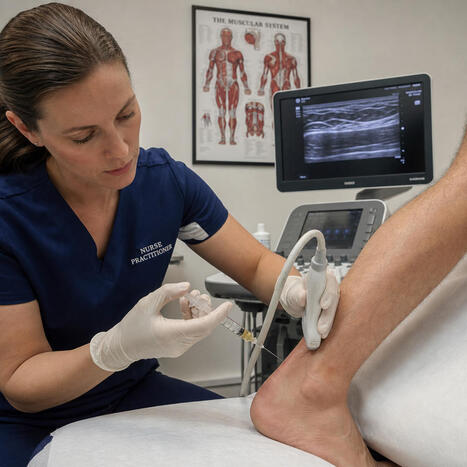
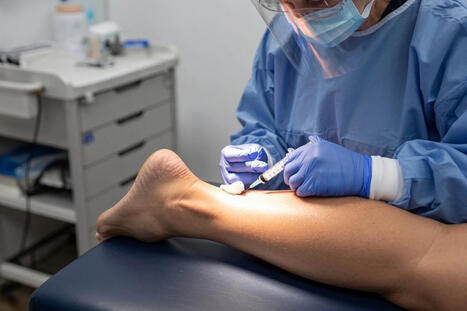





Having a chiropractor near me means convenient diagnosis/treatment of health problems with joints, nerves, muscles, bones & the spine. For Answers to any questions you may have please call Dr. Jimenez at 915-850-0900