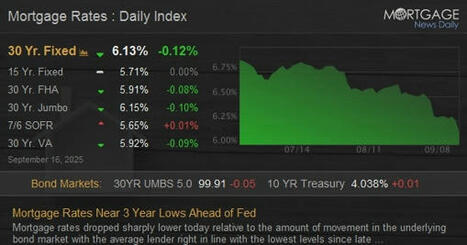
Let's get right to it. The current housing market is a complex ecosystem, and if you're making decisions based on simple headlines, you're missing the crucial nuances. The most recent data paints a picture of a market defined by a profound affordability crisis, a shifting power dynamic, and a delicate balance that could be tipped by the Federal Reserve's next move.
The headline everyone's been watching is the modest but meaningful drop in mortgage rates. The average 30-year fixed rate has fallen to its lowest level in nearly a year, now hovering around 6.35%. This is a direct response to a weakening labor market and the growing certainty that the Fed will cut rates this month. For buyers who have been sitting on the sidelines, this is a breath of fresh air; mortgage applications are up, and purchase applications have reached their highest year-over-year growth in over four years. This suggests that even a minor improvement in affordability can unlock a wave of pent-up demand.
But it’s crucial to understand that this is not a return to the frenzy of the past. Inventory is now topping one million listings for the fourth consecutive month, and active listings have risen for 22 straight months. This growth, however, is not uniform. The South and West, which saw the most explosive growth during the pandemic, are now experiencing a slowdown, with prices even declining in some markets. In contrast, the Midwest and Northeast still have a tight supply, and prices are holding firm or even seeing modest increases. The result is a market with a tale of two realities: a buyer's market in some regions with a surplus of inventory, and a seller's market in others where supply is still constrained.
The ultimate headwind remains the affordability gap. With the median home price still elevated and mortgage rates remaining far above historical lows, the monthly cost of owning a home has risen significantly. We're seeing a "lock-in effect" where homeowners with low, sub-4% mortgage rates are choosing to stay put rather than sell, which starves the resale market of inventory. This is a profound shift that benefits new home builders and creates a challenging environment for real estate agents. The future of the housing market isn't about a boom or a crash; it's about a gradual, and at times painful, re-equilibration where a fragile balance between supply and demand hangs on every move by the Federal Reserve.


 Your new post is loading...