Your new post is loading...

|
Scooped by
Gilbert C FAURE
November 24, 2024 11:17 AM
|
https://pubmed.ncbi.nlm.nih.gov/39560049/ Pediatr Allergy Immunol. 2024 Nov;35(11):e14276. doi: 10.1111/pai.14276.Hugh A Sampson, Stefania Arasi, Henry T Bahnson, Barbara Ballmer-Weber, Kirsten Beyer, Carsten Bindslev-Jensen, J Andrew Bird, Katarina Blumchen, Carla Davis, Motohiro Ebisawa, Anna Nowak-Wegrzyn,...
|
|
Scooped by
Gilbert C FAURE
September 2, 2024 7:38 AM
|
The number of people in England with food allergies has more than doubled between 2008 and 2018, a new study reveals. The researchers, from Imperial College London, found that rates are highest among preschool children, with 4% having a “probable” food allergy.They also found that a third of those...
|
|
Scooped by
Gilbert C FAURE
August 2, 2023 6:38 AM
|
Anaphylaxis can be defined as ‘a serious life-threatening allergic reaction which usually occurs within few seconds or minutes of exposure to allergic substances.This involves hives, swelling and sudden drop in the blood pressure and sometimes shock.’...
|
|
Scooped by
Gilbert C FAURE
April 23, 2022 11:06 AM
|
Research from King’s, led by Professor Gideon Lack and Dr Alexandra Santos, has made ground-breaking in-roads to our understanding of food allergy. Their work has changed the global understanding of peanut allergy and informed work on other food allergies, such as eggs, milk, shellfish and tree...
|
|
Scooped by
Gilbert C FAURE
February 1, 2022 5:28 AM
|
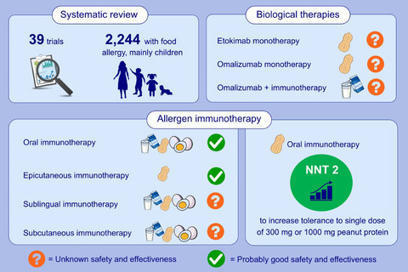
We systematically reviewed 39 randomized controlled trials about allergen-specific immunotherapy and/or biologicals in 2244 people with IgE-mediated food allergy, mostly children. We found that ora
|
|
Scooped by
Gilbert C FAURE
December 27, 2021 10:47 AM
|
The introduction of novel food products could expose the population to new dietary proteins. Assessing the potential allergenicity of these proteins is essential to their safe introduction, but remains a challenge.The activity is focusing on establishing the way different types of methodologies can be deployed to achieve a quantitative or semi-quantitative assessment of the risk posed by protein sources. The recently developed Adverse Outcome Pathway for IgE-mediated sensitisation in particular, is considered.
|
|
Scooped by
Gilbert C FAURE
October 24, 2021 2:18 PM
|
Understanding the relationship between outdoor and food allergies written and reviewed by the leading experts in allergy, asthma and immunology.
|
|
Scooped by
Gilbert C FAURE
August 27, 2021 6:42 AM
|
There are many different 'tests' available to diagnose food allergy or food intolerance. It can be difficult to know which are reliable or based on science. This fact sheet will examine the tests available and whether they are based on evidence.
|
|
Rescooped by
Gilbert C FAURE
from Immunology and Biotherapies
January 31, 2021 7:47 AM
|
Food allergy is a pathological, potentially deadly, immune reaction triggered by normally innocuous food protein antigens. The prevalence of food allergies is rising and the standard of care is not optimal, consisting of food-allergen avoidance and treatment ...
Via Krishan Maggon
|
|
Scooped by
Gilbert C FAURE
January 19, 2021 4:37 AM
|
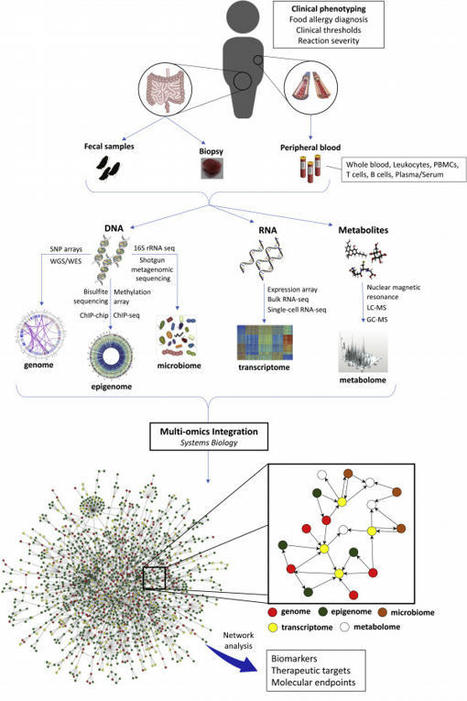
Since the publication of the first draft of the human genome, there has been an explosion
of new technologies with increasing power to interrogate the totality of biological
molecules (eg, DNA, RNA, proteins, metabolites) and their modifications (eg, DNA methylation,
histone modifications).
|
|
Rescooped by
Gilbert C FAURE
from Immunology and Biotherapies
January 7, 2021 8:19 AM
|
Abstract The influence of vitamin D on human health is strongly associated with tolerogenic immune function, skewing the immune response toward a regulatory phenotype. Ecological and epidemiologica...
Via Krishan Maggon
|
|
Scooped by
Gilbert C FAURE
October 16, 2020 2:16 PM
|
Serological tests for immunoglobulin G4 (IgG4) against foods are persistently promoted for the diagnosis of food‐induced hypersensitivity. Since many patients believe that their symptoms are relate...
|
|
Scooped by
Gilbert C FAURE
October 4, 2020 4:48 AM
|
People are eliminating foods based on BS intolerance tests....
|
|
|
Scooped by
Gilbert C FAURE
October 16, 2024 10:11 AM
|
Comparable production of IL-4 by both TFR and TFH cells. A helper role for TFR cells in food allergy was previously demonstrated with the use of TFR cell–deficient Foxp3CreBcl6fl/fl (Bcl6FC) mice (18).
|
|
Scooped by
Gilbert C FAURE
November 30, 2023 4:42 AM
|
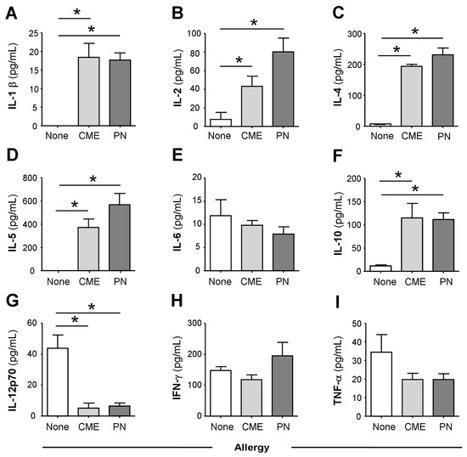
All allergic responses to food indicate the failure of immunological tolerance, but it is unclear why cow’s milk and egg (CME) allergies resolve more readily than reactivity to peanuts (PN). We sought to identify differences between PN and CME allergies through constitutive immune status and...
|
|
Scooped by
Gilbert C FAURE
March 3, 2023 4:22 AM
|
There is limited evidence on child-focused interventions that promote FAL. There is, therefore, considerable opportunity to co-design and test interventions with children.
|
|
Scooped by
Gilbert C FAURE
March 27, 2022 5:01 AM
|
Curious about trying an elimination diet and not sure where to begin? This at-home food sensitivity test explores how your body reacts to different foods.
|
|
Scooped by
Gilbert C FAURE
January 26, 2022 8:18 AM
|
Peanut allergies affect 2% of children in western countries and are one of the most common causes of food related deaths in the UK.Standard care is dietary avoidance and access to self-injectable adrenaline (epinephrine), although a new treatment called Palforzia, containing peanut protein powder,...
|
|
Scooped by
Gilbert C FAURE
November 2, 2021 6:35 AM
|
From pollen and pets to food and bugs, find out the most common things that can trigger allergy symptoms in this WebMD slideshow.
|
|
Scooped by
Gilbert C FAURE
September 3, 2021 2:34 PM
|
The documented rise in the frequency of allergy illness in several countries over the last three decades has heightened interest in the epidemiology of severe allergic responses. Researchers examine the challenges of obtaining and understanding these data, as well as the shortcomings of existing data collection methods. Anaphylaxis, as assessed by hospital admission rates, is relatively uncommon and has grown over the previous 10–20 years in the United Kingdom, the United States, Canada, and Australia. All big datasets are hindered by a high number of uncoded, ‘unspecified’ anaphylactic causes. Fatal anaphylaxis is still an uncommon occurrence, although it looks to be on the rise in Australia, Canada, and the United States. The risk of fatal food anaphylaxis remains constant in the UK and the US, while it has grown in Australia. The age distribution for fatal food anaphylaxis differs from that of other causes, with evidence indicating an age-related proclivity to fatal results in adolescents and people into their forties. The rising prevalence of food and drug allergies has serious implications for future mortality trends. Improved capacity to collect and analyze population-level anaphylaxis data in a consistent manner is necessary to ultimately reduce risk and enhance management. For latest news and updates By signing up, you will receive emails about Physician's Weekly products and you agree to our Terms & Conditions and Privacy Policy. Reference: https://journals.lww.com/co-allergy/Abstract/2016/10000/Epidemiology_of_severe_anaphylaxis__can_we_use.6.aspx
|
|
Scooped by
Gilbert C FAURE
July 12, 2021 1:38 PM
|
The first molecular structures of allergens were identified more than 30 years ago, and characterised recombinant allergens became available. We evaluate the current state of the art in molecular AIT with the purpose of understanding why progress in this field has been modest, despite the fact that there is enormous promise for treatment and allergen-specific prevention. Several AIT techniques have been developed and are being tested in clinical trials based on allergen structures. In clinical AIT trials, promising results were obtained with recombinant and synthetic allergen derivatives inducing allergen-specific IgG antibodies, which interfered with allergen recognition by IgE, whereas clinical efficacy for approaches targeting only allergen-specific T-cell responses could not yet be demonstrated. According to the available research, molecular AIT techniques have significant advantages over allergen extract-based AIT. Clinical trials show that recombinant allergen-based AIT vaccines that outperform existing allergen extract-based AIT vaccines for respiratory, food, and venom allergy can be created. Allergen-specific preventative techniques based on recombinant allergen-based vaccine methods and T-cell tolerance induction are on the horizon and hold the promise of allergy prevention. However, progress is hampered by a shortage of resources for clinical trials, which are required for the development of these novel therapies. For latest news and updates By signing up, you will receive emails about Physician's Weekly products and you agree to our Terms & Conditions and Privacy Policy. Reference: https://journals.lww.com/co-allergy/Fulltext/2019/08000/Recombinant_allergens_for_immunotherapy__state_of.20.aspx
|
|
Scooped by
Gilbert C FAURE
January 20, 2021 4:38 AM
|
Home: Reviews & News: Medical Journal Reviews: 2021: January 2021 Medical Journal Review January 2021 WAO Reviews – Editors' Choice Articles are selected for their importance to clinicians who care for patients with asthma and allergic/immunologic diseases by Juan Carlos Ivancevich, MD, and John J. Oppenheimer, MD - FACAAI - FAAAAI, WAO Reviews Editor. Asthma and COVID-19: Do we finally have answers? Eger K, Bel EH European Respiratory Journal 2020; in press https:/doi.org/10.1183/13993003.04451-2020 In this paper, Eger and Bel explore the impact of asthma on COVID 19. While it is well known that older age, obesity, cardiovascular disease, and diabetes are risk factors of poor COVID-19 outcome, much controversy surrounds asthma’s impact. The focus of this manuscript was 2 papers published in the same edition of the ERJ (Choi et al and Izquierdo et al). In summary, these large-scale studies confirmed previous findings regarding risk for asthma patients to develop (severe) COVID-19 – specifically that asthmatics appear to be slightly more susceptible to contracting COVID-19, but severe disease progression does not seem to be related to medication use, including asthma biologics, but rather linked to older age and co-morbidities. The authors stress the fact that often when examining studies of COVID-19 and asthma, potential bias factors have not been considered, leaving many questions unanswered. Furthermore, large-scale, multinational real-life studies with detailed information on asthma phenotype and medication usage in patients with a confirmed diagnosis of COVID-19 would be ideal to aid us in resolving these questions. The Metabolomics of Childhood Atopic Diseases: A Comprehensive Pathway-Specific Review Schjødt MS, Gürdeniz G, Chawes B Metabolites 2020;10(12):511 https://doi.org/10.3390/metabo10120511 Asthma, allergic rhinitis, food allergy, and atopic dermatitis are common childhood diseases with several different underlying mechanisms, i.e., endotypes of disease. In this review, the authors stress that metabolomics has the potential to identify disease endotypes, which could beneficially promote personalized prevention and treatment. They do a wonderful job of reviewing the metabolomics literature in children with atopic diseases, focusing on tyrosine and tryptophan metabolism, lipids (particularly, sphingolipids), polyunsaturated fatty acids, microbially derived metabolites (particularly, short-chain fatty acids), and bile acids. Specifically, tyrosine, 3-hydroxyphenylacetic acid, N-acetyltyrosine, tryptophan, indolelactic acid, 5-hydroxyindoleacetic acid, p-Cresol sulfate, taurocholic acid, taurochenodeoxycholic acid, glycohyocholic acid, glycocholic acid, and docosapentaenoate n-6 were identified in at least two studies as being impactful. They stress that altered metabolic pathways highlight some of the underlying biochemical mechanisms leading to these common childhood disorders, which in the future could provide utility in clinical practice. Much further work on this topic is still needed. Helicobacter pylori and skin disorders: a comprehensive review of the available literature Guarneri C, Ceccarelli M, Rinaldi L, Cacopardo B, Nunnari G, Guarneri F European Review for Medical and Pharmacological Sciences 2020;24(23):12267-12287 https://www.doi.org/10.26355/eurrev_202012_24019 Helicobacter pylori is a Gram-negative bacterium identified for the first time about 30 years ago and commonly considered as the main pathogenic factor of gastritis and peptic ulcer. Since then, it was found to be associated with several gastrointestinal and extra-gastrointestinal diseases, including skin disorders such as chronic urticaria, rosacea, lichen planus, atopic dermatitis, psoriasis, pemphigus vulgaris, vitiligo, primary cutaneous MALT-type lymphoma, sublamina densa-type linear IgA bullous dermatosis, primary cutaneous marginal zone B-cell lymphomas, and cutaneous T-cell pseudolymphoma. The aim of this review is to summarize the available studies regarding the topic and draw possible conclusions. The authors found that, overall, further clinical and laboratory studies are needed to assess the real plausibility and relevance of these associations, as well as the possible role of Helicobacter pylori with the underlying pathogenic mechanisms. Allergy prevention: An overview of current evidence Royal C, Gray C Yale Journal of Biology and Medicine 2020;93(5):689-698 https://www.ncbi.nlm.nih.gov/pmc/articles/PMC7757062/ There has been a rapid rise in allergic disorders worldwide, which has resulted in increased research into the determinants of allergy development in attempt to identify factors that may be manipulated to mitigate risk. Present literature demonstrates that an opportune window in immunological development appears to exist in early life, whereby certain exposures may promote or prevent the development of an allergic disposition. Furthermore, factors that affect the composition and diversity of the microbiome in early life may also be impactful. In this review, the authors explore the current literature and recommendations relating to exposures that may prevent allergy development or promote tolerance. They note several risk factors, including delivery by caesarean section, omission of breastfeeding, vitamin D insufficiency, and environmental exposures, such as cigarette smoke exposure, all increase the risk of an allergic predisposition. Likewise, they note several protective factors, including dietary diversity during pregnancy, lactation, and in infancy is protective. They also note that recommendations for food-allergen exposure have shifted from delayed introduction to early introduction as a tolerance-inducing strategy. Supplements such as probiotics and vitamins during pregnancy and infancy have yet to produce conclusive results for allergy prevention. Finally, they note that emollient use in infancy has not been shown to be protective against eczema or food allergy. The airways microbiome of individuals with asthma treated with high and low doses of inhaled corticosteroids Martin MJ, Zain NMM, Hearson G, Rivett DW, Koller G et al PLoS One 2020;15(12):e0244681 https://www.doi.org/10.1371/journal.pone.0244681 Inhaled corticosteroids (ICS) are the mainstay of asthma treatment, but evidence suggests a link between ICS usage and increased rates of respiratory infections. In this study, Martin and colleagues assessed the composition of the asthmatic airways microbiome in patients taking low and high dose ICS and the stability of the microbiome over a 2-week period. Sputum from each subject underwent DNA extraction, amplification and 16S rRNA gene sequencing of the bacterial component of the microbiome. Nineteen subjects returned for further sputum induction after 24 h and 2 weeks. A total of 5,615,037 sequencing reads revealed 167 bacterial taxa in the asthmatic airway samples, with the most abundant being Streptococcus spp. No significant differences in sputum bacterial load or overall community composition were seen between the low- and high-dose ICS groups; however, Streptococcus spp. showed significantly higher relative abundance in subjects taking low-dose ICS (p = 0.002). Furthermore, Haemophilus parainfluenzae was significantly more abundant in subjects on high-dose fluticasone propionate compared to those on high-dose budesonide (p = 0.047). There were no statistically significant changes in microbiota composition over a 2-week period. The authors note that the clinical implications for patients are not known, but suggest that this does provide a possible explanation for the increased risk of pulmonary infection seen in asthma and COPD, particularly with FP. More research is needed.
|
|
Scooped by
Gilbert C FAURE
January 10, 2021 4:48 AM
|
This symposium, which was part of the industry programme at Food Allergy and Anaphylaxis Meeting and the European Consortium o
|
|
Scooped by
Gilbert C FAURE
December 4, 2020 1:48 AM
|
Abstract Background Oral immunotherapy (OIT) for food allergy improves the quality of life (QOL) of children from parental perspective but little is known about the child perception. Methods The Fo...
|
|
Scooped by
Gilbert C FAURE
October 5, 2020 10:04 AM
|
Research examining the roles of human milk oligosaccharides in infant immunity suggests that these breastmilk components may help suppress allergic responses and boost gut health.
|