 Your new post is loading...

|
Scooped by
Linda Holroyd
June 5, 2014 12:22 PM
|
Silicon Valley’s Churchill Club 5/29/14 VC panel made these trend predictions for the next 5 years: Trend #1: Today’s Enterprise business applications will be completely reinvented. The opportunity is huge because no ERP apps were originally designed to run on mobile devices. And most of today’s cloud apps are built on stacks that are 15 years old. But consumer apps like Twitter and Facebook are intuitively easy to use and provide real-time feedback when data is entered. These parameters have become the ‘new norm’ for all software and users will expect the same consumer experience with their business apps as well. Trend #2: ‘Digital disintermediation’ will eliminate banks as we know them. Startups are invading every sector of financial services, from banking and lending to wealth management. Peer-to-peer lending models allow for direct connections between borrower and lender in startups like LendingClub. Startups are also developing algorithms to manage $13 trillion in mutual funds better than people can. However, since financial services are complex, regulated and have long established relationships between providers, regulators and politicians, most of the VC panel and audience believe that banks will at least diminish in importance in the next 5 years.
Trend #3: Smart home networks will explode. It’s the end of dumb routers and extenders and the era of intelligent, software-powered networks that interact with devices and products in the home. Most panelists and the audience agreed on this trend, but the question was raised – would you want everything in your home wired? What about cybersecurity? Our homes, cars, everything will be vulnerable to hackers, as we read almost daily in the news. The obstacle will be – do we really want that? Trend #4: Health insurance industry mirrors Kodak and goes ‘poof!’ While many of us would love to see this, many were skeptical of the viability of this prediction. Most employers with over 500 employees self-insure and have information systems that can eliminate physician networks, adjudication and coding processes. Today, Stanford Medical Center contracts directly with many companies in the San Francisco Bay area. Insurance companies add little value anymore in our connected world. But healthcare is so inefficient overall that no one believed that health insurance providers would disappear anytime soon. Trend #5: The Last Second Economy. This prediction was most embraced by all. The ‘last second model’ for on demand taxis and food delivery will explode across all sorts of services that redefine how we live and work. Addictively easy, real-time access to quality services will be the ‘new norm’ at the intersection of technology, business and culture. People check their mobile phones an average of 150 times per day. The next step will be instant access to professional knowledge through our devices on the Internet. Accessing physicians, tutors and other professionals anytime online will replace the need to wait or leave one’s environment. Services will be brought to us. And innovation is already flourishing around participatory applications. Trend #6: Future cyber-attacks will target the home. It was hard to argue with this prediction, based on the daily news of yet another data breach. And Target’s data breach was caused by hacking into an HVAC system! So our homes, with less sophisticated security than at work, will become vulnerable. This will be another ‘new norm.’ Trend #7: Data-driven healthcare (from your gut). The combination of personal health and fitness data, genomics, and even microbiomics will drive healthcare choices from real outcomes and individual probabilities. And since the bacteria in our digestive tracks has greater influence on our health than previously known, we really are what we eat! Data analytics is so pervasive in medicine now that the Mayo Clinic will include IBM’s Watson in physician roundtables about patient care. But panelists disagreed over the lack of scientific understanding of the biological basis of disease, which some think is more critical and will be the real area of breakthrough. Trend #8: A woman CEO/Founder will invent a legendary technology platform, akin to Google or Facebook, with a $50B exit. The expectation that any startup would create a $50B exit in the next 5 years was why panelists were skeptical about this prediction. That’s a huge valuation rarely achieved by any startup. And with only 3% of startup CEOs and VCs being women, the prospects seem unlikely. But with barriers to innovation collapsing because of the cloud and other technologies, a ‘dark horse’ could emerge from anywhere in the world.
Trend #9: Spot pricing for healthcare procedures. Given the high fixed costs and under-utilization of medical equipment like X-ray or MRI machines, dynamic, on demand pricing with providers will evolve as in other industries. This prediction was not at all agreed to by the panel. But it stands to reason with today’s cost and complexity of healthcare that personalized pricing between patient and care provider might be worth a look. Trend #10: Credit cards are the new app platform. Because they are ubiquitous (500 million in use) and have processing infrastructure in place, credit cards will download and store new apps and data related to payment, from a central platform. For example, new product purchases could include download of product warranty information and manuals. Marketing campaigns could combine preferences on Facebook with specialty discounts automatically applied at the point-of-sale. While ideas for such apps abound, panelists were skeptical about hidden obstacles that prevented adoption of such ‘smart cards’ years ago. Nonetheless, startups are innovating around the payment layer with web/mobile access, so changes will occur in this space regardless.
|
|
Scooped by
Linda Holroyd
June 4, 2014 2:14 PM
|
The article also lays out six important decisions need to make based on what’s happening in this second digital wave:
Decision 1: Buy or sell businesses in your portfolio?
Companies that lack sufficient scale or expect a significant downside should consider divesting businesses.
Decision 2: Lead your customers or follow them?
Digital efforts risk cannibalizing products and services and could erode margins. Inaction, however, can be just as risky.
Decision 3: Cooperate or compete with new attackers?
Companies can neutralize attacks by rapidly building similar products or services, or even acquiring attackers. However, cooperation with some attackers can make more sense than competing given the number of competitors in many cases.
Decision 4: Diversify or double down on digital initiatives?
Diversification reduces risks but the many resulting small initiatives, however innovative, don’t get enough funding to endure or are easily replicated by competitors.
Decision 5: Keep digital businesses separate or integrate them with current non-digital ones?
Integrating digital operations directly into physical businesses can create additional value but it can be hard to attract and retain digital talent in a traditional culture, and turf wars can break out.
Decision 6: Delegate or own the digital agenda?
Customer behavior and competitive situations are evolving quickly, and an effective digital strategy calls for extensive cross-functional orchestration that may require CEO involvement.
|
|
Scooped by
Linda Holroyd
June 2, 2014 3:16 PM
|
Let me explain why this imminent perfect storm will drive very different outcomes, and why I believe CEOs have such a rich opportunity to get on the right side of these changes—but only if they begin to take the initiative now. 1) The Demographics Revolution. In Europe, China, the United States, Japan, and other parts of the world, aging populations point to an unprecedented turnover in the workforces across all of those regions. Some studies indicate that in the U.S., at least 25% and possibly up to 40% of the workforce will retire in the next 5-10 years. That means one out of three workers will be gone in a relatively short period of time! On top of that, many of the new workers who’ll fill those tens of millions of vacancies will be millenials whose outlooks differ wildly from those retiring Baby Boomers in terms of technology, careers, compensation, collaboration, social media, mobile workstyles, and more. Unlike the Baby Boomers, these new workers have lived their entire lives immersed in technology, from smartphones to PCs and tablets to online shopping and banking to iTunes, Netflix, FitBit, and more. That tech-immersed lifestyle blends seamlessly into how they work and defines the workstyles many millenials will demand: always connected and able to use their own gadgets—and utterly intolerant of poor technology and unsatisfying tech experiences. This imminent war for talent will extend well beyond this clash in professional perspectives and outlooks. It will begin with recruiting and the ability to use modern and social-driven tools and approaches to finding, attracting, hiring, training, retaining, and enriching the careers of these young people. World-class CEOs are leading the way in this war for talent, and in the process are leading the transformations of their HR organizations from back-office record-keepers to front-line leaders bringing high-value new talent into the company and ensuring those people are happy, productive, and fully aligned with the corporate strategy and objectives. 2) The Data Revolution. CEOs around the world have told me their company’s data volumes are expanding at a rate of about 40% a year. And with the cost of data storage now roughly $7,500 per terabyte, those CEOs are looking at huge increases in IT expenses just to keep up with that data growth, let alone being able to extract value from it. We’re talking tens of millions of dollars—in some cases hundreds of millions—just to keep pace. It’s a pattern that clearly can’t continue, and businesses need to find new and better ways to keep up with the data explosion without spending themselves into oblivion. (We think we can help with that.) The right solutions will reduce data-storage costs dramatically, thereby providing the funding for innovative business-analytics and Big Data tools to turn all that data from cost centers into raw materials that companies can mine and manipulate to create new products, services, and revenue. Again, the CEO has to be a front-line leader here for two reasons: - The necessary changes go right to the heart of the economics of IT strategy and traditions and will require sweeping new approaches; and,
- This new type of approach will require fresh and decisive thinking about viewing data as a highly valuable raw material that can be shaped into products and services that customers want and need.
These changes are rooted in helping CEOs evolve their business strategy, their product-development strategy, and their corporate culture—the new data-storage technology and analytics become servants to those higher-value causes, not the end in itself. 3) The Devices Revolution. Another reason CEOs need to aggressively champion new approaches is because the third big factor in our perfect storm—the connection of tens of billions of devices to the Internet—will surely push today’s already-scary data volumes to unprecedented levels. As big as today’s data-storage numbers are, just wait until this phenomenon called the Internet of Things starts to kick in, and we go from 8 billion or 9 billion devices connected to the Internet today, to 40 billion or 50 billion Internet-connected devices a few years from now. Everything from warehouse pallets to medical devices to pets and household appliances—not to mention clothing and tools and plants and swimming pools—will be tied into the Internet, streaming huge volumes of data about all sorts of things. Here’s why all of this is so important: Companies that can deploy new data-storage technologies will be able to transform this data explosion and device explosion from runaway expenses to sources of enormously valuable insights and raw materials for new products and services, new and better ways of engaging with customers, and greatly enhanced abilities to anticipate what’s over the horizon. Oil companies seeking new sources of energy miles below the surface of the Earth are enhancing their equipment with intelligent sensors and software to identify high-potential places to drill, or to warn of likely maintenance problems so they can be fixed before those problems happen, thereby saving millions and millions of dollars in downtime costs. In a similar fashion, modern airliners are being outfitted with thousands of data-transmitting sensors to monitor and improve performance, evaluate new and enhanced procedures, and again detect and prevent costly maintenance problems and downtime. So whatever industry you’re in—heavy manufacturing, retail, financial-services, healthcare, logistics, transportation, energy and utilities, and so on—the data volumes we’re talking about are simply staggering, and your CIO better be working very hard right now to help you find ways to get out in front of these trends. If not, that $7,500-per-terabyte cost of storage will not only continue to play havoc with your capital expenses, but also undercut your strategic ability to capitalize on the emerging Internet of Things phenomenon that’s sure to disrupt every type of company in every type of industry. As always, top-performing companies will find ways to take full advantage of profound changes and will exploit these new worlds of demographics, data, and devices to their own advantage and to the benefit of their customers. And best-in-class CEOs will understand that the time to begin turning these shifts into strategic assets is now.
|
|
Scooped by
Linda Holroyd
June 2, 2014 12:07 PM
|
To come up with our list of the cities with the fastest-growing information sectors, we zeroed in on the 55 metropolitan statistical areas that have at least 10,000 information jobs, which includes software, publishing, broadcasting and telecommunications services. We used the same methodology as for our overall ranking of the Best Cities for Jobs: we ranked the MSAs based on job growth in the sector over the long-term (2002-13), mid-term (2008-13) and the last two years, as well as recent momentum. Our top 10 is dominated by large metro areas renowned as tech hubs – Madison, at No. 5, is the smallest by far. In first place is Silicon Valley — San Jose-Sunnyvale-Santa Clara — followed by San Francisco-San Mateo-Redwood City, which together employ over 110,000 information workers. Both have been primary winners in the latest high-tech bubble. Since 2008 information employment is up 23% in San Jose and 27% in San Francisco. No. 1: San Jose-Sunnyvale-Santa Clara, CA
Share Of Information Jobs In Local Economy: 6.2%
Growth In Information Employment: 2012-13: 9.2%
Growth, 2005-13: 60.1%
They’re followed by Boston-Cambridge-Quincy in third place, and Austin-Round Rock-San Marcos, Texas in fourth. The foundation built in previous tech booms — including venture capital, educational institutions, corporate headquarters, and skilled workers — has helped many of the strongest tech regions become even more so this go around. But there are some surprising places on our list, including a few Sun Belt metro areas that were hard hit in the housing bust. Take Atlanta-Sandy Springs-Marietta, Ga., which ranks sixth on our list, with a 7.7% expansion in information employment since 2010. Less expensive than the West Coast hotbeds or Boston, Atlanta could be emerging as a player in the sector. Last year General Motors opened a software facility in suburban Roswell, with plans to create over 1,000 new jobs. Phoenix-Mesa-Glendale, Ariz., ranks ninth with 11% growth in information employment since 2008. In 2013, the metro area added as many information jobs, roughly 2,000, as the Bay Area, according to an Arizona State University study.
|
|
Scooped by
Linda Holroyd
May 30, 2014 4:30 PM
|
In the rapidly changing healthcare industry, keeping up with new technologies and innovations has become less of a desire and more of a requirement. To better understand the potential impact of these new changes, we reached out to executives at several organizations in the healthcare sector. We asked each of them what guidance they would give to Chief Information Officers (CIOs) of healthcare providers as they navigate a “perfect storm” of technological, regulatory, legislative, and cultural changes. Proactive is the new normal. Accountable Care Organizations (ACOs) proactively screen their population, identify conditions early, and use those results intelligently to bring patients in for preventive treatment. Going forward, they’ll have a huge competitive advantage over hospitals that simply wait for patients to come in. For CIOs, the challenge will be setting up systems that automatically screen patients based on the personal information they provide, identify the health problems they are prone to, and integrate seamlessly with all aspects of patient care.Along the same lines, hospital IT leaders need to encourage and integrate the use of research and patient data in the screening process. For example, rather than pushing out information on “Five Ways to Prevent Sleeplessness,” healthcare providers can take what they know about sleep apnea – such as the typical age range, gender, and body-mass index (BMI) of someone with sleep apnea – and send out a five-question quiz to a pre-targeted population. This interactive approach could diagnose patients who wouldn’t otherwise know they had a health problem. By helping healthcare organizations better utilize research to segment the population, CIOs can help these organizations take a more proactive role in patients’ health. -Boris Glants, Chief Technology Officer, Tonic Health Use technology to fill the gaps. With recent healthcare reform, among other changes, the industry is starting to deploy different payment mechanisms for healthcare. Rather than paying as they go, patients will soon pay providers for the quality of the care they receive. This payment model is shifting care to a new model called population health, which will have a huge impact on CIOs and how they look at both their role and that of electronic records. The big question will be how do we provide tools and technology so that regardless of location, patients get the care they need? When this reimbursement model comes into play, the main concern for hospital CIOs will be how to help caregivers keep up with patients when they aren’t within a medical facility. CIOs will be tasked with finding ways to utilize technology to communicate with patients and fill in the gaps between doctor’s visits. For example, a doctor with a diabetic patient will only be able to provide the highest quality of care if they can – at any point in time – view his or her most recent insulin intake. When this is possible, the next step will be to track data such as glucose levels, and flag them if and when abnormalities surface. -Karen Thomas, Senior VP and CIO, You’re in healthcare first, Information Technology second. The truth is, whether you’re a doctor or an intern for a healthcare technology provider, you’re in the healthcare industry. That means you are working toward one outcome above all others: to keep patients healthy. For hospital CIOs, this means making strategic decisions in regard to which technology services, platforms, infrastructure, and applications will enable hospitals and other healthcare institutions to provide a consistent level of quality care. Specifically, CIOs in the healthcare industry must continually decide which elements of technology are best managed in-house, and which elements are better managed – for quality service delivery and cost effectiveness – by a third party. - Jack Dziak, Executive VP, Managed Services, Sungard Availability Services Stay one step ahead. Recently, the amount of mobile applications for health and wellness on the market has grown dramatically. There are approximately 50,000 healthcare-related mobile applications available on iTunes today. Mobile applications give hospitals the ability to monitor patients virtually, without having them come into a facility. However, connected health is making the healthcare industry take a hard look at privacy and compliance. Each application and platform is collecting more and more data, increasing the scope of what data needs to be protected. Do we have the best infrastructure and right regulations in place to enable this virtualized environment for the healthcare industry? For CIOs, part of adapting to this new normal is finding medical staff that understands the latest compliance updates and regulations, and creating an IT infrastructure that can scale, evolve, and grow with your hospital and the industry. CIOs need to be vigilant and proactively investigating in order to build an environment that’s responsive to change. -Bert Robles, Senior VP and Corporate CIO, New York City Health and Hospitals Corporation Be inclusive now to prepare for potential breaches later. By leveraging the expertise of individuals outside of the IT department now, CIOs can identify best practices in patient privacy, close potential gaps in security across the organization, and be better prepared should future issues around a data breach arise. Many say it’s only a matter of time before every entity experiences a breach. Important topics to discuss with leaders in health information management (HIM), compliance, and risk include: patient consent management, accounting of disclosures, protected health information, process and governance redesign, and centralized and de-centralized approaches to Health Information Exchanges (HIEs). - Gavin Krumenacker, VP, HIE Solutions and Business Development, MRO Corp While each of these industry leaders certainly has a different perspective on how best to integrate new technology into the healthcare ecosystem, they all agree on one central theme: patients should always come first.
|
|
Scooped by
Linda Holroyd
May 21, 2014 11:23 AM
|
Starting with my generation as a “70er,” I grew up in the 70s with a fairly traditional education. During my middle school years, owning a TV at home was still much envied among my classmates. Communications were exclusive to the phone and writing physical letters. Most of us didn’t know what a personal computer looked like until college. Now almost 20 years into the work life, majority of us are more than sufficient when using digital technologies like WeChat, Google Hangouts or on-line shopping. But never the less, we didn’t grow up with them and this insinuates my generation’s ability adapt to new technology. A 80er is an in-between generation. Computers had just made their way into high schools and colleges during this time, however use of cell phones and mobile technologies were still non-existent. While 80ers were early adopters of personal computers, many of them found it a bit challenging to transition to an almost all-encompassing online world. A 90er is definitely the most “tech savvy” generation. Communicating via E-mails became ubiquitous in their time. They also witnessed in real-time, the transformation of the Internet from a simply a communication platform to a lucrative ecommerce platform. This was just the beginning, as the Internet branched into areas of powerful online gaming and self-promotion, all within a decade. Currently we are living amongst a brand new generation, the digital. Comparable to what America refers to as the “Millennial,” or “Generation Y” group, the “00er” is anyone who was born after the year 2000. This generation understands and utilizes the power of Internet natively. These are the high-school kids who leisurely publish 10 Weibo (Weibo is the equivalent of Twitter in US) messages during the subway ride home from school, and have multiple WeChat windows open, while listening to the latest top singles on their digital phone. They have mastered digital multi-tasking. They are the generation who probably doesn’t know how to retrieve a voice mail from a traditional land line because their only point of reference derives from their mobile devices. It would be interesting to see what kind of social changes they bring to the work place when they graduate from college. What effect will their perspective have on companies like Alibaba, whose foundation relies on ecommerce and a digitally connected customer base?
|
|
Scooped by
Linda Holroyd
May 15, 2014 4:11 PM
|
Digital marketing is about to enter more challenging territory. Building on the vast increase in consumer power brought on by the digital age, marketing is headed toward being on demand—not just always “on,” but also always relevant, responsive to the consumer’s desire for marketing that cuts through the noise with pinpoint delivery. What’s fueling on-demand marketing is the continued, symbiotic evolution of technology and consumer expectations. Already, search technologies have made product information ubiquitous; social media encourages consumers to share, compare, and rate experiences; and mobile devices add a “wherever” dimension to the digital environment. Executives encounter this empowerment daily when, for example, cable customers push for video programming on any device at any time or travelers expect a few taps on a smartphone app to deliver a full complement of airline services. Remarkably, all this is starting to seem common and routine. Most leading marketers know how to think through customer-search needs, and optimizing search positioning has become one of the biggest media outlays. Companies have ramped up their publishing and monitoring activities on social channels, hoping to create positive media experiences customers will share. They are even “engineering” advocacy by creating easy, automatic ways for consumers to post favorable reviews or to describe their engagement with brands. But we’re just getting started. The developments pushing marketing experiences even further include the growth of mobile connectivity, better-designed online spaces created with the powerful new HTML5 Web language, the activation of the Internet of Things in many devices through inexpensive communications tags and microtransmitters,1 and advances in handling “big data.” Consumers may soon be able to search by image, voice, and gesture; automatically participate with others by taking pictures or making transactions; and discover new opportunities with devices that augment reality in their field of vision (think Google glasses). As these digital capabilities multiply, consumer demands will rise in four areas: 1. Now: Consumers will want to interact anywhere at any time. 2. Can I: They will want to do truly new things as disparate kinds of information (from financial accounts to data on physical activity) are deployed more effectively in ways that create value for them. 3. For me: They will expect all data stored about them to be targeted precisely to their needs or used to personalize what they experience. 4. Simply: They will expect all interactions to be easy. This article seeks to paint a picture of this new world and its implications for leaders across the enterprise. One thing is clear: the consumer’s experiences with brands and categories are set to become even more intense and defining. That matters profoundly because such experiences drive two-thirds of the decisions customers make, according to research by our colleagues; prices often drive the rest.2 It’s also apparent that each company as a whole must mobilize to deliver high-quality experiences across sales, service, product use, and marketing. Few companies can execute at this level today.3 As interactions multiply, companies will want to use techniques such as design thinking to shape consumer experiences. They also will need to be familiar with emerging tools for gathering the right data across the consumer decision journey. Finally, the marketing organization’s structure will need to be rethought as collaboration across functions and businesses becomes ever more essential. What to expect in 2020 Over the next several years, we’re likely to see the consumer experience radically integrated across the physical and virtual environment. Most of the technologies needed to make this scenario happen are available now. One that’s gaining particular traction is near-field communication (NFC): embedded chips in phones exchange data on contact with objects that have NFC tags. The price of such tags is already as low as 15 cents, and new research could make them even cheaper, so more companies could build them into almost any device, generating a massive expansion of new interactive experiences. To understand that near future, review the infographic below and follow a hypothetical, tech-enabled consumer, Diane, who purchases an audio headset. Taken together, the scenes from Diane’s consumer journey illustrate the four emerging areas of consumer demands we touched on above. Now Marketers have gotten a foretaste of the consumer’s desire for more urgency and ubiquity. Bank balances running low? Send the consumer an alert on her cell phone. A question about fees shows up on the bank’s Twitter handle? Post an immediate response. An executive of one major bank believes that the immediacy of smartphone apps has already made brick-and-mortar contact unnecessary for many young consumers, who use a range of mobile services to manage their accounts and rarely interact with the brand physically. Yet having an entire bank in your phone may be only a baseline for the experiences on the horizon. Consider one European beverage company’s beta test of beer coasters embedded with NFC technology. A club patron contemplating a new brew can tap a coaster with a cell phone and get a history of the beer, bars where it is served, upcoming promotions, and a list of friends who have given it a thumbs-up. In this environment, a marketer’s “publishing” extends to virtualized media such as the coaster or Diane’s headphones, which become touch points for considering and evaluating products and services. Digital information technologies, operating behind the scenes to integrate data on all interactions a consumer has across the decision journey, will provide insights into the best influence pathways for companies, while also triggering new personalized experiences for consumers. Can I Most first-wave digital capabilities helped people access things they already did—shopping, banking, finding information. Consumers must often settle for compromises in their digital experiences. Yet robust programming, data-access, and interface possibilities now available could make every digital interaction an opportunity to deliver something exceptional. Consider Commonwealth Bank of Australia’s new smartphone app, which changes the house-hunting experience. A prospective home buyer begins by taking a picture of a house he or she likes. Using image-recognition software and location-based technologies, the app identifies the house and provides the list price, taxes, and other information. It then connects with the buyer’s personal financial data and (with further links to lender databases) determines whether the buyer can be preapproved for a mortgage (and, if so, in what amount). This nearly instantaneous series of interactions cuts through the hassle of searching real-estate agents’ sites for houses and then connecting with the agents or with mortgage brokers for financing, which might take a week. The mortgage app shows how the digital environment is now integrating disparate sources of information, at low cost and at scale, for many new domains. The challenge for companies is to look beyond today’s interfaces and interactions and to see that moving past compromises will require a rethinking of aspects of packaging, pricing, delivery, and products. For me Some online marketers already use features in devices such as cameras and touch screens to help consumers see what apparel and accessories may actually look like when worn. Web retailer Warby Parker, for example, offers hundreds of customized views of eyeglasses overlaid on a Webcam picture of the consumer. In the future, demands for more personalized experiences will intensify. A phone tap, a click, or a stylus jot will instantly personalize offers, using information captured on “likes,” recent travel, income, what friends are doing or like, and much more. With each interaction, the consumer will be creating new data footprints and streams that complement existing digital portraits, sharpening their potential impact. Facebook will eventually be able to mine the world’s largest database of photographs, linking individual people to their activities. Smartphones have rich data on every place where you have traveled with one in your pocket. This is just a start, and the privacy, security, and general trust implications are staggering. Yet consumers consistently show a desire to provide more data when companies use captured information to provide truly helpful feedback (you’re over budget or you are doing well in your exercise program) or to offer recommendations, services, and customization tools rather than just push what might appear to be intrusive (and creepy) messaging. Simply The quest for simplicity led Amazon to create a subscriber model for delivering bulky repeat-buy items (such as diapers) and Starbucks to adopt a tap-and-go approach to mobile payments. Yet many interactions remain complex and fragmented: to name just a few, finding, organizing, and redeeming online coupons; turning weekly meal plans into online delivery orders; tracking your monthly cash flow; and staying on top of your health-insurance bills and reimbursements. Evolving technologies and consumer behavior should make it easier to redesign many complex experiences. For example, companies offering inherently complicated products or services could overlay a game interface on certain Web pages, to let consumers play at trading off different options and prices. Visual-recognition technology could allow you to scan health-care bills, receipts, statements, and appointments into one integrated calendar and cash-management system. Already, start-ups in travel, expense, and sales-force management are experimenting with approaches that streamline processes and make interactions more inviting—using touch and swipe to make changes, gestures to activate large displays, and data in phones to recognize consumers and automatically customize interfaces. Setting strategies and building capabilities Consumers will soon make these demands of every interaction they have with companies. Although the marketing function may often be the best conduit to get customer input and to drive decisions about how to distinguish brands, coordinated efforts across the enterprise will be needed on three levels. Designing interactions across the consumer decision journey Today, many companies have successfully defined and addressed customer interactions across a few channels. What they need to be designing, however, is the entire story of how individuals encounter a brand and the steps they take to evaluate, purchase, and relate to it across the decision journey. Marketing or customer research can’t do this alone. At one apparel retailer, managers from multiple functions go together into the field to do deep ethnographic research— watching how customers shop, going into their homes, and uncovering the triggers and motivations that drive behavior. These managers look for the compromises that people face as they try to get things done, probing for their higher aspirations. And the managers watch how customers react as they interact with brands. Among the findings, the managers identified seven key “use cases”—customer situations that lead to satisfaction along different decision journeys. They found a wide range of trigger points for choosing an “outfit solution” for a social occasion, learning that shoppers became frustrated, especially online, when they couldn’t see how items would look together. Customers wanted to drag and drop items on an on-screen model or to see great combinations in advance. But that required different merchants to work collectively and the stores to bring items together on sales floors. Cross-functional teams also came together in workshops. With third parties such as fashion bloggers and thought leaders from online-media companies, they mapped out new ways to influence the decision journeys of customers with different attitudes toward the retailer’s brand or different kinds of spending behavior. One of the most valuable outcomes was clarity on how the store’s brand positioning could guide the design of new experiences. The teams knew that their story would always be “better value than the shopper expected, delivered in a friendly way.” That meant warm visuals and messaging on the company’s Web site and across various media to reinforce the story of value to the customer. And the teams explored new ways social media could help customers show off the value they received. Out of the work came not only a shared, company-wide sense of the decision journeys of consumers but also immediate buy-in to a wide range of initiatives that could boost market share. These initiatives are on track to provide an 8 percent sales lift above what the existing plan envisioned and were implemented more quickly because of the management team’s shared sense of engagement. Making data and discovery a nonstop cycle To win over on-demand customers, you must know them, what they expect, and what works with them, and then have the ability to reach them with the right kind of interaction. Data lie at the heart of efforts to build that understanding—data to define and contextualize trends, data to measure the effectiveness of activities and investments at key points in the consumer decision journey, and data to understand how and why individuals move along those journeys. To realize that potential, companies need three distinct data lenses. Telescope. A clear view of the broad trends in your market, category, and brand is essential. Digital sources that track what people are looking for (search), what people are saying (social monitoring), and what people are doing (tracking online, mobile, and in-store activities) represent rivers of input providing constant warning signs of trouble or signals of latent opportunity. Many companies are drowning in reports from vendors providing these types of information tools, yet few have much clarity on which things they need to look for and who needs to know what. One packaged-goods company got a jump on competitors when it saw a spike in online conversations about the lack of natural ingredients in shampoos and then recognized a corresponding rise in search inquiries on the subject. A new line of natural hair care products, launched at record-breaking speed, has become a successful early mover in a growing segment. A telecommunications company has become similarly plugged in: it now has a war room to track every online comment anywhere. Besides being better able to address—in an open, friendly, and fast way—problems that could escalate, it now has a great frontline source of line-outage signals that trigger repair crews and increases in call-center capacity. Binoculars. Against this backdrop of market activity, few companies have a complete, integrated picture of where they spend their money, which interactions actually happen, and what their outcomes are. Most direct-sales companies (retailers, banks, travel services) measure the performance of their spending through isolated last-attribution analyses that look narrowly at what consumers do after confronting a search link, an e-mail, or an advertisement. Branded-goods companies try to throw all of their media spending together into an econometric model assessing the effects of their media mix. In the world of on-demand marketing, where multiple interactions take place along multiple journeys, last-action attribution explains only part of the impact of media spending, and media-mix models fail to account for touches and costs outside of paid channels. What’s next? Deploying tools that rapidly assemble databases of every customer contact with a brand, companies will need to push every customer-facing function to work together and form an integrated view of consumer decision journeys. With longitudinal pictures of customers’ touches and their outcomes, companies can model total costs per action, find the most effective decision-journey patterns, and spot points of leakage. As more contacts become digitized—and they will—the data will gradually get easier to create. Getting a head start can help companies build ongoing test labs where they tune the ability to create and analyze the right data and immediately learn where to add investments. One bank has already realized millions of dollars in added value from the knowledge that weak points in the customer on-boarding process were undermining major marketing programs. Only when branches, call centers, and marketing worked together could the bank find the right fixes, improve customer satisfaction, and raise marketing’s return on investment. Microscope. Trust is essential, and personalization can show customers they matter. They expect a brand to be a good steward and user of data about them and, increasingly, have high expectations for what a brand should know. In the example described earlier, data about Diane powers the brand’s ability to make it easy for her to share photographs, to buy a headset, to set up and manage a free Spotify subscription, to receive information about a local event, to be recognized at it, and to get additional special offers. Information about Diane is the thread that keeps all of her brand interactions immediate (now), valuable (can I), relevant (for me), and easy (simply). Yet given the laser focus on getting programs into the market to improve performance, few marketers (or even line executives) have stepped back and pulled their teams together to work through the scenarios and customer-data models they will now need to build. Even fewer have a strong sense of what the current plans of the company’s IT department will deliver in which time frame. One company that addressed these issues has identified over 20 types of consumer decision journeys as archetypes of experiences it must support over the next three years. From those decision journeys, it has derived a core set of information capabilities it will need to build and is well down a tight road map of development that has already enabled it to launch products in breakthrough ways. Delivering with new skills and processes To deliver these new experiences, executive teams must rethink the role and structure of the marketing organization and how it engages with other functions. The changes are likely to cut deeply, transforming the way companies manage campaigns and communities, measure performance, provide customer support, and interact with outside agencies. It’s still early days, but consider the breadth of recent efforts. Raising a consumer-packaged-goods company’s digital game. A European CPG company started by creating a digital-analytics group with worldwide operations. Rather than sprinkle digital experts across the globe, the company developed a unified structure with common standards for roles, common training, and digital career tracks to build an arsenal of future talent. The analytics team is part of a broader digital center of excellence that provides service support to the business units and drives major upgrades in IT capabilities. Defined commitments from managers in finance, legal, and HR help the center deal with challenges that arise as it seeks to offer customers a richer digital experience. The company also reviewed all of its e-commerce trade accounts and decided that it needed a much more granular approach to serving customers. Says one executive, “It is not just an issue of managing our relationship with pure-play e-commerce sellers versus our traditional channels; it also is an issue of managing the online versus brick-and-mortar sides of the same traditional partner.” A new e-commerce trade team with added digital-analytic support is helping both to enhance the online-merchandising mix and to improve the placement of the company’s products in the search engines of e-commerce providers. Finally, marketing leaders established a novel customer-relationship-management (CRM) team because they realized that the growth of the company’s mobile services, coupon programs, sampling, and social communities was finally enabling it to gather huge amounts of direct data about how people interacted with its brands. (That information had previously been available only to retailers.) These structural and talent changes led the company to realize that it needed to reshuffle its agency relationships, replacing a single brand-and-ad agency with two agencies—one for brand programs, the other for digital and CRM direct marketing. The company also brought more media and digital analytics in-house. Reorienting a bank. At one institution, a new understanding of emerging brand challenges led to a radical change in the status of the CMO. Marketing had earlier ranked low in this sales-driven organization, where the function’s leaders focused mostly on corporate communications and brand campaigns. Now, a new CMO, much closer to her peers on the executive board, has been charged with directing the full consumer experience. Each month, the bank’s business-unit leaders gather to talk about their progress in improving different consumer decision journeys. As new products and campaigns are launched, these executives place a laminated card of such a journey at the center of a conference-room table. They discuss assumptions across the whole flow of the journey for different consumer segments and how various groups across functions should contribute to the campaign. Where should customer data be captured and reused later? How will the campaign flow from mass media to social media and to the bank’s Web site? What is the follow-up experience once a customer sets up an account? The bank has created a corporate center of excellence for digital marketing to give the strategy a forward tilt and to plan for needed capabilities. It has also appointed a new team of full-time executives who focus on mobile and social technologies—executives who have become evangelists, helping business units to raise their digital game along a range of consumer interactions. The first wave of fixes and new programs has already generated tens of millions of dollars in the first six months, and the bank expects these efforts to add more than $100 million to its annual margins. The forces enabling consumers to expect fulfillment on demand are unstoppable. Across the entire consumer decision journey, every touch is a brand experience, and those touches just keep multiplying in number. To mobilize for the on-demand challenges ahead, companies must: - bring managers together from across the business to understand consumers’ decision journeys, to speculate about where they may lead, and to design experiences that will meet the consumer’s demands (Now, Can I, For me, andSimply)
- align the executive team around an explicit end-to-end data strategy across trends, performance, and people
- challenge the delivery processes behind every touch point—are the processes making the best use of your data and interaction opportunities and are they appropriately tailored to the speed required and to expectations about your brand?
Executive recruiters tell us that corporate boards are looking for more people who can challenge and improve a company’s approach to social media, big data, and the customer experience. Staying ahead of the design, data, and delivery requirements of on-demand customers is much more than a marketing issue—it will be a crucial basis for future competitive advantage.
|
|
Scooped by
Linda Holroyd
May 8, 2014 6:59 PM
|
"The reason why there's so many accelerators is because the venture capital industry is being disrupted. It's a classic innovators dilemma distruption, where the costs of starting a company today are, literally, one one-hundreth of what they were 10 years ago," said Belani. "So $50,000 today literally does what $5 million did 10 years ago. And, so suddenly, because the barriers of entry have gone down, there's all these accelerators popping up." The disuption starts with the business model, in this case startups getting the money they need without having to go to VCs, he said, and then it sustainable thanks to the intangibles: it is a network effect, and the brains and products that emerge keep it going. Ultimatly, founders will be served well, by having easier access to venture capital because he believes that accelerators will merge into something entirely different, and more effecient than the current VC model. "The models that all these guys are developing, through all this hard work, which is going to serve many more entreprenuers by building these communication systems and communication platforms, will become better than the way that VCs are actually serving their high profile start ups," he said. "And so I think that this is just the beginning, I think, of disruption, ultimately, of the industry, over time." According to Huang, the new accelerator models don't just point the way to a rethinking of how startups make money, but also how people are educated. "For the last centuries we are going through an education system of cohort by age, where how old are we, and so we are assumed to have the same level of intelligence and interests because we believe that down the line, in 20 years, this is what;s good for humanity when, in fact, we don't know what's good for us in five years," she said, "I think that the accelerator and incubator models today, and in the future, is going to shape what the education system is going to look like in the future."
|
|
Scooped by
Linda Holroyd
May 7, 2014 10:59 AM
|
Changes Ahead for the Healthcare Ecosystem It is estimated that by 2020 almost 80 percent of hospitals in the United States will have shifted to some form of a value based healthcare model in regards to financial management. What does this imply? The system will need to successfully transition from a transactional per procedure/per patient/per visit model to a system of early diagnosis, treatment and management of the population. Whereas each patient treatment previously produced revenue, it will now produce a significant cost for the healthcare system. This shift has had an enormous impact on all aspects of the supply chain, including the life sciences, medical technologies and imaging industries. In March, Frost & Sullivan hosted the 19th Annual Medical Technologies 2014 conference. Its focus was largely on the titanic shift companies must make in order to meet the changing needs of this disruption. I took the opportunity to cover some of the key themes and lessons learned from this event. Personalized Medicine: The Future of Healthcare It is not only hospitals that benefit from targeted care; consumers are beginning to understand and expect personalized care treatments as well. One-size-fits-all no longer seems acceptable with the range and specificity of information we can now capture from a range of novel technologies. Dana Webster with Roche Diagnostics provided some poignant advice: “The industry must make adjustments – at all levels – to adapt to the changing healthcare landscape, changing customers and a more informed patient.” Consider, for example, the diabetes market where traditional methods of journaling blood sugar levels can be inefficient as well as inaccurate. How can we expect proper patient compliance to treatment and disease management when the initial data points upon which decisions must be made are incomplete? The American Diabetes Association estimated the average per capita cost attributed to managing diabetes is about $13,700; that is 2.3 times higher than that of an undiagnosed individual. Since 2007 there has been a 41 percent increase in the overall cost of diagnosed diabetes with $176 billion relating to direct medical costs. Innovative solutions that offer earlier detection, increased patient engagement or improved disease management could save the healthcare system billions of dollars every year. Similarly, we can imagine the ripple effects in management of other chronic diseases. Payors, hospitals and physicians alike see the value in targeted diagnosis and tailored treatments that encourage fewer follow-up visits and overall cost savings. One of the most promising advances in the last decade has been the rapid pace of advancement in technologies allowing for affordable genetic testing. What once cost $3 billion dollars and 20 years to complete by way of the Human Genome Project, can now be done for less than $1,000 in a day. Predictive genetic testing could replace countless mandatory procedural assessments and treatments. However, as with the advent of any new technology, there is often some degree of resistance in gaining acceptance and getting users to understand its value within the current patient diagnostic paradigm. Understandably so, there are number of physicians who are concerned how these new tools will be used and the degree it could tax their already overburdened workloads. One example of how innovative facilities are trying to alleviate those fears is by way of El Camino Hospital, a genomic medical institute in California, where they are quickly assessing the current barriers to adoption for genetic testing by studying and learning from the best practices and failures of other organizations. In doing so, the assumption is we can identify optimal means for deploying and applying new tools that maximize return. Particularly with any new advancement in healthcare, the question always distills down to, “Who will pay for this?” Beyond the existing reimbursement framework, El Camino equated consumer appetite for out-of-pocket payment for services, to how a significant percentage of expectant parents already bank cord-blood of their infants for costs upwards of $2,500-3,000. Many possibilities as well as challenges lie ahead for personalized medicine, but future developments could alter all aspects of how we identify and manage patient care. Connectivity: Bridging the Continuum of Care Divide A frequent refrain shared by many healthcare thought leaders is for organizations to break out of the narrow silos they currently operate within. Many challenges impeding the progression of modernizing our healthcare system can be tied to delays in facilitating a more cohesive care ecosystem. To attain better integration, companies are looking to construct a platform that encourages the connection of medical technologies. An example of connectivity could be creating a unique patient monitoring solution. Partners Healthcare shared results translating the implementation of connected healthcare to real world successes including programs such as Connected Cardiac Care witnessing a decrease in overall readmissions by 41.9 percent, Blood Pressure Connect resulting in a decrease of nearly 8 percent systolic and 13 percent diastolic blood pressure for managed patients, and Diabetes Connect reducing total hemoglobin A1c by 1.5. This type of analytical information is invaluable to healthcare systems looking to quantify the value they can deliver to at-risk patients in their care with investment in new tools. Joseph Smith, MD, PhD, of West Health Institute addressed catalyzing wireless healthcare initiatives by focusing on cost reduction, better measured outcomes, utilizing those outcomes, and transparency. According to the Commonwealth Fund, insurance costs consume more than 20 percent of American’s paychecks, leaving many to demand care when and where they want it. Connectivity innovation will be driven by this type of consumer as well as the current payor/provider conundrum. According to Frost & Sullivan research sponsored by Cisco, “76 percent of patients say access to care is more important than physical human contact with their care provider.” Technologies that foster patient engagement and involvement will assist in creating an open dialogue between the patient and physician, whether it is in-office or virtually. Lean Innovations: Strategies for Operational Efficiency Critical to Eliminating Wasteful Spending in Healthcare Healthcare business models continue to evolve, and the successful ones have begun to reflect similarities found in other service-type industries. My colleagues around the world continue to highlight the impact of innovative approaches taken to leverage technologies that eliminate patient care inefficiencies in the way care is provided. Cleveland Clinic Innovations (CCI) is a great example of a company that supports and enables the commercial development of unique solutions. CCI Executive Director Gary Fingerhut highlighted how they stimulate inventive thinking within their organization while also protecting the innovator’s intellectual property. Utilizing commercialization they develop innovative technologies that can be translated into licenses, equity partnerships and spin-off companies. They have found success in this method with 2,500 patent applications, 450 royalty licenses, $768 million in equity investments, and 66 spin-off companies in 2013 alone. Using their current resources and correlating them against the needs of the healthcare system, CCI has been able to target innovations that can be leveraged in facilities across the country. A sit down interview with Narayana Health provided insight on how they have successfully built high quality care facilities across India, Asia-Pacific and even North America. These facilities deliver high quality care at costs that are both profitable to the provider and patients. Many of their innovative strategies around operational and streamlined care management could easily be applied or easily adapted in hospitals across the globe. Big Data: Where We’re Headed In reality, big data is a broad umbrella that covers a great deal of different means and methods for generating, capturing and analyzing complex information streams. Hospitals are looking for cost-effective solutions that integrate data into every pre- and postoperative procedure plan to better evaluate and treat patients. An underlying building block that has drawn the greatest attention is the application and use of big data. Whereas the past decade has revolved around building an infrastructure that can house this immense amount of data, the future will be finding a way to determine what is meaningful and useful. The increased use of analytics brings hope to those looking for a defined care pathway that is more data driven. There is also promise this analysis will eventually be able to help providers predict and prevent hospitalizations. Similarly, technology companies are assessing how the information being generated by their technologies can be secured and applied for both the individual and system as a whole. Frost & Sullivan Advanced Medical Technologies Research Analyst Tara Shelton contributed to this article.
|
|
Scooped by
Linda Holroyd
April 30, 2014 11:51 AM
|
UNTIL 1890 China was the world’s largest economy, before America surpassed it. By the end of 2014 China is on track to reclaim its crown. Comparing economic output is tricky: exchange rates get in the way. Simply converting GDP from renminbi to dollars at market rates may not reflect the true cost of living. Bread and beer may be cheaper in one country than another, for example. To account for these differences, economists make adjustments based on a comparable basket of goods and services across the globe, so-called purchasing-power parity (PPP). New data released on April 30th from the International Comparison Programme, a part of the UN, calculated the cost of living in 199 countries in 2011. On this basis, China’s PPP exchange rate is now higher than economists had previously estimated using data from the previous survey in 2005: a whopping 20% higher. So China, which had been forecast to overtake America in 2019 by the IMF, will be crowned the world's pre-eminent country by the end of this year according to The Economist’s calculations. The American Century ends, and the Pacific Century begins.
|
|
Scooped by
Linda Holroyd
April 18, 2014 12:36 PM
|
Opportunity has a way of making a soft tap-tap on your door. Smart entrepreneurs listen for these signals--they have ears specifically attuned to the sound. A recent book called Opportunity Knocking: Lessons From Business Leaders, by CNBC senior talent producer Lori Ann LaRocco, focuses on the sound of these opportunities--from how to take advantage of a burgeoning industry to how to take on a challenge that's bigger than just one company. I recently caught up with LaRocco, and she explained four ways to make the most of any opportunity. 1. Ride the wave of a challenger. One of the most interesting points LaRocco makes is that many small companies ride on the coattails of other companies as a way to grow quickly. She says one of her favorite examples is from Anthony Wood, the founder of Roku. "Roku continues to blaze a trail with its legion of consumers and is laying the groundwork to becoming an operating system for television," she says. "For six years, they have been competing with Apple TV, and they continue to grow despite Apple's constant versions of their system." Wood told her that Roku sales doubled when Apple TV launched. 2. Turn big setbacks into big wins. Another favorite example, she told me, has to do with Uber, the popular ride-sharing service. Anyone following the peer-to-peer car-sharing service knows there have been constant legal challenges, especially from taxicab unions. LaRocco says Uber learned how to turn a setback into a win. When the D.C. Taxicab Commission added a snow emergency fee of $15, Uber didn't raise its rates in response--it might have seemed like an opportunity to increase revenue. Instead, the company pounced on the opportunity and kept rates the same to attract new customers away from its legal challenger. "If the taxi unions want to be competitive, they have to think like a business providing service rather than a cartel holding consumers hostage," says LaRocco. 3. Turn down opportunities that don't match your strengths. There's a reason Apple became so successful early on--the company focused on engineering prowess and marketing savvy. However, Apple didn't take on IBM and Microsoft in the realm of business process or enterprise software. LaRocco says successful companies need to do the same thing today. Growth happens when a company emphasizes a strength and skips opportunities that exploit a weakness. "Not all opportunities are created equal," she says. "You have to run each opportunity against your checklist of what your mission statement is, and assess the lay of the land and see what you can do differently." 4. Always weigh the risks. Every opportunity has an associated risk--it might stretch your staff or your financial resources--but any new partnership, product, or even a big sales opportunity can cause stress on operations and your customer service. LaRocco says one example of how to weigh the risks comes from Ford Motor Company's CEO Alan Mulally. There's a chapter in her book dedicated to how Mulally met the challenge (and risk) of financial insecurity during the 2008 economic meltdown. Mulally knew the risks were great in going to Washington during that time and taking on Congress. He was advocating for an entire industry, not just for his company. Yet, the eventual outcome--not taking any bailout money--meant Ford came out of the meltdown relatively unscathed. "When you are at the crossroads of deciding on an opportunity, you have to weigh the risks," says LaRocco. "If the risk of not doing it outweighs the risk of doing it, you have your answer."
|
|
Scooped by
Linda Holroyd
April 17, 2014 11:52 AM
|
The future is Amazon, Google, Microsoft… and not much else Whatever the endgame, it could take decades to reach. In the meantime, this is a fight that rewards scale. Size means efficiency, efficiency means lower prices, and smaller providers of cloud services are going to have a hard time competing. And there’s a third big player: Microsoft. The company launched its own cloud service, Azure, in 2008. Though Azure is an also-ran for now, the company is so deeply entrenched in corporate IT culture that at least some companies are willing to wait for it to bring its cloud services to parity with Amazon’s. And like both its main rivals, Microsoft has the money to spend on the engineers and infrastructure required to make its cloud truly big. "I do think the market [for cloud services] will support three big players,” says Mickos. “Google and Microsoft will build big businesses but can’t take the lead away from Amazon anytime soon." That still leaves room for a gaggle of smaller companies providing other services, such as private clouds for companies that are nervous about keeping their data on someone else’s servers in an age of hacking and NSA surveillance. Companies that offer such services, like Rackspace and VMWare, as well as Mikos’s Eucalyptus, can offer these clients more control over their data—though there is evidence to suggest that private clouds are no more secure than the ones administered by Google and Amazon. Either way, the upshot of all this competition is that computing has never been cheaper, and it will only become cheaper still. And as the internet penetrates every part of our lives, down to the everyday objects like toasters and cars that will someday soon be “smart” and connected, humanity is only going to need more cloud.
|
|
Scooped by
Linda Holroyd
April 8, 2014 1:33 PM
|
In an age of personalization, the internet of everything, with elements of sensors for data collection, big data analytics, sophisticated mobile and web applications, integrated with operational elements of customized delivery services will reign supreme. Yack, yack, yack . . . so what does this really mean for the business opportunities ahead? Here are our projections. Sensors: Sensor technology and adoption have evolved to the point of having too many sensors, not enough standardization. Sensors range from throw-away, single-use models to MEMs and RFID solutions. They can be apps on mobile phones to gadgets that are wearable or not to sensors attached to and even inside our bodies. So what needs to be done to ensure that the sensor technology remains relevant? 1. Integrate the sensor hardware and reports so that it is integrated with applications and analytics. 2. Create sensors that collect only the relevant data for specific purposes, short-term and long-term. 3. Manage the sensor development project so that each individual sensor solution is cost effective and also customized to the needs of the user. Big Data Applications: Yes, it’s about the data, we have oodles and oodles of it, coming out of our ears, detailing everything from our web search habits to buying and texting patterns, from time spent in a room to preferred heating temperatures, from average speed on freeways to average expenditure for each trip to preferred stores, in preferred months, at preferred times of day. And sensors of every style and flavor will continue to add more and more data to be managed, overseen, and acted upon. The future must include this data though, so here are some thoughts on what you need to do with the data you have, when delivering personalized solutions for your customers: 4. Filter out relevant data – know what data is relevant, when and why. Create customized reports on that relevant data, so that various stakeholders can monitor and act on it. 5. Integrate all data sources into a common structure so that you can create inter-relations between the data. 6. Recommend actions based on data profiles. Allow stakeholders to update and manage which data profiles should elicit which actions. 7. Let the data tell the story about your customers and where they are trending. Supply Chain Optimization: Thank you Dell for revolutionizing the supply chain process, making it on-demand. Thank you Google and Amazon for raising the bar beyond that, and aggregating the delivery of products to the door so efficiently and conveniently. The challenge and opportunity in delivering personalized products to the door is that the services must be customized to the needs of the user – not just combinations of off-the-shelf items! So how do you deliver this in a cost-effective way? 8. Integrate sensor, application/big data information into the manufacturing and delivery process. 9. Partner with stakeholders across the value chain, making each partner accountable for the customization before the delivery. 10. Target highest need classes of customers first, for although each will get customizations, it would be easier to deliver customized solutions if you had higher volumes of need for specific types of customizations. The bottom line is that sensors, big data applications and supply chain solutions will be essential elements of successful personalized solutions, but integrating each element cost-effectively while wowing the customers is the ultimate challenge and reward. E-mail us at info@fountainblue.biz with your thoughts.
|
|
|
Scooped by
Linda Holroyd
June 5, 2014 12:02 PM
|
In general, the IoT promotes a heightened level of awareness about our world, and a platform from which to monitor the reactions to the changing conditions that said awareness exposes us to. And, like the advent of the Internet itself, the IoT enables a myriad of applications ranging from the micro to the macro, and from the trivial to the critical. Since we’re focusing here on why the IoT is important, let’s turn our attention to the “macro” and the “critical” first, and look at some provocative ideas that are already in development across the globe.Smarter Natural Disaster Management The ability to predict, with fine-grained accuracy, the onset of conditions that promote forest fires before they get out of control or even begin, allow containment teams to respond more quickly and first responders to rapidly manage targeted evacuations. This same concept applies equally to the smarter detection of and reaction to mudslides, avalanches, earthquakes and other natural disasters. Smarter Urban Management Cities and counties automating traffic management that effectively notices and governs the flow of traffic based on ever-changing conditions; parking applications that intelligently guide cars to open spots, eliminating wasted time and energy and dramatically cutting back on emissions; automating utility consumption, generation and distribution on a grand scale, all with an eye to the mitigation of waste that far exceeds the capabilities of existing systems. Smarter Healthcare Wearable devices that detect a host of health problems, potentially before they even occur, and immediately administer life-saving drugs or deploy emergency responders with detailed information placed instantly in their hands or alert family members as-needed. The ideas above barely skim the surface of the deep sea of possibilities afforded by the coming IoT age, and they all share a common (and not accidental) adjective here: “smarter”. If “smart” is defined by the confluence of access to information and the ability to utilize that information in meaningful and appropriate ways, then the promise of the Internet of Things is, simply, a much “smarter” planet that keeps us safer, balances the personal good with the greater good, and improves humankind’s chances at providing a more sustainable legacy for future generations.
|
|
Scooped by
Linda Holroyd
June 3, 2014 6:21 PM
|
It is now common knowledge that customer analytics will help retailers better understand and anticipate shopping behavior. Based on McKinsey’s Me Commerce and the Future of Retail findings, retailers can provide tailored product recommendations increase shopping volume by 5-10%, improve supplier negotiations, reducing costs by 1-2%, and schedule promotions for multiple locations increasing sales volumes by 1-2%. http://www.slideshare.net/McK_CMSOForum/me-commercefutureretail-r9 Based on that same report, the EBITDA growth rate for grocery retailers focusing on customer analytics is 11% vs 3% for those who don’t, and 10% vs 2% for big box retailers who do it. There’s a 10% increase in volume when ad campaigns are personalized, and 75% of NetFlix content is based on personal recommendations. But if we could understand what happens *after* the product is brought home, we can better serve the customer, better anticipate her/his needs, and better connect them with the new types of products which may be of use for them. What it would take is sensors to track and report on what’s happening, volumes of data and the capacity to integrate and manage it, applications that filter relevant information, actionable reports based on preferences, programs to ensure that various stakeholders receive relevant, meaningful information, as they define it, and the applications and processes to ensure that goods are cost-effectively transferred to the customer? If we could bring it all together, we would better understand what’s in the ‘black box’, what’s behind the curtain, what happens after products are brought home. And if we know that, the world of retail would be forever transformed. Description Point of Purchase Point of Use 1. Understand customer behaviors and preferences. Understand the volumes (quantity, location) and types (sizes, colors) of merchandise purchased. Know not just what was purchased but also whether and often it was used and when you are running out. 2. Use aggregated data to see and even predict buying trends. Aggregated point of sale purchases show purchasing trends and help retailers make educated predictions on what will sell and how best to engage with the customer. Supplement point of purchase data with usage patterns at home to more clearly identify trends and make educated predictions on future purchases. 3. Proactively manage supply. Supply each store location on specific styles, colors, sizes and brands based on past purchase patterns. Use both purchase and usage patterns and information to manage store supply. 4. Target new product introductions. Experiment with new styles, colors, and products based on past preferences. Understand which experiments work, based on who’s buying and how many are buying. Extend the experiment beyond the point of purchase to the point of use. Who’s buying and using something how often and with which other products? 5. Recommend other products based on current and past purchases. Coupons for similar products from the same or different manufacturers presented at the point of purchase. Coupons at the point of use would be more compelling as they are sent when a product is running low, not just provided at the point of sale when you have a fresh supply, and it’s not a given whether it would be used at home, or how long it would take to use it. 6. Tailor product recommendations and coupons. Provide tailored product recommendations based on purchase patterns and know which categories of people and which specific individuals take advantage of these recommendations and coupons. Provide tailored product recommendations and coupons based on usage patterns and also time them based on how much of the product is remaining. 7. Encourage feedback. Invite customers at point of purchase to go online and report on shopping experience and reward them with coupons for doing so. Invite customers who don’t use products purchased to give feedback on why not. Offer coupons for feedback and even replacement product if it makes sense. 8. Manage inventories. Use analytics at point of sale to manage inventory proactively. Couple POS data with POU data to augment your data set and better manage inventory. 9. Report purchasing trends to retailers and manufacturers. Provide detailed analytics to retailers so that they can stock their shelves and manufacturers so that they can understand and predict the needs of the consumer. Add point of use information to see which purchased products are actually used, which ones are used in conjunction with which products, etc. 10. Negotiate with suppliers on volume orders. Better negotiate with suppliers on volume orders as you better understand purchase patterns. Add point of use data to increase amount of data you have to anticipate product orders. What are your thoughts for the next generation of retail? E-mail us at info@fountainblue.biz.
|
|
Scooped by
Linda Holroyd
June 2, 2014 3:14 PM
|
How does a CEO cope with this unimaginable volume and velocity of data, much less harness it to excite and delight customers? Here are three things CEOs must do to tackle this challenge: 1) Take care of your employees, take care of your customers. Larry Ellison recently noted that the two most important priorities for any CEO today revolve around people: Taking care of your employees and taking care of your customers. Companies in today’s hypercompetitive business environment simply won’t be able to survive unless they’ve got world-class people at all levels of the organization. CEOs must demonstrate a commitment to employees by becoming champions for HR systems that empower every employee to fully understand his or her job, how it ties into the corporate framework, what’s expected of them, what training is available, and how they can use an embedded social network to communicate, collaborate and excel. Over the next several years, many of the world’s top industrialized economies will see a turnover in the workforce on an unprecedented scale. Across the United States, Europe, China and Japan, the “baby boomer” generation will be retiring and, by 2020, we’ll see turnovers in those regions ranging from 10 to 30 percent. How will companies replace all that brainpower, experience and know-how? How will CEOs perpetuate the best elements of their corporate cultures in the midst of this profound turnover? The challenge will be daunting, but it can be met with world-class HR technology. As companies begin replacing up to 30 percent of their workforce, they will need thousands of new types of data-native workers to exploit the Internet of Things in the service of the Internet of People. The shift in corporate mindset here can’t be overstated. The CEO has to be at the forefront of this new way of recruiting, training, motivating, aligning and developing truly 21-century talent. 2) Start thinking today about the Internet of People. Some forward-looking companies have begun pursuing the “democratization of data.” This allows more people within a company greater access to data that can help them make better decisions, move more quickly and keep pace with the changing interests and demands of their customers. As a result, we’ve seen organizations flatten out, growing numbers of well-informed people authorized to make decisions without corporate approval and a movement of engagement away from headquarters to the point of contact with the customer. These are profound changes, and I’m a huge proponent. As I think about what the next few years will bring as companies become deluged with unprecedented streams of data, I’m convinced that we’ll need dramatically different organizational structures, decision-making models, risk-management profiles and reward systems. For example, if a car company’s marketing department mines incoming data to determine that customers are shifting rapidly toward neon-green models, how many layers of approval, review, analysis and sign-off will be needed before the factory starts cranking out more neon-green cars? Will we continue to have organizations where too many people are empowered to say “No” and too few are allowed to say “Yes”? If so, how will those companies be able to compete in a world in which customers have more choices, instant access to more information and less loyalty than ever before? That’s why I think CEOs need to begin thinking about this problem right now, not in a year or two when competitors are already reshaping their organizations to match the marketplace’s new realities. 3) Partner with universities to help create a new type of highly skilled workers. Several years ago, universities introduced new undergraduate as well as graduate-level programs in analytics and informatics as the business need for deeper insights into the booming world of data began to explode. Today, as the growth rate of data continues to soar, we know that the Internet of Things will only intensify that growth. Moreover, as Big Data fuels insights that can be shaped into products and services that generate revenue, the demand for data scientists and data specialists will go on unabated. Beyond that top-level expertise, companies are going to need data-native thinkers at all levels of the organization. Where will this new type of worker come from? I think it’s incumbent on the business community to collaborate with universities to develop new curricula designed to turn out graduates who can capitalize on the data-driven world that the Internet of Things is surely going to create. These new workers will create opportunities to help their companies in fields as diverse as product design, customer service, marketing, manufacturing and distribution. They will become innovative leaders in fashioning an entirely new type of workforce and organizational structure optimized to fully exploit the Internet of Things so that it becomes a high-value enabler of the Internet of People.
|
|
Scooped by
Linda Holroyd
June 2, 2014 12:01 PM
|
We’re all painfully aware that, despite the abundance of data supporting the benefits of a healthy diet, regular exercise, and moderate alcohol consumption, Americans are increasingly challenged by excess weight, limited physical activity, and bad eating habits. These risk factors routinely lead to such conditions as cardiovascular disease, diabetes, osteoporosis, depression, and cancer. Exercise and diet are critical parts of an individual’s lifestyle, but attempts to change lifestyle are notoriously problematic in terms of compliance. Next generation blood analysis can help For many people, having more information about the state of their health can motivate them to make lifestyle changes and empower them to maintain those changes over time. One innovative company that aims to provide that motivating data is InsideTracker. Their next-generation health management tools are tailored to the biochemistry of an individual. We had the opportunity to speak with InsideTracker’s founder and Chief Scientific Officer, Gil Blander, about how detailed information on key blood biomarkers can be used by individuals to manage and optimize their own health. “Blood analysis is a powerful indicator of your current health condition,” Blander explains, “but most people don’t get the full benefits of testing that they’ve already done. Do you have an annual blood test at your doctor’s office? If you do, then you’re probably used to getting a follow-up postcard in the mail that says your blood test was ‘normal.’ You may not know which blood tests your doctor ordered, let alone what your results actually were.” Know your actual data Blood tests measure biomarkers that can give you a detailed picture of what is happening inside your body. But if all you get is that postcard that says your results are “normal,” you don’t learn very much. If you know exactly what your results are over time, you can see where you are in the normal range and whether the level of a particular biomarker is increasing or decreasing. The key is letting proven science guide an individual’s nutrition and behavior choices. If consumers are provided the data and context they can take appropriate action based on objective and precise insights. Go beyond “normal” to “optimal” The “normal” range for a biomarker typically applies to all adults. That means “normal” may be the same for everyone from a 22-year-old who regularly competes in triathlons to an inactive, 78-year-old retiree. “Why do we accept ‘normal’ for our health results,” asks Blander, “when in all other aspects of our professional and personal lives we want to be the best we possibly can be?” To make meaningful changes to your health risk behaviors you need to know not just your “normal” range for each biomarker, but also your personal “optimal” range, based on your unique characteristics, including age, gender, ethnicity, height, weight, activity level, and lifestyle goals. Research has shown that improving your biomarkers into your optimal zone can increase your well-being, performance, and, in some cases, longevity. Knowing your optimized level gives you data to identify which behavioral changes can decrease your long-term risk for chronic health conditions. For example, your glucose may be “normal,” but higher than optimal. Lowering your glucose level to your optimal zone can improve your longevity and reduce your risk of developing diabetes. Representative blood work graph comparing an “optimized” zone versus a “normal” zone. Focus on health, not on sickness Blood work, and healthcare in general, has traditionally focused on identifying and treating current illnesses, rather than prevention and overall wellness. Some important biomarkers that are not typically tested during yearly physicals include C-reactive protein (CRP), vitamin D, and testosterone. CRP can indicate low levels of chronic inflammation, which has been linked to a variety of conditions, such as cardiovascular disease and diabetes. Your CRP levels may rise before you have any visible symptoms. Low levels of vitamin D are associated with low energy, poor immune system function, and difficulty in losing weight. Low testosterone can affect your overall energy and muscle development, making it harder to increase your physical activity. Implement lifestyle changes Measuring how “optimized” you are for essential biomarkers is important. Knowing how to further optimize them is even more important. That’s where nutrition and exercise physiology science come into play. In addition to showing your blood results and how they compare to your optimal zone, new health management tools can give you recommendations for food, exercise, lifestyle, and nutritional supplement changes that you can make to improve any biomarkers that are out of your optimal zone. Unfortunately, there is a deluge of unsupported “advice” for what to eat and how to lose weight. You need recommendations for changes tied to your biomarkers, and recommendations that are based on evidence from peer-reviewed research. Blander explains, “sophisticated blood analysis should serve as a decision support system, empowering you with huge amounts of scientific knowledge to understand precisely what you should eat, and do, to get yourself optimized.” Retest regularly Your annual blood test isn’t enough to support an effort to change your health risk behaviors. With appropriate modifications, some biomarkers may change in just 2 months, while others may take 3-4 months. Blander suggests “to stay on track, to fine-tune your program, and to continue to make progress, you should have your blood tested 2-4 times a year.” Not only can regular blood analysis give you the data to help decrease your risk of chronic conditions, such as cardiovascular disease, stroke, obesity, and diabetes, but it can also empower you with the insights to improve your overall health and well-being.
|
|
Scooped by
Linda Holroyd
May 23, 2014 3:43 PM
|
The Less You “Sell,” The More You Make The more information we’re bombarded with on a daily basis, via the Internet, TV, even our smartphones and tablets, the better we have to become at sifting through the junk to find what speaks to us most honestly. Therefore, the more often a company tries to push a sale and the less time they spend showing passion for both their product and customers, the less likely that potential consumers will spend with that business. Below are a few ways that new technology will change how companies can find champions and customers alike, while avoiding wasted ad dollars and pushy sales. 1. Screen Shifting According to Forbes, as we increase the number of screens we use each day, for example, we can watch a movie while texting from our phones and tweeting from our laptops all at the same time, so will marketers adapt their advertising for each screen. Advertisements for wearable technology, such as Google Glass or the Smartwatch, will need to become more customized for smaller screens and heads up display (HUD). 2. Streamlined Shopping In 2015 more people will be doing their online shopping on their phones and more retail locations will be using online/offline POS systems. Marketers will be attempting to take advantage of the swiping and tapping motions we all know so well, while making an in-store transaction may no longer require a cash register, much less a keyboard. 3. Marrying Copywriting & Coding Being able to write, and write well and in many tones, will be a key factor in the success of digital marketing for 2015. The best writers will need to understand interaction design and responsive content development to create messaging that resonates across different platforms and screen dimenesions. Conversely developers will need to include content developers earlier and work more closely with the content marketing side. 4. Mobile Marketing Attribution Marketers will begin to find that they can gain more credit and attribution from an ad that is clicked via a smartphone, tablet, or other mobile device. According to Tom Webster, Vice President of Edison Research, potential customers no longer have to run back home and look up an advertised product, they can simply tap on the ad on their phones. More marketers will start to realize that using mobile as a hub for ads will give them an edge. 5. Multi-Dimensional Sharing Networks We will see a drop in usage for sites that only allow its users to share certain files. For example, Twitter may see a decline in popularity because it is merely a supplement to a more in-depth online personality as opposed to Google+ which lets its users group chat, post thoughts, images, documents, and much more. Social media platforms will become more competitive in creating the most comprehensive, integrated, and aesthetically pleasing format for its users to present themselves to the online world. 6. Corporations Getting Personal In an effort to seem like your best friend or someone you know close to home, marketing campaigns will incorporate more and more home-video-like advertising. Copy will start to seem a little less professional, and a lot more in-your-face honest. Transparency, or the illusion of transparency, as well as simplicity, will become major facets of major marketing strategies. 7. The Golden Age of Storytelling Related to the above, marketing, public relations, and advertising categories will continue to converge as the main agenda becomes getting future customers to be moved by the message. Anyone with talent for storytelling in diverse or emerging formats, whether it’s through comics, street art or filming, will have a highly valued role in the marketing field. 8. Finer Content Targeting for Niche Audiences As Facebook and tools like Google Analytics provide more powerful audience insight such as gender and age, marketers will be challenged to apply that new granular demographic data. Lee Odden of Top Rank Online Marketing and Pam Didner, Intel’s Global MKT Strategist, predict that in 2015 marketing teams will have to take a step back and completely reevaluate their target audiences and figure out how to speak to reach specific users in more meaningful ways.
|
|
Scooped by
Linda Holroyd
May 16, 2014 2:06 PM
|
Oculus Rift has plenty of potential for changing human interaction, but what about other animals? One project from Iowa State University assistant professor Austin Stewart (via FastCo Exist) imagines how VR goggles could make chickens believe they’re free-range, even when they’re not. They can explore a virtual grassland, and with future iterations of Oculus, even peck at the ground and bob their heads around to take in the landscape at different angles. It sounds absurd because it is, in part; Stewart’s so-called Second Livestock project is actually more of a social experiment than a genuine project aiming to bring virtual reality to farm flocks. He’s pitching it via a website with a deadpan seriousness that is fairly convincing, right down to the description of what are essentially high density livestock condominium complexes that purport to generate as little waste as possible by recycling waste and using animal body heat as the source for facility environment controls.
Stewart’s MO is to create tech-based projects that shed light on our relationship with gadgets and the world, however, and the way in which we can sometimes lean too heavily on tech in pursuit of relatively simple ends without stopping to consider how we might do it better without the bells and whistles. But in the end, the project isn’t designed to purely deride tech, its users or the people he claims to be selling to. Instead, Stewart hopes to spark discussion among even audiences that normally gloss over tech pitches about what we’re creating with digital environments. Which isn’t to say Stewart isn’t open to the possibility of making VR for chickens a real thing – he says he’ll work with scientists who want to make it legit, should any offer their services.
|
|
Scooped by
Linda Holroyd
May 9, 2014 11:53 AM
|
The least popular, but perhaps most useful, advice I give every year to MBA graduates is to pick up sales experience as soon as possible – and the closer to the customer, the better. Jobs in sales-related positions will likely teach you how to do the following: 1) Conquer Rejection: Cold-calling, market surveying, and… rejection, can be tough. But as someone who got his start leasing warehouse space, I can attest to the value of overcoming rejection and developing a granular, customer-by-customer connection with the market. Jobs involving lead generation and lead qualification comprise corners of the sales funnel that may turn off some would-be sales reps, but can still be great ways to learn a market. Embrace them if that’s where you get your start. 2) Hone Your Networking Skills: People in sales learn to create and cultivate new relationships seamlessly, not only with customers but also with suppliers. Networking is a great way to meet customers, suppliers, potential joint venture partners and advisors in an industry – and it can be enjoyable. 3) Tackle and Solve Problems: The legendary head of sales for IBM, Buck Rodgers, used to say that his favorite call of the day was from an angry customer. He considered it an opportunity to prove to that person why choosing IBM had been a smart move. After-the-sale service jobs (often called account management) are vital to establishing and maintaining lifetime customers and can serve as a tutorial in what works and what doesn’t. Getting direct customer feedback will lead to product improvements and teach you how to respond to customers before you lose them. 4) Rise to the Top: As you master the art of sales, you’re honing your powers of persuasion, improving your listening abilities and developing the grittiness that makes salespeople such durable members of the workforce – all of which happen to be valuable leadership skills that can help you rise to the top and better manage your responsibilities once you’re there. As motivational speaker and sales guru Harry “Zig” Ziglar used to say, “You will get all you want in life if you help enough other people get what they want.” If a job in sales can teach you that, you shouldn’t miss the opportunity. And, if you’re in finance, consulting, or supply chain management, there’s no reason not to borrow this salesman’s credo.
|
|
Scooped by
Linda Holroyd
May 7, 2014 11:20 AM
|
In today's market, providing a good product or service is rarely enough to gain a customer for life. I often hear executives tell me it's their customer service that makes them different or better than their competitors. Of course their competitors usually make the same claim. So how do you quantify exemplary customer service? It's about creating a sense of complete satisfaction beyond expectations. Entrepreneur and marketing expert Craig Morantz recently detailed a great explanation in his blog Gotomarketguy.com. He clearly identifies four key needs felt by every customer that must be resolved if you are going to create complete satisfaction. Figure out how to meet each of these four needs, and customer hearts will be yours. Then you really can claim to deliver exemplary customer service. Here is Morantz's wisdom: The Need For AttentionMorantz points out that customers need to feel they are the center of your attention. When customers are spending money they believe they are providing value. They want to know that you recognize their value and expect you to act accordingly. The slightest sign you are ignoring them and they will lose faith quickly. Don't make them chase you. Make them feel they are the most important transaction in your day. Ask yourself "How can I let this buyer know I am focused on them in a welcoming (not intimidating) way?" Morantz suggests you look them in the eye and tell them they have 100 percent of your attention. The Need For AffectionMorantz believes customers need to feel loved. They want to believe they are worth more to you then their money. " Each person wants to see that you understand what it takes to make them feel safe and happy, and that you genuinely want to help. Maybe that's a steady supply of bottled water, or maybe it is spending the extra 30 minutes breaking down the differences between option A and option B. No matter the gesture, they want you to show them they matter as people. Ask yourself, "What will show this person I respect them and care for their comfort? The Need For AppreciationMorantz evangelizes about the customer's need to feel acknowledgment. He points out that the heart lights up when it feels appreciation because of the release of dopamine into the nervous system. It doesn't matter if your customer was resolved, suspicious, low maintenance, or indifferent; once they give you the gift of patronage, everyone likes to be thanked. This is where great follow up comes into play. No need to gush, but send a sincere signal. Morantz suggests that appreciation can come in the form of an email, a tweet, a handwritten note, a phone call or a gift. Make it personal. Ask yourself, "What will show this person I appreciate their time, attention and consideration?" The Need For AcceptanceEmbracing who the customer is and accepting them for who they are is the final and possibly most important need of the customer's heart according to Morantz. It's easy to accept the easy customer. But as Morantz aptly points out, you will always deal with angry, bitter, frightened and emotional customers. Acceptance is not judging them, it's embracing where they are at and focusing on the challenge or opportunity. Once you have identified the buyer personality before you, it will be easy to show acceptance. Are they hungry for knowledge? Show them you are eager to provide it. Are they nervous and untrusting? Share your own fear of being taken for a ride. Ask yourself, "What will show this person thatI am willing to meet them where they are?" Make the emotional connection and you'll be bonded for life.
|
|
Scooped by
Linda Holroyd
May 2, 2014 2:23 PM
|
Venture capitalists invested more money in startup companies during the first quarter of 2014 than in any other since the dotcom boom went bust in 2001. They also spent more per deal than at any other time in the past 14 years, including a record nine rounds of more than $100 million each (for companies like Airbnb and Dropbox). And $1 billion-plus valuations for unprofitable private companies are now commonplace. This all comes courtesy of a voracious bull equity market that has welcomed most tech IPOs, similar to the last time around. Not wanting to be caught flatfooted again, many pundits are claiming we're near the top of a new tech bubble -- or perhaps just past the peak, in light of the Nasdaq's shedding 6.49% of its value in the six weeks beginning March 3. There is no doubt that if the music hasn't already stopped, it will at some point. Perhaps tomorrow or a year from tomorrow. And when that time comes, what will happen to capital availability for startups? Will it be a repeat of 2001, when thousands of cash-starved companies collapsed under the collective weight of their foosball tables and hundreds of VC firms faded into the ether? Or is the "things are different this time" cliché actually true -- not in terms of the cycle's existence, but in the nature of its consequences? From my perspective, it's the latter. No replay of 2001 here, thanks to at least three major differences:
• VC lessons learned. During the dotcom boom, just about the only thing that grew faster than the number of startups was the size of the venture capital industry. Hundreds of new firms materialized, and existing shops raised more money than they could responsibly invest. Since the eventual reckoning, however, most of the VC survivors have stuck to their knitting -- raising smaller funds less frequently. For example, fewer than 200 U.S.-based VC firms raised just under $17 billion for new funds last year, compared with nearly 500 firms raising around $80 billion in 2000. In other words, it isn't usually venture capitalists taking the big-dollar risk this time around. Instead, it's hedge funds, mutual funds, and other VC industry tourists not integral to the startup ecosystem. Most of the real VCs will survive and continue to invest. • Viable acquirers. Think back to 2001, when Amazon stock hadn't broken $100 a share, Google was privately held, and Mark Zuckerberg was still in high school. A large number of VC-funded startups at the time were Internet focused, but who was going to buy them once the IPO window slammed shut? Most of today's tech startups, however, do have potential acquirers. Not just consumer-facing Internet firms, but also all sorts of enterprise-software outfits as large incumbents scramble to keep up with irreversible macro trends toward cloud, mobile, and data analytics. The more portfolio companies a VC firm can salvage -- as opposed to scrap -- the more likely that firm will be in a position to make future investments. • Fewer capital-intensive startups. Just because companies are raising more money doesn't mean they need to do so. The Q&A site Quora, for example, recently raised $80 million in Series C funding, despite having yet to spend most of the $50 million in Series B funding it raised two years ago. It referred to the new money as "insurance." Not only did the original dotcoms incur major infrastructure expenses (such as server real estate), but a lot of that era's largest VC losses came from capital-intensive telecom companies. Today's larger rounds are mostly about encouraging growth rather than just getting off the ground. To be sure, a market downturn would be far from painless for startups in search of funding. For example, enterprises may slow down tech spending. Or institutional investors may reduce new VC fund commitments, particularly if the industry's median returns continue to lag most public indexes. But it won't be Armageddon, even if that's what the "tech bubble" stories seem to be preparing everybody for.
|
|
Scooped by
Linda Holroyd
April 21, 2014 1:22 PM
|
A cure for hepatitis C might seem like welcome news in India, where 12 million people suffer from the disease. But the country isn't quite rolling out the red carpet for Sovaldi, the breakthrough drug by Gilead Sciences in Foster City. Sovaldi is already controversial in the United States, where insurers, lawmakers and patients are outraged that a 12-week treatment costs $84,000. Health advocates also fear Indian patients, many of them poor and uninsured, cannot afford even a heavily discounted version of Sovaldi. The debate over drug prices - whether Sovaldi should be sold as a much cheaper generic - reflects a growing tension between global pharmaceutical companies and developing countries. Like drugmakers before it, Gilead faces pressure to make Sovaldi accessible to low-income patients worldwide, but it wants to recoup its multibillion-dollar investment at the same time. "The pressure coming from the United States is to protect its own industries, and India has every right to protect its own industries and to protect public health," said Tahir Amin, co-founder and director of intellectual property at the Initiative for Medicines, Access and Knowledge in New York. Amin's group, an activist organization of lawyers and scientists, has formally opposed the grant of a patent for Sovaldi in India, claiming the drug uses "old science" and does not deserve patent protection. Indian drug manufacturer Natco Pharma cited a similar reason in asking India to deny the patent, Reuters reported this month. Push for generic pill Should they prevail, manufacturers could launch a cheap, generic version of Sovaldi that would mean little, if any, revenue for Gilead. The company declined to comment for this story. "A lot of the emerging markets have become highly protectionist," said Reenita Das, vice president of health care and life sciences at Frost and Sullivan. "They want to give more to local companies so they provide access for health care and prescriptive drugs." Pharmaceutical giants see India and other developing nations as attractive markets because of their populations' sheer size and projected growth. But drugmakers have watched with alarm as many of those countries have taken increasingly aggressive actions to block patents and push inexpensive versions of branded drugs onto the market. "It's a deteriorating environment for innovation, as far as we are concerned," said Mark Grayson, deputy vice president of international public affairs of the Pharmaceutical Research and Manufacturers of America, an industry lobbying group. In the past two years, India has partially or fully stripped patents granted to Roche, GlaxoSmithKline, Pfizer and Merck for treatments for cancers, hepatitis C and asthma, mostly on grounds that included lack of innovation. The pricing effect is often dramatic. When India allowed a manufacturer to make a generic version of one of Bayer's patented cancer drugs, the monthly cost fell 97 percent, from $5,500 to $175. Depending on what happens in India, drug companies may have to work a little harder to win the hearts of developing countries. Developing nations "It will take pharmaceutical companies being a little more accepting that they're going to need to give further discounts on a preferred product in those countries," said Vamil Divan, an analyst at Credit Suisse. "It's not going to happen as easily as they thought it was when they started moving this way." Gilead has run into obstacles in China, which yanked the patent for its HIV and hepatitis B drug last year because the treatment lacked novelty, officials said. Brazil rejected that drug's patent in 2008. Thailand has broken patents on drugs for HIV and heart disease, and so has Indonesia for HIV and hepatitis B treatments. Those drugs attracted attention because they treat widespread diseases. In India, an estimated 12 million people have hepatitis C, a contagious liver disease transmitted through contact with the blood of an infected person. And Sovaldi, which won approval in the United States in December, can cure upward of 90 percent of patients. Gilead is reported to be investigating partnerships with three or four Indian generic manufacturers that would make and sell a version of Sovaldi at $2,000 for 24 weeks of treatment. The generics would be available in parts of sub-Saharan Africa, selected Asian countries, including India, and some smaller developing nations. But advocates who support the most recent patent challenges worry that $2,000 may still be beyond the reach of India's growing middle-class, and the 22 percent of 1.2 billion people who remain in poverty. Industry officials say the growing patent challenges could dissuade companies from bringing drugs to the developing world. The United States has placed India, China and eight other countries on a "priority watch list" for raising concerns over intellectual property rights protection and enforcement. "If there is this deteriorating environment for innovation, companies could decide that might not be the best place to invest or even introduce new medicines," Grayson said. As frustrated as companies might be, however, they may simply have too much profit at stake to exit a country like India. Sovaldi is expected to generate $6 billion overseas in 2020, much of which will come from countries with large hepatitis C populations, according to estimates provided by Barclays.
|
|
Scooped by
Linda Holroyd
April 18, 2014 12:33 PM
|
There are four ways to break into e-commerce: - Better service (Zappos)
- Cheaper prices (flash sales)
- Proprietary products (Bonobos, BetaBrand, Warby Parker, Revolve Clothing, etc.)
- New experiences (ShoeDazzle, Rent the Runway)
Unless your company embodies at least one of these attributes, it’s nearly impossible to succeed as a viable e-commerce company. Your potential customers are already loyal to Amazon (after all, they pay for Prime), so you’ve got to offer an incentive to compete. So, in an age where the most effective way to get distribution is to source sales to already-established retail channels, how can a brand connect directly with customers even if they don’t make the sale? I’ve detailed three cases below, in order from most to fewest drop-off points. Check out these ways to connect with your customer even when you don’t make the sale. 1. Product Registration Just before my son was born, I treated myself to a high-end dSLR camera. Being a retired, semi-professional photographer (I haven’t made a dime off my photography in over ten years), I let my ego get the better of me and settled on a camera that exceeds my current demands (Ireally do need to be able to take 10 frames per second at 1/64000 and f22 to properly capture my dog licking my one-year-old). More expensive stuff always seems to come with a product registration form. It seems that these forms always come with products that aren’t sold by the manufacturers but rather by retail stores that are brand agnostic. But, if a decent retailer offers a warranty or return policy consistent with the manufacturer (almost an expectation outside of bargain/discount stores), then why is registering a product necessary? In reality, the only real benefit to registering the product is to the manufacturer — you, the purchaser, opt into a list and subsequent promotional communications. Tracking sucks on product registration because there are too many chances to miss key information about your customer… assuming the customer actually fills out the registration to begin with. If they provide an email address, you can put them on an email list and leverage Facebook custom audiences to enable remarketing and look-alike modeling if you can connect that email address to a Facebook profile. The waterfall below helps to visualize the small percentage of users that can actually be marketed to based on product registration. 2. Social Media & Promotions When you don’t have an expensive product and a significant percentage of sales occur offline, connecting with your customer base can be difficult. Social media outlets such as Facebook and Twitter present solid opportunities to connect with your customers by offering coupon codes and promotions for repeat purchases. Consider the situation where someone purchases a Logitech BOOM Mini at one of the big box stores and pays in cash. The brand, Logitech, is two degrees away from the customer and will most likely never be able to connect with them – unless they can incentivize the customer enough to voluntarily opt into communication. One possible incentive is through post-purchase giveaways and offers such as tweeting or posting on a specific hashtag to receive a discount on a subsequent purchase. Knowing this will be a secondary purchase, the brand, Logitech, can get relatively aggressive with the offer as margin was already made on the initial purchase. Integrations with Facebook and Twitter (when you login with your FB or Twitter credentials) allow brands to link your purchase with an email address and put you on a list for future communications. Building off case 1, the goal is to mitigate the number of potential drop off points. The waterfall below helps to visualize the trackable users: 3. Device Activation I purchased a Roku 3 about a year ago. After researching various streaming devices, I was sold by Roku’s native integration with Plex so I could stream my library of movies from my local server to my TV. It just so happens that my local Best Buy had a sale going on, and I was able to save a couple bucks by buying in store. So I took my new toy home, set it up, and the first thing that popped onto my TV was an activation code telling me to go to a roku.com link to “activate” the device. I created my account, customized the menus and started watching shows. It was so subtle, yet it hit me like a Mack truck. The folks at Roku had created a system that ensured I would engage with the brand. It was a simple, non-invasive step allowing me to configure my device and customize features content. Genius. Not surprisingly, other streaming devices manufacturers (Google , Apple, etc.) have followed suit, and Chromecast/Apple TV require a similar process to ensure the manufacturer does not give up customers engagement by allowing retailers to sell their products. Keeping in line with the tracking waterfall, Roku ensures that 100% of costumers activate their device and engage with the brand: Concluding Thoughts As visualized in the waterfalls, it’s all about limited drop off points. Providing incentive for (orrequiring) customers to create an account will dramatically increase the likelihood of customers opting into engagement. Not all products require activation, nor do I think that brands should modify their products to require activations. However, if you have the ability to offer something to your customers in exchange for their contact information, it’s likely that your customers will happily share their contact info. You don’t need to be creepy to get user data, you just need to provide value.
|
|
Scooped by
Linda Holroyd
April 9, 2014 1:55 PM
|
With more than 26 billion (or more) connected devices anticipated by 2020, there’s a big question about how those devices will talk to one another. But the scientists behind Neura, a startup that has offices in both California and Israel, are less worried about how devices will talk to each other and much more concerned with how humans will interact with them. It’s not like people want to spend hours tweaking their dozens of devices just to make them work. Neura, which was founded in January of last year, thinks it has a solution to this problem in the form of a technology stack for the internet of things. The company has raised $2 million in seed funding led by venture capital firm Greenhouse Capital Partners, alongside SingTel Innov8 Ventures, Pitango Venture Capital, TriplePoint Ventures, and several angel investors. That funding is in addition to a $300,000 pre-seed round. While I might quibble with Neura CEO Gilad Meiri about his definition of a seed round, I like his thinking on the technology stack he’s promoting. Neura’s goal is audacious: to make the internet of things all-inclusive and anticipatory. To do this, Neura has three layers of technology starting with data normalization. It calls this layer Harmony, and the idea is to essentially build device profiles and make the data each device gathers fit into a specific profile. So while there are dozens of fitness tracking options on the market, the Harmony layer attempts to take each of them and figure out what information is relevant and then grab that data and turn it into a potential subscription. So it might be the number of footsteps from an activity monitor or the time spent asleep. For heart rate or glucose monitors, it will track down whatever the relevant metrics are, and then store it in a common format. The next layer is a rules engine that will let the user or Neura partner set conditional rules (like if this, then that) today, but will eventually evolve into a pattern recognition engine that will then suggest rules to the end user based on their habits, devices and even connections. Neura calls this Trac. On top of that is what Neura calls the physical graph, which is a pretty common terminology among folks developing products for the internet of things, but for Neura actually means a database of contextual elements that will influence and inform the rules engine. Meiri expects that your devices will share information about what they are connected to, who you’re connected to based on proximity (for example a Nike Fuelband that is constantly sleeping next to another person’s Jawbone every night implies that the people are married or at least in a close relationship) where someone is, and what services to offer based on all that information. Neura’s core technology is set, but saying you want to be the connective tissue for the internet of things and actually getting there is another matters. Neura’s CEO has decided to focus first on building out the database and profiles for the health and wellness market, focusing on a few partners who will implement the Neura technology and include it as part of an app or service offering. Currently the Neura team has added profiles for about 80 apps, which can take anywhere from an hour to three days to add, said Meiri. However, he expects that once Neura has profiles for more than 300 services, then the burden of integration will fall on the partner wishing to join the platform as opposed to the Neura team. As ideas go, I like the way Neura is thinking about the problem and can’t wait to see what the end results look like. Meiri was very clear that for now the rules engine is conditional as opposed to anticipatory, but in discussing how the platform could publish notifications, such as my step count or my location and turn that data coming from a connected device into an insight worth taking action over, I got a hint of how we might tie the connected world together. If Neura can make that reality — or anyone else for that matter — it would be a huge step forward.
|


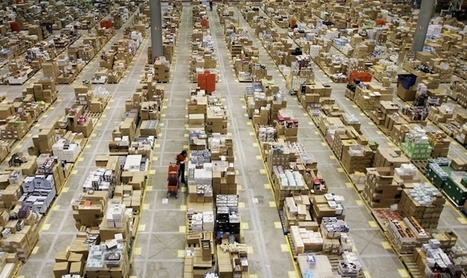







If these predictions come to pass, how will our work and personal lives be different in the next five years? How will our finances and IT and personal health needs be managed? What will the last second economy feel like, and how will successful companies deliver it efficiently?