


You’ve probably heard about Open Educational Resources & may have used some. The world of OERs is growing constantly, with more resources available daily.
Learn more:
http://www.scoop.it/t/21st-century-learning-and-teaching/?tag=OER

 Your new post is loading...
Current selected tag: 'Learning 2 Learn'. Clear
 Scoop.it! You’ve probably heard about Open Educational Resources & may have used some. The world of OERs is growing constantly, with more resources available daily. Learn more: http://www.scoop.it/t/21st-century-learning-and-teaching/?tag=OER
Gust MEES's insight:
You’ve probably heard about Open Educational Resources & may have used some. The world of OERs is growing constantly, with more resources available daily. Learn more: http://www.scoop.it/t/21st-century-learning-and-teaching/?tag=OER
Scoop.it!

Most educators would be aware of the term ‘growth mindset’ by now. The idea is you can work on being smarter. Whatever abilities and talents you have are just a starting point, if you work hard, make mistakes and keep trying, you can achieve. Teachers are using it to encourage and motivate children in their classrooms. Learn more: http://www.scoop.it/t/21st-century-learning-and-teaching/?tag=Growth+Mindset
Gust MEES's insight:
Most educators would be aware of the term ‘growth mindset’ by now. The idea is you can work on being smarter. Whatever abilities and talents you have are just a starting point, if you work hard, make mistakes and keep trying, you can achieve. Teachers are using it to encourage and motivate children in their classrooms. Learn more: http://www.scoop.it/t/21st-century-learning-and-teaching/?tag=Growth+Mindset 
Molly Quinn's curator insight,
August 5, 2015 11:40 AM
Most educators would be aware of the term ‘growth mindset’ by now. The idea is you can work on being smarter. Whatever abilities and talents you have are just a starting point, if you work hard, make mistakes and keep trying, you can achieve. Teachers are using it to encourage and motivate children in their classrooms.
Learn more:
http://www.scoop.it/t/21st-century-learning-and-teaching/?tag=Growth+Mindset

Andres Garcia Alvarez's curator insight,
August 5, 2015 6:13 PM
Most educators would be aware of the term ‘growth mindset’ by now. The idea is you can work on being smarter. Whatever abilities and talents you have are just a starting point, if you work hard, make mistakes and keep trying, you can achieve. Teachers are using it to encourage and motivate children in their classrooms.
Learn more:
http://www.scoop.it/t/21st-century-learning-and-teaching/?tag=Growth+Mindset

Ellen Dougherty's curator insight,
August 8, 2015 8:47 PM
Most educators would be aware of the term ‘growth mindset’ by now. The idea is you can work on being smarter. Whatever abilities and talents you have are just a starting point, if you work hard, make mistakes and keep trying, you can achieve. Teachers are using it to encourage and motivate children in their classrooms.
Learn more:
http://www.scoop.it/t/21st-century-learning-and-teaching/?tag=Growth+Mindset
Scoop.it!
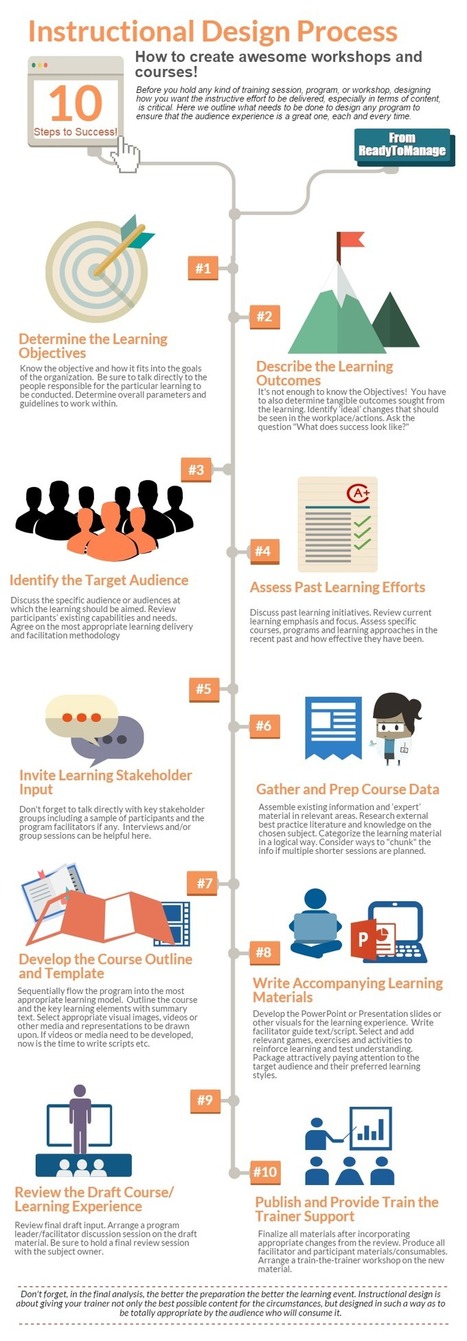
Why is Well-Thought Through Instructional Design More Important than Ever in the Modern World? Learn more: https://gustmees.wordpress.com/2014/10/03/design-the-learning-of-your-learners-students-ideas/ Via Mark E. Deschaine, PhD, Miloš Bajčetić
Gust MEES's insight:
Why is Well-Thought Through Instructional Design More Important than Ever in the Modern World? Learn more: https://gustmees.wordpress.com/2014/10/03/design-the-learning-of-your-learners-students-ideas/ 
Florence Gilzene-Cheese's curator insight,
August 6, 2015 1:39 PM
Interesting, in the future of education instructional design must be flexible enough to accommodate the rapid growth of technology and the changes in content while covering the learning process and Curriculum needs.
Ellen Dougherty's curator insight,
August 8, 2015 8:48 PM
Why is Well-Thought Through Instructional Design More Important than Ever in the Modern World?
Learn more:
https://gustmees.wordpress.com/2014/10/03/design-the-learning-of-your-learners-students-ideas/

Dennis Swender's curator insight,
August 10, 2015 11:55 AM
Why is Well-Thought Through Instructional Design More Important than Ever in the Modern World?
Learn more:
https://gustmees.wordpress.com/2014/10/03/design-the-learning-of-your-learners-students-ideas/
Scoop.it!
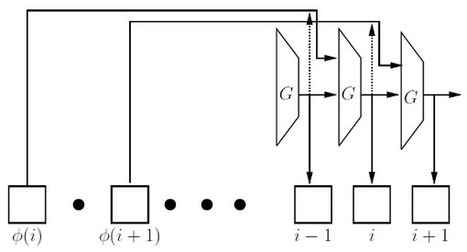
Kryptografen von der Universität Luxemburg haben mit ihrem Algorithmus Argon2 den Passwort-Hashing-Wettbewerb PHC gewonnen und sich damit gegen 9 Finalisten aus insgesamt 24 Einsendungen durchgesetzt. Kryptografen von der Universität Luxemburg haben mit ihrem Algorithmus Argon2den Passwort-Hashing-Wettbewerb PHC gewonnen und sich damit gegen 9 Finalisten aus insgesamt 24 Einsendungen durchgesetzt.
Gust MEES's insight:
Kryptografen von der Universität Luxemburg haben mit ihrem Algorithmus Argon2 den Passwort-Hashing-Wettbewerb PHC gewonnen und sich damit gegen 9 Finalisten aus insgesamt 24 Einsendungen durchgesetzt. Kryptografen von der Universität Luxemburg haben mit ihrem Algorithmus Argon2den Passwort-Hashing-Wettbewerb PHC gewonnen und sich damit gegen 9 Finalisten aus insgesamt 24 Einsendungen durchgesetzt.
Scoop.it!
Gust MEES's insight:
SO TRUE! 
bontle johannah's curator insight,
August 3, 2015 4:27 PM
The phrase signify hardship of moving forward so I prefer looking at the other side of real life which is being optimistic.
Scoop.it!
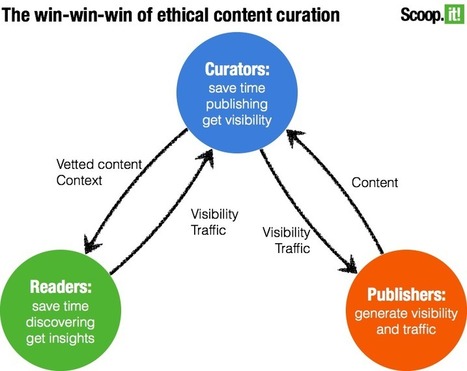
We’ve been asked "how ethical is content curation?" so many times we decided to dig deep to give you a data answer: ethical content curation exists. Learn more: http://www.scoop.it/t/21st-century-learning-and-teaching/?tag=Curation
Gust MEES's insight:
We’ve been asked "how ethical is content curation?" so many times we decided to dig deep to give you a data answer: ethical content curation exists. Learn more: http://www.scoop.it/t/21st-century-learning-and-teaching/?tag=Curation 
Marcelo Ballester's curator insight,
July 31, 2015 10:18 AM
We’ve been asked "how ethical is content curation?" so many times we decided to dig deep to give you a data answer: ethical content curation exists.
Learn more:
http://www.scoop.it/t/21st-century-learning-and-teaching/?tag=Curation
Andres Garcia Alvarez's curator insight,
August 1, 2015 6:19 PM
We’ve been asked "how ethical is content curation?" so many times we decided to dig deep to give you a data answer: ethical content curation exists.
Learn more:
http://www.scoop.it/t/21st-century-learning-and-teaching/?tag=Curation

Nataliia Viatkina/Наталія Вяткіна's curator insight,
August 6, 2015 11:06 AM
We’ve been asked "how ethical is content curation?" so many times we decided to dig deep to give you a data answer: ethical content curation exists.
Learn more:
http://www.scoop.it/t/21st-century-learning-and-teaching/?tag=Curation
Scoop.it!

Gust MEES's insight:

Sylvianne Parent's curator insight,
September 6, 2015 1:09 PM
Lorsque les élèves éprouvent de grandes difficultés à l'école, il est primordial de leur enseigner à développer un esprit de croissance personnelle axé sur les efforts et les défis personnels. Le concept de growth mindset est vraiment intéressant pour illustrer aux enfants que l'intelligence et le succès n'est pas fixe mais relié aux efforts aux tentatives et aux réajustements. Voir Carole DWECK l'auteure de ce concept.
Scoop.it!
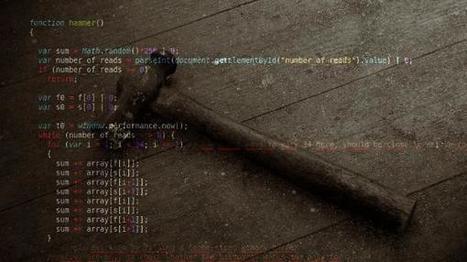
Beim Rowhammer-Angriff klöppelt der Angreifer so lange auf einem Speicherbereich rum, bis benachbarte Bits flippen. So kann man Systeme lahmlegen und sich sogar Admin-Rechte verschaffen. Unglaublicherweise klappt das auch mit JavaScript über das Internet. Im März schlug die Veröffentlichung einer Reihe von Google-Forscher große Wellen: Auf DRAM-Chips lassen sich mit Gewalt Bits flippen und Angreifer können so den Rechner des Opfers abstürzen lassen oder gar Admin-Rechte erlangen. Jetzt haben Forscher der Technischen Universität Graz und der Firma Technicolor es geschafft,den sogenannten Rowhammer-Angriff auf JavaScript zu übertragen. Damit kann man den Speicher aus der Ferne malträtieren, wenn das Opfer eine präparierte Webseite besucht. Die Gefahr eines gezielten Angriffs im Alltag ist zwar nach wie vor begrenzt, wenn es dem Angreifer aber nur darum geht, Daten in den Systemen zu verfälschen oder diese zum Absturz zu bringen, so ist dem Tür und Tor geöffnet und zwar nicht etwa nur für x86, sondern prinzipiell auch für ARM und andere Architekturen. Mehr erfahren / Learn more: https://gustmees.wordpress.com/2014/08/24/coding-a-new-trend-in-education-and-a-big-responsibility/
Gust MEES's insight:
Beim Rowhammer-Angriff klöppelt der Angreifer so lange auf einem Speicherbereich rum, bis benachbarte Bits flippen. So kann man Systeme lahmlegen und sich sogar Admin-Rechte verschaffen. Unglaublicherweise klappt das auch mit JavaScript über das Internet. Im März schlug die Veröffentlichung einer Reihe von Google-Forscher große Wellen: Auf DRAM-Chips lassen sich mit Gewalt Bits flippen und Angreifer können so den Rechner des Opfers abstürzen lassen oder gar Admin-Rechte erlangen. Jetzt haben Forscher der Technischen Universität Graz und der Firma Technicolor es geschafft,den sogenannten Rowhammer-Angriff auf JavaScript zu übertragen. Damit kann man den Speicher aus der Ferne malträtieren, wenn das Opfer eine präparierte Webseite besucht. Die Gefahr eines gezielten Angriffs im Alltag ist zwar nach wie vor begrenzt, wenn es dem Angreifer aber nur darum geht, Daten in den Systemen zu verfälschen oder diese zum Absturz zu bringen, so ist dem Tür und Tor geöffnet und zwar nicht etwa nur für x86, sondern prinzipiell auch für ARM und andere Architekturen. Mehr erfahren / Learn more: https://gustmees.wordpress.com/2014/08/24/coding-a-new-trend-in-education-and-a-big-responsibility/
Scoop.it!

What makes people think it’s acceptable to rob someone’s ideas and take credit for their work? Don’t they realize that plagiarism is stealing? Learn more: - https://gustmees.wordpress.com/2013/02/22/what-you-should-know-about-copyright/
Gust MEES's insight:
What makes people think it’s acceptable to rob someone’s ideas and take credit for their work? Don’t they realize that plagiarism is stealing? Learn more: - https://gustmees.wordpress.com/2013/02/22/what-you-should-know-about-copyright/
Scoop.it!

This is a very interesting case study by the team at B2B Content Engine on content curation and website traffic: it analyzes the impact content curation has on a B2B web site's traffic. Learn more:
Gust MEES's insight:
This is a very interesting case study by the team at B2B Content Engine on content curation and website traffic: it analyzes the impact content curation has on a B2B web site's traffic. Learn more:
Scoop.it!

Creative Commons licenses image source Augmented Reality is one of the most interesting and exciting tools emerging in the academic world today. Here are a handful of videos showing many fun, engaging ways in which educators and students are using Learn more / En savoir plus / Mehr erfahren:
Gust MEES's insight:
Creative Commons licenses image source Augmented Reality is one of the most interesting and exciting tools emerging in the academic world today. Here are a handful of videos showing many fun, engaging ways in which educators and students are using Learn more / En savoir plus / Mehr erfahren: 
Rosemary Tyrrell, Ed.D.'s curator insight,
July 28, 2015 4:20 PM
Some amazing and wonderful things being done. 
Alfonso Gonzalez's curator insight,
August 2, 2015 1:01 AM
Creative Commons licenses image source Augmented Reality is one of the most interesting and exciting tools emerging in the academic world today. Here are a handful of videos showing many fun, engaging ways in which educators and students are using
Learn more / En savoir plus / Mehr erfahren:
http://www.scoop.it/t/la-realite-augmentee-augmented-reality-ar
Scoop.it!

Her advice: Take shorter, more frequent vacations. “Holidays work more like sleep. You need regular recovery from work in order to stay healthy in the long run,” Dr. de Bloom said. [Gust MEES]: I agree completely as I do this since +/- 30 years; a loooong week end sometimes or ONLY 2-3 days off out of the country and house and ALSO visiting on a 1 day trip some festivals...
Gust MEES's insight:
Her advice: Take shorter, more frequent vacations. “Holidays work more like sleep. You need regular recovery from work in order to stay healthy in the long run,” Dr. de Bloom said. [Gust MEES]: I agree completely as I do this since +/- 30 years; a loooong week end sometimes or ONLY 2-3 days off out of the country and house and ALSO visiting on a 1 day trip some festivals...
Scoop.it!

Why educators are paying more attention to noncognitive factors in the classroom, and whether it’s more than just a fad. Nestled within the New-Age-y sounding concept of “noncognitive factors” are fairly concrete examples of what parents and educators should and shouldn’t do to prepare students for the rigors of college and their careers. Gleaned from research into brain development and human behavior, a toolkit is emerging on how to best respond to and encourage students’ grit, persistence, and the ability to learn from one’s mistakes. Learn more:
Gust MEES's insight:
Why educators are paying more attention to noncognitive factors in the classroom, and whether it’s more than just a fad. Nestled within the New-Age-y sounding concept of “noncognitive factors” are fairly concrete examples of what parents and educators should and shouldn’t do to prepare students for the rigors of college and their careers. Gleaned from research into brain development and human behavior, a toolkit is emerging on how to best respond to and encourage students’ grit, persistence, and the ability to learn from one’s mistakes. Learn more: 
Tasia Thompson's curator insight,
July 27, 2015 12:23 AM
I love how this article combines the two books I would like to have my faculty do as a book study: Grit and Mindset. Both of these books are easy reads but cause one to reflect on what we say and what we encourage/discourage by our practices and how this influences students. |
Scoop.it!

John Hattie's review of research revealed that teachers make a difference to how well kids do at school despite other hurdles they may face. Discover why
Learn more:
- http://www.scoop.it/t/21st-century-learning-and-teaching/?tag=Evidence-Based+Practices+and+Programs
- http://www.bak-online.de/downloads/Seminar2-2014_S121-130.pdf
Gust MEES's insight:
John Hattie's review of research revealed that teachers make a difference to how well kids do at school despite other hurdles they may face. Discover why
Learn more:
- http://www.scoop.it/t/21st-century-learning-and-teaching/?tag=Evidence-Based+Practices+and+Programs
http://www.bak-online.de/downloads/Seminar2-2014_S121-130.pdf

Les Howard's curator insight,
August 4, 2015 10:49 AM
John Hattie's review of research revealed that teachers make a difference to how well kids do at school despite other hurdles they may face. Discover why
Learn more:
- http://www.scoop.it/t/21st-century-learning-and-teaching/?tag=Evidence-Based+Practices+and+Programs
Andres Garcia Alvarez's curator insight,
August 5, 2015 6:14 PM
John Hattie's review of research revealed that teachers make a difference to how well kids do at school despite other hurdles they may face. Discover why
Learn more:
- http://www.scoop.it/t/21st-century-learning-and-teaching/?tag=Evidence-Based+Practices+and+Programs
Nataliia Viatkina/Наталія Вяткіна's curator insight,
August 6, 2015 11:00 AM
John Hattie's review of research revealed that teachers make a difference to how well kids do at school despite other hurdles they may face. Discover why
Learn more:
- http://www.scoop.it/t/21st-century-learning-and-teaching/?tag=Evidence-Based+Practices+and+Programs
Scoop.it!

Check out some resources meant to help education leaders find ways transform the vision and goals of schools to move towards applied, connected and real-world learning opportunities for students.
Gust MEES's insight:
Check out some resources meant to help education leaders find ways transform the vision and goals of schools to move towards applied, connected and real-world learning opportunities for students.
Andres Garcia Alvarez's curator insight,
August 5, 2015 6:13 PM
Check out some resources meant to help education leaders find ways transform the vision and goals of schools to move towards applied, connected and real-world learning opportunities for students.
Nataliia Viatkina/Наталія Вяткіна's curator insight,
August 6, 2015 11:02 AM
Check out some resources meant to help education leaders find ways transform the vision and goals of schools to move towards applied, connected and real-world learning opportunities for students.
Ellen Dougherty's curator insight,
August 8, 2015 8:48 PM
Check out some resources meant to help education leaders find ways transform the vision and goals of schools to move towards applied, connected and real-world learning opportunities for students.
Scoop.it!
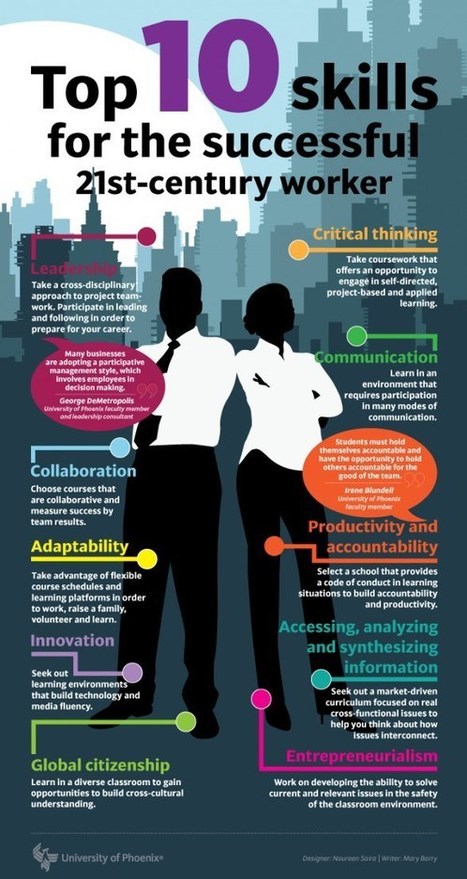
21st Century EDUcation is LEARNing To LEARN for Life-Long LEARNing In a world where WE have to deal with "RealWorld" AND "VirtualWorld" (internet) and where both are influencing each other on an incredible, nearly impossible way of following, MOST people, especially in EDUcation get stuck!
Gust MEES's insight:
21st Century EDUcation is LEARNing To LEARN for Life-Long LEARNing In a world where WE have to deal with "RealWorld" AND "VirtualWorld" (internet) and where both are influencing each other on an incredible, nearly impossible way of following, MOST people, especially in EDUcation get stuck! 
Santosh A's curator insight,
August 3, 2015 11:27 PM
21st Century EDUcation is LEARNing To LEARN for Life-Long LEARNing In a world where WE have to deal with "RealWorld" AND "VirtualWorld" (internet) and where both are influencing each other on an incredible, nearly impossible way of following, MOST people, especially in EDUcation get stuck!
Molly Quinn's curator insight,
August 5, 2015 11:41 AM
21st Century EDUcation is LEARNing To LEARN for Life-Long LEARNing In a world where WE have to deal with "RealWorld" AND "VirtualWorld" (internet) and where both are influencing each other on an incredible, nearly impossible way of following, MOST people, especially in EDUcation get stuck!
Scoop.it!

A massive Internet outage could disrupt modern life and inflict major economic damage. How far off are we from having it happen? Image (infographic) credit <===> http://www.liquidnetworx.com/break-the-internet/
Gust MEES's insight:
A massive Internet outage could disrupt modern life and inflict major economic damage. How far off are we from having it happen? Image (infographic) credit <===> http://www.liquidnetworx.com/break-the-internet/ 
WikiBlinks's curator insight,
August 1, 2015 12:32 AM
A massive Internet outage could disrupt modern life and inflict major economic damage. How far off are we from having it happen?
Image (infographic) credit <===> http://www.liquidnetworx.com/break-the-internet/
Dennis Swender's curator insight,
August 10, 2015 11:57 AM
A massive Internet outage could disrupt modern life and inflict major economic damage. How far off are we from having it happen?
Image (infographic) credit <===> http://www.liquidnetworx.com/break-the-internet/
Scoop.it!
Gust MEES's insight:
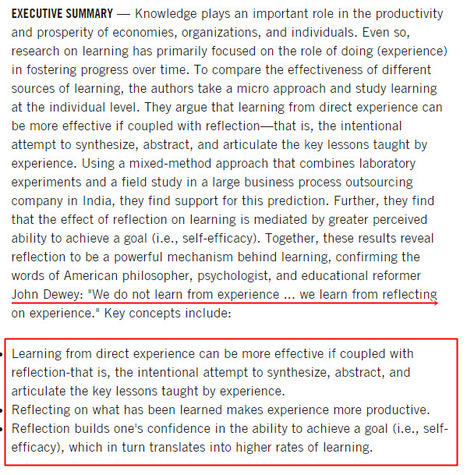
Learning from direct experience can be more effective if coupled with reflection-that is, the intentional attempt to synthesize, abstract, and articulate the key lessons taught by experience. Reflecting on what has been learned makes experience more productive. Reflection builds one's confidence in the ability to achieve a goal (i.e., self-efficacy), which in turn translates into higher rates of learning.
Nataliia Viatkina/Наталія Вяткіна's curator insight,
August 6, 2015 11:04 AM
Learning from direct experience can be more effective if coupled with reflection-that is, the intentional attempt to synthesize, abstract, and articulate the key lessons taught by experience. Reflecting on what has been learned makes experience more productive. Reflection builds one's confidence in the ability to achieve a goal (i.e., self-efficacy), which in turn translates into higher rates of learning. 
Justine Calpito's curator insight,
August 7, 2015 7:57 PM
Learning from direct experience can be more effective if coupled with reflection-that is, the intentional attempt to synthesize, abstract, and articulate the key lessons taught by experience. Reflecting on what has been learned makes experience more productive. Reflection builds one's confidence in the ability to achieve a goal (i.e., self-efficacy), which in turn translates into higher rates of learning.
Dennis Swender's curator insight,
August 10, 2015 11:58 AM
Learning from direct experience can be more effective if coupled with reflection-that is, the intentional attempt to synthesize, abstract, and articulate the key lessons taught by experience.
Reflecting on what has been learned makes experience more productive.
Reflection builds one's confidence in the ability to achieve a goal (i.e., self-efficacy), which in turn translates into higher rates of learning.
Scoop.it!

Informational technology needs to be holistically integrated into our learning environments. credit is given to Deborah McCallum: http://bigideasineducation.ca/2015/07/30/holistic-approaches-for-learning-with-technology/ Learn more:
Gust MEES's insight:
Learn more: 
Amanda McAndrew's curator insight,
August 6, 2015 1:49 PM
Informational technology needs to be holistically integrated into our learning environments.
Learn more:

Silvia Nascimento's curator insight,
August 6, 2015 9:22 PM
Informational technology needs to be holistically integrated into our learning environments.
Learn more:
Nataliia Viatkina/Наталія Вяткіна's curator insight,
August 10, 2015 7:40 AM
Informational technology needs to be holistically integrated into our learning environments.
Learn more:
Scoop.it!
 Yin and yang - Wikipedia, the free encyclopediaIn Chinese philosophy, yin and yang (also, yin-yang or yin yang) describes how apparently opposite or contrary forces are actually complementary, interconnected, and interdependent in the natural world, and how they give rise to each other as they interrelate to one another. Yin and yang
Gust MEES's insight:
In Chinese philosophy, yin and yang (also, yin-yang or yin yang) describes how apparently opposite or contrary forces are actually complementary, interconnected, and interdependent in the natural world, and how they give rise to each other as they interrelate to one another. Learn more: http://www.scoop.it/t/21st-century-learning-and-teaching/?tag=Ambivert
Dennis Swender's curator insight,
August 10, 2015 11:59 AM
In Chinese philosophy, yin and yang (also, yin-yang or yin yang) describes how apparently opposite or contrary forces are actually complementary, interconnected, and interdependent in the natural world, and how they give rise to each other as they interrelate to one another. Learn more: http://www.scoop.it/t/21st-century-learning-and-teaching/?tag=Ambivert
Scoop.it!

The European Open Education Portal. Find open educational resources and exchanges best practices. Learn more: https://gustmees.wordpress.com/2014/07/10/education-collaboration-and-coaching-the-future/ .
Gust MEES's insight:
The European Open Education Portal. Find open educational resources and exchanges best practices. Learn more: https://gustmees.wordpress.com/2014/07/10/education-collaboration-and-coaching-the-future/ .
Scoop.it!
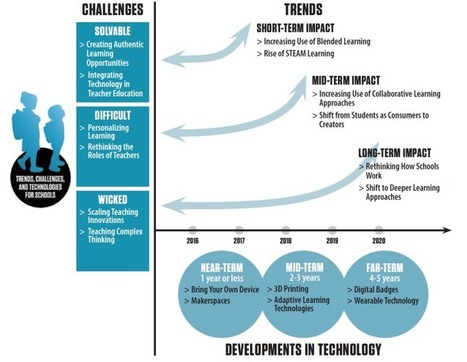
A survey of schools around the world reveals what schools could look like, trends in personalized learning, the role of teachers and challenges to exciting techniques. Learn more: https://gustmees.wordpress.com/2014/07/10/education-collaboration-and-coaching-the-future/ https://gustmees.wordpress.com/2013/12/21/privacy-in-the-digital-world-shouldnt-we-talk-about-it/ .
Gust MEES's insight:
A survey of schools around the world reveals what schools could look like, trends in personalized learning, the role of teachers and challenges to exciting techniques. Learn more: . https://gustmees.wordpress.com/2014/07/10/education-collaboration-and-coaching-the-future/ . .
Nataliia Viatkina/Наталія Вяткіна's curator insight,
August 6, 2015 10:59 AM
A survey of schools around the world reveals what schools could look like, trends in personalized learning, the role of teachers and challenges to exciting techniques.
Learn more:
. https://gustmees.wordpress.com/2014/07/10/education-collaboration-and-coaching-the-future/ . . 
ernestprats's curator insight,
August 10, 2015 1:51 AM
A survey of schools around the world reveals what schools could look like, trends in personalized learning, the role of teachers and challenges to exciting techniques.
Learn more:
. https://gustmees.wordpress.com/2014/07/10/education-collaboration-and-coaching-the-future/ . .
Scoop.it!
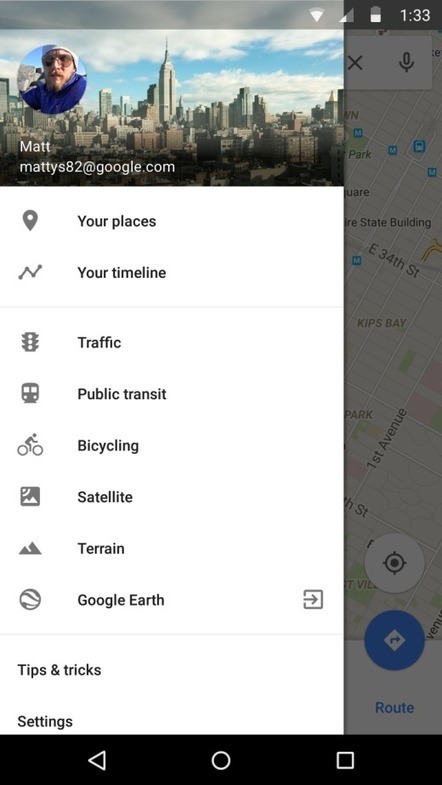
It’s inspiring — in a crazy sort of way — to consider how efficient Google can be in keeping track of information about you. Today, Google announced the launch of “Your Timeline,” a tool in Google Maps that shares with you all the places you have been. It works if you chose to store your Location History with Google. Product manager Gerard Sanz detailed the feature in blog post, as the company gradually rolls out the timeline for Maps users. It could definitely serve as a convenience. What with our busy lives, sometimes it’s hard to remember all the stops along the way. Google sees Your Timeline as a way to quickly recall, and even view your past whereabouts.
Gust MEES's insight:
It’s inspiring — in a crazy sort of way — to consider how efficient Google can be in keeping track of information about you. Today, Google announced the launch of “Your Timeline,” a tool in Google Maps that shares with you all the places you have been. It works if you chose to store your Location History with Google. Product manager Gerard Sanz detailed the feature in blog post, as the company gradually rolls out the timeline for Maps users. It could definitely serve as a convenience. What with our busy lives, sometimes it’s hard to remember all the stops along the way. Google sees Your Timeline as a way to quickly recall, and even view your past whereabouts. 
Calliope Global Fran's curator insight,
July 31, 2015 2:36 PM
It’s inspiring — in a crazy sort of way — to consider how efficient Google can be in keeping track of information about you. Today, Google announced the launch of “Your Timeline,” a tool in Google Maps that shares with you all the places you have been. It works if you chose to store your Location History with Google. Product manager Gerard Sanz detailed the feature in blog post, as the company gradually rolls out the timeline for Maps users.
It could definitely serve as a convenience. What with our busy lives, sometimes it’s hard to remember all the stops along the way. Google sees Your Timeline as a way to quickly recall, and even view your past whereabouts.
Dennis Swender's curator insight,
August 10, 2015 12:00 PM
It’s inspiring — in a crazy sort of way — to consider how efficient Google can be in keeping track of information about you. Today, Google announced the launch of “Your Timeline,” a tool in Google Maps that shares with you all the places you have been. It works if you chose to store your Location History with Google.
Product manager Gerard Sanz detailed the feature in blog post, as the company gradually rolls out the timeline for Maps users.
It could definitely serve as a convenience. What with our busy lives, sometimes it’s hard to remember all the stops along the way. Google sees Your Timeline as a way to quickly recall, and even view your past whereabouts.
Scoop.it!
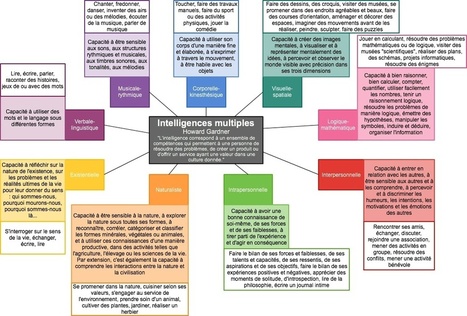
Dans le cadre de mon travail à l'université, je suis responsable d'un dispositif d'aide à la réussite à destination des étudiants de première année. En savoir plus / Learn more: Via Louis Levy
Gust MEES's insight:
Dans le cadre de mon travail à l'université, je suis responsable d'un dispositif d'aide à la réussite à destination des étudiants de première année. En savoir plus / Learn more: 
veroni's curator insight,
July 4, 2015 1:08 AM
Dans le cadre des apprentissages développer les intelligences multiples ! Superbe carte mentale ! 
Marie Jouault's curator insight,
July 6, 2015 7:16 AM
Démarche d'"employabilité" oblige ou d'"efficacité et de bien-être" pour pouvoir apprendre et se développer "tout au long de sa vie", autant "apprendre à apprendre" et capitaliser sr ses différentes intelligence.

Susan Myburgh's curator insight,
August 1, 2015 7:27 PM
Dans le cadre de mon travail à l'université, je suis responsable d'un dispositif d'aide à la réussite à destination des étudiants de première année. En savoir plus / Learn more:
Scoop.it!

From
itdi

Mentors help us become better teachers. But sometimes they do even more than that, sometimes they help us become fuller and more aware people. In the second issue of the iTDi blog dedicated to the mentors in our community, Michael Griffin, Maria Bossa and Kevin Stein celebrate the teachers who.. Learn more:
Gust MEES's insight:
Mentors help us become better teachers. But sometimes they do even more than that, sometimes they help us become fuller and more aware people. In the second issue of the iTDi blog dedicated to the mentors in our community, Michael Griffin, Maria Bossa and Kevin Stein celebrate the teachers who.. Learn more: |









You’ve probably heard about Open Educational Resources & may have used some. The world of OERs is growing constantly, with more resources available daily.
Learn more:
http://www.scoop.it/t/21st-century-learning-and-teaching/?tag=OER
You’ve probably heard about Open Educational Resources & may have used some. The world of OERs is growing constantly, with more resources available daily.
Learn more:
http://www.scoop.it/t/21st-century-learning-and-teaching/?tag=OER
You’ve probably heard about Open Educational Resources & may have used some. The world of OERs is growing constantly, with more resources available daily.
Learn more:
http://www.scoop.it/t/21st-century-learning-and-teaching/?tag=OER