21st Century Innovative Technologies and Developments as also discoveries, curiosity ( insolite)...
66.4K views | +1 today
21st Century Innovative Technologies and Developments as also discoveries, curiosity ( insolite)...
Everything from new developments and discoveries in the Technology world: science, ICT, medicine, pharma...
Curated by Gust MEES
Your new post is loading...

Popular Tags

Current selected tag: 'Medicine'. Clear
Scooped by Gust MEES
September 19, 2017 6:52 PM
Scoop.it!

A company is reviving efforts to make a bionic eye brain implant for the blind | #Research 

A company is reviving efforts to make a bionic eye brain implant for the blind | #Research  | 21st Century Innovative Technologies and Developments as also discoveries, curiosity ( insolite)... | Scoop.it

The maker of the world’s first commercial artificial retina, which provides partial sight to people with a certain form of blindness, is launching a clinical trial for a brain implant designed to restore vision to more patients.

The company, Second Sight, is testing whether an array of electrodes placed on the surface of the brain can return limited vision to people who have gone partially or completely blind. For decades, scientists have been trying to develop brain implants to give sight back to the blind but have had limited success. If the Second Sight device works, it could help millions of blind patients worldwide, including those who have lost one or both eyes.


Learn more / En savoir plus / Mehr erfahren:


http://www.scoop.it/t/21st-century-innovative-technologies-and-developments/?&tag=Blind


Gust MEES's insight:

The maker of the world’s first commercial artificial retina, which provides partial sight to people with a certain form of blindness, is launching a clinical trial for a brain implant designed to restore vision to more patients.

The company, Second Sight, is testing whether an array of electrodes placed on the surface of the brain can return limited vision to people who have gone partially or completely blind. For decades, scientists have been trying to develop brain implants to give sight back to the blind but have had limited success. If the Second Sight device works, it could help millions of blind patients worldwide, including those who have lost one or both eyes.


Learn more / En savoir plus / Mehr erfahren:


http://www.scoop.it/t/21st-century-innovative-technologies-and-developments/?&tag=Blind


No comment yet.
Scooped by Gust MEES
September 17, 2017 7:11 PM
Scoop.it!

Leistenbruch: Implantierte Netze | #Operationen

Leistenbruch: Implantierte Netze | #Operationen | 21st Century Innovative Technologies and Developments as also discoveries, curiosity ( insolite)... | Scoop.it

Bis zu 6000 Menschen leiden nach der OP unter chronischen Schmerzen.


Eine bislang unterschätzte Komplikation einer solchen OP sind chronische Schmerzen danach. Sie drohen, wenn einer der drei großen Nervenstränge in der Leistengegend verletzt wird oder das implantierte Netz mit einem Nerv verwächst. “Ich bin kaum noch belastbar, ein Arbeitstag reicht schon, um am Feierabend kaum noch was machen zu können”, berichtet zum Beispiel “Didi” in einem Online-Forum für chronische Schmerzen.


Seit ihm vor sieben Jahren ein Kunststoffnetz implantiert wurde, leide der heute 26-Jährige unter Dauerschmerzen. “Ich kann nicht mehr. Bin mit den Nerven runter und weiß nicht mehr weiter”, klagt er.


Georg Arlt weiß, dass “Didi” nicht allein mit dieser Komplikation ist: “Deutschlandweit leiden zwei bis drei Prozent der Patienten nach einem Leistenverschluss unter postoperativen chronischen Schmerzen, die sie meist arbeitsunfähig machen.” Bei jährlich 230 000 operierten Hernien sind das immerhin 4600 bis 6000 Menschen. Häufig schmerzt es in der Leistengegend, im Bein oder im Hodensack.


So können selbst leichte Aktivitäten zur Qual werden, und meist leidet auch die Partnerschaft, wenn der Sex zum Martyrium wird.


No comment yet.
Scooped by Gust MEES
August 31, 2017 11:29 AM
Scoop.it!

Left Atrial Appendage Closure with the WATCHMAN™ Device | #Medicine #Heart 

The WATCHMAN™ LAA Closure Device is designed to reduce the risk of stroke in patients with Atrial Fibrillation by preventing thrombus embolization from the left atrial appendage.


Learn more / En savoir plus / Mehr erfahren:


http://www.scoop.it/t/21st-century-innovative-technologies-and-developments/?&tag=heart


Gust MEES's insight:

The WATCHMAN™ LAA Closure Device is designed to reduce the risk of stroke in patients with Atrial Fibrillation by preventing thrombus embolization from the left atrial appendage.


Learn more / En savoir plus / Mehr erfahren:


http://www.scoop.it/t/21st-century-innovative-technologies-and-developments/?&tag=heart


No comment yet.
Scooped by Gust MEES
August 10, 2017 1:17 PM
Scoop.it!

Heilung durch eine kurze Berührung: Dieser Chip könnte ein medizinischer Durchbruch sein | #Research #Nano

Heilung durch eine kurze Berührung: Dieser Chip könnte ein medizinischer Durchbruch sein | #Research #Nano | 21st Century Innovative Technologies and Developments as also discoveries, curiosity ( insolite)... | Scoop.it
Dieser Chip kann im Körper eines Menschen neue Zellen entstehen lassen. Das könnte in Zukunft ganz neue Behandlungsmethoden möglich machen.


Learn more / En savoir plus / Mehr erfahren:


http://www.scoop.it/t/21st-century-innovative-technologies-and-developments/?&tag=Nano


Gust MEES's insight:
Dieser Chip kann im Körper eines Menschen neue Zellen entstehen lassen. Das könnte in Zukunft ganz neue Behandlungsmethoden möglich machen.


Learn more / En savoir plus / Mehr erfahren:


http://www.scoop.it/t/21st-century-innovative-technologies-and-developments/?&tag=Nano


No comment yet.
Scooped by Gust MEES
August 9, 2017 2:02 PM
Scoop.it!

Speiseröhrenkrebs: Behandlung und Lebenserwartung - gesundheit.de

Speiseröhrenkrebs ist schwer durch Behandlung heilbar. Es gibt nur geringe Heilungschancen und die Lebenserwartung beträgt wenige Jahre.


Learn more / En savoir plus / Mehr erfahren:


http://www.scoop.it/t/21st-century-innovative-technologies-and-developments/?&tag=Cancer


Gust MEES's insight:
Speiseröhrenkrebs ist schwer durch Behandlung heilbar. Es gibt nur geringe Heilungschancen und die Lebenserwartung beträgt wenige Jahre.


Learn more / En savoir plus / Mehr erfahren:


http://www.scoop.it/t/21st-century-innovative-technologies-and-developments/?&tag=Cancer


No comment yet.
Rescooped by Gust MEES from Autoimmune diseases (Lupus, RA), Vaccines and Stem Cell Therapies Highlights
July 3, 2017 9:26 AM
Scoop.it!

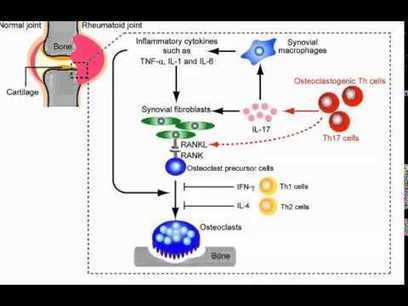
Rheumatoid arthritis – innate and adaptive immune system

Rheumatoid arthritis – innate and adaptive immune system | 21st Century Innovative Technologies and Developments as also discoveries, curiosity ( insolite)... | Scoop.it
*** what is rheumatoid arthritis *** Video credits to the YouTube channel owner


Learn more / En savoir plus / Mehr erfahren:


http://www.scoop.it/t/21st-century-innovative-technologies-and-developments/?&tag=arthritis


Via Krishan Maggon
Gust MEES's insight:
*** what is rheumatoid arthritis *** Video credits to the YouTube channel owner


Learn more / En savoir plus / Mehr erfahren:


http://www.scoop.it/t/21st-century-innovative-technologies-and-developments/?&tag=arthritis


No comment yet.
Scooped by Gust MEES
June 9, 2017 9:57 AM
Scoop.it!

Ohne Nadel und Faden: Mit neuer Methode können Wunden ganz einfach behandelt werden - Video | #Health #Medicine 

Ohne Nadel und Faden: Mit neuer Methode können Wunden ganz einfach behandelt werden - Video | #Health #Medicine  | 21st Century Innovative Technologies and Developments as also discoveries, curiosity ( insolite)... | Scoop.it
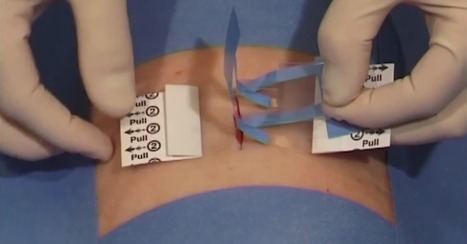
Wunden werden im Krankenhaus in der Regel genäht oder geklammert. Das ist nicht nur unangenehm, sondern führt zu hässlichen Narben. Wissenschaftler haben nun eine neue Möglichkeit entwickelt, wie die Narbenbildung minimiert und die Heilung beschleunigt werden kann.


Sieht so das Pflaster der Zukunft aus? Der 3M Steri-Strip S ist ein chirurgischer Wundverschluss. Das neuartige Pflaster soll die Heilung von Schnittwunden optimieren. Durch die doppelschichtige Struktur kann die Verletzung exakt verschlossen werden - ohne Klammern oder Nähte. Das innovative Pflaster soll Narbenbildung minimieren und zu einer schnelleren Heilung beitragen.


Learn more / En savoir plus / Mehr erfahren:


http://www.scoop.it/t/21st-century-innovative-technologies-and-developments/?&tag=Health


Gust MEES's insight:
Wunden werden im Krankenhaus in der Regel genäht oder geklammert. Das ist nicht nur unangenehm, sondern führt zu hässlichen Narben. Wissenschaftler haben nun eine neue Möglichkeit entwickelt, wie die Narbenbildung minimiert und die Heilung beschleunigt werden kann.


Sieht so das Pflaster der Zukunft aus? Der 3M Steri-Strip S ist ein chirurgischer Wundverschluss. Das neuartige Pflaster soll die Heilung von Schnittwunden optimieren. Durch die doppelschichtige Struktur kann die Verletzung exakt verschlossen werden - ohne Klammern oder Nähte. Das innovative Pflaster soll Narbenbildung minimieren und zu einer schnelleren Heilung beitragen.


Learn more / En savoir plus / Mehr erfahren:


http://www.scoop.it/t/21st-century-innovative-technologies-and-developments/?&tag=Health


No comment yet.
Scooped by Gust MEES
April 25, 2017 4:07 PM
Scoop.it!

Neue Forschung beweist: Der Menschen hat mehr Blutzelltypen als gedacht | #Research #Medicine #Health

Neue Forschung beweist: Der Menschen hat mehr Blutzelltypen als gedacht | #Research #Medicine #Health | 21st Century Innovative Technologies and Developments as also discoveries, curiosity ( insolite)... | Scoop.it
Forscher fanden in menschlichem Blut vier bisher unbekannte Zelltypen. Diese Erkenntnis kann alles, was man über den Blutkreislauf und das Immunsystem des Körpers zu wissen glaubte, auf den Kopf stellen. Es eröffnet aber auch viele Möglichkeiten.

Der bisherige Stand der Medizin war, dass es genau drei verschiedene Arten von Blutzellen gibt: Rote Blutkörperchen, weiße Blutkörperchen und Blutplättchen. Und jede der drei Arten hat eine unterschiedliche Funktion im Körper.

Dieses Konzept ist nun teilweise überholt. Forscher haben nämlich gleich vier neue Arten von Blutzellen entdeckt. Und das, obwohl sie schon immer im Blut waren – es wusste nur niemand von ihnen. Man dachte bisher, dass die neu entdeckten Zelltypen klassische weiße Blutkörperchen wären.


Learn more / En savoir plus / Mehr erfahren:


http://www.scoop.it/t/21st-century-innovative-technologies-and-developments/?&tag=Blood


Gust MEES's insight:
Forscher fanden in menschlichem Blut vier bisher unbekannte Zelltypen. Diese Erkenntnis kann alles, was man über den Blutkreislauf und das Immunsystem des Körpers zu wissen glaubte, auf den Kopf stellen. Es eröffnet aber auch viele Möglichkeiten.

Der bisherige Stand der Medizin war, dass es genau drei verschiedene Arten von Blutzellen gibt: Rote Blutkörperchen, weiße Blutkörperchen und Blutplättchen. Und jede der drei Arten hat eine unterschiedliche Funktion im Körper.

Dieses Konzept ist nun teilweise überholt. Forscher haben nämlich gleich vier neue Arten von Blutzellen entdeckt. Und das, obwohl sie schon immer im Blut waren – es wusste nur niemand von ihnen. Man dachte bisher, dass die neu entdeckten Zelltypen klassische weiße Blutkörperchen wären.


Learn more / En savoir plus / Mehr erfahren:


http://www.scoop.it/t/21st-century-innovative-technologies-and-developments/?&tag=Blood


No comment yet.
Scooped by Gust MEES
March 24, 2017 11:45 AM
Scoop.it!

Verblüffende Studie: Die Lunge produziert Blut - und zwar viel davon | #Research #Medecine 

Verblüffende Studie: Die Lunge produziert Blut - und zwar viel davon | #Research #Medecine  | 21st Century Innovative Technologies and Developments as also discoveries, curiosity ( insolite)... | Scoop.it
Eine neue Studie fand heraus: Die Lunge ist nicht nur für die Atmung zuständig, sondern stellt auch Blut her. Und das in großen Mengen.


Learn more / En savoir plus / Mehr erfahren:


http://www.scoop.it/t/21st-century-innovative-technologies-and-developments/?&tag=Blood


Gust MEES's insight:
Eine neue Studie fand heraus: Die Lunge ist nicht nur für die Atmung zuständig, sondern stellt auch Blut her. Und das in großen Mengen.


Learn more / En savoir plus / Mehr erfahren:


http://www.scoop.it/t/21st-century-innovative-technologies-and-developments/?&tag=Blood


No comment yet.
Scooped by Gust MEES
March 8, 2017 12:45 PM
Scoop.it!

HoloLens medical technology - YouTube Channel Videos (a LOT) | #AR #3D #MixedReality #VR 

Enjoy the videos...


Learn more / En savoir plus / Mehr erfahren:


http://www.scoop.it/t/21st-century-innovative-technologies-and-developments/?&tag=HoloLens


http://www.scoop.it/t/21st-century-innovative-technologies-and-developments/?tag=3D


 http://www.scoop.it/t/21st-century-innovative-technologies-and-developments/?tag=AR


http://www.scoop.it/t/la-realite-augmentee-augmented-reality-ar


Gust MEES's insight:

Enjoy the videos...


Learn more / En savoir plus / Mehr erfahren:


http://www.scoop.it/t/21st-century-innovative-technologies-and-developments/?&tag=HoloLens


http://www.scoop.it/t/21st-century-innovative-technologies-and-developments/?tag=3D


 http://www.scoop.it/t/21st-century-innovative-technologies-and-developments/?tag=AR


http://www.scoop.it/t/la-realite-augmentee-augmented-reality-ar


No comment yet.
Scooped by Gust MEES
February 27, 2017 5:07 PM
Scoop.it!

New Method for Integrating Flexible Electronics Into Skin Patches | #Research #Wearables

New Method for Integrating Flexible Electronics Into Skin Patches | #Research #Wearables | 21st Century Innovative Technologies and Developments as also discoveries, curiosity ( insolite)... | Scoop.it
At the Waseda University in Japan, researchers have come up with a new, cheaper way of producing electronic devices that are flexible, elastic, and adhere to the skin. This development may help body monitoring electronic skin patches that interface with smartphone apps to become commonly used in medicine and by consumers.

The technology relies on elastomeric films only 1 μm thick that can safely contain electronic components sandwiched between them. An inkjet printer is used to put down lines of silver for wiring the components together. Importantly, there’s no soldering or gluing involved, which allows for a thinner final product that is highly flexible without fear of damage to the electrical connections.


Learn more / En savoir plus / Mehr erfahren:


http://www.scoop.it/t/21st-century-innovative-technologies-and-developments/?tag=wearables


Gust MEES's insight:
At the Waseda University in Japan, researchers have come up with a new, cheaper way of producing electronic devices that are flexible, elastic, and adhere to the skin. This development may help body monitoring electronic skin patches that interface with smartphone apps to become commonly used in medicine and by consumers.

The technology relies on elastomeric films only 1 μm thick that can safely contain electronic components sandwiched between them. An inkjet printer is used to put down lines of silver for wiring the components together. Importantly, there’s no soldering or gluing involved, which allows for a thinner final product that is highly flexible without fear of damage to the electrical connections.


Learn more / En savoir plus / Mehr erfahren:


http://www.scoop.it/t/21st-century-innovative-technologies-and-developments/?tag=wearables


No comment yet.
Scooped by Gust MEES
February 7, 2017 6:38 PM
Scoop.it!

Tiny chip looks deep inside your body with millimeter-wave radiation | #Research

Tiny chip looks deep inside your body with millimeter-wave radiation | #Research | 21st Century Innovative Technologies and Developments as also discoveries, curiosity ( insolite)... | Scoop.it
Researchers at the University of California Irvine have created a chip for use in medical imaging and other applications that’s as powerful as it is tiny. The pint-size millimeter-wave radiator could lead to better scanning of tissues and organs, but may also work as part of our everyday wireless data ecosystem.


Learn more / En savoir plus / Mehr erfahren:


http://www.scoop.it/t/21st-century-innovative-technologies-and-developments/?tag=Research


Gust MEES's insight:
Researchers at the University of California Irvine have created a chip for use in medical imaging and other applications that’s as powerful as it is tiny. The pint-size millimeter-wave radiator could lead to better scanning of tissues and organs, but may also work as part of our everyday wireless data ecosystem.


Learn more / En savoir plus / Mehr erfahren:


http://www.scoop.it/t/21st-century-innovative-technologies-and-developments/?tag=Research


No comment yet.
Scooped by Gust MEES
January 10, 2017 6:01 AM
Scoop.it!

Dieser neue Wirkstoff stoppt die Ausbreitung von Hautkrebs | #Research #Cancer

Dieser neue Wirkstoff stoppt die Ausbreitung von Hautkrebs | #Research #Cancer | 21st Century Innovative Technologies and Developments as also discoveries, curiosity ( insolite)... | Scoop.it
Hautkrebs ist eine Volkskrankheit: Das Erkrankungsrisiko eines Menschen im Laufe seines Lebens liegt bei circa einem Prozent – Tendenz steigend. Forscher haben nun einen Wirkstoff entwickelt, der Hautkrebs zwar nicht heilen, aber seine Ausbreitung stoppen kann. Und das ist ziemlich entscheidend.


Learn more / En savoir plus / Mehr erfahren:


http://www.scoop.it/t/21st-century-innovative-technologies-and-developments/?tag=Cancer


Gust MEES's insight:
Hautkrebs ist eine Volkskrankheit: Das Erkrankungsrisiko eines Menschen im Laufe seines Lebens liegt bei circa einem Prozent – Tendenz steigend. Forscher haben nun einen Wirkstoff entwickelt, der Hautkrebs zwar nicht heilen, aber seine Ausbreitung stoppen kann. Und das ist ziemlich entscheidend.


Learn more / En savoir plus / Mehr erfahren:


http://www.scoop.it/t/21st-century-innovative-technologies-and-developments/?tag=Cancer


No comment yet.
Scooped by Gust MEES
September 18, 2017 12:22 PM
Scoop.it!

Intolérance au lactose

Intolérance au lactose | 21st Century Innovative Technologies and Developments as also discoveries, curiosity ( insolite)... | Scoop.it
En cas d’intolérance au lactose, le lactose n’est pas suffisamment digéré en raison d’un déficit d’une enzyme digestive (lactase) dans l’intestin grêle. Cette enzyme a pour fonction de scinder le lactose, essentiellement présent dans le lait de vache.


Learn more / En savoir plus / Mehr erfahren:


http://www.scoop.it/t/21st-century-innovative-technologies-and-developments/?&tag=lactose


Gust MEES's insight:
En cas d’intolérance au lactose, le lactose n’est pas suffisamment digéré en raison d’un déficit d’une enzyme digestive (lactase) dans l’intestin grêle. Cette enzyme a pour fonction de scinder le lactose, essentiellement présent dans le lait de vache.


Learn more / En savoir plus / Mehr erfahren:


http://www.scoop.it/t/21st-century-innovative-technologies-and-developments/?&tag=lactose


No comment yet.
Rescooped by Gust MEES from Mucosal Immunity
August 31, 2017 3:36 PM
Scoop.it!

Innate Lymphoid Cells Suppress Gut Inflammation | #Research #Medicine 

Innate Lymphoid Cells Suppress Gut Inflammation | #Research #Medicine  | 21st Century Innovative Technologies and Developments as also discoveries, curiosity ( insolite)... | Scoop.it
Scientists in China have identified a subpopulation of innate lymphoid cells that suppress inflammation in the gut.


Learn more / En savoir plus / Mehr erfahren:


http://www.scoop.it/t/21st-century-innovative-technologies-and-developments/?&tag=Darmkrebs


Via Gilbert C FAURE
No comment yet.
Scooped by Gust MEES
August 10, 2017 3:37 PM
Scoop.it!

Einmal pusten bitte: Ein Lungenkrebs-Schnelltest soll Leben retten | #Research #Cancer

Einmal pusten bitte: Ein Lungenkrebs-Schnelltest soll Leben retten | #Research #Cancer | 21st Century Innovative Technologies and Developments as also discoveries, curiosity ( insolite)... | Scoop.it
Lungenkrebs ist eine der häufigsten Todesursachen in Deutschland. Wenn die Symptome spürbar werden, ist es meistens schon zu spät. Wissenschaftler aus Bad Nauheim kamen auf eine Methode, um die Krankheit deutlich früher zu erkennen.


Learn more / En savoir plus / Mehr erfahren:


http://www.scoop.it/t/21st-century-innovative-technologies-and-developments/?&tag=Cancer


Gust MEES's insight:
Lungenkrebs ist eine der häufigsten Todesursachen in Deutschland. Wenn die Symptome spürbar werden, ist es meistens schon zu spät. Wissenschaftler aus Bad Nauheim kamen auf eine Methode, um die Krankheit deutlich früher zu erkennen.


Learn more / En savoir plus / Mehr erfahren:


http://www.scoop.it/t/21st-century-innovative-technologies-and-developments/?&tag=Cancer


No comment yet.
Scooped by Gust MEES
August 9, 2017 2:41 PM
Scoop.it!

UniversitätsKlinikum Heidelberg: Ösophaguskarzinom | Speiseröhren Krebs | #Cancer

UniversitätsKlinikum Heidelberg: Ösophaguskarzinom | Speiseröhren Krebs | #Cancer | 21st Century Innovative Technologies and Developments as also discoveries, curiosity ( insolite)... | Scoop.it
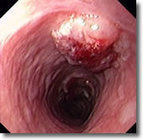
Ösophaguskarzinom (Krebs der Speiseröhre)

Das Ösophaguskarzinom gehört mit einer Inzidenz von 10/100.000 Einwohner/Jahr zu den selteneren Tumorarten. Allerdings steigt die Sterblichkeit seit 1970 unter Männern stark und unter Frauen leicht an. Es überwiegen Plattenepithelkarzinome (80-85%) gefolgt von Adenokarzinomen (10-15%). Auffallend ist, dass Adenokarzinome des distalen Ösophagus früher sehr selten waren, aber seit etwa 15 Jahren in den USA und in Teilen Westeuropas aus bisher nicht eindeutig geklärten Gründen rasch zunehmen.


Risikofaktoren

Rauchen und Alkohol gelten als die wichtigsten Risikofaktoren für das Plattenepithelkarzinom des Ösophagus. Bei gleichzeitigem Vorliegen sowohl eines hohen Zigaretten- als auch Alkoholkonsums konnte eine Multiplikation der Risiken nachgewiesen werden.


Learn more / En savoir plus / Mehr erfahren:


http://www.scoop.it/t/21st-century-innovative-technologies-and-developments/?&tag=Cancer


http://www.scoop.it/t/21st-century-innovative-technologies-and-developments/?&tag=Speiser%C3%B6hrenkrebs


No comment yet.
Scooped by Gust MEES
August 1, 2017 6:23 PM
Scoop.it!

New screening method uses a single drop of blood to test for 13 types of cancer | #Research

New screening method uses a single drop of blood to test for 13 types of cancer | #Research | 21st Century Innovative Technologies and Developments as also discoveries, curiosity ( insolite)... | Scoop.it
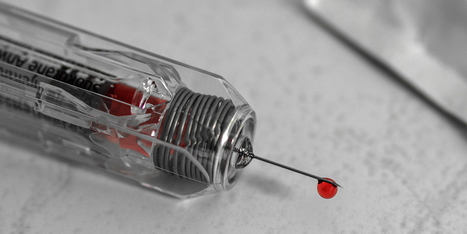
A novel new testing method uses a single drop of blood to test for 13 types of cancer.

By testing for differences in the microRNA (miRNA) the test is able to accurately detect cancers of the breast, lung, stomach, colorectal tract, esophagus, liver, and pancreas, among others.

“MicroRNAs constitute a recently discovered class of non-coding RNAs that play key roles in the regulation of gene expression. Acting at the post-transcriptional level, these fascinating molecules may fine-tune the expression of as much as 30% of all mammalian protein-encoding genes,” according to life sciences and diagnostics lab Exiqon.

In lab tests using preserved blood samples from some 40,000 patients, the researchers were able to identify miRNA specific to these 13 types of cancer with more than 95 percent accuracy.


Learn more / En savoir plus / Mehr erfahren:


http://www.scoop.it/t/21st-century-innovative-technologies-and-developments/?&tag=Blood


http://www.scoop.it/t/21st-century-innovative-technologies-and-developments/?&tag=Cancer


Gust MEES's insight:
A novel new testing method uses a single drop of blood to test for 13 types of cancer.

By testing for differences in the microRNA (miRNA) the test is able to accurately detect cancers of the breast, lung, stomach, colorectal tract, esophagus, liver, and pancreas, among others.

“MicroRNAs constitute a recently discovered class of non-coding RNAs that play key roles in the regulation of gene expression. Acting at the post-transcriptional level, these fascinating molecules may fine-tune the expression of as much as 30% of all mammalian protein-encoding genes,” according to life sciences and diagnostics lab Exiqon.

In lab tests using preserved blood samples from some 40,000 patients, the researchers were able to identify miRNA specific to these 13 types of cancer with more than 95 percent accuracy.


Learn more / En savoir plus / Mehr erfahren:


http://www.scoop.it/t/21st-century-innovative-technologies-and-developments/?&tag=Blood


http://www.scoop.it/t/21st-century-innovative-technologies-and-developments/?&tag=Cancer


No comment yet.
Scooped by Gust MEES
June 12, 2017 8:14 AM
Scoop.it!

Krankheit schmolz regelrecht dahin: US-Forscher bauen Blut zu Krebs-Zerstörer um | #Research #Cancer 

Krankheit schmolz regelrecht dahin: US-Forscher bauen Blut zu Krebs-Zerstörer um | #Research #Cancer  | 21st Century Innovative Technologies and Developments as also discoveries, curiosity ( insolite)... | Scoop.it
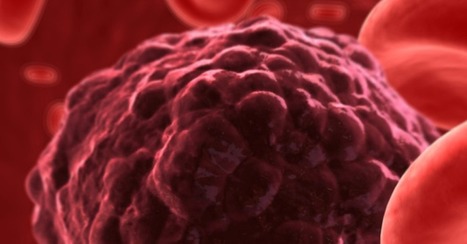
Genetisch veränderte Super-Zellen, die das ganze Potenzial des menschlichen Immunsystems ausnutzen – unter Medizinern sind sie ein vielversprechender Trend im Kampf gegen Krebs. Forscher aus Seattle im US-Bundesstaat Washington nähren diese Hoffnungen jetzt weiter.


Learn more / En savoir plus / Mehr erfahren:


http://www.scoop.it/t/21st-century-innovative-technologies-and-developments/?&tag=Cancer


Gust MEES's insight:
Genetisch veränderte Super-Zellen, die das ganze Potenzial des menschlichen Immunsystems ausnutzen – unter Medizinern sind sie ein vielversprechender Trend im Kampf gegen Krebs. Forscher aus Seattle im US-Bundesstaat Washington nähren diese Hoffnungen jetzt weiter.


Learn more / En savoir plus / Mehr erfahren:


http://www.scoop.it/t/21st-century-innovative-technologies-and-developments/?&tag=Cancer


No comment yet.
Scooped by Gust MEES
April 26, 2017 11:50 AM
Scoop.it!

Advanced thin-film technique could deliver long-lasting medication | #MIT #Research #Medicine #Nano

Advanced thin-film technique could deliver long-lasting medication | #MIT #Research #Medicine #Nano | 21st Century Innovative Technologies and Developments as also discoveries, curiosity ( insolite)... | Scoop.it
Nanoscale, biodegradable drug-delivery method could provide a year or more of steady doses.


Learn more / En savoir plus / Mehr erfahren:


http://www.scoop.it/t/21st-century-innovative-technologies-and-developments/?&tag=MIT


http://www.scoop.it/t/21st-century-innovative-technologies-and-developments/?&tag=Nano


http://www.scoop.it/t/21st-century-innovative-technologies-and-developments/?&tag=Research


Gust MEES's insight:
Nanoscale, biodegradable drug-delivery method could provide a year or more of steady doses.


Learn more / En savoir plus / Mehr erfahren:


http://www.scoop.it/t/21st-century-innovative-technologies-and-developments/?&tag=MIT


http://www.scoop.it/t/21st-century-innovative-technologies-and-developments/?&tag=Nano


http://www.scoop.it/t/21st-century-innovative-technologies-and-developments/?&tag=Research


No comment yet.
Scooped by Gust MEES
March 28, 2017 6:37 PM
Scoop.it!

Scientists have created 'immortal' cells that could allow them to make artificial blood | #Research #Medicine 

Scientists have created 'immortal' cells that could allow them to make artificial blood | #Research #Medicine  | 21st Century Innovative Technologies and Developments as also discoveries, curiosity ( insolite)... | Scoop.it
Researchers have developed a line immortal stem cells that allow them to generate an unlimited supply of artificial red blood cells on demand.

If these artificial blood cells pass clinical trials, they'll be far more efficient for medical use than current red blood cell products, which have to be generated from donor blood — and would be a huge deal for patients with rare blood types, who often struggle to find matching blood donors.


Learn more / En savoir plus / Mehr erfahren:


http://www.scoop.it/t/21st-century-innovative-technologies-and-developments/?&tag=Blood


Gust MEES's insight:
Researchers have developed a line immortal stem cells that allow them to generate an unlimited supply of artificial red blood cells on demand.

If these artificial blood cells pass clinical trials, they'll be far more efficient for medical use than current red blood cell products, which have to be generated from donor blood — and would be a huge deal for patients with rare blood types, who often struggle to find matching blood donors.


Learn more / En savoir plus / Mehr erfahren:


http://www.scoop.it/t/21st-century-innovative-technologies-and-developments/?&tag=Blood


No comment yet.
Scooped by Gust MEES
March 12, 2017 3:41 PM
Scoop.it!

Blutprobe statt OP: Wie man Krebs bald schon im frühsten Stadium erkennen kann | #Research #Cancer

Blutprobe statt OP: Wie man Krebs bald schon im frühsten Stadium erkennen kann | #Research #Cancer | 21st Century Innovative Technologies and Developments as also discoveries, curiosity ( insolite)... | Scoop.it

Wissenschaftler arbeiten an einer Methode, durch die sie Krebszellen schon anhand einer Blutprobe erkennen können. Gibt es bereits...


Learn more / En savoir plus / Mehr erfahren:


http://www.scoop.it/t/21st-century-innovative-technologies-and-developments/?&tag=Cancer


Gust MEES's insight:

Wissenschaftler arbeiten an einer Methode, durch die sie Krebszellen schon anhand einer Blutprobe erkennen können. Gibt es bereits...


Learn more / En savoir plus / Mehr erfahren:


http://www.scoop.it/t/21st-century-innovative-technologies-and-developments/?&tag=Cancer


No comment yet.
Scooped by Gust MEES
March 8, 2017 11:22 AM
Scoop.it!

Crutches are getting a makeover | #LifeStyle #Medicine #Technology

M+D Crutches are designed to solve these problems.
Gust MEES's insight:

M+D Crutches are designed to solve these problems.


No comment yet.
Scooped by Gust MEES
February 8, 2017 10:15 AM
Scoop.it!

Engineers harness stomach acid to power tiny sensors | #Research #Health #Medicine #MIT

Engineers harness stomach acid to power tiny sensors | #Research #Health #Medicine #MIT | 21st Century Innovative Technologies and Developments as also discoveries, curiosity ( insolite)... | Scoop.it
Researchers at MIT and Brigham and Women’s Hospital have designed a small voltaic cell that are sustained by the acidic fluids in the stomach and generate enough power to run sensors or drug delivery devices that can reside in the gastrointestinal tract for extended periods. This type of power could offer a safer and longer-lasting alternative to the traditional batteries now used to power such devices.


Learn more / En savoir plus / Mehr erfahren:


http://www.scoop.it/t/21st-century-innovative-technologies-and-developments/?tag=Research


Gust MEES's insight:
Researchers at MIT and Brigham and Women’s Hospital have designed a small voltaic cell that are sustained by the acidic fluids in the stomach and generate enough power to run sensors or drug delivery devices that can reside in the gastrointestinal tract for extended periods. This type of power could offer a safer and longer-lasting alternative to the traditional batteries now used to power such devices.


Learn more / En savoir plus / Mehr erfahren:


http://www.scoop.it/t/21st-century-innovative-technologies-and-developments/?tag=Research


No comment yet.
Scooped by Gust MEES
January 12, 2017 9:09 AM
Scoop.it!

Forscher erkennen wichtige Funktion des Blinddarms | #Research #Medicine #Health

Forscher erkennen wichtige Funktion des Blinddarms | #Research #Medicine #Health | 21st Century Innovative Technologies and Developments as also discoveries, curiosity ( insolite)... | Scoop.it
Lange Zeit war der Nutzen des Blinddarms unklar. Forscher der Duke University in Durham entdeckten nun jedoch eine wichtige Funktion des dubiosen Organs: Im Falle einer Darmerkrankung werden dort nützliche Darmbakterien gelagert, um sie vor dem Ausschwemmen zu schützen. Ist die Krankheit vorüber, können die Darmbakterien wieder in den Dickdarm zurückkehren und die Genesung vorantreiben.


Learn more / En savoir plus / Mehr erfahren:


http://www.scoop.it/t/21st-century-innovative-technologies-and-developments/?tag=Medicine


Gust MEES's insight:
Lange Zeit war der Nutzen des Blinddarms unklar. Forscher der Duke University in Durham entdeckten nun jedoch eine wichtige Funktion des dubiosen Organs: Im Falle einer Darmerkrankung werden dort nützliche Darmbakterien gelagert, um sie vor dem Ausschwemmen zu schützen. Ist die Krankheit vorüber, können die Darmbakterien wieder in den Dickdarm zurückkehren und die Genesung vorantreiben.


Learn more / En savoir plus / Mehr erfahren:


http://www.scoop.it/t/21st-century-innovative-technologies-and-developments/?tag=Medicine


No comment yet.