Covering the last 90 days

Architecture

Architecture is moving here through houses that turn toward courtyards, offices trying to justify the return to shared space, classrooms shaped by technology, and homes specified down to flooring thickness, insulation and window performance. The last 90 days show a field split between atmosphere and performance, with both treated as design work.

The subject area spans 30 topics and is fed by 21 curators. Some follow architecture and design publications; others gather civil engineering tutorials, BIM and SketchUp workflows, sustainable housing notes, workplace design, learning environments, surface materials and home renovation advice.

The strongest current signals come from project coverage and practical building guidance. India Art n Design, constructioncost.co, bimoutsourcing.com, quantity-takeoff.com, sketchup4architect.com and msisurfaces.com are among the most quoted sources, reflecting a mix of architectural storytelling, technical method and product-level specification.

Key figures

  • 30 topics
  • 21 curators
  • 116434 views
  • October 7, 2026 last activity

Cross-cutting issues

1

The house is turning inward to find light

Recent house coverage treats courtyards, voids and shade as the elements that make compact or constrained sites livable.

A Courtyard-Centred Transformation of a Victorian Home in London | Platform 5 Architects - India Art N Design indiaartndesign.com

India Art n Design - Design and India Art n Design - Architecture meet around a shared concern: how small buildings create depth without adding spectacle. One selected article follows a Victorian home in London reorganized around a courtyard, bringing daylight and outdoor contact into a dense domestic setting.

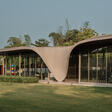
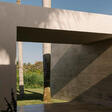
The architecture topic extends that theme through houses organized by voids, portals, roofs, site and sun. The repeated device is not ornament. It is absence used as structure: rooms take shape around cuts, courts, shadows and framed views.

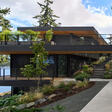
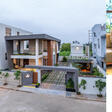
Several posts point to climate and context as active design forces. A tropical home is read through mass, void, light and shadow, while another home is shaped by site and sun. The result is coverage that treats atmosphere as a practical architectural decision, not a decorative afterthought.

Micro-housing and pavilion-like projects widen the pattern. They show compact living and fluid roofs being used to test how much spatial richness can be produced with fewer elements. The shared story is a move away from object buildings toward buildings that choreograph light, movement and calm.

Further reading
2

Workplaces and campuses now have to prove they work

The same design choices that shape comfort now shape productivity, mental health, learning and the case for returning to shared spaces.

Fluorescent lights and other office design choices that can drain productivity abc.net.au

Learning spaces and environments brings evidence from schools, libraries, remote work and classroom technology. Its posts do not treat space as a neutral container. Lighting, library usability, mental health and AI-supported classrooms all appear as design questions with behavioral consequences.

The workplace topic adds another pressure point: the return to office has to feel natural, useful and worth the trip. Posts on smart workplaces and productive interiors frame the office as a setting that must support focus, collaboration and wellbeing at the same time.

Together, the two topics show interiors being asked to perform harder. A report on fluorescent lighting connects a basic specification choice to productivity, while coverage of remote work links location and routine to mental health. Design decisions become part of how people sustain attention and energy.

The library and AI-classroom posts complicate the picture. Spectacular architecture is not enough if the building does not work for its users, and new technology does not remove the need for spatial clarity. The strongest thread is flexibility with accountability: spaces must adapt, but they must still serve real use.

Further reading

Curators to follow

  • India Art n Design

    Follows design, interiors and architecture projects, with recent attention to homes shaped by courtyards, voids, light and landscape.

  • Peter Mellow

    Tracks learning environments through classrooms, libraries, remote work and the effects of design choices on use and wellbeing.

  • home surfaces

    Gathers surface and material guidance for homes, especially flooring, tile, countertops and installation choices.

  • Suvojit Dey

    Tracks civil engineering, construction calculation, BIM, SketchUp workflows and technical building tutorials.

  • Androsky Lugo

    Focuses on sustainable housing, green building design, water-saving systems and material choices for urban homes.

  • Saimir Collaku

    Follows workplace design through return-to-office, smart workplace and productivity-oriented interior themes.

Frequently asked questions

What does the Architecture page cover?

It covers buildings, urban design, interiors, construction methods, learning environments, workplace design, home improvement and sustainable building. The current mix ranges from courtyard homes and tropical houses to BIM tutorials, insulation, windows, flooring, green materials and city-scale sustainability topics.

Who selects the architecture material on Scoop.it?

The page is fed by 21 curators across 30 topics. Some follow architecture and design media, while others track technical construction, workplace interiors, learning spaces, sustainable housing, home surfaces and remodeling. The result is a practical mix of project coverage, design analysis and building guidance.

What architecture trends are active right now?

Two themes stand out in the recent material. One is the use of courtyards, voids, light and landscape to organize homes. The other is the demand for interiors to support productivity, wellbeing and usability in offices, classrooms, libraries and remote-work settings.

Does this page include sustainable architecture?

Yes. Several topics focus on sustainable housing, green building design, water-saving systems, eco-friendly construction materials, low-carbon construction and future cities. The material frames sustainability as a design, systems and material issue rather than only an ethical position.

Are BIM and construction technology included?

Yes. Technical building practice appears through civil engineering, foundation design, stair drawings, azimuth angles, BIM tutorials, SketchUp extensions and fabrication-related architecture course archives. These topics connect design intent with the methods used to calculate, model and deliver buildings.

Can I find home renovation and interior design topics here?

Home-focused topics cover surfaces, flooring, tiles, countertops, windows, insulation, kitchens, bathrooms, doors and remodeling. The practical material sits beside project-based architecture coverage, so readers can move between design ideas and decisions about products, performance and installation.

Most quoted sources

  • constructioncost.co 2
  • indiaartndesign.com 2
  • bimoutsourcing.com 2
  • quantity-takeoff.com 2
  • reitzel.ca 2
  • sketchup4architect.com 1
  • msisurfaces.com 1
  • civilguidelines.com 1
  • androskylugo.medium.com 1
  • androskylugo.mystrikingly.com 1

This page was written by an AI from the public curation of Scoop.it topics. The posts, topics and curators it cites are real and linked directly.

Updated on October 7, 2026