Your new post is loading...

|
Scooped by
Ed Rybicki
April 25, 2016 4:52 AM
|
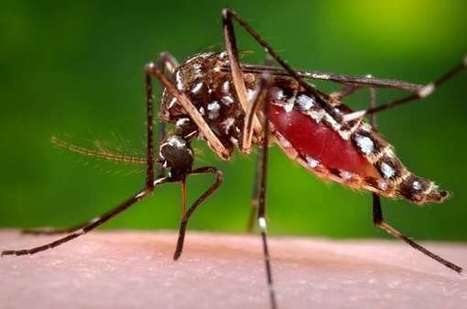
Harvard Medical School scientists have found a compound that in laboratory dishes blocks the dengue virus in two ways, raising hopes for a future drug whose dual activity could suppress the otherwise likely emergence of dru
|
|
Scooped by
Ed Rybicki
April 25, 2016 4:47 AM
|
A new Yale-led study suggests that death from influenza virus in older people may be primarily caused by a damaging immune response to flu and not by the virus itself. The insight could lead to novel strategies for combating flu in the most vulnerable patients, said the researchers. The study, published online April 21 in Science, demonstrates that replication of the flu virus alone is not enough to drive the deaths caused by seasonal flu, the researchers noted. Ninety percent of the deaths attributed to flu each year worldwide occur in people aged 65 and older. To understand why older adults are more susceptible, the research team first observed the effect of flu infection on immune cells derived from young and older people. They found that the secretion of key antiviral proteins, known as interferons, was significantly reduced in older adults.
|
|
Scooped by
Ed Rybicki
April 25, 2016 4:42 AM
|
A team at Duke University is using a polio virus to infect tumor cells. It sets off an immune response that lasts for several months. The tumor goes away permanently. This may seem like a miracle cure. But Gromeier pointed out that the approach has limits.
|
|
Scooped by
Ed Rybicki
April 24, 2016 11:19 AM
|
A new theory could answer the question of how life began – and throw out the need for God.
A writer on the website of Richard Dawkins’ foundation says that the theory has put God “on the ropes” and has “terrified” Christians.
It proposes that life did not emerge by accident or luck from a primordial soup and a bolt of lightning. Instead, life itself came about by necessity – it follows from the laws of nature and is as inevitable as rocks rolling downhill.
|
|
Scooped by
Ed Rybicki
April 22, 2016 10:32 AM
|
EBOV infects multiple different cell types and replicates rapidly in vivo [1]. Due to its long filamentous structure, EBOV is internalized by macropinocytosis after cell surface receptor binding by the viral glycoprotein (GP). Unlike many other enveloped viruses, EBOV entry process involves multiple steps of traversing of the virion through endosomal vesicle route before its nuclear core is released into cell cytoplasm for replication [2]. In an attempt to systematically delineate the complex process how EBOV enters host cells, Sakurai et al. has recently revealed that two previous unknown calcium channels belonging to two-pore channel (TPC) family play the central role in the late steps of EBOV entry process [3]. TPCs are the major calcium channels activated by NAADP (nicotinic acid adenine dinucleotide phosphate) as well as phosphatidylinositol 3,5-biphosphate (PI(3,5)P2) in the late endosomes required for their acidification and maturation. In the absence of TPCs or when their channel activity is blocked, even though EBOV virion can still travel to the late endosomal/lysosomal compartment, it cannot penetrate into the cytoplasm. Interestingly, this impairment is not due to the failure of cleavage of EBOV GP by cathepsin B/L or trafficking of the GP-cleaved viral particles to the NPC1+ endosome compartments, but is caused by blockage of viral–host membrane fusion [3]. One of the most significant findings of this work is that small molecule compound Tetrandrine, originally from Chinese herb medicine (such as Stephania tetrandra) can potently and selectively block EBOV entry through its inhibition on TPC channels, with IC50 as low as 55 nM [3]. Thus, the lengthy entry process is EBOV's Achilles’ heel; like TPCs, other host factors required for this process are good candidates to be targeted by small molecule inhibitors; however, further tests need to be performed in animal models infected with wild-type Ebola viruses.
|
|
Scooped by
Ed Rybicki
April 22, 2016 10:27 AM
|
Hepatitis C virus (HCV), an enveloped positive-sense single-stranded RNA virus, can cause chronic and end-stage liver diseases. Approximately 185 million people worldwide are infected with HCV. Tremendous progress has been achieved in the therapeutics of chronic hepatitis C thanks to the development of direct-acting antiviral agents (DAAs), but the worldwide use of these highly effective DAAs is limited due to their high treatment cost. In addition, drug-resistance mutations remain a potential problem as DAAs are becoming a standard therapy for chronic hepatitis C. Unfortunately, no vaccine is available for preventing new HCV infection. Therefore, HCV still imposes a big threat to human public health, and the worldwide eradication of HCV is critically dependent on an effective HCV vaccine. In this review, we summarize recent progresses on HCV vaccine development and present our views on the rationale and strategy to develop an effective HCV vaccine.
|
|
Scooped by
Ed Rybicki
April 22, 2016 10:21 AM
|
So you think you can blot? Test your Western knowledge with our LabQuiz!
|
|
Scooped by
Ed Rybicki
April 22, 2016 4:15 AM
|
Could a health nut fit enough for long flamboyant performances be taken down by influenza in his mid-50s? Many strains of flu are most dangerous to infants and the elderly, but recently the Northern Hemisphere has seen a resurgence of a strain that is killing young and middle-aged adults through a phenomenon immunologists call a cytokine storm.
|
|
Scooped by
Ed Rybicki
April 20, 2016 1:13 PM
|
New study provides explanation for foggy brain, malaise
|
|
Scooped by
Ed Rybicki
April 19, 2016 7:13 AM
|
Van Wijhe and colleagues3 should be commended for opening up this statistical state-of-the art approach to assess mortality reductions attributable to EPI programmes. These assessments are particularly tricky because more than 75% of mortality from paediatric infectious diseases had already disappeared by the time these vaccine programmes were initiated in Europe and North America. Going forward, such quantitative historical epidemiology studies should be repeated in other countries with different timings of EPI vaccine programmes, stages of epidemiological transitions, and background mortality, providing powerful natural comparators to assess vaccine benefits. Additionally, use of dynamic transmission models7 could help to strengthen the vaccine argument, tease out direct and indirect mortality benefits, and delineate remaining challenges such as the resurgence of pertussis.8 Such multinational, data-rich comparisons would provide a tremendously useful tool for WHO's contemporary efforts to estimate EPI benefits globally, and help to further clarify the links between infection, mortality, and economic development.
|
|
Scooped by
Ed Rybicki
April 19, 2016 5:56 AM
|
Sequence analysis of 41 viral strains reveals more than a half-century of change.
|
|
Scooped by
Ed Rybicki
April 19, 2016 5:26 AM
|
The U.S. health agency says it is important for pregnant women to take safe sex precautions and avoid mosquito bites
|
|
Scooped by
Ed Rybicki
April 18, 2016 5:38 AM
|
A fungus engineered with the CRISPR–Cas9 technique can be cultivated and sold without further oversight.
|
|
|
Scooped by
Ed Rybicki
April 25, 2016 4:50 AM
|
The recent Ebola virus (EBOV) outbreak in West Africa highlighted the paucity of effective anti-viral therapies for this highly lethal disease. Numerous potential post-infection therapeutics are currently in development, and now a small molecule and a monoclonal antibody have each been shown to prevent manifestations of the disease in non-human primate models when administered up to 3 or 5 days after infection.
Writing in Nature, Warren and colleagues described GS-5734, a small-molecule prodrug of an adenosine analogue. In cells, the triphosphate metabolite of GS-5734 is thought to inhibit the production of viral proteins by acting as a substrate for the viral RNA-dependent RNA polymerase, and thus as an RNA-chain terminator. GS-5734 demonstrated broad antiviral activity in cell culture, inhibiting replication of various pathogenic filoviruses, including numerous strains of EBOV, Marburg and Bundibugyo virus, as well as other pathogenic RNA viruses, such as respiratory syncytial virus and Middle East respiratory syndrome virus.
|
|
Scooped by
Ed Rybicki
April 25, 2016 4:44 AM
|
We passionately believe the new treatment options are true game changers. We now have the tools to eliminate hepatitis C in British Columbia within a generation. The disease is one of the five major causes of infectious illness deaths in the world, along with malaria, TB, HIV, and hepatitis B.
The B.C. government has been a leader in providing access to these new therapies and deserves to be congratulated. Previous treatments were at best half as effective and took, in most cases, up to four times as long to clear the virus, while forcing people with hepatitis C to endure months of painful, life-altering side effects, with a treatment which may or may not work. These new treatments are game changers given the more than 95 per cent cure rates and fewer side effects. By targeting the sickest patients first, pressures on the Pharmacare budget can be managed. In fact, by treating people with hepatitis C now, significant future health care costs will be alleviated.
Hepatitis C is a major threat to people born between 1945 and 1975 because as they age they have 20 times higher risk than the general population of dying from liver disease and liver cancer. Canada will experience a significant increase in cases of advanced hepatitis C-related liver disease over the next 20 years and related health care costs will also increase dramatically, mainly due to cirrhosis and its complications including liver cancer and the need for liver transplantation. The costs of not treating hepatitis C are substantial.
While new treatments can’t immediately repair a person’s damaged liver, they can clear the hepatitis C virus from the person’s system and allow them to begin the path to healthy liver recovery. Such recovery is impossible while infected with hepatitis C. Someone is not going to try to fix their oven while the kitchen is on fire — they need to put out the fire first.
|
|
Scooped by
Ed Rybicki
April 25, 2016 4:40 AM
|
On Apr. 1, a 30-year-old woman in Liberia died of Ebola. Her death put an end to Liberia’s Ebola-free status–for the third time since the country’s outbreak was first declared over in May 2015. In 40 years of Ebola outbreaks, there has never been one as complicated as the epidemic currently smoldering in West Africa. Since December 2013, the virus has kille
|
|
Scooped by
Ed Rybicki
April 22, 2016 10:54 AM
|
This really could be the craziest season yet.
|
|
Scooped by
Ed Rybicki
April 22, 2016 10:28 AM
|
Hepatitis B virus (HBV), a small DNA virus with a unique replication mode, can cause chronic hepatitis (CHB), which is characterized by the persistence of the viral covalently closed circular DNA that serves as the template for HBV replication and the production of large amounts of secreted HBV surface antigen (HBsAg) that is present in excess of the levels of infectious virus. Despite the success of currently approved antiviral treatments for CHB patients, including interferon and nucleotide analogs, which suppress HBV replication and reduce the risk of CHB-related liver diseases, these therapies fail to eradicate the virus in most of the patients. With the development of the cell and animal models for HBV study, a better understanding of the HBV life cycle has been achieved and a series of novel antiviral strategies that target different stages of HBV replication have been designed to overcome the viral factors that contribute to HBV persistence. Such basic HBV research advancements and therapeutic developments are the subject of this review.
|
|
Scooped by
Ed Rybicki
April 22, 2016 10:25 AM
|
Hand, foot, and mouth disease (HFMD), caused by enteroviruses, is a syndrome characterized by fever with vesicular eruptions mainly on the skin of the hands, feet, and oral cavity. HFMD primarily affects infants and young children. Although infection is usually self-limited, severe neurological complications in the central nervous system can present in some cases, which can lead to death. Widespread infection of HFMD across the Asia-Pacific region over the past two decades has made HFMD a major public health challenge, ranking first among the category C notifiable communicable diseases in China every year since 2008. This review summarizes our understanding of HFMD, focusing on the etiology and pathogenesis of the disease, as well as on progress toward antivirals and vaccines. The review also discusses the implications of these studies as they relate to the control and prevention of the disease.
|
|
Scooped by
Ed Rybicki
April 22, 2016 10:20 AM
|
A marketing effort aims to trap Zika-transmitting mosquitoes by mimicking human scents.
|
|
Scooped by
Ed Rybicki
April 22, 2016 4:12 AM
|
The leaves of virus-infected plants reflect light differently to attract the attention of disease-spreading greenfly, new research suggests.
|
|
Scooped by
Ed Rybicki
April 20, 2016 4:37 AM
|
On March 29, WHO Director-General Margaret Chan announced that the outbreak of Ebola virus disease in countries of west Africa was no longer a Public Health Emergency of International Concern (PHEIC). This decision was taken because, in the opinion of the International Health Regulations Emergency Committee on Ebola, the outbreak is no longer an extraordinary event, there is little risk of international spread, and affected countries have the capacity to rapidly respond to new cases. The Emergency Committee acknowledged that new clusters will continue to occur, but that they are happening at a decreasing frequency.
|
|
Scooped by
Ed Rybicki
April 19, 2016 5:58 AM
|
The virus can be transmitted by unprotected anal sex between men, according to a CDC report.
|
|
Scooped by
Ed Rybicki
April 19, 2016 5:33 AM
|
Explore Voices for Vaccines's board "Vaccines Save Lives" on Pinterest, a visual bookmarking tool that helps you discover and save creative ideas | See more about The Vaccines, Flu and Herd Immunity.
|
|
Scooped by
Ed Rybicki
April 18, 2016 6:24 AM
|
The yellow fever vaccine is a live, attenuated vaccine that replicates within the body and produces long-duration (probably lifelong) immunity. We suggest that the most expedient approach to increase yellow fever vaccine supply would be to use a lower dose of vaccine to immunise those at risk. Clinical trials have shown that a one-tenth dose of the vaccine is as effective as full dose vaccine in rapidly stimulating immunity.11, 12 Consideration should therefore be given to using the existing formulation by subcutaneous injection of a dose reduced from 0·5 mL to 0·1 mL, expanding the supply by five-fold. The 0·1 mL volume can be accurately given with a 1 mL syringe13 and this strategy would increase the current vaccine stockpiles held globally and in Angola.
|