 Your new post is loading...

|
Scooped by
Richard Platt
May 29, 2020 1:13 PM
|
The concept of an all-electric plane isn't just science fiction anymore. It's reality — and it's good news for the environment.
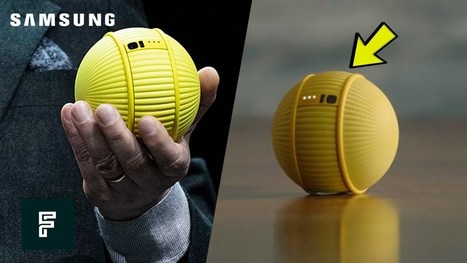
10 Future Technology Inventions that are on another Level
Technology has reached a new level in 2020. There are amazing new tech inventions and gadgets constantly being released. Some that you probably never even knew existed but would blow you mind. Technology is constantly evolving. We even hav
Via TechinBiz
|
|
Rescooped by
Richard Platt
from Digital Health
May 25, 2020 12:35 PM
|
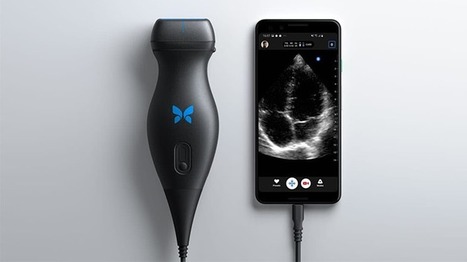
POCUS technology from Butterfly Network expands screening capabilities, offering "an immediate and clear picture of what’s happening in a patient’s lungs."
Via Florian Morandeau
|
|
Scooped by
Richard Platt
August 30, 2018 1:22 PM
|
Apple buying a startup manufacturer of lenses for augmented reality glasses is one of many clear signs that Cupertino is building AR glasses.
|
|
Rescooped by
Richard Platt
from Creativity & Innovation
August 26, 2018 10:55 AM
|
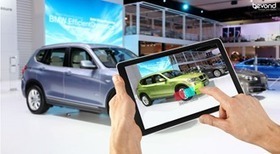
A new technology to make your workshop more efficient. We may not have flying cars yet, but the vehicle buying and manufacturing process is becoming the stuff of science fiction. With a camera-based smartphone app that uses 3D animations, augmented reality and video to teach owners about their cars.
Via Immersivegaze, Emeric Nectoux
|
|
Rescooped by
Richard Platt
from Creativity & Innovation
August 26, 2018 10:52 AM
|
“ Here the detailed explanation of how Augmented/ Virtual/ Mixed Reality technologies can be used in Aerospace industry.”
Via Immersivegaze, Emeric Nectoux
|
|
Scooped by
Richard Platt
August 22, 2018 12:43 PM
|
Hyundai has done it again as it delivers an undoubtedly hyper-efficient all-electric vehicle. The Kona Electric gets an official EPA range of 258 miles and efficiency of 120 MPGe.
|
|
Scooped by
Richard Platt
August 10, 2018 11:11 AM
|
|
|
Scooped by
Richard Platt
August 7, 2018 10:54 AM
|
|
|
Scooped by
Richard Platt
August 5, 2018 7:16 AM
|
Pay no attention to the dead robot in the doorway.
More details have become public regarding Amazon’s secret “skunk works” division, which is focused on innovative pursuits that could expand the company’s reach in healthcare technology, cancer research and medical records.
According to reports from CNBC, the company’s Grand Challenge research group has been working with Fred Hutchinson Cancer Research Center to develop machine learning tools for oncology. A Fred Hutch spokesperson told CNBC that it has several early-stage projects underway with its Seattle-area tech neighbors, including Amazon, as well as Microsoft and Tableau Software, and hopes to preview them later this year.
The team, which also works under the code names 1492 or Amazon X, now totals about 50 employees following its launch in 2014. It includes ex-FDA officials, the founders of several health startups, and the founder of Google’s robotic surgery programs, Babak Parviz, who also invented Google Glass.
One project, which Grand Challenge has been developing internally for the past three years, aims to translate and double-check unstructured data from electronic health records for possibly incorrect diagnoses or missed information. Amazon has started to shop the program, Hera, around to health insurance companies.
Via Lionel Reichardt / le Pharmageek
|
|
Scooped by
Richard Platt
June 9, 2018 6:02 PM
|
There was a lot of news that came out of Tesla shareholder meeting this week, but there was one important statement that sort of went under the radar. Elon Musk is generally careful not to use the …
|
|
Rescooped by
Richard Platt
from HMD hot spot
June 9, 2018 3:03 AM
|
"[...] one of the coolest patent filings Apple has made in some time [...]"
Via Sara Mautino
|
|
|
Scooped by
Richard Platt
May 29, 2020 12:06 AM
|
Some days it feels like things aren't made to last. Cell phone replacements, for one — how many does one have to have? Wind turbines, however, show a refined aging that suffers little over time.
|
|
Scooped by
Richard Platt
May 25, 2020 5:55 PM
|
Background: Tests after tests have shown that LG’s OLED panels have better overall image quality, contrast ratios and off-angle viewing than LCD TVs that are enhanced by quantum dots.. These quantum dots are microscopic particles that when hit by light, emit a certain different colored light. The source of this light is the LED backlight, and that light must pass through more layers, such as the LCD layer, to produce the images on the screen. On the other hand, OLED TVs don’t need a separate backlight, as each pixel you see is a self-contained source of color and light. What they did: Then Samsung figured out how to break the contradiction between these engineering parameters (using a TRIZ tool called the Contradiction Matrix that suggests inventive principles that suggest breakthrough strategies). Because by combining quantum dots and OLED, you could cull the best strengths of both technologies. In short, the panel design of such a QD-OLED hybrid would simplify the light conversion process—having OLED create blue light and then relying on quantum dots to convert some of the blue into the colors red and green. This could also finally put an end to those pesky issues of image retention and burn-in. Moreover, by using only one OLED color, it could theoretically save on manufacturing costs. With its sights set squarely on the TV promised land, Samsung has committed $11 billion over the next five years on a new factory in Asan, South Chungcheong Province, that will focus chiefly on QD-OLED hybrids. The new Gen. 8.5 QD line is scheduled to start production in 2021 and will manufacture at least 30,000 units of QD display panels of 65 inches or larger.
|
|
Scooped by
Richard Platt
May 22, 2020 12:24 PM
|
Denmark's new wind power project could boost Europe's offshore wine capacity by 54 percent.
|
|
Rescooped by
Richard Platt
from Digital Health
August 28, 2018 1:52 PM
|
For young surgeons, watching a procedure from from the sidelines and performing an operation with their own hands are two very different experiences. But one company is trying to remedy this experience gap with a new interactive virtual reality platform that lets surgeons and trainees virtually see and feel what it's like to perform specific operations.
Via Florian Morandeau
|
|
Rescooped by
Richard Platt
from Creativity & Innovation
August 26, 2018 10:53 AM
|
“ Augmented technology solutions play an important role in simplifying the life of your workforce. AR adds value to the manufacturing industry. This article explains how AR using in manufacturing in detail.”
Via Immersivegaze, Emeric Nectoux
|
|
Scooped by
Richard Platt
August 23, 2018 2:09 PM
|
iFixit has published a teardown of the Magic Leap One Creator Edition, a $2,295 mixed reality headset that was released this August 2018.
|
|
Scooped by
Richard Platt
August 16, 2018 11:13 AM
|
Microsoft recently added HoloLens AR headset demos to its retail stores, letting mall shoppers go hands-on with a potentially transformative technology. Underscore potentially.
|
|
Scooped by
Richard Platt
August 8, 2018 11:46 AM
|
We tried the $2,295 Magic Leap One Creator Edition, the debut product from mixed reality startup Magic Leap — and found an ambitious vision facing serious technological challenges.
|
|
Scooped by
Richard Platt
August 7, 2018 10:53 AM
|
The Vizio SB362An-F6 offers astoundingly good value for money, with excellent sound quality for a budget sound bar.
|
|
Rescooped by
Richard Platt
from Virtual Reality VR
August 5, 2018 6:52 AM
|
Recently, the world of virtual reality was shaken up when the popular Merge Cube by Merge VR dropped in price from $15 to just a dollar at many Walmar
Via Timo Ilomäki
|
|
Rescooped by
Richard Platt
from Technology in Business Today
June 9, 2018 10:36 PM
|
As a major player in the cloud infrastructure market, Microsoft is keen on figuring out better ways to store and power its machinery. To that end, it's now deployed a data center on the seafloor off the Orkney Islands in Scotland.
Via TechinBiz
|
|
Rescooped by
Richard Platt
from Technology in Business Today
June 9, 2018 10:38 AM
|
How will Artificial Intelligence (AI) in the Enterprise Impact Humans?
Via TechinBiz
|


















Airlines have long been a known source of carbon emissions. And while a future where the all-electric plane is ubiquitous still has ways to go, but that future is exciting. When that day comes, it will have important implications on both sustainability and aviation. Industry has touted the concept of a large electric plane for decades. And for good reason too. An all-electric plane doesn’t just mean cheaper, more efficient travel — it represents the future of the airline industry. Aviation is responsible for a whopping 12% of carbon dioxide emissions from all transport sources and 2% of all human-induced carbon emissions. That’s why the eCaravan is such a big deal; the successful flight of the craft is a long-awaited innovation for aviation, which has relied on jet fuel to power airplanes since the airline industry emerged over 100 years ago.