


 Your new post is loading...


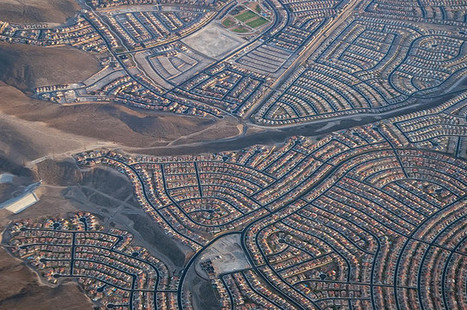

Tony Hsieh, the 38-year old founder of online shoe retailer Zappos, is spending $350 million to redevelop downtown Las Vegas.
When Zappos required a new corporate headquarters, Hsieh decided to locate in renovated office space in the City’s former City Hall building. This move bucks the trend of other tech companies and embraces an emerging change in city dweller’s lifestyle choices that Hsieh further seeks to foster.
Hsieh saw that there are essentially two ways in which a major organization can interact with the built environment. They can take the approach that many other tech companies have and build a new, self-sufficient campus filled with all the amenities it’s employees could possibly desire in a lush, isolated setting. Or, they could choose to locate in a more built up area and become part of the community around it, encouraging its employees to interact with others around them and function not only as a workplace but also as a node of knowledge and ideas within the neighbourhood.
Hsieh is putting forward one solution to help solve a problem that has challenged North American cities for decades: how do we reverse an entrenched sprawl-based development program for one that is more supportive of existing urban areas? The traditional approach has been government land use policy, zoning controls, development restrictions to try to limit the amount of new suburban housing each year, targeted tax breaks for building downtown, and other top-down mechanisms for trying to shape the city region. Although success varies by place, there has been limited success and many downtowns have continued to languish even while their populations continue to balloon. Hsieh is offering what promises to be a bottom-up solution, recognizing that cities, corporations and citizens all want healthy, thriving downtowns. The missing component was the developers to get the ball rolling.
Via ddrrnt





