Welcome to exTRA – an aggregation of both TRA-related and industry-specific news clips. TRA’s communications division provides these clips as an educational service to TRA’s valued staff, directors and consultants. The articles selected are determined to be of interest to our readership, but in no way reflect TRA’s official position(s) or view(s).
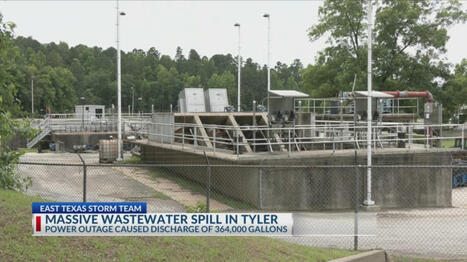
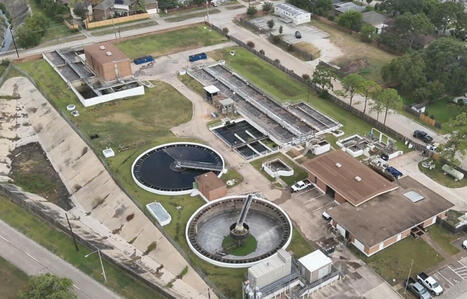
The plant suffered major damage during record flooding in June 2023 and has cost the city more than $4 million since then. It was built in 1963 to treat 4.5 million gallons a day. The plant can currently treat 12 million gallons per day. The facility is operating at 75% capacity.
By the time the legislative session began in January, other priorities such as school vouchers took precedence. Just one of Sen. Carol Alvarado’s “Beryl bills” will be signed into law by the governor. Most died in committee.
The deal allocates $1 billion a year to water projects for 20 years, which some groups estimate is a fraction of what Texas needs to save its water supply.
Governor Greg Abbott has directed the Texas Division of Emergency Management to activate state emergency response resources in anticipation of severe weather and potential flooding expected to impact the state throughout the week.
The Edwards Aquifer Authority has enacted Stage 5 water restrictions, the most severe on its scale. Stage 5 is triggered when the J-17 index well in Bexar County drops below 625 feet above mean sea level. As of Friday, the 10-day average at the well was 624.7 feet.
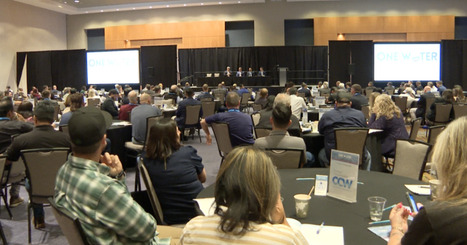
Held at the American Bank Center, the event was organized by Corpus Christi Water and focused on finding innovative, long term solutions to some of the toughest water challenges facing Texas and other regions. Some of the most pertinent topics included drought response, water reuse, seawater desalination, and industrial consent agreements.
Texas regulators are warning that wastewater from fracing in the biggest U.S. oil basin is causing a “widespread” increase in underground pressure — a development that risks hindering crude output and harming the environment.
The City of Victoria has entered Stage III of its drought contingency plan as low rainfall continues to reduce water levels in the Guadalupe River. City officials are urging residents to conserve water more diligently. Under the previous Stage III restrictions, residents are asked to limit activities such as lawn watering, pool filling, and vehicle washing to the hours of 6–10 a.m. and 8 p.m.–midnight to minimize evaporation.
A number of McLennan County officials have voiced support and participation in the newly created Central Texas Water Alliance. The alliance is described as a “transformative regional water authority,” and was signed into law by Texas Governor Greg Abbott through Senate Bill 1194.
Katy Mayor Dusty Thiele said his city is well-prepared to respond to public safety and water demands as the area’s population grows, but mobility and drainage remain challenges.
Bellaire will give its Ruffino Tract to Houston, while Houston will give its Beechnut tracts to Bellaire, as part of each city’s efforts to improve flood mitigation, according to a May 19 City Council meeting.
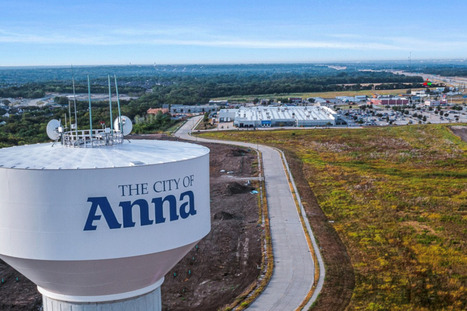
The city of Anna officially activated the Hurricane Creek Wastewater Treatment Plant, a major step forward in regional infrastructure. This new facility not only positions Anna for sustainable growth but also helps manage long-term costs and environmental impacts for surrounding communities, including Van Alstyne, Weston and unincorporated areas of Collin County.
Texas House backs SB 7 to fund $1B annually for water projects; final details still in play as session nears end. Voters must approve change in November.
The Lower Colorado River Authority Board of Directors recently approved a business plan of $591.4 million and authorized capital investments of about $1.63 billion for energy, water and public service projects to support Texas in fiscal year 2026.
El Paso is experiencing its dustiest year in decades, as drought, vanishing vegetation, and rising temperatures send choking clouds of dirt across the Texas border region.
The demand for wastewater treatment services is being driven by escalating environmental concerns, rapid urbanization across major economies, and increasingly stringent regulatory frameworks. As industrial activity expands in response to population growth, the volume of wastewater generated from domestic, commercial, and industrial sources has surged—necessitating the deployment of effective treatment solutions to mitigate environmental degradation and safeguard public health.
Gov. Greg Abbott and other leaders have called for a major investment to save the state’s water supply. How to spend the money has caused friction at the Capitol.
The Environmental Protection Agency and International Boundary and Water Commission on Tuesday announced the fast-track expansion of the International Wastewater Treatment Plant in the Tijuana River Valley. The facility has been in a state of disrepair for years and had been undergoing a remodel to double its capacity at a cost of more than $600 million, with the work was slated to take several years to complete.
Conservation is a key part of avoiding a water emergency. But it must be combined with creative new water strategies and water sources to stave off a shortage.
The Port of Corpus Christi approved a plan to discharge desalination wastewater offshore into the Gulf, doubling output and drawing mixed reactions from environmental and community groups.
To get content containing either thought or leadership enter:
To get content containing both thought and leadership enter:
To get content containing the expression thought leadership enter:
You can enter several keywords and you can refine them whenever you want. Our suggestion engine uses more signals but entering a few keywords here will rapidly give you great content to curate.


 Your new post is loading...