Athena r4 – Modular CAD/CAM software for Synthetic Biology
"Athena is a software that allows biological models to be constructed as modules. Modules can be connected to one another without altering the modules themselves. In addition, Athena houses various tools useful for designing synthetic networks including tools to perform simulations, automatically derive transcription rate expressions, and view and edit synthetic DNA sequences. New tools can be incorporated into Athena without modifying existing program via a plugin interface, IronPython scripts, Systems Biology Workbench interfacing and the R statistical language.
Philipp Holliger - Synthetic biology of nucleic acid replication
"A critical event in the origin of life is thought to be the emergence of a molecule capable of self-replication as well as mutation, and hence evolution towards more efficient replication. We have built a powerful in vitro system for directed evolution, called compartmentalized self-replication (CSR), which mimics this process in the laboratory. Our current focus is the application of the CSR technology to the evolution of novel polymerases with an expanded substrate spectrum. Polymerases capable of replicating non-canonical nucleic acid substrates have applications ranging from the recovery of ancient DNA sequences from archaeological and palaeontological specimens to ultra-bright DNA probes for molecular genetics....." http://bit.ly/I2FQ2q
"Integrated DNA Technologies (IDT) announced recently that it is taking orders for a new product that represents a significant advancement for synthetic biology tools. gBlocks Gene Fragments are double-stranded, sequence-verified genomic blocks up to 500 base pairs. Their high sequence fidelity and rapid delivery time makes gBlocks Gene Fragments ideal for a range of biology applications, including easy assembly of multiple gene fragments to reliably generate larger gene constructs.
Priced at US$99, gBlocks Gene Fragments significantly reduce the cost for synthetic gene synthesis to less than US$0.20 per base pair. Cost for traditional gene synthesis currently exceeds US$0.30 per base pair and is often subject to expensive complexity fees and long delivery times. gBlocks Gene Fragments are provided as linear doublestranded DNA rather than already cloned into a vector, meaning that they can be easily and quickly utilised for a wide range of applications including custom protein synthesis, microRNA analysis, in vitro transcription and many more. For this reason, they are available with or without 5’ phosphate modification depending on the required application.
Each order is supplied as 200ng of dried DNA, ensuring maximal stability prior to use, with most orders delivered within 3 – 4 business days. Although the blocks are versatile enough to use with most published synthesis methods such as cloning with blunt ends, restriction sites or T/A overhangs, when combined via isothermal gene assembly, it is possible to create a completely custom 2kb construct in less than an hour. Combined, these features allow scientists to speed up their research and increase the number of gene design variants they include in their experiments
Shawn Allen, Synthetic Biology Business Unit Leader at IDT commented, “Response to the launch of gBlocks Gene Fragments last week at the International Plant and Animal Genome Conference (PAG 2012, San Diego) was even better than expected. Synthetic biologists, pharmaceutical companies, and AgBio customers alike are already commenting about how gBlocks Gene Fragments enable them to do experiments they previously thought to be impossible due to cost and turn-around time.”
Beal DM, Jones LH. "Heteromultifunctional scaffolds that harness sequential "click" reactions will find significant utility in the areas of chemical biology and chemically enabled/enhanced biotherapeutics ("chemologics"). Here we review the existing synthetic technologies that illustrate the considerable potential of the field."
"At the ACS meeting, a pair of research groups reported that they now have synthetic nucleotides that can be incorporated into DNA and can be copied with near perfection by enzymes that copy natural DNA. These additions to the genetic alphabet are already enabling researchers to write new chemical functions into DNA, which could help usher in a wide array of biotechnology advances. And they are a critical step along the way to making semisynthetic life forms, written in the first new type of genetic code that life has ever known...."
comment to Pinheiro, V. B., et al. Science 336, 341–344 (2012)
by Helen Shen
"Nearly all organisms share a single genetic language: DNA. But scientists have now demonstrated that several lab-made variants of DNA can store and transmit information much like the genuine article.
Researchers led by Philipp Holliger, a synthetic biologist at the Medical Research Council Laboratory of Molecular Biology in Cambridge, UK, say that the alternative molecules could help others to develop new drugs and nanotechnologies. They publish their results today in Science1.
Synthetic XNA, with a different sugar backbone to natural DNA, can mimic many of the properties of the real thing. N. OVERY/SHUTTERSTOCK;NATURE DNA is made up of nucleic acid bases — labelled A, C, G and T — on a backbone made of phosphates and the sugar deoxyribose. The artificial polymers, dubbed XNAs, carry the normal genetic 'alphabet' on a backbone made using different sugars. Scientists have previously developed XNAs that recognize and bind genetic sequences for experimental and biomedical applications, but is it difficult to make them in large quantities."
Science Galley in Dublin is playing host to an interactive workshop this week where five designers from the Royal College of Art in London are working with five Irish scientists to delve into the future of synthetic biology.
Vitor B. Pinheiro, Alexander I. Taylor, Christopher Cozens, Mikhail Abramov, Marleen Renders, Su Zhang, John C. Chaput, Jesper Wengel, Sew-Yeu Peak-Chew, Stephen H. McLaughlin, Piet Herdewijn, Philipp Holliger "Genetic information storage and processing rely on just two polymers, DNA and RNA, yet whether their role reflects evolutionary history or fundamental functional constraints is currently unknown. With the use of polymerase evolution and design, we show that genetic information can be stored in and recovered from six alternative genetic polymers based on simple nucleic acid architectures not found in nature [xeno-nucleic acids (XNAs)]. We also select XNA aptamers, which bind their targets with high affinity and specificity, demonstrating that beyond heredity, specific XNAs have the capacity for Darwinian evolution and folding into defined structures. Thus, heredity and evolution, two hallmarks of life, are not limited to DNA and RNA but are likely to be emergent properties of polymers capable of information storage." http://bit.ly/ITjZ78
Dmitry Nevozhay, Rhys M. Adams, Elizabeth Van Itallie, Matthew R. Bennett, Gábor Balázsi "Gene expression actualizes the organismal phenotypes encoded within the genome in an environment-dependent manner. Among all encoded phenotypes, cell population growth rate (fitness) is perhaps the most important, since it determines how well-adapted a genotype is in various environments. Traditional biological measurement techniques have revealed the connection between the environment and fitness based on the gene expression mean. Yet, recently it became clear that cells with identical genomes exposed to the same environment can differ dramatically from the population average in their gene expression and division rate (individual fitness). For cell populations with bimodal gene expression, this difference is particularly pronounced, and may involve stochastic transitions between two cellular states that form distinct sub-populations. Currently it remains unclear how a cell population's growth rate and its subpopulation fractions emerge from the molecular-level kinetics of gene networks and the division rates of single cells. To address this question we developed and quantitatively characterized an inducible, bistable synthetic gene circuit controlling the expression of a bifunctional antibiotic resistance gene in Saccharomyces cerevisiae. Following fitness and fluorescence measurements in two distinct environments (inducer alone and antibiotic alone), we applied a computational approach to predict cell population fitness and subpopulation fractions in the combination of these environments based on stochastic cellular movement in gene expression space and fitness space. We found that knowing the fitness and nongenetic (cellular) memory associated with specific gene expression states were necessary for predicting the overall fitness of cell populations in combined environments. We validated these predictions experimentally and identified environmental conditions that defined a “sweet spot” of drug resistance. These findings may provide a roadmap for connecting the molecular-level kinetics of gene networks to cell population fitness in well-defined environments, and may have important implications for phenotypic variability of drug resistance in natural settings...."
"GenScript USA Inc., an internationally recognized biology contract research organization (CRO) has recently launched Rush Gene Synthesis service in the global market on Dec. 22, 2011, and has achieved 100% success and on time delivery rates ever since its kick-off. "Two decades ago, a 2 Kb gene took me nearly two years to obtain the construct using conventional PCR cloning technologies in my PhD research. I did believe this could be changed. Nowadays, GenScript Rush Gene Synthesis service delivers synthetic genes in as little as 5 business days. The proprietary technology and a dedicated Rush Gene service team are the key points to making GenScript Rush Gene Synthesis service a big success," commented Frank Zhang, the CEO and co-founder of GenScript...."
Karsten Temmea, Dehua Zhaob, and Christopher A. Voigt
"Bacterial genes associated with a single trait are often grouped in a contiguous unit of the genome known as a gene cluster. It is difficult to genetically manipulate many gene clusters because of complex, redundant, and integrated host regulation. We have developed a systematic approach to completely specify the genetics of a gene cluster by rebuilding it from the bottom up using only synthetic, well-characterized parts. This process removes all native regulation, including that which is undiscovered. First, all noncoding DNA, regulatory proteins, and nonessential genes are removed. The codons of essential genes are changed to create a DNA sequence as divergent as possible from the wild-type (WT) gene. Recoded genes are computationally scanned to eliminate internal regulation. They are organized into operons and placed under the control of synthetic parts (promoters, ribosome binding sites, and terminators) that are functionally separated by spacer parts. Finally, a controller consisting of genetic sensors and circuits regulates the conditions and dynamics of gene expression. We applied this approach to an agriculturally relevant gene cluster from Klebsiella oxytoca encoding the nitrogen fixation pathway for converting atmospheric N2 to ammonia. The native gene cluster consists of 20 genes in seven operons and is encoded in 23.5 kb of DNA. We constructed a “refactored” gene cluster that shares little DNA sequence identity with WT and for which the function of every genetic part is defined. This work demonstrates the potential for synthetic biology tools to rewrite the genetics encoding complex biological functions to facilitate access, engineering, and transferability." http://bit.ly/HSX4hD
"Genomes are complicated. Even the concept of a “gene” isn’t as straightforward as you might expect. Genes are the units of heredity, the bits of DNA and RNA that do something inside a cell. But DNA doesn’t do much of anything by itself; genes need proteins to copy themselves and to turn the small percentage of DNA that codes for a protein into enzymes. Functional parts of DNA can code for proteins or tell the cellular machinery where to start copying the chromosomes, where to start and stop the transcription of DNA into RNA and the translation of RNA into protein. In the genomes of even the simplest cells, these different components are jumbled together, overlapping with each other backwards and forwards in a dense and highly evolved sequence. While we can read DNA sequences at exponentially increasing speed and decreasing cost, understanding in detail how all these sequences are tuned to control when and where and in what conditions specific proteins are expressed is still often plodding along one PhD thesis at a time.
A paper published last week in the Proceedings of the National Academy of Science by Karsten Temme, Dehua Zhao, and Chris Voigt uses our increasing ability to synthesize DNA to tackle the problem from a very different angle. Instead of picking apart a complex set of genes to understand the regulatory details, the sequence was entirely redesigned to strip out complexity and to create a more understandable, computer-readable version of the genes. The authors started with the 23,500 base pair, 20-gene cluster that the bacteria Klebsiella oxytoca uses to fix nitrogen and “refactored” it, rewriting the sequence so that the expression of each protein-coding gene was controlled by a synthetic regulator. Refactoring is: “a term borrowed from software development whereby the code underlying a program is rewritten to achieve some goal (e.g., stability) without changing functionality.” Refactoring the nitrogen fixation gene cluster to make its regulation easier to understand and engineer involved replacing every start and stop sequence (promoter, ribosome binding site, and terminator) with synthetic versions, clustering co-regulated genes together, removing non-coding regions, and re-encoding the protein coding sequence to “create a DNA sequence as divergent as possible from the wild-type gene” and remove potential internal regulation sites......"
#syntheticbiology A dream of today is future of tomorrow
by Zia ur Rehman ziamicrobiologist@gmail.com
"SYNTHETIC BIOLOGY also known as SynBio, is synthetic genomics or system biology. In earlier days the branches of sciences such as chemistry, biology, physics, etc, performed their work independently. Recently scientists have focused to emerge all sciences together in a multidisciplinary way for the betterment of mankind. One of the approaches to enhance the performance of scientific research is the development of a platform known as synthetic biology. To be more specific to the terminology, the field not only focuses on the synthesis of different parts of cell, which will be available in the market and ready to assemble for the synthesis of new lives in near future. Today the genetic engineering, which is the earlier version of synthetic biology, deals with cutting, copying, and pasting of genetic material such as DNA. As time goes on, the improvement in these techniques makes scientists capable to synthesize DNA by chemical process. Synthetic biology brings important changes in the direction of genetic technology which previously was dependent on gene sequencing of short fragments; nowadays we can sequence whole genome with a short period of time (thousands of base pair per minute) with the help of next generation sequencing. As the biology proceeds with time, the future (synthetic biology) will be similar to that of making electronic circuits by designing it on computer (dry lab work), assembling of different parts and obtain the final machine (genetically engineered micro-organisms). Similarly, with the synthetic biology, we can access thousands of genomes already sequences and present in the databases such as NCBI (http://www.ncbi.nlm.nih.gov), e.g. we can select target genes of interest in database and the selected gene is synthesized commercially (Syntehtic DNA). The synthetic DNA is assembled like the computer parts to synthesize micro-organism with novel functions not existed before........"
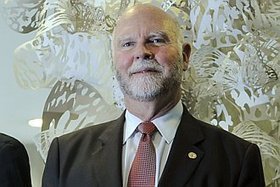
"To a generation which grew up with computers, the field of synthetic biology - creating artificial life forms - is a story they can relate to, said American geneticist Craig Venter.
After all, synthetic biology is the 'ultimate interface' between the biological and digital worlds as it converts lines of computer code into strands of DNA, he noted.
New species of bacteria or algae, for instance, could be created by writing a genetic code from scratch.
BACKGROUND STORY
ACCUSED OF PLAYING GOD
When Dr Craig Venter's team created the first artificial life form in 2010, they faced accusations of playing God.
The American geneticist's team produced genetic code from scratch, then transplanted it into a bacterial cell to create a new organism.
The research could lead to designer life forms such as algae that can convert waste into energy or synthesise food.
But the work has also attracted criticism and fear.
Some said the scientists were playing God by trying to bring new forms of life into the world. But Dr Venter sees such fears as founded more in media sensationalism than fact.
Scientists need to communicate better with the public to deal with such 'societal challenges' to research, Dr Venter, 66, said.
In his talk at the Molecular Frontiers Symposium yesterday, he noted that ethics committees have not found his work objectionable.
His team had even commissioned a bioethical review of their research in 1999 before they started.
After the synthetic cell's creation, a study by US President Barack Obama's bioethics commission also gave their work the green light.
But public fears and misconceptions can persist - not helped by the media's tendency to give 'far-out or bizarre' viewpoints more weight than they deserve, said Dr Venter.
Controversies aside, basic communication between scientists and laymen can be improved.
'My view is that every scientist has an obligation to speak to the public about what they do.'
Dr Venter, who was one of the first to sequence the human genome, and also created the world's first artificial life form - a bacterium - in 2010, was speaking to a rapt young audience at Saturday's Molecular Frontiers Symposium at Nanyang Technological Univers"
"Genetics provides a mechanism for molecular memory and thus the basis for Darwinian evolution. It involves the storage and propagation of molecular information and the refinement of that information through experience and differential survival. Heretofore, the only molecules known to be capable of undergoing Darwinian evolution were RNA and DNA, the genetic molecules of biology. But on page 341 of this issue, Pinheiro et al. (1) expand the palette considerably. They report six alternative genetic polymers that can be used to store and propagate information; one of these was made to undergo Darwinian evolution in response to imposed selection constraints. The work heralds the era of synthetic genetics, with implications for exobiology, biotechnology, and understanding of life itself..."
A great Science paper. A step closer to orthogonal life - semantic containment. An option to engineer safety. However, xenobio do not solve all problems. We should be cautious when considering xenobiology as a biological firewall for the ultimate biosafety solution. Although the exchange of genetic information will be inhibited by design, other forms of interactions are still feasible. XNA organisms might still be able to interact with their natural counterpart on an ecological level. It has to be avoided, that xeno organisms alter habitats, food webs or on extreme wipe out the native population due to an evolutionary advantage. Moreover, it has to be avoided, that xeono organisms produce unintended toxic substances or other harmful metabolites.
A new article discusses how networks governing processes in nature and society are becoming increasingly amenable to modeling, forecast, and control...
"In a back-street in Manchester's old garment district, now buzzing with students and bars, 20 or so people have gathered to do something unimaginable even a few years ago.
They are here for a session of MadLab, a science club, and this evening is devoted to amateur biology.
But this is not your typical study of butterflies or pond life. This is DIYBIO, part of a movement that began in the US, and the goal is to play with genes, to manipulate nature.
The task tonight is to assemble a newly-delivered piece of equipment: a PCR (polymerase chain reaction) machine, a device which takes short strands of DNA and copies them.
Until recently it would have been affordable only to scientific institutions.
But this one cost a few hundred pounds. Advanced technology is tumbling in price, and is becoming a new power accessible to all.
Amateur role
The atmosphere is excited, the different components hurriedly assembled.
The organiser, Asa Calow, believes in the value of the amateur.
He says the industrial revolutions brought about by steam and computing were driven by creative individuals - think Bill Gates and Steve Jobs in California in the 70s, toiling in garages, changing the world.
The coming revolution will be biological and DIY will play a key role.
The group's next step is to buy a machine that not only copies DNA but makes it to order: a gene synthesiser.
Exiting interview of one of the leaders in #syntheticbiology
Nature Q&A James Collins Circuit capacity
Q - Which potential applications look the most promising, and which don't?
A - "Many of the initial applications were for bio-energy....It can cost US$4 to make $1-worth of fuel. .... On the positive side, there is excitement about medical applications and moving from synthetic biology of microorganisms into mammalian systems, which will open up many possibilities. Another application being pursued is synthetic ecosystems — engineering the microbiome that resides in the digestive system for therapeutics. For example, researchers have modified a strain of Escherichia coli bacteria that, in a mouse model, was able to keep cholera bacteria from colonizing the intestine......
Q - What are some applications in biomedicine for which synthetic biology methods are uniquely suited?
A - Synthetic circuits containing molecular components such as DNA, RNA and proteins can be designed for a range of applications, including biosensing, bioremediation and bioproduction. One of the bioproduction success stories comes from Jay Keasling and colleagues at the University of California, Berkeley. They inserted an engineered bacterial metabolic pathway containing several genes into yeast to make the precursor of artemisinin, a major malaria drug. This worked out to be less costly than synthesizing the drug chemically. And our group has engineered bacteriophage viruses to break up bacterial biofilms that are highly resistant to antibiotics....... Engineered circuits inserted in bacterial cells are being studied as biological sensors and sentinels, to detect environmental toxins, infections and even cancer. ......
Q - Critics have said synthetic biology is nothing new — it's just a buzzword for sophisticated genetic engineering.
A- .....Instead of focusing on single gene modifications, we're putting together a number of molecular components to build circuits with control elements.
Q - What hurdles does the synthetic biology field face? .....
Q - Is there sufficient commercial interest to support the progress of synthetic biology? ......" http://bit.ly/JmfshJ
Javier Macía, Francesc Posas, Ricard V. Solé "Synthetic biology (SB) offers a unique opportunity for designing complex molecular circuits able to perform predefined functions. But the goal of achieving a flexible toolbox of reusable molecular components has been shown to be limited due to circuit unpredictability, incompatible parts or random fluctuations. Many of these problems arise from the challenges posed by engineering the molecular circuitry: multiple wires are usually difficult to implement reliably within one cell and the resulting systems cannot be reused in other modules. These problems are solved by means of a nonstandard approach to single cell devices, using cell consortia and allowing the output signal to be distributed among different cell types, which can be combined in multiple, reusable and scalable ways."
"Tiny injectable particles containing protein 'factories' can be remotely activated by ultraviolet light. The technique could ultimately be used for drug delivery.
Daniel Anderson and his group at the Massachusetts Institute of Technology in Cambridge created lipid spheres more than 100 nanometres in diameter that contained DNA and all the cellular ingredients and machinery needed to make proteins. By tagging the DNA with a chemical group that prevents it from being transcribed into RNA but can be removed using ultraviolet light, the researchers were able to control activation of RNA and protein production."
To get content containing either thought or leadership enter:
To get content containing both thought and leadership enter:
To get content containing the expression thought leadership enter:
You can enter several keywords and you can refine them whenever you want. Our suggestion engine uses more signals but entering a few keywords here will rapidly give you great content to curate.


 Your new post is loading...