SynBioFromLeukipposInstitute
130.0K views | +0 today
SynBioFromLeukipposInstitute
Your new post is loading...
Scooped by Gerd Moe-Behrens
January 12, 2013 11:57 AM
Scoop.it!

RNA-Programmed Genome Editing

RNA-Programmed Genome Editing | SynBioFromLeukipposInstitute | Scoop.it
Gerd Moe-Behrens's insight:


by Jaimee Saliba

"2012 was a big year for the science of snipping DNA to introduce genetic changes into a cell, also known as genome editing. Though Science magazine hailed two new techniques for selectively cutting and pasting DNA in the field of genome engineering as together constituting one of the Top 10 scientific breakthroughs of the year, those methods may already have been surpassed by researchers at the University of California Berkeley using RNA and a single protein. Faster, simpler, and cheaper, the UCB team led by Dr. Jennifer Doudna published initial results of their work genetically modifying bacteria using the RNA-based DNA cleavage technique last summer. The response from the the life science community was extremely positive, with reviews calling it a "tour de force" and a "a real hit," according to the latest press release. Now three more papers are coming out based on the work of the Doudna Lab showing that the RNA programming technique using a bacterial enzyme known as Cas9 is equally effective in making alterations to human genes..."

http://bit.ly/Y0gE3T

No comment yet.
Scooped by Gerd Moe-Behrens
January 11, 2013 8:53 AM
Scoop.it!

Molecular robot mimics life's protein-builder

Molecular robot mimics life's protein-builder | SynBioFromLeukipposInstitute | Scoop.it
Gerd Moe-Behrens's insight:

by
Mark Peplow

"The ribosome, the molecular machine that translates our genetic code to build the body’s proteins, is a mechanical marvel. Now, chemists have invented a nanomachine that can achieve a similar feat.

 The artificial system is not about to displace nature’s ribosome, a complex of proteins and RNA. It is much simpler, and only about about one-tenth of the size — and, it is achingly slow, destroys the code it reads and can produce only very short chunks of protein, known as peptides. It does, however, show that some of the tactics of biology’s molecular machines can be adopted to make useful chemicals...."


http://bit.ly/13lXxBG

No comment yet.
Scooped by Gerd Moe-Behrens
January 10, 2013 1:17 PM
Scoop.it!

Research in a nutshell Synthetic biology – making life better

Research in a nutshell Synthetic biology – making life better | SynBioFromLeukipposInstitute | Scoop.it
Gerd Moe-Behrens's insight:

Research in a nutshell:

*Synthetic biology* – *making life better*

by
Chris French

1 min video

"In this video Chris describes how synthetic biology aims to engineer biological systems using modular parts and standardized assembly methods. Applications include biosensors and biocatalysts for novel industrial processes.

Background:

I am a lecturer in the Centre for Synthetic and Systems Biology. Synthetic biology is a new discipline at the interface of biology and engineering. Our aim is to be able to engineer biological systems the same way that engineers build electrical and mechanical systems, using modular parts and standardized assembly methods. To test our ideas, we are working on several different application areas.

One major area is artificial genetic networks. We can build new genetic networks and insert them into a biological system, (ie, a cell) to sense and respond to changes in the environment. I like to think of this as ‘object-oriented genetics’. This can be used, for example, to make biosensors. As a demonstration, we have built a novel biosensor for the detection of arsenic in groundwater, which is a major public health issue in parts of Asia.

Another major focus is the development of novel biocatalysts. One big application area is the conversion of cellulosic biomass to useful products. Cellulosic biomass is very abundant and completely renewable, but it is very hard to convert it to useful things. Some microorganisms in the environment can break down cellulose into its component parts using batteries of enzymes which work together, synergistically, but this kind of system is very difficult to analyse and reproduce. By ‘combinatorial genetic engineering’, we can make a library of genes encoding biomass-degrading enzymes, then assemble many different combinations of these and test them to see which combinations work best for breaking down different types of cellulosic materials. These can then be combined with existing genetic modules for synthesis of useful products such as biofuels.

Other students in my laboratory are working on bacterial stress-response systems, trying to produce genetic modules which will cause organisms to become more resistant to stresses such as solvents and toxic chemicals. This will be very useful for making more robust biocatalysts for industrial applications.

By developing and testing these methods, we are hoping to make it much easier for researchers to develop new biological systems, which can be used for many different applications."
http://bit.ly/WvyTHR

No comment yet.
Scooped by Gerd Moe-Behrens
January 10, 2013 9:47 AM
Scoop.it!

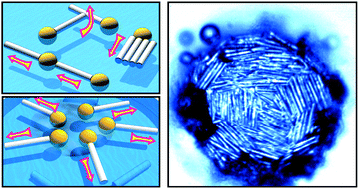
Collective behaviour of self-propelled catalytic micromotors

Collective behaviour of self-propelled catalytic micromotors | SynBioFromLeukipposInstitute | Scoop.it
Gerd Moe-Behrens's insight:

by
Alexander A. Solovev ,  Samuel Sanchez and Oliver G. Schmidt

"Biology widely employs catalytic reactions to power biomotors and cells. These dynamic entities can self-organize into swarms or self-assemble into functional micro- or nanostructures. Synthetic micro-/nanojet engines and nanomotors, driven by catalytic reactions, can move with high power and perform multiple tasks. Collective behavior of these microengines has recently been observed which includes swarming activities and the formation of multiconstituent entities. This feature article discusses recent developments, presents new discoveries on collective motion of self-propelled microjet engines and suggests next steps to undertake in the field of collective micromachines."

http://rsc.li/VLlXiC

No comment yet.
Scooped by Gerd Moe-Behrens
January 9, 2013 1:23 PM
Scoop.it!

Junk DNA hides assembly instructions

Junk DNA hides assembly instructions | SynBioFromLeukipposInstitute | Scoop.it
Gerd Moe-Behrens's insight:

by
Leslie Lang-UNC

"Snippets of information contained in dark matter, or “junk DNA,” can alter the way a gene gets put together, according to new research.
“These small sequences of genetic information tell the gene how to splice, either by enhancing the splicing process or inhibiting it. The research opens the door for studying the dark matter of genes. And it helps us further understand how mutations or polymorphisms affect the functions of any gene,” says study senior author Zefeng Wang, assistant professor of pharmacology in the University of North Carolina School of Medicine."
http://bit.ly/XNHooo

comment to:

*A complex network of factors with overlapping affinities represses splicing through intronic elements*

by
Yang Wang,Xinshu Xiao,Jianming Zhang,Rajarshi Choudhury,Alex Robertson,Kai Li, Meng Ma,Christopher B Burge& Zefeng Wang

"To better understand splicing regulation, we used a cell-based screen to identify ten diverse motifs that inhibit splicing from introns. Motifs were validated in another human cell type and gene context, and their presence correlated with in vivo splicing changes. All motifs exhibited exonic splicing enhancer or silencer activity, and grouping these motifs according to their distributions yielded clusters with distinct patterns of context-dependent activity. Candidate regulatory factors associated with each motif were identified, to recover 24 known and new splicing regulators. Specific domains in selected factors were sufficient to confer intronic-splicing-silencer activity. Many factors bound multiple distinct motifs with similar affinity, and all motifs were recognized by multiple factors, which revealed a complex overlapping network of protein-RNA interactions. This arrangement enables individual cis elements to function differently in distinct cellular contexts, depending on the spectrum of regulatory factors present."

http://bit.ly/VHpsqg

No comment yet.
Scooped by Gerd Moe-Behrens
January 9, 2013 9:23 AM
Scoop.it!

Why DNA goes into nanopores ‘head first’

Why DNA goes into nanopores ‘head first’ | SynBioFromLeukipposInstitute | Scoop.it
Gerd Moe-Behrens's insight:

by Kevin Stacey-Brown 

" When single molecules of DNA zip through nanopores, they most often travel head first. Physicists working toward nanopore sequencing devices say a “Jell-O theory” explains why. 

According to the new study, the DNA molecules have a convenient tendency to cooperate.The research, published in the journal Physical Review Letters, looks at the dynamics of how DNA molecules are captured by solid-state nanopores, tiny holes that soon may help sequence DNA at lightning speed. The study finds that when a DNA strand is captured and pulled through a nanopore, it’s much more likely to start the journey at one of its ends, rather than being grabbed somewhere in the middle and pulled through in a folded configuration.“We think this is an important advance for understanding how DNA molecules interact with these nanopores,” says Derek Stein, assistant professor of physics at Brown University, who performed the research with graduate students Mirna Mihovilivic and Nick Haggerty.“If you want to do sequencing or some other analysis, you want the molecule going through the pore head to tail.”Research into DNA sequencing with nanopores started a little over 15 years ago. The concept is fairly simple. A little hole, a few billionths of a meter across, is poked in a barrier separating two pools of salt water. An electric current is applied across the hole, which occasionally attracts a DNA molecule floating in the water.When that happens, the molecule is whipped through the pore in a fraction of a second. Scientists can then use sensors on the pore or other means to identify nucleotide bases, the building blocks of the genetic code.The technology is advancing quickly, and the first nanopore sequencing devices are expected to be on the market very soon. But there are still basic questions about how molecules behave at the moment they’re captured and before.“What the molecules were doing before they’re captured was a mystery and a matter of speculation,” Stein says. “And we’d like to know because if you’re trying to engineer something to control that molecule—to get it to do what you want it to do—you need to know what it’s up to....."


http://bit.ly/U47BdJ

No comment yet.
Scooped by Gerd Moe-Behrens
January 8, 2013 9:43 AM
Scoop.it!

SYNTHETIC BIOLOGY TOOLS - The Regents of the University of California

SYNTHETIC BIOLOGY TOOLS - The Regents of the University of California | SynBioFromLeukipposInstitute | Scoop.it
Gerd Moe-Behrens's insight:

United States Patent Application 20130005590 

by

Lou, Chunbo (San Francisco, CA, US)Moon, Tae Seok (San Francisco, CA, US)Rhodius, Virgil (El Sobrante, CA, US)Stanton, Brynne (San Francisco, CA, US)Tamsir, Alvin (San Francisco, CA, US)Temme, Karsten (San Francisco, CA, US)Voigt, Chirs (San Francisco, CA, US)

Claims;
" A method of designing a genetic circuit containing one or more orthogonal sequence-specific DNA binding polypeptides, the method comprising providing a set of sequence-specific DNA binding polypeptides; optimising expression of the polypeptides in a heterologous host cell; identifying target DNA sequences to which the polypeptides bind; generating synthetic transcriptional regulatory elements comprising at least one identified target DNA sequence, wherein the regulatory elements are responsive to a sequence-specific DNA binding polypeptide from the set of sequence-specific DNA binding polypeptides; designing cognate sequence-specific DNA binding polypeptide-target DNA sequence pairs to generate a set of orthogonal sequence-specific DNA binding polypeptide-target DNA sequence pairs; designing a genetic circuit containing one or more orthogonal sequence-specific DNA binding polypeptide-target DNA sequence pairs from the set of orthogonal sequence-specific DNA binding polypeptide-target DNA sequence pairs, thereby designing a genetic circuit containing one or more orthogonal sequence-specific DNA binding polypeptides. ...."


http://bit.ly/RDRF2X

No comment yet.
Scooped by Gerd Moe-Behrens
January 7, 2013 12:54 PM
Scoop.it!

Directing the assembly of spatially organized multicomponent tissues from the bottom up

Directing the assembly of spatially organized multicomponent tissues from the bottom up | SynBioFromLeukipposInstitute | Scoop.it
Gerd Moe-Behrens's insight:

by
Jennifer S. Liu, Zev J. Gartner

"The complexity of the human body derives from numerous modular building blocks assembled hierarchically across multiple length scales. These building blocks, spanning sizes ranging from single cells to organs, interact to regulate development and normal organismal function but become disorganized during disease. Here, we review methods for the bottom-up and directed assembly of modular, multicellular, and tissue-like constructs in vitro. These engineered tissues will help refine our understanding of the relationship between form and function in the human body, provide new models for the breakdown in tissue architecture that accompanies disease, and serve as building blocks for the field of regenerative medicine."

http://bit.ly/118DYNC

No comment yet.
Scooped by Gerd Moe-Behrens
January 7, 2013 12:36 PM
Scoop.it!

Designing biological compartmentalization

Designing biological compartmentalization | SynBioFromLeukipposInstitute | Scoop.it
Gerd Moe-Behrens's insight:

by
Anna H. Chen, Pamela A. Silver

"Intracellular organization is a key factor in cell metabolism. Cells have evolved various organizational systems to solve the challenges of toxic pathway intermediates, competing metabolic reactions, and slow turnover rates. Inspired by nature, synthetic biologists have utilized proteins, nucleic acids, and lipids to construct synthetic organizational systems that mimic natural systems. Many of these systems have been applied to metabolic pathways and shown to significantly increase the production of industrially and commercially important chemicals. Further engineering and characterization of synthetic organizational systems will allow us to better understand native cellular strategies of spatial organization. Here, we discuss recent advances and ongoing efforts in designing and characterizing synthetic compartmentalization systems to mimic natural strategies and increase metabolic yields of engineered pathways."

http://bit.ly/Zhb8p3

No comment yet.
Scooped by Gerd Moe-Behrens
January 7, 2013 12:24 PM
Scoop.it!

Engineered, harnessed, and hijacked: synthetic uses for cytoskeletal systems

Engineered, harnessed, and hijacked: synthetic uses for cytoskeletal systems | SynBioFromLeukipposInstitute | Scoop.it
Gerd Moe-Behrens's insight:

 
by
Brian S. Goodman, Nathan D. Derr, Samara L. Reck-Peterson

"Synthetic biology re-imagines existing biological systems by designing and constructing new biological parts, devices, and systems. In the arena of cytoskeleton-based transport, synthetic approaches are currently used in two broad ways. First, molecular motors are harnessed for non-physiological functions in cells. Second, transport systems are engineered in vitro to determine the biophysical rules that govern motility. These rules are then applied to synthetic nanotechnological systems. We review recent advances in both of these areas and conclude by discussing future directions in engineering the cytoskeleton and its motors for transport."

http://bit.ly/XE1ZLE

No comment yet.
Scooped by Gerd Moe-Behrens
January 6, 2013 1:43 PM
Scoop.it!

Synthetic Biology: Social and Ethical Challenges

Synthetic Biology: Social and Ethical Challenges | SynBioFromLeukipposInstitute | Scoop.it
Gerd Moe-Behrens's insight:

Technology is by itself value neutral, and can be both used for the good or the bad. Thus, new technology as Synthetic Biology needs a broad public discussion about the finalization of this kind of research!

*Synthetic biology*: *Social and ethical challenges*

by
Andrew Balmer & Paul Martin

".....This report therefore aims to briefly review the main social and ethical issues raisedin public debates about synthetic biology. In particular, it draws on media reports,academic publications and grey literature mostly published in the last five years. Thefirst two sections provide some definitions of synthetic biology and summarise thecentral areas of scientific research. This is followed by a description of how thescience and technology has developed in recent years, the emergence of publicdebate about its implications and the policy response to these concerns in a numberof key areas. Finally, some reflections on the lessons that might be learnt from theearlier debates over genetic engineering and recommendations for policy are offeredin the conclusion
http://bit.ly/WmjZUq
No comment yet.
Scooped by Gerd Moe-Behrens
January 5, 2013 3:01 PM
Scoop.it!

Life as Evolving Software, Greg Chaitin at PPGC UFRGS

Few people remember Turing's work on pattern formation in biology (morphogenesis), but Turing's famous 1936 paper On Computable Numbers exerted an immense in...
No comment yet.
Scooped by Gerd Moe-Behrens
January 5, 2013 1:20 PM
Scoop.it!

How Policymakers Are Shaping Ethics Guidelines for Synthetic Biology

How Policymakers Are Shaping Ethics Guidelines for Synthetic Biology | SynBioFromLeukipposInstitute | Scoop.it
Gerd Moe-Behrens's insight:


By Christie Rizk 

"When geneticist Craig Venter announced that his team had constructed a self-replicating bacterial genome from scratch in May 2010, University of California, Berkeley anthropologist Paul Rabinow told the journal Science that "this experiment will certainly reconfigure the ethical imagination."

As a new scientific era unfolds in which life can be synthesized in various forms to serve a variety of purposes, Rabinow's prediction is becoming reality. In response to Venter's achievement, President Obama asked the Presidential Commission for the Study of Bioethical Issues to recommend an ethical framework for research in the field of synthetic biology that would maximize public benefit while minimizing risk. The Commission's December 2010 report concluded that "synthetic biology offers extraordinary promise to create new products for clean energy, pollution control, and medicine, to revolutionize chemical production and manufacturing, and to create new economic opportunities." And it recommended ways the private and public sectors could work together to determine appropriate oversight without limiting the field's potential. Since then, opposition to synthetic biology has come from several sectors. Some religious groups say scientists in the field are playing God, creating life that isn't theirs to create. Some environmental groups have expressed misgivings about the possible chaos a synthetic life form could unleash if released from the lab. And the potential for misuse of the technology for bioterrorism is a concern of citizens and scientists alike....."


 http://bit.ly/13aiqPf

No comment yet.
Scooped by Gerd Moe-Behrens
January 11, 2013 12:42 PM
Scoop.it!

Sequence-Specific Peptide Synthesis by an Artificial Small-Molecule Machine

Sequence-Specific Peptide Synthesis by an Artificial Small-Molecule Machine | SynBioFromLeukipposInstitute | Scoop.it
Gerd Moe-Behrens's insight:


byBartosz Lewandowski, Guillaume De Bo, John W. Ward, Marcus Papmeyer, Sonja Kuschel, María J. Aldegunde, Philipp M. E. Gramlich, Dominik Heckmann, Stephen M. Goldup, Daniel M. D’Souza, Antony E. Fernandes, David A. Leigh "The ribosome builds proteins by joining together amino acids in an order determined by messenger RNA. Here, we report on the design, synthesis, and operation of an artificial small-molecule machine that travels along a molecular strand, picking up amino acids that block its path, to synthesize a peptide in a sequence-specific manner. The chemical structure is based on a rotaxane, a molecular ring threaded onto a molecular axle. The ring carries a thiolate group that iteratively removes amino acids in order from the strand and transfers them to a peptide-elongation site through native chemical ligation. The synthesis is demonstrated with ~1018 molecular machines acting in parallel; this process generates milligram quantities of a peptide with a single sequence confirmed by tandem mass spectrometry." http://bit.ly/V1suHr see also *Towards a molecular factory*: *Processive sequence-selective synthesis with a synthetic molecular machine* byDavid Leigh ""The widespread use of molecular-level motion in key natural processes suggests that great rewards could come from bridging the gap between the present generation of synthetic molecular systems—which by and large rely upon electronic and chemical effects to carry out their functions—and the machines of the macroscopic world, which utilize the synchronized movements of smaller parts to perform particular tasks.1 In recent years it has proved possible to design synthetic molecular systems where positional changes of submolecular components occur by moving energetically downhill but many questions in this field remain unanswered: What are the structural features necessary for molecules to use chemical energy to repetitively do useful work at the molecular level? Artificial compounds that can do these things have yet to be realized; the field of synthetic molecular machines is still very much in its infancy and only the most basic systems—mechanical switches and slightly more sophisticated, but still rudimentary, molecular rotors—have been made thus far. The aim of this project is to construct and demonstrate the successful operation of synthetic molecular machines capable of performing complex tasks, far beyond the current state-of-the-art.Our target is to mimic translation, the process through which protein is synthesized on the mRNA template in the ribosome. To achieve this ambitious task (in a very basic form) through the action of a wholly artificial molecular machine system (Figure 1) we propose to utilise a [2]rotaxane in which the macrocycle component acts as both a catalyst and a molecular transporter, abstracting bulky aromatic amino acid substituents from a sequence-specific ‘thread’ and transporting them in turn to the next amino acid fragment before mediating the formation of a new amide bond between them. The design is such that the macrocycle is forced to approach each amino acid in sequence, and is unable to pass until the cycle is complete, imparting sequential integrity to the oligopeptide synthesis. The mechanically interlocked nature of the rotaxane ensures processivity during the machine’s operation. Although biology uses threaded molecular architectures to transfer chemical information during sequence-specific oligomer and polymer assembly (proteins, oligo- and polysaccharides, DNA and RNA), such effects are unprecedented in artificial systems. We hope that our synthetic studies will provide a breakthrough in the development of artificial molecular machines that can perform real tasks at the molecular level including, ultimately, the synthesis of unnatural sequence-specific oligomers and polymers that are not accessible by other routes."http://bit.ly/XqprrP  ;
No comment yet.
Scooped by Gerd Moe-Behrens
January 11, 2013 8:21 AM
Scoop.it!

The Internet of You: How the future of computing became screens and sensors on every appendage

The Internet of You: How the future of computing became screens and sensors on every appendage | SynBioFromLeukipposInstitute | Scoop.it
Gerd Moe-Behrens's insight:

Computing is about to get really personal.  On your Finger.....In your face.....On your wrist....Atop your head....On your Skin.....In your pocket.....Inside you..... "We’ve been hearing about “wearable computing” for years. But we’re finally at a tipping point. Better batteries, miniaturization, and radical new approaches to manufacturing electronic circuits have finally made screens, computers and sensors small enough to stick just about anywhere. It no longer seems strange to see someone wearing a bracelet that records their vital signs, a watch with as much power as a cell phone, or, soon to be available, glasses that augment our reality. Smartphones are the key to this trend. Now that we’re all carrying powerful general-purpose computers on our person, which are in easy radio range of whatever other devices we might carry, we’re creating our own personal, local cloud-computing networks. Our phones are like brains, and everything from our wireless headsets to our heart-rate monitors are their distributed nervous system. It sounds crazy, but the cyborgification of humanity is proceeding apace. It will change how we live and how we work, and for the same reason that none of us can put down our mobile devices, we will be powerless to resist. This year’s Consumer Electronics Show (CES) is flush with so-called “smart watches,” but other kinds of wearable computer that you’ve probably never heard of are also about to take off. Here’s a brief tour through the Internet of You.......MC10′s “biostamps” embed its flexible circuitry in plastic that can be stuck to human skin like a temporary tattoo. The result are sensors for heart rate, perspiration, impact, and so on that can record data that can later be read by RFID—the same technology that enables tap-to-pay systems on key fobs and mobile wallets. No wonder the company just got another $10 million in a series C round of financing.......When I interviewed one of the engineers behind MC10′s flexible circuits, he told me that one of his goals was to eventually create an artificial pericardium—the sack that surrounds the heart—and infuse it with a mesh of his flexible circuits, all firing in a precise and reactive way, to act like a much more sophisticated and precise pacemaker for a diseased heart. Already, MC10 has created a prototype balloon catheter equipped with sensors that can measure electrical misfiring caused by cardiac arrhythmias. Taken together, these devices represent something consumers have never really seen before—a body-based network of input and output devices that travels with us wherever we go. If it’s hard to imagine how any one of them might change our lives, what’s completely unpredictable is what they’ll do when combined. It’s exactly the sort of opportunity the consumer-electronics industry needs to lift it out of its doldrums. And the companies that can capitalize on that will be entering an industry with tremendous room for growth—because it doesn’t really exist yet." http://bit.ly/SojduM ;
No comment yet.
Scooped by Gerd Moe-Behrens
January 10, 2013 1:05 PM
Scoop.it!

2013 CSHL course in Synthetic Biology

2013 CSHL course in Synthetic Biology | SynBioFromLeukipposInstitute | Scoop.it
Gerd Moe-Behrens's insight:

July 30 - August 12, 2013

Application Deadline: March 15, 2013

Instructors:
Karmella Haynes, Arizona State University
Julius Lucks, Cornell University
David Savage, University of California, Berkeley
Jeff Tabor, Rice University

The goal of synthetic biology is to enable the predictable reprogramming of cells to execute complex physiological activities. It takes inspiration from our ever-expanding ability to measure and perturb biological systems and the philosophical reflections of Schrodinger and Feynman that rational, physical laws can be used to describe and engineer biology to accomplish useful things. However, biological systems are noisy, massively interconnected, and non-linear. The grand challenge for synthetic biology is therefore how to reconcile the desire for a predictable, formalized design process with the inherent ‘squishiness’ of biology. 

This course will focus on how the complexity of biological systems, combined with traditional engineering approaches, results in the emergence of new design principles for synthetic biology. In the lab, students will be introduced to the design-build-test cycle, in which libraries of biological parts are composed into larger modules and evaluated using a variety of high-throughput techniques. Students will work in teams to solve challenges introduced by the instructors and learn how bacterial and eukaryotic regulation of all forms – transcriptional, translational, post-translational, and epigenetic – can be used to engineer cells to do useful things. In addition, internationally-recognized invited speakers will give students a broad overview of applications for synthetic biology, including renewable chemical production and therapeutics, and the current state-of-the-art techniques for both bottom-up and top-down design. 
Synthetic biology is an inherently interdisciplinary field. 

We encourage students of all backgrounds, whether the very biological or very theoretical, to apply.

Additional Faculty:
Adam Arkin, University of California, Berkeley
Michelle Chang, University of California Berkeley
Andy Ellington, University of Texas at Austin
Justin Gallivan, Emory University
Daniel Gibson, J. Craig Venter Institute
Michael Jewett, Northwestern University
Eric Klavins, University of Washington
Richard Murray, California Institute of Technology
Pam Silver, Harvard Medical School
Chris Voigt, Massachusetts Institute of Technology
Ron Weiss, Massachusetts Institute of Technology


Cost (including board and lodging): $3,610

http://bit.ly/UNRssJ

No comment yet.
Scooped by Gerd Moe-Behrens
January 9, 2013 2:11 PM
Scoop.it!

Synthetic Biology index

Synthetic Biology index | SynBioFromLeukipposInstitute | Scoop.it
Resources for Synthetic Biology at the University of Cambridge collated by Jim Haseloff.
No comment yet.
Scooped by Gerd Moe-Behrens
January 9, 2013 9:39 AM
Scoop.it!

Evolutionary Game based Control for Biological Systems with Applications in Drug Delivery

Evolutionary Game based Control for Biological Systems with Applications in Drug Delivery | SynBioFromLeukipposInstitute | Scoop.it
Gerd Moe-Behrens's insight:

by
Xiaobo Li, Scott C. Lenaghan, Mingjun Zhang

"Control engineering and analysis of biological systems have become increasingly important for systems and synthetic biology. Unfortunately, no widely accepted control framework is currently available for these systems, especially at the cell and molecular levels. This is partially due to the lack of appropriate mathematical models to describe the unique dynamics of biological systems, and the lack of implementation techniques, such as ultra-fast and ultra-small devices and corresponding control algorithms. This paper proposes a control framework for biological systems subject to dynamics that exhibit adaptive behavior under evolutionary pressures. The control framework was formulated based on evolutionary game based modeling, which integrates both the internal dynamics and the population dynamics. In the proposed control framework, the adaptive behavior was characterized as an internal dynamic, and the external environment was regarded as an external control input. The proposed open-interface control framework can be integrated with additional control algorithms for control of biological systems. To demonstrate the effectiveness of the proposed framework, an optimal control strategy was developed and validated for drug delivery using the pathogen Giardia lamblia as a test case. In principle, the proposed control framework can be applied to any biological system exhibiting adaptive behavior under evolutionary pressures."

http://bit.ly/UKC4Bh

No comment yet.
Scooped by Gerd Moe-Behrens
January 8, 2013 12:39 PM
Scoop.it!

Students Can Participate in Synthetic Biology Slam

Students Can Participate in Synthetic Biology Slam | SynBioFromLeukipposInstitute | Scoop.it
Gerd Moe-Behrens's insight:

"On March 1st, 2013, the Artscience Program at the Perpich Center for Arts Education will be hosting its first Synthetic Biology Slam, a night of fast-paced creative talks encouraging students to use art and science to create new ideas, at the Beat Coffeehouse in Uptown Minneapolis. This event will give students an opportunity to meet like-minded original thinkers, get feedback and find new ideas and partners in innovation!

 The Synthetic Biology slam is a creative competition open to Minnesota students grades 6 through college. Each participant will be allowed five minutes to present their creative new ideas about future paths for synthetic biology (and the world!), while ensuring concepts remain grounded in scientific reality. We welcome everything from ideas-in-the-making to more developed hypotheses and work. Students are encouraged to participate regardless of background—bring a willingness to share their ideas artistically and with enthusiasm...."


http://bit.ly/TJ0s3z

Loiret David's curator insight, January 8, 2013 2:30 PM

"On March 1st, 2013, the Artscience Program at the Perpich Center for Arts Education will be hosting its first Synthetic Biology Slam, a night of fast-paced creative talks encouraging students to use art and science to create new ideas, at the Beat Coffeehouse in Uptown Minneapolis. This event will give students an opportunity to meet like-minded original thinkers, get feedback and find new ideas and partners in innovation!

 The Synthetic Biology slam is a creative competition open to Minnesota students grades 6 through college. Each participant will be allowed five minutes to present their creative new ideas about future paths for synthetic biology (and the world!), while ensuring concepts remain grounded in scientific reality. We welcome everything from ideas-in-the-making to more developed hypotheses and work. Students are encouraged to participate regardless of background—bring a willingness to share their ideas artistically and with enthusiasm...."


http://bit.ly/TJ0s3z

Scooped by Gerd Moe-Behrens
January 7, 2013 1:21 PM
Scoop.it!

The Eugene Language

The Eugene Language | SynBioFromLeukipposInstitute | Scoop.it
Gerd Moe-Behrens's insight:


Eugene is a human- and machine-readable language developed to speed up and innovate the design of novel biological devices. The Eugene language provides facilities to specify a system of parts and devices, as well as rules to constraining their composition. The overarching goal is that Eugene becomes the clear language of choice for user-level design specifications within the synthetic biology domain.

Eugene's key facilities for the synthetic biology domain include to
specify synthetic biological components at various abstraction levels,
define constraints (i.e., rules) on the components' compositions
manage the control-flow of design synthesis,
utlize Eugene's API to, for example, generate novel biological devices automatically, and
prototype and invoke user-required and reusable functions.

http://bit.ly/VOplIB

No comment yet.
Scooped by Gerd Moe-Behrens
January 7, 2013 12:45 PM
Scoop.it!

Directed cytoskeleton self-organization

Directed cytoskeleton self-organization | SynBioFromLeukipposInstitute | Scoop.it
Gerd Moe-Behrens's insight:

by
Timothée Vignaud, Laurent Blanchoin, Manuel Théry

"The cytoskeleton architecture supports many cellular functions. Cytoskeleton networks form complex intracellular structures that vary during the cell cycle and between different cell types according to their physiological role. These structures do not emerge spontaneously. They result from the interplay between intrinsic self-organization properties and the conditions imposed by spatial boundaries. Along these boundaries, cytoskeleton filaments are anchored, repulsed, aligned, or reoriented. Such local effects can propagate alterations throughout the network and guide cytoskeleton assembly over relatively large distances. The experimental manipulation of spatial boundaries using microfabrication methods has revealed the underlying physical processes directing cytoskeleton self-organization. Here we review, step-by-step, from molecules to tissues, how the rules that govern assembly have been identified. We describe how complementary approaches, all based on controlling geometric conditions, from in vitro reconstruction to in vivo observation, shed new light on these fundamental organizing principles."

http://bit.ly/XeUXZX

No comment yet.
Scooped by Gerd Moe-Behrens
January 7, 2013 12:29 PM
Scoop.it!

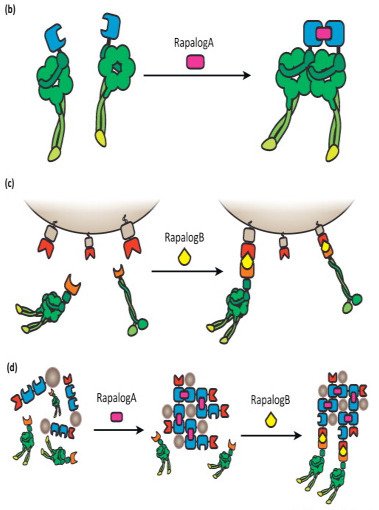
Principles for designing ordered protein assemblies

Principles for designing ordered protein assemblies | SynBioFromLeukipposInstitute | Scoop.it
Gerd Moe-Behrens's insight:

by
Yen-Ting Lai, Neil P. King, Todd O. Yeates

"In nature, many proteins have evolved to have self-complementary shapes. This drives them to assemble into supramolecular structures, sometimes of great complexity, and often carrying out sophisticated cellular functions. Designing novel proteins that can self-assemble into similarly complex structures is a longstanding goal in bioengineering. New ideas, combined with continually improving computer algorithms, are making it possible to advance on that goal, bringing wide-ranging applications in synthetic biology within reach. Prospective applications range from vaccine design to molecular delivery to bioactive materials. Recent strategies and examples of successfully designed protein cages, layers, and crystals are reviewed."

http://bit.ly/XE3NEt

No comment yet.
Scooped by Gerd Moe-Behrens
January 6, 2013 6:47 PM
Scoop.it!

How to 'take over' a brain

How to 'take over' a brain | SynBioFromLeukipposInstitute | Scoop.it
Gerd Moe-Behrens's insight:

"Optogenetics is the integration of optics and genetics to control precisely defined events within specific cells of living tissue"
http://en.wikipedia.org/wiki/Optogenetics

*How to 'take over' a brain* ?

by
Leonard Mlodinow

"The hottest field in science this past decade has been neuroscience. That explosion in research, and our understanding of the human brain, was largely fueled by a new technology called functional magnetic resonance imaging (fMRI) that became widely available in the 1990s. Well look out! Another technology-based neuroscience revolution is in the making, this one perhaps even bigger. The term to watch for in 2013 is "optogenetics." It's not a sexy term, but it is a very sexy technology."
http://bit.ly/UABClc

see also:
*Optogenetics: controlling cell function with light*

by
Erika Pastrana

"A brief description of the basic steps required to control cellular function with optogenetics is presented."
http://bit.ly/VEi6WJ

No comment yet.
Scooped by Gerd Moe-Behrens
January 6, 2013 1:16 PM
Scoop.it!

Science will be never the same

Science will be never the same | SynBioFromLeukipposInstitute | Scoop.it
Gerd Moe-Behrens's insight:

As we move deeper into the digital age we are facing major changes how things get done. This also effects the social praxis of science. 
I believe that there are two major digital trends driving recent innovations in science and technology; both are changing the way we perform and look at research. 
1) How to deal with the enormous amount of data?
2) How to use and benefit from collaborative intelligence found in the Cloud for research?
(ref http://bit.ly/TtuNOP and http://bit.ly/OkBAMt )

Many people are starting to reflect on this kind of questions. I found today eg this interesting blog:

*So you want to have a phD? Tell more how do you swallow this spaghetti dish..*
by
+Eugenio Battaglia 
"Collection of data is becoming everyday embarrassingly cheaper. The main problem is to store, and - especially - to organize and giving meaning to these big-data. Their comprehension have enormous implications in every single aspect of our life. They’re everywhere in today’s science. If you are doing science nowadays, you are probably dealing with this issue. 

We call this, the BIG DATA problem. .... While I was trying to solve such empasses, I discovered that this is only the tipping point of the iceberg. The solution i found, didn’t basically fit with current rules of science world. In order to explain so, we need to take a brief look on how science work to date.... " 

http://bit.ly/VMkhVe

Two other interesting resources, I would like to mention in this context: 

1) Solve for X: +Adrien Treuille  on collaborative science

http://bit.ly/ziK0YJ  

2)  +Michael Nielsen, Reinventing Discovery, TheNew Era of Networked Science, Princeton University Press 2012.“Michael Nielsen argues that we are living at the dawn of the mostdramatic change in science in more than 300 years. This is beingdriven by powerful new cognitive tools, enabled by the internet, whichare greatly accelerating scientific discovery....this is the firstbook about something much more fundamental how the internet istransforming the nature of our collective intelligence and how weunderstand the world” (cover text)http://amzn.to/H74pZS

These subjects I really care a lot about and I think we are facing a fundamental paradigm change in science, which will affect everybody involved in science. It will fundamental change the way we do science on a daily base and the underlying philosophical concepts. I am really looking forward to discuss this. It will be us, who will form this development and we will need a broad social agreement how we will do things in the future!


What is your opinion?

No comment yet.
Scooped by Gerd Moe-Behrens
January 5, 2013 2:10 PM
Scoop.it!

*Biological computation*: *A road to complex engineered systems*

*Biological computation*: *A road to complex engineered systems* | SynBioFromLeukipposInstitute | Scoop.it
Gerd Moe-Behrens's insight:

by
Nelson Alfonso Gómez-Cruz and Carlos Eduardo Maldonado

"Provided that there is no theoretical frame for complex engineered systems (CES) as yet, this paper claims that bio-inspired engineering can help provide such a frame. Within CES bio- inspired systems play a key role. The disclosure from bio-inspired systems and biological computation has not been sufficiently worked out, however. Biological computation is to be taken as the processing of information by living systems that is carried out in polynomial time, i.e., efficiently; such processing however is grasped by current science and research as an intractable problem (for instance, the protein folding problem). A remark is needed here: P versus NP problems should be well defined and delimited but biological computation problems are not. The shift from conventional engineering to bio-inspired engineering needs bring the subject (or problem) of computability to a new level. Within the frame of computation, so far, the prevailing paradigm is still the Turing-Church thesis."

http://bit.ly/Wg57X9

http://en.wikipedia.org/wiki/Universal_Turing_machine
http://en.wikipedia.org/wiki/Church-Turing_thesis

see also *Conceptually* - *this is a Turing Machine*
https://plus.google.com/u/0/b/106140549977596536572/106140549977596536572/posts/U4hKP2gPbux


No comment yet.